技术复利

Search documents
国产手机开启新较量,「不争先」的赢了
36氪· 2025-10-13 14:44
Core Viewpoint - The Chinese smartphone industry has entered a new phase characterized by systemic competition, where brands like Huawei, Xiaomi, and vivo are focusing on technological depth and ecosystem innovation rather than just product iteration [2][5][26]. Market Dynamics - As of September 28, 2025, vivo (including iQOO) holds an 18.4% market share, leading the Chinese smartphone market for the third quarter of 2025, and a 17.2% share for the first three quarters of 2025 [4]. - In the high-end market (above 4000 yuan), vivo ranks second with a 22.14% share, following Huawei [4]. Competitive Landscape - The current competitive landscape is defined by a shift from "single-point leadership" to "system leadership," where brands must build closed loops in technology, experience, and ecosystem [5][26]. - The evolution in the imaging sector reflects this shift, moving from hardware competition to a focus on real-world problem-solving capabilities [5][11]. Innovation Strategies - vivo's innovation strategy involves deep collaboration with partners like MediaTek and Arm, allowing for co-development of chipsets and imaging algorithms, which enhances their competitive edge [7][20]. - The X300 series exemplifies this approach, integrating advanced imaging capabilities with AI to create a seamless user experience [9][19]. Long-term Vision - vivo's approach is likened to a river, emphasizing patience and accumulation over time, which allows for the development of a reusable system capability [16][19]. - The "Blue Technology" system represents a comprehensive ecosystem that integrates chip performance, imaging, system interaction, and AI understanding, enabling continuous self-evolution [19][20]. Societal Impact - The focus on user-centric innovation is evident in vivo's projects, such as the "Digital National Treasure Plan," which utilizes imaging technology for cultural heritage preservation [23]. - By addressing real-world needs, vivo demonstrates that technological innovation can create significant social value beyond mere product performance [24][28].


勇敢还是盲目?追觅高调跨界 要造“世界上最快的车”
2 1 Shi Ji Jing Ji Bao Dao· 2025-09-01 23:19
Core Viewpoint - The automotive market in China is highly competitive, and companies must excel in operational efficiency, supply chain control, technology reserves, and brand strength to survive [1][2][11] Group 1: Company Strategy and Development - Pursue Technology Integration: The company aims to leverage its existing technology in clean energy to support its automotive ambitions, with a focus on achieving "technological compounding" [2][3] - Dual Business Model: The company is adopting a "left hand and right hand model," where the left hand represents contract manufacturing (ODM) and the right hand focuses on self-developed vehicle projects [4][5] - Talent Acquisition: The company has built a team of over 1,000 professionals from leading automotive firms, indicating a strong commitment to developing its automotive capabilities [2][3] Group 2: Product Lines and Market Positioning - Diverse Product Lines: The company has planned five product lines, targeting various segments from high-end supercars to more affordable electric vehicles, aiming to cover a wide market spectrum [1][2] - Initial Product Development: The first mass-produced vehicle is currently in the design review stage, with plans to showcase prototypes in the near term [1][4] Group 3: Challenges and Market Environment - Underestimated Complexity: The company faces significant challenges in technology integration and market positioning, particularly in matching the performance of established brands like Bugatti [6][7][11] - Regulatory Hurdles: The company is constrained by the current regulatory environment, which has halted the issuance of new automotive manufacturing licenses, complicating its path to market entry [10][11] - Market Decline: The company's core business in the cleaning sector is experiencing a decline, which may drive its urgency to diversify into automotive manufacturing [11][12]
想造“世界上最快的车”,追觅是“无畏”还是“无知”
2 1 Shi Ji Jing Ji Bao Dao· 2025-09-01 16:09
Core Viewpoint - The automotive market in China is highly competitive, and companies must excel in operational efficiency, supply chain management, technology reserves, and brand strength to survive [2][14] Group 1: Company Overview - Pursue Technology has announced plans to launch its first ultra-luxury electric vehicle by 2027, aiming to compete with renowned supercar brands like Bugatti [2] - The company has established a dedicated automotive team of over 1,000 members, recruiting talent from leading firms such as Geely, Huawei, Xiaomi, and BYD [4] - Pursue's automotive project, named "Starry Sky Plan," is positioned as the core of its vehicle manufacturing efforts [4] Group 2: Product Lines and Strategy - Pursue has outlined five product lines (S/A/B/C/D) targeting various market segments, from high-end brands like McLaren and Lamborghini to domestic competitors like Tesla and NIO [2] - The company is also exploring innovative categories, such as the integration of cleaning robots with vehicles [2] - Pursue's strategy includes a "left-hand" model focusing on contract manufacturing and a "right-hand" model for self-developed vehicles [5][7] Group 3: Technological Development - As of May 2025, Pursue has filed 6,379 patents related to automotive technology, with 3,155 granted, focusing on key areas like sensor fusion and motor control [5] - The company aims to leverage its existing technology in home appliances to enhance its automotive capabilities, although it faces challenges in adapting these technologies for automotive applications [11][12] Group 4: Market Challenges - Despite its ambitions, Pursue faces significant hurdles, including a lack of experience in automotive development and the complexities of vehicle manufacturing [9][12] - The company must navigate stringent regulations regarding automotive manufacturing qualifications, as new licenses are no longer being issued [13] - Pursue's core business in the cleaning sector is experiencing a decline, which may drive its urgency to diversify into automotive manufacturing [14]

想造“世界上最快的车”,追觅是“无畏”还是“无知”
21世纪经济报道· 2025-09-01 15:57
Core Viewpoint - The article discusses the ambitious plans of Chase Technology to enter the automotive industry, aiming to produce a luxury electric vehicle by 2027, while highlighting the challenges and complexities of this endeavor in a highly competitive market [1][2]. Group 1: Company Strategy and Plans - Chase Technology has announced the incubation of a new automotive project, planning to launch its first ultra-luxury electric vehicle by 2027, directly competing with renowned brands like Bugatti [1]. - The company has outlined five product lines, targeting various segments of the automotive market, including high-end brands like McLaren and Lamborghini, as well as competing with domestic players like Tesla and NIO [1][3]. - The "Starry Sky Plan" has been established as the core of its automotive business, with a team of over 1,000 employees, many of whom come from leading companies in the industry [4]. Group 2: Technological and Operational Challenges - Despite its ambitions, Chase Technology faces significant challenges in technology and industry qualifications, particularly in matching the performance of established brands like Bugatti [9][12]. - The company has a history of technological development, with 6,379 patent applications related to automotive technology, but it still lacks the necessary experience in automotive R&D and production processes [4][10]. - The "left-hand" business model focuses on modifying existing domestic models for export, while the "right-hand" model aims for self-developed vehicles, which is currently stalled at the design review stage [5][6][7]. Group 3: Market Context and Competitive Landscape - The Chinese automotive market is highly competitive, with existing players struggling to maintain profitability, making it difficult for new entrants like Chase Technology to establish a foothold [1][13]. - The domestic robot vacuum market, where Chase Technology primarily operates, has seen declining sales, prompting the company to diversify into automotive manufacturing [13]. - Other companies in the home appliance sector have attempted similar transitions into automotive but have faced challenges due to their smaller scale and resources compared to giants like Xiaomi and Huawei [13].

追觅科技拉开冰箱量产序幕 加速布局高端大家电市场
Zheng Quan Ri Bao Wang· 2025-07-23 11:12
Core Viewpoint - The launch of Z-Fresh series refrigerators by ZhiMi Technology marks the beginning of mass production and delivery, indicating a rapid development phase in the high-end home appliance market [1][2] Group 1: Company Strategy - ZhiMi Technology adopts a unique strategy in entering the refrigerator market, focusing on "research and development first, then application," contrasting with traditional manufacturers' approach of "mass production followed by iteration" [1] - The company emphasizes "technological compounding" as a key factor for its diversified development, leveraging four core technologies: high-speed digital motors, intelligent algorithms, fluid mechanics, and aerodynamics [1][2] Group 2: Market Position and Ecosystem - ZhiMi Technology has established a strong hardware manufacturing know-how and channel resources, with products available in over 100 countries and regions, and more than 6,000 physical stores globally [2] - The company has created a sustainable ecosystem expansion path, transitioning from cleaning appliances to major home appliances, and integrating various technologies and services to reconstruct living spaces [2]
追觅跨界大家电:以技术复利+无界生态改写行业规则
雷峰网· 2025-05-22 11:29
Core Viewpoint - The article discusses the strategic entry of Chasing Technology into the traditional home appliance market, emphasizing its reliance on technological compounding and ecological synergy to disrupt a market dominated by established players like Midea, Haier, and Gree [2][17]. Market Dynamics and Opportunities - The Chinese home appliance market is experiencing a significant shift, with an expected release of over 1 trillion yuan in market space over the next three years due to a wave of replacements driven by the aging of existing appliances and government policies promoting trade-ins [3][18]. - Chasing Technology aims to leverage its core technological capabilities, such as high-speed digital motors and intelligent algorithms, to tap into the overlooked 99% of market potential, contrasting with competitors focused on narrow segments [3][4]. Technological Leverage - Chasing Technology is applying its existing technologies from the cleaning appliance sector to new categories like refrigerators, air conditioners, and kitchen appliances, aiming for a "technology leverage effect" [3][4]. - The company is also working on overcoming technical barriers in key components of home appliances, such as compressors in air conditioners, which account for 30% to 40% of the total cost [4][10]. Ecological Collaboration and Scale Barriers - The company has adopted an "ecological" approach, reusing core technologies and supply chain capabilities across various product lines, which helps reduce costs and accelerate market entry [6][8]. - The home appliance industry is characterized by high capital requirements and long cycles, necessitating continuous investment in both funding and research and development [7][9]. Competitive Strategy - Chasing Technology is diversifying its product offerings while maintaining competitiveness across multiple fronts, including supply chain collaboration and the establishment of "lighthouse factories" to enhance production capacity [8][10]. - The company is focusing on a balanced investment strategy across short, medium, and long-term projects to ensure steady growth and maintain a competitive edge in research and development [10][17]. User Co-Creation - Unlike traditional home appliance companies, Chasing Technology employs a user co-creation model in product development, allowing customers to vote on features, which ensures alignment with market demands [12][13]. - This approach reduces market misjudgments and enhances feedback loops, particularly important for high-involvement purchases like air conditioners and refrigerators [13][14]. Brand and Market Positioning - Chasing Technology is building brand recognition and consumer trust through its established presence in the smart cleaning sector, which can be leveraged as it enters the home appliance market [15][18]. - The company is also developing a comprehensive service system that includes marketing, distribution, installation, and after-sales support, crucial for competing in the home appliance sector [15][18]. Conclusion - The journey of Chasing Technology into the home appliance market represents an exploration of "corporate boundaries," combining rational calculations of technological compounding with ambitious ecological visions [17][18]. - The success of Chasing Technology will depend on its ability to navigate supply chain restructuring, overcome scale and channel barriers, and reshape consumer perceptions in a highly competitive landscape [17][18].
半年基金MOIC达2.5倍,追创创投完成百亿产业基金首期募集
投中网· 2025-04-10 05:57
将投中网设为"星标⭐",第一时间收获最新推送 作为新锐CVC,追创创投的发展势头可谓迅猛。 来源丨 投中网 近日,追创创投顺利完成绍兴百亿产业基金首期基金的募集,该绍兴产业基金将围绕机器人、 AI 、高端装备制造以及追觅生态链产业进行投资布局 。 作为新锐 CVC , 追创创投的发展势头可谓迅猛。 2024 年 8 月,追创创投刚刚宣布发起设立该产业创投基金,并完成了一期人民币基金的首关。 在 半年时间里,该基金实现超募, MOIC 达 2.5 倍,基金内 100% 的项目实现估值至少翻倍。 依托追觅的创新产业基因与技术复利优势,追创创投从成立起便通过 " 技术孵化 + 场景验证 + 全链条赋能 " 的产投模式构建了独特的打法与差异化优 势,即不止于围绕追觅产业链进行深度布局,同时也利用追觅的成功经验和产业资源能力助力被投企业突破发展瓶颈,为基金提供长期稳健的业绩回 报。 以深厚的产业资源为孵化基座 持续布局具备划时代潜力的项目 在一级市场, AI 和机器人被视为未来最值得布局的时代性机会,也是当前为数不多隐藏巨大潜力的蓝海市场。在产业政策、人口结构和 AI 技术等多个 因素的共同驱动下,机器人上下游产业链将 ...
小鹏和蔚来,给出了新势力「生存战」的两种答案
3 6 Ke· 2025-03-31 03:07
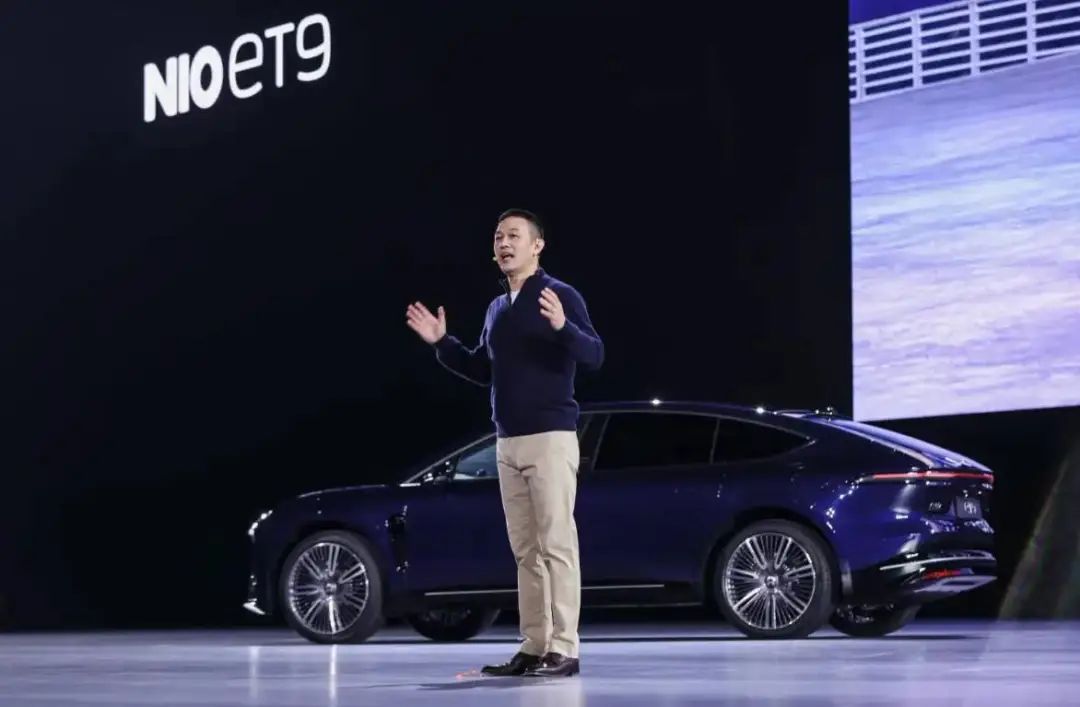
Core Insights - The Chinese electric vehicle (EV) market is entering a critical phase of competition by 2025, with average industry profit margins dropping below 2% in Q1 2025, prompting traditional automakers like BYD and Geely to leverage a dense product matrix priced between 100,000 to 150,000 yuan to capture market share [1] - New entrants like Xpeng and NIO are adopting starkly different strategies to secure their survival, with Xpeng focusing on scaling manufacturing and cost reduction, while NIO emphasizes technological advancements despite significant losses [1][3] - Both companies have made cost reduction a central theme in their survival strategies, with Xpeng's CEO declaring 2024 as the "year of cost revolution" and implementing aggressive cost-cutting measures [3][4] Xpeng's Strategy - Xpeng's transformation began after the pricing disaster of its G9 model in 2022, leading to a focus on cost control and a shift from a high-cost, high-R&D model to a more pragmatic approach [4][16] - The company aims to reduce R&D expenses for its P7+ model by 50% compared to the P7, achieving a 20% cost reduction per vehicle through shared components [4] - Xpeng's sales strategy includes launching the MONA M03 at a price point of 120,000 yuan, which resulted in over 10,000 orders in its first month and a 48% increase in quarterly deliveries [4][6] NIO's Strategy - NIO is heavily investing in technology, launching its flagship ET9 model with 17 new technologies, including self-developed chips and an operating system [8][10] - Despite a revenue increase of 18.2% in 2024, NIO's gross margin of 9.9% is significantly lower than its competitors, indicating challenges in profitability [10][12] - NIO plans to implement a "basic operating unit" system to enhance cost management and accountability across departments, aiming for profitability by Q4 2024 [20][22] Comparative Analysis - Xpeng's focus on cost control and volume sales contrasts with NIO's technology-driven approach, highlighting two divergent paths in the EV market [26] - Both companies recognize the necessity of adapting to market realities, with Xpeng prioritizing immediate cost efficiency and NIO betting on long-term technological investments [26] - The survival of these companies will depend on their ability to balance idealism with practical business strategies in a rapidly evolving industry landscape [26]


长城汽车2024年报解析:长期主义的“造血”逻辑与生态竞争力突围
Jing Ji Guan Cha Wang· 2025-03-29 02:22
Core Insights - In 2024, China's automotive industry faces a turning point amid price wars and transformation anxieties, with Great Wall Motors (GWM) standing out due to its impressive financial performance, including a revenue of 202.195 billion yuan, a 16.73% year-on-year increase, and a net profit of 12.692 billion yuan, up 80.73% [1] - GWM's success is attributed to its commitment to "long-termism," focusing on technological depth, product innovation, and global ecological construction rather than short-term scale chasing [1] Financial Performance - GWM's gross margin increased to 19.51%, up 1.36 percentage points year-on-year, while the average gross margin in the industry fell from 17.5% to 15.8% [2] - Operating cash flow reached 27.783 billion yuan, a 56.49% increase, showcasing strong financial resilience supported by three core strategies [2] Product Strategy - GWM's high-value product structure upgrade has made high-value models the profit engine, with the Tank brand selling 232,200 units, a 42.57% increase, and the average price of the Wey brand exceeding 250,000 yuan [2] - The Hi4 hybrid technology has significantly outperformed industry averages, with over 60% of new energy vehicle sales coming from Hi4 models [4] Cost Control - GWM has achieved extreme cost control through vertical integration of the supply chain, with over 50% self-research in key components, leading to a reduction in procurement costs and a decrease in raw material cost ratio by 1.24% [3] - The average discount rate for GWM's vehicles was only 3.8%, significantly lower than the industry average of 8.5% [3] Technological Innovation - GWM's Hi4 hybrid architecture offers superior efficiency, with a city electric range of 200 km and a combined fuel consumption of 1.2L/100km, addressing user pain points effectively [4] - The Coffee Pilot intelligent driving system focuses on real user experiences, achieving a 96% usage rate among users in 2024 [4] Market Position - GWM maintains a dominant position in the off-road vehicle market, with a market share exceeding 50% and a 40% year-on-year increase in off-road vehicle sales [5] - The Tank SUV's sales reached 231,000 units, with a starting price of 199,800 yuan, making off-road vehicles more accessible to the mass market [5] Global Expansion - GWM's overseas sales reached 454,100 units, a 44.61% increase, with overseas revenue accounting for 39.7% of total income, up 5.9 percentage points [7] - The company is transitioning from "low-price volume" to "high-value ecological output," with models like Wey and Tank achieving price premiums of 8%-12% in overseas markets [7] Long-term Strategy - GWM's transformation logic emphasizes "time compounding," with R&D personnel numbering 23,000 and continuous investment exceeding 10 billion yuan for three consecutive years [8] - The company is building a technology route that includes hybrid, pure electric, and hydrogen energy, with significant advancements in fuel cell systems and supercomputing capabilities [8] Conclusion - GWM's 2024 annual report illustrates a strategic demonstration of how to navigate industry cycles, emphasizing the importance of technology, differentiation in niche markets, and high-value globalization [8] - The company's practices highlight that true competitiveness stems from a commitment to core capabilities and respect for user value, marking a crucial leap for China's automotive industry from "large" to "strong" [8]

一家“逆共识”企业的野心
虎嗅APP· 2025-03-24 13:25
Core Viewpoint - The global smart cleaning market is experiencing paradoxical growth with increasing sales but declining user engagement, particularly in the robotic vacuum segment, where active usage rates are below 50% despite significant sales growth [1] Market Overview - In 2024, China's robotic vacuum retail sales are projected to grow by 41% year-on-year, reaching 19.4 billion yuan, with a retail volume increase of 32% to 6.04 million units [1] - Leading players like Ecovacs are facing revenue and profit declines, struggling with a "price for volume" strategy that fails to address market challenges [1] Competitive Landscape - The industry is caught in a cycle of parameter competition, price promotions, and user attrition, leading to a collective slowdown among major brands [1] - The average lifespan of motors has increased, but user enthusiasm is waning, indicating a need for innovation [1] Company Strategy - Chasing, a relatively new player, is leveraging technology to carve out a niche in the market, focusing on high-speed digital motors and innovative cleaning technologies to enhance product value [5][6] - The company has achieved a 300% year-on-year increase in global sales, reaching over 2.4 million units in 2023, and has captured a 42% market share in Germany for 2024 [6] Investment in R&D - Chasing has expanded its R&D team fivefold over three years, with 60% of personnel dedicated to product development, and invests 7% of revenue in R&D, significantly above industry averages [7] - The company is pursuing a strategy of cross-category leverage, expanding from robotic vacuums to larger home appliances, thereby increasing technical reuse across product lines [7] Market Positioning - Chasing's market share in China's online cleaning appliance sector is 16.2% for 2024, positioning it as a leader in the high-end robotic vacuum market [8] - The company’s approach contrasts with competitors focusing on domestic markets, as it builds brand recognition in high-end international markets before reinforcing its domestic strategy [10] Organizational Model - Chasing employs a "super brain" organizational model that emphasizes deep insights into underlying market principles and encourages a culture of innovation and rapid iteration [10][12] - The company aims to replicate its successful strategies across different markets and product categories, fostering a culture where every employee acts as an entrepreneur [13] Future Outlook - Chasing is entering the major appliance market, aiming to become a "super first-class" enterprise by evolving into a highly responsive organization capable of rapid iteration [16][20] - The company is positioned to capitalize on the upcoming global appliance replacement cycle, leveraging its high-end technology to differentiate itself from traditional competitors [19]