消费结构转型

Search documents
电商渗透率见顶 消费结构迎来深刻转型
Xin Lang Cai Jing· 2025-11-11 21:14
Core Insights - The e-commerce penetration rate in China has peaked at 27.6% in 2023 and is projected to decline to 26.8% in 2024, with the current rate around 25% [1][2] - This stagnation in e-commerce penetration does not indicate a decline in consumption but rather reflects a significant shift in consumer spending from goods to services, particularly in education, culture, and entertainment [1][2] E-commerce Trends - The growth of e-commerce is now facing limitations as consumers increasingly prefer experiential and personalized services over standardized goods, leading to a transformation in consumption patterns [2] - Major e-commerce platforms are adapting by integrating online and offline experiences through "instant retail" models, aiming to cover all aspects of consumer needs [2] Consumer Spending Insights - In the first nine months of this year, per capita spending on education, culture, and entertainment increased by 10.3%, significantly outpacing growth in traditional goods categories [1] - Online service consumption grew by 20.2%, and instant e-commerce sales surged by 24.3%, indicating a shift towards digital and service-oriented spending [2] Strategic Adaptations - Both e-commerce platforms and offline commercial facilities are seeking to enhance consumer experiences by linking immersive and interactive service consumption with physical goods [2][3] - The focus on understanding consumer experience and trust is crucial for the growth and competitiveness of both e-commerce and physical retail environments [3]


时报观察 | 电商渗透率见顶 消费结构迎来深刻转型
Zheng Quan Shi Bao· 2025-11-11 18:00
Core Insights - The e-commerce penetration rate in China has peaked at 27.6% in 2023 and is projected to decline to 26.8% in 2024, with the current rate around 25% [1][2] - This stagnation in e-commerce penetration does not indicate a decline in consumption but rather reflects a significant shift in consumer spending from goods to services, particularly in education, culture, and entertainment [1][2] E-commerce Trends - The growth of e-commerce penetration is stalling as consumers increasingly favor experience-based and personalized service spending, which is growing at a faster rate than physical goods [2] - Major e-commerce platforms are adapting by integrating online and offline consumption experiences through "instant retail" models, aiming to cover all aspects of consumer needs [2] Consumer Spending Patterns - In the first nine months of the year, per capita spending on education, culture, and entertainment increased by 10.3%, significantly outpacing growth in traditional goods categories [1] - Online service consumption grew by 20.2%, and instant e-commerce sales surged by 24.3%, indicating a shift towards digital and service-oriented spending [2] Strategic Adaptations - Both e-commerce platforms and offline commercial facilities are seeking to enhance consumer experiences by linking immersive and interactive service consumption with physical goods [2][3] - The focus on consumer experience and trust is essential for growth and competitiveness in both e-commerce and physical retail environments [3]
理性“双11”背后的成都消费新趋势:“商品零售+服务消费”双轮驱动
Sou Hu Cai Jing· 2025-11-11 14:06
Core Insights - The 17th "Double 11" shopping festival has begun, but market enthusiasm has not increased in tandem with the extended promotional period, indicating a deep transformation in China's consumption structure rather than consumer fatigue [1][3] Consumer Behavior Changes - Consumers are becoming more rational, with decision-making shifting from impulsive purchases driven by low prices to value-based choices, emphasizing cost-effectiveness, practicality, and functionality [3][5] - The marginal impact of short-term promotions on attracting new users is diminishing, leading platforms to adapt to consumers' rational purchasing rhythms by extending the "Double 11" period [3][5] Shift to Experience-Centric Consumption - The focus of consumption is shifting from "what to buy" to "how to experience," with offline spaces that provide emotional value, social connections, and instant gratification gaining popularity [5][6] - In Chengdu, the share of experiential formats in new lease transactions reached 26.6% in the first three quarters of the year, highlighting the importance of experience-driven consumption [5][6] Integration of Goods and Services - The relationship between product sales and service consumption is evolving from being seen as separate to becoming interdependent, forming a new ecosystem that drives domestic demand [7][8] - Traditional retail categories are integrating with service experiences, such as beauty brands offering in-store trials with online ordering and sports brands collaborating with indoor venues for a comprehensive experience [7][8] Technological Advancements - Technology is shifting from supply-side efficiency to enhancing demand-side interactions, creating new touchpoints for consumer engagement [8] - The e-commerce penetration rate has stabilized at 25.0%, indicating a maturation of the consumption structure rather than stagnation in growth [8] Future Outlook - The rationalization of "Double 11" reflects a structural shift in Chinese consumption from scale expansion to quality enhancement, with a focus on retail format reconstruction and omnichannel integration [8] - Companies that can effectively combine product retail operations with service and experiential ecosystems are likely to capture more consumer traffic and achieve a "dual-wheel drive" in the market [8]
超长的“双 11”冷静地在改变
Si Chuan Ri Bao· 2025-11-10 22:12
Core Insights - The "Double 11" shopping festival has evolved into a month-long promotional event, with platforms like JD.com and Douyin extending their promotional periods to 37 and 57 days respectively, while Tmall started its pre-sale on October 15 [2][3] - Consumer behavior has shifted towards more rational spending, with many shoppers expressing a preference for quality over quantity, indicating a change in the perception of discounts and promotions [2][3] - The integration of AI tools in e-commerce has significantly improved operational efficiency for merchants, with some reporting a 1.5 times increase in operational efficiency and a 30% increase in return on investment [3] E-commerce Trends - The promotional strategies have adapted to consumer preferences, with simpler and more direct discounts being highlighted, such as "official direct reduction" and "one item less" [2] - Despite a perceived decline in enthusiasm for "Double 11," the logistics sector saw a 10% increase in express delivery volume compared to the previous year, indicating ongoing consumer engagement [2][3] - Instant retail has emerged as a new growth area, with platforms like Meituan Flash Purchase facilitating rapid delivery and attracting a variety of brands to participate in the festival [3] Consumer Behavior - Consumers are increasingly prioritizing value and practicality in their purchases, leading to a decline in impulsive buying behavior traditionally associated with "Double 11" [2][3] - The shift in consumer mindset reflects a broader economic adjustment, where the focus is on the quality of purchases rather than merely seeking discounts [2][3] - The changing consumer landscape is characterized by a growing interest in experiential consumption, with sectors like entertainment and fitness expanding while traditional retail categories face contraction [3] Market Dynamics - The overall e-commerce penetration rate in China is projected to decline from 27.6% in 2023 to 26.8% in 2024, indicating a maturation of the market [3] - The current economic cycle is prompting consumers to be more discerning, which is affecting online retail dynamics and leading to a necessary adjustment in promotional strategies [3] - Future competition in retail is expected to focus more on service quality and experiential offerings rather than just online market share [3]
泸州老窖2025年前三季度实现营收231.27亿元 归属上市公司股东净利润107.62亿元
Zhong Jin Zai Xian· 2025-10-30 14:14
Core Viewpoint - Luzhou Laojiao Co., Ltd. reported strong financial performance for the first three quarters of 2025, indicating resilience in a challenging market environment [1] Financial Performance - For the first three quarters, the company achieved operating revenue of 23.127 billion yuan and a net profit attributable to shareholders of 10.762 billion yuan [1] - In the third quarter alone, the company generated revenue of 6.674 billion yuan and a net profit of 3.099 billion yuan [1] Industry Context - The liquor industry is currently undergoing a transformation in consumption structure and a deep adjustment period of stock competition [1] - The company is focusing on "precise reach" and "user operation" in its marketing strategy to adapt to the changing market dynamics [1] - The development theme emphasizes "building momentum for breakthroughs and steady growth through meticulous efforts" and "innovating for development in response to trends" [1]

习酒董事长频赴一线调研背后:九大白酒品牌,君品习酒跌得最“惨”
Sou Hu Cai Jing· 2025-09-30 03:34
Core Insights - The chairman of Xijiu Group, Wang Diqiang, has been conducting extensive market research across various provinces, indicating a strategic response to market pressures [1][5][10] - The wholesale price of Junpin Xijiu has seen a significant decline of 39.82% over the past five years, making it the largest drop among T9 brands [5][9][12] - The company aims to enhance its market positioning and sales strategies amid changing consumer preferences and increased competition following its separation from Moutai [10][15][17] Market Research and Strategy - Wang Diqiang's recent visits to key markets such as Shaanxi and Tianjin are part of a broader initiative to understand market dynamics and unify corporate strategy [1][5] - The research aims to identify issues and foster consensus within the company to elevate its marketing efforts [5][9] Price Trends and Market Position - Junpin Xijiu's wholesale price has decreased from 955 yuan per bottle in June 2021 to approximately 683 yuan currently, reflecting a significant market adjustment [5][8] - The average inventory turnover days for the white liquor industry has increased to 900 days, indicating a growing challenge in managing stock and pricing strategies [9][12] Industry Context and Challenges - The white liquor industry is experiencing a structural shift in consumer behavior, with a growing preference for lower-priced products, impacting high-end brands like Junpin Xijiu [9][10] - Following its independence from Moutai in 2022, Xijiu faces intensified competition, necessitating a reevaluation of its market strategy [12][15] Future Goals and Development - Xijiu aims to achieve an asset scale of 33 billion yuan and revenue of 23.5 billion yuan by 2025, with current figures at 26.835 billion yuan and 19.864 billion yuan respectively [17] - The company's leadership is focused on stabilizing prices and enhancing market confidence to drive growth in a challenging industry landscape [17]
泸州老窖十年首现双下滑,拐点向下引关注
Sou Hu Cai Jing· 2025-09-02 04:09
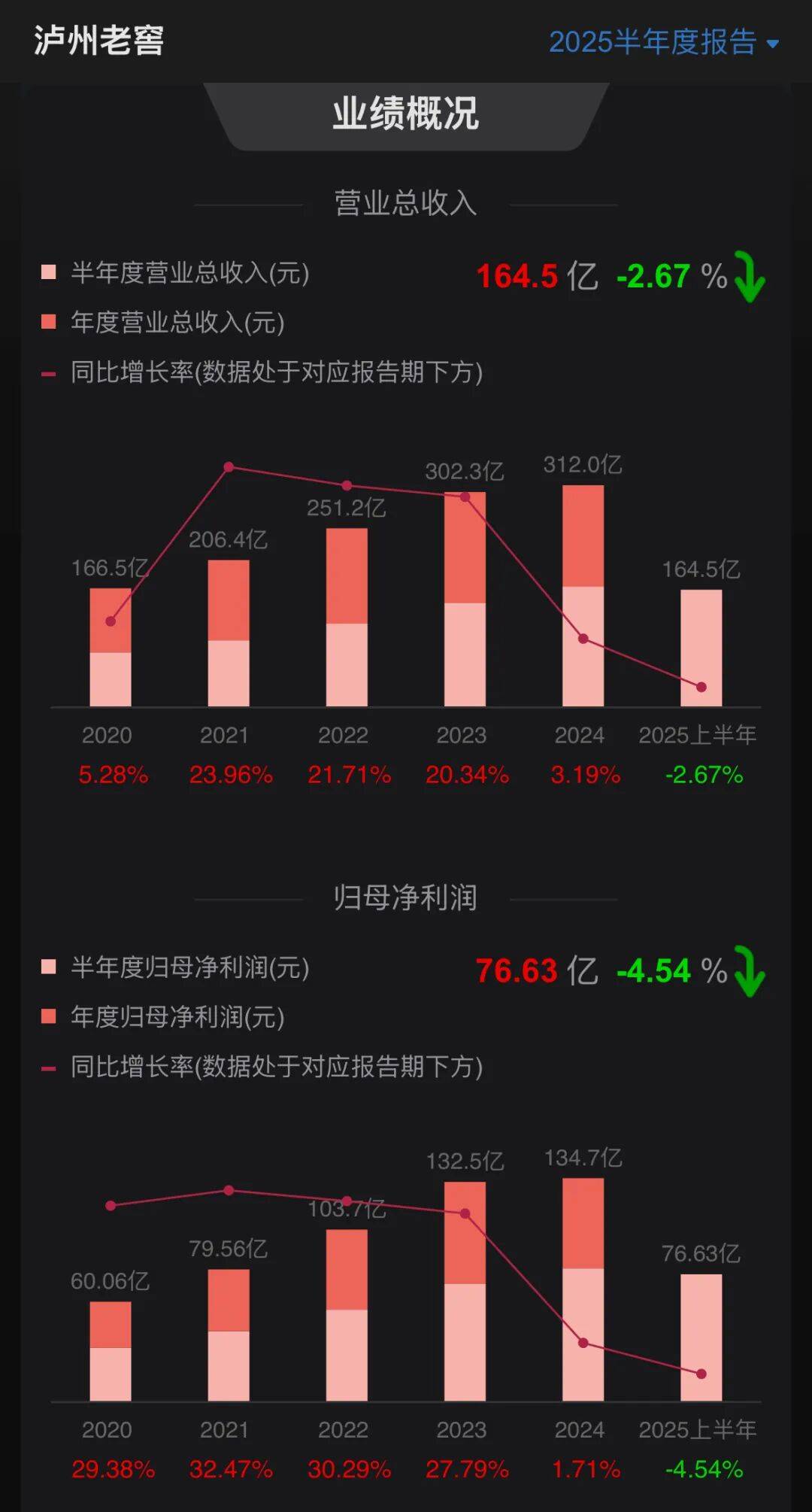
Core Viewpoint - Luzhou Laojiao has reported its first decline in both revenue and net profit in nearly a decade, marking a significant turning point for the company [1][2]. Financial Performance - For the first half of 2025, Luzhou Laojiao achieved revenue of 16.454 billion yuan, a decrease of 2.67% compared to the same period last year [1]. - The net profit attributable to shareholders fell by 4.54% to 7.663 billion yuan, with a non-recurring profit of 7.650 billion yuan, down 4.3% year-on-year [1]. - Earnings per share decreased by 4.58% to 5.21 yuan, and the net operating cash flow was 6.065 billion yuan, down 26.27% year-on-year [1]. - The second quarter saw revenue and net profit drop to 7.102 billion yuan and 3.070 billion yuan, respectively, representing declines of 7.97% and 11.1% year-on-year [1]. Market Analysis - Analysts from 12 brokerages expressed a generally pessimistic outlook on Luzhou Laojiao, with Shenwan Hongyuan Securities lowering its net profit forecast for the next three years, predicting a reduction from 13.53 billion yuan to 11.79 billion yuan for 2025, a decline of 11.13% [2]. - The company attributed its performance decline to industry-wide factors, including a transformation in consumption structure and intensified competition in the liquor market [2]. Product Structure - Revenue from mid-to-high-end liquor and other categories declined, with mid-to-high-end liquor generating 15.048 billion yuan, down 1.09%, and other liquor generating 1.35 billion yuan, down 16.96% [5]. - Sales volume for mid-to-high-end liquor increased by 13.33%, while other liquor products saw a decline of 6.89% [5]. - The average price per ton for mid-to-high-end liquor fell by 12.72% to 623,900 yuan, and for other liquor, it decreased by 10.82% to 54,400 yuan [5]. Marketing and Sales Strategy - Luzhou Laojiao has adjusted its marketing expenses, reducing online, offline, and television advertising while increasing promotional expenses by 11.2% [5]. - The company is focusing on maintaining sales through promotions despite rising logistics and labor costs [5]. Innovation and Product Development - In response to consumer demand for lower-alcohol, healthier, and diversified products, Luzhou Laojiao is innovating and developing new drinking methods, including the 28-degree Guojiao 1573 [6]. - The company plans to shift resources towards mainstream mid-to-high-end products and is actively entering the high-growth light bottle liquor segment [6].
外媒想不通,中国人半年存了17.94万亿,消费还能高达24.5万亿?
Sou Hu Cai Jing· 2025-07-23 18:58
Group 1 - The core viewpoint is that despite a significant increase in savings, China's consumption remains robust, with total consumption reaching 24.5 trillion yuan and online consumption growing by 8.5% in the first half of the year [2][3] - The increase in household savings does not indicate a decline in consumer willingness; rather, savings are viewed as emergency funds, and the diverse consumption structure supports ongoing growth [2][5] - Policy initiatives, such as consumption stimulus measures and trade-in programs, have injected over 300 billion yuan into the market, further boosting consumption [3][5] Group 2 - China's internal demand market is substantial, positioning the country as one of the largest consumer markets globally, with both traditional and emerging sectors contributing to growth [5][11] - The luxury goods market in China is thriving, with brands like Burberry and COACH offering discounts to attract younger consumers, particularly those born in the 1990s and 2000s [7][9] - The contrast between China's vibrant consumption market and the sluggish growth in many foreign markets highlights the unique characteristics of Chinese consumer behavior, where savings and consumption complement rather than compete with each other [9][11]
北京消费结构与趋势|“服务+体验+情感共鸣” 北京消费迈入第五时代
Bei Jing Shang Bao· 2025-07-14 14:12
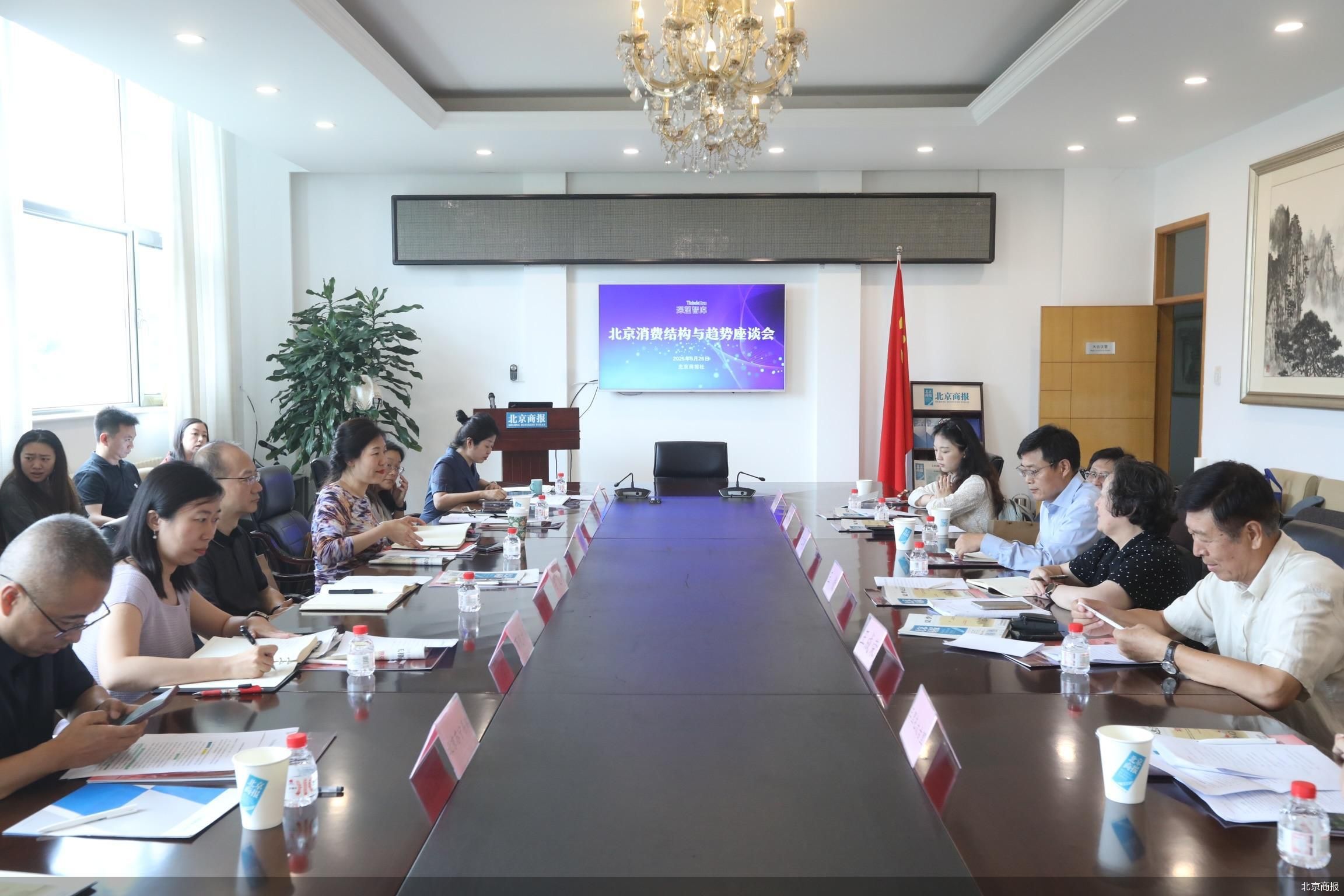
Core Insights - Beijing's consumption has entered its fifth era, focusing on spiritual satisfaction, emotional resonance, and social value creation [1][3] - The "Action Plan" aims for an average annual growth of around 5% in total market consumption by 2030, with 24 policy measures to boost consumption [3][4] Consumption Trends - Service consumption is growing, particularly in information services and cultural entertainment, with a 4.9% increase [4] - The shift from product-oriented consumption to service-oriented consumption is evident, with a forecast that service consumption will account for 47% of total consumption by 2024 [4][5] - The Z generation is becoming the main consumer group, driving emotional consumption trends and a preference for domestic brands [6][7] Market Dynamics - The consumption landscape is evolving from standardized supply to precise demand matching, with a notable rise in outdoor and lifestyle brands [6][7] - The market is experiencing a transformation towards a composite model of "service + experience + technology," indicating a shift in consumer preferences [7][8] Technological Impact - Technology is becoming a core driver of high-quality development, with the durable consumer goods market expected to reach 24 trillion yuan in 2024, growing by 5% [8] - The integration of traditional cultural elements with modern design is enhancing brand value and local cultural identity [9] Policy and Economic Context - The "Action Plan" outlines a vision for Beijing to become an international consumption center, emphasizing the need for proactive consumption creation [9][3] - The focus on optimizing indicators, innovating scenarios, and supporting policies is crucial for uncovering the dual potential of rational and emotional value in consumption [3][4]
北京消费结构与趋势|北京商业经济学会会长王成荣:多措并举增强消费动力,为扩大消费释放新空间
Bei Jing Shang Bao· 2025-07-14 06:33
Core Insights - The transformation of China's consumption structure is characterized by a shift from single to diversified and from basic to high-quality consumption, requiring systematic policies and precise actions to stimulate market vitality and support high-quality economic development [1][3][5] Consumption Structure Dynamics - China's consumption structure has undergone significant changes, evolving through several stages from basic needs to more complex consumption patterns, with a notable shift towards service and cultural consumption [3][4] - The decline in food expenditure and the rise in spending on clothing and home appliances mark the first structural leap in consumption [3] - The current market shows that service and cultural consumption are growing faster than traditional goods, particularly in economically developed regions like Beijing [3][4] Industry Data - Specific sectors such as gold jewelry, sports entertainment products, and cosmetics are experiencing rapid growth, with retail sales in these categories increasing by 41.0%, 9.9%, and 11.9% respectively [4] - Conversely, the automotive and communication sectors are facing declines, with retail sales for communication equipment down by 22.2% and automotive sales down by 21.1% [4] Consumer Dynamics - Consumer motivation is influenced by two key factors: consumption capacity and consumer confidence, both of which are interrelated and essential for stimulating demand [6] - Improving consumption capacity relies on real income growth and optimizing savings structures, while consumer confidence is tied to expectations about future economic conditions [6] Collaborative Efforts - To boost consumption demand and market vitality, a multi-dimensional approach is necessary, including the integration of cultural, commercial, and tourism sectors [7][9] - The development of innovative consumption scenarios in areas like health, sports, and culture is crucial for activating the market [7][8] Experience Diversification - There is a growing trend for diverse consumer experiences, with different age groups seeking immersive and emotional experiences [8] - Businesses should tailor their offerings to meet the specific preferences of target demographics, particularly focusing on the needs of vulnerable groups [8] Digital Consumption - The cultivation of digital consumption is essential, emphasizing the need for internet platform upgrades and the use of AI to enhance physical retail environments [8] Optimizing Consumption Environment - An open and flexible policy approach is recommended for major consumption areas like housing and automobiles, alongside support for traditional brands to innovate and attract both domestic and international consumers [9]