
渠道改革

Search documents
1499元飞天茅台“秒空”背后:消费者质疑与行业转型的双重变奏
Sou Hu Cai Jing· 2026-01-05 22:06
Core Viewpoint - The article highlights the ongoing transformation and challenges faced by the high-end liquor industry in China, particularly focusing on Kweichow Moutai's pricing strategies and market dynamics during a period of adjustment and reform [1][8]. Consumer Experience - The launch of Moutai's "i Moutai" app on January 1, 2026, resulted in a "秒空" (instant sell-out) phenomenon, with consumers facing difficulties in purchasing the product despite high demand, leading to suspicions of insufficient supply and "hunger marketing" tactics [2][3]. - A stark contrast was observed between online sales and offline promotions, with a local distributor selling out 1,000 cases in two hours, raising questions about the allocation of stock between online and offline channels [2][3]. Official Explanation - Moutai stated that daily supply is determined by balancing three goals: preventing speculation, matching supply with demand, and maintaining market stability. However, estimates suggest that actual supply may be less than 30% of reported figures [3]. - The company's strategy of "ambiguous supply" has been interpreted by some consumers as a form of "hunger marketing," as the limited availability may not meet actual consumer demand [3]. Grey Market Dynamics - Despite technological measures to curb speculation, such as real-name verification and dynamic codes, the black market has adapted quickly, with reports of resellers marking up prices by 200 yuan per bottle [3]. - The presence of a grey market, where resellers exploit loopholes, poses significant challenges to Moutai's supply-demand balance and pricing control [3]. Price Discrepancy - There has been a significant price gap between Moutai's official price of 1,499 yuan and the market price, which peaked above 3,000 yuan from 2020 to 2023, before declining to 2,600-2,800 yuan in 2024 [4][5]. - In January 2026, the wholesale price of Moutai fell to 1,490 yuan, marking the first time it dropped below the official price, which has contributed to a burgeoning grey market [5]. Channel Reform - Moutai has initiated aggressive reforms since 2025, shifting 80% of its distribution to direct sales channels and launching the "i Moutai" digital marketing platform to reduce reliance on traditional distributors [6]. - The upgrade of the "i Moutai" platform aims to streamline product offerings and combat the speculative practices of distributors, pushing the industry towards a service-oriented model [6]. Youth Strategy - The "i Moutai" app has attracted over 80 million registered users, with 41% aged between 25 and 35, indicating a shift towards a younger consumer base [7]. - Moutai's strategies, such as limited-time offers and point redemption, aim to engage younger consumers and reshape the brand's image away from being solely a "government wine" or "business wine" [7]. Industry Trends - Moutai's price adjustments reflect broader trends in the high-end liquor market, where major brands like Wuliangye and Luzhou Laojiao are also experiencing revenue and profit declines [8]. - The collective price reductions across the industry signify a return to consumer-centric pricing, moving away from the financial attributes that previously dominated the market [8]. Balancing Act - Moutai faces the challenge of balancing commercial interests with social responsibilities, as aggressive price suppression could harm distributor relationships while allowing high prices contradicts regulatory goals [9]. - The recent drop in wholesale prices has raised concerns about potential market instability, while the "秒空" phenomenon has led to accusations of artificially created scarcity [9]. Future Outlook - Analysts suggest that 2026 will be a pivotal year for the industry, with a focus on operational stability rather than aggressive channel expansion [10]. - The upcoming 2026 Spring Festival is seen as a critical observation point for Moutai's ability to meet genuine consumer demand and stabilize wholesale prices, which will indicate the success of its market transformation efforts [10].


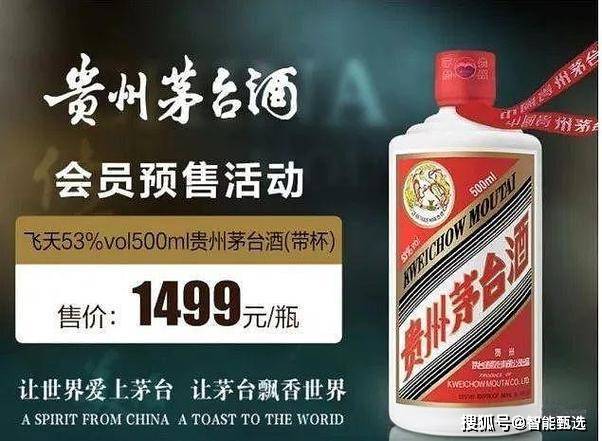
半小时就被抢购一空的茅台,到底被谁买走了?网友:饥饿营销
Sou Hu Cai Jing· 2026-01-03 07:20
Core Viewpoint - The recent purchasing frenzy for Moutai's 53-degree 500ml Flying Moutai liquor on the "i Moutai" platform reflects a complex interplay of market forces and consumer demand, despite criticisms of "hunger marketing" [1] Group 1: Consumer Demand - The successful purchasers include ordinary users for personal consumption, consumers buying for holiday gifts, and collectors viewing Moutai as an investment [3][4] - A consumer from Beijing highlighted the advantages of purchasing through the official channel, noting a price difference of over 100 yuan compared to offline stores [4] - The perception of Moutai as a collectible is supported by historical price increases, with the 2019 Flying Moutai priced at 2649 yuan, indicating a premium of 1150 yuan over the 2026 release [4] Group 2: Speculation and Gray Market - Despite measures like purchase limits and timed restocks, scalpers continue to exploit technology and gray market tactics to participate in the buying frenzy [6] - Reports of website malfunctions during the purchase process suggest the involvement of scalpers using automated software [6] - The financial attributes of Moutai have not completely dissipated, as some consumers still view it as an investment, creating a fertile ground for speculation [6] Group 3: Channel Reform - The surge in purchases is attributed to Moutai's comprehensive channel reform, moving from a dual pricing system to a direct-to-consumer model via the "i Moutai" platform [8] - The wholesale price of Flying Moutai dropped by 15 yuan to 1540 yuan per bottle on New Year's Day, indicating a shift towards rational market pricing [8] - Moutai's leadership emphasizes a consumer-centric approach to market transformation, aiming for fair and quick access to their products [8] Group 4: Market Response and Optimization - The difficulty in purchasing has led to consumer complaints and skepticism regarding "hunger marketing," with some expressing frustration over the inability to secure bottles despite preparation [10] - Moutai has not disclosed specific daily supply volumes, leading to speculation about availability, but plans to adjust strategies based on market feedback to enhance consumer experience [10] - The channel reform is expected to have broader implications for the liquor industry, potentially increasing competition and market share among leading brands [12]
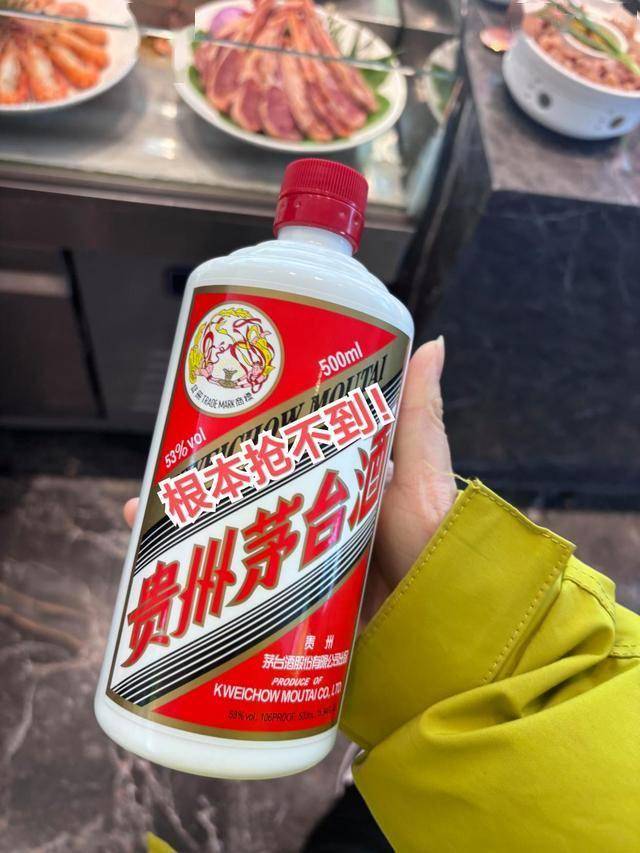
格力股东万万没想到的意外之喜:线上竟能买到平价茅台!
Sou Hu Cai Jing· 2026-01-02 15:44
Core Viewpoint - The contrasting business models and channel strategies of Kweichow Moutai and Gree Electric Appliances highlight the challenges and opportunities each company faces in their respective industries. Group 1: Kweichow Moutai's Strategy - Kweichow Moutai has launched a direct sales initiative through its "i Moutai" app, offering its flagship product at an official price of 1499 yuan, aiming to reclaim market pricing power and eliminate middlemen [3][5] - The company has historically operated under a "dual pricing system," where the factory price is around 1169 yuan, but retail prices often soar to 2500-3000 yuan due to speculation and hoarding [3][5] - The introduction of direct sales is expected to significantly increase Moutai's profit margins, as the difference between the factory price and retail price will now benefit the company directly [5][12] Group 2: Gree Electric Appliances' Challenges - Gree Electric Appliances faces limitations in adopting a similar direct sales model due to the nature of its products, which require extensive logistics, installation, and after-sales services [5][6] - The company has built a vast distribution network over 30 years, with more than 40,000 outlets, which has been crucial for its market dominance but poses challenges in transitioning to online sales [6][12] - Gree's attempts to engage directly with consumers through initiatives like the "Gree Dong Mingzhu Store" have led to conflicts with traditional distributors, revealing the complexities of balancing online and offline sales strategies [6][12] Group 3: Financial Comparisons - Kweichow Moutai operates with a low capital expenditure relative to its net profit, averaging only 8.7% over the past 15 years, allowing it to distribute substantial profits to shareholders [11] - In contrast, Gree Electric Appliances has a much higher capital expenditure ratio of 20.6%, necessitating significant reinvestment to maintain competitiveness in a highly saturated market [11] - The financial dynamics of both companies illustrate Moutai's ability to generate profit with minimal reinvestment, while Gree must continually invest to sustain its market position and explore diversification [11][12]


飞天茅台秒空
Qi Lu Wan Bao· 2026-01-01 16:23
Core Insights - Guizhou Moutai has initiated a significant market-oriented transformation by launching its core product, the 53-degree 500ml Flying Moutai, on the iMoutai app at a price of 1499 yuan per bottle, marking a key step in its direct sales strategy [2] - The product sold out within 30 seconds of its release, indicating strong consumer demand and the effectiveness of the direct sales model [2][3] Sales Performance - The iMoutai platform has over 80 million registered users, and the first batch of Flying Moutai sold out quickly, with subsequent restocks also selling out rapidly [2][3] - The official price of 1499 yuan serves as a significant price anchor compared to other e-commerce platforms, where prices range from 1515 yuan to 1650 yuan, highlighting the effectiveness of the direct sales approach in combating price inflation by resellers [3][4] Strategic Considerations - The primary goal of this direct sales initiative is to deepen channel reform and enhance profit margins, with a profit margin of 330 yuan per bottle translating into increased revenue for the company [4][5] - By controlling market pricing and reducing the influence of resellers, Moutai aims to stabilize prices and ensure consumers can purchase authentic products at fair prices [5][6] - The company is committed to a consumer-centric transformation strategy, ensuring that consumers can buy Moutai products fairly and conveniently while also monitoring sales data for better inventory management [5][6] Market Implications - The move is expected to create a win-win situation for consumers, the company, and distributors, promoting a healthier market environment and reducing speculative pricing [6][7] - However, there are concerns that the market price of Flying Moutai may drop below 1499 yuan, necessitating measures to stabilize prices [6][7] - Moutai plans to adjust its product lineup in 2026, introducing various series to cater to different consumer preferences while maintaining the 1499 yuan price point for the new Flying Moutai [6][7]
深夜!茅台放大招:1499买飞天,每人每日限购12瓶!_最新资讯
Zhong Guo Ji Jin Bao· 2026-01-01 01:36
【导读】1499买飞天茅台,每人每天限购12瓶 中国基金报记者 泰勒 大家好,茅台放大招了! (资料图片仅供参考) 2026年的第一天,上午 9时起,每人每日可在i茅台购买12瓶飞天茅台酒! 12月31日晚间,据"贵州茅台"官方消息, 2026年1月1日起,i茅台APP焕新改版,将原有的"享约·申 购"与"畅享·云购"整合升级为统一的"i购"入口。在"i购"页面,用户可直接购买所有i茅台APP的在售商 品。 1月1日上午9时,飞天53%vol 500ml贵州茅台酒(2026)将正式发售,每位用户目前每日最多可购买12 瓶。每日投放量会综合考虑防止炒作、供需适配和市场稳定确定,当日售完即止。之后,每日上午9时 准点开售。 其中上架的产品包括,贵州茅台酒经典系列: 飞天53%vol 500ml贵州茅台酒(2026) 飞天53%vol 500ml贵州茅台酒(2024) 飞天53%vol 500ml贵州茅台酒(2023) 飞天53%vol 500ml贵州茅台酒(2022) 飞天53%vol 500ml贵州茅台酒(2021) 飞天53%vol 500ml贵州茅台酒(2020) 飞天53%vol 500ml贵州茅台酒(2 ...

确定了!i茅台App将上线1499元飞天茅台
Guo Ji Jin Rong Bao· 2025-12-30 13:18
Group 1 - The core message is that Guizhou Moutai will launch the ordinary Flying Moutai (500ml/53 degrees) on its official digital sales platform "i Moutai" starting January 2026, with a subscription price of 1499 yuan per bottle [1] - The i Moutai platform, operational since May 2022, has become a significant sales channel for the company, previously offering various products but excluding the core ordinary Flying Moutai [1] - The sales revenue from the i Moutai channel is projected to reach 20 billion yuan in 2024, marking the first decline since the app's launch, with nearly 12.7 billion yuan in sales achieved in the first three quarters of 2025 [1] Group 2 - This move is seen as part of Moutai's efforts to deepen channel reform and reshape its product system, with a focus on transitioning to a market-oriented marketing strategy [2] - The company plans to eliminate the existing distribution model in 2026, aiming to build an integrated online and offline channel network and enhance consumer reach [2] - Moutai's management has introduced a "pyramid" product structure, with the ordinary Flying Moutai positioned as the base product responsible for volume sales, while aiming to prevent price speculation and maintain a balance between volume and price [2] - Recent reports from multiple brokerages predict that Moutai's revenue and net profit growth rates for 2025 will be around 5%, lower than the company's original target of 9% [2]
美的中国区总裁王春凯疑公开喊话“明年干掉30%运营商”,美的回应“没听说”
Sou Hu Cai Jing· 2025-12-25 09:57
Core Viewpoint - Midea's recent dealer conference highlighted a controversial statement by the new China President Wang Chunkai, suggesting a strategy to eliminate 30% of operators, indicating a potential shift in channel management and operational strategy [1][4]. Group 1: Company Strategy and Leadership - Wang Chunkai, recently appointed as Midea's China President, previously held significant roles within the company, including domestic marketing manager for Little Swan and vice president for Midea Group [1]. - The conference aimed to engage operators and dealers, with expectations to drive significant cash flow, potentially reaching 350-400 billion yuan in channel funding [2]. - Midea's operational centers are expected to contribute an average of 12-13 billion yuan each, with a substantial portion of funds anticipated to be received on the same day as the conference [2]. Group 2: Market Context and Performance - The Chinese air conditioning market is experiencing intense competition, with sales volume reaching 65.83 million units and revenue at 202.3 billion yuan in the first three quarters of the year, showing minimal growth [4][5]. - Midea's financial data indicates an increase in sales rebates, with a year-on-year growth of 14.83% in the balance of sales rebates by mid-2025 [5]. Group 3: Organizational Changes - Midea has been undergoing significant channel reforms, including the consolidation of operational centers from 35 to 29, resulting in approximately 900 job cuts [6][8]. - The restructuring aims to streamline operations and enhance efficiency, with a focus on direct accountability within the operational centers [8][9]. - Recent adjustments have seen operational center managers taking on additional responsibilities, such as overseeing product categories, indicating a shift towards a more integrated management approach [9].

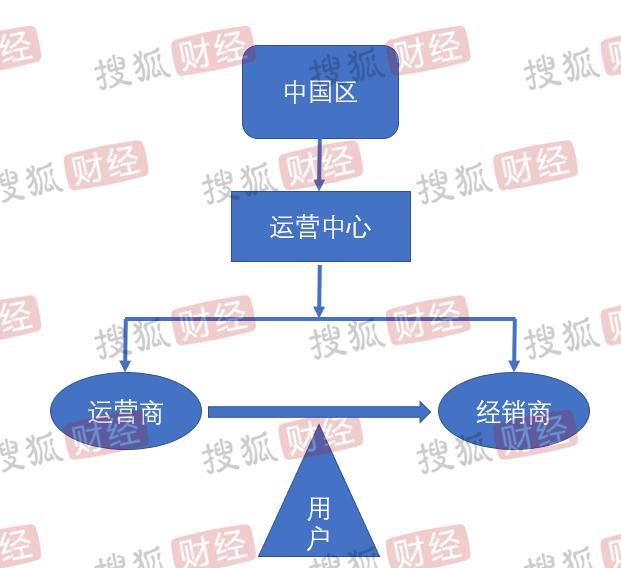
独家|美的中国区总裁王春凯疑公开喊话“明年干掉30%运营商”,美的回应“没听说”
Sou Hu Cai Jing· 2025-12-25 09:22
Core Viewpoint - Midea's recent dealer conference highlighted a potential aggressive strategy to reduce the number of operators by 30%, as indicated by the new China President Wang Chunkai, which may signal a significant channel restructuring effort [2][5]. Group 1: Financial Implications - The smart home division's offline channel in China reached a scale of 100 billion yuan last year, with the recent event expected to drive approximately 35% of the annual progress, translating to a cash inflow of 35-40 billion yuan [3]. - Each of Midea's 29 operational centers is projected to generate around 1.2-1.3 billion yuan, with a significant portion of funds expected to be received on the day of the event, typically accounting for 60-70% of the annual target [3]. - Midea's sales rebate provisions for the first half of 2025 increased by 14.83% compared to the beginning of the year, indicating a potential shift in financial strategy despite a competitive market [6]. Group 2: Organizational Changes - Wang Chunkai, recently appointed as the China President, has a history of leadership roles within Midea, including positions in marketing and management across various subsidiaries [2]. - Midea has undergone significant organizational restructuring, including the reduction of provincial sales companies from 35 to 29, resulting in approximately 900 job cuts [7]. - The company is consolidating its operational centers into six core marketing platforms, which may streamline operations but also lead to further personnel changes [7][9]. Group 3: Market Context - The air conditioning market in China has seen a decline in sales growth, with a 2.9% increase in retail volume but a 0.8% decrease in retail value in the third quarter [6]. - The competitive landscape is intensifying, with price competition becoming a central theme as the market approaches a saturation point [6]. - Midea's ongoing channel reforms aim to enhance efficiency and reduce costs, reflecting a broader trend in the industry towards operational optimization [6][9].
同道相益,同心共济,五粮液于变局中开新局
Jin Rong Jie· 2025-12-20 04:52
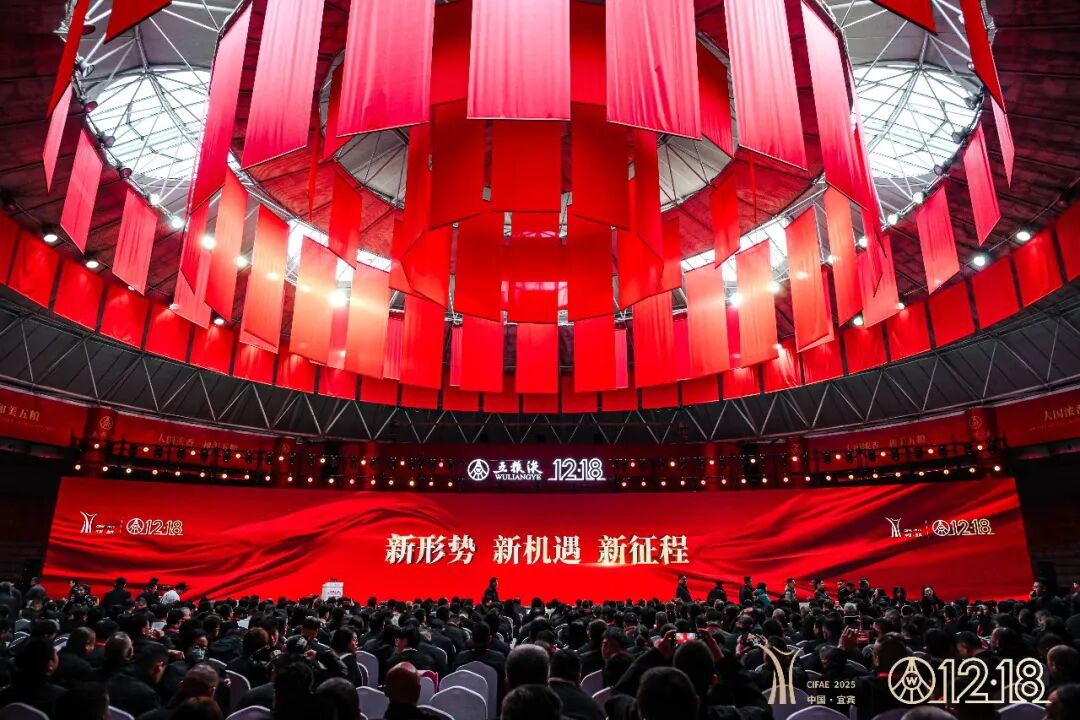
Core Insights - The 29th "12·18 Consensus Co-construction and Sharing Conference" of Wuliangye was held in Yibin, focusing on "New Situation, New Opportunities, New Journey" [1][3] - The conference is significant as it marks a critical transition point for the liquor industry, emphasizing Wuliangye's leadership in navigating changes and promoting sustainable high-quality development [3][4] Group 1: Industry Dynamics - The year 2025 is anticipated to be challenging for the liquor industry, characterized by inventory and pricing pressures, alongside tests of confidence and partnership resilience [4] - The change in the conference's name from "Co-discussion, Co-construction, and Sharing" to "Consensus Co-construction and Sharing" symbolizes a strategic shift towards long-term value recognition and emotional connections with partners [6][8] Group 2: Company Strategy - Wuliangye's chairman highlighted that the current industry adjustment is cyclical, structural, and a return to market rationality, asserting the company's capability to seize opportunities during this phase [10] - The evolution of the partnership model reflects a deeper understanding of the industry chain, transitioning from a transactional relationship to a collaborative development community [10] Group 3: Product Strategy - Wuliangye is adapting to a "Three Rationality Era" in consumer behavior, focusing on the real value of products, cultural recognition, and emotional resonance [11] - The product strategy includes a clear framework with a core brand supported by various product lines, aiming to establish a comprehensive and competitive product matrix [11][13] - The introduction of the new Wuliangye zodiac wine reflects the brand's commitment to cultural and emotional value, expanding the product's significance beyond mere consumption [15] Group 4: Channel Strategy - Wuliangye is implementing a dual approach of strict management and optimization in its channel strategy to create a healthier and more efficient channel ecosystem [16] - The company is restructuring its organizational framework to enhance regional market responsiveness and improve marketing resource allocation [18] - Plans include the addition of new retail formats and partnerships with leading companies to expand market reach and enhance consumer engagement [18][19]

食品饮料周报(25年第46周):消费场景平稳修复,茅台释放稳价预期-20251215
Guoxin Securities· 2025-12-15 06:23
Investment Rating - The report maintains an "Outperform the Market" rating for the food and beverage sector [4][5][10]. Core Views - The food and beverage sector is expected to see a recovery in consumer scenarios, with a stable price expectation for Moutai [1][3]. - The sector is entering a left-side layout phase, with high-quality companies expected to gain greater growth potential [2][10]. - The report highlights the differentiation in the fundamentals of various categories, with beverages outperforming food and alcohol [2][10]. Summary by Relevant Sections 1. Sector Overview - The food and beverage sector experienced a cumulative decline of 1.52% this week, with A-shares down 1.63% and H-shares up 0.07% [1]. - The top five gainers in the food and beverage sector this week were Yanjinpuzi (5.11%), Huikaishan (4.85%), New Dairy (3.22%), Chenguang Biological (3.09%), and Anji Food (3.08%) [1]. 2. Alcohol Sector - In the liquor segment, the report recommends focusing on leading companies like Luzhou Laojiao, Shanxi Fenjiu, Guizhou Moutai, and Yingjia Gongjiu, while also monitoring the reform pace of Wuliangye and Yanghe [2][10]. - The report notes that the current market is in a left-side layout phase, with positive signals expected from both demand and supply sides [10]. 3. Beverage Sector - The beverage industry is experiencing a sustained boom, with leading companies significantly outperforming the market [14]. - Recommendations include Nongfu Spring and Dongpeng Beverage, which are accelerating their national and platform expansion [14]. 4. Food Sector - The snack segment is advised to focus on strong alpha stocks, particularly in the konjac snack category, where leading companies like Weilong and Yanjinpuzi show strong competitive advantages [11][12]. - The restaurant supply chain is showing signs of stabilization, with recommendations for leading companies like Yihai International and Haitian Flavoring [12]. 5. Earnings Forecasts and Investment Ratings - Key companies such as Guizhou Moutai, Nongfu Spring, Wuliangye, Shanxi Fenjiu, and Luzhou Laojiao are rated as "Outperform the Market" with projected earnings per share (EPS) growth for 2025 and 2026 [4][10]. - The report provides detailed earnings forecasts for these companies, indicating a positive outlook for the sector [4][15].


