
盘活存量

Search documents
证监会大动作,中国资本市场迎重要创新
21世纪经济报道· 2025-12-31 13:52
Core Viewpoint - The launch of the commercial real estate REITs pilot program marks a significant innovation in China's capital market, expanding the REITs market from infrastructure to commercial real estate, and establishing a dual-track development model for both sectors [1][4][11]. Group 1: Market Expansion and Development - The China Securities Regulatory Commission (CSRC) has officially released the pilot rules for commercial real estate public REITs, which will take effect immediately, indicating a long-awaited expansion into the commercial real estate sector [1]. - As of December 27, 2025, there are 78 listed REITs in China, with total financing of 209.9 billion yuan and a total market value of 219.9 billion yuan, reflecting the steady growth of the infrastructure REITs market over the past five years [1]. - The CSI REITs total return index has increased by 19% since 2024, indicating that REITs are becoming an important asset class for investment [1]. Group 2: Strategic Importance of Commercial Real Estate REITs - The introduction of commercial real estate REITs is seen as a solution to the macroeconomic strategy of "activating stock and optimizing increment," providing standardized equity financing solutions for the real estate sector [2]. - By converting substantial stock assets in quality commercial properties into tradable financial products, this initiative opens new equity financing channels for holding companies and promotes a shift from "development and sales" to "long-term holding and professional operation" in asset management [2]. Group 3: Dual-Track Strategy and Classification Management - The CSRC has established a classification management system for REITs based on the distinct characteristics of commercial real estate and infrastructure, marking a new phase of "parallel development" [4][5]. - Infrastructure REITs are expected to focus on stabilizing the economy and addressing shortfalls, while commercial real estate REITs will promote consumption and structural adjustments, with a higher sensitivity to market conditions [5]. Group 4: Regulatory Framework and Risk Management - A comprehensive regulatory framework has been developed to ensure the stability and effectiveness of the commercial real estate REITs pilot, consisting of one main announcement, three supporting arrangements from the CSRC, and multiple self-regulatory organization rules [6]. - The announcement outlines the product definition, fund registration, operational management requirements, and regulatory framework for commercial real estate REITs [6]. - The regulatory approach emphasizes a "stability first" principle, focusing on quality and compliance during the initial phase of the pilot, with a clear priority on core urban areas and high-quality projects [9][10]. Group 5: Market Participation and Future Outlook - The pilot program is expected to enhance the depth and breadth of the REITs market, contributing to the revitalization of substantial stock assets and promoting consumption upgrades [11]. - The dual-track model is anticipated to play a crucial role in transforming the real estate development model and providing new channels for residents to increase property income [11].


什么是商业不动产REITs 将带来哪些利好 专家解读→
Sou Hu Cai Jing· 2025-12-31 13:50
Core Viewpoint - The China Securities Regulatory Commission (CSRC) has launched a pilot program for commercial real estate investment trusts (REITs), expanding the scope of REITs to include commercial properties such as shopping malls, office buildings, and hotels, which aims to revitalize dormant assets and provide stable dividend options for investors [1][2]. Group 1: Introduction of Commercial Real Estate REITs - The pilot program for commercial real estate REITs has been officially initiated, allowing ordinary investors to invest in real estate and receive rental income [1]. - The announcement specifies that the REITs will now encompass commercial properties, expanding beyond previous focuses on infrastructure like highways and industrial parks [2]. - The announcement includes eight articles detailing product definitions, fund registration, operational management, responsibilities of professional institutions, and regulatory arrangements [2]. Group 2: Implications for the Real Estate Market - The introduction of commercial real estate REITs is seen as a direct and market-oriented financial tool to "activate stock" and construct a new model for real estate development, effectively bringing in "fresh water" for existing assets [2]. - This initiative is expected to assist real estate companies in transitioning to lighter asset models and alleviating debt pressures while providing the public with opportunities to share in the profits of quality commercial real estate [2]. Group 3: Development of the REITs Market - The CSRC has issued a notification to promote the high-quality development of the REITs market, aiming to create a standardized, transparent, open, and resilient market system [3]. - The notification emphasizes the expansion of REITs, supporting quality projects through fundraising and mergers, and encouraging the inclusion of REITs in the Shanghai-Hong Kong Stock Connect to enhance openness [3]. - The notification also outlines plans to optimize the review and registration process, improve the regulatory framework, and strengthen investor protection [3]. Group 4: Benefits for Ordinary Investors - The core value of REITs for ordinary investors lies in their income derived from stable rental and operational revenues of physical assets, which have low correlation with stocks and bonds, providing good inflation resistance and risk diversification [4]. - As the market expands and products diversify, ordinary investors will have easier access to previously high-threshold core real estate investments, allowing them to share in the long-term returns of quality physical assets in China [4].
什么是商业不动产REITs 将带来哪些利好 专家解读
Sou Hu Cai Jing· 2025-12-31 13:44
Core Viewpoint - The China Securities Regulatory Commission (CSRC) has launched a pilot program for commercial real estate investment trusts (REITs), expanding the scope of REITs to include commercial properties such as shopping malls, office buildings, and hotels, which aims to activate dormant assets and provide stable dividend options for investors [1][2]. Group 1: Introduction of Commercial Real Estate REITs - The pilot program for commercial real estate REITs has been officially initiated by the CSRC, allowing ordinary investors to invest in real estate and receive rental income [1]. - The announcement specifies that the REITs will now encompass commercial properties, which were previously not included in China's REITs focus that mainly targeted infrastructure [2]. - The announcement includes eight articles detailing product definitions, fund registration, operational management, responsibilities of professional institutions, and regulatory arrangements, emphasizing the active management responsibility of fund managers [2]. Group 2: Market Development and Regulatory Framework - The CSRC has issued a notification to promote the high-quality development of the REITs market, aiming to create a standardized, transparent, and resilient market system [3]. - The notification encourages the expansion of REITs, supporting quality projects through fundraising and mergers, and aims to attract long-term funds such as insurance and social security funds into the market [3]. - The notification also outlines plans to optimize the review and registration process, enhance the regulatory framework, and strengthen investor protection through comprehensive oversight [3]. Group 3: Benefits for Investors - The core value of REITs for ordinary investors lies in their stable rental income and operational revenue from physical assets, which have low correlation with stocks and bonds, providing good inflation resistance and risk diversification [4]. - As the market expands and products diversify, ordinary investors will have easier access to high-quality real estate investments, allowing them to share in the long-term benefits of China's quality physical assets [4].
迷雾中酝酿曙光——1月债券策略
Huafu Securities· 2025-12-31 04:54
Group 1 - The bond market in December remained in a volatile state, influenced by institutional behavior and concerns over potential risks in Q1, including government bond issuance and credit expansion impacts on bank credit [2][17] - The supply-demand imbalance for ultra-long bonds is a significant concern, with the issuance of super-long government bonds increasing substantially in recent years, particularly in 2025 [3][21] - The central economic work conference indicated that the fiscal deficit rate may remain at 4% in 2026, with only a slight expansion in government bond supply compared to 2025, despite concerns about the capacity of institutions to absorb large-scale local bond issuances [4][22] Group 2 - A total of 20 regions have announced their Q1 issuance plans, amounting to 1.688 trillion yuan, which is higher than the actual issuance in Q1 2025, indicating a more optimistic outlook for 2026 [4][23] - The anticipated net financing for government bonds in January, February, and March 2026 is estimated at 1.29 trillion, 0.86 trillion, and 1.25 trillion yuan respectively, totaling approximately 3.4 trillion yuan for the quarter, which is lower than the 4.1 trillion yuan in the same period of 2025 [35][32] - The central bank's monetary policy has shifted towards maintaining liquidity support, with a significant probability of a reserve requirement ratio cut in January, which could alleviate uncertainties regarding bank liabilities [6][60] Group 3 - The market is currently facing uncertainty regarding the impact of new public fund regulations, which aim to reshape the industry ecosystem without causing significant short-term disruptions [9][10] - Despite the ongoing concerns about credit expansion and its effects on bank liabilities, the central bank's recent statements suggest a more cautious approach to credit growth, potentially leading to a more stable liquidity environment [43][57] - The bond market may see opportunities for long-term bonds if extreme market fears do not materialize, with a focus on 3-5 year government bonds and perpetual bonds [10][8]
看2026|ATM Capital屈田:助力中国优秀企业出海
Sou Hu Cai Jing· 2025-12-27 03:00
Group 1 - The central economic work meeting emphasizes the need to continuously expand domestic demand and optimize supply, focusing on enhancing quality and efficiency while stabilizing employment, enterprises, markets, and expectations [1][4] - ATM Capital aims to assist Chinese consumer brands and technology companies in expanding into emerging markets, providing better, more diverse, and cost-effective products and services [4] - The company plans to activate existing domestic industry capacity by helping established industry leaders and hidden champions to enter international markets, thereby creating new growth momentum [4] Group 2 - For 2026, ATM Capital's strategic development goals include focusing on performance growth, product innovation, and business line expansion, while maintaining stable financial returns and enhancing ecological value and industry influence [5] - The company aims to help more invested enterprises become leading brands in their respective markets and successfully replicate their success from single countries to regional markets [5] - Product innovation will shift from early-stage financial investment to a comprehensive, modular solution that includes strategic consulting, localized implementation, ecosystem resource integration, and ongoing capital support [5]

——2025年四季度货币政策委员会例会学习心得:货币政策重点在于调结构
Huachuang Securities· 2025-12-25 04:45
Group 1: Monetary Policy Insights - The central bank's statement of "strong supply, weak demand" aligns with previous economic work meetings, indicating potential restrictions on loans for production sectors[2] - The emphasis on "optimizing supply, improving increment, and revitalizing stock" suggests limited credit growth for real estate and local financing platforms, while financing for high-tech innovative enterprises may continue to expand[2] - The central bank's focus on the timing of policy implementation indicates that if fiscal debt issuance accelerates, monetary easing may be coordinated, but if fiscal pressure is low, the focus may shift to structural adjustments[2] Group 2: Economic Outlook and Market Implications - The report maintains the view that loan growth and M2 growth are likely to decline, suggesting that the period of maximum macro liquidity may have passed, making further valuation increases challenging[2] - For equity assets, the supply-demand balance is improving, and the stock-bond Sharpe ratio indicates a preference for stocks, although valuation pressures are expected to increase[3] - The ten-year government bond yield may face upward pressure if monetary policy does not signal unconventional easing, with ongoing economic cycles and market risk preferences influencing this[3] Group 3: Risks and Considerations - The removal of the phrase "preventing fund circulation" suggests that the central bank may have more flexibility to adjust monetary policy in response to significant economic downturns[2] - The central bank's focus on optimizing the structure of credit may lead to a decrease in loans for traditional sectors, impacting overall economic dynamics[5] - The anticipated marginal increase in fiscal debt in 2026 compared to 2025 may limit the scope for aggressive monetary policy adjustments[9]
不止一张房票!深圳房票试点再扩容,坪山旧改纳入补偿新选项
Nan Fang Du Shi Bao· 2025-12-22 10:35
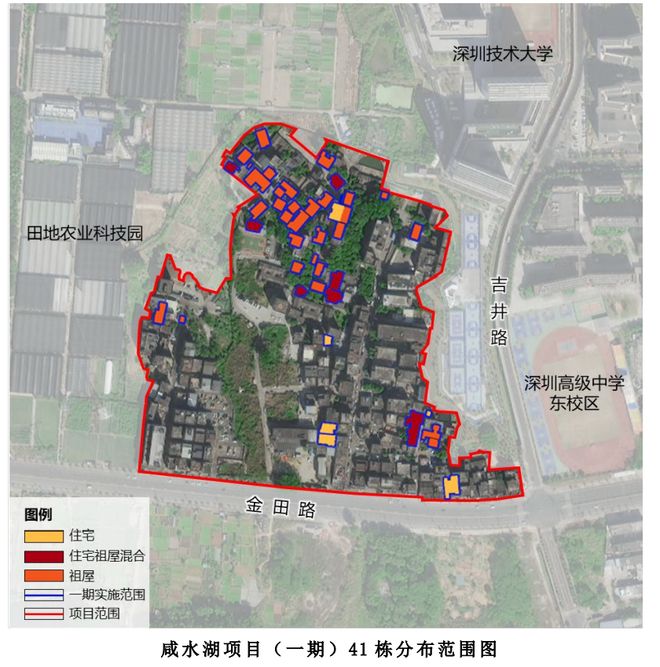
Core Insights - The introduction of housing vouchers in Shenzhen marks a significant shift in urban renewal and compensation strategies, expanding from major transportation projects to urban village redevelopment [1][2][10] Group 1: Housing Voucher Implementation - The first housing voucher was issued in Nanshan, valued at 40.55 million yuan, representing a breakthrough in traditional compensation models [9] - The new pilot program in Pingshan allows for flexible compensation options, including housing vouchers and monetary compensation, enhancing the autonomy of displaced residents [2][10] - The Pingshan project covers over 120,000 square meters and includes 41 permanent buildings, with more than 60% being ancestral homes [2] Group 2: Financial Aspects - The estimated total relocation funding for the Pingshan project is approximately 224 million yuan, which includes various compensation components [5] - Specific incentives are provided for residents opting for housing vouchers, including a 3.5% signing bonus for timely agreements and an additional 1.5% for choosing housing vouchers [6][7] Group 3: Broader Context and Future Prospects - The expansion of housing voucher systems reflects a nationwide trend, with over 100 cities exploring similar policies since 2022, including major cities like Guangzhou and Beijing [11][12] - Experts highlight the importance of funding capabilities, community acceptance, and purchasing power in determining the success of housing vouchers [10][12] - The potential for expanding the use of housing vouchers to include land acquisition and other forms of compensation is anticipated, with various incentives likely to encourage participation [12]
做优增量、盘活存量 提升宏观经济治理效能
Jin Rong Shi Bao· 2025-12-15 02:52
Core Viewpoint - The Central Economic Work Conference emphasizes the need to address both old problems and new challenges in China's economic development, while maintaining confidence in the long-term positive trend of the economy [1] Group 1: Economic Policy Direction - The conference sets a tone of "strengthening confidence, leveraging advantages, and responding to challenges" for economic work in the coming year and beyond [1] - The focus will be on "steady progress and improving quality and efficiency," indicating a shift away from short-term stimulus towards long-term economic planning [1][2] Group 2: Policy Implementation Strategies - The meeting highlights the importance of "optimizing increment and revitalizing stock," indicating a strong continuity and stability in macroeconomic policies [2][3] - Specific strategies include "controlling increment, reducing inventory, and optimizing supply" in the real estate sector, and "optimizing debt restructuring and replacement methods" in the fiscal sector [3][4] Group 3: Monetary Policy - The monetary policy will continue to adopt a moderately loose stance, with a focus on stabilizing economic growth and ensuring reasonable price recovery [5][6] - The emphasis will be on the dual approach of "optimizing increment and revitalizing stock," with a shift towards enhancing policy effectiveness rather than just timing [6][7] Group 4: Fiscal Policy - The fiscal policy will reflect the spirit of "optimizing increment and revitalizing stock," with higher demands for fiscal discipline and expenditure efficiency [8] - The projected fiscal deficit rate for 2026 is expected to remain around 4%, with an increase in the fiscal deficit scale to approximately 6 trillion yuan [8]
国务院参事杜莹芬:鼓励收购存量商品房用于保障房
Xin Lang Cai Jing· 2025-12-13 07:11
Group 1 - The core viewpoint of the meeting emphasizes the need for economic work in the coming year to focus on stability while seeking progress, enhancing quality and efficiency, and integrating both existing and new policies to improve macroeconomic governance effectiveness [1] - The meeting outlines a shift from a focus on scale expansion ("how much") to a focus on quality improvement and efficiency revolution ("how good") across various sectors [1] - In the real estate sector, the government encourages the acquisition of existing residential properties for affordable housing, reforms to the housing provident fund system, and promotes the construction of "good houses" to accelerate the development of a new model for real estate [1] Group 2 - In the financial sector, the focus is on reducing and improving the quality of small and medium-sized financial institutions [1] - The overarching theme of "optimizing increments and revitalizing stock" is highlighted as a guiding principle across all fields [1]
中央经济工作会议部署明年经济工作!释放哪些政策信号?
Jin Rong Shi Bao· 2025-12-12 02:53
Core Viewpoint - The Central Economic Work Conference emphasizes the need to address both old problems and new challenges in China's economy while maintaining confidence in long-term growth prospects [1][2]. Economic Policy Direction - The conference sets a tone of "steadfast confidence, leveraging advantages, and responding to challenges" for economic work in the coming year [1]. - The focus will be on "stabilizing while seeking progress and improving quality and efficiency" in policy formulation, indicating a shift from short-term stimulus to long-term development planning [1][2]. Incremental and Stock Policy - The meeting highlights the importance of "optimizing increment and revitalizing stock," indicating a systematic restructuring towards higher efficiency and sustainability in policy, industry, and investment [3][4]. - Specific areas of focus include real estate, fiscal policy, and investment, with strategies such as "city-specific policies to control increment, reduce inventory, and optimize supply" [3][4]. Monetary Policy - The monetary policy will continue to adopt a moderately loose stance, with a focus on stabilizing economic growth and ensuring reasonable price recovery [5][6]. - The emphasis will be on enhancing the effectiveness of monetary policy through structural tools while maintaining a balance between increment and stock [5][7]. Fiscal Policy - The fiscal policy will reflect the principles of optimizing increment and implementing stock, with higher demands for fiscal discipline and spending efficiency [8][9]. - Predictions indicate that the fiscal deficit rate will remain around 4%, with an increase in special bond quotas and a shift in spending towards social welfare, education, and technology [8][9].