
算力国产化

Search documents
上海算力底座,能否托举中国AI生态
第一财经· 2026-02-04 09:13
Core Viewpoint - The article discusses the synergy between domestic chip companies and cloud service providers in Shanghai, emphasizing the need for collaboration to advance AI applications in various sectors such as autonomous driving and biomedicine [3][19]. Group 1: Shanghai's Chip Industry Development - Shanghai's domestic chip industry is more mature compared to other cities in China, with significant government support and a high concentration of AI companies [6]. - In 2025, Shanghai's integrated circuit industry revenue is expected to exceed 480 billion yuan, with 35 companies listed on the Sci-Tech Innovation Board, the highest in the country [9]. - Major local chip companies like Wallen, Muxi, and Tensu Zhixin have recently gone public, breaking down barriers between technology and capital markets [9][10]. Group 2: AI Chip Ecosystem and Challenges - Despite the growth of local AI chip companies, the industry faces challenges due to reliance on NVIDIA's ecosystem, which dominates AI software development [14][18]. - The lack of a unified development platform for heterogeneous computing limits the adoption of domestic chips, as developers are often tied to specific software architectures [15][17]. - There is a need for a standardized approach to enhance compatibility and efficiency across different chip platforms [16]. Group 3: Future Prospects and Strategies - The process of domestic computing power localization is expected to continue through 2026, with ongoing advancements in AI models and competitive pricing compared to U.S. counterparts [23][24]. - Domestic chip companies should focus on identifying more application scenarios to increase the usage of local chips, aiming for international markets as well [25]. - Collaboration with ASEAN and Central Asian countries is suggested to build an international supply chain for computing power, promoting domestic GPU solutions abroad [26].


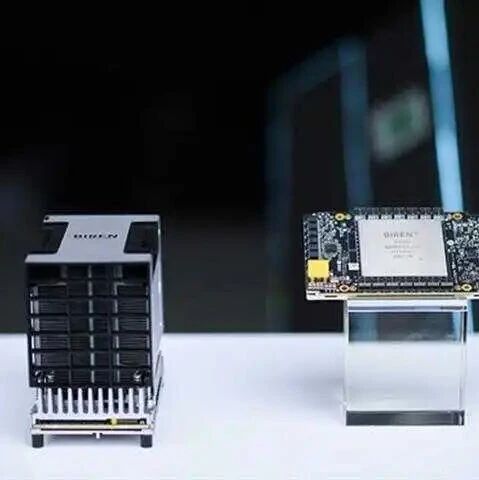
上海算力底座,能否托举中国AI生态 | 海斌访谈
Di Yi Cai Jing· 2026-02-04 08:04
Core Viewpoint - The domestic computing power industry in China is expected to gain more market share by 2026, supported by local chip companies and cloud service providers collaborating on AI applications and other advanced technologies [1][20]. Group 1: Industry Development - Shanghai's chip industry is more mature compared to other cities in China, with significant government support and a concentration of AI companies [4][7]. - Several Shanghai-based chip companies, including Wallen, Muxi, and Tensowise, have gone public, establishing a bridge between technology and capital [2][5]. - The revenue of Muxi is projected to reach 740 million yuan in 2024 and 915 million yuan in the first half of 2025, with plans to list on the Sci-Tech Innovation Board in December 2025 [4]. Group 2: Market Position - Shanghai's integrated circuit industry is the largest in China, with an expected revenue exceeding 480 billion yuan by 2025, and it ranks first in the number of listed companies on the Sci-Tech Innovation Board [6]. - Shanghai is recognized as the leading city in China's integrated circuit ecosystem, ranking fourth globally according to the World Semiconductor Association [6]. Group 3: Challenges and Opportunities - The dominance of NVIDIA in the AI chip market poses a significant challenge for Chinese chip companies, as 95% of AI software developers rely on NVIDIA's CUDA for development [9][12]. - Despite the current limitations of domestic AI chips in training large models, there is potential for improvement as local companies adapt their models to utilize domestic computing power [17][20]. - The shortage of high-end chips presents an opportunity for Chinese chip companies to ascend the industry value chain [17]. Group 4: Future Outlook - By 2026, the domestic computing power landscape is expected to continue evolving, with Chinese tech companies and AI startups driving rapid model iterations, potentially narrowing the gap with leading U.S. models [16][20]. - There is a call for a unified development platform standard to enhance compatibility among various chip companies, which could improve efficiency and reduce waste [10][11]. - The focus for domestic chip companies should be on identifying more application scenarios to increase the adoption of domestic chips, with an eye on international markets [18][19].

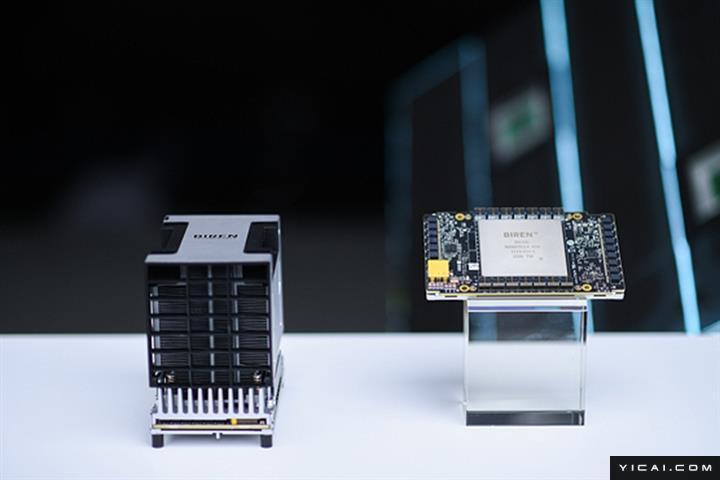
从“算力国产化”到“AI智能体元年”:一文尽览2026瑞银大中华研讨会AI产业核心洞见
21世纪经济报道· 2026-01-29 00:12
Core Viewpoint - The article discusses the transformative impact of artificial intelligence (AI) on the economy and industry, highlighting the advancements in technology, infrastructure, and the evolving relationship between humans and machines [4][10]. Group 1: Hardware and Semiconductor Development - China is transitioning from a "follower" to a "runner" and even a "leader" in certain semiconductor fields, narrowing the gap with international giants in areas like power semiconductors [6]. - Domestic companies are experiencing "systemic opportunities" in semiconductor equipment, materials, and advanced packaging due to the shift of GPU packaging demands from TSMC to local firms [6]. - The rise of domestic GPU companies and the explosion of AI computing demand may lead to the emergence of multiple world-class semiconductor enterprises in China within 5-10 years [6]. Group 2: AI Application and Commercial Value - The year 2026 is anticipated to be the "Agent Year," where AI agents will increasingly replace or empower traditional analytical roles [7]. - AI applications in industries like consumer goods are significantly reducing product development cycles from 2-3 months to daily iterations [7]. - Chinese companies excel in maximizing efficiency under clear demands, while U.S. firms explore technology boundaries amid uncertainty, with Chinese AI solutions gaining traction globally [7]. Group 3: Infrastructure Challenges - The explosive growth of AI is necessitating comprehensive upgrades in infrastructure, with electricity supply emerging as a critical bottleneck for computing power development [9]. - China is effectively addressing energy and computing mismatches through ultra-high voltage transmission and green energy integration, unlike the longer approval cycles faced in Western countries [9]. - Global AI infrastructure competition involves not only technology and cost but also energy management and policy coordination among nations [9]. Group 4: Human-Machine Collaboration - The development of AI and robotics is redefining the relationship between humans and machines, emphasizing collaboration rather than replacement [10][12]. - Fields with high labor shortages and repetitive tasks, such as logistics and healthcare, are most susceptible to automation, while new job roles will emerge, such as robot maintenance and cybersecurity specialists [12]. - Education systems need to adapt to teach students how to collaborate with AI, focusing on critical thinking and problem-solving rather than rote memorization [13]. Group 5: Economic Impact and Institutional Change - AI's impact on productivity is expected to be gradual, with optimistic projections suggesting a 2%-3% productivity increase over the next decade [15]. - The true potential of AI lies in complementing human capabilities to enhance decision-making and creativity, rather than merely replacing jobs [17]. - Concerns are raised about the overemphasis on general artificial intelligence (AGI) potentially neglecting the social and institutional adaptations necessary for AI integration [17].

机构热议2026年投资主线
Zhong Guo Zheng Quan Bao· 2026-01-18 20:45
Investment Environment Outlook - The A-share market is expected to enter a phase of improved overall conditions and deepening structural characteristics by 2026, driven by enhanced global liquidity and the performance acceleration of industries represented by artificial intelligence (AI) [1] - The market environment is anticipated to remain supportive, with optimism regarding the global economy and capital market conditions due to simultaneous monetary easing in the US and China [1][2] - Key trends to watch include potential preventive interest rate cuts by the Federal Reserve and continued supportive policies for capital markets in both the US and China [1] AI and Technology Investment - AI is highlighted as a critical area for investment, with a focus on both computing power and application opportunities [2] - The demand for computing power is expected to remain strong, with significant growth potential as the AI industry transitions from technology penetration to large-scale performance realization [2][3] - The domestic chip companies are improving their R&D capabilities, which may accelerate the localization of computing power by 2026 [3] Resource Sector Strength - The cyclical resource sector has shown strength since the beginning of 2026, with metals like gold, silver, copper, and aluminum attracting significant investment [4] - The manufacturing sector is likely to recover, positively impacting the cyclical direction, especially with global PMI data expected to rise amid continued interest rate cuts [5] - Specific segments such as copper are expected to benefit from AI's demand, as AI's influence on power systems will drive copper needs [4] Lithium Market Dynamics - Capital expenditure for lithium is projected to decline starting in 2026, potentially leading to a supply shortage by 2028 due to reduced expansion intentions among related companies [5] - The price of lithium, which peaked in 2022, is expected to undergo significant changes in the medium to long term as supply-side gaps become more pronounced [5]
AI日报丨智谱华为合作模型开源后登顶全球第一,亚马逊阻挠Saks百货破产融资的首次尝试宣告失败
美股研究社· 2026-01-16 12:34
Group 1 - The core viewpoint of the article emphasizes the rapid development of artificial intelligence (AI) technology, which presents extensive opportunities in the market [3] - UBS analysts believe that the probability of an AI bubble emerging in China in the short term is low compared to the U.S., highlighting investment opportunities in the semiconductor and humanoid robot upstream supply chain [5] - OpenAI is seeking to strengthen its hardware supply chain in the U.S. and is looking for partners to expand into consumer devices, robotics, and cloud data centers, indicating a significant product expansion plan [6] Group 2 - Kuaishou Technology is promoting its first offshore bond issuance to raise funds for AI activities, planning to issue 5-year and 10-year U.S. dollar bonds with initial price guidance above U.S. Treasury rates by approximately 85 and 100 basis points, respectively [7] - The GLM-Image model, co-developed by Zhiyu and Huawei, has quickly risen to the top of the global AI open-source community Hugging Face within 24 hours of its release, marking a significant achievement for domestically trained models [8] - NVIDIA has quietly corrected an error in its previous copper demand forecast for data centers, which may require a reevaluation of future copper supply and demand dynamics [10]

中欧瑞博|伟志思考:2026年展望--感恩时代拥抱牛市
Xin Lang Cai Jing· 2026-01-04 02:19
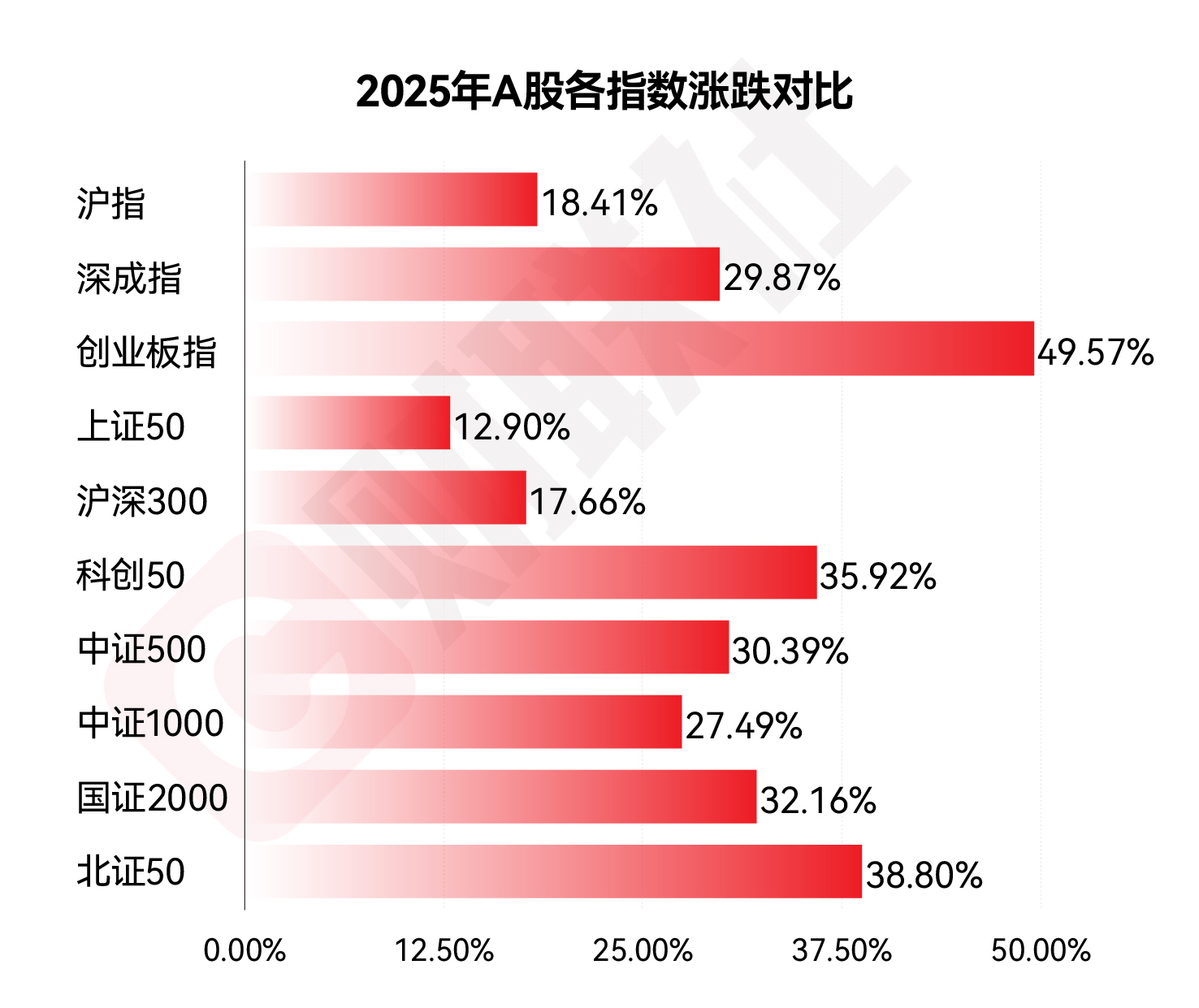
Group 1 - In 2025, the global capital markets and China's assets performed exceptionally well, with significant increases in major indices such as the CSI 300 and the Hang Seng Index, which rose by 17.66% and 27.77% respectively [1][16] - The year marked a turning point for China, as it navigated through trade wars and technological blockades, leading to a more confident outlook for the future [2][16] - The trade surplus for China reached a historic high of $1.076 trillion in the first eleven months, showcasing the country's competitive advantage in manufacturing [6][20] Group 2 - The stability in China-US relations in 2025 is seen as a pivotal moment, establishing a G2 world order and reducing trade tensions [4][18] - China's technology sector experienced a "Sputnik moment," with significant advancements in high-end chip production and breakthroughs in AI, challenging the previous notion that the US dominated technology [5][19] - The biopharmaceutical sector in China saw remarkable growth, with Chinese companies participating in over $1.3 trillion of global innovative drug business development transactions [6][19] Group 3 - The capital market in China showed signs of recovery, with various investment styles yielding positive returns, indicating a potential shift towards a long-term bull market [8][21] - The market's resilience was highlighted by its ability to stabilize amidst external shocks, avoiding the pitfalls of previous market bubbles [9][21] - The introduction of supportive policies by the government, similar to Japan's ETF purchases, is expected to enhance market confidence and stabilize asset prices [12][25] Group 4 - Looking ahead to 2026, the expectation is for continued benefits from a strengthening renminbi and increased international investment in Chinese assets [11][24] - The anticipated low-interest rate environment in the US is expected to influence global markets, with potential implications for commodity prices and stock valuations [10][23] - The ongoing bull market is characterized by supply-side dynamics, particularly in technology and growth sectors, which are expected to remain prominent themes [13][26]
2025年十大牛熊股出炉:18倍上纬新材夺魁 算力硬件概念股受题材资金追捧
Xin Lang Cai Jing· 2025-12-31 08:55
Group 1: Core Insights - The top ten stocks of 2025 have all seen price increases exceeding 500%, with the highest being a staggering 1821% for Shangwei New Materials [3][7] - The surge in stock prices is primarily driven by advancements in technology, particularly in computing power, with significant contributions from companies involved in robotics and AI [3][11] Group 2: Individual Stock Performances - Shangwei New Materials has transformed from a traditional chemical materials company to a key player in the robotics industry, benefiting from national policies supporting humanoid robot innovation, resulting in a 23.73% year-on-year revenue growth and a 49.66% increase in net profit for Q3 [7] - Tianpu Co., Ltd. ranks second with a 1662% increase, driven by the TPU theme and expectations surrounding the acquisition by Zhonghao Xinying, with a notable rise in stock price following the positive developments in domestic computing power [11] - *ST Yushun and *ST Yazhen follow with increases of 719% and 636% respectively, indicating a strong performance among ST stocks [3][6] - Shenghong Technology, with a 588% increase, has capitalized on the demand for AI-driven PCB products, reporting a 324% increase in net profit for the first three quarters [12]

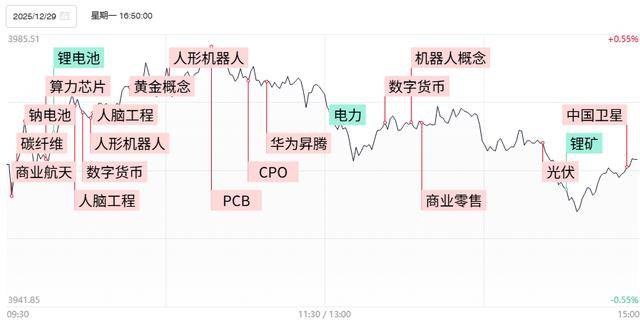
焦点复盘沪指创年内连阳纪录剑指4000点,机器人概念持续火热,锂电池产业链现深幅回调
Sou Hu Cai Jing· 2025-12-29 09:17
Market Overview - A total of 72 stocks hit the daily limit, while 26 stocks faced limit down, resulting in a sealing rate of 73% [1] - The Shanghai Composite Index slightly increased by 0.04%, while the Shenzhen Component Index and the ChiNext Index fell by 0.49% and 0.66% respectively [1] - The total trading volume in the Shanghai and Shenzhen markets was 2.14 trillion yuan, a decrease of 20.9 billion yuan compared to the previous trading day [1] Stock Performance - Victory Energy achieved a 12-day limit up streak, while other notable stocks included Jia Mei Packaging with 10 limit ups in 12 days, and Shen Jian Co. with 8 consecutive limit ups [1][3] - The highest limit up stocks included Fenglong Co., Luxin Investment, China Satellite, and Daye Co., each with 4 consecutive limit ups [1] - The market saw over 3,300 stocks decline, indicating a broad market pullback despite some individual stock successes [1] Sector Analysis - The carbon fiber, brain-computer interface, and commercial aerospace sectors showed the highest gains, while the pharmaceutical commerce, energy metals, and lithium battery sectors experienced the largest declines [1] - The commercial aerospace sector was boosted by new regulations from the Shanghai Stock Exchange, leading to significant stock price increases for companies like China Satellite, which surpassed a market cap of 100 billion yuan [5] - The robotics sector also gained momentum following the establishment of a standardization committee for humanoid robots, with stocks like Fenglong Co. and Victory Energy seeing significant price increases [6] Investment Trends - The consecutive limit up rate for stocks decreased to 47.62%, indicating a cooling off in the market's enthusiasm for high-flying stocks [3] - The previous leading sectors, particularly lithium battery concepts, saw a substantial pullback, while the commercial aerospace sector began to show signs of internal differentiation [3][5] - The market is expected to face increased pressure as the last trading day before the New Year approaches, with potential for greater volatility [9]

年终盘点丨算力国产化托底,资本市场GPU新股狂飙突进
Di Yi Cai Jing Zi Xun· 2025-12-26 04:09
Core Insights - The rise of domestic AI chip manufacturers in China's stock market has garnered significant attention, with companies like Cambricon (寒武纪) and Moore Threads (摩尔线程) achieving remarkable stock price increases upon their listings [2][3] - The market is witnessing a surge in domestic GPU manufacturers, with several companies preparing for IPOs, indicating a growing interest in AI chip production [3][4] - Despite high expectations for domestic AI chips, challenges remain, including competition from established players like NVIDIA and the need for these companies to prove their value in a crowded market [10][11] Group 1: Market Dynamics - Cambricon surpassed Kweichow Moutai to become the highest-priced stock in A-shares, reflecting investor enthusiasm for AI chip stocks [2] - Moore Threads and Muxi Technology saw their stock prices soar on their debut, with Muxi achieving a record profit for new listings in nearly a decade [2][3] - The entry of NVIDIA's H200 chip into the Chinese market adds complexity to the competitive landscape for domestic GPU manufacturers [3][16] Group 2: Financial Performance - Revenue growth for Moore Threads, Muxi, Bilan Technology, and Tensu Zhixin from 2022 to 2024 shows significant increases, but all companies reported substantial losses during the same period [7][8] - The revenue from the top five customers for these GPU manufacturers is highly concentrated, with some companies relying on a small number of clients for the majority of their income [9][10] Group 3: Market Share and Competition - The market share of domestic GPU manufacturers remains low, with Muxi holding approximately 1% of the AI accelerator market in 2024, and other companies reporting similar figures [9][10] - The competition among these manufacturers is intensifying, with no clear leader emerging in terms of market share or product performance [10][11] Group 4: Customer Dynamics - The customer base for these GPU manufacturers is highly concentrated, with significant fluctuations in client relationships, indicating potential revenue instability [9][10] - Major clients are increasingly shifting, with only a few companies remaining consistent among the top customers year over year [9] Group 5: Future Outlook - The domestic GPU market is expected to see a gradual increase in localization, with projections indicating that the domestic GPU market's localization rate will rise from 2% in 2022 to over 50% by 2029 [12][13] - Companies are focusing on enhancing product performance and building a robust ecosystem to compete effectively against international players like NVIDIA [18][20]


中泰证券:国内AI应用有望加速追赶 与海外形成共振
智通财经网· 2025-12-11 23:23
Core Insights - The AI industry is currently in its early to mid-stage of development, with ongoing "performance improvements + cost reductions" unlocking more application scenarios, leading to increased investment and usage by enterprises [1][4] Group 1: Global AI Landscape - Major North American cloud service providers (CSPs) are accelerating capital expenditures, with each of the four leading firms expected to reach quarterly capital expenditures of $10 billion by CY25Q2 [2] - Leading overseas AI application companies, such as OpenAI, are beginning to achieve commercial viability, with projected revenue growth from $3.7 billion in 2024 to over $12.7 billion in 2025 [2] Group 2: Domestic AI Development - The trend of AI sovereignty and the push for technological self-sufficiency are driving advancements in the domestic computing power industry, with government policies supporting local computing infrastructure [3] - The rapid development of China's semiconductor industry is enhancing the performance of domestic chips, which, along with technologies like "quantity compensating quality," is expected to improve domestic computing capabilities [3] Group 3: Domestic AI Application Acceleration - The current conditions for large-scale AI application deployment are favorable, with domestic AI applications expected to accelerate and catch up with overseas counterparts, creating a resonance effect [4]
