
车路云一体化

Search documents
2026年第6周计算机行业周报:千问宕机,关注算力基础设施投资机遇-20260211
Changjiang Securities· 2026-02-11 09:42
Investment Rating - The report maintains a "Positive" investment rating for the industry [8] Core Insights - The computer sector experienced a significant decline of 3.53% last week, ranking 29th among major industries, with a trading volume accounting for 6.50% of the total market [2][5][16] - The recent surge in demand for AI applications has highlighted a growing gap in computing power, prompting major AI companies like Alibaba to increase their procurement of computing resources [7][48] - Key recommendations include focusing on domestic computing chip manufacturers, particularly industry leaders like Cambricon and Haiguang Information, as well as companies involved in computing power leasing and IDC [7][48] Summary by Sections Market Performance - The computer sector's performance was notably poor, with a 3.53% drop, while the overall market index fell by 1.27% [5][16] - Cybersecurity and financial IT sectors showed activity, with notable stock performances from companies like High Ling Information and Yu Yin Co., Ltd. [18] Key Developments - ByteDance launched its latest video model, Seedance 2.0, which supports video generation from text and images, marking a significant advancement in AI video technology [21][23] - Breakthroughs in scalable quantum networks were achieved by researchers at the University of Science and Technology of China, enhancing the potential for long-distance quantum communication [26][34] - The initiation of national standards for intelligent connected infrastructure is expected to accelerate the development of smart transportation systems [37][43] Investment Opportunities - The report emphasizes investment opportunities in computing infrastructure, particularly in response to the recent server outages caused by high demand during promotional events [7][48] - The anticipated increase in computing power demand during the Spring Festival period is expected to drive further investments in computing resources by major tech companies [51][56]


相关标准相继拟定,车路云一体化建设有望加速推进
Changjiang Securities· 2026-02-10 11:18
丨证券研究报告丨 行业研究丨点评报告丨软件与服务 [Table_Title] 相关标准相继拟定,车路云一体化建设有望加速 推进 报告要点 [Table_Summary] 日前,国内首个智能网联基础设施国标《城市道路智能网联基础设施技术标准》正式启动编制, 该"国标"填补了我国在该领域国家标准的空白,将为城市道路智能网联基础设施的规划、设 计、建设、验收与运维全流程提供统一的技术规范和权威依据。当前时点,随着高阶驾驶辅助 普及提速,相关试点、示范应用工作的持续推进,我国"车路云一体化"建设有望加速推进, 惠及 相关产业链。建议关注"车路云一体化"全产业链,重点关注车路协同基建厂商。 分析师及联系人 宗建树 陈耀文 SAC:S0490520030004 SAC:S0490525070002 SFC:BUX668 请阅读最后评级说明和重要声明 %% %% %% %% research.95579.com [Table_Author] 1 软件与服务 cjzqdt11111 [Table_Title 相关标准相继拟定,车路云一体化建设有望加 2] 速推进 1、政策推进不及预期; 2、技术发展不及预期。 请阅读最后评级 ...
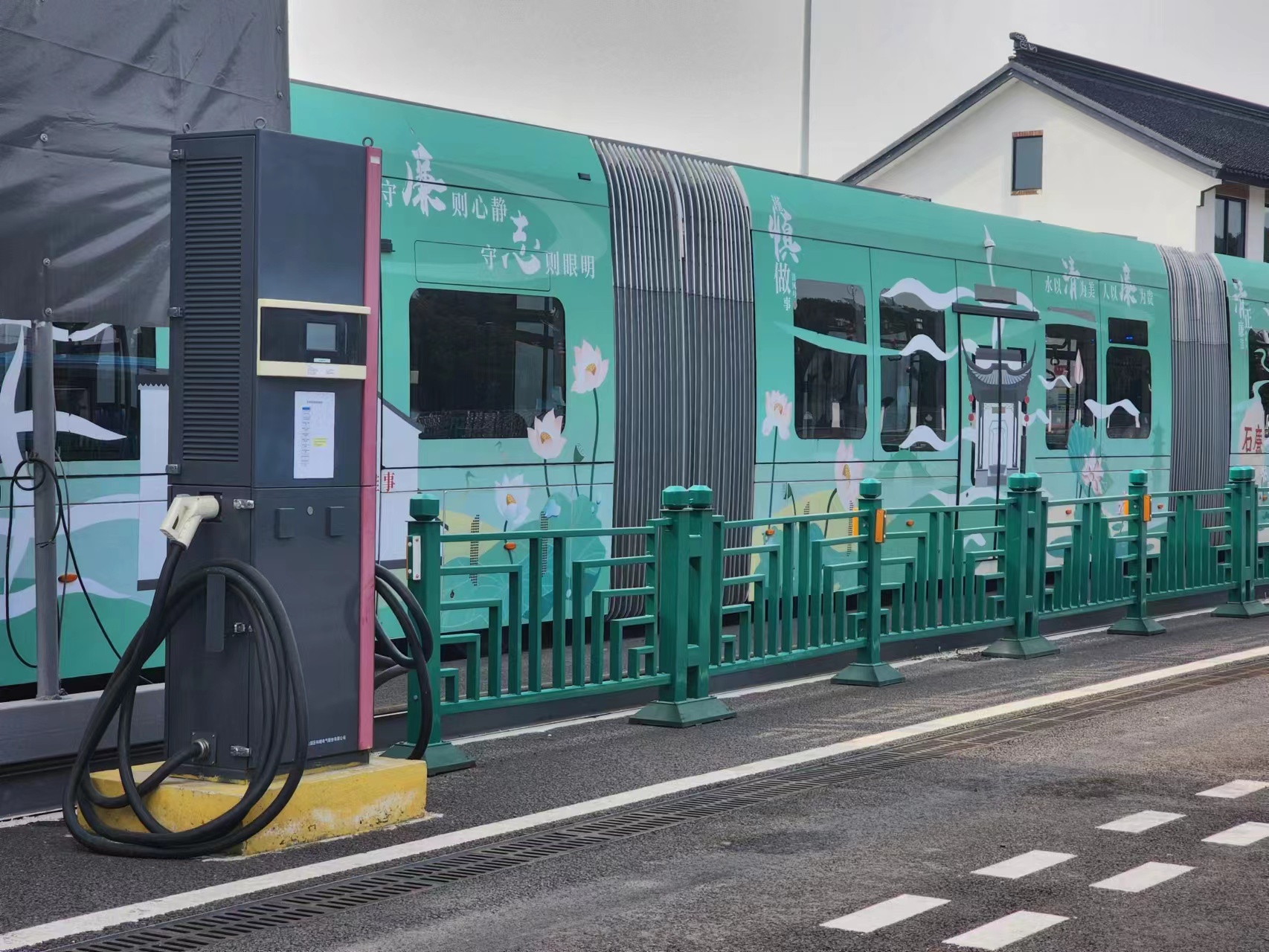
【“财”访一线】建设车路云一体化 无锡怎么做?
Xin Hua Cai Jing· 2026-02-10 07:08
Core Viewpoint - The article highlights the progress of the "Vehicle-Road-Cloud Integration" pilot project in Wuxi, which serves as a model for similar initiatives across the country [1] Group 1: Project Overview - Wuxi is recognized as the "first city of the Internet of Vehicles" in China, showcasing the dynamic data and visuals from the "Vehicle-Road-Cloud Integration" innovation operation center [1] - The city has implemented networked upgrades for over 3,000 traffic signals and more than 26,000 traffic signs, enhancing the connectivity of its transportation infrastructure [1] Group 2: National Implications - As one of the first pilot cities for "Vehicle-Road-Cloud Integration," Wuxi aims to provide a reference model for nationwide implementation and development [1]
希迪智驾20260209
2026-02-10 03:24
Summary of the Conference Call for Xidi Intelligent Driving Company and Industry Overview - **Company**: Xidi Intelligent Driving - **Industry**: Autonomous driving, specifically focusing on unmanned mining trucks - **Market Size**: The potential market for mining operations is estimated at over 550 billion yuan, with a significant portion attributed to the sale of autonomous vehicles and systems [3][11][24] Key Points and Arguments Industry Dynamics - The unmanned mining truck industry is transitioning from pilot projects to large-scale penetration, marking a critical growth point [1] - Autonomous driving is expected to replace jobs that humans are reluctant to perform, particularly in hazardous and remote environments [3][4] - Government policies are increasingly favoring automation in mining, with regulations mandating a shift towards unmanned operations due to safety concerns [4][5] Company Strategy - Xidi Intelligent Driving focuses on providing a complete solution, including both hardware and software, rather than operating the vehicles themselves [33][34] - The company aims to maintain a competitive edge by ensuring its technology remains superior and comprehensive, covering various aspects of autonomous driving [42] - The company has established partnerships with major mining operators, allowing for deep integration of its technology into existing operations [12][13] Financial Performance - Revenue growth has been rapid, increasing from approximately 30 million yuan in 2022 to 410 million yuan in 2024, with projections for continued doubling in the coming years [24][25] - The gross margin is reported to be between 20% and 25%, with a high gross profit of nearly 100 million yuan achieved in 2024 [25][26] Market Opportunities - The market for autonomous mining trucks is expected to grow significantly, with estimates suggesting that the sales of wide-body trucks alone could reach 700-800 billion yuan [29][30] - The company is also exploring opportunities in other heavy vehicle segments, including ports and chemical plants, where demand for unmanned operations is increasing [19][12] Competitive Landscape - Competition in the autonomous mining sector is anticipated to intensify as more companies recognize the lucrative potential of this market [42] - Xidi Intelligent Driving differentiates itself through its comprehensive technology stack, which includes advanced AI and multi-agent coordination systems [42] Additional Important Insights - The company has successfully deployed over 1,000 autonomous vehicles in China and is expanding its reach internationally [17] - The operational complexity of mining environments presents significant challenges, necessitating advanced technology for effective deployment [20][21] - The company emphasizes the importance of understanding the specific needs of different mining operations to tailor its solutions effectively [14][15] This summary encapsulates the key discussions and insights from the conference call, highlighting the strategic direction, market potential, and competitive positioning of Xidi Intelligent Driving within the autonomous mining industry.
万集科技:公司192线车载激光雷达已构建起涵盖设计、制造、测试的国产化一体化体系
Zheng Quan Ri Bao Wang· 2026-02-09 13:40
Core Viewpoint - The company is actively participating in integrated vehicle-road-cloud pilot city projects, indicating a strong commitment to advancing smart transportation infrastructure [1] Group 1: Company Initiatives - The company is involved in several integrated vehicle-road-cloud projects, including the Hainan project, Wuxi project, Chengdu project, and Suzhou project, showcasing its engagement in smart city initiatives [1] - The company has developed a 192-line vehicle-mounted lidar system, establishing a comprehensive domestic production system that includes design, manufacturing, and testing, and has validated this system with multiple mainstream automotive platforms, demonstrating its readiness for mass production [1] - The company is accelerating the research and development of silicon-based all-solid-state lidar OPA products, aiming to enhance chip integration and system capabilities, which reflects its focus on technological advancements [1]
让导航变得更“懂路” 杭州实现路口信号数据“上图上车”
Hang Zhou Ri Bao· 2026-02-05 03:19
为此,技术团队对信号灯和可变车道数据进行了精细化治理,构建了车道级的"路权数据服务数据 集"。每一组信号状态都被拆解为时间、相位、车道绑定等多维参数,形成程序可解析的结构化指令。 通过参考国家标准制定统一交互协议,原本简单的"绿灯"被细化为"直行可通行""右转可通行"等明确指 令,真正实现从"人看懂"到"车读懂"的跨越。 负责项目数据治理的每日互动智能网联车项目负责人形象地比喻:"这一过程如同为城市交通神经 网络搭建起精准的'翻译器',让车与路在数字层面达成深度协同,地图导航及智能汽车可拥有数据维度 的'上帝视角',提升驾驶过程中预判和决策能力。" 区别于现行通过路侧硬件设备改造实现车路数据协同,车路数据协同的"杭州模式"严控非必要的硬 件投入,转而通过深度挖掘和利用城市现有公共交通数据,最大化释放已有交通数据价值,通过移动互 联网推送技术打造高效、稳定的传输路径,将全域交通信息数据提供给导航地图、智能网联汽车使用。 近日,随着智能网联汽车"车路云一体化"示范应用项目的深入推进,杭州城市交通数字化治理迈出 关键一步——路口信号数据"上图上车"服务正式启用。这是杭州市智能网联汽车市级云控平台新上线的 惠民出行场 ...

全产业链升级 助推汽车业高质量发展
Zhong Guo Qi Che Bao Wang· 2026-02-04 09:40
Group 1 - The automotive industry has become a significant pillar of the national economy in China, with local governments prioritizing the cultivation of new productive forces and accelerating industrial transformation and upgrading [2][15] - Various provinces and cities are focusing on the development of new energy vehicles (NEVs), with Beijing reporting over 1.3 million NEVs in use and plans to eliminate old vehicles while increasing the production of NEVs [3][5] - The "co-creation of a car" initiative in the Beijing-Tianjin-Hebei region aims to enhance data collaboration and innovation within the automotive industry, addressing core challenges in data governance [4][5] Group 2 - The automotive industry is transitioning towards electrification, intelligence, and connectivity, with Tianjin and Hebei emphasizing the need for influential "chain master" enterprises to enhance the industry chain [5][6] - Zhejiang Province reported a 49.8% year-on-year increase in NEV production, with plans to create strategic emerging industry clusters by 2030 [5] - Local governments are focusing on integrating advanced manufacturing and new energy sectors, with specific projects aimed at enhancing the competitiveness of the automotive industry [6][8] Group 3 - The concept of "new quality productivity" is gaining traction, with discussions on the integration of AI, embodied intelligence, and robotics into the automotive sector to drive innovation and efficiency [9][10] - Infrastructure development is critical for supporting the automotive industry's transformation, with Beijing planning to build a modern transportation system and increase charging facilities for electric vehicles [10][11] - The establishment of a unified data circulation and utilization infrastructure is being proposed to enhance the digital economy and support the automotive industry's growth [11][12] Group 4 - Local governments are committed to fostering innovation in the automotive sector, with initiatives aimed at enhancing education, technology, and talent development to support industry upgrades [13][14] - Policies are being introduced to support R&D and financial services for key industry clusters, aiming to reduce tax risks and promote high-quality technological development [14][15] - The overall strategy emphasizes a comprehensive approach to automotive industry development, from vehicle manufacturing to battery production, to stimulate regional economic growth [15]

行业深度 | RoboX:产业奇点已至 规模化应用加速【国联民生汽车 崔琰团队】
汽车琰究· 2026-02-03 16:03
Core Insights - The RoboX industry is approaching a commercialization inflection point, driven by strong policy support, increasing demand for cost-effective and safe autonomous driving solutions, and significant reductions in core component costs [2][6][11]. Group 1: RoboX Overview - RoboX encompasses various forms of autonomous driving applications, including Robotaxi, Robovan, and Robotruck, designed to adapt to different transportation scenarios through modular design [8]. - The industry is experiencing rapid advancements in technology, with the penetration rate of L2 and above autonomous features in passenger vehicles expected to exceed 90% by 2030, significantly driving down costs for key components like LiDAR and computing chips [9][11]. Group 2: Robotaxi Insights - Robotaxi is projected to achieve an operational cost of $0.2 per kilometer by 2027, a 50% reduction compared to traditional ride-sharing platforms, primarily due to the remote safety operator model and economies of scale [3][17]. - The global Robotaxi market is expected to reach a valuation of $352.6 billion by 2035, with the Chinese market anticipated to grow from $200 million in 2025 to $179.4 billion by 2035, indicating strong growth potential [23][28]. Group 3: Robovan Insights - The demand for Robovan is driven by labor shortages and high costs in last-mile delivery, with its capabilities making it a key solution across e-commerce, retail, and food delivery sectors [4]. - The cost of Robovan is expected to drop significantly, from 500,000-600,000 yuan to around 20,000 yuan, due to economies of scale and increased penetration of L2 and above features in passenger vehicles [4][11]. Group 4: Robotruck Insights - Robotruck applications are expanding from closed environments to long-haul logistics, with a market potential reaching hundreds of billions, focusing on stable freight demand and high operational value [5]. - The adoption of "virtual drivers" in Robotrucks is expected to significantly reduce the operating costs of electric trucks, enhancing their commercial viability [5]. Group 5: Policy Support - Since 2020, the Chinese government has implemented numerous policies to support the development of intelligent connected vehicles, establishing a robust regulatory framework for the industry [11][13]. - By 2025, 17 national-level testing demonstration zones have been established, with over 32,000 kilometers of testing roads opened, facilitating the transition from technology validation to commercial operation [11][13]. Group 6: Investment Recommendations - Companies involved in autonomous driving solutions and operations are expected to benefit directly from the commercialization of RoboX, with a projected rapid increase in penetration rates between 2026 and 2027, unlocking a market potential of hundreds of billions [6][28]. - Recommended companies include WeRide, Cao Cao Mobility, and XPeng Motors, with a focus on intelligent component manufacturers like Horizon Robotics and Bertelson [6].


智能驾驶系列报告四:RoboX:产业奇点已至,规模化应用加速
Guolian Minsheng Securities· 2026-02-03 00:25
Investment Rating - The report maintains a recommendation rating for the RoboX industry, indicating a positive outlook for investment opportunities in this sector [1]. Core Insights - RoboX is approaching a critical point of industrialization, transitioning from technology validation to large-scale deployment, driven by supportive policies, increasing supply of key components, and strong demand for intelligent driving solutions [7][19]. - The report highlights three main applications of RoboX: Robotaxi, Robovan, and Robotruck, each with distinct market dynamics and growth potential [10][19]. Summary by Sections 1. Investment Focus: RoboX Accelerating Towards Industrialization - RoboX encompasses various forms of autonomous driving applications, including Robotaxi, Robovan, and Robotruck, designed for different transportation scenarios [10]. - The report emphasizes the modular design of RoboX, allowing for adaptability across various transport needs [10]. 2. Robotaxi: Scaling Point Evident, Fully Autonomous Commercialization Gradually Landing - Demand Side: Robotaxi can significantly reduce operational costs, with projected costs of $0.2 per kilometer by 2027, a 50% reduction compared to traditional taxi services [21]. - Supply Side: Continuous reduction in hardware costs is facilitating the scaling of Robotaxi applications, with the sixth-generation vehicle costs dropping by 60% compared to previous models [35]. - Policy Side: The gradual implementation of fully autonomous commercial operations is supported by clear regulations regarding accident liability [21][15]. 3. Robovan: Strong Demand for Unmanned Delivery, Cost Advantages Driven by Core Component Price Reductions - Demand Side: There is a strong need for unmanned delivery solutions in the last-mile logistics sector, covering key application scenarios such as e-commerce and fresh food delivery [3]. - Supply Side: The cost of core components is decreasing, enhancing the price competitiveness of unmanned delivery vehicles [3]. - Policy Side: Continuous opening of road rights and pilot projects is accelerating the deployment of unmanned delivery vehicles [3]. 4. Robotruck: Transitioning from Closed Scenarios to Mainline Logistics, Cross-Province Testing Implemented - Demand Side: Robotruck applications are expected to reach a market scale of hundreds of billions, focusing on stable freight demand in complex environments [4]. - Supply Side: Successful implementation of L4 in closed scenarios is validating the operational capabilities of Robotrucks [4]. - Policy Side: National support is clear, but local policies are cautiously opening up due to the high risks associated with heavy-duty trucks [4]. 5. Investment Recommendations - The report suggests that companies involved in RoboX commercialization, such as WeRide, Cao Cao Mobility, and XPeng Motors, will directly benefit from the scaling of RoboX applications [19]. - It also recommends focusing on intelligent component manufacturers like Horizon Robotics and Desay SV, which are expected to show performance elasticity [19].

自动驾驶挺进L3,改变之下车企要闯几道关?
Xin Jing Bao· 2026-01-30 08:26
随着L3级车型的获批准入,中国汽车产业驶入"智驱"新阶段。"智驱新程 芯动未来"新京报第二十届超 级汽车论坛1月30日下午举办,邀请嘉宾参与《车圈圆桌派》,探讨"自动驾驶挺进L3,带来怎样的改 变?"这一热门话题。 余龙 深蓝汽车软件开发总监 张洋 北汽研究总院智能驾驶资深工程师 李至柔 对外经济贸易大学保险法与社会保障法研究中心研究员 责任之变:主体转移下的风险控制 新京报贝壳财经:从辅助驾驶到L3级有条件自动驾驶,有哪些技术难点? 余龙:一是系统可靠性,二是功能安全和预期功能安全的提升,三是人机接管的边界,四是运行设计域 精细化管理。 L2跨越到L3的本质是辅助驾驶到有条件自动驾驶的突破,意味着责任主体的转移。L2阶段驾驶员是责 任主体,L3阶段责任主体可能是主机厂、系统供应商等。技术难点在于责任主体转移过后,如何把风 险控制到最低。此外,AI决策模型的确立性和可解释性需进一步突破。 张洋:责任归属上,在L2级,责任主体始终是人。而到了L3的限定场景下是系统担责,需要驾驶员介 入时,驾驶员要及时接管车辆,这种责任主体的切换是一个动态、场景化的复杂过程。长尾场景泛化, 在极端天气、道路施工、突发障碍物等低概 ...