避险

Search documents
央行增持黄金纸黄金震荡概率最高
Jin Tou Wang· 2026-02-10 03:58
值得关注的是,亚洲大国监管机构近期建议金融机构减少美债敞口,担忧集中风险与波动,进一步强化 黄金的多元化吸引力。在美债收益率曲线趋陡(两年/10年期利差达71.3基点)之际,投资者避险倾向明显 转向黄金。 本周美国财政部还将发行580亿三年期、420亿10年期及250亿30年期国债,或加剧债市波动,间接推升 黄金需求。中国"囤金热"延续,既是国内政策导向,也折射全球央行对美元霸权潜在风险的警觉,为金 价提供长期支撑。 【最新纸黄金行情解析】 2月10日黄金人民币价格为1116元,其走势按概率从高到低排序如下:首先,区间震荡的可能性最大, 占比50%,预计价格将在1100~1110元的支撑位与1130~1140元的压力位之间波动;其次,强势上攻的概 率为35%,若价格站稳1120元并放量突破,有望冲击1140元,目标价位在1140~1200元;最后,二次探底 的概率为15%,一旦跌破1100元,将考验1080元的支撑,若失守则可能下探至1060~1000元,反弹压力 位在1100元。 摘要今日周二(2月10日)亚盘时段,纸黄金目前交投于1125.29元附近,截至发稿,纸黄金暂报1117.23元/ 克,跌幅0.7 ...
黄金回落,白银暴跌,投机者遭遇多头平仓潮
Sou Hu Cai Jing· 2026-02-06 04:13
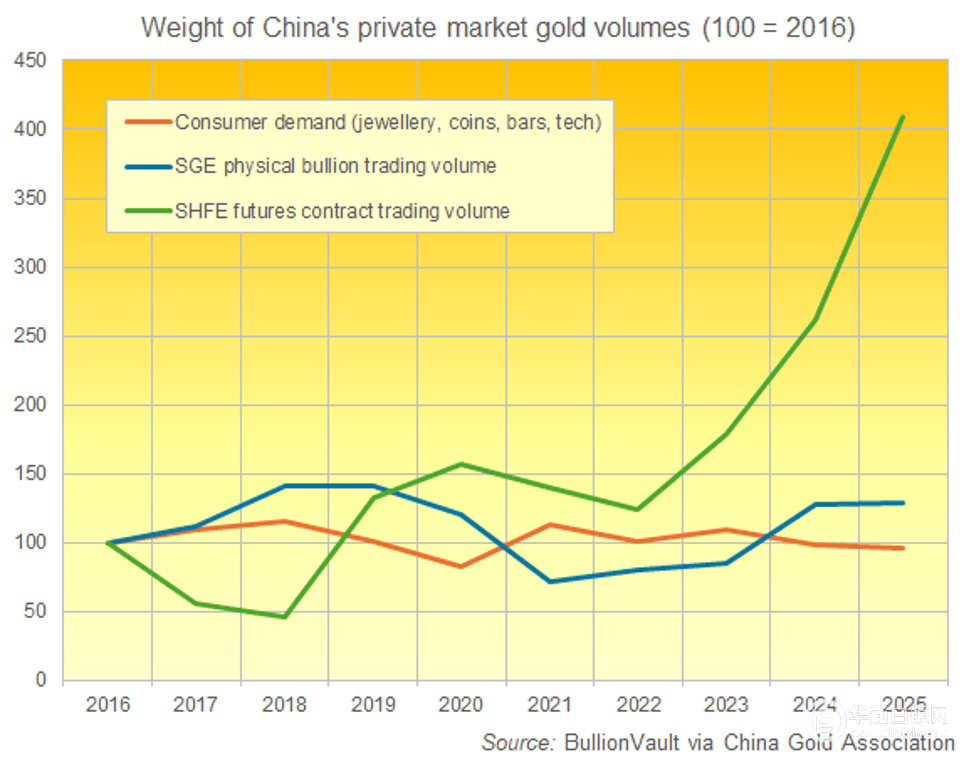
Core Viewpoint - The recent significant decline in gold and silver prices is attributed to market volatility, with gold down 1.1% and silver experiencing a dramatic drop of 12.8% this week, marking unusual fluctuations in the market [1]. Group 1: Market Trends - Shanghai silver futures have fallen over 10%, while platinum contracts in Guangzhou dropped nearly 8%, and Shanghai tin futures decreased by more than 7% [2]. - The latest data from the China Gold Association indicates that household gold demand is projected to decrease to 950 tons by 2025, with jewelry purchases by weight declining by 31.6%, while retail gold bar and coin sales increased by 35.1% [2]. - Retail investment products now account for 1.4 times the demand for jewelry, indicating a significant shift in household gold purchasing behavior that has been emerging since last spring [2]. Group 2: Trading Dynamics - The nominal value of gold traded through Shanghai Futures Exchange contracts has surged by 229.1% from 2022 to 2025, contrasting with the relatively stable annual total weight of end-user gold demand over the past decade [2]. - In a turbulent market environment, excessive bullish positions have exacerbated the decline in silver prices, with silver ETFs experiencing a significant drop, making it difficult for shareholders to trade at reference prices [4]. - The London gold price increased by $50 to $4,850 per ounce, while the London silver price fell by 60 cents to below $72 per ounce, a drop of nearly $50 from the historical high set the previous week [4]. Group 3: Investment Flows - The inflow of funds into North American gold exchange-traded funds (ETFs) is nearly three times that of Asian ETFs, which have seen their share of global gold-backed ETFs rise from 6.8% to 12.0% over the past 12 months [5]. - In contrast, European-listed ETFs have experienced a net reduction of over 5 tons, highlighting a stark difference in investment trends between regions [5].

铜铜2026、2、3:铜价延续震荡
Zi Jin Tian Feng Qi Huo· 2026-02-05 06:37
铜铜铜 2 0 2 6 / 2 / 3 铜铜铜铜铜铜铜 作者:刘诗瑶 联系人:周小鸥 从业资格证号:F3041949 从业资格证号:F03093454 交易咨询证号:Z0019385 邮箱:zhouxiaoou@zjtfqh.com 邮箱:liushiyao@zjtfqh.com 审核:李文涛 交易咨询证号:Z0015640 我公司依法已获取期货交易咨询业务资格 本周观点 ◼ 上周,铜价冲高回落,盘间LME与沪期铜持续刷新历史新高,但随后在金银的带动下快速回落。LME高位14527.5美元/吨,沪期铜最高触及114320元/吨,随后快速下跌,符合我们多 杀多的预期。本周初来看,有色板块在贵金属下跌的带动下维持弱势,但低位产业链点价异常积极。周一收盘,铜价已回落至1月初水平。从分品种看,由于基本面的优良,铜铝两 品种也依然在本轮下跌中表现抗跌。 ◼ 上周五,伦敦金大跌9%,伦敦银大跌26%,美元指数大涨1%,而在本周初日盘贵金属及有色持续大跌。要弄懂本轮贵金属及有色的下跌,我们先要知道为何会出现之前的上涨。不少 传统分析给到的理由都是避险、央行配置以及美国经济的再通胀。与此同时,白银涨幅超过黄金,锡、镍等品种关 ...
美国政府“关门”,非农数据“放假”,黄金“机会来了”
Sou Hu Cai Jing· 2026-02-03 04:20
从宏观逻辑看,非农数据的缺席意味着短期内市场无法用一套权威的数字去校准预期。无论是美国经济的韧性,还是劳动力市场的降温,都失去了官方的验 证。 对黄金而言,这种状态本该是"避险"的天堂,因为黄金对货币政策转折期和不确定性上升阶段最为敏感。当非农报告被按下暂停键,美联储也必须在信息不 完整的情况下进行决策,这种政策层面的模糊感通常会推升黄金作为对冲工具的需求。 阿萨交易学社分析师 Zero 指出,在 4600 美元这一线,黄金的角色正在发生转变:它不再仅仅是看多经济的产物,而成了资金在方向看不清时,用来应对制 度性博弈与政府停摆风险的"救命稻草"。 然而,这是否意味着黄金大行情的起点?理性告诉我们必须保持克制。数据延迟并不等于消失,政府恢复运转后的"补发"数据往往会带来更剧烈的脉冲式波 动。更重要的是,黄金在 2026 年初的信用溢价已经因为美联储主席人选的更替(如凯文·沃什的提名预期)而发生了结构性改变。 虽然政府停摆提供了环境优势,但并不能抵消实际利率上行带来的长效压力。投资者需要警惕那种"政府一关门金价就要涨"的思维定式,因为在 4600 美元 的低位,任何情绪化的跟风都可能遭遇流动性枯竭后的再次收割。 ...
黄金白银“闪崩”后绝地反攻 黄金暴涨近3% 美元反弹难阻避险狂潮
智通财经网· 2026-02-03 01:17
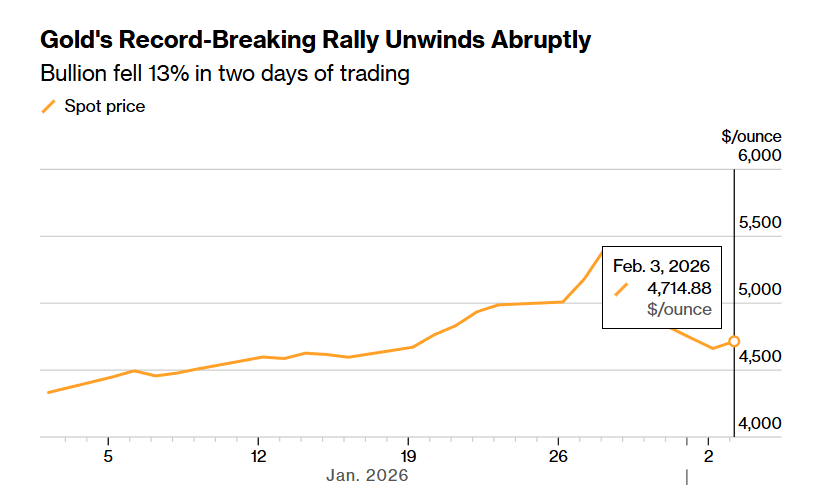
智通财经APP获悉,黄金价格上涨,收复了此前一轮破纪录涨势戛然而止的部分失地。此前,金价在短短两天内下跌 了13%。白银价格也出现上涨。此前,金价在两个交易日内下跌了13%。 现货黄金一度上涨2.9%,接近每盎司4800美元,此前一个交易日下跌近5%,延续了上周五十多年来的最大跌幅。白银 一度上涨5.1%,突破每盎司83美元,此前周一下跌7%,并在1月30日创下盘中历史新低。 富国银行策略师埃里克·尼尔森表示:"在经历了1月份的美元抛售狂潮之后,外汇市场正在恢复正常。"他说,市场正 在平仓1月中旬建立的所有投机性和追逐市场动能的美元空头头寸。 就在沃什获得提名消息引发美元自5月以来最大涨幅的几天前,资产管理公司加大了对美元的空头头寸。欧洲交易员表 示,月末资金流动可能加剧了美元的反弹,尤其是在技术面预示着回调行情的情况下。 许多市场参与者警告称,美元可能进一步走弱。DoubleLine Capital首席执行官杰弗里·冈拉克上周表示,美元已有一段 时间没有发挥避险货币的作用,特朗普难以预测的政策制定和美国的财政赤字将对其构成压力。 策略师Tatiana Darie称,"在最近这波政策驱动的抛售潮中,美元走势已 ...
黄金白银暴跌,历史的重演而已
Sou Hu Cai Jing· 2026-02-02 23:25
来源:市场资讯 (来源:光远看经济) 黄金白银暴跌,历史的重演而已 黄金在经历一次史诗级的暴跌以后,我看很多机构对这件事的评价,说什么黄金白银上涨的核心逻辑并没有改变,但又提醒大家要谨慎。 机构的废话,一直就这么正确,而且永远正确!以后涨,他说我说了逻辑没有变,以后跌,他说我提示风险了! 既然说到逻辑,咱就谈谈逻辑。 黄金白银过去几年上涨的基本逻辑不外乎全球格局的变化,地缘冲突,去美元化,特别是特朗普一再干涉美联储的独立性,让大家对未来整个美元的信用 没有信心,全球央行增持黄金。 这些推动黄金上涨的逻辑确实没有根本性变化。但逻辑没有根本性变化不代表黄金白银一直会涨下去。 就拿大家常说的,纸币贬值的趋势而言,从有人类有纸币以来,这个趋势就一直存在,难道意味着黄金一直在涨?黄金是为了避险,但当黄金价格高到很 荒唐的时候,它本身就比美元还危险,就失去了避险的价值,这个逻辑没错吧?黄金作为一个避险产品,它的价格在什么范围内才是安全的?你总不能说 为了避险黄金会涨到100万美元吧? 对于这次黄金白银的暴跌,很多机构把原因归结为美联储新主席沃什,因为沃什支持强势美元,是个鹰派。导致黄金价格暴跌。 这个理由很可笑,而且没有 ...
以后的黄金会是以前的房子吗?
Sou Hu Cai Jing· 2026-02-02 04:02
有人的地方就有江湖,有金钱的地方就有喜忧。 最近贵金属的价格像过山车一样跌宕起伏,相信关注的朋友都深有体会。 25年下半年截至到新年1月29日前,黄金都是一路高歌,屡次刷新记录, 然而1月30日进入黑色星期五,现货黄金单日暴跌9.25%,创1983年以来最大跌幅,盘中一度崩跌12.92%,从前期高位5627美元/盎司砸到4682美元; 现货白银更狠,从122美元的高点腰斩式触及74.28美元/盎司。 全球贵金属市场一夜蒸发超3.4万亿美元,相当于整个加密货币市场的总市值。 22万投资者爆仓,总金额超9亿美元,有人一夜之间本金归零,有人毕生积蓄打了水漂。 无独有偶,曾经辉煌的房地产也是在泡沫破裂后黯然退场,无数人血本无归。 于是不少人开始追问:以后的黄金,会成为以前的房子吗? 二者虽有表面的相似性,更有本质的差异,而这些差异恰恰决定了黄金难以复刻房产曾经的投资路径。 黄金与房子的相似之处,集中在"保值"与"周期"的表象上。 抛开市场的大起大落不谈,我们先来看看黄金和房产的定位。 黄金作为金融与避险资产,其价值基础是全球信用和避险需求。 目前,全球央行购金("再货币化")、地缘政治风险是主要驱动力。 房子是居住与 ...

金价继续大跌!多家银行紧急发布公告!
Sou Hu Cai Jing· 2026-02-02 03:51
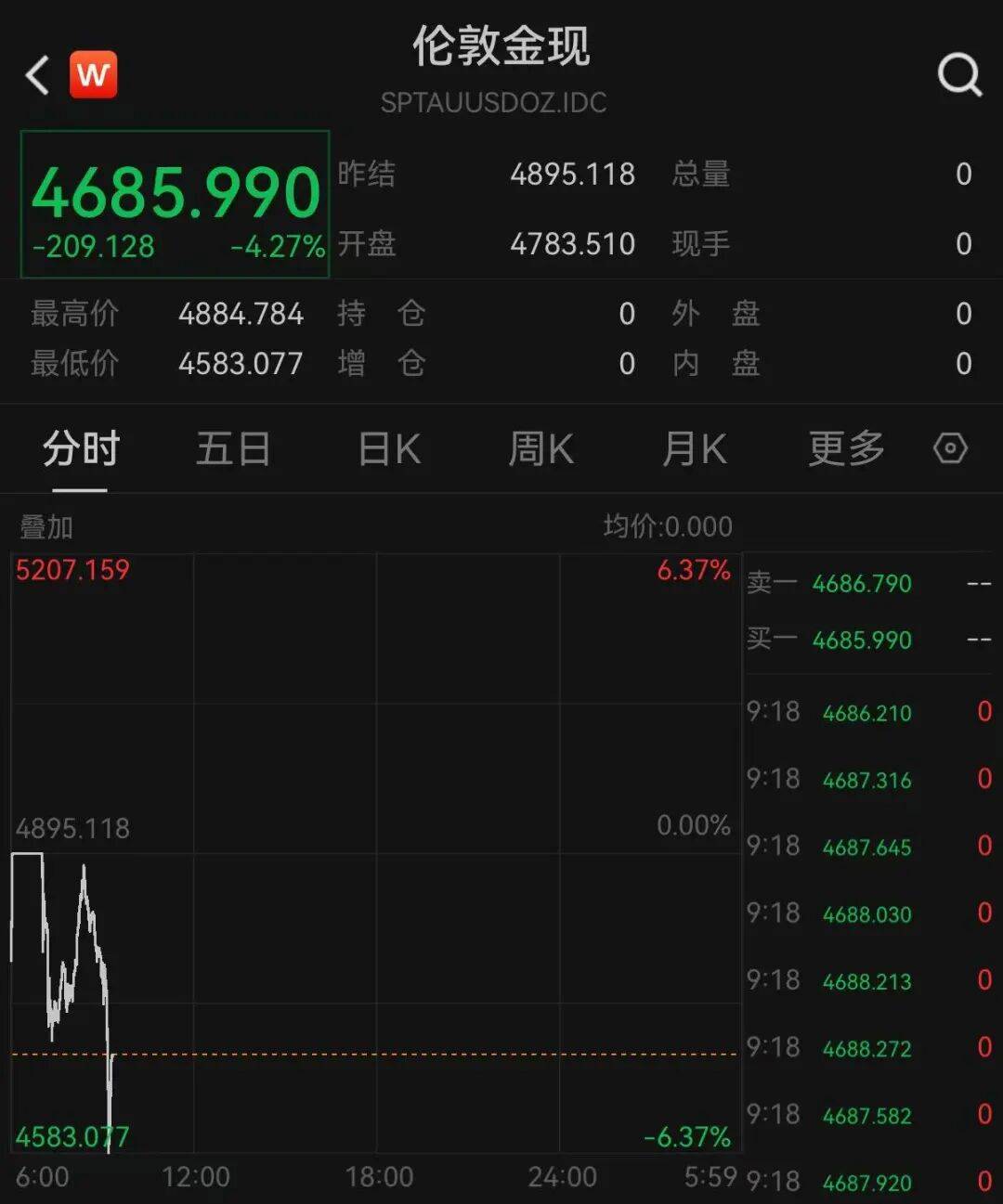
Market Overview - On February 2, 2026, London spot gold opened at $4685.99 per ounce, down over 4.2%, with a daily low of $4583.077 per ounce. London spot silver opened at $82.887 per ounce, down over 2.7% [1][2][3] - Domestic precious metal futures prices opened lower, with Shanghai silver futures hitting the limit down, Shanghai gold futures down over 10%, platinum futures limit down, and palladium futures down over 15% [3][4] Price Adjustments - The Shanghai Gold Exchange announced adjustments to the margin levels and price limits for silver contracts due to significant price volatility. If a one-sided market occurs, the margin level will increase from 20% to 26%, and the price limit will change from 19% to 25% [4] - Domestic brand gold jewelry prices have adjusted downwards, with Chow Sang Sang's gold jewelry reported at ¥1484 per gram, down from ¥1618 per gram [5][6] Consumer Behavior and Refund Policies - Sales personnel at gold brand counters have stated that returns will not be accepted due to price drops, with a standard deduction of ¥500 for any return [7] - Online return policies vary, with most platforms not accepting returns for investment gold products. Some brands allow returns within 24-48 hours under specific conditions, while others charge a fee of 1%-5% for returns [9][11][12] Risk Management by Financial Institutions - Several banks, including ICBC, ABC, BOC, and CCB, have issued announcements adjusting their gold accumulation business and providing risk warnings due to significant price fluctuations in precious metals [17][19][22][26] - ICBC has raised the minimum purchase amount for gold accumulation from ¥1000 to ¥1100 and adjusted business rules for gold accumulation starting February 7 [20][21]





黄金创40年最大跌幅!马光远道出真相:之前多疯狂,现在就多凄惨
Sou Hu Cai Jing· 2026-02-01 00:58
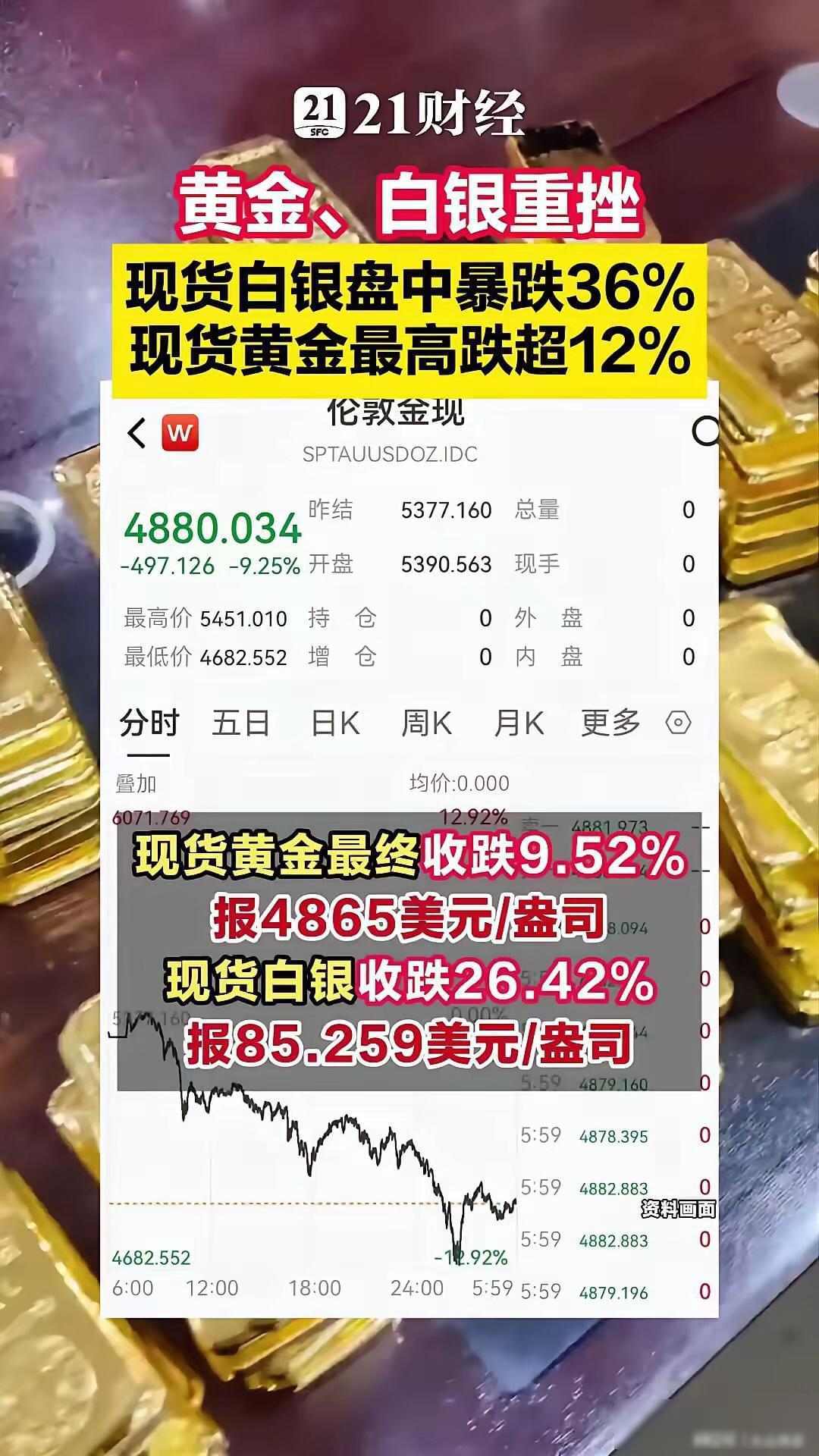
Core Viewpoint - The recent sharp decline in gold prices, marking the largest single-day drop since 1980, has raised concerns about the sustainability of gold as an investment, particularly for retail investors who may have been misled by speculative narratives [1][2][5]. Group 1: Price Movement and Market Reaction - On December 26, 2025, gold prices fell dramatically from over $5,500 to $4,865 per ounce, a drop of up to 12% in a single day, while silver experienced an even steeper decline of over 26% [1]. - Following the price drop, domestic gold ETFs and futures in the A-share market hit their daily limit down, leaving investors unable to sell their positions [1]. - Retail investors who entered the market at around $5,200 in early December faced losses of nearly 20% within a week, contradicting the notion of gold as a safe haven [1]. Group 2: Economic Insights and Expert Opinions - Economist Ma Guangyuan warned that gold is a poor investment choice for ordinary people, citing that the rapid price increase was driven by excessive liquidity and speculative behavior rather than actual demand [2]. - The factors influencing gold prices include U.S. Federal Reserve interest rates, the strength of the dollar, geopolitical conflicts, and central bank purchasing decisions, rather than retail investor actions [4]. - The accumulation of leveraged positions around the $5,500 mark made the market susceptible to forced liquidations, exacerbating the price decline [5]. Group 3: Psychological and Behavioral Aspects - Many investors confuse hedging with value preservation, with the former being about liquidity in crises and the latter about long-term stability [5]. - The proliferation of narratives promoting gold as a path to wealth, particularly through social media, has led to increased speculative buying, which has not materialized into actual demand [5]. - A recent incident involving a self-proclaimed "golden hundred times" influencer being investigated highlights the risks associated with speculative investment advice [7]. Group 4: Market Dynamics and Future Outlook - The current gold price fluctuates around $4,800, with uncertainty about future movements prompting some investors to consider buying at lower prices while others contemplate selling [8]. - The price of gold in RMB has decreased less than in USD, indicating that some capital may be returning to domestic markets as a temporary safe haven [7].
基金研究周报:权益风格切换,白银暴跌(1.26-1.30)
Wind万得· 2026-01-31 22:26
Market Overview - The A-share market exhibited a structurally differentiated pattern last week, with major broad indices generally under pressure. The Shanghai Composite Index closed at 4117.95 points, down 0.44% for the week [2] - The ChiNext Index and the North Star 50 both fell over 3.5%, indicating a significant pullback in growth sectors. In contrast, value styles performed relatively strongly, with the Shanghai 50 rising 1.13% and the CSI Dividend Index increasing by 1.58%, reflecting a trend of capital flowing towards undervalued, high-dividend assets [2] - Overall, the market continued to experience style switching amid high-level fluctuations, with value sectors showing relative resilience while growth sectors faced adjustment pressures [2] Industry Performance - Last week, most of the Wind first-level industries declined, with the energy sector leading the gains at 6.4%, benefiting from rising oil prices and geopolitical risk premiums. Defensive sectors such as daily consumption and finance also performed relatively well [10] - In contrast, sectors like discretionary consumption, industrials, and healthcare experienced notable declines, each falling over 3% due to weak demand and pre-holiday risk aversion [10] Fund Issuance - A total of 47 funds were issued last week, including 19 equity funds, 21 mixed funds, 4 bond funds, 2 QDII funds, and 1 FOF fund, with a total fundraising amount of 48.272 billion units [14] Fund Performance - The Wind All-Fund Index fell by 0.49% last week, with ordinary equity funds down 1.07% and equity-mixed funds down 0.76%. Bond funds experienced a slight decline of 0.09%, indicating overall pressure on fund performance, particularly in equity categories [6] Global Market Overview - Global markets showed significant differentiation last week. Among the three major U.S. indices, the S&P 500 rose slightly by 0.34%, while the Dow Jones fell by 0.42% and the Nasdaq dipped by 0.17%. European markets saw declines in France's CAC40 and Germany's DAX by 0.20% and 1.45%, respectively, while the UK's FTSE 100 rose by 0.79% [4] - In Asia, the Nikkei 225 fell by 0.97%, while the Hang Seng Index rose by 2.38%, and the Korean Composite Index surged by 4.70%, becoming the best-performing index globally [4] Bond Market Overview - The convertible bond index fell by 2.61% last week, while the 10-year government bond futures rose slightly by 0.10%. The 30-year main contract dropped by 0.33%, reflecting a defensive positioning by investors amid unclear policy expectations and rising credit risk concerns [12]