
高端化

Search documents
年度投资策略报告:底部向阳,寻找结构性亮点-20260105
Tai Ping Yang Zheng Quan· 2026-01-05 14:15
Overall Industry Review - The food and beverage sector significantly underperformed the market, with a year-to-date decline of -0.62%, lagging behind the Shanghai Composite Index by 15.0 percentage points [7][11] - The snack sector showed strong performance with a year-to-date increase of 28.88%, driven by channel expansion and a total revenue growth of 30.97% in the first three quarters of 2025 [11] - The beverage sector, particularly soft drinks, benefited from travel demand and low-price, high-frequency consumption, achieving a revenue and profit growth in double digits [11][14] Alcoholic Beverages - The liquor sector exhibited weak performance, with a decline in sales and prices, particularly for white liquor, which saw a year-on-year revenue drop of -5.83% and a net profit decline of -6.93% in the first three quarters of 2025 [11][44] - The overall white liquor sector's revenue decreased by -5.8% and net profit by -6.9% in the first three quarters of 2025, with a significant drop in Q3, where total revenue fell by -18.4% [44] - The report indicates that the white liquor industry is in a prolonged adjustment phase, with the current downturn lasting 57 months, marking the longest adjustment period in history [35][40] Future Outlook - The central economic work conference emphasized the importance of boosting domestic demand in 2026, with expectations for policy support to stimulate recovery [3] - The report suggests focusing on sectors with low bases for recovery, such as frozen foods and beverages, which are expected to benefit from demand recovery and new product opportunities [3][4] - The report highlights the potential for structural opportunities in the food and beverage sector, particularly in overseas markets and cost improvements, recommending companies like Anqi Yeast and Mijiu Group for their overseas expansion strategies [4][34] Investment Strategies - The report identifies four key investment themes for 2026: opportunities in overseas markets, cost benefits, new product launches, and value-for-money consumption [4] - Companies with strong platform capabilities and innovative products, such as Dongpeng Beverage and Wancheng Group, are recommended for their potential in the beverage sector [4] - The report also emphasizes the importance of identifying companies that can adapt to a low-inflation, low-confidence environment by offering high-value products [14]






赛力斯2025年新能源汽车销量超47万辆 创历史新高
Ge Long Hui· 2026-01-05 10:05
Core Insights - Seres reported a significant increase in December 2025 sales, with 60,981 electric vehicles sold, marking a year-on-year growth of 63.40% and achieving a new annual sales milestone of 472,269 vehicles, up 10.63% from the previous year [1][3] - The company emphasizes a "software-defined vehicle" technology strategy and a "user-defined vehicle" market approach, focusing on high-end, intelligent, and green development [3][5] - Seres successfully listed on the Hong Kong Stock Exchange in November 2025, becoming the first luxury electric vehicle company to achieve dual listing, enhancing its global resource integration and brand value [6] Sales Performance - In December 2025, the Wanjie brand delivered over 57,000 new vehicles, setting a new monthly delivery record, with total annual deliveries exceeding 420,000, leading the high-end electric vehicle market [1][3] - Cumulative deliveries of the Wanjie brand surpassed 970,000 vehicles, showcasing rapid delivery speed in the Chinese electric vehicle market [3] - The Wanjie M9 has maintained its position as the best-selling luxury SUV above 500,000 yuan for 20 consecutive months, with over 260,000 units delivered since its launch [3] Product Development - Seres has developed a comprehensive product matrix, including the Wanjie M5, M7, M9, and M8, covering various segments of the luxury market [3] - The Wanjie M8 has quickly captured the high-end SUV market priced at 400,000 yuan, with over 150,000 units delivered in just eight months [3] - The Wanjie M7, launched in September 2025, has delivered over 370,000 units, becoming a preferred choice in the 300,000 yuan SUV segment [3] Technological Innovation - The company prioritizes technological innovation, investing heavily in R&D to advance electric and intelligent core technologies, including the Seres Magic Cube Technology Platform 2.0 and Seres Intelligent Safety [5] - These innovations are aimed at strengthening the company's competitive edge and establishing a robust "moat" for sustainable development [5] Capital Market Position - The dual listing on the Hong Kong Stock Exchange is expected to open new avenues for global resource integration and enhance the company's presence in international capital markets [6] - Seres' inclusion in the CSI A100 Index reflects its leading position in the A-share electric vehicle sector and indicates a step forward in capital influence and sustainable development [6] Future Outlook - Looking ahead, Seres aims to remain user-centric and technology-driven, focusing on the intelligent electric vehicle sector to create more competitive and influential global products [6]



年销百万的野望:零跑“向上”的胜算与代价
3 6 Ke· 2026-01-05 09:17
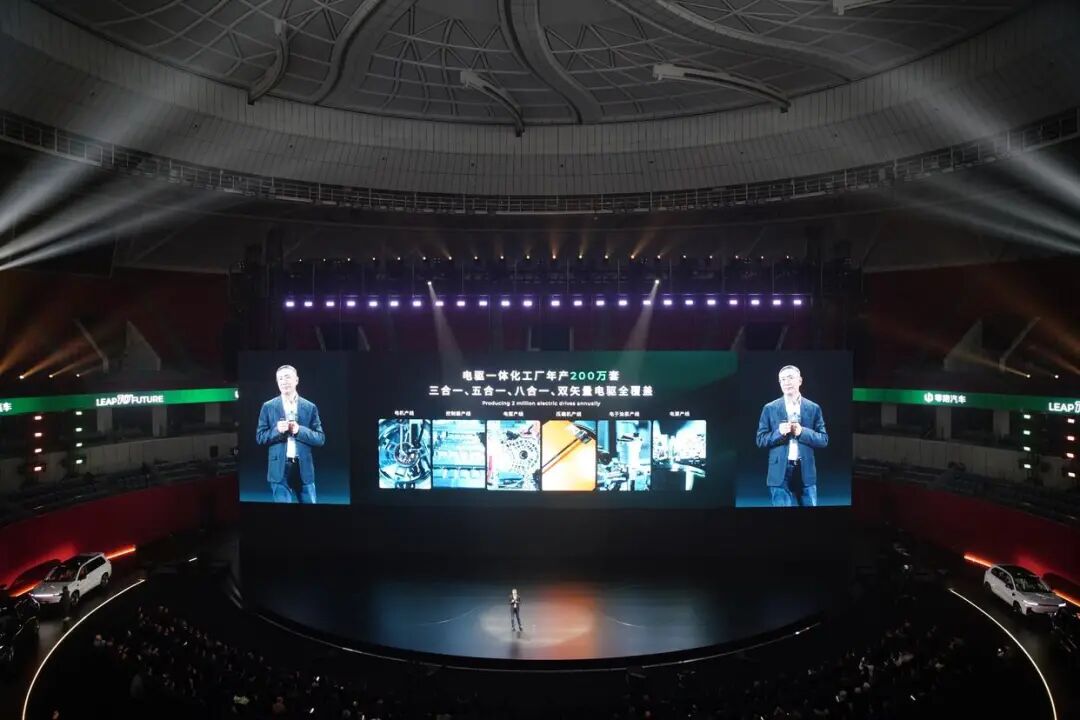
Core Insights - Leap Motor aims to achieve an annual sales target of 1 million vehicles by 2026, marking a significant ambition for the company as it transitions from a "challenger" to a "leader" in the new energy vehicle market [1][4] - The company faces the challenge of shifting its brand perception from a "high cost-performance" image to a higher-end positioning, which requires convincing consumers to accept higher prices for its vehicles [3][5] Group 1: Sales and Market Position - Leap Motor is projected to sell nearly 600,000 vehicles in 2025, solidifying its position as the top seller among new energy vehicle companies in China [4] - The company's strategy of high self-research and development of core components has provided it with advantages in cost control and supply stability, enabling it to achieve profitability ahead of many competitors [4] Group 2: Brand and Consumer Perception - Leap Motor has established a market image of being "good but not expensive" within the price range of 60,000 to 200,000 yuan, which has helped it rapidly expand its user base but also created consumer expectations that may hinder its ability to raise prices [5][7] - The transition to a higher price point of 250,000 to 300,000 yuan will require Leap Motor to address consumer willingness to pay a premium for its brand, rather than just the vehicle's features [5][8] Group 3: Product and Pricing Strategy - Leap Motor's pricing strategy has traditionally been cost-driven, focusing on providing high configurations at attractive prices, but this approach may not translate effectively in the high-end market where consumer value perception is more complex [8][11] - The company is currently in a catch-up phase regarding key technologies such as intelligent driving, and any delays in technological advancements could negatively impact consumer confidence [8][12] Group 4: Competitive Landscape - The high-end market segment, particularly in the 250,000 to 300,000 yuan range, is highly competitive with established players like Tesla, Li Auto, NIO, and Aito already having solidified their user bases [9][12] - Leap Motor's strategy of climbing from the mass market to the premium segment is challenging and carries higher risks, despite having successful precedents in the industry [9][12] Group 5: Operational Challenges - Achieving the sales target of 1 million vehicles will require a nearly 70% increase in scale, posing significant challenges across various operational aspects, including dealership standards, supply chain stability, and organizational complexity [12][13] - The company must balance profitability with high-end investments and maintain a dynamic equilibrium between pricing competition and gross margins [13] Group 6: Global Expansion and Long-term Strategy - Leap Motor is leveraging international partnerships to accelerate its global expansion, but initial phases typically prioritize scale over profit, necessitating strong financial endurance and a longer return cycle [13] - The company's focus on engineering efficiency and investment returns has previously helped it navigate industry downturns, but the new phase of high-end and global strategies will require greater patience and commitment to long-term investments [13]
华菱钢铁预盈超26亿结束三连降 加快转型近五年研发投入292.8亿
Chang Jiang Shang Bao· 2026-01-05 00:20
Core Viewpoint - Hunan Steel (华菱钢铁) demonstrates resilience in operations, projecting a net profit of 2.6 billion to 3 billion yuan for 2025, reflecting a year-on-year growth of 27.97% to 47.66% despite facing a one-time environmental tax payment of approximately 657 million yuan [1][2]. Financial Performance - For 2025, Hunan Steel anticipates a total profit of 4.7 billion to 5.3 billion yuan, a year-on-year increase of 13.49% to 27.98% [2]. - The projected net profit attributable to shareholders is 2.6 billion to 3 billion yuan, with a significant increase in net profit excluding non-recurring items expected to be 2.3 billion to 2.7 billion yuan, marking a growth of 76.14% to 106.78% [2]. - The company has maintained profitability from 2022 to 2024, with net profits of 6.379 billion, 5.079 billion, and 2.032 billion yuan respectively, despite a declining trend [2]. Strategic Initiatives - Hunan Steel is actively pursuing a transformation strategy focused on "high-end, green, intelligent, and lean" development, with a total R&D investment of 29.283 billion yuan from 2021 to the first three quarters of 2025 [1][7]. - The company is enhancing its competitive edge by optimizing production processes and expanding its product offerings, including a shift towards high-end and specialty steel products [6][7]. Market Position and Shareholder Activity - Hunan Steel's stock has shown resilience, with a year-to-date increase of approximately 38%, closing at 5.62 yuan per share on December 31, 2025 [5]. - Shareholder Xintai Life Insurance has been actively increasing its stake, acquiring a total of approximately 50 million shares, representing 7.23% of the total share capital [5]. Cost Management - The company has successfully reduced financial expenses by nearly 90%, with financial costs amounting to 1.889 million yuan in the first three quarters of 2025 [7]. - Hunan Steel has also improved its energy self-sufficiency, generating 7.564 billion kWh of electricity, an increase of 2.12 million kWh year-on-year [7].

首批深市公司“预告”2025年业绩 多行业龙头彰显发展韧性
Zhong Zheng Wang· 2026-01-04 13:10
Core Viewpoint - Several companies listed on the Shenzhen Stock Exchange, including Salt Lake Potash (000792), Tianci Materials (002709), Hualing Steel (000932), Shougang (000959), Kidswant (301078), and Chuanhua Zhihui (002010), have released positive performance forecasts for 2025, indicating a trend of growth across various industries driven by innovation and efficiency improvements [1]. Group 1: Resource and Technology-Driven Growth - Salt Lake Potash, a leader in the potassium fertilizer industry, expects a net profit of 8.29 billion to 8.89 billion yuan for 2025, representing a year-on-year increase of 77.78% to 90.65%. The company benefits from resource advantages and advanced extraction technologies [2]. - Tianci Materials anticipates a net profit of 1.1 billion to 1.6 billion yuan for 2025, with a staggering growth rate of 127.31% to 230.63%. The company has maintained the top global sales of lithium-ion battery electrolytes for nine consecutive years [2][3]. Group 2: Traditional Industry Transformation - Hualing Steel projects a net profit of 2.6 billion to 3 billion yuan for 2025, with a growth of 27.97% to 47.66%. The company focuses on high-end, green, and intelligent transformation, achieving significant advancements in technology and product innovation [4]. - Shougang expects a net profit of 920 million to 1.06 billion yuan for 2025, with a growth of 95.29% to 125.01%. The company leverages technology innovation and digital empowerment to enhance its manufacturing and service capabilities [4]. Group 3: Precision Operations Empowering Growth - Kidswant, a leading player in the maternal and child goods sector, forecasts a net profit of 275 million to 330 million yuan for 2025, reflecting a growth of 51.72% to 82.06%. The company is implementing a three-pronged strategy of expanding product categories, market segments, and business formats [5]. - Chuanhua Zhihui anticipates a net profit of 540 million to 700 million yuan for 2025, with an impressive growth of 256.07% to 361.57%. The company focuses on the synergy between logistics and chemical businesses, applying AI technology in logistics and warehouse management [5][6].


深市2025年业绩预告“开门红”:多行业龙头展现增长韧性
2 1 Shi Ji Jing Ji Bao Dao· 2026-01-04 12:16
Core Viewpoint - The A-share market is witnessing a wave of positive earnings forecasts for 2025, with several representative companies from various sectors reporting expected net profit increases of over 25%, and some exceeding 300%, indicating strong growth momentum [2] Group 1: Company Performance - Salt Lake Co. expects a net profit of 8.29 billion to 8.89 billion yuan for 2025, representing a year-on-year increase of 77.78% to 90.65% [3] - Tianqi Lithium anticipates a net profit of 1.1 billion to 1.6 billion yuan for 2025, with a growth rate of 127.31% to 230.63% [4] - Hualing Steel forecasts a net profit of 2.6 billion to 3 billion yuan for 2025, reflecting a growth of 27.97% to 47.66% [7] - Shougang Co. expects a net profit of 920 million to 1.06 billion yuan for 2025, indicating a growth of 95.29% to 125.01% [8] - Chuanhua Zhihui anticipates a net profit of 540 million to 700 million yuan for 2025, with a significant increase of 256.07% to 361.57% [8] - Kidswant projects a net profit of 275 million to 330 million yuan for 2025, showing a growth of approximately 51.72% to 82.06% [9] Group 2: Growth Drivers - Salt Lake Co.'s growth is attributed to stable production and sales of potassium fertilizer and lithium carbonate, along with favorable pricing and new lithium salt projects [4] - Tianqi Lithium's performance is driven by increased demand for electric vehicle batteries and energy storage, rising raw material prices, and strong customer relationships [5][6] - Hualing Steel's growth is supported by its transformation towards high-end, green, and intelligent production, alongside stable operational performance [7] - Shougang Co. leverages technological innovation and digital empowerment to enhance its manufacturing and service capabilities [8] - Chuanhua Zhihui focuses on market demand and optimizes its logistics and chemical business strategies for significant performance improvement [8] - Kidswant's growth strategy includes expanding product categories and enhancing supply chain efficiency, alongside strategic acquisitions to strengthen its market position [9][10]

29艘!这家船企超额完成年度交船任务
Xin Lang Cai Jing· 2026-01-04 12:03
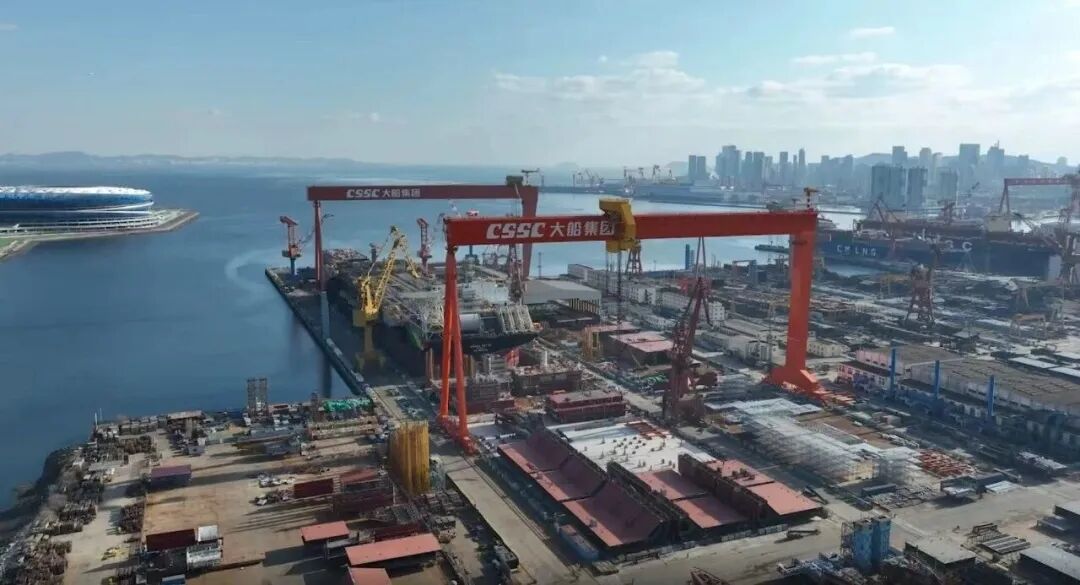
修船与改装领域亮点纷呈。大连造船深化与希腊、西班牙等国际顶尖客户的战略合作,成功打入日韩高端市场,构建了更加多元、稳固的全球客户体系。 集装箱船修理业务逆势大幅增长78%;顺利交付世界首艘大型通海型养殖工船改装项目;与欧洲知名航运公司确认1艘LNG运输船修理订单,成功进入高 端修船改装市场。 高端制造树标杆 重大项目实现里程碑突破 2025年12月,中国船舶集团有限公司旗下大连船舶重工集团有限公司顺利实现7艘船舶下水、5艘船舶高质量交付。至此,该公司全年交付船舶29艘,超产 2艘,全面完成年度生产任务,各项主要指标超额完成,在高端船舶与海洋工程装备领域实现一系列重大突破,"十四五"圆满收官。 生产运营科学统筹 协同效能充分释放 依托大连、山海关、天津三地协同优势,大连造船通过科学排产与高效联动,充分释放产能。在生产高峰期,同期在建船舶高达63艘,生产组织井然有 序。目前该公司手持订单饱满,订单结构持续优化,主建船型占比97%,批量化、系列化订单占比约50%,推动各基地形成专业化生产格局:大连基地聚 焦超大型油船(VLCC)、11万吨成品油船及大型液化天然气(LNG)运输船;山海关基地深耕中型散货船、中型油船及 ...

2025美妆行业转型:胜者愈胜,弱者重组
3 6 Ke· 2026-01-04 03:22
Core Insights - The global beauty industry is entering a transformation phase, with average growth slowing from 7% (2022-2024) to 5% (2025-2030), indicating a shift towards a more complex and segmented market focused on high-end and fragrance products [1][3][25]. Group 1: Major Corporate Movements - L'Oréal's acquisition of Kering's high-end beauty business for €4 billion is a significant event, expanding L'Oréal's presence in the luxury beauty and fragrance market while allowing Kering to focus on its core fashion business [1][5][11]. - L'Oréal has been active in the beauty capital market with six major global transactions this year, including acquisitions and minority investments, enhancing its portfolio in high-end and trendy markets [5][6][7][11]. - Estée Lauder is undergoing a restructuring plan to focus on high-end fragrances, with a new innovation center in Paris aimed at improving efficiency and product development [12][14]. Group 2: Market Trends and Dynamics - The beauty industry is witnessing a shift from product competition to capital and licensing restructuring, with leading groups focusing on mergers and acquisitions to strengthen their positions in luxury fragrances and high-end segments [3][4][25]. - The rise of domestic brands in China, such as Perfect Diary and Huaxizi, is attributed to the growing interest from Gen Z consumers and effective online marketing strategies, leading to a 10.1% year-on-year growth in the beauty market [18][19][25]. - The trend towards high-end and fragrance products is becoming a growth highlight, with luxury fragrances showing nearly 10% business growth, indicating consumers' willingness to pay for premium beauty experiences [26][29]. Group 3: Strategic Adjustments by Companies - Shiseido is implementing a two-year action plan to rebuild profits through cost-cutting and operational efficiency, successfully turning a previous loss into a profit in its latest financial report [14][15]. - Coty faces significant risks due to the impending expiration of its Gucci licensing agreement in 2028, prompting a strategic review and a focus on fragrance business growth [15][25]. - Consumer goods giants like Unilever and Procter & Gamble are steadily expanding their beauty and personal care segments, with Unilever acquiring several natural and functional brands to enhance its portfolio [17][25]. Group 4: Future Industry Trends - The beauty industry is expected to see continued acceleration in mergers and asset restructuring, with both global giants and local brands adapting to market fluctuations [25][26]. - Digitalization and technological advancements are becoming key competitive factors, with brands leveraging AI and online channels to enhance customer engagement and product offerings [27][29]. - The overall transformation in the beauty industry is characterized by a focus on high-end products, technological innovation, and global expansion, with domestic brands poised to lead in the international market [25][29].


2026年国补落地!苏宁易购家电3C销售迎开门红
Jin Rong Jie· 2026-01-04 02:51
Core Insights - The new round of national subsidies launched on January 1, 2026, has ignited a surge in the home appliance and 3C market during the New Year consumption peak, with significant increases in customer traffic and sales across various product categories [1][3] Group 1: Home Appliance Market - Customer traffic at Suning.com stores increased by 110% during the first three days of January, with sales of energy-efficient and water-efficient appliances rising to 92% [1] - The new subsidy policy focuses on specific categories and enhances energy efficiency standards, driving a structural upgrade in home appliance consumption from "availability" to "quality" [3] - Smart appliances with advanced technologies, such as intelligent air conditioners and refrigerators, are becoming increasingly popular, with sales of smart home appliances expected to exceed 50% by the end of 2025 [3] Group 2: 3C Digital Market - The sales of high-end smartphone models (Pro, Max, Ultra) accounted for 62% of total smartphone sales during the New Year holiday, with the price range of 3,500 to 6,000 yuan becoming mainstream [5] - The inclusion of wearable devices like smartwatches and fitness bands in the subsidy program has led to a 97% increase in bundled purchases of smartphones and wearables [5] - The new subsidy policy is expected to stimulate short-term consumption while effectively guiding the industry and consumer structure towards greener, smarter, and higher-end products [5]


港股概念追踪|2026年家电以旧换新政策出台 家电消费景气有望提振(附概念股)
智通财经网· 2026-01-02 00:43
Group 1 - The Chinese government has announced a new policy for 2026 to support the replacement of old appliances and consumer goods, providing a subsidy of 15% of the product price for eligible energy-efficient appliances, with a maximum subsidy of 1,500 yuan per item [1][2] - The first batch of funding for this policy amounts to 62.5 billion yuan, aimed at stimulating consumer sentiment despite a smaller subsidy scale compared to 2025 [1][2] - The policy is expected to benefit e-commerce platforms, although the overall impact may be limited due to high baseline effects and reduced subsidy amounts [1][2] Group 2 - The 2026 policy focuses on high-efficiency products, with a narrower scope and lower subsidy rates compared to 2025, which aligns with market expectations and is anticipated to improve domestic appliance sales [2] - Companies with advantages in research, distribution, and branding in the white and black goods sectors are expected to benefit more from the new policy [2] - The policy is likely to drive the home appliance industry towards higher-end, smart, and green upgrades, optimizing product structures [2] Group 3 - Relevant Hong Kong-listed companies in the home appliance supply chain include Midea Group, Haier Smart Home, Hisense Home Appliances, TCL Electronics, Skyworth Group, and Xiaomi Group [3]
