下沉市场

Search documents
从数字解构消费新生
Bei Jing Shang Bao· 2025-08-07 12:27
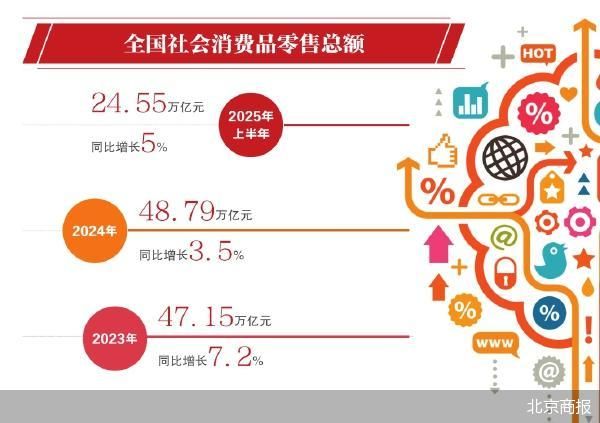
Core Insights - The article highlights the rapid restructuring of China's consumption landscape driven by digital technology, emphasizing the rise of service consumption, health-oriented spending, green consumption, the resurgence of lower-tier markets, and the proliferation of intelligent consumption. Consumption Trends - In the first half of 2025, growth in consumption upgrade products such as sports and entertainment goods, jewelry, home appliances, and cultural office supplies is projected to be 0% [2] - Online retail sales of physical goods are expected to grow by 0% due to policy incentives, with the "old-for-new" policy driving double-digit growth in retail sales of home appliances and communication equipment, accounting for 24.9% of total retail sales [2] - The retail sales of social consumer goods are projected to grow by 3.8% in 2024, with significant contributions from green and service consumption [2] Service Consumption - Service retail sales are expected to see a year-on-year growth of 20%, contributing significantly to the overall retail sales [2] - The demand for health and fitness services is increasing, with sports health service revenue expected to grow by 23.9% [2][3] - The recovery of service consumption is evident in the tourism sector, with domestic tourism revenue showing significant growth in 2024 [2] Green Consumption - Green consumption is becoming mainstream, with high-efficiency and smart home appliances experiencing rapid sales growth [2][3] - The retail volume of new energy vehicles is projected to grow by 1.7% in 2024, reflecting a shift towards sustainable consumption [2] Online Consumption - Online retail sales of physical goods reached 13.02 trillion yuan in 2023, with an 8.4% year-on-year growth [3] - The penetration rate of live e-commerce reached 37.8% in 2023, with a year-on-year increase of 24.3% [3] - The market size for live e-commerce is expected to reach approximately 5.8 trillion yuan in 2024, with a compound annual growth rate of 18% [3] Market Dynamics - The potential of lower-tier markets is being unlocked, with third-tier cities surpassing first and second-tier cities in sectors like tourism and automotive [2] - The "Xinjiang free shipping" initiative is expanding e-commerce opportunities in rural areas, reflecting a growing willingness to spend on health and wellness [2]

盒马回应闭店:闭店不超过整体门店的2% 今年将开100家新店
2 1 Shi Ji Jing Ji Bao Dao· 2025-08-07 11:24
21世纪经济报道记者 易佳颖 "盒马告别会员店"话题登上微博热搜。 "经历了起起伏伏,市场上议论的声音很多。"8月7日,盒马CEO严筱磊在上任后首次媒体会上表 示,"在过去的一年,我们闷头做事。去年,盒马鲜生这一业态除了营收上的增长,也进入了约27个城 市新开超60家店。从去年起,基于聚集主业的策略,也去做一些关店的处理,但累计关店数量不超过整 体门店的2%。" 与之相对应的是,阿里巴巴集团2025财年年报显示,盒马2024年4月-2025年3月的2025财年GMV(商品 交易总额)超750亿元,首次实现全年经调整EBITA盈利。根据中国连锁经营协会 (CCFA)发布的 2024年连锁百强榜单,盒马凭借销售额和门店数实现双位数增长跻身前三。 严筱磊进一步解释道,"这一比例不会影响到我们的经营,同时聚焦核心也带来了告诉增长。盒马在过 去一个财年里,每个月都是盈利的,并实现了整个财年的盈利。这是我们对盒马10岁生日的献礼。" 不仅是盒马X会员店的全面退场,此前的诸多尝试,如盒马邻里、盒马Mini、盒马Premier、等业态,或 都将面临变局。此前,2024年底,严筱磊在内部信中提到,将聚焦盒马鲜生和盒马NB两大核 ...
盒马不和山姆抢中产了?
投中网· 2025-08-07 02:33
Core Viewpoint - The closure of Hema X membership stores marks the end of Hema's membership store format, which was initially seen as a key growth strategy to compete with Sam's Club and Costco [7][9][10]. Summary by Sections Store Closures - Multiple Hema X membership stores across China, including locations in Beijing, Suzhou, and Nanjing, have closed, with the last remaining store in Shanghai set to shut down by August 31 [7][9]. - The closure of these stores was anticipated and part of a strategic shift within the company [10]. Strategic Shift - Hema's new CEO, appointed in March 2024, has emphasized a focus on core business areas, specifically Hema Fresh and Hema NB, leading to the discontinuation of the X membership store format [10][11]. - The company aims to enhance profitability and has already achieved a turnaround, moving towards profitability for the fiscal year 2024-2025 [10]. Membership Rights - The closure of Hema X stores will not affect existing membership rights, as these rights extend to Hema Fresh stores and online shopping [13]. - Recent adjustments to membership benefits, such as the integration with Taobao 88VIP, indicate a strategic move to attract more customers [13][16]. Market Competition - The retail market has become increasingly competitive, with Hema previously experimenting with various store formats over the past seven years [14]. - Hema's membership model faced challenges due to the established business models of competitors like Sam's Club and Costco, leading to a need for differentiation [14][15]. Consumer Insights - Consumers have expressed that Hema should focus on its unique strengths rather than directly competing with established membership models [13][15]. - There is a call for Hema to prioritize product quality and adapt to local consumer preferences, moving away from a one-size-fits-all approach [15].

盛弘股份:持续打造产品型公司 致力于实现新腾飞
Zhong Guo Zheng Quan Bao· 2025-08-06 23:26
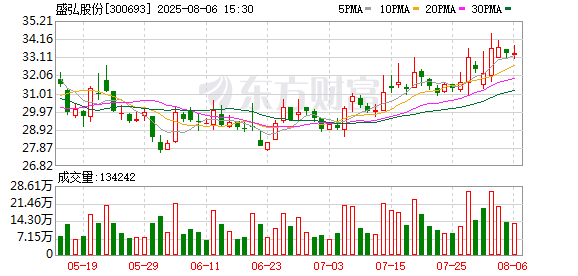
Core Viewpoint - The rapid development of high-power charging facilities is essential for addressing the increasing demand for electric vehicle charging, particularly during peak times such as holidays. The government aims to establish over 100,000 high-power charging stations by the end of 2027, indicating a significant market opportunity for companies like Shenghong Co., which specializes in this technology [2][3]. Group 1: Company Strategy and Development - Shenghong Co. has established a strong market presence by continuously adapting to industry trends, evolving from a small power filter manufacturer to a company with four major business lines, including charging stations and energy storage [3][5]. - The company emphasizes the importance of early market entry and has set up a research institute to forecast industry trends and develop products that meet future demands [4][5]. - Shenghong Co. plans to enhance its product offerings in charging stations, energy storage, power quality, and battery testing, aiming for a new phase of growth [2][3][10]. Group 2: Market Opportunities - The trend of replacing old charging stations is gaining momentum, with an estimated market size potentially reaching billions due to aging infrastructure and government support [5][6]. - Shenghong Co. has initiated a replacement program for charging stations, offering incentives such as up to 20% value recovery for old stations and free upgrades for new ones, which has already generated significant interest [6][7]. - The company is focusing on high-power charging solutions, with capabilities to deliver charging power at the megawatt level, positioning itself as a leader in the market [7][8]. Group 3: Geographic Expansion - Shenghong Co. is actively pursuing both domestic and international market expansion, particularly in underdeveloped regions where charging infrastructure is lacking [8][9]. - The company has established a presence in various international markets, including Southeast Asia, and has developed a comprehensive product range that meets local regulatory requirements [9]. - The strategy includes building a localized operational team to better understand and serve international markets, enhancing customer trust and long-term relationships [9][10].

盛弘股份: 持续打造产品型公司 致力于实现新腾飞
Zhong Guo Zheng Quan Bao· 2025-08-06 21:55
Core Insights - The article highlights the growing importance of charging efficiency in the context of the increasing adoption of electric vehicles, with a focus on the development of high-power charging facilities in China [1][2] - The company, Shenghong Co., is positioned as a leader in the high-power charging market, emphasizing the need for collaboration among battery manufacturers, automakers, and charging station operators to enhance charging efficiency and safety [1][3] Company Overview - Shenghong Co. has evolved from a small player in the power filter market to a significant entity in the electric vehicle charging sector, with a market capitalization exceeding 10 billion yuan [2] - The company has consistently reported revenue growth since 2012, with net profits increasing annually since its listing in 2017 [2] Market Trends - The high-power charging market is expected to accelerate due to government policies and the increasing demand for ultra-fast charging solutions from automakers [1][4] - The trend of replacing old charging stations with new ones is gaining momentum, with the potential market size for this initiative projected to reach 10 billion yuan [4] Technological Advancements - Shenghong Co. has developed charging solutions capable of megawatt-level power output, with products that can charge vehicles significantly faster than traditional options [5] - The company’s new generation of charging stations incorporates advanced safety features, including temperature resistance and intelligent protection systems [5] Strategic Initiatives - The company is actively pursuing a "downward and outward" strategy, focusing on expanding into lower-tier markets and international markets simultaneously [6] - Shenghong Co. has launched a comprehensive recycling program for old charging stations, enhancing the attractiveness of new installations through various incentives [4] International Expansion - The company has established a strong international presence, with a product range certified for compliance in multiple countries and regions [6][8] - Shenghong Co. has transitioned from product export to localized operations in international markets, supported by a dedicated team of foreign employees [8] Future Outlook - The leadership of Shenghong Co. aims to continue refining its strategic planning and product offerings, with a focus on maintaining optimism and adaptability in both challenging and favorable market conditions [8]
持续打造产品型公司 致力于实现新腾飞
Zhong Guo Zheng Quan Bao· 2025-08-06 21:09
Core Viewpoint - The rapid development of high-power charging facilities is essential for addressing the increasing demand for electric vehicle charging, especially during peak times like holidays. The Chinese government aims to establish over 100,000 high-power charging stations by the end of 2027, indicating a significant market opportunity for companies like Shenghong Co., which specializes in high-power charging technology [1][4]. Company Overview - Shenghong Co. has evolved from a small player in the power filter market to a significant entity in the electric vehicle charging sector, with a market capitalization exceeding 10 billion yuan. The company has consistently increased its revenue and net profit since its establishment, demonstrating a strong growth trajectory [2][3]. - The company's core operational philosophy emphasizes the importance of understanding industry trends, customer needs, and the value of teamwork, which has been pivotal in its success [2]. Business Strategy - Shenghong Co. focuses on capturing early-stage industry trends rather than chasing fleeting market fads. The company prioritizes product development in a structured manner, ensuring that each generation of products is well-prepared before launch [3]. - The company is actively pursuing opportunities in high-power charging, energy storage, and electric power quality, with a particular emphasis on the growing demand for high-power charging stations and the trend of replacing old charging equipment [3][4]. Market Trends - The trend of replacing old charging stations is gaining momentum, with an estimated market size potentially reaching 10 billion yuan due to aging infrastructure and government support. Shenghong Co. has initiated a comprehensive replacement program to facilitate this transition [4]. - The definition of high-power charging facilities is evolving, with devices capable of delivering 120 kW and above categorized as ultra-fast chargers, and those at 350 kW and above classified as high-power charging facilities. Shenghong Co. is one of the few companies capable of providing megawatt-level charging solutions [5][6]. Technological Advancements - Shenghong Co. has developed a megawatt-level charging solution that significantly enhances charging efficiency, allowing for rapid charging of both passenger vehicles and heavy-duty trucks. The company has established over 1,500 megawatt-level charging stations globally [6]. - The new generation of charging stations incorporates advanced safety features, including silicon carbide power devices and intelligent protection algorithms, ensuring enhanced safety during operation [6]. Expansion Strategy - The company is expanding its market reach by targeting both rural areas and international markets. The rural market presents significant growth potential due to low costs and strong policy support, while international expansion has been a strategic focus since 2011 [7][8]. - Shenghong Co. has successfully established a presence in various international markets, with overseas revenue projected to exceed 400 million yuan in 2024, accounting for approximately 14.17% of total revenue [8].
直营店不够加盟店来凑,百胜中国重申全年1600-1800家开店目标
3 6 Ke· 2025-08-06 11:05
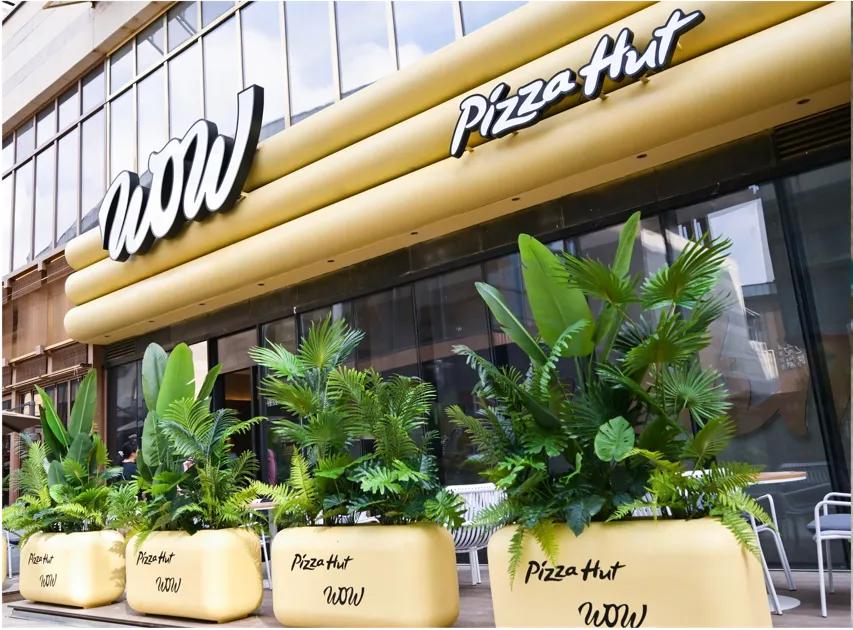
Core Insights - Yum China Holdings, Inc. reported its Q2 and H1 2025 performance amidst a challenging dining consumption market, showing steady revenue and profit growth, particularly driven by Pizza Hut's high-value strategy, while KFC's same-store traffic remained stagnant [1][3][24] Financial Performance - For H1 2025, Yum China's total revenue reached $5.768 billion, a 2% year-over-year increase; operating profit was $703 million, up 10%; and net profit was $507 million, also a 2% increase [3] - In Q2 2025, total revenue grew 4% to $2.8 billion, with operating profit increasing 14% to $304 million, marking a historical high for the quarter [3] - Pizza Hut's same-store sales rose 2% in Q2, driven by a 17% increase in transaction volume, although this came at the cost of a 13% decline in average ticket price [3][5] Brand Performance - Pizza Hut's significant profit growth of 22% in H1 2025, reaching $106 million, indicates the effectiveness of its high-value strategy [3] - KFC's same-store sales increased by 1% in Q2, but transaction volume remained flat, suggesting challenges in attracting new customers [5][24] - KFC's sales growth was primarily due to a higher proportion of takeout orders, reflecting changes in existing customer behavior rather than new customer acquisition [5] Expansion Strategy - Yum China continues to expand its store network, opening 781 KFC locations in H1 2025, with 255 being franchise stores, while closing 191 [6][9] - Pizza Hut opened 271 new stores, with 41 being franchises, but closed 131, resulting in a net addition of only 140 stores [9][12] - The company aims for a net addition of approximately 1,600 to 1,800 stores in 2025, with a focus on increasing the proportion of franchise stores [12][15] Market Penetration - KFC has over 12,000 stores across more than 2,430 cities, entering about 300 new cities in the past year, while Pizza Hut has over 3,800 stores in 900 cities, entering around 150 new cities [9][12] - KFC's strategy includes opening mini stores in lower-tier cities to adapt to local market conditions, while Pizza Hut's expansion in these areas is slower due to its reliance on high-end urban locations [15][16] New Growth Initiatives - Yum China is exploring new growth avenues through internal brand incubation, notably with its coffee business, KCOFFEE, which has expanded to over 1,300 locations [20] - The company is also focusing on health-oriented offerings through its KPRO brand, targeting urban professionals [20][24] - The strategy aims to leverage KFC's supply chain and brand strength to capture new market segments, although concerns about long-term sustainability of low-price strategies remain [24]
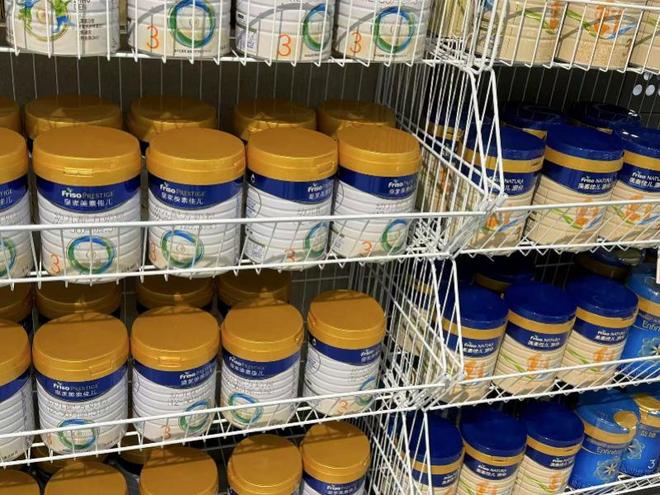
奶粉股久违回暖!育儿补贴催动资本热情,下沉市场争夺战升级
Nan Fang Du Shi Bao· 2025-08-06 10:01
Core Insights - The introduction of two significant childcare support policies in China is expected to positively impact the infant formula market, leading to structural benefits for companies in the sector [1][2][6] Policy Implementation - The childcare subsidy policy, effective from January 1, 2025, will provide families with 3,600 yuan annually for each child under three years old, significantly enhancing the purchasing power of families with infants [2][6] - The policy is projected to release approximately 54 billion to 86 billion yuan annually for childcare, with a substantial portion likely directed towards infant formula consumption [2][6] Market Reaction - Following the announcement of the policies, major infant formula companies such as Yili and Beingmate experienced notable stock price increases, indicating a positive market response [4][5] - Yili's stock rose to 27.57 yuan per share, while Beingmate saw a peak increase of 9.97% shortly after the policy announcement [4][5] Short-term Opportunities - The policies are expected to create new opportunities for sales in the infant formula sector, particularly for products targeting infants aged 0-3 years, with potential for both volume and price increases [6][10] - Companies like Yili and Feihe are likely to benefit from increased demand for their premium products, such as organic and specialized formulas [6][10] Strategic Shifts - The subsidy policies are anticipated to shift the strategic focus of infant formula companies towards deeper market penetration in lower-tier cities, where the impact of subsidies is expected to be more pronounced [10][12] - Companies are adjusting their product offerings and marketing strategies to cater to the subsidized demographic, with initiatives like Yili's "town station" plan and Mengniu's "subsidy selection" series [10][12] Competitive Landscape - The competition among infant formula companies is expected to intensify as they vie for the benefits of the subsidy policies, leading to increased investment in lower-tier markets [10][12] - Companies must also adapt to potential disparities in subsidy distribution and consumer demand fluctuations, necessitating flexible supply chain strategies [12]


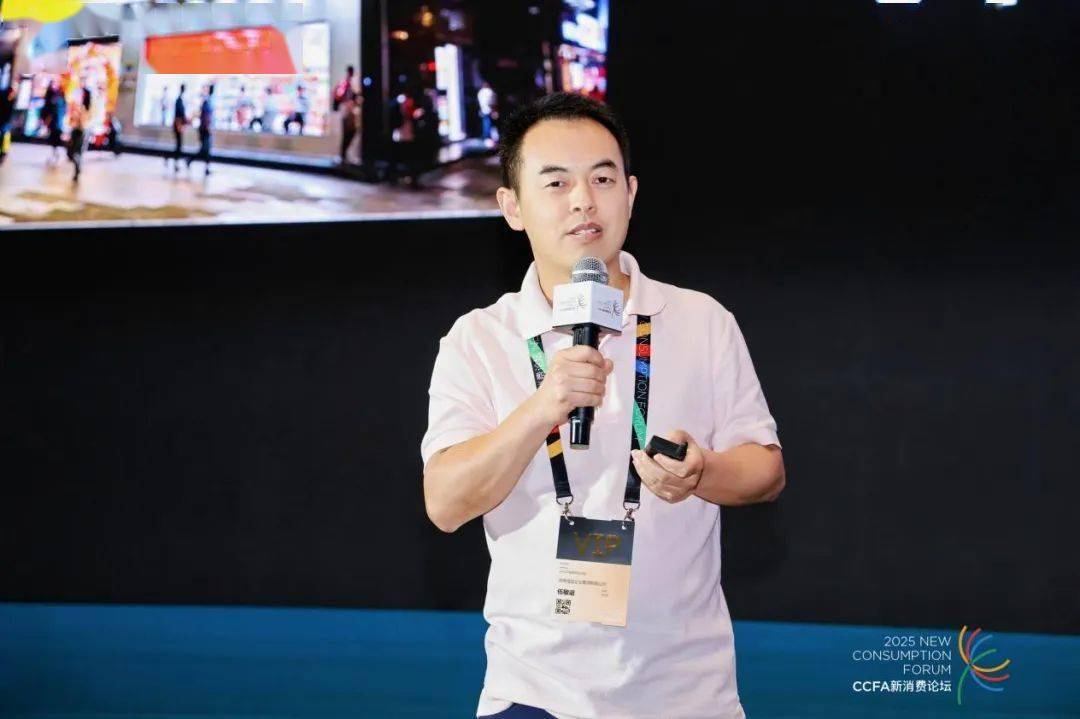
伍敏谊:新佳宜的大单品开发秘笈
Sou Hu Cai Jing· 2025-08-06 07:32
Core Insights - The future competition in the convenience store industry should extend beyond internal competition and focus on the broader consumer market, emphasizing product quality and service over mere brand building [1][18] - New Jiayi has established a significant presence in Hunan, with 1,000 stores in Changsha, amidst a highly competitive landscape with numerous small retail outlets [3][18] Product Development - New Jiayi launched a flagship product, fresh milk, which was developed to offer better quality and price compared to existing brands, achieving a competitive edge in the market [5][7] - The company has ventured into the coffee business, with over 1,000 stores selling freshly brewed coffee, achieving daily sales of up to 50 cups per store, and some locations reaching several hundred cups through delivery [9][18] - New Jiayi has also developed baked goods like egg tarts and grilled sausages, leveraging partnerships with factories to enhance product quality and sales [11][13] Market Strategy - The company is focusing on the lower-tier markets, having opened over 100 stores in Hubei, primarily in third and fourth-tier cities, rather than major urban centers [18] - New Jiayi emphasizes the importance of product quality and customer service, aiming to create a warm consumer experience while ensuring affordability for ordinary income groups [18] Logistics and Supply Chain - The company has established a cold chain logistics system covering over 50,000 square meters to support 4,000 stores, enhancing supply chain efficiency for lower-tier markets [17][18] - New Jiayi's logistics and factory operations contribute significantly to its profitability, indicating a strategic diversification beyond pure retail [18]
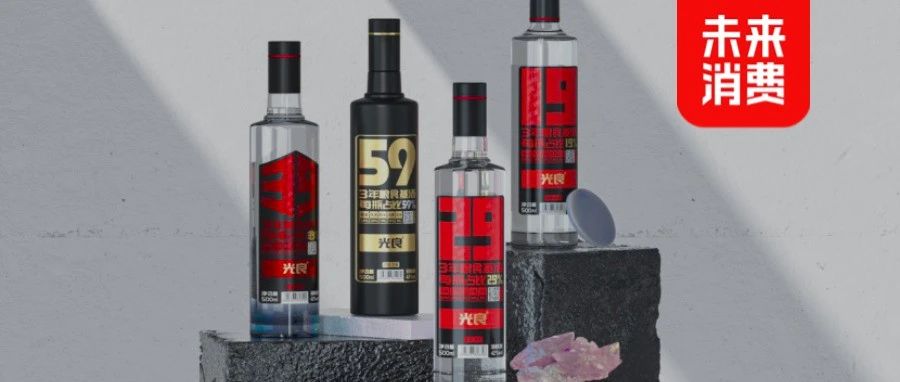
光良酒赵小普:5年卖了4亿瓶白酒,我只是没有陷入聪明人的误区|厚雪专访
36氪未来消费· 2025-08-06 04:45
Core Viewpoint - The article discusses the journey of a new liquor brand, Guangliang, which successfully navigated the challenges of the traditional liquor market by focusing on offline sales and innovative product transparency through data labeling [4][8][12]. Group 1: Company Background - Guangliang was founded by Zhao Xiaopu, who initially ventured into the liquor industry in 2013 but faced failure with an online-only brand. After a hiatus, he returned to the liquor market in 2018, focusing on traditional sales channels and partnerships with distributors [6][20]. - The brand has achieved significant market penetration, with over 1 million retail terminals and cumulative sales of 400 million bottles within five years, maintaining a 30% year-on-year growth in a challenging market [7][39]. Group 2: Product Strategy - Guangliang introduced the concept of "data bottles," which transparently display the composition of the liquor, appealing to consumers' desire for informed choices. The pricing ranges from 25 to 75 yuan, making it accessible [9][10]. - The brand's success is attributed to its strategic positioning in the affordable segment, aggressive marketing, and targeting underdeveloped markets, which traditional brands often overlook [10][11]. Group 3: Distribution and Sales Strategy - Zhao Xiaopu emphasizes that product quality accounts for only 20% of the brand's success, with 80% relying on effective distributor relationships. The liquor industry is characterized by extensive retail networks, requiring strong on-the-ground sales efforts [11][27]. - The company adopted a "rural encircling urban" strategy, initially leveraging relationships with experienced distributors to establish a foothold in the market [28][30]. Group 4: Market Dynamics - The article highlights a shift in consumer preferences towards value and quality, leading to the rise of the light bottle liquor market, which has grown from a billion to a thousand billion yuan market size [10][92]. - The competitive landscape is evolving, with traditional brands beginning to explore light bottle offerings, but Zhao believes Guangliang's early market entry provides a competitive edge [94][96]. Group 5: Future Outlook - Guangliang aims to expand its presence in the remaining 2,000 county-level markets in China, having already penetrated 600. The focus remains on building distributor relationships and maintaining brand stability [98][100]. - The company is cautious about product expansion, prioritizing the stability of its distributor network over launching new products, as the liquor industry is slow-moving and requires careful market education [83][106].