
健康消费

Search documents
119.7亿元、破1万家……多组数据感受我国消费市场活力奔涌
Yang Shi Wang· 2025-09-23 06:57
Group 1 - The overall consumption market in China remained stable in August, according to the Ministry of Commerce [1] - Service consumption showed significant growth, with a 5.1% year-on-year increase in service retail sales from January to August, driven by tourism and leisure activities during the summer [3] - The film market was robust, with total box office revenue during the summer season reaching 11.97 billion, a 2.8% year-on-year increase [3] Group 2 - Commodity retail sales grew steadily, with a 3.6% year-on-year increase in August, and sales of products related to trade-in programs saw rapid growth [4] - Key retail enterprises reported significant year-on-year sales increases in tablets (20.7%), smart air conditioners (17.7%), and mobile phones (8.2%) in August [4] - New consumption trends such as digital, green, and health-related consumption are expanding, with inbound consumption also increasing; the number of tax refund stores exceeded 10,000 by the end of August, and tax refund sales grew by 97.5% year-on-year [6]


2024年中国养生茶饮行业现状研究及消费者洞察报告
Sou Hu Cai Jing· 2025-09-23 02:48
Core Insights - The Chinese health tea beverage industry is experiencing explosive growth, with the market size reaching 41.16 billion yuan in 2023, a year-on-year increase of 27.3%, and is expected to exceed 100 billion yuan by 2028, reaching 118.95 billion yuan [1][8] - The growth is driven by the revival of traditional Chinese medicine culture, the upgrading of national health demands, and changes in consumer habits [1][2] Industry Development Drivers - Policy support has injected strong momentum into the health tea beverage sector, with the inclusion of nine substances into the "food and medicine homologous" directory by the National Health Commission and the State Administration for Market Regulation [1][21] - The increasing health consciousness among the public has laid a solid foundation for industry growth, with the health product market reaching 328.2 billion yuan in 2023 and expected to exceed 400 billion yuan by 2026 [2][24] Market Characteristics - The industry is characterized by product diversification and a younger consumer demographic, with nearly 50% of consumers preferring health tea beverages [2][10] - The main product categories include bagged tea, solid paste, bottled beverages, powdered drinks, and in-store freshly made tea, with bagged tea being the most favored, accounting for 45.9% of the market [2][19] Consumer Insights - The consumer base for health tea beverages is no longer limited to the elderly, with 37.6% of consumers aged 25-35, and 48.8% of this group indicating an increased willingness to consume in the future [3][14] - Female consumers represent 56.1% of the market, with middle-income earners (monthly income of 5,001-15,000 yuan) being the primary consumer group [3][14] Consumer Preferences - Taste and efficacy are the core concerns for consumers, with 65.2% prioritizing taste when purchasing, followed by consumer reviews (42.6%) and brand recognition (41.7%) [3][10] - The most sought-after health benefits include calming and sleep aid (53.5%) and spleen health (49.7%), with preferences varying by demographic [3][14] Sales Channels - Online platforms have become the primary sales and communication channels for health tea beverages, with 71.2% of consumers purchasing through e-commerce platforms like Taobao and Pinduoduo [3][10] - Short video platforms are significant for information acquisition, with 45.6% of consumers using them for insights [3][10] Future Trends - Product innovation and channel expansion will be key directions for the health tea beverage industry, with consumers showing high interest in increasing vitamin content and organic products [3][10] - Companies need to optimize product formulations through technological upgrades and develop niche products tailored to regional and demographic needs [3][10]
服务消费亮点纷呈、入境消费持续扩大……从8月份消费数据看活力中国
Yang Shi Wang· 2025-09-22 10:58
Group 1 - The overall consumption market in China remained stable in August, with a year-on-year growth of 3.6% in retail sales of goods [1] - Key retail enterprises saw significant sales increases in specific categories: tablet computers up 20.7%, smart air conditioners up 17.7%, and mobile phones up 8.2% [1] Group 2 - Service consumption experienced rapid growth, driven by summer tourism and leisure activities, with a year-on-year increase of 5.1% in service retail sales from January to August [2] - Notable growth was observed in cultural and recreational services, tourism consulting and leasing, and transportation services; the summer box office reached 11.97 billion yuan, a 2.8% increase year-on-year [2] Group 3 - New consumption trends such as digital, green, and health-related consumption are expanding, with inbound consumption also increasing; the number of tax refund shops exceeded 10,000 by the end of August [4] - Sales of tax refund goods grew by 97.5% year-on-year in the first eight months, with the number of individuals enjoying tax refunds increasing by 2.5 times [4]

《花少7》热播带动消费新热潮 京东中秋健康礼赠送独家周边引关注
Sou Hu Wang· 2025-09-22 09:27
Group 1 - The core viewpoint of the articles highlights the successful integration of the health-focused lifestyle promoted by the show "Flowers and Youth Season 7" with the upcoming Mid-Autumn Festival, leading to a surge in consumer interest and engagement [1][3][7] - JD Health, as the exclusive title sponsor of "Flowers and Youth Season 7," has launched a special campaign that combines the show's IP with Mid-Autumn gifting scenarios, offering discounts and exclusive products related to the show [3][5] - The promotional strategy includes a straightforward discount offer of "30 off for every 300 spent" and a "1 yuan grab" event for popular health products, catering to the growing consumer preference for practical health gift boxes over traditional mooncake gift boxes [5][6] Group 2 - The product offerings include a range of health supplements featured in the show, such as vitamins and ginseng, along with limited edition merchandise that resonates with travel themes, enhancing the consumer experience [3][5] - Notable products include a star signature series featuring autographed photos from popular guests and collectible "star people" dolls, which have gained significant market attention [5] - The campaign provides clear guidance for consumers based on their needs, recommending specific health products for different demographics, such as seniors and working professionals, thus addressing the evolving health consumption trends [5][6]

920健康消费月暨3·15金秋购物节启幕:让健康消费成为品质生活新引擎
Sou Hu Cai Jing· 2025-09-21 14:46
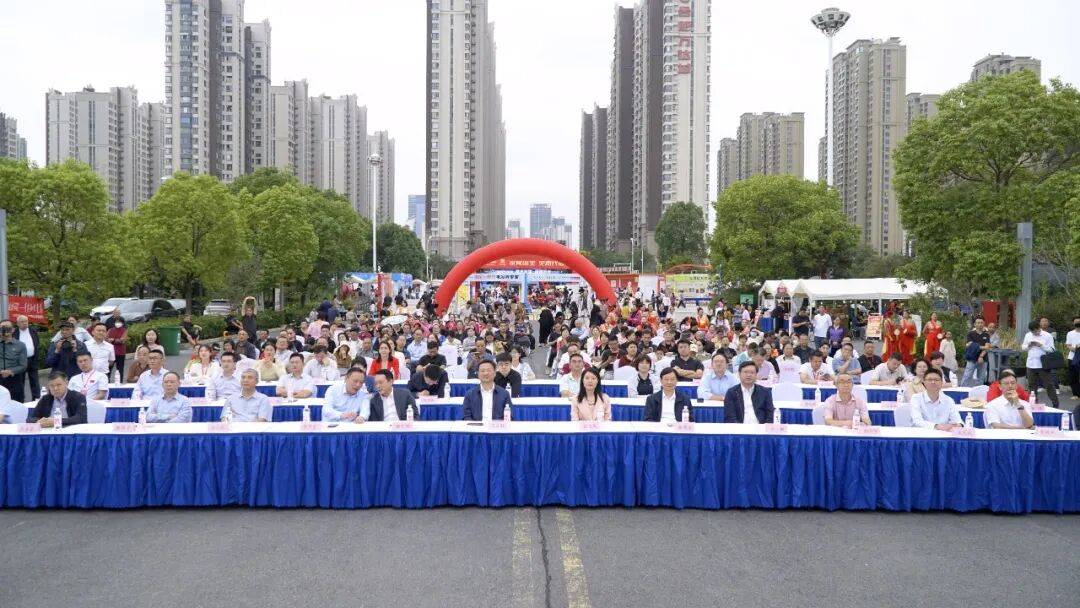
Core Viewpoint - The "920 Health Consumption Month and 3·15 Autumn Shopping Festival" aims to promote health consumption and enhance the quality of life, serving as a new engine for high-quality economic development [6][12]. Group 1: Event Overview - The event is themed "Quality Life, Healthy Consumption" and was launched on September 20 in Hefei [1]. - It is guided by various government departments and organized by industry associations and well-known enterprises, bringing together representatives from multiple sectors [4]. Group 2: Policy and Economic Impact - Health consumption is recognized as a crucial support for meeting people's needs and a driving force for economic growth, with ongoing policies aimed at stimulating this sector [6]. - The "920 Health Consumption Month" focuses on scenario-based supply to create a comprehensive platform for consumption promotion and industrial upgrading [6]. Group 3: Activities and Engagement - The opening ceremony featured a "3·15 Autumn Shopping Festival" where representatives from various pharmacies and companies pledged to uphold integrity and quality [9]. - The event includes health product exhibitions and light health check experiences, attracting significant public interest [12]. Group 4: Health Services and Community Engagement - Medical experts from various hospitals provided health consultations and personalized treatments, emphasizing accessibility to quality healthcare [12]. - The event will last until October 20 and includes ten themed activities addressing diverse health needs, promoting a new trend in health consumption [14].
诚信、品质、创新,2025品质健康与消费者权益保护会议推动构建消费维权共治格局
Xin Lang Cai Jing· 2025-09-20 04:20
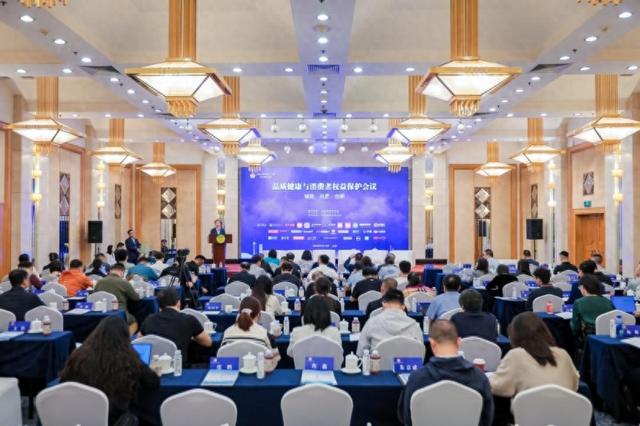
Core Viewpoint - The conference focused on promoting healthy consumption and consumer rights protection, aligning with national strategies to enhance consumer confidence and market quality [1][3][18]. Group 1: Conference Overview - The conference titled "Integrity, Quality, Innovation" was held in Beijing, guided by the China Consumers Association and aimed at addressing consumer health issues and rights protection [1][3]. - Key topics included regulatory policies, industry self-discipline, and the establishment of a healthy consumption ecosystem [3][4]. Group 2: Health Consumption Trends - A report released during the conference highlighted issues such as fraud in private domain live streaming, sleep health concerns, and emotional consumption risks [4]. - The report indicated that nearly half of respondents encountered false advertising in private domain live streaming, with a low consumer protection evidence rate of 14.32% [4]. Group 3: Industry Insights - Experts emphasized the importance of health education in promoting healthy consumption, advocating for a balance between technology and service [6][9]. - The health consumption market is expanding across various sectors, presenting significant opportunities but also challenges like false advertising and lack of complaint channels [8][9]. Group 4: Consumer Rights Protection - The conference underscored the need for a multi-faceted governance system involving platform self-discipline, intelligent regulation, and consumer education to ensure safe health consumption [4][9]. - Companies are encouraged to adopt standardized service systems and enhance transparency through digital means to protect consumer rights [13][16]. Group 5: Future Directions - The role of AI technology in upgrading health consumption was highlighted, with a call for businesses to focus on quality products to meet consumer demands [11][16]. - The conference concluded with a commitment to ongoing efforts in consumer rights protection and health industry development, marking the launch of the "China Consumer Night" initiative [18][20].
无糖新时代的心智攻防战:成分、价格、情绪,三得利也要补课?
3 6 Ke· 2025-09-18 02:47
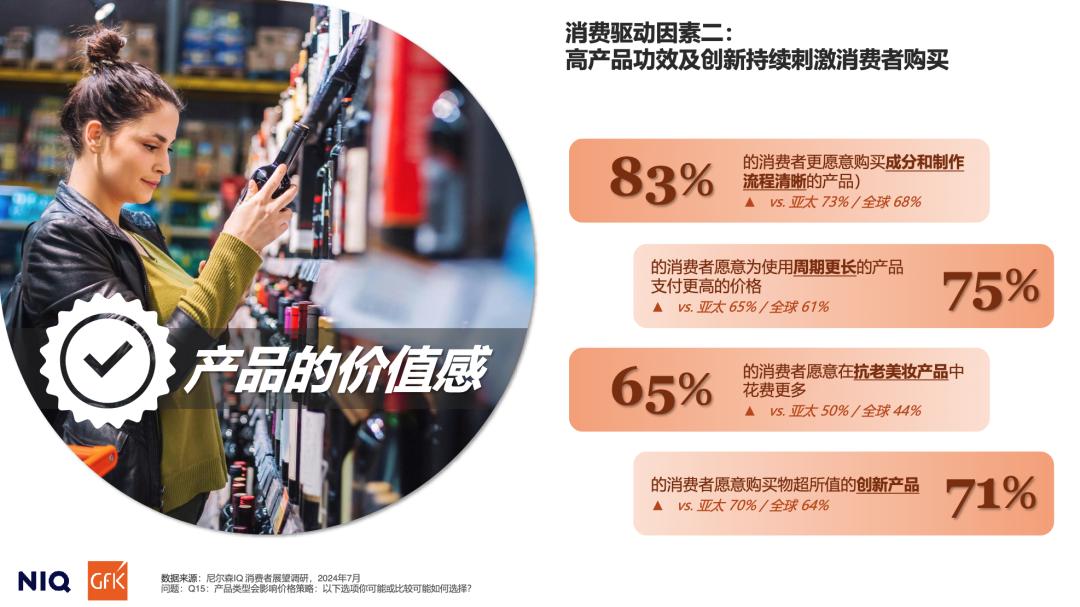
Core Insights - The consumption of sugar-free beverages in China has transitioned from a niche interest to a mainstream choice, with labels like "0 sugar, 0 fat, 0 calories" dominating convenience store shelves [1] - Suntory, a pioneer in introducing sugar-free tea to China, faces significant challenges in redefining its brand position in a well-educated market [1] Group 1: Consumer Trends - Today's Chinese consumers are not only seeking health but also understanding it, with over 70% of them carefully examining ingredients and nutritional benefits when purchasing beverages [2] - The shift from "sugar-free" to "knowledgeable consumption" indicates a growing demand for transparency in product ingredients and health claims [2][4] Group 2: Market Dynamics - Sugar-free beverages are increasingly viewed as substitutes for water, leading to heightened price sensitivity among consumers as they expect more value [5] - Suntory is responding to this trend by launching larger bottle sizes to cater to family consumption and frequent drinking scenarios [5][7] Group 3: Brand Trust and Consumer Perception - The label "0 sugar" has become a double-edged sword, as consumers are increasingly questioning whether sugar-free equates to healthy, especially after controversies surrounding alternative sweeteners [8][10] - Young consumers are now more inclined to read ingredient labels and seek scientific backing for health claims, shifting the competitive focus from marketing slogans to clear explanations [10] Group 4: Social and Emotional Factors - Sugar-free beverages serve as social symbols, representing a lifestyle choice among health-conscious consumers, which influences brand marketing strategies [11] - Suntory's recent collaborations and marketing efforts aim to resonate with younger audiences, positioning the brand as a modern companion in their lifestyle [13] Group 5: Future Outlook - The sugar-free beverage market is entering a phase of "mind share" competition, where brands must excel in ingredient transparency, price competitiveness, and emotional resonance [15] - By 2030, the market may see three distinct paths: functional beverages with clear health benefits, affordable sugar-free options as water substitutes, and emotionally-driven branding through collaborations and digital engagement [18][21]
食品饮料行业2025H1业绩综述报告:业绩增速明显放缓,只有啤酒、软饮料、调味品、肉制品营收利润双增长
Wanlian Securities· 2025-09-17 08:01
Investment Rating - The report maintains an "Outperform" rating for the food and beverage industry [5] Core Insights - The food and beverage sector is experiencing a significant slowdown in performance, with a year-on-year decline in net profit attributable to shareholders. The sector's revenue for H1 2025 reached 580.635 billion yuan, a year-on-year increase of 2.41%, while net profit attributable to shareholders was 127.508 billion yuan, reflecting a year-on-year decrease of 0.56% [2][16] - The report highlights that the growth rates of revenue and net profit have declined compared to H1 2024, with revenue growth down by 1.30 percentage points and net profit growth down by 14.52 percentage points. The sector's gross margin and net margin have also decreased year-on-year [2][16] Summary by Sections Overall Performance - The food and beverage sector's revenue growth has slowed significantly, ranking 14th among 31 sub-industries, while net profit growth ranked 20th [2][16] - The sector's gross margin and net margin have decreased year-on-year, although the expense ratio remains relatively stable [3][21] Sub-sector Performance - Snack foods, soft drinks, and fermented seasonings showed the highest revenue growth rates, with increases of 36.36%, 9.08%, and 4.66% respectively. In terms of net profit growth, beer, fermented seasonings, and soft drinks led with increases of 12.06%, 8.04%, and 4.89% respectively [2][25] - The beer sector achieved positive growth in both revenue and net profit, with revenue increasing by 2.75% and net profit by 12.06% in H1 2025. Major beer companies like Zhujiang Beer and Yanjing Beer performed well, with net profit growth exceeding 22% [8][41] Wine Sector - The wine sector experienced a slight decline in revenue and net profit, with H1 2025 revenue at 241.508 billion yuan, down 0.86% year-on-year, and net profit at 94.561 billion yuan, down 1.18% year-on-year. This marks the first negative growth since H1 2014 [4][28] - High-end wines showed resilience, with revenue growth of 6.17% and net profit growth of 5.49%. The market share of leading brands like Moutai and Wuliangye remained strong [34][35] Investment Recommendations - The report suggests structural investment opportunities in the food and beverage sector, particularly in the beverage, snack, and health food industries. It emphasizes the potential in energy drinks and innovative snack brands [10] - The beer, seasoning, and dairy sectors are identified as areas for marginal improvement, while the wine sector is viewed as being in a bottoming phase, with limited downside risk [10]






权威发布|8月生产、内需、外贸等运行平稳 经济转型升级稳步推进
Ren Min Ri Bao· 2025-09-16 03:29
Economic Overview - The overall economic operation in August is stable, with steady progress and no change in the growth stability [2][4][11] - Industrial production shows rapid growth, with the industrial added value increasing by 5.2% year-on-year and 0.37% month-on-month [4] - The service sector also performs well, with a production index growth of 5.6% year-on-year, surpassing industrial growth [4] Consumption and Investment - Social retail sales from January to August increased by 4.6% year-on-year, with service retail sales growing by 5.1% [5] - Fixed asset investment rose by 0.5% year-on-year, while excluding real estate, it grew by 4.2% [5] - Consumer goods retail sales in August increased by 3.6% year-on-year, with significant growth in furniture and home appliances [8] Employment and Prices - The urban unemployment rate in August was 5.3%, unchanged from the previous year [7] - The Consumer Price Index (CPI) decreased by 0.4% year-on-year, primarily due to falling food prices, while core CPI rose by 0.9% [7] Trade Performance - In August, the total import and export value of goods increased by 3.5% year-on-year, with both exports and imports achieving three consecutive months of growth [6] Industrial and Technological Development - The manufacturing sector shows positive trends, with high-tech manufacturing and equipment manufacturing increasing by 9.3% and 8.1% year-on-year, respectively [10] - New energy vehicles and related components saw significant production increases, with new energy vehicle production up by 22.7% [10] Policy Impact - The Producer Price Index (PPI) showed signs of improvement, with a narrowing year-on-year decline, reflecting the effectiveness of macroeconomic policies [11] - Policies aimed at boosting consumption and stabilizing the economy are showing positive results, with various sectors experiencing growth [12] Future Outlook - Despite external challenges, the foundation for economic growth remains strong, with potential for continued stable and progressive development [12][13]
前8个月社会消费品零售总额同比增长4.6%
Chang Jiang Shang Bao· 2025-09-15 09:14
Core Insights - The total retail sales of consumer goods increased by 4.6% year-on-year from January to August, with service retail sales growing by 5.1%, indicating a continuous expansion in market sales [1] - Various regions and departments have implemented special actions to boost consumption, supported by targeted policies and funding, leading to an increase in market sales scale and structural optimization [1] Retail Sales Performance - In August, the retail sales of goods grew by 3.6% year-on-year, showing stable growth, supported by policies encouraging consumers to replace old products and the upgrading of consumer spending [1] - Service consumption showed stable growth, with significant demand for travel and leisure activities during the summer, resulting in a 5.1% year-on-year increase in service retail sales from January to August, outpacing the growth rate of goods retail sales [1] New Consumption Trends - Online retail sales increased by 9.6% year-on-year from January to August, surpassing the growth rate of total retail sales of consumer goods, indicating a positive trend in new consumption [1] - Emerging sectors such as digital consumption, green consumption, and health consumption are maturing and becoming new growth drivers, with the retail volume of new energy passenger vehicles increasing by over 20% year-on-year in the first eight months [1]