情绪经济

Search documents
大象机器人登世界机器人大会,华强北引领“赛博撸猫”新潮流
Nan Fang Du Shi Bao· 2025-08-20 13:40
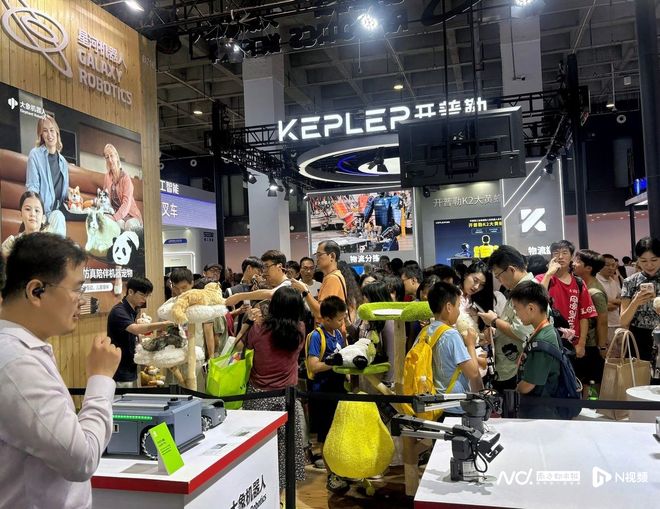
Group 1 - The core viewpoint of the articles highlights the rising popularity of emotional companion robots, driven by the Z generation's demand for products that offer companionship and understanding [3][5]. - Elephant Robotics showcased innovative products at the World Robot Conference, including the bionic pet cat and the new Pawbots, which quickly sold out and attracted significant attention from overseas buyers [1][4]. - The company has successfully penetrated the overseas market, exporting over 20,000 emotional companion robots annually and covering more than 70 countries, positioning itself as a top three domestic robot brand in terms of export volume [4][5]. Group 2 - The emotional companion robots are well-received in various applications, including family, education, and healthcare, indicating a strong market potential in the "companion economy" [3][5]. - Elephant Robotics benefits from the robust innovation ecosystem in Huaqiangbei, which supports low-cost R&D and rapid market response, contributing to the company's growth [6]. - The Huaqiangbei area is enhancing its role as a hub for the robotics industry, with plans for a global robot selection center to facilitate innovation and market demand alignment [6].


腾讯音乐Q2增长33%:情绪消费是“电子鸦片”还是“新战场”?
Sou Hu Cai Jing· 2025-08-20 13:26
Core Insights - The online music industry is entering a new phase characterized by "emotional economy," with companies adapting their business models to enhance user engagement and monetization opportunities [12] Group 1: Company Performance - Tencent Music reported a total revenue of 84.4 billion yuan for Q2 2025, a year-on-year increase of 17.9%, with adjusted net profit rising by 33.0% to 26.4 billion yuan [1] - In contrast, NetEase Cloud Music's revenue for the first half of 2025 was 38.27 billion yuan, a decline of 6%, but its profit surged by 132.4% to 18.82 billion yuan, indicating a shift towards more profitable "emotional consumption" despite lower overall revenue [1][2] Group 2: Strategic Focus - The online music platforms are increasingly focusing on K-POP, live performances, and fan engagement as key growth drivers for 2025 [2] - Tencent Music has strengthened its content advantage by becoming the second-largest shareholder of SM Entertainment and forming strategic partnerships with K-POP labels [2][3] - NetEase Cloud Music is also expanding its K-POP content library through partnerships with major entertainment companies [3] Group 3: User Engagement and Monetization - Tencent Music has launched the Bubble fan interaction community, offering high-value services such as exclusive merchandise and priority concert ticket purchases, enhancing user engagement [3][4] - NetEase Cloud Music has introduced features like free early listening and ticket purchasing for premium members, tapping into fan demand for exclusive experiences [3][4] - Both companies are leveraging their platforms to create immersive experiences that deepen emotional connections with users, thus driving music consumption [4][6] Group 4: Market Trends - The rise of "emotional economy" is transforming the online music industry, with platforms moving beyond simple music streaming to include artist management, live events, and merchandise sales [6][12] - Tencent Music's successful management of G-DRAGON's concert in Macau has expanded its presence in the international entertainment market, showcasing the potential of fan-driven economic models [7][8] - The number of independent musicians on NetEase Cloud Music has surpassed 819,000, indicating a growing diversity in music content that attracts younger audiences [8] Group 5: Future Outlook - The ongoing evolution of online music platforms reflects a deeper understanding of emotional connections and social interactions, which are crucial for future growth [12] - The balance between commercialization and user experience will be a significant challenge for the industry moving forward, as companies navigate the complexities of the emotional economy [12]

如何打动“中女”?价值认同才是留住中女的理由
3 6 Ke· 2025-08-19 11:29
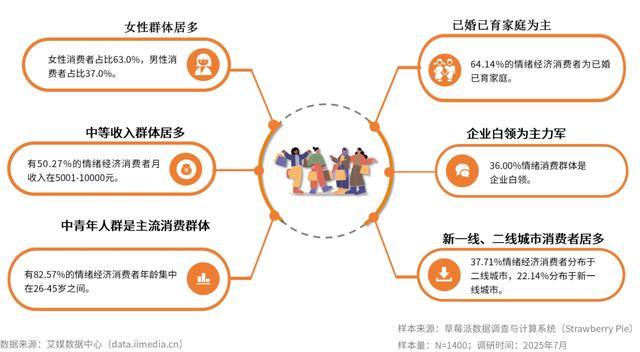
Core Insights - The "emotional economy" in China is on the rise, with a market size projected to reach 2.3 trillion yuan in 2024 and exceed 4.5 trillion yuan by 2029 [1][3] - The primary consumer group driving this trend consists of middle-aged women, particularly those aged 30-65, who are well-educated, financially stable, and willing to pay a premium for brands that align with their values [5][11] - The concept of "middle-aged women" (referred to as "中女") transcends age and wealth, representing women with maturity, self-awareness, and independence, who are redefining consumption based on personal values rather than societal expectations [6][9] Consumer Demographics - The largest demographic group in China is currently aged 30-65, with a rising median age expected to reach 40.1 years by 2025, significantly higher than the global average [3][5] - The millennial generation is increasingly focused on experiential consumption, with health and wellness becoming popular categories, while the "middle-aged women" group emerges as a key consumer force [5][11] Brand Engagement Strategies - Brands targeting middle-aged women must avoid stereotypical marketing strategies and instead engage in equal and understanding communication, reflecting the consumers' aspirations and identities [14][25] - Successful brands are those that resonate with the values and experiences of middle-aged women, using relatable figures and narratives to foster emotional connections [20][24] Market Trends - The trend of emotional consumption indicates that consumers are looking for brands that understand and reflect their identities, rather than just selling products [25][26] - Brands that focus on meaningful narratives and authentic representation are likely to build long-term loyalty among middle-aged women consumers [26][27]
从瑞幸×浪浪山到喜茶×Chiikawa,萌系联名如何破圈?
3 6 Ke· 2025-08-18 08:53
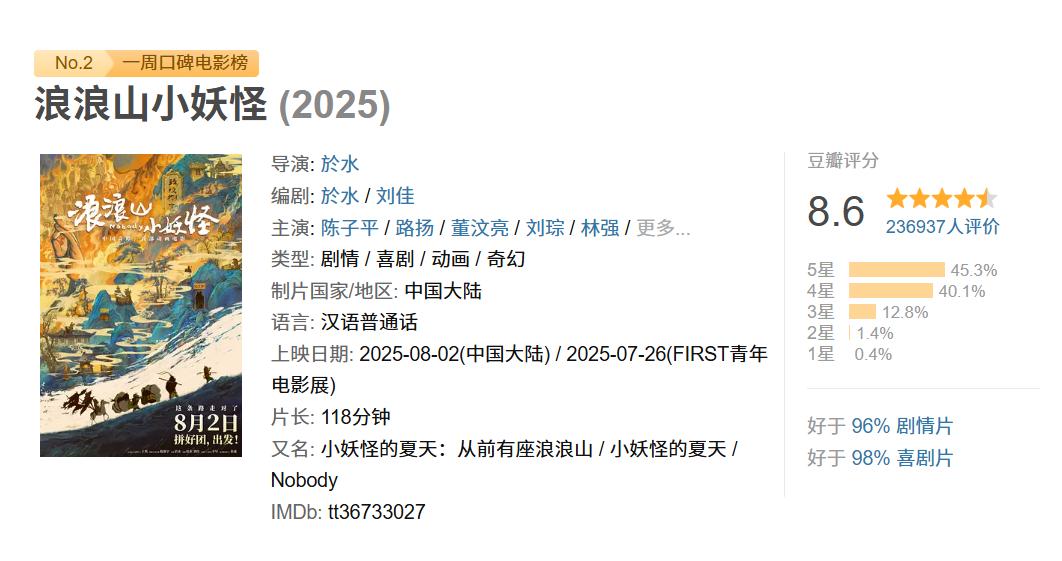
Core Insights - The recent trend of cute-themed collaborations has captured significant attention on social media, with brands like Luckin Coffee and Heytea successfully leveraging popular IPs to resonate with consumers [1][4][6] - The film "Wang Wang Mountain Little Monsters" has set a record for domestic animated film box office in China, indicating a strong market for related merchandise [1][6] - The emotional economy is on the rise, with a projected market size of 23,077.67 billion yuan in 2024, highlighting the growing consumer willingness to spend on emotional value [10] Brand Strategies - Luckin Coffee's collaboration with the film involved a series of themed products that cleverly integrated workplace culture and the film's narrative, appealing to young consumers [6][19] - Heytea's partnership with Chiikawa created an immersive experience across over 2,000 stores, enhancing consumer engagement through thematic decorations and exclusive merchandise [7][19] - Both brands utilized social media to amplify their campaigns, encouraging consumers to share their experiences and purchases, thus creating a community around the products [18][19] Consumer Behavior - The concept of "healing" has emerged as a key driver for young consumers, with cute IPs serving as emotional support and a means of expression in a fast-paced society [10][13] - The rise of "emotional consumption" reflects a shift in consumer priorities, where products are seen as extensions of personal identity and emotional well-being [13][18] - Social media platforms have become vital for consumers to share their emotional connections with brands, transforming purchases into cultural practices and community belonging [18][19] Market Trends - The cute IP phenomenon is not limited to new characters; established ones like Chiikawa have maintained relevance through strong fan engagement and emotional resonance [7][10] - The evolution of cute-themed collaborations from mere marketing tactics to strategic brand-building initiatives indicates a deeper understanding of consumer psychology [19] - As younger generations become the primary consumers, the potential for the cute economy to grow further is significant, necessitating brands to innovate continuously [19]

苏州市领导在昆山调研服务业发展情况
Su Zhou Ri Bao· 2025-08-16 23:54
Core Viewpoint - The focus is on enhancing the service industry in Suzhou through innovation, market demand alignment, and strong support for enterprises, particularly in the context of integrating modern service and advanced manufacturing sectors [1][2]. Group 1: Service Industry Development - Emphasis on the construction of the "1840" service industry system in Suzhou, aiming for high-quality development and new momentum injection [1]. - The need to strengthen industrial planning and seize opportunities for expanding service industry openness, particularly through the integration of productive services with manufacturing [2]. Group 2: Innovation and Market Demand - A call for innovation-driven approaches, particularly in "industry innovation + cultural creativity," to elevate the service industry along the value chain [2]. - Focus on developing various economic sectors such as emotional economy, health economy, silver economy, pet economy, and event economy to stimulate consumer spending [2]. Group 3: Support for Enterprises - Recognition of the role of Taiwanese businesses in Suzhou's development, with a commitment to optimizing service guarantees for Taiwanese investors [1]. - The importance of addressing enterprises' needs for land, labor, and financing to create a favorable ecosystem for service industry growth [2].
情绪经济崛起启示录
Shang Hai Zheng Quan Bao· 2025-08-15 18:19
Core Viewpoint - The implementation of the "Personal Consumption Loan Interest Subsidy Policy" aims to stimulate the development of the service consumption market, indicating a shift from product-led consumption to service-led consumption in China [1][11]. Group 1: Emotional Consumption Trends - Emotional consumption is characterized by its localized, immediate nature and high frequency, with significant growth driven by the pursuit of emotional value and care for individuals [1][2]. - The emotional economy, encompassing various business models and innovative products, is becoming a new engine for industrial upgrading, with related industries experiencing an average annual compound growth rate of 12% since 2013, and the market expected to exceed 2 trillion yuan by 2025 [1][3]. - The rise of emotional consumption is evident in the explosive growth of the trendy toy market, with brands like Pop Mart's LABUBU seeing a 315.2% year-on-year sales increase in June [3]. Group 2: Market Dynamics and Consumer Behavior - As GDP per capita exceeds $13,000, the demand for service consumption accelerates, shifting consumer focus from practical product functions to emotional experiences and cultural values [7]. - The emotional economy is reflected in various sectors, including the pet industry, which is projected to reach a market size of 811.4 billion yuan by 2025, evolving into a comprehensive ecosystem that meets emotional needs [4]. - The cultural and tourism industries are also benefiting from this trend, with experiences becoming a new consumption trend, as seen in the popularity of performances and theme parks [4][5]. Group 3: Corporate Strategies and Innovations - Companies with strong IP reserves and integrated industry chains, such as Yuewen Group and Pop Mart, are leveraging emotional consumption trends to enhance their market presence [8]. - The diverse and personalized nature of consumer groups necessitates that companies innovate around emotional resonance and psychological needs to remain competitive [8]. Group 4: Challenges and Regulatory Considerations - The rapid growth of the emotional economy brings challenges such as product homogenization and shortened IP lifecycles, raising concerns within the industry [9][10]. - There is a need for improved legal frameworks and industry standards to address issues like false advertising and emotional fraud, ensuring consumer protection [11].
全球1/4动漫衍生品来自东莞 世界工厂如何转型为潮玩之都?
Yang Shi Wang· 2025-08-13 22:18
Core Insights - The 15th China International Animation and Comic Copyright Protection and Trade Expo concluded in Dongguan, showcasing over 2,000 animation and comic IPs from more than 40 countries, with a total intended cooperation amount reaching 1.56 billion yuan [1][4] - The popularity of trendy toys, or "潮玩," is attributed to their ability to tap into emotional consumption, primarily targeting teenagers and adults rather than children [4][5] - Dongguan has transformed from a "world factory" to a hub for trendy toys, supported by a robust industrial chain that facilitates production and design [7][12] Industry Overview - The trendy toy industry cluster in Dongguan is projected to achieve a total output value of 13.218 billion yuan in 2024, reflecting a year-on-year growth of 12.3% [7] - Dongguan currently accounts for nearly 85% of China's trendy toy production, manufacturing about 25% of global animation derivatives [8] - The number of toy enterprises in Dongguan with import and export achievements reached 940 in the first half of the year, an increase of 43 companies year-on-year, with total toy exports amounting to 9.97 billion yuan, up 6.3% [14] Company Developments - The team behind the trendy toy brand "娃三岁" successfully transitioned from live-streaming sales to designing their own blind box toys, achieving significant sales with a single-day shipment of 500 boxes, corresponding to approximately 4 million yuan in sales [5] - A toy design company that initially focused on ODM has shifted to developing its own original characters, moving its R&D and marketing departments to Dongguan to leverage the local industrial advantages [8][11] - Companies in Dongguan are increasingly moving from OEM and ODM models to OBM (Original Brand Manufacturing), establishing themselves as major players in the toy export market [11]
毕马威中国经济研究院院长蔡伟:消费市场的积极变化将利好消费板块的估值修复
Zheng Quan Ri Bao Wang· 2025-08-13 11:05
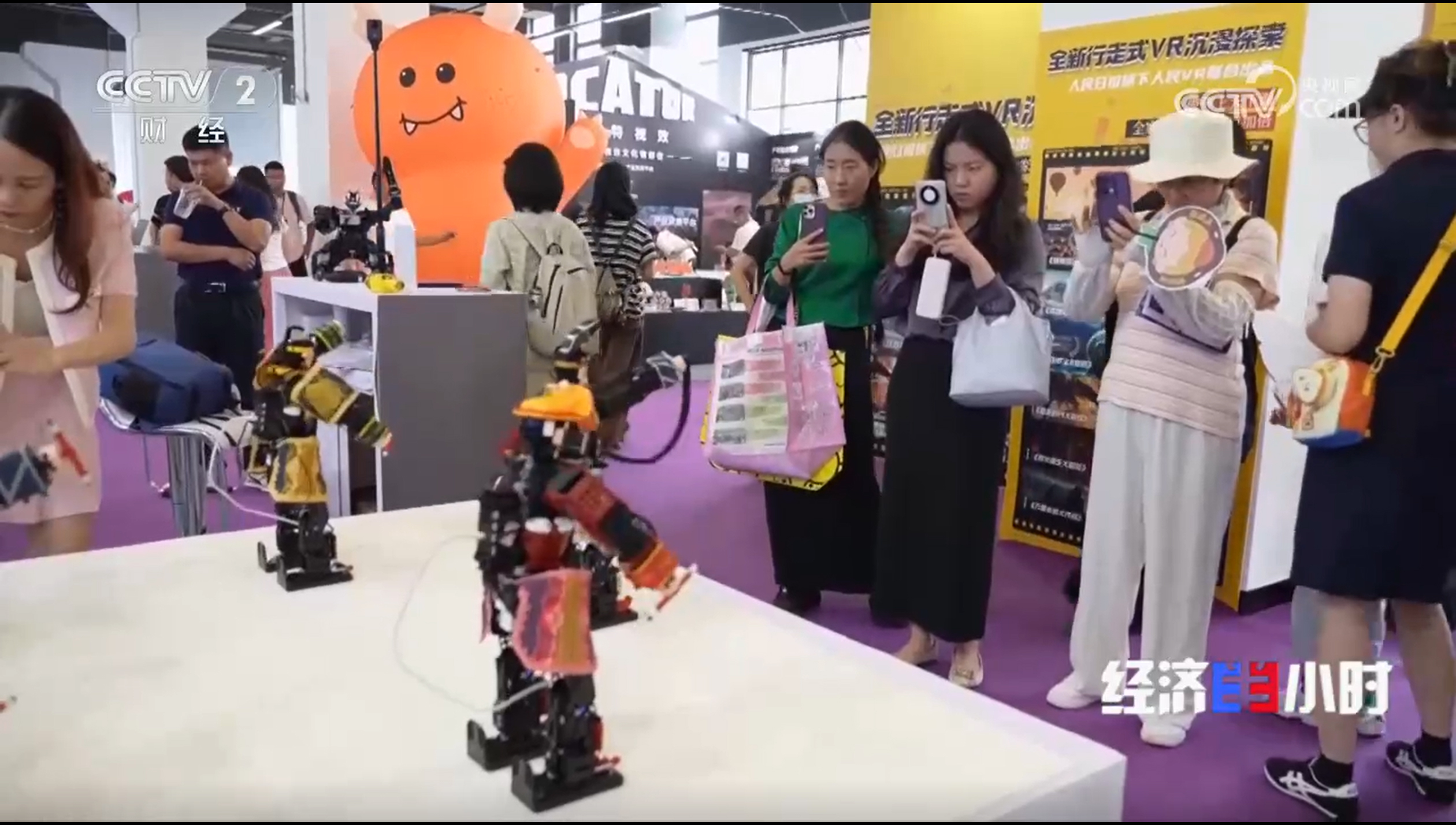
Group 1 - The positive changes in the consumption market will benefit the valuation recovery of the consumption sector, enhancing performance growth expectations for companies supported by policy and market demand [1] - The investment attractiveness of the consumption sector is expected to increase further, boosting investor confidence and attracting more capital inflow [1] Group 2 - In July, the PPI decline in industries such as coal, steel, cement, photovoltaic, and lithium batteries has narrowed, while CPI for fuel and new energy vehicles has stabilized after several months of decline [2] - To consolidate the foundation for moderate price recovery, it is necessary to strengthen policy coordination on both supply and demand sides, promoting industrial upgrades and demand creation [2] - On the supply side, improving standards for technology, energy consumption, and emissions is essential to phase out outdated capacity and replace it with high-quality capacity [2] Group 3 - The new consumption sector is expected to further contribute to domestic demand, particularly through the acceleration of service consumption potential, innovation in consumption scenarios and channels, and the emergence of the emotional economy [3] - The "self-care economy" trend is driving growth in new sectors such as light luxury, trendy toys, pet care, and fitness, becoming new engines for industrial upgrades and economic growth [3] Group 4 - The implementation of policies like "old for new" has led to positive changes in the consumption market, with suggestions to expand subsidy coverage to essential goods and services [4] - The focus should also be on balancing the pace of subsidy distribution to ensure policy continuity and optimize financial support and tax incentives [4] - The emotional economy-related sectors in the A-share market have shown active performance, indicating high market recognition of their growth potential [4] Group 5 - The younger consumer group increasingly values "emotional value" and "cultural identity," making "emotional price ratio" a significant factor in their purchasing decisions [5] - The rise of national brands and cultural exports is driving high growth in sectors like trendy toys and IP derivatives, with companies that possess brand advantages and innovation capabilities standing out [5]
从啤酒饮品到情感伙伴!青岛“液态疗愈”撬动消费新空间
Sou Hu Cai Jing· 2025-08-12 03:43
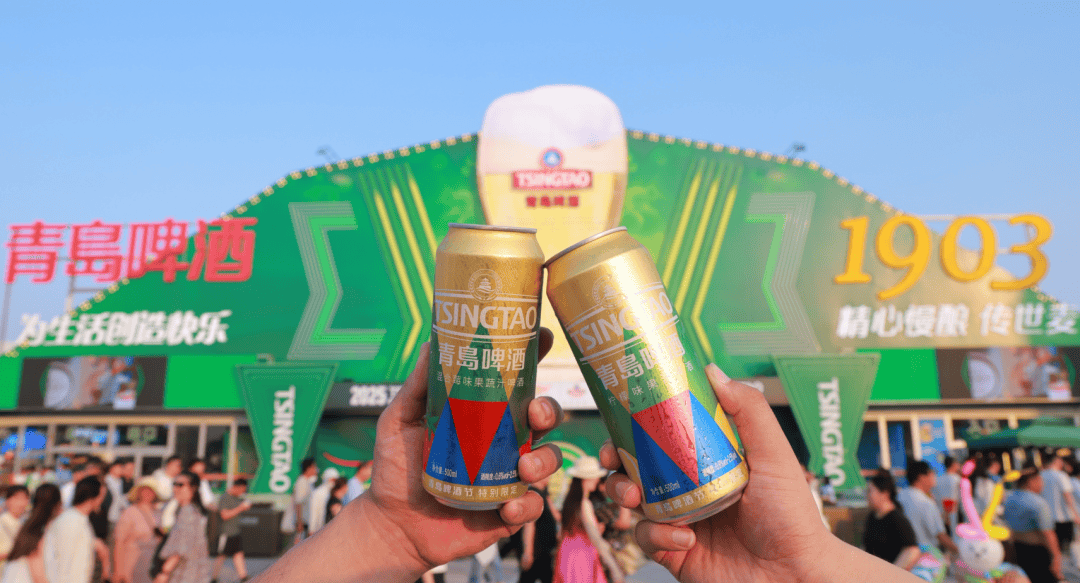
今年盛夏,第35届青岛国际啤酒节被一股"情绪"力量点燃。火出圈的"青岛啤酒交易所"、只加快乐不加油的啤酒加"油"站、全国首个"啤酒+情绪释放"沉 浸式乐园……这些创新体验,让啤酒成为满足消费者情绪需求的 "液态疗愈"良方。 在青岛,啤酒正加速从饮品向情感伙伴的角色转变。以情感共鸣、心理满足为核心的"情绪经济"正从消费新现象跃升为驱动青岛消费增长的新引擎。 疗愈"药方"有"酒引子" 在快节奏的生活方式下,年轻一代难免面临工作、生活等多重考验,他们渴望获得情感宣泄或是心理慰藉。《2024中国青年消费趋势报告》显示,情绪成 为年轻人的消费需求,近三成受访年轻人会为情绪价值买单。 今年的青岛国际啤酒节,成为这种情绪消费的集中释放场域。追求小众和个性化表达的年轻人、在碰杯中谈笑畅想的中年人以及共享家庭温馨时光的许多 家庭,不同群体的情绪需求在这场节庆狂欢中被鲜明感知和满足。 互动体验拉满情绪价值 当啤酒成功接住了疲惫、迷茫与雀跃等情绪,它就成了消费者自我疗愈的"药引子"。 将情绪消费做成持久生意 情绪消费该如何转化为持久动力?在全国34座城市上线了1000家青岛啤酒品牌专营旗舰店——青岛啤酒新鲜直达,借助美团闪购"30 ...

情绪经济崛起:6亿中国人如何为孤独买单
Sou Hu Cai Jing· 2025-08-11 10:41
Group 1 - A notable consumer trend is emerging where individuals are increasingly willing to spend on "emotions," leading to high prices for seemingly trivial items and a large market for intangible needs [1][3] - The consumption in the "土味爽剧" (local flavor short dramas) sector has reached 50.4 billion, surpassing the 42.5 billion spent by young people on movies, indicating a shift in spending patterns among different demographics [3] - The rise of single individuals and the elderly population, which together account for approximately 600 million people in China, is driving a new consumption phenomenon focused on personal spending [3][8] Group 2 - The formation of the single population is closely linked to changes in production methods and social structures, where marriage has shifted from a production tool to a consumption burden, leading to a unique consumption logic that prioritizes emotional spending [4] - As basic living costs decrease, more funds are being allocated to sectors that promote happiness, such as the pet economy and virtual companionship, which are emerging as new economic growth points [5] - The elderly population, now with retirement funds and free time, is engaging in various hobbies and interests, reflecting a significant shift in their consumption behavior towards emotional fulfillment [8] Group 3 - The emergence of "emotional value" as a third type of value, alongside use value and exchange value, highlights the psychological satisfaction derived from products, indicating a shift in consumer priorities [8] - The rise of the emotional economy is supported by changes in economic foundations, the independence of 600 million consumers, and advancements in technology such as big data and algorithms [8] - The market's role in providing solutions for emotional needs raises questions about societal progress, suggesting that while not perfect, it offers a means for individuals to cope with modern loneliness [9]