
智能化

Search documents
国信证券:智能化家电家居助力养老护理 关注三大耐用品品类
智通财经网· 2026-02-13 03:20
Core Insights - The demand for intelligent elderly care and assistance devices is increasing due to the rising proportion of elderly individuals aged 65 and above, as well as the growing number of elderly living alone and those with disabilities [1] Group 1: Home Care Equipment - AI-driven upgrades in home care devices are becoming crucial entry points in the elderly care ecosystem, with a projected steady sales volume of 14 million units for solitary care devices by 2030, reflecting a compound annual growth rate of 16% [1] - The leading company in this sector is Hikvision, whose core product "Hikvision Elderly Care Smart Body" integrates software and hardware to provide a comprehensive home care solution covering life tracking, health data, safety alerts, and voice assistance [1] Group 2: Elderly Care Robots - The market for nursing robots, which includes basic cleaning devices to advanced embodied intelligent robots, is expected to reach a scale of hundreds of billions, driven by the increasing percentage of elderly and disabled individuals [2] - The industry comprises three main types of players: (1) vertical manufacturers with deep understanding of specific needs, such as Ousheng Electric and Rongtai Health; (2) comprehensive service robot manufacturers; and (3) tech and smart home companies like Midea Group and Haier, which leverage their technology to expand into elderly care [2] Group 3: Smart Mattresses - Smart mattresses represent a potential category with a large base and low penetration rate, addressing issues like sleep difficulties among the elderly through flexible hardware design and AI models [3] - The domestic mattress market is projected to reach approximately 65.9 billion RMB in 2024, with smart mattresses currently having a penetration rate of less than 1%, indicating significant growth potential driven by elderly care needs [3] - Leading companies in this space include Xilinmen, which has launched a series of smart mattress products, and Mousse, known for its AI algorithms and adaptive mattresses, achieving a revenue of 121 million RMB from AI products in the first half of 2025, a year-on-year increase of over 300% [3]
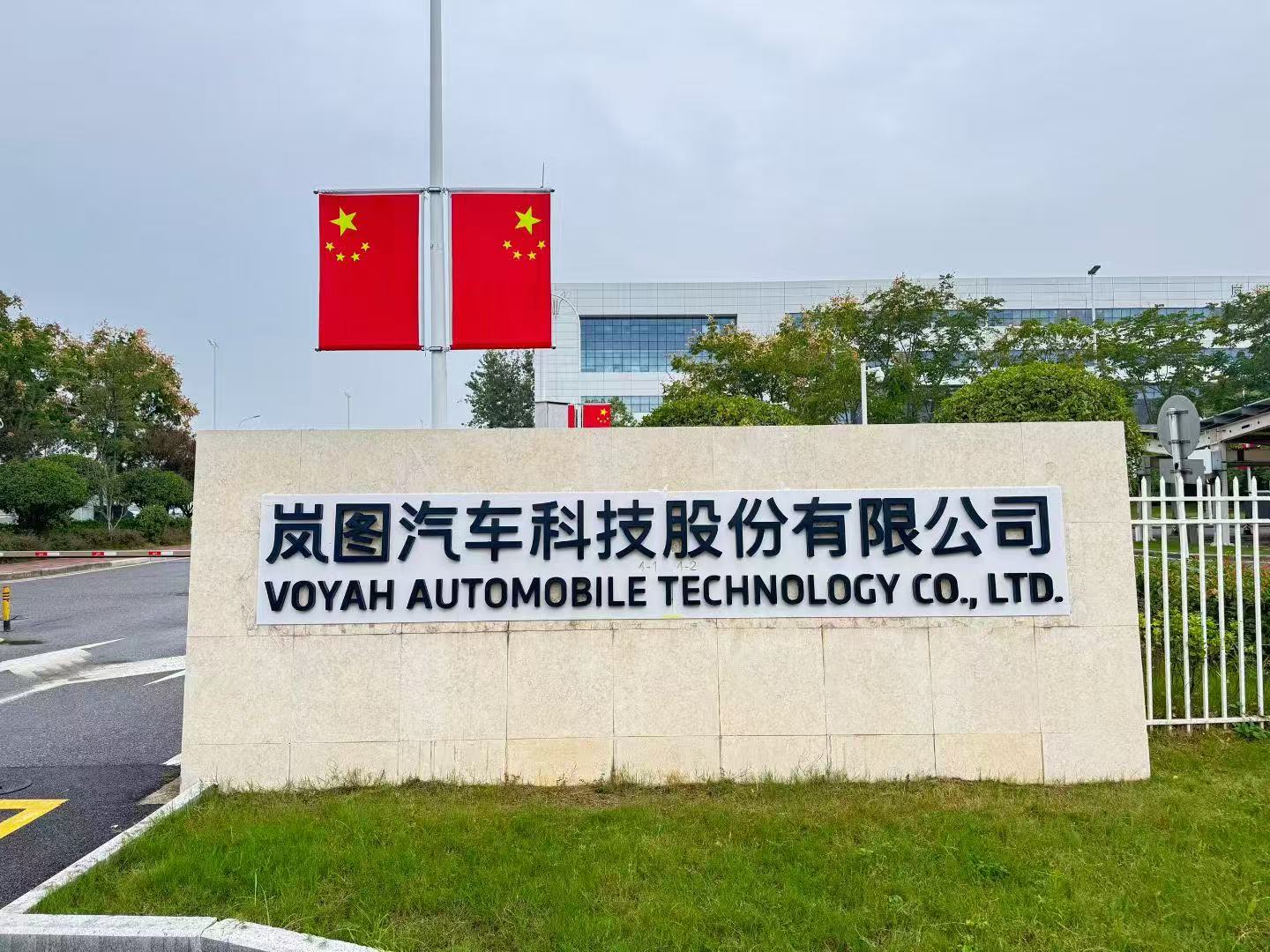
岚图汽车2025年毛利率超20%!港股上市获原则性同意
Zhong Guo Qi Che Bao Wang· 2026-02-13 02:56
Core Viewpoint - Lantu Automotive has completed all pre-listing regulatory approvals for its Hong Kong IPO, set to officially list on March 19, 2026, marking it as the first high-end new energy brand from a central state-owned enterprise to enter the Hong Kong market [1] Group 1: IPO and Regulatory Approval - Lantu Automotive initiated its IPO process in August 2025 and submitted its application in October 2025, receiving approval from multiple regulatory bodies within four months [1] - The successful completion of the listing process demonstrates the company's robust governance and operational efficiency, reflecting strong support from regulatory authorities for quality new energy enterprises [1] Group 2: Sales and Financial Performance - From 2023 to 2025, Lantu's sales are projected to grow from 50,285 units to 150,169 units, achieving a compound annual growth rate (CAGR) of 73%, significantly outpacing industry averages [2] - Revenue is expected to increase from 12.75 billion yuan to 34.86 billion yuan, with a CAGR of 65.4%, and the company anticipates a net profit of 1.02 billion yuan in 2025, marking its first annual profit [2] - The gross margin is stable at 20.9%, positioning Lantu among the industry's leaders [2] Group 3: Technological Innovation - Lantu Automotive emphasizes core technology autonomy as a strategic foundation for development, with a focus on innovation in key areas such as platform architecture and smart technology [4] - As of December 31, 2025, Lantu holds 1,874 granted patents and has 5,405 patents pending, leading the industry in patent growth [5] - The company has developed the world's first native intelligent electric architecture compatible with multiple power modes and a centralized SOA electronic architecture, which are recognized as key technological achievements [5] Group 4: Product Development and Market Position - Lantu has established a comprehensive product lineup, including SUVs, MPVs, and sedans, to meet diverse consumer needs and drive brand growth [10] - The Lantu Dreamer has become a market leader in the high-end MPV segment, breaking foreign brand dominance and enhancing the image of Chinese brands [12] - The company is expanding its charging network, connecting over 100,000 charging stations and 1.5 million charging piles, achieving a 99% coverage rate in urban and county areas [14] Group 5: Future Plans and Global Expansion - Lantu plans to launch several new models in 2026, all equipped with L3-level intelligent driving hardware, including the Lantu Taisan Ultra and the Lantu Taisan X8 [15][17] - The company aims to enhance its global presence, having entered over 40 countries and regions, promoting the strength and cultural significance of Chinese high-end manufacturing [14][18] - Lantu's growth reflects a broader transformation in the Chinese automotive industry towards quality improvement and global competitiveness [18]

中联重科拟发60亿可转债 加速小型挖机市场与新能源布局
Jing Ji Guan Cha Wang· 2026-02-13 02:25
Group 1 - The company is implementing multiple strategic initiatives, including issuing convertible bonds to support transformation, accelerating breakthroughs in the small excavator market, and continuously investing in research and development for new energy and intelligent technologies [1] Group 2 - The company plans to issue convertible bonds totaling 6 billion RMB to support its globalization, electrification, and intelligent transformation strategies, with a maturity date in 2031 [2] Group 3 - By 2026, the company aims to accelerate its breakthrough in the small excavator market, leveraging a new production line for compact models to enhance product quality and cost advantages, thereby creating a new growth engine for the earthmoving machinery sector [3] Group 4 - The company intends to increase its investment in the research and development of new energy products and intelligent technologies, such as fully electric cranes and hybrid mining trucks, with expectations for revenue from new energy products to gradually rise in response to the industry's green transformation trend [4]
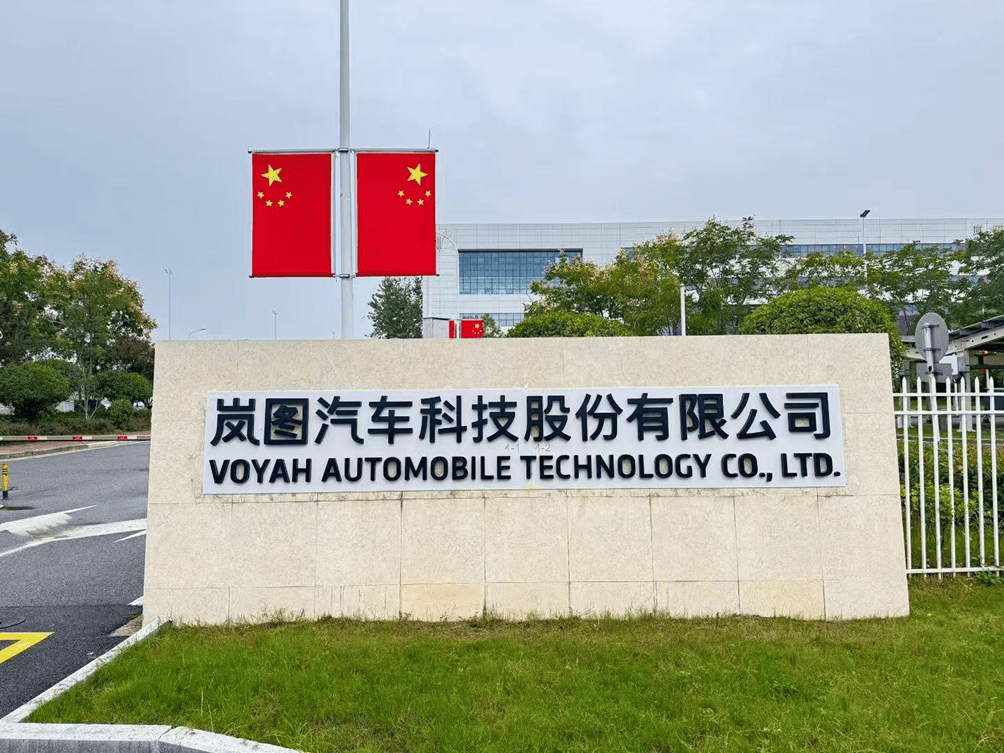
港股将迎来“央国企高端新能源第一股” 岚图完成上市前置监管审批
Sou Hu Cai Jing· 2026-02-13 01:16
Core Viewpoint - Lantu Automotive has completed all pre-listing regulatory approvals and is set to officially list on the Hong Kong Stock Exchange on March 19, 2026, marking it as the first high-end new energy brand from a central state-owned enterprise to go public in Hong Kong [1][2]. Group 1: Listing and Regulatory Approval - Lantu Automotive initiated its listing process in August 2025 and submitted its application in October 2025, receiving approval from multiple regulatory bodies within four months, showcasing efficient governance and operational capabilities [1][2]. - The successful completion of the listing process reflects strong support from regulatory authorities for high-quality new energy enterprises aiming for international development [1]. Group 2: Sales and Financial Performance - From 2023 to 2025, Lantu Automotive's sales are projected to grow from 50,285 units to 150,169 units, achieving a compound annual growth rate (CAGR) of 73%, significantly outpacing industry averages [3]. - Revenue is expected to increase from 12.75 billion yuan to 34.86 billion yuan, with a CAGR of 65.4%, and the company aims to achieve a net profit of 1.02 billion yuan in 2025, marking its first annual profit [3]. - The gross margin is stable at 20.9%, positioning Lantu among the industry leaders [3]. Group 3: Technological Innovation - Lantu Automotive emphasizes core technology autonomy as a strategic foundation for development, with a focus on innovation in key areas such as platform architecture and smart technology [4]. - As of December 31, 2025, Lantu holds 1,874 granted patents and has 5,405 patents pending, with a patent growth rate leading among new energy vehicle companies [4]. - The company has developed the world's first native intelligent electric architecture compatible with multiple power modes and the first mass-produced centralized SOA electronic and electrical architecture in China [4]. Group 4: Advanced Technology and Smart Solutions - Lantu has launched the 800V Lanhai intelligent hybrid technology, achieving a pure electric range of 360-410 kilometers and a comprehensive range exceeding 1,400 kilometers, with ultra-fast charging capabilities [6]. - The company has made significant advancements in smart cockpit and autonomous driving technologies, with L3 conditional autonomous driving currently undergoing real-world testing [6]. - Lantu has completed 110,000 kilometers of actual road testing and 900,000 kilometers of simulation testing, moving towards mass production [6].
福耀玻璃:公司持续推动汽车玻璃朝“安全舒适、节能环保、美观时尚、智能集成”方向发展
Zheng Quan Ri Bao Zhi Sheng· 2026-02-12 13:13
Core Viewpoint - Fuyao Glass is actively developing innovative automotive glass products to align with the trends of electrification and intelligence in the automotive industry, enhancing safety, comfort, energy efficiency, aesthetics, and smart integration [1] Group 1: Product Innovation - The company is introducing lightweight ultra-thin glass, heat-insulating coated glass, AR-HUD glass that displays various driving information over a larger area, and glass integrated with network antennas for ETC/UWB/NFC/RFID/5G functionalities [1] - Fuyao Glass has launched dozens of functional innovative products that have received widespread market acceptance [1] Group 2: Market Impact - The continuous innovation in automotive glass is contributing to an increase in the proportion of high value-added revenue for the company [1]
中联重科:全球农机市场规模约为1万亿元
Zheng Quan Ri Bao· 2026-02-12 13:12
Core Insights - The global agricultural machinery market is approximately 1 trillion RMB, and future competition will hinge on overseas markets and the development of new energy and intelligent products, which are strengths of the company [1] - The company has extensive experience in global operations and focuses on new energy and intelligent products, allowing for shared research and technology with engineering and mining machinery [1] - The company's agricultural machinery has already achieved sales in developed countries, primarily focusing on high-horsepower tractors [1] - The hybrid technology tractors and harvesters showcased at the German agricultural machinery exhibition received significant attention from industry peers, with positive market feedback [1]
奔驰2025业绩沟通会:进入技术、产品关键周期,中国市场或成关键变量
Xin Lang Cai Jing· 2026-02-12 12:20
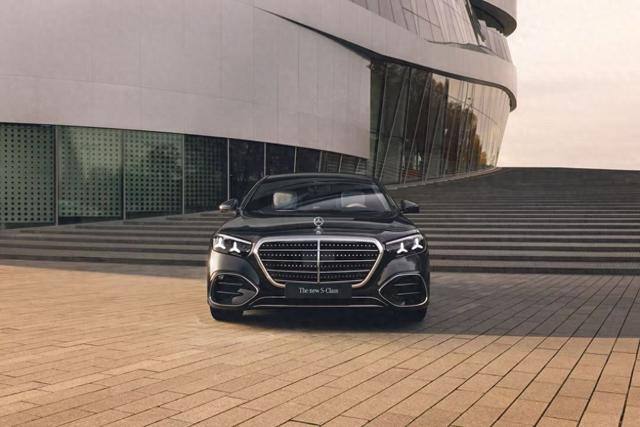
Core Viewpoint - Mercedes-Benz is signaling a new phase of growth through a significant scale of product and technology initiatives amidst global market fluctuations, intensified competition, and peak technological investments [1] Financial Performance - For the fiscal year 2025, the adjusted EBIT is projected at €8.2 billion (approximately ¥64 billion), showing a notable decline compared to the previous year - Revenue is expected to reach €132.2 billion (approximately ¥1.03 trillion) - The industrial business free cash flow is estimated at €5.4 billion (approximately ¥42.1 billion) - The adjusted sales profit margin for the passenger car business is 5.0%, or 6.1% when excluding tariff factors, remaining within the management's guidance range [1] Strategic Focus - The new strategic cycle starting in 2025 is defined as the largest scale of technology and product initiatives in Mercedes-Benz's history, with a focus on high-end luxury and core luxury models [2] - High-end luxury models are expected to account for 15% of passenger car sales by 2025, serving as a key pillar for stable profits [2] Product Development - Over the next three years, Mercedes-Benz plans to launch more than 40 new models globally, covering entry-level luxury, core luxury, and high-end luxury segments [4] - The new S-Class will undergo the most comprehensive update in its history, with upgrades in powertrains, electronic architecture, and intelligent systems [2][4] Technological Advancements - The MB.OS operating system and the new generation electronic architecture will serve as the technological foundation for this product cycle, integrating smart cockpit, driver assistance, and vehicle control functions into a unified platform [7] - The company anticipates that capital expenditures and R&D investments will peak in 2025 and gradually decline thereafter [9] Market Strategy in China - Mercedes-Benz is placing greater strategic emphasis on the Chinese market, adapting its product definitions, R&D pace, and supply chain systems to better align with local demands [11] - Despite a decline in sales in China for 2025, the company maintains a leading market share in the luxury sedan segment priced above ¥400,000, with over 30% in the large luxury sedan market [11] Localization Efforts - The company aims to enhance its operations in China by deepening local investments and optimizing cost structures, focusing on products that meet local market needs [14] - Mercedes-Benz is accelerating its pace in smart and electric vehicle sectors in China, collaborating with local tech firms to integrate local algorithms with its safety standards [16] Future Product Plans - Among the 40 new models planned for launch by 2027, seven will be exclusive to the Chinese market, emphasizing space, comfort, and intelligent features [18] - Starting in 2026, over 15 new and updated products will be introduced in China, covering various market segments with a focus on both fuel and electric models [18] Overall Outlook - The communication from the earnings meeting indicates that Mercedes-Benz is not merely focused on the fluctuations of a single financial cycle but is actively rebuilding momentum for the next growth phase through intensive product launches, unified software architecture, and deepened localization efforts in China [18]
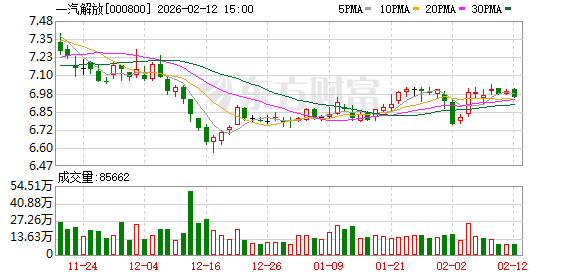
一汽解放:公司将持续深化协同机制,聚焦核心技术突破
Zheng Quan Ri Bao· 2026-02-12 12:16
Group 1 - The company focuses on enhancing product competitiveness through research and development [2] - The company is concentrating on key transformation areas such as new energy and intelligence [2] - The company strictly controls expenditure according to established regulations [2] Group 2 - The company will continue to deepen collaborative mechanisms [2] - The focus will be on breakthroughs in core technologies [2] - Efficient R&D investment will support the high-quality development of the new energy business [2]

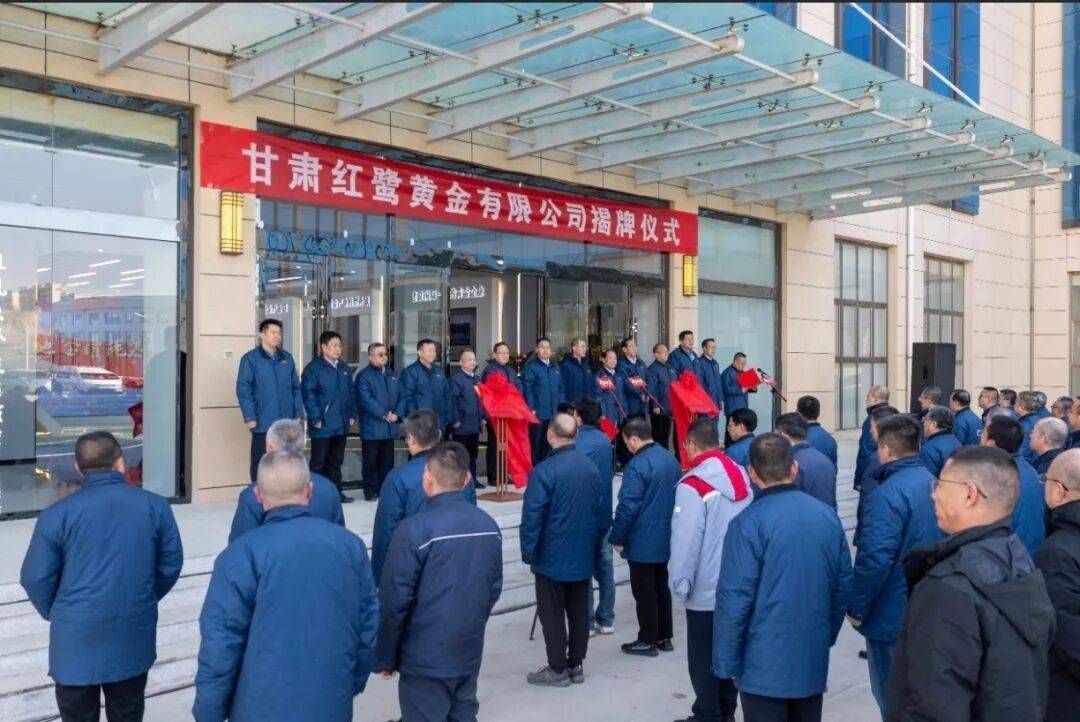
白银集团所属甘肃红鹭黄金有限公司举行揭牌仪式
Sou Hu Cai Jing· 2026-02-12 10:39
Core Viewpoint - The establishment of Gansu Honglu Gold Co., Ltd. marks a significant step for Baiyin Group in deepening its precious metals industry and expanding into new strategic areas of "three rare and one precious" [1][3] Group 1 - Gansu Honglu Gold Co., Ltd. is a response to the central government's strategy for accelerating the high-end, intelligent, green, and safe development of the gold industry, aiming for high-quality growth [3] - The company is part of the provincial government's initiative to integrate gold mineral resources and build a gold smelting center in Gansu, transforming resource endowments into development and competitive advantages [3] - The establishment of the company is seen as a proactive measure to address historical resource challenges and aligns with national strategies and local development needs [3] Group 2 - As a key pillar of Baiyin Group's "14th Five-Year" development strategy, Gansu Honglu Gold Co., Ltd. will leverage Gansu's rich gold resources and the group's advantages in mining, smelting, and operational management [5] - The company aims to create a comprehensive industrial system that integrates gold mining, smelting, and processing, while also focusing on the comprehensive recovery of other precious metal resources [5] - The goal is to achieve significant increases in reserves and production, enhance quality and efficiency, and upgrade the entire value chain, with aspirations to elevate Gansu from a "gold resource province" to a "gold industry powerhouse" [5]

赴港上市进入倒计时 岚图汽车取得全部前置监管批文
Zheng Quan Ri Bao Wang· 2026-02-12 09:42
Group 1 - Lantu Automotive has received principal approval for its Hong Kong listing, completing all preliminary regulatory approval processes, which is seen as a significant move for a state-owned enterprise in the competitive electric vehicle market [1] - The company completed all compliance preparations in just four months, demonstrating high efficiency for a state-owned enterprise's listing in Hong Kong [1] - The listing is expected to broaden financing channels, optimize capital structure, and enhance access to international investors, providing stable funding support for R&D, production capacity, and global expansion [1][2] Group 2 - In the past year, Lantu Automotive has maintained rapid growth, with cumulative deliveries expected to exceed 150,000 units by 2025, marking an 87% year-on-year increase [2] - The product matrix now covers mainstream segments including high-end SUVs, MPVs, and sedans, which is crucial for enhancing investor confidence in growth prospects [2] - The company plans to launch four new models in 2026, all equipped with L3-level intelligent driving hardware, including the Lantu Taishan Ultra, which is touted as China's first mass-produced L3-level SUV [3] Group 3 - Lantu Automotive's strategy includes a focus on "intelligentization" through self-research and collaboration, with five core technology bases and a rapid increase in patents [2] - The company aims to introduce three "global first" technologies by 2025, which will enhance product competitiveness and meet compliance and commercialization standards [2] - The push for a Hong Kong listing and new product launches is part of a clear strategy to secure resources for high-intensity R&D, intelligent system development, and overseas market expansion [3]