
货币政策

Search documents
格林大华期货早盘提示:国债-20260306
Ge Lin Qi Huo· 2026-03-06 02:37
Group 1: Report Industry Investment Rating - The investment rating of the Treasury bond futures in the macro and financial sector is "oscillation" [1] Group 2: Core View of the Report - On Thursday, the main contracts of Treasury bond futures opened slightly lower and fluctuated horizontally throughout the day. The 2 - month PMI data showed a mild economy with seasonal factors, and the government's economic growth target and deficit rate in 2026 were in line with market expectations. Treasury bond futures may oscillate in the short - term [1] Group 3: Summary by Relevant Catalogs Market Review - On Thursday, the main contract of 30 - year Treasury bond futures TL2606 fell 0.05%, 10 - year T2606 fell 0.03%, 5 - year TF2606 fell 0.03%, and 2 - year TS2606 fell 0.02% [1] Important Information - In the open market on Thursday, the central bank conducted 23 billion yuan of 7 - day reverse repurchase operations, and 320.5 billion yuan of reverse repurchases matured, resulting in a net withdrawal of 297.5 billion yuan. - In the money market on Thursday, the overnight interest rate in the inter - bank money market remained low. DR001's weighted average was 1.27%, the same as the previous trading day; DR007's weighted average was 1.42%, also the same as the previous trading day. - In the cash bond market on Thursday, the closing yields of inter - bank Treasury bonds fluctuated narrowly compared with the previous trading day. The yield to maturity of 2 - year Treasury bonds rose 1.37 BP to 1.35%, 5 - year rose 0.26 BP to 1.53%, 10 - year rose 0.11 BP to 1.78%, and 30 - year fell 0.35 BP to 2.27%. - On March 5, the 4th session of the 14th National People's Congress opened. The economic growth target in 2026 is 4.5% - 5%; the deficit rate in 2026 is planned to be about 4%, and ultra - long - term special Treasury bonds worth 1.3 trillion yuan are planned to be issued. A more active fiscal policy and a moderately loose monetary policy will continue to be implemented. - On March 6, 800 billion yuan of outright reverse repurchase operations will be carried out [1] Market Logic - The official manufacturing PMI in February was 49.0%, and the service business activity index was 49.7%, both below the boom - bust line with some seasonal factors. The government's economic growth target and deficit rate in 2026 were in line with market expectations. On Thursday, the Wind All - A Index opened higher, fluctuated horizontally in the morning, and declined in the afternoon, closing slightly higher with a small negative line, up 1.08% with a trading volume of 2.41 trillion yuan, a contraction compared with 3.16 trillion yuan in the previous trading day. The main contracts of Treasury bond futures fluctuated horizontally on Thursday, and they may oscillate in the short - term [1] Trading Strategy - Traders should conduct band operations [2]
2026 年“两会”银行信息关注点:资本补充、信贷撬动与风险化解
GUOTAI HAITONG SECURITIES· 2026-03-06 02:35
Investment Rating - The report assigns an "Overweight" rating for the banking sector, indicating an expected performance that exceeds the Shanghai and Shenzhen 300 Index by more than 15% [5][10]. Core Insights - The monetary policy environment for 2026 is expected to remain moderate, with new policy financial tools and structural financial instruments anticipated to further stimulate social financing demand. The capital injection into state-owned banks will enhance their ability to support the real economy [2][5]. - The 2026 government work report plans to issue 4.4 trillion yuan in local government special bonds, maintaining the same level as 2025, focusing on major project construction, replacing hidden debts, and settling government arrears [3]. - The report highlights a proactive fiscal policy, with the issuance of new policy financial instruments expected to reach 800 billion yuan, up from 500 billion yuan in 2025, which will drive total project investment by approximately 7 trillion yuan [5]. - The second round of capital injection for state-owned banks is imminent, with a planned issuance of special government bonds amounting to 300 billion yuan to support capital replenishment. This is expected to increase the core Tier 1 capital adequacy ratio of two major banks by 0.6 percentage points [5]. Summary by Sections Monetary Policy - The report anticipates 1-2 instances of reserve requirement ratio (RRR) cuts or interest rate reductions within the year, with a projected decrease of up to 20 basis points [5]. Fiscal Policy - The report emphasizes the establishment of a 100 billion yuan fund to promote domestic demand through various financial support mechanisms, including loan interest subsidies and risk compensation [5]. Risk Management - Key risk areas identified include real estate, local government debt, and small financial institutions. The report suggests that measures such as the "white list" system for real estate will help mitigate debt default risks [5].
2026年两会政策前线解读
2026-03-06 02:02
Summary of Key Points from Conference Call Records Industry Overview - The conference call primarily discusses the economic outlook and fiscal policies for 2026, focusing on GDP growth, investment, and fiscal reforms in China. Core Insights and Arguments 1. **GDP Growth Target**: The GDP growth target for 2026 is set at approximately 5%, with nominal GDP expected to reach 147.2 trillion yuan. The investment contribution is anticipated to rise to 20%-25%, while export contributions may decline to around 25% due to external factors [1][2][4]. 2. **Fiscal Expenditure**: Total fiscal expenditure for 2026 is projected to exceed 30 trillion yuan, with a deficit rate maintained at 4%, amounting to 5.89 trillion yuan. The government plans to mobilize 5.8 trillion yuan of unutilized funds and 5 trillion yuan in government deposits to ensure spending intensity remains strong [1][6]. 3. **Debt Instruments**: The debt instrument combination for 2026 is expected to surpass 12 trillion yuan, including 1.3 trillion yuan in ultra-long-term special government bonds and 4.4 trillion yuan in new special bonds. The focus is on supporting consumption and enhancing capital for financial institutions [7][8]. 4. **Monetary Policy Shift**: The monetary policy is shifting from a price-based approach to a stability-focused strategy, aiming to maintain a low-interest-rate environment. There is an expectation of only one rate cut in 2026, approximately 0.25%, to counter high-cost funding [1][12]. 5. **Tax Reforms**: Significant reforms in the tax system are planned, including the introduction of a local additional tax system and acceleration of consumption tax reforms, which are deemed crucial for expanding tax sources [1][14]. 6. **Real Estate Policy**: The real estate sector will focus on "controlling increments, optimizing supply, and reducing inventory." The aim is to ensure housing delivery and manage existing stock effectively, with a strategy to acquire existing homes for affordable housing [3][15][16]. Other Important but Potentially Overlooked Content 1. **Budget Execution**: In 2025, the general public budget revenue was approximately 21.6 trillion yuan, a decrease of 1.7% from 2024, with a deficit of 5.66 trillion yuan. The shortfall in revenue was attributed to slower project initiation and progress [5]. 2. **Transfer Payments**: The focus for 2026 will be on enhancing the efficiency of transfer payments and increasing local financial autonomy, with the total expected to remain similar to 2025 levels but with an optimized structure [9]. 3. **Financial Coordination**: The conference emphasized the importance of fiscal and financial coordination to amplify policy effects, with a focus on risk management and structural financial policies [11]. 4. **Investment in Innovation**: There is a strong emphasis on innovation as a key area for investment, which is seen as essential for driving new industries and improving traditional sectors [10]. This summary encapsulates the critical insights and projections discussed in the conference call, providing a comprehensive overview of the anticipated economic and fiscal landscape for 2026.
政府工作报告学习体会:政策性金融工具积极发力,货币强调灵活高效
Ping An Securities· 2026-03-06 01:27
Group 1: Industry Investment Rating - Not provided in the content Group 2: Core Viewpoints - In 2026, the GDP growth target of 4.5%-5% in the "15th Five-Year Plan" opening year is in line with market expectations, and the CPI and employment targets remain unchanged from 2025 [3][4][5] - Fiscal policy continues the "more proactive" tone, with the government bond supply scale basically flat and policy - based financial instruments exceeding expectations, and consumption and investment are emphasized in the direction [3][7][8] - The expectation of reserve requirement ratio cuts and interest rate cuts in monetary policy may be postponed, and the importance of structural monetary policy increases [3][15] - In terms of strategies, pay attention to the profit - taking pressure below key points, and consider deploying 10Y Treasury bonds when the yield is above 1.80% [3][17][18] Group 3: Summary by Directory "15th Five - Year Plan" Opening Year: 4.5%-5% Growth Target in Line with Market Expectations - The government work report in 2026 is consistent with relevant meetings, and it is clear that expanding domestic demand and rectifying "involution - style" competition are key tasks [4] - The GDP growth target of 4.5%-5% meets market expectations as many provincial targets have been adjusted [4] - The CPI target of about 2% and employment targets remain unchanged from 2025, in line with market expectations [5][6] Fiscal Policy: Government Bond Supply Scale Basically Flat, Policy - based Financial Instruments Exceed Expectations - Fiscal policy continues the "more proactive" tone since 2025, focusing on supporting consumption, investment, and people's livelihood [7] - In 2026, the total government bond supply is about 13.89 trillion yuan, with a slight increase of 300 billion yuan compared to 2025. The policy - based financial instrument scale is 80 billion yuan, and the total scale of policy - based financial instruments and government bond supply rises slightly [8] - In terms of direction, consumption is an important way to expand domestic demand with a new 10 billion yuan special fund, and investment focuses on tapping effective investment potential [9][10] Monetary Policy: Expectations of Reserve Requirement Ratio Cuts and Interest Rate Cuts May Be Postponed, Structural Monetary Policy Importance Increases - Monetary policy continues the "moderately loose" tone, with an expected 10 - 20BP interest rate cut (OMO rate) and 2 reserve requirement ratio cuts or equivalent bond - buying scale in 2026 [15] - Currently, the pressure of liquidity gap is not large, the urgency of interest rate cuts due to RMB exchange rate and net interest margin is not strong, and the necessity of triggering reserve requirement ratio cuts and interest rate cuts by broad - spectrum asset prices is not high [15][16] Strategy: Pay Attention to Profit - Taking Pressure Below Key Points, Deploy 10Y Treasury Bonds Above 1.80% - Since February, the bond yield has fluctuated around the key point. After the Two Sessions, the market's key differences have been settled, and the fiscal policy is more proactive [17] - After the Two Sessions, the capital market is likely to be maintained, but pay attention to profit - taking pressure below key points. Also, need to focus on the evolution of equity risk appetite, economic data, and trading and allocation behavior [18]
国信证券晨会纪要-20260306
Guoxin Securities· 2026-03-06 01:24
Macro and Strategy - The 2026 government work report emphasizes the priority of "high-quality development" over "stability" with a GDP growth target adjusted to 4.5%-5.0%, aiming to balance growth and quality during a transitional period [7][8] - Fiscal policy remains "more proactive," with a total broad deficit of 11.89 trillion yuan and a deficit rate of approximately 8.1%, reflecting a slight decrease from the previous year [8] - Monetary policy is expected to remain "moderately loose," with anticipated adjustments including one rate cut and one reserve requirement ratio reduction in 2026 [8] Petrochemical Industry - The petrochemical industry investment strategy for March 2026 recommends focusing on rising crude oil and natural gas prices driven by geopolitical factors, particularly following military actions in the Middle East that disrupted energy supplies [9][10] - The conflict has led to significant price increases in European natural gas, with prices surging over 50% due to supply disruptions from Iran and Qatar [9] - The supply side is experiencing a downturn in fixed asset investment, indicating the end of the expansion cycle, while policies are aimed at eliminating low-priced, disordered competition [10] - Demand is expected to recover moderately due to global central banks entering a rate-cutting cycle, alongside growth in new energy and AI sectors driving demand for key chemicals [11] - The report forecasts Brent crude oil prices stabilizing between $70-$75 per barrel and WTI prices between $65-$70 per barrel in 2026, with specific investment recommendations for companies like China National Offshore Oil Corporation and China Petroleum [12] Retail Industry - The retail investment strategy for March 2026 highlights the proactive positioning of leading beauty brands for the upcoming International Women's Day promotions, with expectations for improved performance due to new product launches [17] - Gold prices have seen significant fluctuations, with a year-to-date increase of 22.34%, impacting consumer sentiment and sales in the jewelry sector [18] - The report maintains an "outperform" rating for the retail sector, suggesting that leading companies in gold and beauty will continue to grow despite short-term market volatility [19] Ctrip Group - Ctrip's Q4 2025 revenue grew by 20.8% year-on-year, outperforming expectations, with a total revenue of 15.4 billion yuan [20][21] - The company is focusing on enhancing user experience and optimizing traffic monetization, with significant growth in overseas bookings through its Trip.com platform [21] - Regulatory scrutiny regarding antitrust issues is a key concern, but the company's strong operational capabilities and supply chain integration are expected to support steady growth [22][23]




战争不是卖出的理由!大部分地缘冲突只是在指数上涨过程中挖了个坑
雪球· 2026-03-05 13:01
Group 1 - The article discusses the impact of geopolitical conflicts, specifically the recent Middle East tensions, on global markets, noting that even gold has not been spared from declines [3][10]. - It argues that most geopolitical conflicts do not serve as valid reasons for selling stocks, as they often only create temporary market dips rather than long-term downturns [5][26]. - Historical data shows that markets typically recover from declines caused by geopolitical events within 30 days, with most indices regaining lost ground within 20 days [15][25]. Group 2 - The article highlights that the current market reaction is more pronounced due to extreme market differentiation and leverage, which has intensified volatility [31][32]. - It emphasizes that the dynamics of geopolitical conflicts are unpredictable, making it challenging for investors to time their buy and sell decisions effectively [22][34]. - The analysis of the current situation in Iran suggests that while there is a desire to increase oil prices, the actual ability to do so is limited due to economic constraints and the potential for significant backlash [28][42].


宏观政策“更加积极有为”的含金量在哪
21世纪经济报道· 2026-03-05 10:21
Core Viewpoint - The article discusses the continuation of a more proactive macroeconomic policy in China, emphasizing the need for increased policy adjustments to address uncertainties in the external environment and domestic demand-supply dynamics [3][4]. Group 1: Policy Continuation and Rationale - The need for a more proactive policy is driven by significant external uncertainties and a persistent domestic demand shortfall, necessitating stronger macroeconomic policy adjustments [3]. - China's government debt levels, particularly the central government's, remain relatively low compared to international standards, allowing for further monetary easing and innovative policy combinations [3][4]. Group 2: Key Aspects of the Proactive Policy - The fiscal policy will maintain a deficit rate of around 4%, with an increase in the deficit scale by 230 billion, and total new government debt reaching 11.89 trillion, marking a historical high [4]. - General public budget expenditures are projected to reach 30 trillion, an increase of 1.27 trillion from the previous year, reflecting a more aggressive fiscal stance [4]. - Monetary policy will continue to be moderately loose, utilizing various tools such as reserve requirement ratio cuts and interest rate reductions to ensure ample liquidity and lower financing costs for enterprises [4][5]. Group 3: Focus on Precision and Effectiveness - The government aims to enhance the effectiveness of fiscal policies by implementing zero-based budgeting reforms to redirect inefficient expenditures towards more impactful areas [4]. - There will be an emphasis on optimizing the structure of fiscal spending to boost consumption, invest in human capital, and ensure social welfare [4][5]. Group 4: Policy Innovation - New initiatives include the establishment of a 100 billion special fund for fiscal-financial collaboration to stimulate domestic demand, focusing on loan interest subsidies, financing guarantees, and risk compensation to support private investment and consumption [5]. - The policy will also leverage intangible assets like data and intellectual property to expand credit channels [5].
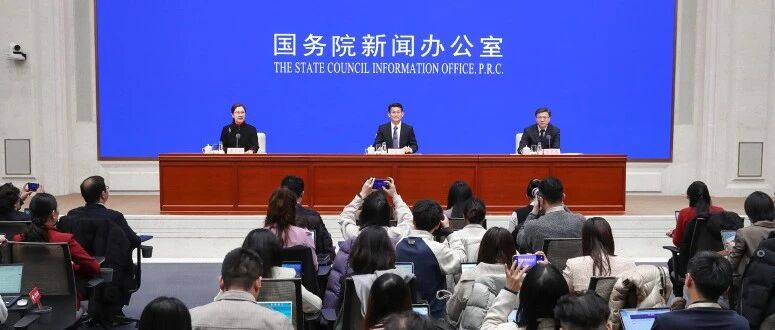
8000亿元,央行明日操作
财联社· 2026-03-05 09:43
Group 1 - The People's Bank of China announced a reverse repurchase operation of 800 billion yuan to maintain ample liquidity in the banking system, scheduled for March 6, 2026, with a term of 3 months (91 days) [1] - The operation will be conducted using a fixed quantity, interest rate bidding, and multiple price bidding methods [1] Group 2 - The announcement is part of the central bank's monetary policy tools aimed at ensuring financial stability and liquidity in the market [2] - The operation reflects the ongoing efforts of the central bank to manage liquidity effectively in response to economic conditions [2]
瑞达期货国债期货日报-20260305
Rui Da Qi Huo· 2026-03-05 09:18
国债期货日报 2026/3/5 | 项目类别 | 数据指标 | 最新 | 环比 项目 | 最新 | 环比 | | --- | --- | --- | --- | --- | --- | | 期货盘面 | T主力收盘价 | 108.545 | -0.03% T主力成交量 | 58164 | -10681↓ | | | TF主力收盘价 | 106.115 | -0.03% TF主力成交量 | 53320 | -6729↓ | | | TS主力收盘价 | 102.502 | -0.02% TS主力成交量 | 34487 | -1469↓ | | | TL主力收盘价 | 112.770 | -0.05% TL主力成交量 | 62736 | -262↓ | | 期货价差 | TL2606-2603价差 | 0.22 | -0.02↓ T06-TL06价差 | -4.22 | -0.01↓ | | | T2606-2603价差 | 0.00 | -0.03↓ TF06-T06价差 | -2.43 | -0.02↓ | | | TF2606-2603价差 | 0.06 | -0.04↓ TS06-T06价差 | -6.04 ...
国泰海通 · 固收 |政府工作报告影响债市的三个线索
国泰海通证券研究· 2026-03-05 08:55
Core Viewpoint - The article emphasizes the need to focus on fiscal, monetary, and inflation aspects as outlined in the government work report, which will impact the bond market dynamics in 2026 [3][8]. Fiscal - The fiscal expenditure will maintain a "only increase" approach, with a deficit rate set around 4%, corresponding to a deficit scale of 5.89 trillion yuan. The issuance of long-term special bonds is planned at 1.3 trillion yuan, with local special bonds increasing by 4.4 trillion yuan, leading to a total new government debt scale of 11.89 trillion yuan, which is an increase of 300 billion yuan compared to 2024 [4][10]. - The specific allocation of the 1.3 trillion yuan long-term special bonds includes 800 billion yuan for "two new" constructions, 200 billion yuan for large-scale equipment updates, and 250 billion yuan for consumer goods replacement [11][13]. - The overall fiscal policy is at the lower end of market expectations, and there is a need to monitor the balance of supply and demand for long-term government bonds, especially local bonds [4][13]. Monetary - The monetary policy will continue to adopt a moderately loose tone, with limited incremental guidance. The report does not provide direct information on the timing of monetary easing, leading to a lower probability of interest rate cuts during or after the two sessions [5][15]. - The focus of monetary policy is on stabilizing bank interest margins and maintaining capital market stability rather than promoting credit [14][15]. - The probability of a reserve requirement ratio (RRR) cut is relatively high due to significant upcoming maturities and market volatility [5][15]. Inflation - The inflation target for 2026 is maintained at 2%, emphasizing the role of "expectation guidance" and the feasibility of achieving this target. The report indicates that the Producer Price Index (PPI) is likely to turn positive in the second quarter, leading the Consumer Price Index (CPI) [6][16]. - Domestic inflation is influenced by various factors, including rising international oil prices due to geopolitical tensions and price increases in sectors like energy and chemicals [6][17]. - The relationship between PPI and stock market pricing is highlighted, with expectations that inflation will primarily affect bond market pricing, particularly at the long end [6][17].

