Workflow
金银比
icon
Search documents
安粮期货宏观股指
An Liang Qi Huo· 2025-06-19 01:18
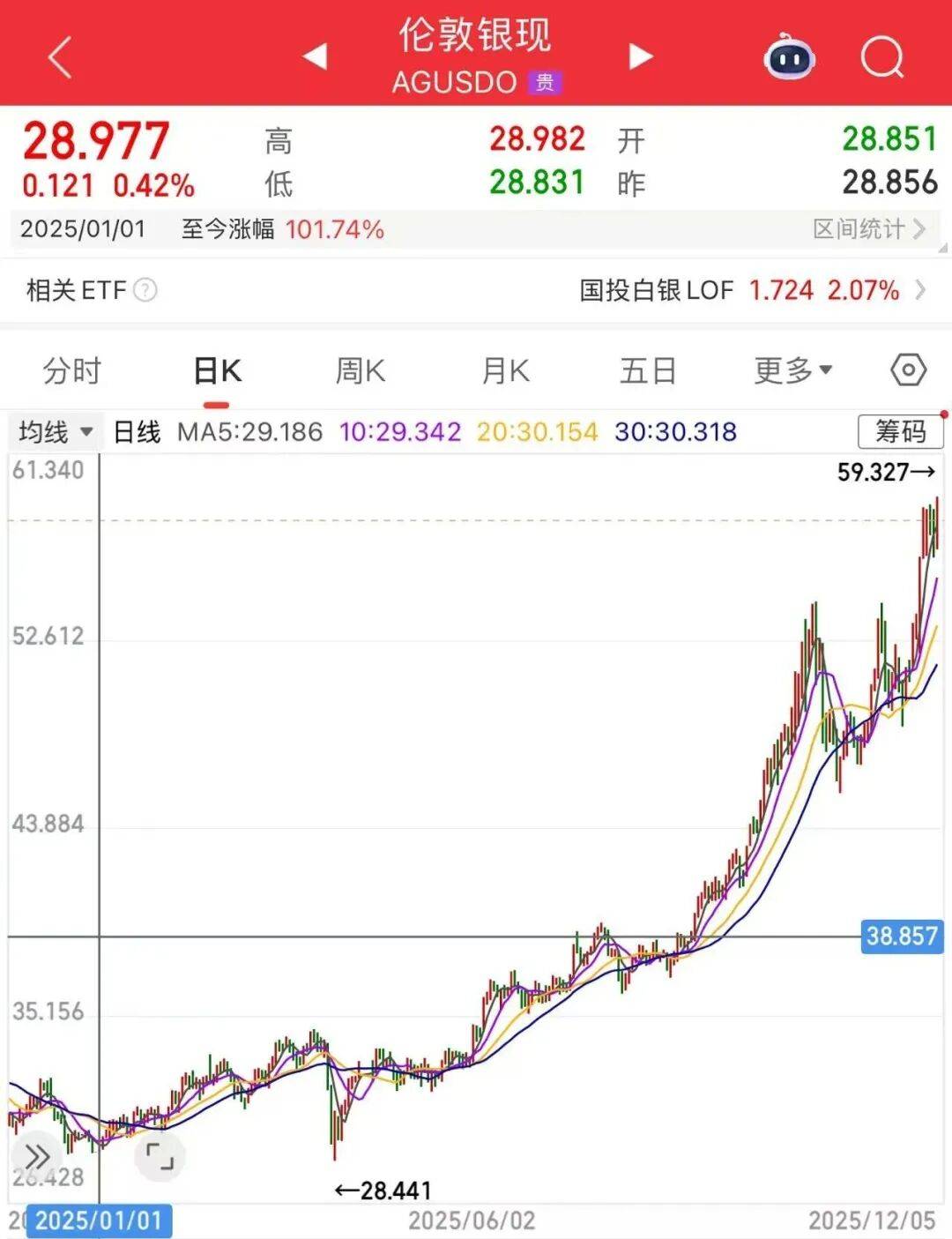
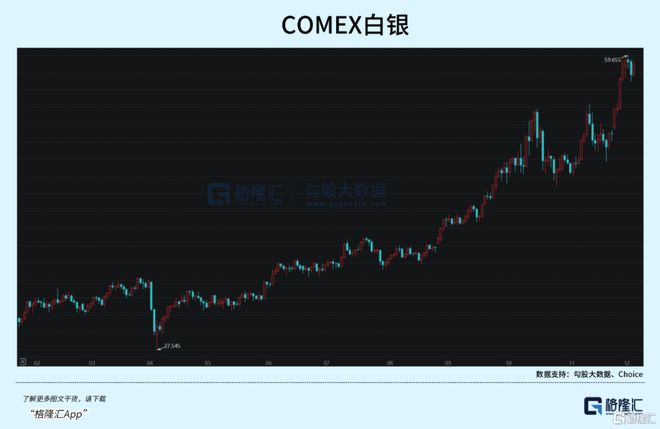
Group 1: Macro and Stock Index - The Lujiazui Forum released eight major financial policies, including the establishment of a bank - to - bank market transaction reporting library and a digital RMB international operation center. Policies such as optimizing the functions of free trade accounts and developing free - trade offshore bonds are beneficial to cross - border capital flows and foreign - trade enterprise financing, injecting liquidity expectations into the market [2]. - The Shanghai Composite 50 index fell 0.15%, the CSI 300 rose 0.12%, the CSI 500 fell 0.09%, and the CSI 1000 rose 0.53%. The 1 - year implied volatility of the CSI 1000 index option was 21.2%, higher than that of the CSI 300 (15.6%), indicating a higher expected volatility for small - and medium - cap stocks [2]. - The futures discount rates of the CSI 500 and CSI 1000 were 0.3% and 0.5% respectively, reflecting short - term selling pressure. Attention should be paid to the sustainability of the resonance between technical repair and policy benefits [2]. Group 2: Crude Oil - The conflict between Iran and Israel is a key factor affecting oil prices. Market sentiment is cautious, and oil price volatility has increased significantly. The summer peak season for crude oil is approaching, and US inventories have declined for four consecutive weeks, supporting price increases [3]. - If the Middle East situation, especially Iran's counter - attack against Israel, continues to escalate, oil prices are likely to rise. Multiple institutions predict that if the conflict expands, oil prices may return to the high - price range. If the conflict eases, the risk premium of crude oil will quickly decline [3]. - The WTI main contract should focus on the resistance around $78 per barrel [3]. Group 3: Gold - Israel's expanded military strikes on Iran and the threat of enhanced sanctions by the Trump administration have increased the risk of shipping in the Strait of Hormuz, leading to a continuous increase in the demand for gold as a safe - haven asset. Trump's claim to impose new tariffs on the pharmaceutical industry has also intensified concerns about global trade frictions [4]. - The world's largest gold ETF (SPDR Gold Trust) has seen inflows for three consecutive days. Gold prices have been consolidating for two consecutive days, trading below $3400 per ounce in the Asian session. The market is waiting for the Fed's interest - rate decision and policy guidance [4][5]. - In the short term, gold prices are supported by geopolitical risks, central - bank gold purchases, and expectations of interest - rate cuts, but volatility will increase. If the Fed sends a dovish signal or shipping in the Strait of Hormuz is interrupted, gold prices may break through $3400. If the geopolitical situation eases or the Fed delays interest - rate cuts, gold prices may回调 to $3350 [5]. Group 4: Silver - On June 18, 2025, during the Asian session, the spot silver price reached a high of $37.313 per ounce, the highest since 2012, and maintained a high - level volatile pattern [6]. - The continuous escalation of the conflict between Iran and Israel, the strengthening of the US military deployment in the Middle East, and Trump's threat to impose new tariffs have increased geopolitical risks, driving up the price of silver. The short - term profit - taking of funds has not changed the net increase in holdings throughout the year [6]. - Silver has broken through the resistance around $37 under the resonance of its financial and industrial attributes. Attention should be paid to the short - term impact of the Fed's FOMC interest - rate decision on silver prices [6]. Group 5: Chemicals PTA - The spot price in East China was 5205 yuan/ton, with a month - on - month increase of 185 yuan/ton, and the basis was 309 yuan/ton. The rise in crude oil prices supported PTA prices, but the upside was limited [7]. - In June, PTA plant maintenance and restart were concurrent, with an overall operating rate of 83.25%, a month - on - month increase of 4.25%. The inventory days were 4.03 days, basically the same as the previous period. Polyester factory and Jiangsu - Zhejiang loom loads decreased, and the textile market was in a off - season [7]. - In the short term, PTA prices may fluctuate following the cost side [7]. Ethylene Glycol - The spot price in East China was 4547 yuan/ton, with a month - on - month increase of 77 yuan/ton, and the basis was 76 yuan/ton. Affected by geopolitical factors, some Middle - East plants stopped production, but the overall operating rate increased [8]. - The inventory in East China's main ports decreased, and the demand from polyester factories and Jiangsu - Zhejiang looms declined, with a decrease in terminal order days [8]. - In the short term, ethylene glycol prices may show a narrow - range bullish fluctuation [8]. PVC - The mainstream spot price of Type 5 PVC in East China was 4790 yuan/ton, with a month - on - month increase of 40 yuan/ton. The supply side decreased slightly, and the demand from domestic downstream enterprises did not improve significantly, with mainly rigid - demand transactions [9]. - As of June 12, PVC social inventory decreased, but the fundamentals did not improve significantly, and the futures price was oscillating at a low level [9]. - The fundamentals of PVC remain weak, and the futures price will oscillate at a low level [9]. PP - The mainstream prices of PP拉丝 in North, East, and South China increased slightly. The average capacity utilization rate of polypropylene increased, and domestic production increased both month - on - month and year - on - year [10]. - The average operating rate of downstream industries decreased, and the port inventory decreased. The futures price rebounded due to market sentiment, but the fundamentals were weak [10]. - The fundamentals of PP have not improved, and attention should be paid to the risk of a decline in market sentiment [10][11]. Plastic - The mainstream spot prices in North, East, and South China increased. The capacity utilization rate of polyethylene production enterprises increased, while the operating rate of downstream products decreased [12]. - The inventory of polyethylene production enterprises decreased. The futures price rebounded due to the increase in crude - oil prices, but the fundamentals were weak [12]. - The fundamentals of plastic are weak, and attention should be paid to the risk of a decline in market sentiment [12]. Soda Ash - The mainstream prices of heavy soda ash in different regions remained unchanged. The overall operating rate of soda ash increased, and production increased significantly [14]. - The manufacturer's inventory increased, and the social inventory decreased. The demand was average, and the market lacked new driving forces [14]. - The futures market of soda ash is expected to continue to oscillate at the bottom in the short term [14]. Glass - The market prices of 5mm large - size glass in different regions remained unchanged. The operating rate of float glass increased slightly, and the weekly output decreased slightly [15]. - The manufacturer's inventory decreased slightly, but the pressure during the rainy season cannot be ignored. The demand remained weak [15]. - The glass futures market is expected to oscillate weakly in the short term [15]. Rubber - The spot prices of different types of rubber and raw - material prices in He'ai were provided. Rubber prices rebounded due to market sentiment, but the increase was restricted by the repeated trade - war situation and the oversupply situation [17]. - The domestic and Southeast - Asian rubber - producing areas have entered the harvest season, with a loose supply situation. The operating rates of downstream tire enterprises increased [17]. - Attention should be paid to the operating conditions of the downstream rubber industry, and rubber prices are expected to rebound due to market resonance [17]. Methanol - The domestic spot price of methanol increased. The futures price of the main contract increased, and the port inventory increased. The domestic operating rate of the methanol industry decreased slightly, and Iranian methanol plants stopped production due to geopolitical conflicts [18][19]. - The operating rates of MTO and MTBE devices increased, while the demand from traditional downstream industries remained weak [19]. - In the short term, the futures price of methanol may maintain a slightly bullish oscillation. Attention should be paid to changes in port inventory and the recovery of Iranian plants [19]. Group 6: Agricultural Products Corn - The mainstream purchase prices of new corn in Northeast China and North China were provided. The USDA's June supply - and - demand report was slightly bullish, but the support was limited [20]. - The domestic corn market is in a transitional period between old and new grains, with a potential shortage of supply. Downstream demand is weak, but the substitution effect of wheat has decreased, which is beneficial to corn prices [20]. - The main corn futures contract is expected to oscillate between 2300 - 2400 yuan/ton in the short term. Attention should be paid to whether it can break through the upper resistance level [20]. Peanut - The spot prices of peanuts in different regions were provided. The increase in the bio - fuel standard in the United States has supported the peanut - futures market, but there is no continuous upward momentum for peanut prices [21]. - It is estimated that the domestic peanut - planting area will increase in 2025. Currently, the market is in a period of inventory consumption, with a situation of weak supply and demand. Low inventory may drive up prices [21]. - In the short term, the main peanut - futures contract is unlikely to have a trending market and is expected to oscillate within a range [21]. Cotton - The spot price index of Chinese cotton and the arrival price of Xinjiang cotton were provided. The improvement in Sino - US economic and trade relations and the USDA's supply - and - demand report have had a bullish impact on cotton prices [22]. - The expected increase in cotton production in the new year may lead to a loose supply situation. Currently, cotton imports are low, and commercial inventory is lower than in previous years. The textile market is in an off - season, with insufficient new orders and increasing inventory pressure [22][23]. - Cotton prices are expected to be slightly bullish in the short term. Attention should be paid to whether the previous gap can be filled [23]. Pig - The average price of ternary hybrid pigs in major production and sales areas increased. The supply of pigs in the market is sufficient, while the demand for pork is low. The short - term price increase is due to the adjustment of the supply side by farmers, and the increase is limited [24]. - Attention should be paid to whether the 2509 pig - futures contract can break through the upper resistance level of 14000, and continuous attention should be paid to the slaughter situation of pigs [24]. Egg - The egg prices in the main production areas increased. The supply pressure has been relieved due to the continuous elimination of old hens, but the demand is still weak due to the difficulty of egg storage in hot and humid weather [25]. - After a short - term rebound, egg prices are still under pressure. The continuous elimination of old hens will support the market to some extent. It is recommended to wait and see for the time being [25]. Soybean No. 2 - The import costs of US and Brazilian soybeans were provided. The breakthrough in US bio - fuel has boosted US soybeans, and weather factors will have a greater impact on the market during the critical growth period of US soybeans [26]. - Soybean No. 2 is expected to oscillate slightly bullishly in the short term [26]. Soybean Meal - The spot prices of soybean meal in different regions were provided. The repeated US tariff policy and global geopolitical turmoil have affected the market. Tariff policies and weather are the main driving factors for prices [27]. - The operating rate and crushing volume of domestic oil mills are at a high level, with a large supply of soybean meal. Downstream demand is strong, and the inventory accumulation of soybean meal is slow [27]. - Soybean meal is expected to oscillate within a range in the short term [27]. Soybean Oil - The spot prices of soybean oil in different regions were provided. The breakthrough in US bio - fuel has led to a rebound in the external market, driving up domestic soybean - oil prices. Attention should be paid to the weather in the US soybean - producing areas during the critical growth period [29]. - The operating rate and crushing volume of domestic oil mills have returned to a high level, with an expected increase in the supply of soybean meal. The catering industry is in an off - season, and the inventory - accumulation pressure of soybean oil has increased [29]. - Soybean oil is expected to oscillate slightly bullishly in the short term [29]. Group 7: Metals Shanghai Copper - The spot price of Shanghai 1 electrolytic copper increased, and the import - copper ore index decreased. The continued conflict between Israel and Iran in the Middle East and the complex situation of the Fed's interest - rate cuts have affected market sentiment [30]. - Domestic support policies have boosted market confidence. The raw - material supply of copper is still disturbed, and domestic copper inventory is decreasing. The game between reality and expectation, as well as between the domestic and foreign markets, has intensified [30]. - Copper prices are testing the lower neckline of the island pattern, and a defensive strategy is recommended for the time being [30]. Shanghai Aluminum - The Shanghai spot price of aluminum increased. The Fed's interest - rate meeting is approaching, and geopolitical risks in the Middle East have increased. The domestic operating capacity of electrolytic aluminum is stable, with sufficient supply [31]. - The traditional off - season effect is significant, and the demand from downstream industries is weak. However, the decline in inventory and the rebound of alumina prices have supported aluminum prices [31]. - Aggressive investors can try to go long with a light position, while conservative investors should wait and see [31]. Alumina - The national average price of alumina decreased. The supply side has increased production capacity, with a serious oversupply situation. The demand from electrolytic - aluminum enterprises is mainly rigid, and there is no arbitrage space for imports and exports [32]. - The port inventory of bauxite has increased, and the cost center of alumina has moved down. The alumina 2509 contract is showing a weak adjustment trend [32]. Cast Aluminum Alloy - The national and East - China spot prices of cast aluminum alloy increased. The tight supply of scrap aluminum has provided cost support, but the industry is facing the pressure of oversupply due to continuous capacity expansion [33]. - The new - energy vehicle industry is performing well, but it will enter the off - season in the second half of the year. The inventory of aluminum alloy is relatively high, and the current inventory - accumulation trend will continue [33]. - The cast - aluminum - alloy 2511 contract is expected to oscillate within a range [33]. Lithium Carbonate - The market prices of battery - grade and industrial - grade lithium carbonate remained unchanged. The lithium - ore market has stabilized, and inventory has decreased significantly. The supply side is still operating at a high level, but demand is weak, except for the resilience of power - battery demand [34]. - The current fundamentals have not been substantially improved, and lithium prices are expected to oscillate within a range in the short term. Conservative investors are recommended to wait and see, while aggressive investors can operate within the range [34]. Industrial Silicon - The market prices of different types of industrial silicon remained unchanged. The supply side has continued to resume production, with an increase in output. The demand side maintains on - demand procurement, and the inventory is showing a slight downward trend [35]. - The industrial - silicon 2509 contract is expected to oscillate at the bottom [35]. Polysilicon - The spot prices of different types of polysilicon remained unchanged. The supply side has increased production due to the resumption of production in Sichuan and the expectation of new production capacity. The demand side is weak, with a significant decline in the demand from the photovoltaic industry [36][37]. - The polysilicon 2507 contract is expected to oscillate weakly, and it is recommended to go short when the price is high [37]. Group 8: Black Metals Stainless Steel - The spot price of cold - rolled stainless - steel coils remained unchanged. Technically, the downward trend may turn into a low - level oscillation, and the rebound is restricted by the moving - average system. Fundamentally, the cost support has weakened, the supply pressure remains, and the demand is weak, with poor inventory reduction [38]. - Stainless - steel prices are expected to oscillate widely at a low level and have not yet stabilized. It is recommended to wait and see for the time being [38]. Rebar - The spot price of rebar increased. The futures price has changed from a resistive decline to an oscillation under a high basis. The macro sentiment has improved, raw materials in the industrial chain have stabilized, and the cost center is dynamically operating. The demand is in the off - season, inventory is low, and the valuation is relatively low [39]. - It is recommended to take a light - position, low - buying, and slightly bullish approach in the short term [39]. Hot - Rolled Coil - The spot price of hot - rolled coils increased. Technically, the downward trend is gradually turning to stabilization. Fundamentally, external talks have progressed smoothly, raw materials in the industrial chain have stabilized, the cost center is dynamically operating, apparent demand has rebounded, inventory is low, and the valuation is relatively low [40]. - It is recommended to take a light - position, low - buying, and slightly bullish approach [40]. Iron Ore - The spot prices of iron ore were provided. The supply side has maintained a high level of shipments, and the demand side has a high production enthusiasm of steel mills, with an increase in molten - iron output. The port
LSEG跟“宗” | 中东战云刺激金银比回升 期待美期钯金重上基金净多
Refinitiv路孚特· 2025-06-18 05:16
李冈峰 欧洲天然资源基金 Commodity Discovery 特约分析师 这是一个主要从美国每周的CFTC数据公布基金(Managed Positions)在当地期货市场的各种部署,继而反映 现时市场对贵金属的情绪和对短/中期的一个价格判断。美国每周五收市后公布的CFTC数据,记录日为刚过 去的周二(如果过去一周原本工作日是假日的话数据出炉会延期)。 概要 美钯基金净空进一步回升至17吨为过去31周最高水平。笔者认为纵使钯金的大牛市已经完结,但 要是一天钯金还是维持在巨大净空水平,其他贵金属可能还是比较困难完全转势。美钯基金持仓 已经是连续129周处于净空水平处于历史最长净空当中。 随着黄金的牛市越来越漫长,美股又没有出现大跌的情况下,现时市场的风险承受情绪明显高 昂,大量资金流进白银期货市场,导致美国的白银合约的多头上周急剧攀升,金银比大跌。 不过 随着中东地缘政治转差,金银比又再次回升,显现真金不怕洪炉火。 除了黄金避险外,原油(政局风险)、中国具垄断供应的物料(稀土、锑、钨等)国际价(不是国内价) 理论上应可看高一线。 | | COMEX黄金 | | | COMEX白银 | | Nymex铂金 | ...
钢铁与大宗商品行业专题研究:一个民间预测指标如何成为资产价格的“隐形推手”?
Guohai Securities· 2025-06-17 15:09
Investment Rating - The report does not provide a specific investment rating for the steel and commodity industry [5] Core Insights - The report discusses how a civilian prediction indicator has become an "invisible driver" of asset prices, particularly in the steel and commodity sectors. It highlights the strong correlation between the "U.S. recession expectation" and various asset markets, including commodities, bonds, stocks, and foreign exchange [10][11] - The report emphasizes the importance of integrating this prediction indicator with traditional economic data and policy interest rate curves for more comprehensive asset allocation [6][10] Summary by Sections Recent Trends - The steel industry has shown a performance of -1.9% over the last month, -8.7% over the last three months, and 7.6% over the last year, compared to the CSI 300 index which has seen -0.4%, -3.3%, and 9.4% respectively [4] Asset Linkage Commodity Market - The report notes a significant rise in silver prices and a strong synchronization between the gold-silver ratio and the "U.S. recession expectation." It suggests that when recession probabilities decrease, silver, which has more industrial properties, tends to outperform gold [12] - The report also mentions that the crude oil VIX has shown a close correlation with the "U.S. recession expectation," indicating that market predictions of oil price volatility are influenced by recession expectations [12] Bond Market - The report indicates that when the "U.S. recession expectation" rises, the 10-year U.S. Treasury yield tends to weaken, although recent trends show some divergence. The 10-2 year yield spread has shown a complex relationship with recession probabilities [15] Stock Market - The report highlights a strong negative correlation between the "U.S. recession expectation" and the S&P 500 index, suggesting that rising recession expectations directly impact corporate profit outlooks [21] - It also notes that the Russell 2000 to S&P 500 ratio has not returned to early-year highs despite a temporary decline in recession expectations, reflecting ongoing concerns about long-term corporate profitability due to tariff policies [21] Foreign Exchange Market - The report states that the U.S. dollar index has mostly moved inversely to the "U.S. recession expectation," although a gap has emerged since May, potentially linked to U.S. fiscal risks and trade policy uncertainties [22] - The report also mentions that the USD/JPY exchange rate tends to weaken when recession expectations rise, indicating a flight to the Japanese yen as a safe-haven asset [22]
黄金险守3380支撑,避险光环为何失效?白银赶超破37关口,金银比又现大幅波动;市场开始定价战争模式,点阵图博弈再添变数,鲍威尔立场已提前透露风向,资金即将提前入场布局>>
news flash· 2025-06-17 13:53
黄金险守3380支撑,避险光环为何失效?白银赶超破37关口,金银比又现大幅波动;市场开始定价战争 模式,点阵图博弈再添变数,鲍威尔立场已提前透露风向,资金即将提前入场布局>> 相关链接 ...
白银凭什么强势崛起?
经济观察报· 2025-06-17 11:31
根据世界白银协会的预测,2025年全球白银仍呈短缺格局, 短缺幅度约达3660吨,基本面或为银价提供较强支撑。业内 人士认为,本轮"金银比"趋势收敛或由白银补涨完成,当前白 银基本面及货币环境有望对银价上涨形成共振驱动,白银价格 中枢有望逐步抬升。 作者:邹永勤 封图:图虫创意 白银一贯的"贵金属配角"形象,似乎正在发生变化。 根据万得数据,在2025年4月22日至6月16日期间,国内白银期货大涨8.37%,以8858元/千克报收,并在6月份多次刷新该品种上市以来的新高;同 期,黄金期货却下跌了4.71%,以792.30元/克报收。 外盘期货亦走出了"银强金弱"的格局。4月22日至6月16日,COMEX白银期货上涨了11.42%,报36.39美元/盎司;COMEX黄金期货下跌了0.75%,报 3385.40美元/盎司。 白银虽然在历史上曾经与黄金一样是重要的天然货币,但由于其金融属性不如黄金,因此价格走势往往跟随黄金而动。 此番金银"强弱 互换 "的背后, 究竟发生了什么? 银饰消费并未火爆 位于深圳市罗湖区的水贝,由于集聚了上万家黄金珠宝企业,是全国贵金属行业的风向标。6月16日,经济观察报记者来到了水贝进 ...
年内大涨超25%,白银涨幅直追黄金!又一个投资风口?
券商中国· 2025-06-16 08:32
机构人士分析,逆全球化、去美元化的浪潮下,美元美债维持弱势,黄金上行的长线趋势不变,这为白银的贵 金属属性提供了强有力的支撑。4月下旬开始美国关税政策趋于缓和后,三季度全球市场可能会走经济回升的 逻辑。白银得益于其工业属性,在经济回升且金银比值高位的背景下或持续补涨。 白银基本面支撑上涨 白银的基本面确实处于比较好的状态中。白银的工业属性是下游需求的重要来源。白银具有优良的导电导热 性、延展性、较高的感光性,因此成为重要的工业金属。2020年之后,全球光伏新能源技术的发展推动了白银 需求的快速上行。2021至2023年,白银总需求上升约9540万盎司,其中工业需求上升9310万盎司,贡献增量的 约97.6%。 世界白银协会发布的《2025全球白银调查》数据显示,2024年全球白银总供应量为10.15亿盎司,其中一次矿 山生产供应量占比为81%;2024年全球白银总需求量为11.64亿盎司,其中工业需求为6.81亿盎司,占比达 58.5%,主要集中在电子电气(光伏)、钎焊合金和焊料等领域。 平安证券指出,全球白银2016—2024年供应总量CAGR达-0.5%。2024年全球矿产银总供给中伴生矿产量占比 约72 ...
有色及贵金属周报合集-20250615
Guo Tai Jun An Qi Huo· 2025-06-15 12:31
国泰君安期货·有色及贵金属 周报合集 国泰君安期货研究所·有色及贵金属团队 王 蓉 投资咨询从业资格号:Z0002529 wangrong2@gtht.com 季先飞 投资咨询从业资格号:Z0012691 jixianfei@gtht.com 莫骁雄 投资咨询从业资格号:Z0019413 moxiaoxiong@gtht.com 刘雨萱 投资咨询从业资格号:Z0020476 liuyuxuan@gtht.com 王宗源 (联系人)从业资格号:F03142619 wangzongyuan@gtht.com 2025年06月15日 Guotai Junan Futures all rights reserved, please do not reprint 1 CONTENTS 01 黄金:地缘政治主导金价 白银:金银比重新回升 07 锡:价格修复,供给再出扰动 Special report on Guotai Junan Futures 2 2 02 03 铜:基本面现实海外偏强,但宏观存不确定性,价格持续震荡 铝:本周走势偏强,现实仍不弱,且交易因素助推 氧化铝:短期横盘,波动收敛,重心略小幅下移 04 铸造 ...
白银帝国崛起
Sou Hu Cai Jing· 2025-06-13 06:59
Core Viewpoint - Silver is experiencing a resurgence as a valuable asset, driven by its dual role as a safe-haven investment and an essential industrial material, particularly in the context of rising geopolitical risks and economic uncertainty [1][4][8] Group 1: Investment Dynamics - Silver prices have surged over 20% in 2025, with domestic market funds increasing from 18 billion to 39 billion yuan, indicating a strong inflow of capital [1][2] - The price of silver has reached historical highs, with the Shanghai silver futures contract hitting 8,855 yuan per kilogram and international silver futures rising to $37.03 per ounce, marking a 23% increase year-to-date [2][3] - Institutional investors are beginning to allocate more to silver, as evidenced by the increase in silver ETF holdings, although the current allocation remains low compared to gold [7] Group 2: Industrial Demand - Over 50% of silver demand is now driven by industrial applications, a figure expected to rise to 56% by 2025, with the solar energy sector being a significant contributor [4][5] - The growth of the photovoltaic industry is projected to create a demand of 66,000 tons of silver in 2025, driven by the increased use of silver in solar panels [4][5] - Emerging technologies such as 5G, electric vehicles, and artificial intelligence are further increasing silver consumption, with electric vehicles using significantly more silver than traditional vehicles [5] Group 3: Supply Constraints - The supply of silver is facing challenges, with slow growth in global silver mining output and declining ore grades, leading to a projected shortfall of 117.6 million ounces in 2025 [5] - The low recovery rate of silver, particularly from electronic products, exacerbates the supply-demand imbalance, contributing to rising prices [5] Group 4: Market Outlook - Historical trends suggest that silver performs best during early economic recovery and rising inflation, conditions that are currently present [6] - The silver-to-gold price ratio remains high at around 90, indicating potential for silver to catch up in price relative to gold [6] - Long-term investment value in silver is supported by its financial attributes and industrial demand, suggesting that its upward trajectory may continue [7][8]
研客专栏 | 贵金属上涨对有色板块价格中枢的影响
对冲研投· 2025-06-12 13:08
Group 1 - The metal market has shown significant divergence since the beginning of 2025, with gold rising due to a weaker dollar and increased risk aversion, while silver has recently shown signs of catching up. Prices of copper and aluminum remain resilient, whereas domestic-priced new energy products and the black metal sector have seen declines exceeding 10% [3][18]. - The gold-to-copper ratio is a crucial indicator of the relative value between gold and copper, reflecting changes in global economic cycles, inflation expectations, and risk appetite. Historically, this ratio surged during the 2008 financial crisis and the 2020 pandemic, indicating that gold acts as a safe-haven asset while copper represents risk assets [5][18]. - The gold-to-silver ratio, currently above 90, indicates that silver is still undervalued relative to gold. This ratio reflects market risk appetite, economic cycle positioning, and inflation expectations [6][7][19]. Group 2 - Since 2021, the annual average price of copper has continued to rise, maintaining above 77,000 yuan per ton in 2025. The relatively low inventory levels of copper and aluminum indicate a strong fundamental backdrop for non-ferrous metals, contributing to price resilience [9][19]. - The current supply-demand structure of non-ferrous products differs from that of 2018, with recent years showing lower inventory levels, which supports the overall strength of the non-ferrous sector [13].
研客专栏 | 贵金属上涨对有色板块价格中枢的影响
对冲研投· 2025-06-12 13:08
Group 1 - The metal market has shown significant divergence since the beginning of 2025, with gold rising due to a weaker dollar and risk aversion, while silver has recently shown a rebound, and copper and aluminum prices remain resilient. In contrast, domestically priced new energy products and the black metal sector have seen a decline of over 10% [5][19]. - The gold-to-copper ratio is a crucial indicator of the relative value between gold and copper, reflecting changes in global economic cycles, inflation expectations, and risk appetite. Gold is viewed as a safe-haven asset, while copper represents risk assets, serving as a barometer for global economic conditions [7][19]. - Historical trends show that during the 2008 financial crisis and the 2020 pandemic, the gold-to-copper ratio surged due to falling copper prices and stable gold prices. When inflation rises and market risk appetite increases, the ratio tends to decrease, as seen in 2021 during economic recovery [20][21]. Group 2 - Since 2021, the annual average price of copper has continued to rise, maintaining above 77,000 yuan per ton in 2025, indicating a strong fundamental backdrop for non-ferrous metals. The relatively low inventory levels of copper and aluminum reflect this strength, contributing to price resilience [22]. - The current gold-to-silver ratio exceeds 90, suggesting that silver remains undervalued relative to gold, indicating potential investment opportunities in silver [3][21].