出口管制

Search documents
中国对安世实施出口管控
半导体芯闻· 2025-10-14 12:14
刚刚,安世官网发布新闻稿表示荷兰企业商会于2025年10月7日举行紧急听证会后,初步认定存在充分理由怀疑Nexperia在前首席执行官张学政领导下的 管理是否健全。企业商会裁定,作为一项立即措施,张学政已被暂停董事职务。因此,张学政不再担任Nexperia首席执行官。 此外,企业商会裁定,闻泰科技股份有限公司("闻泰科技")间接持有的Nexperia股份的几乎所有投票权均已置于企业商会任命的独立管理人的管理之 下。 展望未来,首席财务官 Stefan Tilger 将担任临时首席执行官,Achim Kempe 将继续担任首席运营官,首席法律官 Ruben Lichtenberg 将与企业商会 任命为非执行董事的 Guido Dierick 一起担任 Nexperia Holding BV 和 Nexperia BV 的法定董事。 荷兰政府命令 由于同样存在严重的管理缺陷,荷兰经济事务部发现Nexperia在欧洲的业务正受到不可接受的损害。这一情况引发了荷兰政府对欧洲产业关键半导体产品 供应的担忧。 张学政作为首席执行官和(间接)股东的行为,以及对荷兰和欧洲半导体产品供应的担忧,最终导致荷兰政府根据《货物供应法 ...



怎么看中美经贸摩擦再次加剧?
Chengtong Securities· 2025-10-14 11:48
Group 1: Current Trade Tensions - Recent U.S. measures against China include a 50% tariff on cabinets and a 30% tariff on softwood furniture, effective from September 29[9] - China has announced export controls on rare earth materials, effective November 8, which could significantly impact U.S. industries reliant on these materials[10] - The U.S. has threatened to impose a 100% tariff on all Chinese products starting November 1, escalating trade tensions ahead of the APEC meeting[11] Group 2: Possible Scenarios for U.S.-China Trade Relations - One scenario suggests a temporary easing of tensions, potentially leading to a phased agreement during or before the APEC meeting, though full cancellation of rare earth controls is unlikely[18] - An alternative scenario indicates that trade friction may escalate, reducing the likelihood of reaching an agreement and potentially leading to a spiral of conflict[19] Group 3: Economic Indicators and Market Reactions - As of September, China's exports reached $328.57 billion, a year-on-year increase of 8.3%, surpassing market expectations of 5.7%[21] - The U.S. unemployment rate has slightly increased from 4% to 4.3%, indicating potential economic strain[16] - Market sentiment may shift towards defensive assets if trade tensions escalate, with a potential decline in stock market performance[30]
10月13直播活动回顾,电池出口管制政策解读
鑫椤锂电· 2025-10-14 07:52
商务部与海关总署联合发布 2025年第58号公告,决定对锂电池及其相关物项,以及人造石墨负极材料实施出口管制, 此举在新能源产业内引发了广泛关注与深度讨论。 2025 年 10 月 1 3 日 , 鑫椤资讯高级研究员张金惠 在直播中就 这一政策进行了专业解读。 一、新规核心内容概览 根据公告,此次出口管制措施覆盖了锂电池、正极材料、石墨负极材料等多个关键环节。具体而言,重量能量密度大于 等于 300 Wh/kg的可充放电锂离子电池(包括电芯和电池组)、用于生产这些电池的设备和技术,以及人造石墨负极 材料及其生产设备、工艺和技术均被纳入管制范围。 二、管制目的:维护国家安全与利益 业内专家指出,此次出口管制的主要目的在于维护国家安全和利益,履行防扩散等国际义务。通过管控关键技术的外 流,国家旨在保持在新兴能源领域的竞争优势,并在国际谈判中争取更有利的地位。值得注意的是,管控并不等同于禁 止出口,而是通过审批制度来规范出口行为,确保产品和技术流向符合国家利益的国家和地区。 三、产业链受波及:上游至下游全面影响 出口管制新规对产业链的影响是全方位的,从上游原材料到中游制造,再到下游应用,无一不受到波及。 在上游原材 ...
固收、宏观周报:不确定性仍存,避险情绪提升-20251014
Shanghai Securities· 2025-10-14 07:10
Report Investment Ratings - No specific industry investment ratings are provided in the report. Core Views - The uncertainty remains, and the risk aversion sentiment has increased. The A-share market may fluctuate in the short term, but there are still structural opportunities. It is recommended to pay attention to sectors such as gold, rare earths, AI, computing power, energy storage, solid-state batteries, and innovative drugs. Gold is expected to continue rising, and the bond market is turning bullish [15][16]. Summary by Related Content Stock Market Performance - In the past two weeks (20250929 - 20251012), the three major US stock indexes declined, with the Nasdaq, S&P 500, and Dow Jones Industrial Average changing by -1.24%, -1.37%, and -1.66% respectively. The Nasdaq China Technology Index changed by 0.29%, and the Hang Seng Index rose by 0.62% [3]. - Most A-share sectors rose. The Wind All-A Index changed by 1.63%. Among different indexes, the CSI A100, SSE 50, and others showed varying degrees of increase, while some indexes like the ChiNext Index and the North Securities 50 Index declined [4]. - Among the 30 CITIC industries, 25 industries rose, and 5 declined. The leading industries were non-ferrous metals, steel, basic chemicals, and building materials, with gains of more than 4.0% in the past two weeks [5]. Bond Market Performance - In the past two weeks, the price of interest rate bonds rose, and the yields of most maturity varieties declined. The 10-year Treasury bond futures main contract rose by 0.28% compared to September 28, 2025. The yield of the 10-year active Treasury bond declined by 5.75BP to 1.8206% [6]. - The capital price decreased. As of October 11, 2025, R007 was 1.4120%, a decrease of 22.60BP compared to September 28, 2025, and DR007 was 1.3945%, a decrease of 16.11BP. The central bank's open market operations had a net withdrawal of 144.64 billion yuan in the past two weeks [7]. - The bond market leverage level decreased. The 5-day average of the inter-bank pledged repurchase volume decreased from 6.35 trillion yuan on September 28, 2025, to 5.61 trillion yuan on October 11, 2025 [8][9]. - US Treasury yields declined, and the yield curve shifted downward as a whole. As of October 11, 2025, the 10-year US Treasury yield declined by 15BP to 4.05% compared to September 26, 2025 [10]. Foreign Exchange and Commodity Markets - The US dollar appreciated. The US dollar index increased by 0.64% in the past two weeks. The US dollar had different exchange rate changes against the euro, pound, and yen, and also had mixed changes against the offshore and onshore RMB [11]. - Gold prices rose. The London gold spot price rose by 5.43% to $3,974.50 per ounce, and the COMEX gold futures price rose by 6.75% to $3,986.20 per ounce. Domestic gold prices also increased [11]. Policy and Trade Issues - China has strengthened export controls on some rare earth-related items and technologies. These controls are mainly targeted at military use items, and civilian and compliant items will be permitted. The policy has a reasonable transition period, and the government will promote compliant trade [12]. - The US has threatened to impose a 100% tariff on China in response to China's rare earth export controls. China's Ministry of Commerce has responded, stating that China is not afraid of a tariff war. Whether the US will actually impose the tariff is uncertain, and if it does, China may retaliate. The impact on the A-share market is expected to be less than that in early April [14][15].
美威胁对华加征关税 中国如何应对 商务部坚定回应
Yang Shi Xin Wen· 2025-10-14 06:51
Core Viewpoint - The Chinese government has implemented export controls on rare earth items to enhance its export control system, citing the importance of these materials in military applications and the need to maintain global peace and regional stability [1][2][3] Group 1: Export Control Measures - The export control measures are a legitimate action by the Chinese government based on laws and regulations, aimed at ensuring national security and international safety [1][2] - China will conduct a licensing review according to laws and regulations, granting approvals for compliant applications, particularly for civilian use [2] - The measures are not a complete ban on exports; they will allow for various facilitation measures such as general licenses and exemptions to promote compliant trade [2] Group 2: International Relations and Responses - China has communicated these export control measures to relevant countries and regions through bilateral dialogue mechanisms prior to their announcement [2] - The Chinese government views the U.S. response, which includes a 100% tariff on rare earth exports and export controls on key software, as a double standard and discriminatory practice [3] - The U.S. has a significantly larger export control list compared to China, which raises concerns about the impact on international trade and supply chain stability [3]
“强制”接管中资芯片企业,荷兰急辩:不是美国让干的,纯属巧合
Guan Cha Zhe Wang· 2025-10-14 04:30
Core Viewpoint - The article highlights the increasing tensions between Western countries and China, particularly in the semiconductor industry, as evidenced by the recent regulatory challenges faced by China's leading semiconductor company, Wingtech Technology, and its subsidiary Nexperia in the Netherlands [1][6]. Group 1: Regulatory Actions - Wingtech Technology's subsidiary Nexperia has had its assets and intellectual property frozen for one year by the Dutch government, starting September 30, due to alleged governance issues [1][2]. - The timing of the Dutch government's actions closely follows new export control regulations announced by the U.S. government, raising suspicions of coordinated efforts to undermine Chinese companies in sensitive industries [1][6]. Group 2: Company Background - Nexperia, headquartered in Nijmegen, Netherlands, is a core semiconductor business of Wingtech Technology, focusing on discrete and logic devices. It was previously a department of NXP Semiconductors and was fully acquired by Wingtech in 2019 [4]. - In 2024, Nexperia is projected to generate approximately 14.7 billion yuan, accounting for about one-sixth of Wingtech's total revenue [4]. Group 3: Government Statements and Reactions - The Dutch Ministry of Economic Affairs claims that the decision to freeze Nexperia's operations is to protect the continuity and security of critical technology in the Netherlands and Europe [5]. - Wingtech Technology has strongly protested against the Dutch government's actions, describing them as excessive external intervention based on unfounded national security concerns [5][6]. - Analysts warn that the Dutch government's actions may escalate tensions between Western nations and China in high-tech sectors, with potential retaliatory measures from China targeting the broader European semiconductor industry [6].
连续7日资金净流入!有色金属ETF(512400)一度涨超2%,规模、份额均创新高,机构:稀土价格有望稳中有进
Xin Lang Cai Jing· 2025-10-14 02:26
Group 1: ETF Performance and Market Trends - The non-ferrous metal ETF (512400) experienced a rise of over 2%, currently up 1.28%, with a turnover of 3.85% and a transaction volume of 745 million yuan [1] - As of October 13, the latest scale of the non-ferrous metal ETF reached 18.926 billion yuan, with a total of 1.0525 billion shares, both hitting record highs since inception [1] - The ETF has seen continuous net inflows over the past 7 days, with a maximum single-day net inflow of 1.208 billion yuan, totaling 4.195 billion yuan in net inflows [1] Group 2: Rare Earth and Metal Supply Dynamics - The Ministry of Commerce and the General Administration of Customs announced export controls on certain rare earth materials, effective November 8, which includes semiconductor-related items [1] - Analysts believe that China's strict export controls will further support rare earth prices, as the country remains the only one with a complete rare earth industry chain [1] - Citic Securities noted that the supply of rare earths is becoming more rigid, with the demand expected to improve as the traditional peak season approaches, indicating a positive supply-demand balance [2] Group 3: Copper and Cobalt Market Outlook - UBS predicts that the market outlook for copper is increasingly driven by supply-side factors, with expectations of price increases and a projected demand growth of 2.2% and 2.9% for refined copper in 2025 and 2026, respectively [2] - The supply gap for copper is expected to reach 53,000 tons in 2025 and 87,000 tons in 2026 [2] - The government of the Democratic Republic of the Congo has set cobalt export quotas for 2025-2027, with significant reductions in supply expected if production remains stable and exports are halted for about 8 months [2]
稀土核弹炸响后,对我们断供光刻机的阿斯麦,这次陷入绝境
Sou Hu Cai Jing· 2025-10-14 02:08
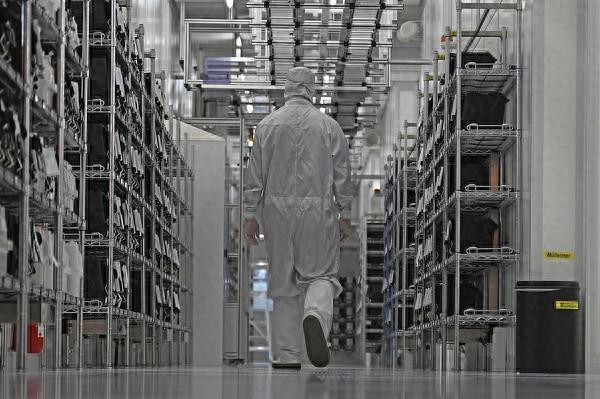
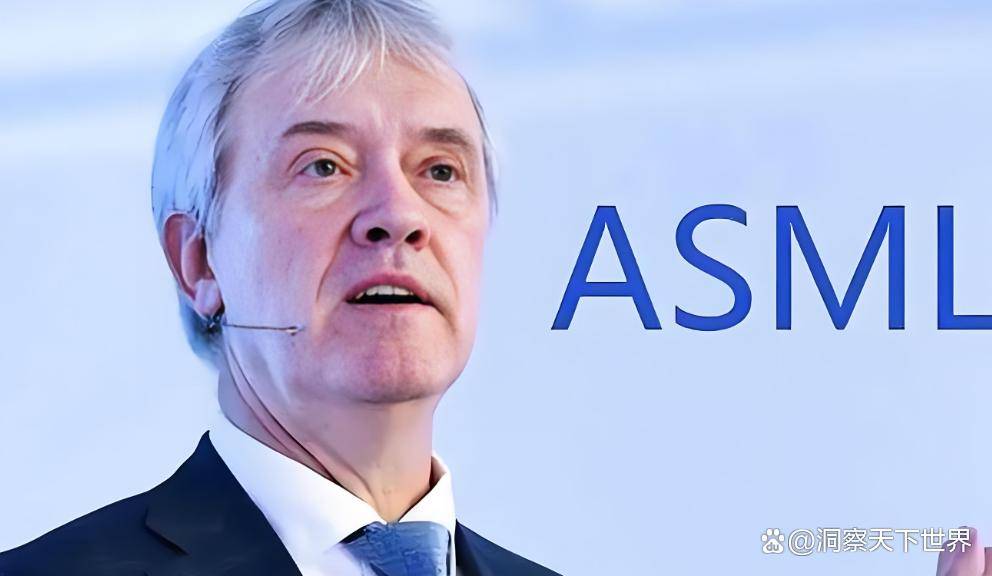
Core Viewpoint - The Chinese Ministry of Commerce has implemented strict export controls on rare earths and related technologies, significantly impacting global supply chains, particularly for ASML, the only company capable of producing advanced EUV lithography machines, which rely heavily on Chinese rare earth materials [1][3][5]. Group 1: New Regulations - The new regulations require any product containing more than 0.1% Chinese rare earth components to obtain approval from China before re-exporting [1][3]. - The regulations encompass the entire industry chain, including mining, smelting, metal refining, and magnet manufacturing, making it difficult for companies to bypass controls through third-party countries [3][5]. Group 2: Impact on ASML - ASML's EUV lithography machines depend on rare earth elements like neodymium, dysprosium, and terbium, with over 10,000 parts in each machine [5]. - The company may face shipment delays of up to 12 weeks due to the new approval requirements for all equipment containing Chinese rare earths [8]. Group 3: Broader Industry Effects - The new regulations have immediate repercussions for the global semiconductor industry, affecting major players like TSMC, Samsung, and Intel, all of which rely on ASML's machines for high-end chip production [7]. - Samsung's attempt to replace neodymium-iron-boron magnets with samarium-cobalt magnets has resulted in a 40% cost increase, while Intel's Arizona factory has only 90 days of rare earth polishing material inventory [9]. Group 4: Geopolitical Context - The export controls reflect an escalation in the tech rivalry between the U.S. and China, mirroring the U.S. "foreign direct product rule" by enforcing technology traceability [11]. - The crisis highlights the vulnerability of the Western semiconductor industry, as the U.S. lacks a complete processing supply chain despite having rare earth resources [11]. Group 5: Market Reactions - The market has reacted sharply, with dysprosium oxide prices soaring by 30% within 48 hours, and the stock prices of Chinese companies like Northern Rare Earth have surged [13]. - Morgan Stanley predicts that if the controls persist, prices for smartphones and PCs could rise by 15% to 20% by 2026 [13]. Group 6: ASML's Strategic Choices - ASML's current predicament is linked to its previous decisions to halt exports to China under U.S. pressure, resulting in a significant revenue drop from the Chinese market, which once accounted for 29% of its income [15]. - The new rare earth regulations not only disrupt ASML's supply chain but also create uncertainty for its global customers, reshaping the dynamics of global tech power [15].

美方宣布对华加征关税等限制措施,商务部回应!
清华金融评论· 2025-10-14 01:46
Group 1 - The core viewpoint of the article emphasizes China's stance on trade relations with the U.S., asserting that China is open to dialogue but will respond firmly to threats and restrictions [2][3] - China has clarified its position regarding the U.S. threats of imposing 100% tariffs and highlighted that its export control measures on rare earths are legitimate actions to safeguard national security [2] - The article mentions that China has communicated its export control measures to the U.S. through bilateral dialogue mechanisms before their implementation [2] Group 2 - The article reiterates that both countries have significant common interests and potential for cooperation, suggesting that mutual benefits can be achieved through respectful and equal negotiations [3] - It criticizes the U.S. for its inconsistent approach of seeking dialogue while simultaneously threatening new restrictions, urging the U.S. to correct its actions and engage sincerely in discussions [3] - The article calls for maintaining the achievements of previous negotiations and emphasizes the importance of managing differences through dialogue to promote a healthy and stable development of Sino-U.S. economic relations [3]

美方宣布对华加征关税等限制措施,中方回应
财联社· 2025-10-14 01:26
Core Viewpoint - The Chinese government emphasizes its commitment to maintaining national security and international stability through its export control measures, particularly regarding rare earth elements, while criticizing the U.S. for its discriminatory practices and threats of tariffs [1][2]. Group 1: U.S.-China Trade Relations - The Chinese stance on the trade war is clear: they are willing to engage in negotiations but will also respond firmly to U.S. actions [2]. - There is a recognition of mutual interests and cooperation potential between the U.S. and China, with past negotiations demonstrating the ability to resolve issues through respectful dialogue [2]. - The Chinese government urges the U.S. to correct its approach, emphasizing the need for sincerity in negotiations and adherence to previous agreements made by the leaders of both countries [2]. Group 2: Export Control Measures - China's export control measures are framed as legitimate actions to enhance its regulatory framework, not as outright bans, with a commitment to approving compliant applications [1]. - The Chinese government has communicated its export control measures to the U.S. through bilateral channels prior to their implementation, indicating a desire for transparency [1]. - The U.S. is criticized for its broad interpretation of national security and for imposing a series of restrictions that harm Chinese interests and disrupt the atmosphere for trade talks [1].