性价比

Search documents
戎美股份(301088):毛利率逆势提升,运营质量稳健
Shenwan Hongyuan Securities· 2025-05-18 02:44
Investment Rating - The report maintains an "Outperform" rating for the company [1] Core Views - The company has shown a resilient improvement in gross margin despite challenging market conditions, indicating robust operational quality [6] - The company reported a revenue of 688 million yuan for 2025, with a slight decline of 0.2% year-on-year, while the net profit is projected to increase by 11.6% to 119 million yuan [5][6] - The company is focusing on optimizing its supply chain and enhancing customer loyalty through high-quality products at competitive prices [6] Financial Data and Profit Forecast - Total revenue for 2024 is expected to be 689 million yuan, with a year-on-year decline of 10.2%, while the net profit is projected to be 107 million yuan, reflecting a growth of 26.0% [5] - For Q1 2025, the company achieved a revenue of 149 million yuan, down 17.2% year-on-year, and a net profit of 20 million yuan, down 22.3% [5][13] - The gross margin for 2024 was 42.4%, which is expected to rise to 45.6% in 2025, indicating improved profitability [5][11] - The company’s operating cash flow has significantly improved, with a net cash flow of 100 million yuan in 2024, up 1416.3% year-on-year [6] Market Position and Strategy - The company has a strong online presence, with its main store accounting for 99.9% of revenue and maintaining a high customer satisfaction rate [6] - The company has reduced promotional expenses, which has led to a decrease in customer traffic but an increase in per-customer spending frequency [6] - The company aims to achieve double-digit growth in performance by leveraging its operational experience and maintaining a focus on high-quality, cost-effective products [6]
河南,为什么盛产“中式霸总”?
凤凰网财经· 2025-05-17 13:34
Core Viewpoint - The article discusses the rise of "Henan bosses," particularly focusing on the management styles of two prominent figures, Cui Peijun and Yu Donglai, who emphasize generosity and employee welfare as key components of their business strategies [3][5][9]. Group 1: Management Styles - Cui Peijun, chairman of Henan Mining Crane Company, is known for his unconventional approach of distributing cash rewards to employees during company events, exemplifying a hands-on and generous management style [3][15]. - Yu Donglai, the owner of Pang Donglai, promotes a philosophy of sharing profits with employees, suggesting that over 50% of profits should be distributed monthly to enhance employee motivation [5][22]. - Both bosses prioritize tangible rewards over abstract promises, focusing on immediate benefits for employees rather than future stock options or vague incentives [11][12][14]. Group 2: Employee Welfare - Employees at Pang Donglai enjoy extensive benefits, including 150 to 180 days of leave per year, with specific days allocated for emotional well-being [20]. - The average salaries at Pang Donglai are significantly higher than industry standards, reflecting the company's commitment to employee welfare [21]. - Cui Peijun also engages in various acts of kindness, such as providing free travel for employees' parents and spontaneous cash bonuses [19][16]. Group 3: Business Philosophy - The article highlights a shift in consumer preferences towards value and practicality, aligning with the straightforward business philosophies of Henan entrepreneurs [45][47]. - Henan's businesses, such as Mixue Ice City and White Elephant Instant Noodles, thrive on a model that emphasizes cost-effectiveness and direct engagement with consumers [29][50]. - The cautious and practical approach of Henan bosses, who often avoid high-risk capital ventures, has allowed them to maintain stable cash flows and build resilient businesses [34][68]. Group 4: Market Position - The emergence of Henan-based companies in the market is attributed to their ability to adapt to changing consumer demands for affordability and quality [44][46]. - The article notes that despite lacking the scale of coastal economic regions, Henan's robust food supply chain supports its businesses in maintaining competitive pricing [48][52]. - The success of these companies in the current market environment suggests a potential shift in the business landscape, favoring those with solid fundamentals over those relying on speculative growth [69].


年轻人涌向拼多多买爆「卡片机」
投资界· 2025-05-17 07:53
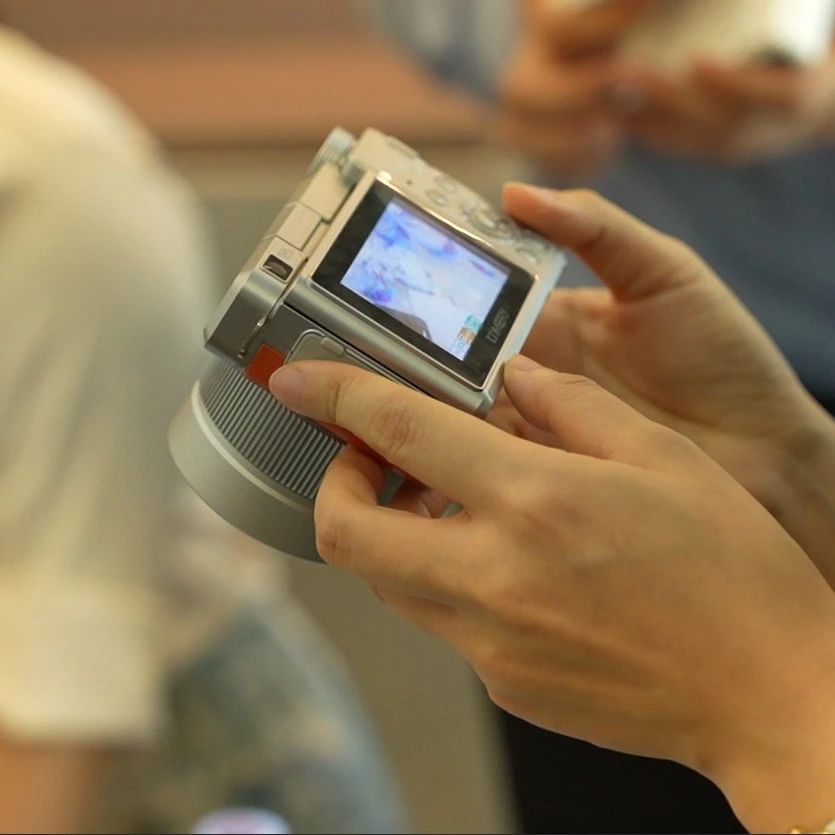
Core Viewpoint - The resurgence of the camera market is driven by the strong demand from young people for recording and sharing their lives, leading to significant growth opportunities for domestic camera brands, particularly on platforms like Pinduoduo [1][3]. Group 1: Market Dynamics - Young consumers are increasingly favoring affordable digital cameras, especially among students, as they seek to capture moments without the need for expensive professional cameras [1][3]. - Shenzhen camera merchants are leveraging the local supply chain and Pinduoduo's supportive environment to establish their own brands, achieving annual sales in the tens of millions [1][9]. - The rise of vlogging has reignited interest in portable digital cameras, with products that offer a nostalgic feel becoming popular among younger audiences [3][4]. Group 2: Brand Development - KOMERY, a Shenzhen brand, successfully launched its first popular product, the C6, in 2019, focusing on affordability and user-friendly features, leading to significant sales growth [6][7]. - The brand's sales surged during the pandemic, with a 300% quarter-over-quarter increase in Q2 2020, and it achieved monthly sales exceeding 5 million yuan [7][18]. - YZZCAM, another emerging brand, targets school-aged consumers with competitively priced cameras, achieving rapid sales growth and a monthly sales volume of several thousand units [10][13]. Group 3: Innovation and Strategy - Both KOMERY and YZZCAM emphasize the importance of understanding consumer pain points and adapting products accordingly, utilizing data from customer feedback to drive innovation [9][20]. - KOMERY's introduction of the W10 model, featuring advanced specifications at a competitive price, exemplifies the brand's strategy to challenge international competitors [18][19]. - Pinduoduo's initiatives, such as the "Billion Subsidy" program, have significantly reduced operational costs for these brands, allowing them to invest more in product development and marketing [20][21]. Group 4: Future Outlook - The brands aim to expand their market presence by leveraging successful models on Pinduoduo for international markets, focusing on the unique advantages of the Chinese supply chain [21]. - There is a strong belief among these companies that incremental improvements in their offerings can set them apart in a crowded market [21].

中国智能家电在日本提升影响力
日经中文网· 2025-05-16 05:11
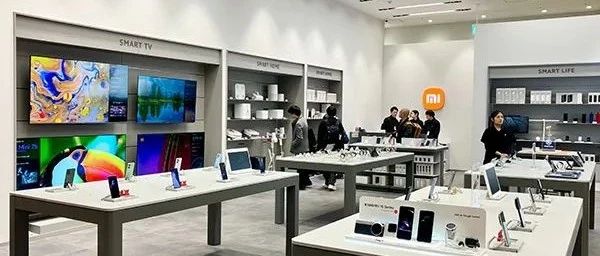
Core Viewpoint - Chinese home appliance companies are increasing their presence in Japan's smart home appliance market, focusing on smart features to attract Japanese consumers, despite the current low ownership rate of smart appliances at approximately 10% [1][8]. Group 1: Xiaomi's Strategy - Xiaomi has opened its first physical stores in Japan, selling not only smartphones but also smart home appliances, with over 160 products on display [1][3]. - The company aims to replicate its successful model from China, where home appliances account for 50% of sales in its stores [3]. Group 2: Other Chinese Companies' Initiatives - Haier launched its first IoT air conditioner in Japan on March 1, 2023, and plans to strengthen its smart appliance offerings targeting family-sized products [6]. - Hisense is also entering the Japanese market with products like a washing and drying machine and large refrigerators, focusing on enhancing its brand recognition through TV sales [6][7]. Group 3: Market Dynamics - Chinese companies have captured over 50% of the flat-panel TV market in Japan, with local brands like Sony and Panasonic holding less than 10% market share [7]. - OPPO has introduced a low-cost LCD TV without a built-in tuner, targeting consumers interested in streaming services like Netflix [7]. Group 4: Challenges and Consumer Perception - Despite the push for smart appliances, the penetration of such products remains low in Japan, indicating a need for better consumer education on the benefits of smart home technology [8]. - Chinese brands are leveraging price competitiveness to attract younger consumers in Japan, but they must also effectively communicate the advantages of smart appliances to increase brand recognition among family consumers [8].

寿司郎北京两新店线上多日预约客满,回转寿司靠性价比走热
Cai Jing Wang· 2025-05-15 02:56
Core Insights - Sushi Lang has rapidly expanded its presence in Beijing, opening 7 stores within a year and planning to add 2 more by June 2023, indicating strong demand with online reservations becoming scarce [1][2] - The brand's parent company, FOOD & LIFE Companies, reported a 15.8% year-on-year revenue increase to 203.81 billion yen, with overseas sales, particularly from China, contributing significantly to this growth [2] - The sushi market in China is thriving, with over 23,000 sushi restaurants as of March 2025, and sushi restaurants accounting for 42.4% of the Japanese cuisine segment [3] Company Expansion - Sushi Lang entered the Beijing market in August 2022 and has since opened multiple locations, with a focus on shopping centers [2] - The brand's rapid growth in Beijing is complemented by its existing presence in other regions, including 11 stores in total across Beijing and Tianjin [2] Market Trends - The sushi segment in China is characterized by high standardization and replicability, leading to a variety of restaurant formats, including conveyor belt sushi and takeout options [3] - The popularity of conveyor belt sushi is rising, with significant engagement on social media platforms, indicating a growing consumer interest [3] Competitive Landscape - Sushi Lang competes on price, with average consumer spending around 117 yuan, while other brands like Zhanxian Sushi and Binh Sushi have lower average spending [4] - The brand continues to offer promotional pricing on select items, maintaining its value proposition in the competitive market [4]
高端车也守不住了,三元锂究竟要败退到什么地步?
3 6 Ke· 2025-05-12 11:20
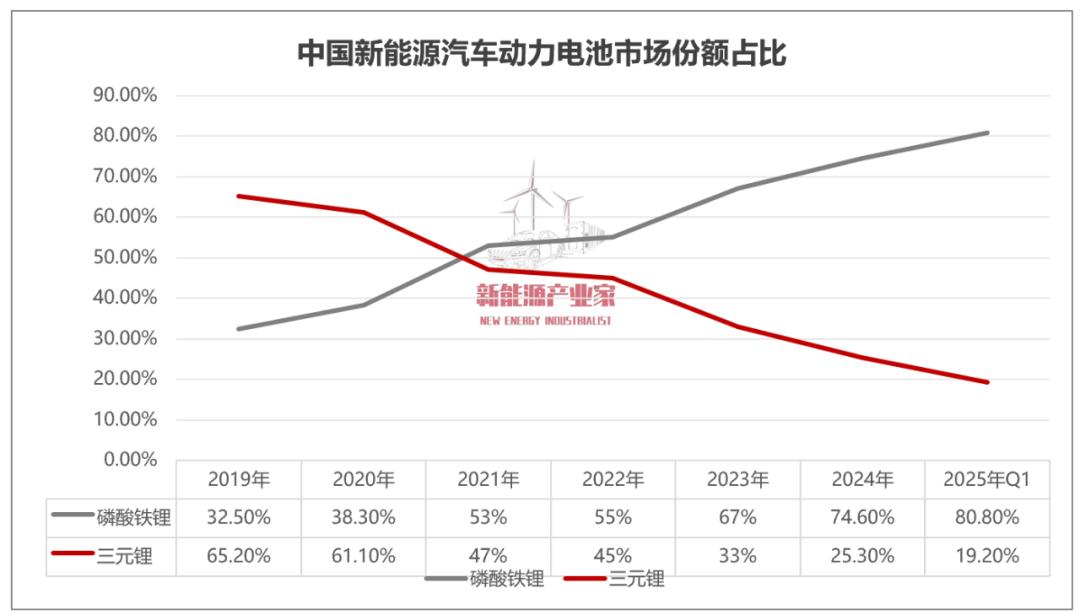
Core Viewpoint - The dominance of ternary lithium batteries is rapidly declining, with market share dropping from 65% in 2019 to below 20% by Q1 2025, as lithium iron phosphate (LFP) batteries gain traction in both hybrid and high-end markets [1][7]. Group 1: Market Dynamics - Ternary lithium batteries, once considered essential for high-end electric vehicles, are losing ground to LFP batteries, which are now being adopted even in hybrid and extended-range vehicles [4][7]. - The shift in consumer preference is evident, with manufacturers like BYD and CATL successfully integrating LFP batteries into high-performance models, achieving significant ranges and charging speeds [8][10]. - In the global market, LFP batteries have surpassed ternary lithium batteries for the first time, accounting for 49.9% of installations compared to 49.5% for ternary lithium in early 2025 [11][12]. Group 2: Technological Advancements - LFP batteries have undergone rapid technological advancements, addressing previous limitations such as low temperature performance and charging efficiency [17][18]. - Innovations like the "fast ion ring" technology and high-density materials have significantly improved the performance of LFP batteries, enabling faster charging and better energy density [20][24]. - The introduction of new battery technologies, such as CATL's Shenxing PLUS and BYD's blade battery, has further enhanced the appeal of LFP batteries, making them competitive with ternary lithium options [22][28]. Group 3: Competitive Landscape - The competitive landscape is shifting, with major automakers like Porsche and Audi transitioning to LFP batteries due to consumer demand for faster charging and better performance [30][31]. - The cost advantage of LFP batteries allows manufacturers to increase profit margins, challenging the notion that high-end vehicles must use ternary lithium batteries [28][29]. - The rapid innovation cycle of LFP technology positions it as the "fast fish" in the market, while ternary lithium is seen as the "slow fish" due to slower advancements [31][32]. Group 4: Industry Implications - The ongoing technological breakthroughs in LFP batteries are reshaping the competitive dynamics in the electric vehicle market, emphasizing the importance of innovation over traditional market positioning [33][34]. - As the industry evolves, the focus will shift from merely producing cheaper batteries to developing smarter, more efficient battery technologies that can sustain growth in the global market [34].


仅1272元!IP68防水+6200mAh,雷军也太猛了
Sou Hu Cai Jing· 2025-05-12 04:55
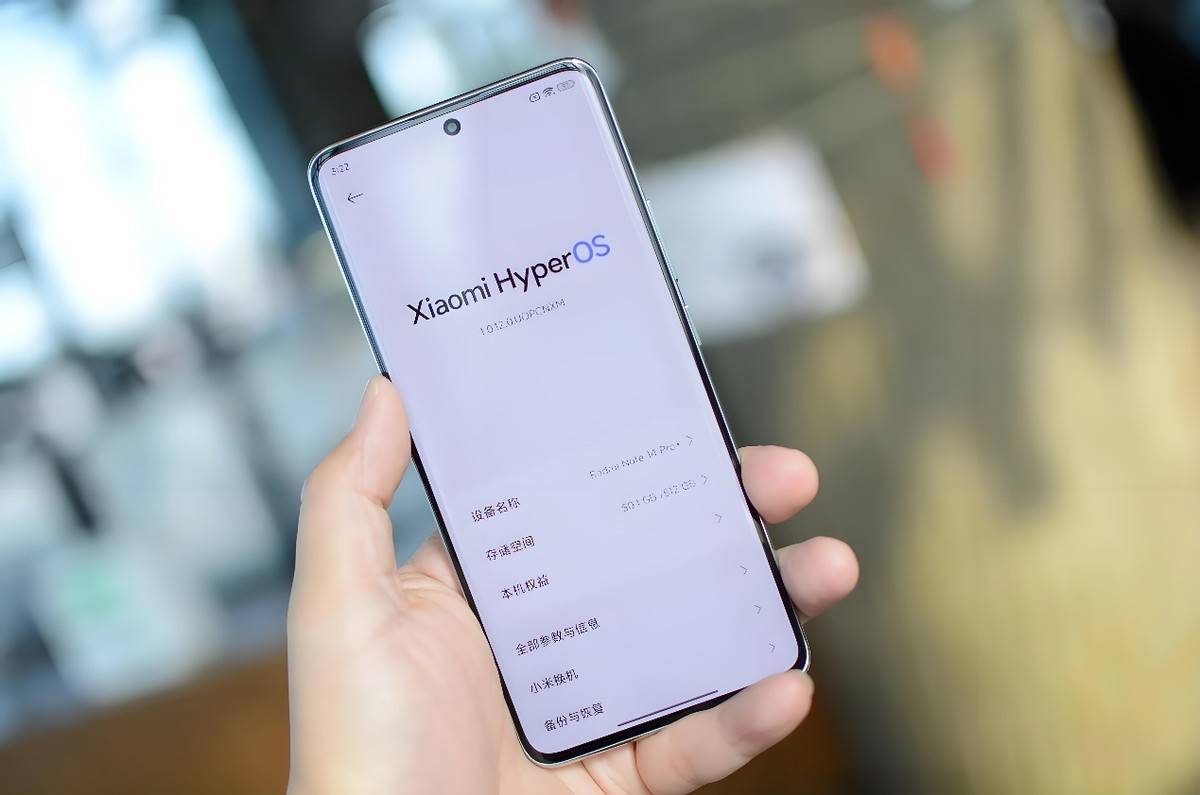
Core Viewpoint - The Redmi Note 14 Pro+ represents a significant evolution in the mid-range smartphone market, combining high-end features with an affordable price point, making it a standout choice among competitors in the same price range [1]. Design and Build Quality - The Redmi Note 14 Pro+ features an impressive design with the "Star Sand Blue" color, earning the title of the "most beautiful" in the Note series [3]. - It has a dual-curved OLED screen with a smooth grip and durability, having passed a drop test from 1.8 meters [3]. - The device is certified with IP66/IP68/IP69 for water resistance, allowing it to withstand submersion in water for extended periods [5]. Performance - The smartphone is powered by the third-generation Snapdragon 7s processor, providing stable and energy-efficient performance, with AnTuTu scores around 790,000 [6]. - It can run games like "Honor of Kings" at 120 frames per second, maintaining a stable frame rate during gameplay [6]. - The device features a practical cooling system that keeps temperatures under control during extended gaming sessions [8]. Display and Battery Life - The 6.67-inch 1.5K OLED curved display boasts a peak brightness of 3000 nits, making it the brightest screen in Redmi's history [9]. - The device is equipped with a 6200mAh silicon-carbon battery, offering an impressive 18 hours of continuous video playback [11]. - It supports 90W fast charging, allowing the battery to be fully charged in just 50 minutes [11]. Camera System - The main camera utilizes a large 1/1.55-inch sensor with optical image stabilization, delivering clear images in daylight [12]. - It includes a 2.5X telephoto lens for natural portrait and distant shots, although low-light performance may be less impressive [14]. Conclusion - The Redmi Note 14 Pro+ is positioned as a versatile mid-range device with a competitive price of approximately 1272 yuan, appealing to budget-conscious consumers seeking durability, battery life, and decent camera performance [16]. - It is particularly suitable for students, parents needing a durable phone, and professionals looking for a reliable backup device [16].
全网都在吹的2元面包,开始出现倒闭潮
36氪· 2025-05-10 11:59
Core Viewpoint - The article discusses the rapid expansion and challenges of the 2 yuan bread market in China, highlighting both the consumer demand for low-cost baked goods and the pitfalls faced by entrepreneurs in this sector [3][21]. Group 1: Market Trends - The baking market is experiencing significant growth, with the 2 yuan bread concept expanding from lower-tier cities to first-tier cities like Guangzhou [6][7]. - New variations of 2 yuan bread are emerging, including combo meals and health-focused options, indicating a diversification of product offerings [10][11]. - The 2 yuan pineapple bun has become a flagship product for many stores, with brands like "Shanhai Ji" claiming to sell over 10 million units annually [13][15]. Group 2: Cost Management - The cost optimization strategies employed by 2 yuan bread shops include using lower protein flour and reducing filling content, leading to a 42% decrease in raw material costs for pineapple buns [15][16]. - New store models, such as self-service and automated operations, are being adopted to further reduce costs and enhance customer experience [19][20]. Group 3: Entrepreneurial Challenges - Despite the initial success stories, many 2 yuan bread franchises are facing closure, with reports of high failure rates among new stores [21][24]. - Common issues leading to store closures include slow product innovation, high product homogeneity, and inconsistent quality, which have resulted in low customer retention [25][28]. - The narrative around 2 yuan bread often focuses on the entrepreneurial opportunities it presents, but many franchises are more about selling courses and franchises rather than sustainable business models [24][28]. Group 4: Competitive Landscape - The trend towards cost-effective baking is not limited to 2 yuan bread, as other brands are also launching low-cost products and community store models to capture market share [30][32]. - The success of established brands like Mixue Ice City and Sally's demonstrates that a robust supply chain and brand ecosystem are crucial for maintaining price advantages, which many 2 yuan bread shops lack [32].

雷军果断“发飙”,16GB+512GB跌至4087元,Ultra也亲民了
Sou Hu Cai Jing· 2025-05-10 05:24
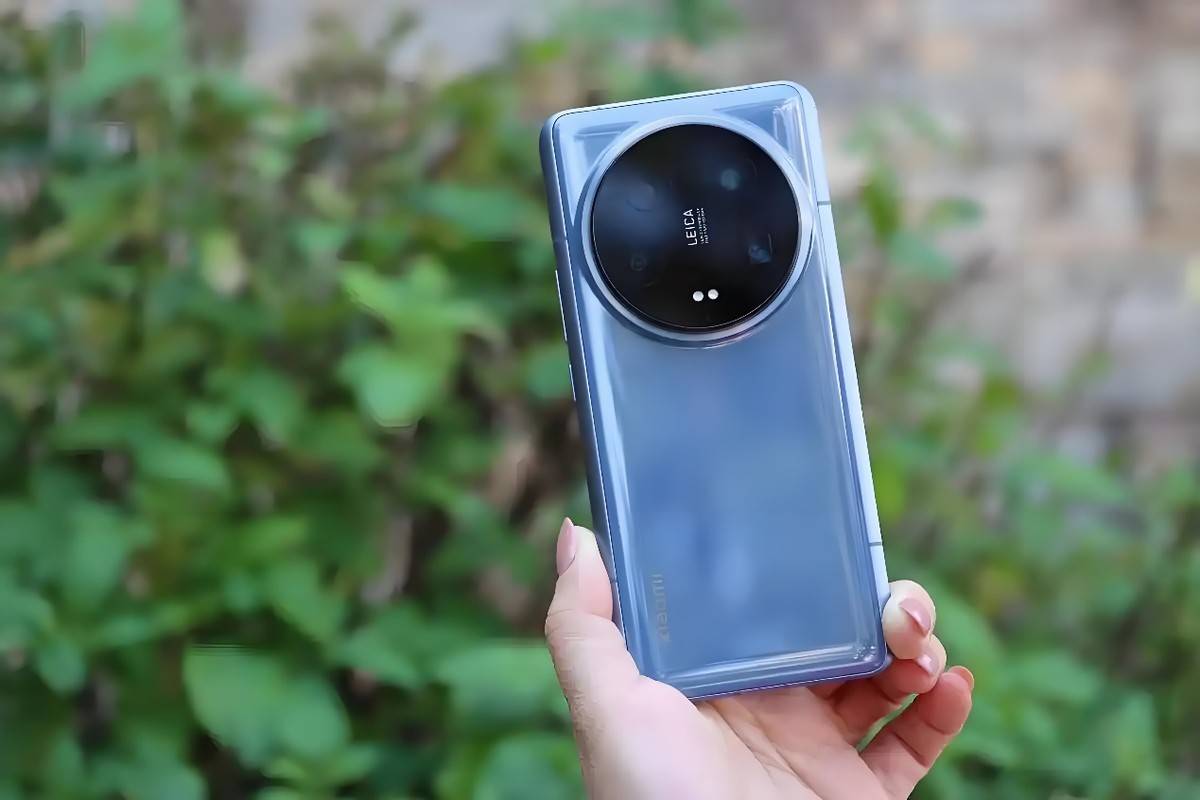
Core Viewpoint - Xiaomi has transitioned from a budget-friendly brand to a high-end player in the smartphone market, exemplified by the launch of the Xiaomi 14 Ultra, which offers flagship features at a competitive price point [1]. Group 1: Product Features - The Xiaomi 14 Ultra features a 6.73-inch 2K full-depth micro-curved display, supporting 687 billion colors and a pixel density of 522 ppi, with a refresh rate of 1-120Hz LTPO for smooth performance [3]. - The camera system includes a Leica quad-camera setup with a 1-inch LYT-900 sensor and a variable aperture lens, capable of capturing high-quality images in various conditions [5]. - The long-focus system consists of a 75mm floating telephoto and a 120mm macro lens, enhancing versatility in photography [7]. - The device is powered by a 5300mAh battery with 90W wired and 80W wireless fast charging capabilities, maintaining 80% capacity after 1600 charge cycles [9]. - It is equipped with the Qualcomm Snapdragon 8 Gen3 processor and Xiaomi's self-developed Surge OS, featuring an advanced cooling system for improved gaming performance [11]. - The phone has an IP68 rating for water and dust resistance and supports two-way satellite communication for emergency situations [13]. Group 2: Pricing and Market Position - The Xiaomi 14 Ultra is priced at 4087 yuan for the 16GB+512GB version after subsidies, making it cheaper than the original launch price of the Xiaomi 14, positioning it competitively against mid-range devices [15].
从华为争议看消费时代的品牌价值迷思,认知分层与舆论博弈
Sou Hu Cai Jing· 2025-05-09 09:19
Group 1 - The article raises a question about the persistent negative sentiment towards Huawei, suggesting that this phenomenon is common for controversial brands across different eras [1][3] - It discusses the varying perceptions of Huawei as a brand, attributing these differences to cognitive biases and economic backgrounds of consumers [5][7] - The article emphasizes that the concept of value for money is subjective and should not solely be based on price, but rather on stability and user experience [7][9] Group 2 - Huawei's pricing strategy is defended as a response to external pressures, particularly from U.S. sanctions, which the article likens to bullying, indicating that Huawei's innovation is a necessary counteraction [9] - The article posits that Huawei's competitive positioning is against major brands like Samsung, Apple, and Sony, highlighting its unique value in the market [9] - It concludes that every brand has its own value, and the absence of innovation from Huawei would leave a significant gap in the domestic smartphone market [9]