数字化

Search documents
航空工业规划总院参与设计的东航物流全球首个智慧货站正式启用
Ke Ji Ri Bao· 2025-12-26 12:42
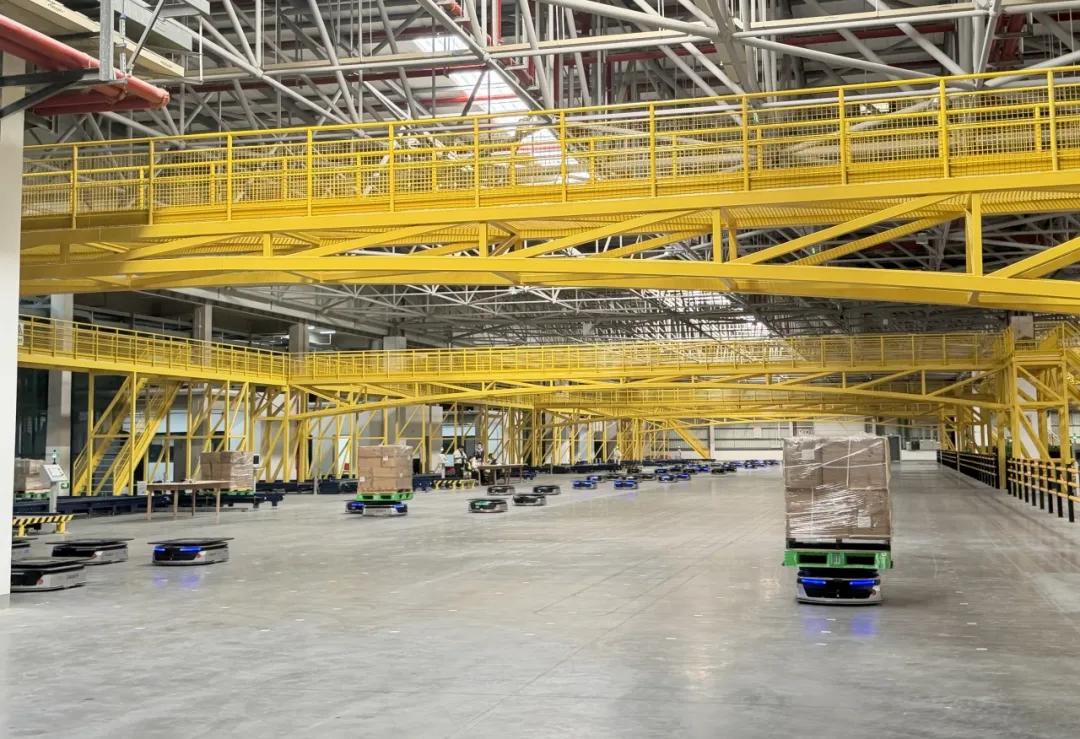
Core Insights - The Eastern Airlines Logistics' smart cargo station in the Pudong West area has successfully commenced operations, marking the first global smart cargo station project for the company [1][3]. Group 1: Project Overview - The smart cargo station covers an area of nearly 36,000 square meters and is built on the core concepts of "intelligence, digitization, and automation" [3]. - The project integrates cutting-edge logistics technologies, filling industry-related technical gaps and establishing an intelligent operational system that covers the entire cargo transport process [3]. Group 2: Technological Innovations - The station employs RFID technology for real-time binding and coding of cargo and pallet information, promoting a paperless transformation throughout the acceptance process [4]. - An AI-assisted image recognition system is utilized during security checks, significantly enhancing the efficiency and accuracy of identifying prohibited items [4]. - The use of lightweight AGV (Automated Guided Vehicle) systems for cargo handling allows for high-precision, all-weather positioning and unmanned transport throughout the entire process [4]. - The introduction of the first domestic Lift&Run shuttle storage system enables rapid and precise retrieval of goods in a 24-meter high storage area, resulting in a multiple-fold increase in operational efficiency [4]. Group 3: Operational Efficiency - The implementation of the smart cargo station is projected to reduce human intervention in the cargo movement process by nearly 50%, significantly decreasing the points of intersection between personnel and vehicles, thereby enhancing safety and operational efficiency [4].


2025年第51周:美妆行业周度市场观察
艾瑞咨询· 2025-12-26 00:05
Group 1: Industry Environment - The international college market has become a battleground for fashion and beauty brands, with Generation Z's annual beauty spending reaching $5 billion, and skincare usage starting as early as ages 11-13, showing a trend of gender convergence in consumption [3] - Brands are leveraging campus ambassadors, pop-up events, social media, and influencer collaborations to penetrate the college market, while health brands utilize clubs and TikTok to reach their target audience [3] - The strong purchasing power and loyalty of Generation Z make campus settings strategic for brands, necessitating innovative activities to capture attention [3] Group 2: Market Dynamics - Traditional chain pharmacies are accelerating their transformation by expanding into beauty and personal care categories to address industry challenges, with YST planning to add beauty and maternal products in 70% of its stores (nearly 8,000 locations) [5] - The beauty segment now accounts for nearly 60% of the health category in these pharmacies, as other chains like Shuyupingmin and Yifeng also enter the beauty market to cope with tightening medical insurance policies and declining foot traffic [5] - Cosmetic brands such as Winona and Kefu Mei are actively entering pharmacy channels to enhance brand value through professional credibility, although expanding OTC channels requires significant investment and faces challenges in product selection and private domain operations [5] Group 3: Major Brand Developments - Major beauty brands like L'Oréal and Estée Lauder have signed global ambassadors, enhancing their brand influence, while LVMH invests in the French niche fragrance brand BDK to support its international expansion [6] - The clean beauty sector is experiencing differentiation, with Korean brand Aromatica's stock surging while L'Oréal shuts down related brands [6] - Japanese high-end brand SUQQU is entering the Chinese market, targeting the premium segment [6] Group 4: Technological Innovations - Estée Lauder Group has launched a global innovation center for fragrance in Paris, integrating R&D and creative teams, utilizing AI to monitor trends, optimize formulas, and accelerate approval processes while respecting brand uniqueness [7] - AI assists perfumers in innovation by analyzing data and emotional preferences, with the launch of an AI fragrance consultant tool by Jo Malone in December, providing personalized fragrance recommendations [7] Group 5: Company Performance - Huaxi Biological has faced declining performance due to the diminishing market dividends of hyaluronic acid, with a 18.36% year-on-year revenue drop and a 30.29% decline in net profit for the first three quarters of 2024, resulting in a market value loss of 100 billion [8] - The company has adjusted welfare policies, reduced employee benefits, and cut staff, particularly in sales, while its skincare business has seen significant revenue declines and multiple sub-brands have been eliminated [8] - Increased competition and product homogenization in the hyaluronic acid market have pressured profits, prompting Huaxi Biological to explore new sectors like weight loss and invest in small nucleic acid drugs, although it faces fierce industry competition and consumer skepticism regarding ingredients [8] Group 6: Digital Transformation - Digitalization is increasingly important in retail for product management, marketing, and user experience, especially in a saturated market, necessitating innovative digital transformations to enhance efficiency [9] - Huamei's collaboration with Hanshu Technology has been recognized as an excellent digital innovation case, reshaping the beauty store shopping experience through a "warehouse-style display + artistic aesthetics" model [9] - The use of electronic price tags supports real-time information updates and enhances marketing conversion, demonstrating how digitalization can seamlessly integrate into brand identity and improve customer experience [9]

新闻1+1丨新版鼓励外商投资目录,吸引力在哪?
Yang Shi Wang· 2025-12-25 22:08
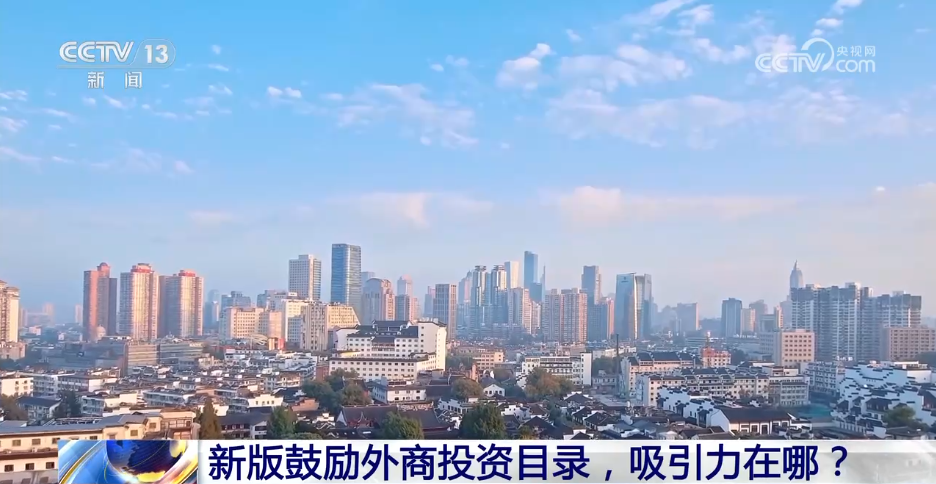
Core Insights - The newly released "Encouragement Directory for Foreign Investment Industries (2025 Edition)" includes a total of 1,679 entries, reflecting a net increase of 205 entries and 303 modifications compared to the 2022 version [1] Group 1: Changes in the Encouragement Directory - The new directory emphasizes guiding foreign investment towards advanced manufacturing and modern service industries, as well as focusing on the central and western regions, Northeast China, and Hainan Province [4] - The changes reflect a shift in focus from the quantity of foreign investment to the quality and structure, aiming to attract capital into key industries and regions that are crucial for national economic development [4][14] Group 2: Key Areas for Investment - The directory highlights sectors such as pharmaceuticals, medical devices, and instrumentation, which are currently underdeveloped in China but have significant market demand [7] - In modern service industries, there is a pressing need for investment in productive services that support enterprises, particularly in areas like high-end shipping services and virtual power plant operations [10][11] Group 3: Rationale for Frequent Revisions - The frequent updates to the encouragement directory are necessary due to changing global investment dynamics, particularly in light of the COVID-19 pandemic and rising competition for foreign capital [14] - The revisions aim to create a more favorable environment for foreign enterprises to enter and operate in the Chinese market, aligning with the country's industrial and economic development needs [14] Group 4: External Factors Affecting Foreign Investment - The external environment for foreign investment has become more challenging due to trade protectionism and geopolitical tensions, which have negatively impacted the expansion of foreign capital utilization [17] - Despite these challenges, China's complete manufacturing supply chain and growing service sector demand continue to attract foreign investment [17][18] Group 5: Effectiveness of National Policies - The Chinese government has implemented various policies to stabilize and attract foreign investment, which have shown significant effectiveness despite a global decline in foreign capital flow [21] - The focus of foreign investment is shifting towards quality rather than quantity, with many high-end projects in advanced manufacturing and modern services being established in China [21]
数字化成效持续显现 圆通速递市占率稳居行业前列
Mei Ri Jing Ji Xin Wen· 2025-12-25 14:45
Core Insights - YTO Express has established a dual-track strategy focusing on "domestic steady growth" and "overseas breakthroughs," enhancing its competitive advantage in the express delivery industry [1] Group 1: Domestic Market Performance - YTO Express has achieved a market share in express delivery that surpasses Yunda, becoming the second-largest player in the industry, with continued growth in parcel volume expected through 2024 and the first three quarters of 2025 [2] - The company has invested in digitalization and smart logistics, enhancing its operational efficiency and service quality [2][4] Group 2: International Expansion - YTO Express is expanding its international express and freight services, focusing on high-quality routes such as Japan-China and Australia-China, with an expected overall business volume increase of over 80% in these premium routes by 2024 [2] - The company is also developing its international supply chain services across various industries, including apparel, automotive, and electronics, aiming to create an integrated logistics service capability [2] Group 3: Capital Expenditure and Efficiency - YTO Express plans to invest over 6.7 billion yuan in 2024, leading the "Tongda" express companies in capital expenditure, which will support capacity optimization and operational efficiency [3] - The company has successfully reduced its single ticket transportation cost to 0.42 yuan in 2024 and 0.37 yuan in the first half of 2025, reflecting a focus on cost optimization [3] Group 4: Technological Advancements - YTO Express is exploring advanced technologies such as unmanned vehicles and smart delivery cabinets to enhance delivery efficiency and reduce last-mile delivery costs [4] - The company has improved its service quality and customer experience through differentiated products and marketing innovations, leading to increased brand value and premium pricing [4]

女掌门,撑起中国餐饮半壁江山?
3 6 Ke· 2025-12-25 12:11
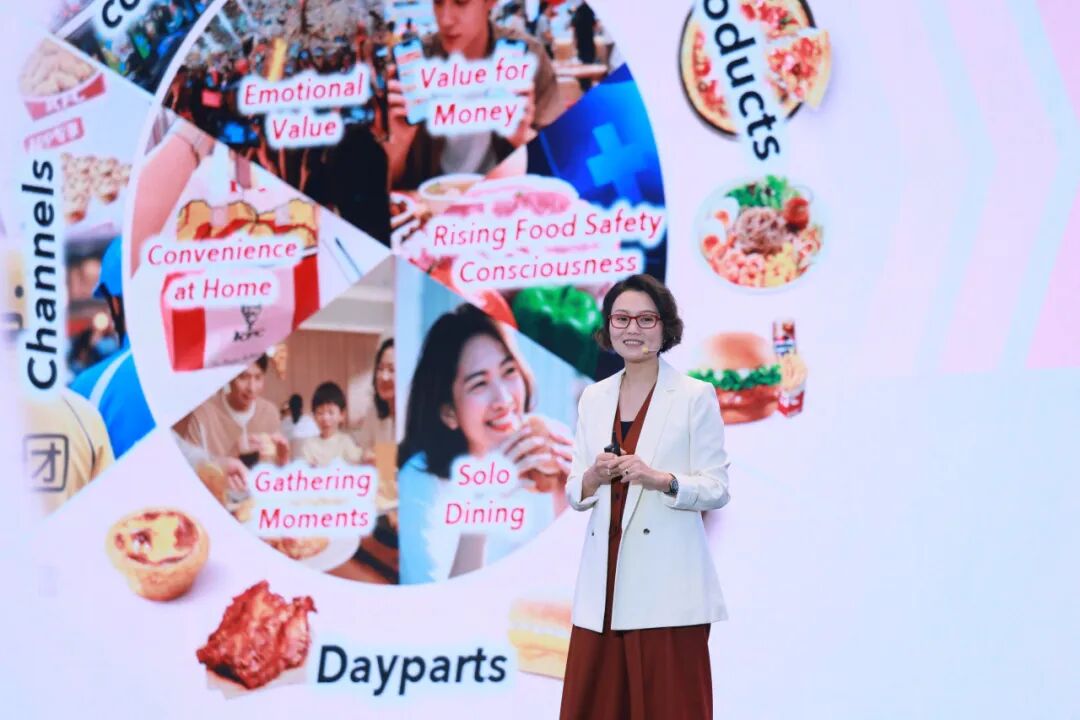
Core Insights - The article highlights the significant role of female leaders in the Chinese restaurant industry, showcasing their ability to navigate challenges and drive growth in major brands like KFC, Haidilao, Starbucks, and McDonald's [1][2][3] Group 1: Female Leadership in Crisis - The concept of "glass cliff" suggests that women are often appointed to leadership roles during crises, as seen with KFC's CEO, Su Cuirong, who took charge during a challenging period for the brand [3][4] - Su Cuirong implemented strategies to rejuvenate KFC, including brand modernization and the introduction of new products, which led to a significant revenue increase, with KFC China generating nearly $5 billion in revenue in 2015 [5][8] - Haidilao's former CEO, Yang Lijuan, also faced challenges during the pandemic, successfully turning the company around to achieve a net profit of 4.5 billion yuan in 2023, a 227.33% increase year-on-year [8][10] Group 2: Strategic Expansion and Digital Transformation - Starbucks China saw transformative growth under former CEO Wang Jingying, who accelerated store openings from 400 in over a decade to 204 in one year, establishing Starbucks as a leading coffee brand in China [10][11] - Current CEO Liu Wenjuan has continued this trend by implementing price reductions and expanding into lower-tier cities, resulting in positive same-store sales growth [14][19] - KFC's digital transformation under Su Cuirong has been pivotal, with digital orders contributing approximately 95% of restaurant revenue by 2025, showcasing the importance of digital strategy in the modern market [20][22] Group 3: Localization and Consumer Insights - KFC's approach to localization includes adapting its menu to Chinese tastes, offering items like dumplings and chicken rice, which resonate with local consumers [23][24] - McDonald's CEO Zhang Jiayin emphasizes the importance of understanding local markets, leading to product innovations that cater to regional preferences, such as spicy chicken wings and collaborations with popular franchises [27][28] - The article underscores the unique insights female leaders bring to the industry, enhancing customer experience and operational efficiency through empathy and attention to detail [34][35]




聚焦“三化”转型,上海如何推动国际航运中心能级跃升?
Di Yi Cai Jing· 2025-12-25 09:27
Core Viewpoint - Shanghai International Shipping Center is at a critical juncture, transitioning from basic establishment to comprehensive completion, maintaining its position as the world's third-largest shipping center for five consecutive years, which underscores its strength as a global shipping hub and ensures the safety and stability of global supply chains [1][2] Group 1: Shipping Capacity and Performance - In 2024, Shanghai Port's container throughput is projected to reach 51.506 million TEUs, ranking first in the world for 15 consecutive years and becoming the first global port to exceed 50 million TEUs annually [1] - Shanghai's airport is also enhancing its hub capabilities, with air cargo and passenger throughput expected to reach 4.206 million tons and 125 million people, respectively, in 2024, representing year-on-year growth of 11% and 29%, ranking second and third globally [1] Group 2: Digital and Technological Transformation - The Shanghai International Shipping Center is undergoing a transformation towards digitalization, intelligence, and greening, driven by the integration of new technologies such as 5G, IoT, cloud computing, big data, AI, and blockchain [2][3] - A digital infrastructure for shipping trade is taking shape, with the launch of the International Container Transport Service Platform (MaaS), enabling one-stop queries for container transport status [3] Group 3: Green and Sustainable Development - Shanghai is accelerating its transition to a diversified new energy development track, with a significant increase in LNG refueling for international vessels, achieving 102 refuels and a total of 603,000 cubic meters, a 65% year-on-year increase [3] - The city aims to achieve a power-based energy structure for airports and ports by 2030, with carbon emissions reaching peak levels, and to establish a digital twin system for the international shipping hub [4] Group 4: Future Goals and Strategies - Shanghai plans to enhance water-to-water transshipment and sea-rail intermodal transport, promote the construction and use of shore power facilities, and advance the low-carbon transformation of shipping equipment [4][5] - The city is focused on building a smart travel system at airports and integrating new technologies like blockchain and digital twins into shipping operations [5]
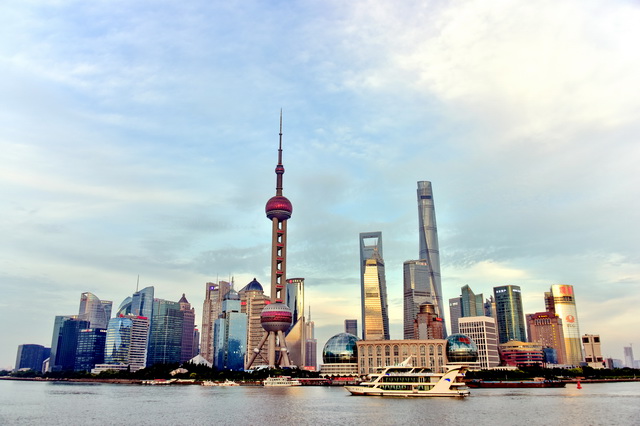
世界贸易组织报告指出:全球价值链经历再全球化重塑
Jing Ji Ri Bao· 2025-12-25 02:19
Core Insights - The World Trade Organization's report indicates a transformation in global value chains towards "re-globalization," driven by technological advancements, green transitions, and geopolitical changes [1][2] Group 1: Trade Structure and Dynamics - "De-globalization" is not occurring; instead, "re-globalization" is forming, with global value chain trade still accounting for approximately 46% of global trade, down from a peak of 48% in 2022 but still at a high level [2] - Future trade volumes are not expected to decline systematically, but trade structures, routes, and rules will continue to evolve, leading to a growth model characterized by restructuring rather than rapid expansion [2] - The importance of services and digital trade is expected to rise significantly, with digitalization reshaping value creation methods and increasing the share of services in global value chains [2] Group 2: Policy and Governance Influences - Trade is increasingly driven by policy rather than solely by costs, with industrial policies, green regulations, and security reviews deeply influencing trade flows [2] - The report highlights over 180 "targeted trade agreements" focused on digital trade, critical minerals, and green sectors, indicating a shift from comprehensive agreements to problem-oriented cooperation in trade governance [2] Group 3: Environmental and Technological Shifts - Carbon emissions responsibilities are now integrated into value chain decisions, with green policies directly affecting corporate site selection, trade structures, and intermediate goods division [3] - The green industry is undergoing restructuring, with value chains moving towards "green, circular, and traceable" models, emphasizing recycling, reuse, and local processing [3] - Digital technology is lowering the barriers for participation in global value chains, enabling small and medium-sized enterprises to integrate more deeply into multinational value chains [3]
全球价值链经历再全球化重塑
Sou Hu Cai Jing· 2025-12-24 22:46
Core Insights - The World Trade Organization's report indicates a transformation in global value chains towards "re-globalization," driven by technological advancements, green transitions, and geopolitical changes [1][2] Group 1: Trade Structure and Dynamics - Global value chain trade remains significant, accounting for approximately 46% of global trade, despite a decrease from the 48% peak in 2022 [2] - Future trade growth is expected to be characterized by structural adjustments, technological upgrades, and deepened regional cooperation rather than rapid expansion [2] - The importance of services and digital trade is rising, with digitalization reshaping value creation and increasing the share of digitally deliverable services in global value chains [2] Group 2: Policy and Governance Influences - Trade is increasingly influenced by policy rather than solely cost factors, with industrial policies, green regulations, and security reviews significantly affecting trade flows [2] - The report highlights over 180 "targeted trade agreements" focusing on digital trade, critical minerals, and green sectors, indicating a shift from comprehensive agreements to issue-oriented cooperation [2] Group 3: Environmental and Technological Shifts - Carbon emissions responsibilities are now integrated into value chain decisions, with green policies directly impacting corporate site selection and trade structures [3] - The green industry is undergoing restructuring, with a focus on electric vehicles and critical minerals, leading to a reorganization towards "green, circular, and traceable" value chains [3] - Digital technology is lowering barriers for participation in global value chains, enabling small and medium enterprises to engage more deeply in cross-border value chains [3]
世界贸易组织报告指出——全球价值链经历再全球化重塑
Jing Ji Ri Bao· 2025-12-24 22:38
Core Insights - The World Trade Organization's report indicates a transformation in global value chains towards "re-globalization," driven by technological advancements, green transitions, and geopolitical changes [1][2] Group 1: Trade Structure and Dynamics - "De-globalization" is not occurring; instead, "re-globalization" is forming, with global value chain trade still accounting for approximately 46% of global trade, down from a peak of 48% in 2022 but still at a high level [2] - Future trade volumes are not expected to decline systematically, but trade structures, routes, and rules will continue to evolve, leading to a growth model characterized by restructuring rather than rapid expansion [2] - The importance of services and digital trade is expected to rise significantly, with digitalization reshaping value creation methods and increasing the share of services in global value chains [2] Group 2: Policy and Governance Influences - Trade is increasingly driven by policy rather than solely by costs, with industrial policies, green regulations, and security reviews deeply influencing trade flows [2] - The report highlights over 180 "targeted trade agreements" focused on digital trade, critical minerals, and green sectors, indicating a shift from comprehensive agreements to problem-oriented cooperation in trade governance [2] Group 3: Environmental and Technological Shifts - Carbon emissions responsibilities are now integrated into value chain decisions, with green policies directly affecting corporate site selection, trade structures, and intermediate goods division [3] - The green industry is undergoing restructuring, with value chains moving towards "green, circular, and traceable" models, emphasizing recycling, reuse, and local processing [3] - Digital technology is lowering the barriers for participation in global value chains, enabling small and medium-sized enterprises to integrate more deeply into cross-border value chains [3]
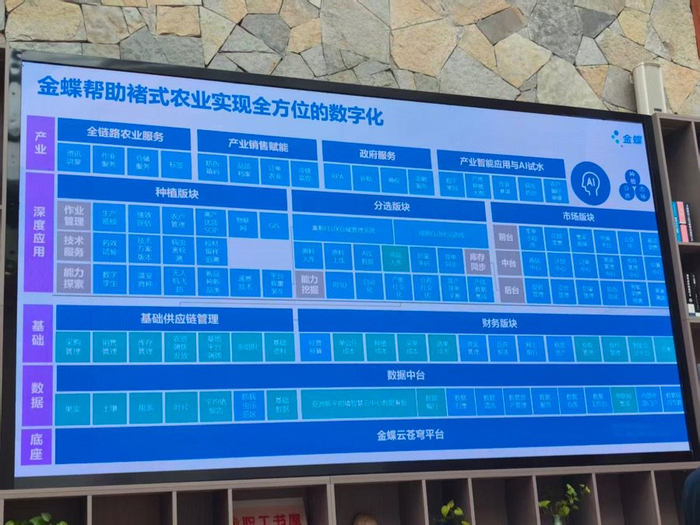
一颗橙子的“数字人生”:褚橙从田间到云端的六年
2 1 Shi Ji Jing Ji Bao Dao· 2025-12-24 14:32
Core Insights - The article discusses the challenges and innovations in the orange cultivation industry, particularly focusing on the "Chucheng" brand and its digital transformation efforts in agriculture [1][8]. Group 1: Agricultural Challenges - The orange harvesting season in Yunnan's Ailao Mountain has been delayed by about half a month due to excessive rainfall affecting sugar accumulation [1] - The agricultural sector is heavily reliant on weather conditions, which is described as "interacting with the sky" by the general manager of Chucheng Agriculture, Chu Yibin [1] Group 2: Brand Development - "Chucheng" has evolved from a symbol of inspiration to a brand with multiple derivatives, including "Yunguan Orange" and "Chucheng Orchard," generating annual sales of 300-400 million yuan [1][2] - The brand's growth is attributed to its digital capabilities and a "long-term worker model" that integrates hundreds of farmers, providing them with technology, management, and brand support [3] Group 3: Digital Transformation - The digital transformation in agriculture is a gradual process, requiring careful planning and execution to avoid setbacks [1][6] - Chucheng Agriculture has established a comprehensive digital management system covering the entire production chain, from planting to sales, utilizing sensors and automated equipment for efficiency [6][7] Group 4: Market Positioning - The sales price of Chucheng and Yunguan oranges exceeds 10 yuan, significantly higher than the typical market price of 3-5 yuan for ordinary ice sugar oranges, due to their advanced digital management [4] - The "long-term worker model" allows for a transparent value distribution system, where income disparities for different quality grades can reach up to four times [3] Group 5: Future Directions - The integration of AI technology in agriculture is being explored, including image recognition for assessing tree health and real-time guidance for farmers [7] - The article emphasizes that the future of agriculture lies in balancing traditional practices with technological advancements, ensuring sustainable growth [8]