
供应链重塑

Search documents
美拿航权要稀土?中国狂抛1829亿美债后囤金,全球央行跟风调整
Sou Hu Cai Jing· 2025-10-05 04:28
Group 1: U.S.-China Relations and Rare Earths - U.S. Congress member threatens to restrict Chinese flights in the U.S. if China does not supply rare earths, highlighting U.S. reliance on China for 70% of global production and 90% of refining capacity [2] - In June, China suspended rare earth exports, increasing the risk of production line shutdowns in the U.S. and Europe [2] - U.S. legislative pressure increased in July, with the Biden administration banning Chinese rare earth magnets for defense applications by 2027 [2] Group 2: China's Financial Strategy - In July, China reduced its holdings of U.S. Treasury bonds by $25.7 billion, the largest monthly decrease in two years, bringing total holdings to $730.7 billion, the lowest since December 2008 [3] - From April 2022 to now, China has reduced its U.S. Treasury holdings by over $586 billion, a 45% decline [3] - China is diversifying its reserves away from the dollar, reducing its dollar share from 79% in 2015 to 58% by June 2025 [3] Group 3: Gold Reserves and Global Trends - China's gold reserves increased to 2,298 tons by August 2025, marking a continuous buying trend for 10 months [4] - The global trend of de-dollarization is accelerating, with countries like the EU and India increasing their use of alternative currencies for trade [5] - Central banks globally purchased 415 tons of gold in the first half of 2025, with 43% planning to continue buying [5] Group 4: U.S. Economic Impact - U.S. tariffs on rare earths have led to increased costs for American manufacturers, affecting electric vehicle production and consumer prices [8] - The U.S. is facing challenges in establishing alternative supply chains for rare earths, with experts suggesting it will take 5 to 10 years [2][8] - The U.S. Treasury's bond market is experiencing fluctuations, with the ten-year yield at 4.18% as of late September [10]


断供镓材料后,美国更担心,中国若断供矿物锑,美将面临弹药停产
Sou Hu Cai Jing· 2025-10-03 13:34
Group 1: Export Controls and Supply Chain Impact - In July 2023, China implemented export controls on gallium and germanium, significantly disrupting the U.S. supply chain, as China accounts for 94% of global gallium production and 83% of germanium production [2] - The U.S. Geological Survey estimated that a complete ban on gallium and germanium from China could reduce the U.S. GDP by $3.4 billion, highlighting the interconnectedness of the supply chain [2] - Following the export controls, gallium exports from China nearly halted, leading to a sharp increase in prices and concerns over inventory shortages among U.S. semiconductor and military manufacturers [2] Group 2: Antimony Supply Concerns - Antimony, while less publicized than gallium, is critical for military applications, with China producing 56% to 63% of the global supply and accounting for 63% of U.S. imports [4] - The U.S. has no domestic antimony production, relying entirely on imports, which raises significant concerns for military readiness and production capabilities [4] - A report indicated that U.S. antimony reserves could last only a week, posing a severe risk to military production if tensions escalate [6] Group 3: Price Surge and Military Readiness - Following China's announcement of export controls on antimony, prices surged from $10,000 per ton at the beginning of the year to over $30,000 by the end of the year, with projections suggesting prices could reach $50,000 to $100,000 per ton [8] - The U.S. Department of Defense assessed that 78% of its weapon systems rely on materials like antimony, gallium, and germanium, indicating a significant impact on military capabilities [8] - The production of critical military ammunition is being hampered by material shortages, with the monthly production of 155mm shells struggling to meet targets due to supply constraints [10] Group 4: Global Military Spending and Material Demand - Global military spending reached $2.4 trillion in 2023, a 7% increase from the previous year, driving up demand for critical materials [10] - The U.S. is exploring domestic mining investments and international partnerships to diversify its supply chain and reduce reliance on Chinese materials [12] - The European Union and the UK are also recognizing the strategic importance of antimony and are working to diversify their supply sources [12] Group 5: Long-term Supply Chain Challenges - The environmental challenges associated with antimony mining complicate efforts to increase domestic production, with new mines taking at least a decade to develop [12] - The reliance on a few countries for critical materials exposes vulnerabilities in the supply chain, necessitating a balance between dependence and self-sufficiency [14] - The geopolitical landscape is shifting, with mineral resources becoming a focal point in the competition between major powers, emphasizing the need for strategic resource management [14]

电商布局硬折扣超市,面临哪些挑战
Zhong Guo Qing Nian Bao· 2025-09-29 20:02
Core Insights - The rise of hard discount supermarkets is becoming a new trend in the retail sector, driven by consumer demand for extreme cost-effectiveness and efficiency [2][6] - The hard discount market in China is still in its nascent stage, with a total store count remaining limited and highly concentrated in the Jiangsu, Zhejiang, and Shanghai regions [2][3] Hard Discount Supermarket Characteristics - Hard discount supermarkets focus on absolute low prices, primarily through high self-brand product ratios and efficient supply chain management [3][4] - The average store size for hard discount supermarkets is typically between 500 to 1,000 square meters, with SKU counts ranging from 1,000 to 2,000 [3][4] - Self-owned brands account for a significant portion of sales in hard discount supermarkets, with companies like Aldi achieving up to 90% in self-brand sales [3][6] Market Potential and Growth - The hard discount market in China is projected to exceed 200 billion yuan by 2024, with a penetration rate of only 8%, indicating substantial growth potential compared to countries like Germany and Japan [6] - Aldi's performance in China, with 20 billion yuan in sales from just 55 stores in Shanghai, reflects the market's potential [6] E-commerce Involvement - E-commerce platforms are entering the hard discount market as a strategic choice to differentiate themselves and leverage their supply chain advantages [5][7] - The integration of online and offline operations allows e-commerce companies to quickly penetrate the market and enhance their instant retail capabilities [7] Challenges for E-commerce Companies - The operational logic differences between online and offline retail present significant challenges for e-commerce companies entering the hard discount space [8] - Establishing a sustainable profit model is crucial, as many platforms currently rely on subsidies for growth [8][9] - Companies must focus on building self-owned brands and optimizing supply chains to balance low prices with profitability [8][9]


二选一!美拟要求芯片公司国产进口比例1:1 ,否则缴关税
Ju Chao Zi Xun· 2025-09-26 14:47
Core Insights - The U.S. government is evaluating a new plan aimed at significantly reducing reliance on overseas semiconductor production and promoting domestic manufacturing to reshape the global supply chain [1] - The policy mandates that semiconductor companies must match the number of semiconductors produced in the U.S. with the quantity imported from overseas [1] - Companies failing to maintain a 1:1 production-to-import ratio over the long term will face tariffs [1] Group 1 - The new regulations will allow companies to import an equivalent number of semiconductors without tariffs if they commit to producing a specific quantity in the U.S. [1] - Initial phases of the policy may provide a grace period for companies to adjust and gradually increase domestic production capacity [1] - Major tech companies, including Apple, may face challenges as they will need to track the origin of all chips and collaborate with manufacturers to align U.S. and overseas product quantities [1] Group 2 - White House spokesperson Kush Desai emphasized the importance of not relying on imported semiconductor products for national and economic security [2] - Desai noted that any reports regarding policy formulation should be considered speculative until officially announced by the government [2]
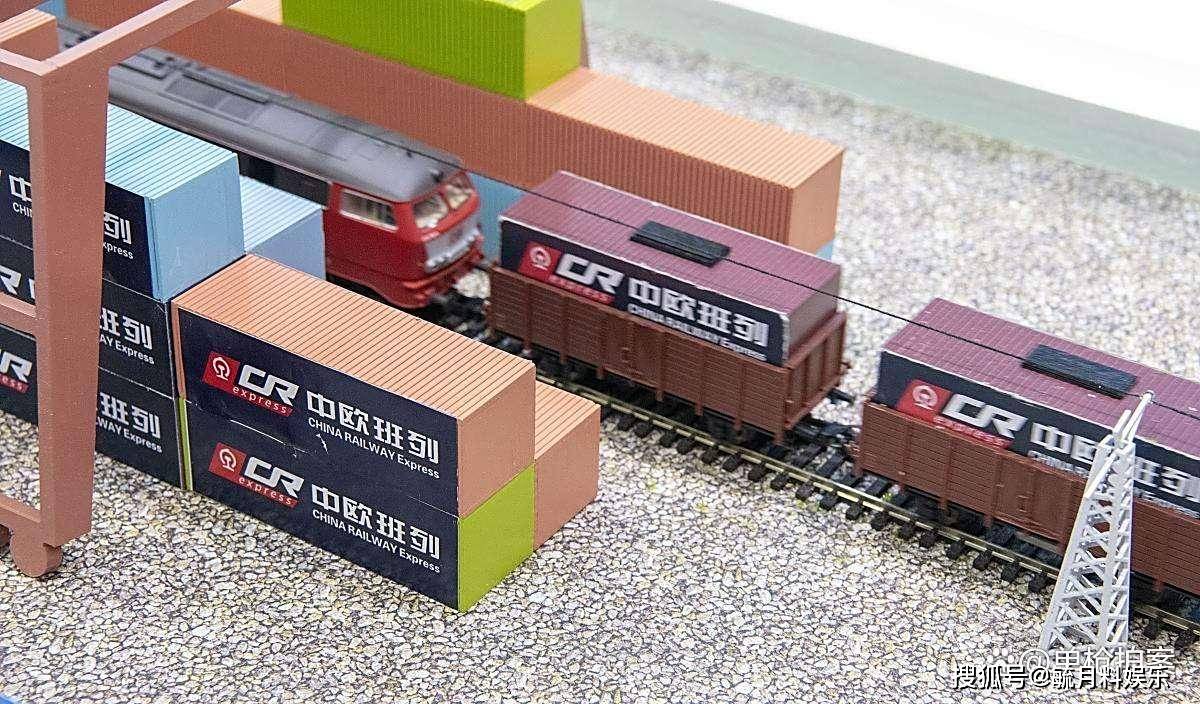
中欧班列运力尚未恢复,为何欧洲多国反应平淡?这个关键因素被普遍忽视了
Sou Hu Cai Jing· 2025-09-23 03:32
Core Insights - The China-Europe Railway Express is facing unprecedented capacity challenges due to the geopolitical tensions stemming from the Russia-Ukraine conflict, leading to reduced operations and increased transportation costs [1][3][5] - Despite these challenges, European countries are exhibiting a surprising calm, influenced by underlying geopolitical dynamics and economic considerations [1][4] Group 1: Trade Dynamics - The long-standing trade imbalance between China and the EU, characterized by a significant surplus in favor of China, has prompted the EU to seek economic rebalancing and reduce dependency on Chinese exports [3][10] - The disruption of the railway's capacity provides a strategic window for both China and the EU to reassess trade flows and supply chain configurations [3][7] Group 2: Geopolitical Influences - The U.S. plays a crucial role in shaping European responses to the conflict, exerting pressure on European allies to unify against Russia, which indirectly affects the operations of the China-Europe Railway Express [4][10] - Poland's recent border closure reflects its dual role as a key EU member and NATO's eastern gateway, highlighting the complex interplay of national interests within the EU [4][10] Group 3: Logistics and Alternatives - The increase in insurance costs and safety concerns due to the conflict has led logistics companies to reconsider their transportation routes, with traditional alternatives like sea and air freight gaining importance despite higher costs [5][12] - The EU is actively promoting diversification of trade routes to reduce reliance on single corridors, encouraging businesses to explore new pathways through Central Asia and the South Caucasus [7][12] Group 4: Structural Changes in the EU Market - Changes in European consumer trends, stringent green regulations, and shifts in manufacturing locations are reshaping the flow of goods between China and Europe [10][15] - The EU's cautious approach to the railway's operational challenges reflects the need to balance short-term economic interests with long-term geopolitical strategies [10][12] Group 5: Long-term Considerations - The long-term viability of the China-Europe Railway Express will depend on the evolving geopolitical landscape, the restructuring of international trade patterns, and the resolution of technical challenges [17][12] - Ongoing high-level communications between China and the EU address macroeconomic issues, with the railway's operational status being one of many factors in their broader dialogue [17]
墨西哥背刺中国打响第一枪!美国死士全被激活了
Sou Hu Cai Jing· 2025-09-22 23:35
Core Viewpoint - Mexico's recent tariff increase on 544 items, ranging from 5% to 50%, targets countries without free trade agreements, primarily affecting China, as part of a broader strategy to reshape supply chains and respond to unfair competition [1][6]. Group 1: Policy Changes and Economic Strategy - In September 2025, Mexico expressed intentions to further raise tariffs on vehicles, interpreted as a strategic adjustment in response to geopolitical shifts and regional "de-risking" trends [2]. - Mexico's geographical advantages and integration within the USMCA framework facilitate the transfer of US manufacturing capacity, with trade between the US and Mexico reaching approximately $840 billion in 2024, where over 80% of Mexican exports go to the US [3][4]. Group 2: Tariff Implications and Trade Dynamics - The increase in universal tariffs effectively curbs low-priced imports from China and other Asian economies while avoiding direct violations of WTO principles through selective exemptions for certain trade mechanisms [6][10]. - The US's aggressive trade policies, including raising tariffs on Chinese electric vehicles from 25% to 100%, push the North American automotive supply chain to favor production within the USMCA region, with Mexico as a prime location [4][10]. Group 3: Security and Business Environment - Despite the potential for growth, Mexico's high crime rates, with homicide figures between 29,700 and 31,100 in 2023, pose significant challenges to its manufacturing appeal, increasing operational costs for businesses [7]. - The US has intensified cooperation with Mexico to combat drug trafficking, which may help mitigate some security concerns and enhance the attractiveness of nearshore manufacturing [8][9]. Group 4: China's Strategic Response - China is advised to adopt a differentiated approach rather than a full-scale confrontation with Mexico, focusing on localized compliance production and high-end components to navigate tariff impacts [12]. - Chinese firms should leverage their strengths in performance and cost-effectiveness in sectors like energy storage and commercial vehicles to maintain overseas orders while avoiding direct competition with protected categories [12]. Group 5: Mexico's Limitations and Future Outlook - Mexico's ability to fully replicate China's manufacturing capabilities is limited, particularly in terms of supply chain integration and logistics efficiency, making a dual production strategy in both countries more viable for multinational companies [16][17]. - The potential for Mexico to absorb US industries is contingent on its ability to maintain tariff policies and security collaborations while providing stable exemptions for compliant manufacturing, indicating a limited but possible development window [19][20].

全球产能周期或已进入“购设备”阶段
CMS· 2025-08-18 01:34
Group 1: Equipment Import Trends - Developed countries' excavator import values peaked and began to decline in H2 2023, while emerging markets like Indonesia and Romania continue to see increases[2] - Piling machine imports in developed countries have also peaked and started to decline, with Romania showing significant growth since mid-2024[2] - Most developed countries' bulldozer imports peaked in early 2023, with the U.S. experiencing the latest decline[2] Group 2: Construction Material Imports - Steel imports for most countries peaked in Q1 2023 and began to decline[3] - Cement imports in developed countries peaked mid-2023 but the decline has been limited, indicating ongoing demand in subsequent stages[3] - Emerging markets like Poland and Romania continue to expand their cement imports despite a general slowdown[3] Group 3: Construction Phases - Most economies have completed the "foundation" and "building structure" phases, now nearing the end of the "laying utilities" phase[4] - Countries like Japan, Romania, India, and Indonesia still show rising crane import values, suggesting ongoing demand for building structures[4] - The "laying utilities" phase is nearing completion as most economies see renewed imports of water pipes and electrical cables[4] Group 4: Equipment Purchase Phase - Some economies, including the U.S., India, Malaysia, and Romania, have entered the "equipment purchase" phase, with significant increases in imports of generators and transformers from 2021 to 2023[5] - Import values for milling machines have shown no significant growth from 2021 to 2023, but have started to rise in late 2024 in several developed countries[5] - Hydraulic press imports have increased in late 2024 across multiple economies, indicating a shift towards equipment acquisition[5]
美国39%关税重击瑞士:“中立国模式”还能玩多久?
阿尔法工场研究院· 2025-08-14 00:06
Group 1 - Trump's tariff policy is reshaping global supply chains and investment landscapes, prompting Switzerland to reassess its role in the world [1][2] - Switzerland has been historically viewed as a neutral mediator, but the current geopolitical climate raises questions about the viability of this stance [1][2] - The U.S. has imposed a 39% tariff on Swiss goods, shocking the nation as the U.S. is its largest single export market, with exports including watches, chocolate, pharmaceuticals, and machine tools [4][5] Group 2 - The trade deficit with the U.S. reached $48 billion as of June, primarily due to surging imports of pharmaceuticals and gold [4] - Swiss companies are considering relocating production to neighboring countries due to the high tariffs, with some already planning to shift operations [5][7] - The Gruyère cheese industry, representing 1,600 dairy farmers, anticipates a decline in exports to the U.S., which accounts for one-third of its market [7] Group 3 - The political debate in Switzerland is intensifying regarding whether to strengthen ties with the EU, with a potential public vote on expanding access to the EU single market [9][10] - Analysts suggest that the tariff situation may inadvertently bolster pro-EU sentiments among the Swiss population [10][11] - The historical neutrality of Switzerland is being challenged, especially in light of recent geopolitical events, including the war in Ukraine [8][11]

特斯拉迎来中国对手,国产汽车集体“换道超车”
Nan Fang Du Shi Bao· 2025-07-25 13:42
Core Insights - The Chinese electric vehicle (EV) market is witnessing a significant shift, with domestic brands like Xiaomi and BYD gaining traction against Tesla, which is experiencing a decline in sales and market share [2][3][4] - The rise of domestic brands is attributed to increased consumer trust in local products, innovative features, and a focus on practical functionality over brand prestige [1][5][6] Group 1: Tesla's Decline - Tesla reported a revenue of $22.496 billion for Q2 2025, a 12% year-on-year decline, marking its largest quarterly drop since 2012 [2] - The number of new vehicle deliveries fell to 384,122 units, a decrease of approximately 13.5% compared to the same period last year, also the largest drop in history [2] - Tesla's stock price dropped over 8% following the earnings report, contributing to a cumulative decline of more than 20% for the year [2] Group 2: Rise of Domestic Brands - Xiaomi's YU7 SUV received 240,000 orders within 18 hours of its launch, indicating strong consumer interest and demand [4][5] - BYD's sales in Europe surpassed Tesla's for the first time in April, highlighting the competitive pressure on Tesla from Chinese manufacturers [2][3] - The market share of Chinese brands has increased from approximately 35% in June 2020 to 70% by October 2022, reflecting a significant shift in consumer preference [6][10] Group 3: Market Dynamics - The Chinese automotive market is evolving towards more personalized, diverse, and scenario-based consumer demands, making it challenging for any single brand to dominate [8][9] - Domestic brands are leveraging advanced technology, such as 800V high-voltage platforms for fast charging and superior range capabilities, to enhance their competitive edge [7][10] - The supply chain development in China has accelerated, enabling local manufacturers to innovate rapidly and meet consumer needs effectively [10][12] Group 4: Competitive Landscape - The competitive landscape is characterized by a collective response from domestic brands to Tesla's new model launches, indicating a shift in market dynamics [4][6] - Companies like Xiaomi are focusing on unique consumer experiences, such as the "zero-gravity" seating in the YU7, to differentiate themselves in the market [7] - The automotive supply chain in China is undergoing a transformation, with a focus on local production capabilities and innovation, positioning Chinese brands as leaders in the global EV market [10][11]


高盛报告:对冲基金疯抢全球工业股,净买入量创五年新高
Zhi Tong Cai Jing· 2025-07-21 03:54
Group 1 - Hedge funds experienced the largest net buying spree in global industrial stocks in five years, with weekly net inflows reaching the highest level since July 2020, and the second highest since records began in 2016 [1] - The industrial sector saw significant net inflows globally, driven by active long positions and short covering, with North America being the most active market [1] - The current allocation of industrial stocks tracked by Goldman Sachs' Prime platform is 5.8 percentage points higher than the MSCI Global Index, remaining at a historically high level for five consecutive years [1] Group 2 - European corporate earnings expectations have significantly improved, with a projected growth of 7.9% in 2025, supported by policy easing and interest rate cut expectations [2] - The S&P 500 index in North America reached a historical high amidst volatility, driven by the AI boom, despite uncertainties from tariff policies and geopolitical issues [2] - The global energy transition and supply chain restructuring are creating trillion-dollar infrastructure demands, with data centers, charging networks, and hydrogen facilities becoming focal points for public and private capital [2]