
大单品战略

Search documents
燕京啤酒(000729):首次覆盖报告:大单品战略成效显著,成长动能持续释放
Shanghai Aijian Securities· 2025-12-24 07:56
Investment Rating - The report assigns a "Buy" rating for the company, marking its first coverage [2][3]. Core Insights - The company is effectively implementing a big product strategy, with sustained growth momentum. The revenue projections for 2025, 2026, and 2027 are estimated at 156.9 billion, 167.2 billion, and 177.0 billion yuan, respectively, reflecting year-on-year growth rates of 7.0%, 6.6%, and 5.9%. The net profit attributable to shareholders is projected to be 14.5 billion, 17.6 billion, and 20.3 billion yuan for the same years, with growth rates of 36.9%, 22.0%, and 15.3% respectively [3][5]. Summary by Sections Market Data - Closing price: 12.04 yuan - One-year high/low: 14.36/10.7 yuan - Price-to-book ratio: 2.1 - Dividend yield: 1.58% - Market capitalization of circulating A shares: 30,216 million yuan [2]. Financial Projections - Total revenue for 2023 is 14,213 million yuan, with a year-on-year growth rate of 7.7%. The net profit for the same year is 645 million yuan, showing a significant increase of 83.0% [5][19]. - The gross margin is expected to improve from 37.6% in 2023 to 45.0% by 2027, indicating a positive trend in profitability [5][19]. Product Strategy - The company has established a product matrix that includes high-end products like U8, V10, and regional specialties, which have shown strong sales growth. The U8 product line is expected to achieve a sales target of 90,000 tons in 2025, with a year-on-year growth of 31.4% [3][4]. - The company is focusing on expanding its market presence through initiatives like the "Hundred Counties" and "Hundred Cities" projects, targeting high-capacity and high-growth cities [5][19]. Competitive Landscape - The beer industry is characterized by stable competition, with production levels stabilizing around 35 million kiloliters since 2021. The company has been outperforming the industry in terms of sales growth, driven by its successful U8 product strategy [3][4]. Revenue Breakdown - Revenue from mid-to-high-end beer is projected to grow from 95.1 billion yuan in 2025 to 109.2 billion yuan in 2027, with gross margins improving from 52.0% to 55.0% [3][5]. - Revenue from regular beer is expected to grow modestly, with projections of 44.5 billion yuan in 2025 and 46.0 billion yuan in 2027, maintaining a stable gross margin of around 31.5% [3][5].

江中药业(600750):固本拓新,胃肠健康领导者
Shenwan Hongyuan Securities· 2025-12-23 08:14
Investment Rating - The report initiates coverage with a "Buy" rating for Jiangzhong Pharmaceutical, indicating a potential upside of 36% based on a target market value of 214 billion yuan compared to the current market value of 157 billion yuan [7][8]. Core Insights - Jiangzhong Pharmaceutical is positioned as a leader in gastrointestinal health, with a diversified business model encompassing OTC, prescription drugs, and health consumer products. The company has successfully built a strong brand presence with its well-known trademarks "Jiangzhong" and "Chuyuan" [5][16]. - The company has a robust product portfolio, including major products in the OTC market such as the 1 billion yuan "Jiangzhong Digestive Tablets" and the 500 million yuan "Lactobacillus Tablets" [7][36]. - The financial outlook is positive, with projected net profits for 2025-2027 expected to grow at compound annual growth rates of 8.3%, 10.0%, and 11.9%, respectively [6][8]. Summary by Sections Company Overview - Jiangzhong Pharmaceutical was established in 1969 and became publicly listed in 1998. The company has undergone significant restructuring and acquisitions, including the purchase of Jisheng Pharmaceutical and Sanghai Pharmaceutical, to enhance its market position [5][16]. - The company has a stable shareholding structure, with China Resources Group as the largest shareholder, which strengthens its operational capabilities and risk management [18][19]. Financial Data and Profit Forecast - The total revenue for 2024 is projected at 4.435 billion yuan, with a slight decline expected in 2025 before a recovery in subsequent years, reaching 5.089 billion yuan by 2027 [6]. - The gross profit margin is expected to remain stable around 65%, with the OTC segment showing a slight increase in profitability due to product mix optimization [26]. Investment Highlights - The company is focusing on expanding its OTC market presence by leveraging its strong brand and developing new product categories. The gastrointestinal product line is expected to maintain stable growth, while the health consumer products segment is anticipated to benefit from demographic trends such as aging populations [7][32]. - Jiangzhong Pharmaceutical's prescription drug segment is also expected to grow as the company continues to enhance its product offerings through acquisitions and strategic partnerships [7][32]. Market Position and Competitive Landscape - The company has maintained a leading market share in the OTC segment, particularly with its flagship product, the Jiangzhong Digestive Tablets, which ranked second in sales among digestive system medications in urban pharmacies [38][44]. - The competitive landscape for gastrointestinal products is fragmented, but Jiangzhong Pharmaceutical's brand strength allows it to maintain a dominant position [42][44].

华润啤酒20251222
2025-12-22 15:47
Summary of China Resources Beer Conference Call Company and Industry Overview - **Company**: China Resources Beer - **Industry**: Beer Industry in China Key Points and Arguments 1. **Market Stability**: The beer industry is currently in a stable off-peak season, with no significant changes in the competitive landscape. Sales prices for Chinese beer companies have slightly decreased, but the extent is minimal. Overall sales volume growth for 2025 is expected to be in the low single digits, with high-end brands like Heineken maintaining around 20% growth, indicating a stable market trend [2][5]. 2. **2026 Outlook**: For 2026, the impact of aluminum can price increases is expected to be limited. Profit margins may improve due to reduced material cost pressures and the push for high-end products. The company maintains a cautiously optimistic outlook, anticipating that volume and price dynamics will be similar to those in 2025 [2][6]. 3. **Competitive Strategy**: In response to competition in the 6-10 RMB price range, the company plans to adjust its strategy slightly while adhering to a high-end development path. This includes strengthening partnerships with contract manufacturing and private label collaborations to meet personalized consumer demands [2][7]. 4. **High-End Development Potential**: There is still significant room for high-end development. The key is to provide compelling reasons for consumers to purchase high-quality, high-positioned products. The company emphasizes the importance of accurately targeting customer segments and effective promotion [2][9]. 5. **Regional Focus**: The South China region, particularly Guangdong Province, is identified as the largest beer sales area. The company aims to actively promote development in South China to capture a larger market share. The relocation of the headquarters to Shenzhen is intended to optimize resource allocation and support long-term development goals [2][10][12]. 6. **Impact of Management Changes**: Recent management changes have not led to significant strategic shifts. The long-term development approach remains unchanged, focusing on both beer and liquor businesses. However, the liquor business will require more flexible operational adjustments to enhance product quality and stabilize the high-end market [4][11][14]. 7. **Liquor Business Outlook**: The liquor business is seen as having substantial growth potential, particularly in regional markets. The company plans to maintain investment in this area despite current challenges, with a focus on improving product quality and direct consumer engagement [4][15][16]. 8. **Emerging Channels**: New channels such as delivery services and instant retail are gaining traction, emphasizing convenience and experiential consumption rather than just low prices. The company is exploring collaborations with major retailers and delivery platforms to enhance product offerings [19]. 9. **Craft Beer Segment**: The craft beer segment is characterized by differentiated products, including fruit-flavored and tea-flavored beers. Although current sales are low, there is significant growth potential, especially through targeted marketing strategies [18]. 10. **Long-Term Industry Perspective**: The overall industry is not expected to face sudden competitive pressures or changes. The company has achieved sales growth and profit improvement over the past four years, with an average annual profit improvement of over one percentage point [21]. Additional Important Insights - The company recognizes the need for precise consumer demand analysis to adapt to changing preferences, particularly in the 8-10 RMB price range [8]. - The relocation of the headquarters is a strategic move to enhance brand image and focus on the Guangdong market, marking a significant milestone in the company's history [13]. - The company is cautious about potential divestitures in the liquor business, emphasizing the importance of long-term strategic development over short-term market pressures [16][17].
燕京啤酒(000729) - 000729燕京啤酒投资者关系管理信息20251217
2025-12-17 10:42
Group 1: Strategic Achievements - The "14th Five-Year Plan" is a crucial strategic restructuring period for Yanjing Beer, focusing on transformation and strong brand development, resulting in continuous growth in key economic indicators for five consecutive years [2][3] - The implementation of a major product strategy has effectively upgraded the product structure, with significant improvements in operational efficiency and development quality [2][3] Group 2: Transformation Initiatives - The company views transformation as essential for survival and development, emphasizing ideological, governance, organizational, operational, production, marketing, research and development, and cultural changes to enhance management effectiveness and team vitality [2][3] - A robust organizational mechanism has been established to activate internal motivation and vitality, marking growth and transformation as key themes during the "14th Five-Year Plan" [2][3] Group 3: Major Product Strategy - Yanjing Beer is committed to advancing the major product strategy centered around Yanjing U8, increasing the proportion of mid-to-high-end products, which has positively impacted product structure optimization and profitability [4] - The Yanjing U8 has received widespread consumer acclaim, maintaining strong growth since its launch, and is recognized as one of the most promising national products in recent years [4] Group 4: ESG Governance and Management - The company integrates ESG principles into its development strategy and operations, establishing a "green brewing-responsible supply chain-value co-creation" system to promote sustainable and high-quality development [5][6] - Achievements include certifications in ESG management, compliance management, innovation management, and anti-bribery management systems, reflecting a significant upgrade in governance capabilities [6]
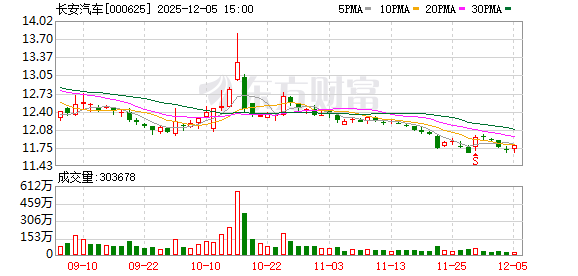
长安启源A06订单超3万辆 但因提车周期长被车主吐槽!多地经销商:店内无现车
Mei Ri Jing Ji Xin Wen· 2025-12-05 11:21
Core Insights - Changan Qiyuan A06 has received over 30,000 orders within a month of its launch, but long delivery times have led to customer complaints [2][5][6] - The production capacity constraints at the Changan Ford second factory are the primary reason for the extended delivery times [3][5] - Changan Qiyuan is pursuing a "big product" strategy, aiming for annual sales of 200,000 units for key models, with Qiyuan A06 seen as a potential flagship [7][8] Production and Delivery Issues - The delivery cycle for Qiyuan A06 is currently at least one month due to limited factory capacity, with most vehicles being delivered to customers who placed orders in early November [3][5] - The Changan Ford second factory, which has been modified to produce Qiyuan A06, has a designed capacity of 350,000 units but is currently ramping up to produce 70,000 units annually [3][5] - As of November 30, Qiyuan A06 has accumulated orders exceeding 30,000, indicating a supply-demand imbalance [5] Customer Reactions - Some customers have opted to cancel their orders due to the lengthy wait times, particularly with the impending end of purchase subsidy policies [6] - Changan Qiyuan is exploring solutions to address the delays, including production material guarantees and tax policy support [6] Sales Strategy - Changan Qiyuan's strategy includes the development of "big products" that can achieve sales of over 20,000 units annually, with Qiyuan A06 and other models like Q05 identified as potential candidates [7][8] - The current sales performance shows that while Qiyuan has exceeded 30,000 units in sales for several months, reliance on models like Lumin is insufficient for long-term success [8]


盐津铺子(002847):厉兵秣马,整装待发
Soochow Securities· 2025-12-01 09:23
Investment Rating - The report maintains a "Buy" rating for the company [1] Core Views - The company has demonstrated strong adaptability to market trends over its 20-year development, transitioning from a follower to a leader in the Chinese snack industry [2][15] - The company has established a comprehensive competitive advantage in channels, supply chain, and brand management, positioning itself to become a platform-type snack enterprise [3][18] - The company is expected to achieve significant profit growth, with net profits projected to reach 819.71 million, 1,008.28 million, and 1,224.11 million yuan for 2025, 2026, and 2027 respectively, reflecting year-on-year growth rates of 28%, 23%, and 21% [1][3] Summary by Sections Company Overview - The company has evolved through three stages: initial exploration (2005-2016), rapid expansion (2017-2020), and strategic upgrade (2021-present) [15][17] - During the initial phase, the company focused on capturing offline channel benefits through direct sales and partnerships with major supermarkets [15] - The rapid expansion phase saw the introduction of new product lines and innovative sales strategies, such as the "store island" model, which significantly boosted sales [16] Strategic Developments - The company has initiated a multi-brand and multi-category strategy, aiming for a comprehensive channel and supply chain upgrade [17][18] - The introduction of the "1+7" strategy in 2023 aims to cultivate various sub-brands, focusing on one core sub-brand every 1-2 years [18][19] - The company has successfully launched notable products like "Big Devil" and "Egg Emperor," enhancing its market presence [18] Financial Performance - The company has shown a steady increase in revenue, with a projected compound annual growth rate (CAGR) of 32.5% from 2021 to 2024 [18] - Profit margins have improved, with net profit margins reaching approximately 14% in 2025, driven by scale effects and brand strength [48] - The company's financial metrics indicate strong inventory and receivables turnover, outperforming industry averages [53]
中泰证券:首予八马茶叶(06980)“增持”评级 高端茶叶第一股破局之路
智通财经网· 2025-12-01 03:50
Company Overview - Baima Tea is a leading tea brand and retail chain in China, covering all six major tea categories and tea-related products [2] - In 2024, Baima Tea is expected to rank first in the number of domestic tea chain stores and hold the largest market share in both Oolong and black tea categories [2] - The company has achieved a revenue and profit CAGR of 8.6% and 16.2% respectively over the past three years, with projected revenues and net profits of 2.143 billion and 224 million yuan in 2024 [2] - Baima Tea operates three main brands: the core Baima Tea brand, the sub-brand Xinjihua focusing on high-end Pu'er tea, and the newly established sub-brand Wanshanhong targeting younger consumers [2] Industry Landscape - The high-end tea market is growing faster than the overall market, with a projected market size of 325.8 billion yuan in 2024 and a high-end segment expected to reach 103.1 billion yuan [3] - The high-end tea market is anticipated to grow at a CAGR of 5.6% from 2024 to 2029 [3] - The Chinese tea market is characterized by a long-standing issue of "having categories but no brands," leading to a highly fragmented high-end tea market with a CR5 of approximately 5.6% in 2024 [3] - Baima Tea is expected to hold a market share of about 1.7% in the high-end tea market in China, ranking first [3] Brand Development - Baima Tea is recognized for its deep cultural heritage, being led by a descendant of a 300-year-old tea-making family and inheritor of the Intangible Cultural Heritage of Tieguanyin tea [4] - The company has established a strong brand image as a high-end tea brand in China, with a nationwide sales network covering various city tiers [4] - By mid-2025, Baima Tea plans to have a total of 3,585 stores, with 90% being franchise stores [4] - The company has successfully created a flagship product, "Saizhenzhu," which addresses consumer choice anxiety in the tea market [4] Future Growth Drivers - The company plans to increase its store penetration by adding 1,500 new stores within three years and upgrading existing stores to enhance customer experience and sales efficiency [5] - Baima Tea aims to strengthen its flagship product strategy and expand its product matrix to cover various price ranges and consumer demographics [5] - The company is exploring the development of pure tea beverages and expanding sales channels to establish Baima Pure Tea as a new growth point [5]

高端化突围 长安启源急需出路
Xi Niu Cai Jing· 2025-12-01 01:28
Core Insights - Changan Automobile's new energy brand, Changan Qiyuan, reported impressive sales figures, achieving 36,737 units in October 2025, maintaining a monthly sales volume of over 30,000 since August, indicating its strong position in the mainstream new energy vehicle market [2] - Despite the strong sales, there are underlying concerns regarding the sales structure, with the Changan Lumin micro electric vehicle contributing significantly to overall sales, while the flagship model, the Qiyuan Q07, has lower sales figures [2][3] - The brand aims for ambitious sales targets, planning to reach 500,000 units domestically by 2026 and 2 million globally by 2027, but current sales figures for key models fall short of these goals [3][4] Sales Performance - In October 2025, Changan Qiyuan's monthly sales reached 36,737 units, with the Lumin model consistently selling over 20,000 units monthly, while the Q07 model sold 11,637 units in the same month [2] - The cumulative sales for the Q07 since its launch stand at 79,935 units, indicating a gap compared to the Lumin's performance [2] Strategic Direction - Changan Qiyuan is pursuing a high-end market strategy, with the new marketing head expressing intentions to compete with brands like Li Auto and AITO [3] - The brand has set a target of selling 20,000 units annually for its core models, but the Q07's current sales are significantly below this benchmark [3] Product Development - The brand plans to launch 4-5 new models in the fourth quarter of this year and the first half of next year to optimize its product structure [4] - However, the lack of core technological breakthroughs and brand value enhancement may hinder the brand's ability to achieve significant transformation [4] Quality Control Issues - There has been a notable increase in complaints regarding Changan Qiyuan's vehicles, particularly the Q07, which has faced issues related to misalignment between marketing claims and actual product performance [3][4]

泰国神饮圈的爽文“男主”,一夜蒸发50亿
3 6 Ke· 2025-11-25 09:42
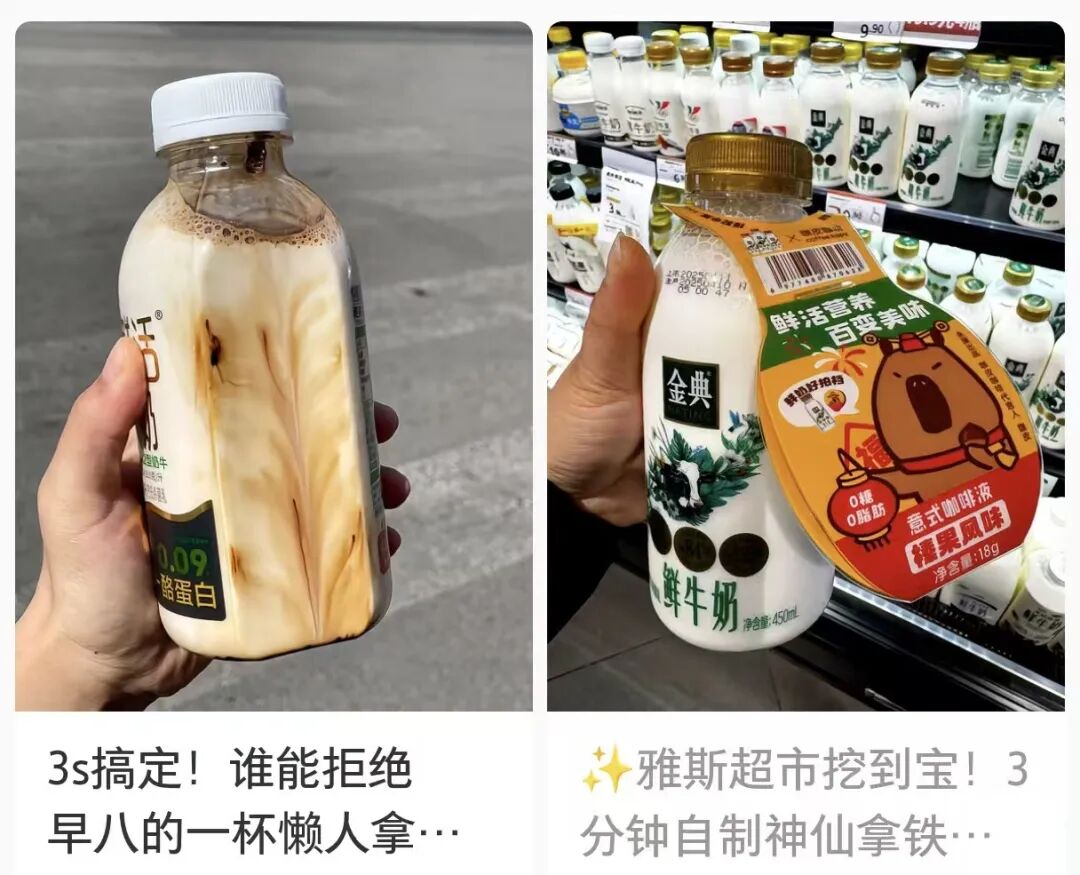
Core Viewpoint - The rise and fall of IFBH, a coconut water brand, highlights the volatility of consumer preferences and the challenges faced by brands that rely heavily on a single product in a competitive market [3][10][31]. Group 1: Market Dynamics - A new product, "3-second latte," has gained immense popularity, showcasing the coffee industry's ability to create trends that resonate with consumers [1]. - IFBH, once a market leader with a valuation of over 100 billion, has seen its market cap halved, losing 5 billion due to declining sales and profitability issues [7][28]. - The coconut water market is becoming increasingly crowded, with over 50 brands competing, leading to a significant drop in IFBH's market share from 55% to 34% [35][40]. Group 2: Consumer Behavior - IFBH's initial success was largely driven by Chinese consumers, contributing 92% of its global sales, but changing consumer preferences have led to a decline in its popularity [11][31]. - The brand's reliance on a single product, if coconut water, has made it vulnerable as competitors introduce a variety of new products [33][40]. - Consumers are increasingly favoring local brands that offer better price-performance ratios, impacting IFBH's sales [40][44]. Group 3: Business Strategy - IFBH's light-asset model, which allowed it to scale quickly without heavy investment in production, is now seen as a weakness as it struggles with supply chain issues and rising costs [32][44]. - The brand's marketing strategies, including celebrity endorsements and collaborations, initially attracted a young consumer base but have not been sufficient to maintain market dominance [20][22][26]. - IFBH's failure to adapt its supply chain and production strategies in response to market changes has led to quality control issues, further eroding consumer trust [51][54].
服装家纺行业三季报总结:家纺领跑行业回暖,龙头分化提质增长
2025-11-24 01:46
Summary of Conference Call Records Industry Overview Home Textiles Industry - The home textiles industry showed a slow overall recovery in Q3 2025, with leading brands outperforming market expectations due to their big product strategies and sustained marketing investments [1][2] - Mercury Home Textiles achieved a 20% revenue growth in Q3, driven by successful launches of star products like ergonomic pillows and ice cream quilts, with annual sales expected to exceed 100 million [2] - Luolai Life reported a 10% revenue increase in Q3, attributed to prior marketing investments and successful big product launches [1][2] - Fuanna, despite being in a de-inventory and structural adjustment phase, demonstrated operational resilience [2] - Gross margins for Luolai Life and Mercury Home Textiles increased by 2% and 2.8% year-on-year, respectively, due to enhanced marketing and controlled management expenses [1][2] - Inventory turnover days decreased by 36 days for Luolai Life and 11 days for Mercury Home Textiles, indicating improved operational efficiency [1][2] Sportswear Industry - The sportswear industry faced a slowdown in terminal sales in Q3 2025 due to warm autumn weather and weak consumer demand, with intensified competition in the mass sports segment [3] - Running and outdoor categories maintained high demand, while basketball and fashion leisure segments faced significant pressure [3] - Anta's main brand and Fila reported low single-digit growth, while other brands saw a strong increase of 45% to 50% [3] - Li Ning's overall sales declined, but e-commerce channels experienced high single-digit growth [3] - Xtep's main brand achieved low single-digit growth, while Saucony's revenue grew by over 20% [3] - Amer Sports reported a 30% revenue increase and a significant rise in net profit, with Greater China revenue growing by 47% [3] - Inventory levels for Anta's main brand remained healthy, with discounts and inventory levels well managed [3] Men's and Women's Apparel Industry - The men's apparel sector showed steady performance, but profit differentiation was evident [4] - Hailan Home experienced slight revenue and profit increases, while Bi Yin Le Fen saw minor revenue growth but profit pressure [4] - Women's apparel showed marginal recovery, but significant company differentiation was noted [4] - Senma Fashion reported increases in both revenue and profit, while Taiping Bird faced losses and was in an adjustment phase [4] - Overall inventory pressure increased slightly across the industry, with many companies experiencing longer inventory turnover days [4] - Investment recommendations suggest focusing on companies with improved direct sales ratios and those benefiting from low base effects, such as Hailan Home and Senma Fashion [4] Key Insights - The home textiles sector is benefiting from strategic product launches and effective marketing, leading to improved financial metrics [1][2] - The sportswear market is experiencing mixed results, with some brands thriving while others struggle, highlighting the importance of channel management and inventory control [3] - The apparel industry is facing challenges with inventory management and profit margins, but there are opportunities for growth through structural optimization and efficiency improvements [4]