技术自主

Search documents
董明珠风评反转了,十年前被嘲“老派”,如今靠2点赢回全网尊重
Sou Hu Cai Jing· 2025-10-25 00:18
Core Insights - The article discusses the contrasting business paths of Dong Mingzhu and Lei Jun, highlighted by their 10 billion yuan bet in 2013, which reflects the evolving perceptions of business success over the past decade [2][11]. Group 1: Business Strategies - In 2013, the business environment favored internet-driven models, with Lei Jun representing a "light asset" approach that integrated supply chains and focused on user experience, while Dong Mingzhu embodied a "heavy asset" model rooted in traditional manufacturing [4][6]. - Dong Mingzhu's focus on R&D and manufacturing was initially seen as outdated, but the industry has shifted to value these attributes as essential for long-term success [8][20]. Group 2: Reputation Shift - Over the past decade, public perception has shifted, with Lei Jun facing increasing scrutiny, particularly regarding his approach to car manufacturing, which emphasizes aesthetics over safety [11][12]. - Dong Mingzhu, once criticized for her rigid management style, is now viewed more favorably as her commitment to core technology and employee welfare has gained recognition [18][20]. Group 3: Industry Trends - The article notes a broader trend where internet companies are transitioning towards more substantial, technology-driven business models, as seen with Alibaba and Tencent increasing their investments in hard technology [20][22]. - The fundamental logic of business remains unchanged, emphasizing sincerity in providing reliable products and building core competencies [20][22].


鸿蒙5.1升级“灾难”:兼容性崩塌,华为如何应对?
Xin Lang Cai Jing· 2025-10-18 10:24
Core Viewpoint - The recent upgrade of Huawei's HarmonyOS from version 4.3 to 5.1 has faced significant backlash due to compatibility issues with mainstream applications, leading to user frustration and data loss during the downgrade process [1][3][4]. Group 1: User Experience and Compatibility Issues - Users have reported that after upgrading to HarmonyOS 5.1, many applications became incompatible, resulting in a chaotic desktop layout and the need to reinstall and log into existing applications, increasing operational costs [3][4]. - Core functionalities of popular applications like WeChat and Douyin have failed, causing disruptions for content creators and users alike [3][4]. - The lack of a user-friendly downgrade mechanism has forced users to seek professional help to revert to the previous system, often resulting in data loss [4]. Group 2: Market Position and Competition - Huawei has regained a leading position in the Chinese smartphone market, achieving a market share of 18.1% with 12.5 million units shipped in Q2 2025, despite an overall market decline [5][6]. - The HarmonyOS ecosystem is still small on a global scale, with only 4% market share compared to Android's 79% and iOS's 17% as of Q2 2025 [7][8]. Group 3: Development and Future Challenges - Huawei has invested heavily in R&D, with expenditures reaching 96.95 billion yuan in the first half of 2025, accounting for 22.7% of its revenue, indicating a strong commitment to developing the HarmonyOS ecosystem [7]. - The transition to a "pure" HarmonyOS from a compatible Android system presents significant compatibility challenges, as seen in the recent upgrade issues [10][11]. - Building a developer ecosystem remains a critical challenge, as the user base is primarily domestic, making it difficult to attract international developers to invest in the platform [10][11]. Group 4: Strategic Outlook - The HarmonyOS has the potential for growth in various markets, including PC operating systems, mobile application development, and IoT, with significant market sizes projected [10]. - However, the path to achieving a competitive stance against Android and iOS globally is fraught with challenges, including the need for improved application quality and timely updates [10][11].
1.6万亿订单取消!中国0.015mm手撕钢破局,欧美为何急下50%关税?
Xin Lang Cai Jing· 2025-10-12 13:26
Core Viewpoint - The emergence of China's foldable screen technology, particularly the production of ultra-thin "hand-tear steel," has shifted the competitive landscape in the smartphone industry, giving Chinese companies like Huawei a significant advantage over Western competitors like Apple [1][8]. Group 1: Technology Development - China has successfully achieved mass production of ultra-thin "hand-tear steel" with a thickness of 0.015 mm, capable of withstanding over 400,000 folds, marking a significant technological breakthrough [1][6]. - The research team at Shanxi Taigang conducted over 700 experiments to develop this material, which is now used not only in foldable smartphones but also in aerospace applications [6][8]. Group 2: Market Dynamics - Huawei has capitalized on this technology, capturing over half of the market share in the foldable smartphone segment, while Apple is struggling to catch up with its delayed entry into this market [1][8]. - The price of special steel materials has skyrocketed due to market manipulation by Japanese and German manufacturers, with costs reaching over one million per ton, leading to a significant financial burden on China, which previously imported 1.64 trillion annually [5][12]. Group 3: Geopolitical Implications - In response to China's advancements, the EU has imposed a 50% tariff on steel imports exceeding a reduced quota, indicating a protective stance against Chinese technology [10][12]. - The halt of hand-tear steel exports from China has left Western companies, particularly Apple, scrambling to adjust their strategies, as they can no longer rely on this critical material [1][8].


沪指时隔10年再破3900点,两市成交2.65万亿
Sou Hu Cai Jing· 2025-10-09 10:56
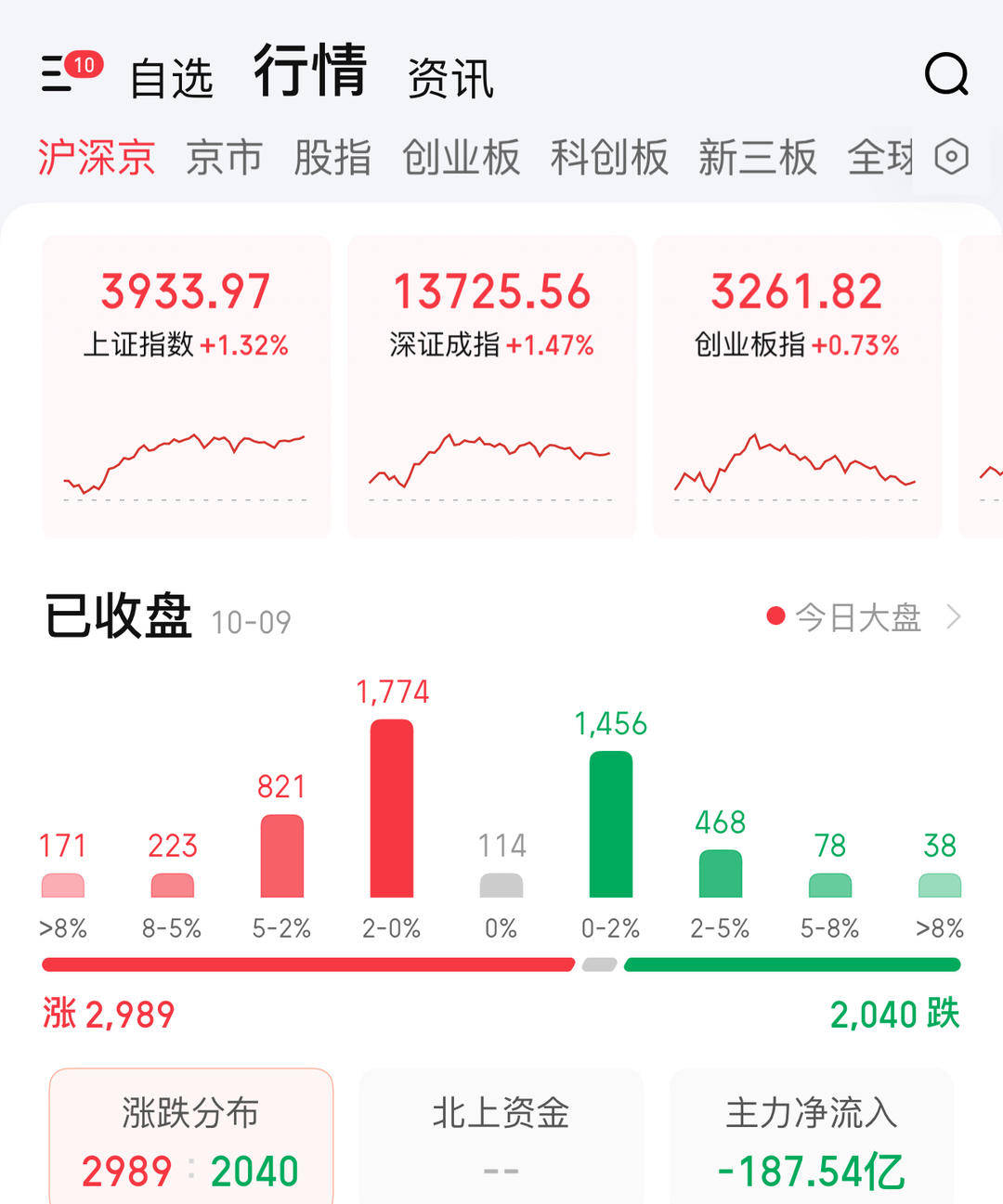
Market Performance - On October 9, the Shanghai Composite Index (SHCI) broke through 3900 points, closing at 3933.97 points with a gain of 1.32%, marking the highest level since August 2015 [1][3] - The Shenzhen Component Index rose by 1.47% to 13725.56 points, while the ChiNext Index increased by 0.73% to 3261.82 points [3] - The total trading volume in the Shanghai and Shenzhen markets exceeded 2 trillion yuan for the 15th consecutive trading day, with a total turnover of 2.65 trillion yuan [1][3] Sector Performance - Sectors such as precious metals, energy metals, non-ferrous metals, and minor metals saw significant gains, with 2989 stocks in the market rising [3] - Storage chip concept stocks experienced a surge, with companies like Yake Technology, Tongfu Microelectronics, and Saiteng Co. all hitting the daily limit, and Huahong Group rising over 12% [3] Monetary Policy and Market Outlook - The People's Bank of China conducted a 1.1 trillion yuan reverse repurchase operation to maintain liquidity in the banking system, indicating a response to tightening financial conditions [3] - Analysts are optimistic about the A-share market in October, with expectations of a "red October" driven by technological advancements and long-term policy support [4] - The upcoming third-quarter reports are anticipated to focus investor attention on sectors with strong performance indicators, particularly in technology and advanced manufacturing [4][5] Future Trends - The monetary policy is expected to favor the continued strength of cyclical stocks, with the SHCI likely to see new breakthroughs [5] - Chip stocks are projected to benefit from technological independence, positioning them as market leaders [5] - Precious metals and gold sectors may continue to perform well due to expectations of interest rate cuts by the Federal Reserve [5]
格力的「AB双面」
雷峰网· 2025-10-09 10:40
Core Viewpoint - Gree Electric Appliances is facing a complex situation where its strong brand and cash flow are contrasted by stagnant revenue and a single business focus, particularly in air conditioning, which accounts for nearly 80% of its revenue [2][4][11]. Group 1: Business Performance - Gree's revenue has stagnated since reaching a peak of 198.1 billion yuan in 2019, with a reported revenue of 97.325 billion yuan in the first half of 2025, a year-on-year decline of 2.46% [6][11]. - In contrast, competitors like Midea and Haier have shown strong growth, with Midea's revenue increasing by 15.68% to 252.3 billion yuan and Haier's by 10.2% to 156.494 billion yuan during the same period [6][11]. - Gree's attempts to diversify, such as entering the mobile phone market and investing in new energy, have not yielded significant results, with mobile sales below one million units and losses in the new energy sector reaching 24.2 billion yuan [6][11]. Group 2: Strategic Focus - Gree's focus on air conditioning is seen as both a strength and a limitation, as it holds a high profit margin in this category but risks becoming too narrow in its market approach [7][9]. - The company has invested heavily in technology and quality, with 21.7% of its workforce in R&D, leading to significant advancements in compressor technology and maintaining a brand premium of around 300 yuan over competitors [9][10]. Group 3: Leadership and Governance - The leadership of Chairwoman Dong Mingzhu is a double-edged sword; while her strong governance has driven efficiency, concerns exist about her age and the potential lack of succession planning [12][13]. - Gree is undergoing a transformation in its distribution strategy by establishing joint ventures with local distributors to enhance direct market access, which may be more effectively driven by Dong's leadership [14]. Group 4: Financial Health - Gree's cash flow is robust, with a net cash flow from operating activities increasing by 453.06% to 28.32 billion yuan in the first half of 2025, and cash reserves of 122.371 billion yuan [11][16]. - Despite a recent decision to not distribute cash dividends, Gree's financial position allows for strategic flexibility and potential long-term investments [18][19]. Group 5: Market Perception - Gree's current market valuation is low, with a price-to-earnings ratio of less than 7, compared to Midea's over 10, indicating a potential undervaluation despite strong cash flow capabilities [16][17]. - The company's ability to generate cash flow and maintain a high dividend yield of over 7% positions it as an attractive option for value investors, despite concerns about its growth trajectory [17][19].


中国军工出口爆20倍?全球疯抢中国战争套餐,2030年收割万亿市场
Sou Hu Cai Jing· 2025-10-05 06:26
Core Insights - The Chinese military industry is experiencing unprecedented growth opportunities amid complex global geopolitical dynamics, with steady increases in weapon exports showcasing technological prowess and attracting global attention [1][9] - China ranks fourth globally in arms exports, accounting for 5.9% of the total from 2020 to 2024, with key markets in Asia and Africa [1][7] Export Performance - Weapon exports have remained stable compared to the 2015-2019 period, with Pakistan being a significant partner, accounting for 63% of China's military exports [1][4] - Other notable markets include Serbia and Thailand, contributing 6.8% and 4.6% respectively, driven by the high cost-performance ratio and reliability of Chinese products [1][4] Product Competitiveness - Chinese military products, such as the JF-17 fighter jet, are significantly cheaper than Western counterparts, with the JF-17 priced at one-third of the F-16, enhancing affordability for smaller nations [4][9] - The successful export of over 100 JF-17 jets to countries like Pakistan, Myanmar, and Nigeria demonstrates the competitive edge of Chinese military technology [1][4] Technological Advancements - China's military industry has achieved over 90% self-sufficiency in key technologies, including aircraft engines and phased array radar chips, bolstering export capabilities [5][10] - Continuous government support for defense budgets and military-civilian integration policies have facilitated technological innovation and the global application of systems like BeiDou [5][10] Market Trends - The Middle East, Africa, and Southeast Asia are emerging as primary markets for Chinese military exports, with countries like Saudi Arabia and Egypt being major buyers [7][9] - The global arms trade market is projected to exceed $200 billion in the coming years, with China's market share potentially increasing from 10% to 30% [9][10] Future Outlook - The military industry is expected to become a key investment focus over the next decade, surpassing traditional sectors like internet and real estate [10] - The ongoing geopolitical instability presents new growth opportunities for the military sector, particularly in enhancing cooperation with developing regions [10]
“技术自主”终极压力测试,国产C86通过!
国芯网· 2025-10-04 06:02
Core Viewpoint - The article emphasizes the importance of self-defined technology in the semiconductor industry, highlighting the recent advancements of Haiguang Information in achieving technological autonomy and innovation in CPU architecture [2][4]. Group 1: Architectural Autonomy - Haiguang Information has transitioned from relying on technology licensing to achieving complete autonomy in its C86 instruction set architecture, marking a significant milestone in its development [5]. - The company’s R&D investment reached 3.446 billion in 2024, with a 24.68% increase to 1.711 billion in the first half of 2025, showcasing its commitment to innovation and self-sufficiency [5]. - By opening its CPU capabilities and interconnect bus protocols, Haiguang has established full control over its chip microarchitecture design and system-level interconnect, demonstrating its maturity and stability [5]. Group 2: Innovative Autonomy - Haiguang has been actively filing international patents, indicating a systematic approach to innovation based on its self-defined architecture [6]. - The "data prefetching method" aims to optimize processor performance by intelligently predicting data flow, showcasing the company's deep understanding of processor design [7]. - The "variable link testing system" enhances the efficiency and flexibility of chip testing, reflecting Haiguang's comprehensive engineering methodology to support rapid iteration and cost reduction [7]. Group 3: Security Autonomy - In critical information infrastructure, security is prioritized over performance, and Haiguang has developed a self-controlled C86 technology system with an integrated security mechanism that meets national security standards [8]. - Unlike international giants like Intel and ARM, Haiguang's CPU products are designed with inherent immunity to vulnerabilities from the outset, ensuring robust security [8]. - The C86 architecture has established capabilities in cryptographic, trusted, and privacy computing, which are essential for gaining trust in the government and enterprise markets [8].


谁是2025年中国造车第一城?
Hu Xiu· 2025-08-24 09:49
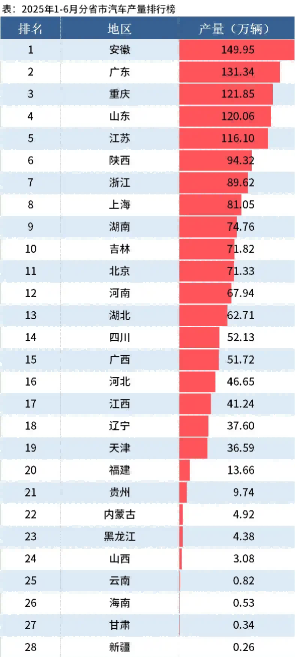
Core Insights - The article discusses the competitive landscape of China's automotive industry, highlighting the shifts in production rankings among various provinces and cities, with Anhui overtaking Guangdong to become the top automotive province [3][49][50]. Group 1: Provincial Rankings - Anhui leads with a production of 149.95 million vehicles, followed by Guangdong at 131.34 million and Chongqing at 121.85 million [1][3]. - Chongqing has shown a slight year-on-year increase of 0.4%, maintaining its position as the third-largest automotive producer [10]. - The rankings for the sixth to tenth positions include Shaanxi (94.32 million), Zhejiang (89.62 million), Shanghai (81.05 million), Hunan (74.76 million), and Jilin (71.82 million) [5][21]. Group 2: City-Level Insights - The article notes that cities like Chongqing and Anhui's Hefei are emerging as significant automotive hubs, with Hefei housing major brands like Jianghuai and NIO [42][48]. - Beijing's automotive production reached 71.33 million, marking a significant recovery after years of decline, driven by new entrants like Xiaomi and the resurgence of traditional manufacturers [26][30][35]. - The article highlights the hidden automotive potential in cities like Xi'an and Zhengzhou, with Xi'an's production reaching 175.35 million last year, and Zhengzhou contributing significantly to Henan's total output [38][62]. Group 3: Industry Trends - The article emphasizes the impact of new energy vehicles (NEVs) on production dynamics, with companies like Changan and Seres leading the charge in Chongqing's automotive resurgence [16][19]. - It discusses the shift in statistical reporting methods that have affected production numbers, particularly for cities like Shenzhen and Guangzhou, which have seen significant declines due to changes in how production is counted [51][53]. - The overall narrative suggests a transformation in the automotive landscape, driven by technological advancements and a focus on NEVs, reshaping competitive advantages among cities and provinces [87][89].
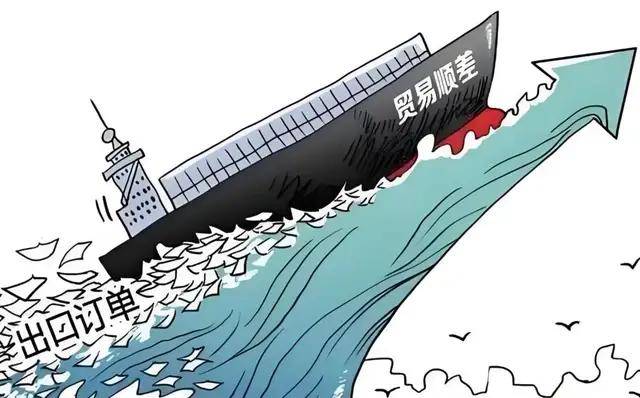
两百年后,中国重返全球最大贸易顺差国 |东哥笔记
Sou Hu Cai Jing· 2025-08-21 08:28
Group 1 - China's trade surplus is approaching $1 trillion, indicating a significant recovery in trade confidence despite ongoing trade and technology conflicts with the U.S. [2][5] - Exports to ASEAN, Central Asia, and Latin America have shown remarkable growth, with exports to ASEAN increasing by over 20% year-on-year in April [2][3] - The import of bulk commodities has decreased in both volume and price, with iron ore imports down by 5.5% and prices down by 22.3%, leading to reduced import costs [3] Group 2 - China is reducing its reliance on U.S. agricultural imports, sourcing more from Brazil and Argentina, resulting in a 39.9% year-on-year decline in overall agricultural imports [3][5] - The trade surplus with the U.S. has decreased significantly, contributing only 37% to China's total trade surplus in 2024, down from 92% in 2018 [5][6] - The general trade surplus has increased to 73.1% in 2024, reflecting enhanced autonomy in China's industrial chain [6] Group 3 - The export of Apple products from China to the U.S. is significant, with an estimated $43 billion in exports in 2024, accounting for 8% of total exports to the U.S. [7] - If a significant portion of Apple production shifts to India, China's trade surplus with the U.S. could decrease by approximately $34 billion [7] - The actual trade surplus may be overstated due to profit repatriation by U.S. companies, with estimates suggesting a reduction of over 40% in real surplus [7][8] Group 4 - China's manufacturing export competitiveness remains strong, allowing for continued market share expansion despite tariffs [8] - The trend of relocating some production capacity overseas may shift part of the trade surplus to other countries, as seen with Apple [8]
35岁怎么过 长城汽车深蹲起跳练内功
Zhong Guo Qing Nian Bao· 2025-08-20 23:50
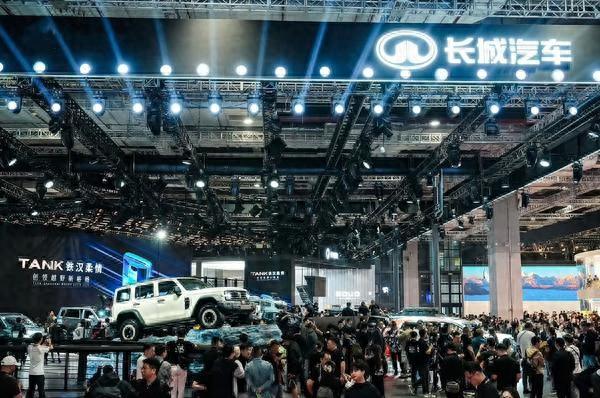
Core Insights - Great Wall Motors has achieved a cumulative global sales figure of 14.901 million vehicles as of December 2024, marking a significant milestone for the company as it celebrates its 35th anniversary [2] - The company has launched the "35+ Plan," aimed at recruiting talent aged 35 and above, reflecting a proactive approach to talent acquisition and a commitment to fostering a diverse workforce [2] - Great Wall Motors emphasizes continuous improvement and innovation as core values, which have been integral to its development and success over the past 35 years [3] Group 1: Company Development and Achievements - The company has established a comprehensive research and development system, highlighted by the opening of a 5 billion yuan technology center in 2015, which includes 18 large testing laboratories and over 2,000 testing capabilities [3][4] - Great Wall Motors has successfully broken foreign monopolies in key automotive technologies, achieving significant advancements in its powertrain systems, including self-developed 9DCT transmissions and V8 engines [4] - The company has achieved over 60% self-supply rate for core components, showcasing its strong competitive position in the automotive supply chain [4] Group 2: Talent Development and Corporate Responsibility - Great Wall Motors prioritizes talent development, creating a supportive environment for employees to realize their potential, with a focus on ability and contribution as the basis for evaluation [6] - The company has implemented a comprehensive support system for employees, including housing and education services, which enhances employee satisfaction and productivity [6] - The corporate philosophy emphasizes the importance of sustainable development and social responsibility, aiming to create a platform for continuous growth and innovation [7] Group 3: Financial Performance and Market Position - In the first half of 2025, Great Wall Motors reported a net profit of 6.337 billion yuan, reflecting a year-on-year decline of 10.21%, indicating challenges in maintaining profitability amid a competitive market [7] - The company recognizes the need for continuous innovation and quality improvement to transition from scale advantages to quality and brand advantages in the global market [7]