美元危机

Search documents
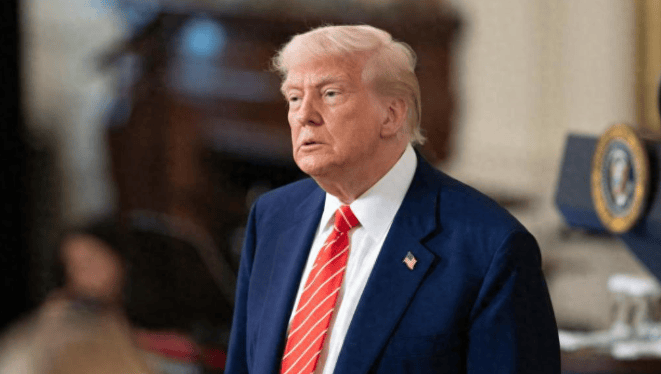
美元危机加剧,金价再度崩盘,4000美元关口岌岌可危,悬念迭起!
Sou Hu Cai Jing· 2025-11-16 02:11
Core Viewpoint - The gold market in 2025 has experienced significant volatility, with prices soaring from $3,000 to $4,000 per ounce in the first seven months, peaking at $4,398 before a notable decline [1][3]. Group 1: Market Dynamics - The core logic for gold investment has shifted from "chasing profits" to "risk hedging" as the era of rapid price increases comes to an end [3]. - Central banks globally continue to purchase gold, with 2022 seeing purchases exceed 1,000 tons for the first time, and 2024 projected to reach 1,136 tons, marking the second-highest level in history [3]. - As of August 2025, China's central bank has increased its gold reserves to 2,303.52 tons, a rise of 449.75 tons since the end of 2018 [3]. Group 2: Economic Factors - 95% of surveyed central banks plan to increase gold holdings in the next 12 months, primarily as a hedge against the declining credibility of the US dollar, which has a debt exceeding $36.2 trillion [5]. - The Federal Reserve's interest rate cuts in 2025, totaling 75 basis points, have lowered the yield on 10-year US Treasury bonds to 2.9%, reducing the holding costs of gold [5]. - The US dollar index fell over 10% in the first half of 2025, enhancing the attractiveness of gold priced in dollars for global investors [5]. Group 3: Industrial Demand - Industrial demand for gold is emerging as a new growth driver, particularly in sectors like chip manufacturing and data center cooling, with a projected 7% increase in technology-related gold usage in 2024 [7]. - The expansion of the photovoltaic industry is expected to push gold usage in conductive materials to over 50 tons in 2025, providing additional support for gold prices [7]. Group 4: Market Sentiment and Investment Strategy - Market sentiment is mixed, with a significant accumulation of put options in the $4,000 - $3,900 range, indicating bearish sentiment [9]. - Geopolitical risks, while still present, are becoming normalized, reducing their impact on gold prices [9]. - For ordinary investors, the new tax policy on physical gold purchases, effective from November 1, 2025, imposes a 13% VAT on non-exchange channel purchases, making gold ETFs a more attractive option due to their tax exemption and liquidity [11]. - The current investment strategy should focus on gradual accumulation during price corrections, maintaining gold's allocation in total assets between 10%-15% to serve as a safety net against riskier assets [13][14].

百利好晚盘分析:黄金短线受挫 长线逻辑完整
Sou Hu Cai Jing· 2025-10-22 09:59
Gold Market - Gold experienced its largest single-day drop in over a decade, with December futures closing at $4109.10 per ounce, down 5.7%. However, the overall bullish logic for gold remains intact, and it is premature to declare a peak in gold prices [1] - The recent decline is likely a result of extreme market sentiment, exacerbated by widespread opposition to Trump's new tariffs and a court ruling that undermines his authority to impose such tariffs. This has led to a reduction in risk aversion in the market, prompting many traders to close profitable long positions, resulting in a short-term sell-off [1] - Analysts believe that the fundamentals supporting gold, such as interest rate cuts and a potential dollar crisis, continue to drive capital into the gold market, indicating that the long-term upward trend is not yet over [1] - Technically, gold formed a bearish engulfing pattern on the daily chart, but there is potential for a correction due to excessive short-term divergence. The price may test resistance around $4186 [1] Oil Market - Oil prices showed a slight rebound, indicating a potential halt in the downtrend, but the weak fundamentals suggest limited upside potential, with a preference for short positions in the medium term [2] - A significant oversupply issue looms over the oil market, with the International Energy Agency projecting an unprecedented surplus of nearly 4 million barrels per day in 2026, as supply continues to outpace demand [2] - The U.S. Energy Information Administration has issued a bearish outlook for oil prices, anticipating substantial declines in the coming months due to increased production from both OPEC+ and non-OPEC+ countries, particularly the U.S., which is on track for record production levels [2] - Technically, oil formed a small bullish candle on the daily chart, suggesting a potential stop in the downtrend, with short-term support around $57.50 [2] Dollar Index - The dollar index has shown lackluster performance, with indications that the recent rebound may have ended, suggesting a continuation of the downtrend with significant downward potential remaining [3] - Major investment banks, including Citigroup, Goldman Sachs, and Morgan Stanley, have analyzed the long-term bearish outlook for the dollar, citing factors such as valuation, trade deficits, and interest rate differentials. Goldman Sachs noted that the dollar's real trade-weighted exchange rate is still 15% above its long-term average [3] - The uncertainty surrounding Federal Reserve leadership changes is adding downward pressure on the dollar [3] Federal Reserve Outlook - Recent comments from Federal Reserve officials indicate that interest rate cuts are highly likely, with a 99.4% probability of a 25 basis point cut in October and a 98.6% probability of a cumulative 50 basis point cut by December [4] - Technically, the dollar index formed a small bullish candle on the daily chart but faced significant resistance at previous highs, indicating a potential continuation of the downtrend [4] Nikkei 225 - The Nikkei 225 index closed with a small bullish candle, showing a clear upward trend supported by a bullish moving average arrangement. The short-term outlook appears to be bullish, with support around 49130 [5] Copper Market - Copper prices have shown a series of small declines but have not significantly dropped, indicating strong long-term support. There is potential for an upward continuation pattern, with short-term support around $4.88 [6] Market Overview - The Trump administration is preparing to investigate pharmaceuticals to pave the way for new tariffs, which may reignite global trade tensions [7] - Most economists expect the Bank of Japan to raise key interest rates in October or December, with nearly 96% predicting at least a 25 basis point increase by the end of March next year [7] - India and the U.S. are nearing a trade agreement to reduce punitive tariffs, potentially lowering current tariffs on Indian exports from 50% to 15-16% [7] Upcoming Events - ECB President Lagarde is scheduled to speak at a financial summit in Frankfurt [8] - The EIA will release weekly crude oil inventory data, with expectations of an increase of 1.205 million barrels [9]

判断黄金顶部的重要指标
雪球· 2025-10-22 08:08
Group 1 - The article discusses the historical context of the gold bull market in the 1970s, highlighting that gold prices surged from $35/oz to $850/oz, a rise of over 2300% due to macroeconomic factors such as high inflation and geopolitical tensions [4][5]. - The bull market is divided into two phases: the initial rise from 1971 to early 1974 driven by oil crises, and the accelerated surge from 1976 to 1980, with speculative behavior evident in the latter phase [5]. - Key indicators that signaled the peak of the gold market in the 1970s include actual interest rates and the dollar index, which are crucial for understanding gold pricing dynamics [7]. Group 2 - The current environment for gold differs from the 1970s, as inflation is easing and the Federal Reserve is expected to lower interest rates, while the stock market is at historical highs [9]. - The article notes that the expiration of the 50-year oil dollar agreement between Saudi Arabia and the U.S. in June 2024 could disrupt the dollar's dominance in oil trade, although the dollar still accounts for 80% of global oil transactions [10][11]. - The global reserve currency share of the dollar has decreased to 56.3%, the lowest since 1994, while gold's share has risen to 24%, indicating a structural shift in reserve asset preferences [11]. Group 3 - Current indicators suggest that the gold bull market is driven by geopolitical tensions and expectations of Fed easing, with a weak dollar further enhancing gold's appeal [12]. - The Dow/Gold ratio indicates that the stock market still dominates, and there are no signs of a peak in gold prices similar to the 1970s [12]. - The article concludes that gold has likely not yet reached its peak, with the potential for significant price increases driven by increased participation from retail and institutional investors [15][16].

‘People have predicted dollar doom for decades. What makes this time actually different?
MarketWatch· 2025-09-26 14:20
Core Viewpoint - Bitcoin is criticized for its volatility, with claims that it crashes by 75% regularly, questioning its reliability as a financial solution [1] Group 1 - Bitcoin is portrayed as being pushed as a form of salvation, despite its significant price drops [1] - The frequency of Bitcoin's crashes raises concerns about its stability and long-term viability as an investment [1]
最后一根稻草,来了?美债突破5%,万亿美债崩盘在即,美元危机将近
Sou Hu Cai Jing· 2025-08-24 12:54
Core Viewpoint - The article discusses the escalating U.S. debt crisis, highlighted by the 30-year Treasury yield surpassing 5%, and the significant sell-off of U.S. Treasuries by Japanese investors, indicating a potential crisis for the dollar and U.S. financial stability [1][3][5]. Group 1: U.S. Debt Crisis - The U.S. debt crisis has intensified, with the 30-year Treasury yield reaching a historic high of 5%, signaling a lack of buyers and an increase in sellers [5][11]. - Japanese investors have sold approximately $20 billion in U.S. Treasuries, exacerbating the situation for the U.S. [5][10]. - The rising yields are expected to increase borrowing costs for the U.S., complicating the government's fiscal challenges [11][16]. Group 2: Japan's Financial Strategy - Japan, previously the largest holder of U.S. debt, is now seen as a significant threat to U.S. financial stability due to its recent actions [3][10]. - The Bank of Japan has diversified its reserves by increasing gold holdings and reducing reliance on U.S. Treasuries, sending a clear signal about the stability of the U.S. debt market [7][18]. - Japan's financial maneuvers are viewed as a form of "invisible counterforce" against U.S. policies, potentially influencing U.S. trade negotiations [13][18]. Group 3: Global Economic Implications - The volatility in the U.S. debt market poses risks not only to the U.S. economy but also to the global financial system, particularly affecting international trade and investment linked to the dollar [16][20]. - The ongoing financial struggle may lead to a reevaluation of U.S. fiscal policies, especially regarding tariffs and trade relations with Japan [11][15]. - The situation reflects a broader shift in global economic power dynamics, with Japan leveraging its financial strategies to gain more influence [18][20].
降息在即美元危机临近 金价关注5日均线阻力
Jin Tou Wang· 2025-08-13 03:12
Group 1 - The core viewpoint of the articles indicates that the recent CPI data has led to a decline in the US dollar index, increasing market expectations for a Federal Reserve rate cut in September [2][3] - The July CPI data showed a slight month-on-month increase of 0.2% and a year-on-year increase of 2.7%, with core inflation rising 0.3% month-on-month and 3.1% year-on-year [2] - Energy prices decreased by 1.1%, while food prices remained stable, suggesting that the impact of tariffs is being absorbed by corporate profit margins rather than passed on to consumers [2] Group 2 - The market is betting that inflation will not accelerate sharply this fall, despite high tariffs, and that CPI inflation could even fall below the 2% target next year if the economy, particularly the job market, continues to weaken [2] - The dollar index fell to a near two-week low following the CPI data release, which met market expectations, providing the Federal Reserve with policy space to respond to weak employment data [2] - There is speculation that the Federal Reserve may cut rates twice more this year, fueled by ongoing criticism from President Trump towards Fed Chairman Powell [2] Group 3 - Technical analysis indicates that gold prices are showing signs of a potential rebound, with a focus on the 5-day moving average as a key resistance level [3] - The gold price is expected to test resistance around $3440, with support levels identified at $3337 or $3325 [3] - The market is closely monitoring the price action to confirm the validity of the bullish reversal pattern, with a need for gold to close above the 5-day moving average to strengthen bullish momentum [3]
特朗普怒火中烧,美国人买不起房了!美专家已对美白宫发出警告
Sou Hu Cai Jing· 2025-07-25 08:58
Core Viewpoint - The current housing crisis in the U.S. is attributed to high mortgage rates and rising home prices, with former President Trump blaming Federal Reserve Chairman Jerome Powell for not lowering interest rates, which he claims is making homes unaffordable for Americans [1][4][10] Group 1: Housing Market Conditions - The median home price in the U.S. has surpassed $400,000, while mortgage rates are maintained at 6%-7%, severely limiting the purchasing power of average families [1] - The average price of single-family homes has increased from $320,000 in 2022 to $480,000, with down payment requirements rising from 10% to 25% [4] - The National Association of Realtors reports a 23% year-over-year decline in existing home sales for Q2 2025, marking the worst performance since the 2008 financial crisis [4] Group 2: Economic Implications - Trump's assertion that high interest rates are costing American families $3,600 annually overlooks the impact of tariffs imposed during his administration, which contribute significantly to housing costs [4][6] - The U.S. Treasury has issued $12.3 trillion in debt in the first nine months of the fiscal year 2025, averaging $40 billion in daily borrowing, with interest payments exceeding military spending for 18 consecutive months [4][10] Group 3: Federal Reserve and Political Pressure - Powell faces pressure from Trump and political entities, while core commodity inflation has risen to 3.8%, partly due to tariffs on imported goods [6] - If the Federal Reserve succumbs to political pressure and lowers interest rates, it could trigger a crisis in the dollar system, as the share of U.S. dollars in global central bank reserves has dropped from 59% in 2020 to 52% [7][10] - The potential for a significant inversion of the U.S. Treasury yield curve could increase systemic risks if the divergence between White House and Federal Reserve policies continues for over six months [6]
美联储也救不了?特朗普这一决策,让美国债务突破二战纪录
Sou Hu Cai Jing· 2025-07-10 05:27
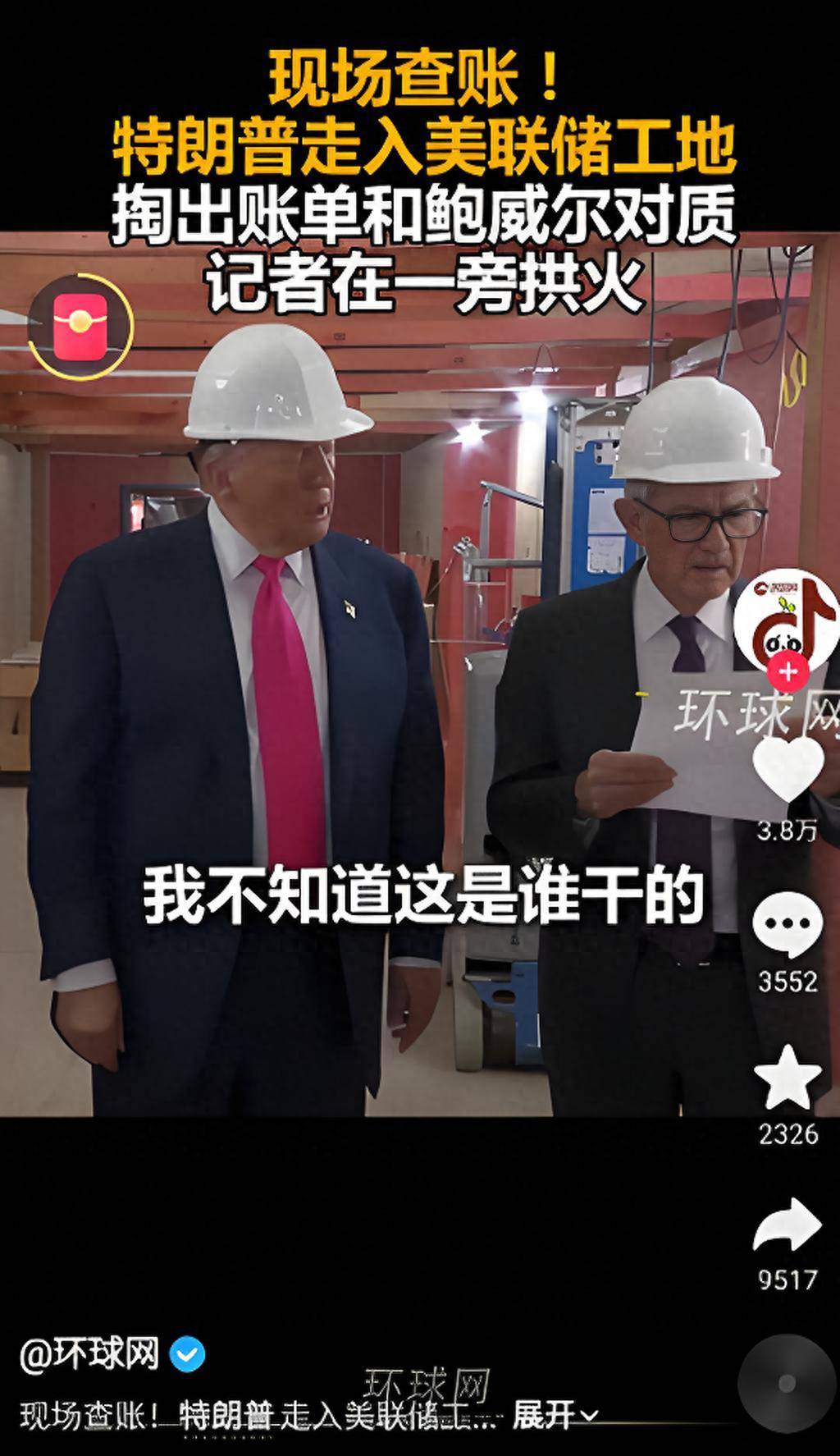
Group 1 - The core argument of the articles highlights the escalating U.S. debt crisis exacerbated by Trump's policies, which threaten the credibility of the dollar and the U.S. economy [1][5][7] - Trump's "America First" policy has led to significant tariff increases, contributing to domestic inflation, with the Consumer Price Index (CPI) rising by 3.1% year-on-year as of April 2025, surpassing the Federal Reserve's 2% target [2][3] - The Congressional Budget Office (CBO) warns that if current policies persist, the debt-to-GDP ratio could exceed 122% by 2030, significantly higher than the post-World War II peak of 106% [1][5] Group 2 - The market's distrust in the U.S. is reflected in a 10.7% decline in the dollar index in the first half of 2025, the worst performance since 1973, while gold prices surged by 27% [5][7] - Major creditor nations, including China and Japan, have been reducing their holdings of U.S. Treasury bonds for three consecutive months, opting instead for gold and yuan assets [5][7] - Analysts predict that 2026 could be a critical turning point for the U.S. debt crisis, coinciding with the end of Powell's term and the potential for more aggressive monetary policies under Trump [7]
香港“超级联系人”进阶,靠什么抢占全球财富C位?
3 6 Ke· 2025-07-07 10:56
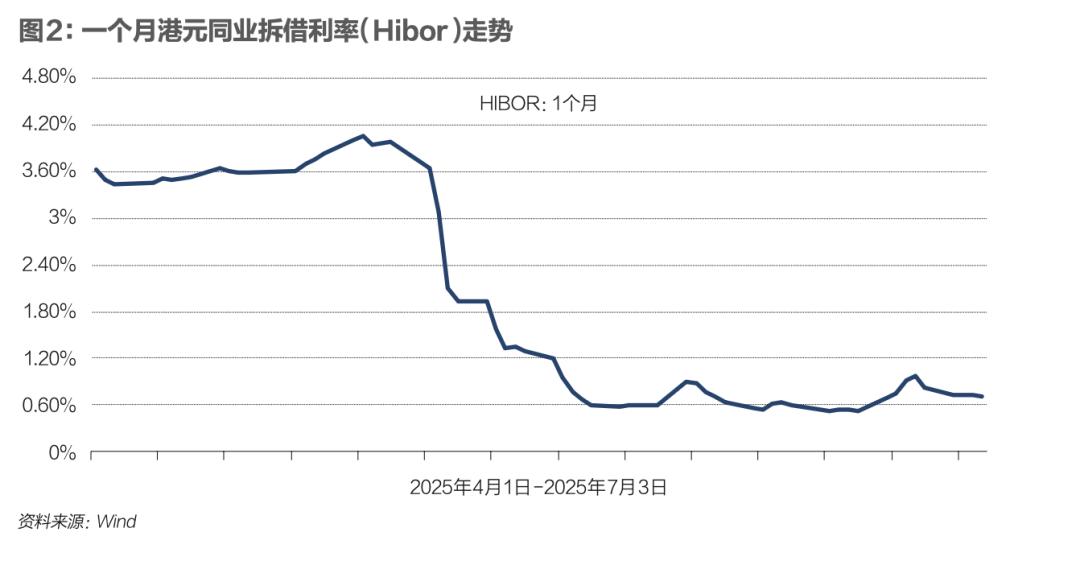
Core Viewpoint - Hong Kong is emerging as a significant financial hub amidst global market volatility, driven by capital inflows and the need for alternative financing options due to the ongoing tariff wars and the depreciation of the US dollar [2][23]. Group 1: Market Dynamics - The Hang Seng Index rose over 20% following the announcement of "reciprocal tariffs," while the Hong Kong dollar reached a strong exchange rate of 7.75 against the US dollar [1]. - In the first half of 2025, net inflows from mainland China into the Hong Kong stock market exceeded 710 billion HKD, significantly higher than previous years [2]. - The Hong Kong IPO market saw a 700% year-on-year increase in funds raised, driven by international capital [2]. Group 2: Currency and Financial Stability - The US dollar index fell over 10% in the first half of 2025, marking its worst performance since 1973, leading to significant capital outflows from the US [3][23]. - The Hong Kong Monetary Authority intervened multiple times to stabilize the Hong Kong dollar, injecting approximately 129 billion HKD into the financial system [5][10]. - The Hong Kong dollar's exchange rate fluctuated between strong and weak zones, prompting discussions on the benefits and drawbacks of the linked exchange rate system [5][39]. Group 3: Wealth Management and Investment Trends - Boston Consulting Group predicts that by 2029, Hong Kong will surpass Switzerland as the largest cross-border wealth management center globally [4]. - Wealth management revenues in Hong Kong increased significantly, with HSBC reporting a 14% rise in wholesale banking income in the first quarter [17][30]. - The average wealth of adults in mainland China is projected to continue growing, enhancing cross-border investment potential [32]. Group 4: RMB and Trade Financing - Hong Kong is the largest offshore RMB business hub, handling about 80% of global offshore RMB payments [18]. - Cross-border RMB settlements between China and ASEAN countries grew by 35% year-on-year, indicating a shift towards RMB financing [22]. - The demand for RMB in trade financing is increasing, reflecting a broader trend of "de-dollarization" in international trade [26]. Group 5: Future Outlook - The financial landscape in Hong Kong is expected to evolve with increased focus on offshore RMB markets and digital financial infrastructure [38][45]. - The capital from the Middle East is becoming a significant source of wealth for Hong Kong, with sovereign wealth funds projected to grow substantially [37]. - Hong Kong's unique position as a "super connector" between China and international markets is likely to enhance its financial stability and growth prospects [46].
美“交锋”开始,美欲掐断中国贷款?中方早已预判了特朗普手段
Sou Hu Cai Jing· 2025-05-26 01:28
Group 1 - The U.S. Treasury Department reported that as of March 2025, Japan and the UK increased their holdings of U.S. Treasury bonds, while China reduced its holdings, dropping from the second-largest to the third-largest holder [1] - Japan increased its U.S. Treasury holdings by $4.9 billion to $1.1308 trillion, maintaining its position as the largest foreign holder [1] - China reduced its U.S. Treasury holdings by $18.9 billion to $765.4 billion, marking its first reduction of the year, and projections suggest it may fall below $700 billion by year-end if the trend continues [1] Group 2 - China has been diversifying its foreign reserves, having accumulated 1,208 tons of gold over the past decade, raising its official gold reserves to 2,262 tons, a 114% increase, making it the second-largest gold holder globally [3] - The U.S. Federal Reserve's aggressive monetary policies have led to increased debt and interest payments, raising concerns about the safety of U.S. Treasury bonds, which are now viewed by some as a Ponzi scheme [3][5] - The ongoing U.S.-China economic rivalry is characterized by a dual approach, with public tariff disputes and private financial tensions, as evidenced by China's simultaneous reduction of U.S. Treasury bonds and increase in gold reserves [5][7] Group 3 - Trump's recent statements indicate a desire for improved U.S.-China relations, emphasizing the importance of the relationship, although his request for a visit to China has not been reciprocated by the Chinese side [5] - The U.S. faces increased economic pressure due to China's reduction of Treasury holdings, which could exacerbate its existing economic challenges [5] - The strategic economic theory suggests that China should reconsider holding large amounts of U.S. debt, given the U.S. government's significant fiscal deficits funded through bond issuance [7]