下沉市场

Search documents
超40套新增!眼科设备中标周报
思宇MedTech· 2025-07-01 09:05
Core Insights - The article highlights the increasing participation of domestic medical equipment in the ophthalmology sector, particularly in basic examinations, auxiliary diagnostics, AI imaging, and surgical support equipment, indicating a shift towards domestic and AI-driven solutions in the market [1][3]. Summary by Sections Market Trends - The procurement trends for the second half of the year will focus on domestic production, AI integration, and penetration into lower-tier markets [1]. Procurement Overview - In the past week, there were 13 different procurement units involved, including top-tier hospitals and county-level hospitals, indicating a diverse range of buyers [3]. - The procurement involved nearly 20 different types of ophthalmic equipment, covering basic examination tools, imaging and diagnostic devices, and surgical treatment instruments [3]. Brand Participation - A total of 22 brands were involved in the procurement, with domestic brands accounting for nearly 60% of the total, showcasing the growing influence of local manufacturers [3]. Financial Highlights - The total bid amount reached 18.743 million yuan, with the highest single equipment bid amounting to 3.2779 million yuan, reflecting significant investment in ophthalmic technology [3].


山姆与盒马,谁才是下沉市场的“王”?
东京烘焙职业人· 2025-07-01 05:07
Core Viewpoint - The competition between Sam's Club and Hema is characterized by a dual strategy of "high-end confrontation + down-market harvesting," reshaping the retail landscape in China through innovative business models focused on consumer needs and behaviors [3][4]. Group 1: Down-Market as a New Battleground - The down-market refers to the market in third-tier cities, counties, and rural areas, which constitutes the largest part of China's consumer market. The "billion-county" phenomenon is expanding, indicating strong consumer demand for high-quality products [5][6]. - Sam's Club has successfully entered the down-market, with its first store in a county-level city achieving record sales on opening day, demonstrating the strong purchasing power of consumers in these areas [5]. - Hema has also made significant strides, with 30% of its new stores in 2024 located in third-tier and county-level cities, achieving impressive sales figures that surpass some first-tier city stores [6][8]. Group 2: Motivations for Down-Market Expansion - The retreat of traditional retailers has created a market vacuum that new giants like Hema and Sam's Club are eager to fill, as evidenced by the closure of over 200 stores by Yonghui Supermarket in 2024 [8]. - Consumer upgrading trends are evident in down-markets, with Hema's new store in Xuzhou achieving sales of 45 million yuan in its first month, challenging the notion that down-market consumers lack purchasing power [8]. - Both companies are driven by internal growth needs, with Hema finally achieving profitability in 2024 and Sam's Club aiming to maintain growth momentum after surpassing 100 billion yuan in sales [8][9]. Group 3: Similarities and Differences in Strategies - Both Sam's Club and Hema emphasize product quality, leveraging their respective supply chains to offer high-quality goods to consumers [12]. - Sam's Club relies on a strong global procurement network, while Hema focuses on local supply chains and digital operations to meet local market demands [9][10]. - Hema employs a multi-format strategy, with Hema Fresh targeting high-consumption groups and Hema NB discount stores catering to price-sensitive consumers [11][12]. Group 4: Insights for the Industry - Retailers should conduct thorough market research to accurately identify target consumer groups in down-markets, tailoring their offerings accordingly [14]. - Optimizing supply chains is crucial, with lessons to be learned from Hema's local supply chain strategies and Sam's global sourcing practices [14][15]. - Emphasizing digital operations can enhance inventory management and improve consumer experience, as demonstrated by Hema's success in this area [15].

美团出手,到店市场激战下沉,7万亿服务零售产业线上化提速
Hua Xia Shi Bao· 2025-06-28 11:25
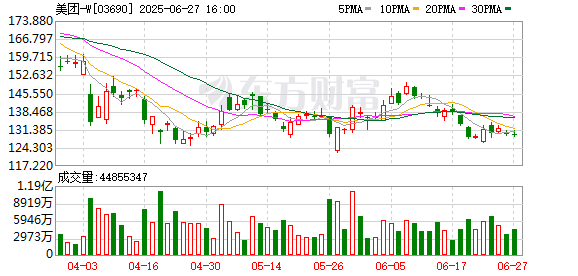
Core Insights - The service retail industry is valued at 7 trillion yuan, with an online penetration rate of only 9%, expected to rise to 25% by 2030 [2] - The competition in the service retail market focuses on user experience, operational efficiency, technological innovation, ecological collaboration, and policy compliance [2] - The "Must-Eat List" by Dazhong Dianping has seen significant success, with new merchants experiencing a 50% increase in user traffic and overall transaction volume [3] Industry Trends - The offline service retail market is characterized by a fragmented competitive landscape, with many players vying for dominance, particularly in lower-tier cities [5][6] - The onlineization of service retail is challenging due to the inherent characteristics of the industry, but it presents a significant growth opportunity [5][6] - Over the past year, the number of chain brands expanding into lower-tier cities has surged by 66% [6] Company Developments - Meituan has integrated its various business units into a "Core Local Business" segment, enhancing its operational efficiency and resource optimization [4] - The company has launched AI digital employees to assist merchants in improving operational efficiency across various scenarios [5] - Meituan has accumulated 470 million service retail users and processed over 5 billion orders since its establishment of the in-store comprehensive business unit in 2015 [6] Competitive Landscape - Meituan holds a dominant position in the market due to its synergistic effects from delivery and travel services, creating a scale barrier [7] - The service retail market features a mix of traditional retail giants, e-commerce platforms, and niche players, all facing challenges in offline transformation and service closure capabilities [7]

科技、产业、资本“三驾马车”并驾齐驱 汇通达网络(09878)蓄力并发
智通财经网· 2025-06-27 03:20
Core Viewpoint - The article highlights the strategic advancements and growth potential of Hui Tong Da Network in the context of the macroeconomic environment favoring technology, industry, and capital expansion [1][2][7] Group 1: Strategic Development - Hui Tong Da Network has demonstrated a clear and stable strategic layout in 2023, focusing on the "technology," "industry," and "capital" triad, with tangible results emerging [2] - The company has launched its "Qian Cheng Cloud AI" industry vertical model, which was approved by the National Cyberspace Administration in May, marking it as one of the early adopters of self-developed AI integrated with mainstream large models [2] - The "AI+ strategy" is being implemented across three main areas: "AI+ industry platform," "AI+ SaaS," and "AI+ smart terminals," providing numerous Agent applications to clients, covering the entire process of goods circulation [2][3] Group 2: Industry Deepening - Since the announcement of the "three major supply chain projects" in February, Hui Tong Da Network has rapidly implemented various initiatives, including the establishment of a brand ecosystem covering nine brands across four industries [3] - The "Brand Express" initiative has created direct channels to rural member stores in collaboration with major brands like Apple, enhancing sales and profitability for member stores [3] - The "Open Supply Chain Project" integrates more supply chain merchants and utilizes AI procurement assistants to help member stores match local consumer demands accurately [3] Group 3: Capital Empowerment - Hui Tong Da Network has recently undertaken significant capital actions, including a share buyback plan with a maximum amount of RMB 500 million, reflecting management's confidence in future business prospects [4] - The company has applied for the conversion of approximately 91.48% of its domestic shares into H-shares, which is expected to increase the proportion of H-shares from 32.04% to 94.21%, enhancing market liquidity and attracting more investors [4] Group 4: Undervalued Potential - The term "underrated" is frequently used in the capital market, indicating that Hui Tong Da Network's current value is not fully recognized, despite its significant growth potential [5] - The company possesses key advantages such as the integration of technology and consumption, a vast market development space, and a strong platform that is replicable [5] - Hui Tong Da Network is positioned in the "first tier" of companies effectively integrating AI applications in the consumer sector, leveraging its extensive network of nearly 250,000 member stores [5] Group 5: Internal Growth and Strategic Expansion - Hui Tong Da Network shows strong internal growth momentum, with opportunities for expansion in product categories, procurement ratios, and high-margin private label products [6] - The company's "one main, two auxiliary" strategy indicates a focus on strengthening its B2B services while actively exploring overseas and B2C business opportunities [6] - The significant growth in sales of its self-branded air conditioning product "Alti Sha" by four times year-on-year in the first quarter demonstrates the company's capability to support broader market coverage [6] Group 6: Market Reassessment - The current market perception of Hui Tong Da Network does not adequately reflect its true value and future growth potential [7] - The company exhibits strong competitiveness and resilience in AI technology application, internal growth dynamics, and strategic expansion [7] - Hui Tong Da Network's unique growth logic and forward-looking strategic layout warrant a reassessment and evaluation by the market, with potential for value reappraisal in the future [7]
周六福登陆港交所 基石投资者认购占比超五成
Zheng Quan Ri Bao· 2025-06-26 17:11
Core Viewpoint - Zhou Liufu Jewelry Co., Ltd. successfully listed on the Hong Kong Stock Exchange, raising funds to expand its sales network and enhance product design and brand building [1][2] Group 1: IPO Details - Zhou Liufu plans to globally offer 46.808 million shares at a price of HKD 24.00 per share, with 4.6808 million shares available in Hong Kong and 42.1272 million shares internationally [1] - The company attracted 8 cornerstone investors who subscribed approximately HKD 573 million, accounting for 51.04% of the total shares offered [1][2] Group 2: Market Position and Financial Performance - As of December 31, 2024, Zhou Liufu ranks sixth in total commodity transaction volume and tenth in revenue from gold jewelry products among all gold jewelry companies in China, with market shares of 6.2% and 1% respectively [2] - Revenue projections for 2022 to 2024 are CNY 3.102 billion, CNY 5.15 billion, and CNY 5.718 billion, with a compound annual growth rate (CAGR) of 35.8%; net profit for the same period is projected at CNY 575 million, CNY 660 million, and CNY 706 million, with a CAGR of 10.8% [2] - By the end of 2024, the company is expected to operate 4,129 stores, with 4,038 being franchise stores, indicating a franchise store ratio of 97.80% [2] Group 3: Business Model and Challenges - Zhou Liufu's revenue from franchise stores comes from product sales and service fees, with product sales revenue projected at CNY 843 million, CNY 2.02 billion, and CNY 2.041 billion from 2022 to 2024, and service fee revenue at CNY 798 million, CNY 833 million, and CNY 849 million [3] - The company's gross margin has decreased from 38.7% in 2022 to 25.9% in 2024, attributed to the increasing proportion of sales from franchise stores and a decline in service fee revenue [3] - Industry experts suggest that Zhou Liufu needs to enhance consumer loyalty, improve supply chain efficiency, and focus on emotional branding to compete effectively against established brands like Chow Tai Fook and Lao Feng Xiang [2][3]
县城富豪,把海底捞炒成了理财产品
36氪· 2025-06-25 10:28
Core Viewpoint - The article discusses the cautious approach of Haidilao in opening its franchise model, emphasizing the stringent requirements for potential franchisees and the strategic aim to penetrate lower-tier markets in China [4][5][19]. Summary by Sections Franchise Application Process - Haidilao received over 20,000 franchise applications since announcing its franchise model in March 2024, but less than 0.1% of applicants successfully became franchisees [4][5]. - The franchise requirements include a minimum investment of 10 million RMB (approximately 1.4 million USD) and a strong financial foundation for multi-store development [4][5]. - The selection process involves multiple rounds of assessments to ensure alignment with Haidilao's corporate culture and long-term vision [4][8][17]. Target Market and Strategy - The majority (70%) of franchise applicants are from third-tier cities and below, indicating Haidilao's focus on expanding into lower-tier markets [5][19]. - The company aims to leverage franchise partnerships to tap into the significant consumer potential in these markets, where traditional expansion methods may be limited [19][22]. - Haidilao's revenue from third-tier cities has surpassed 40%, with performance in these areas exceeding that of first-tier cities [19][22]. Franchisee Profile - Applicants come from diverse backgrounds, including professional franchisees, property owners, industry transitioners, and institutional investors [11][12]. - The franchise model is seen as a tailored investment opportunity for affluent individuals in lower-tier cities, with a focus on long-term returns rather than quick profits [5][32][33]. Operational Control and Management - Haidilao employs a "strong management" model for franchise operations, meaning franchisees have limited control over daily operations, which are managed by Haidilao's experienced staff [27][30]. - This model aims to maintain brand consistency and quality across all locations, ensuring that franchisees can benefit from the established operational framework [30][31]. Market Dynamics - The article highlights the competitive landscape in lower-tier markets, where quality locations and capable franchisees are scarce [22][24]. - Haidilao's strategy of opening franchises is positioned as a means to gain a competitive edge in these markets, where traditional expansion methods may not suffice [26][30].


县城富豪,把海底捞炒成了理财产品
投中网· 2025-06-24 05:16
Core Viewpoint - The article discusses the cautious yet strategic approach of Haidilao in opening its franchise model, emphasizing the high standards and selective criteria for potential franchisees, particularly targeting the lower-tier markets in China [5][10][11]. Summary by Sections Franchise Conditions - Haidilao has set stringent franchise conditions, requiring potential franchisees to invest at least 10 million yuan (approximately 1.4 million USD) without loans, and to possess financial capabilities for multi-store development and local property resources [6][10]. - The company conducts multiple rounds of qualification assessments to ensure alignment with its corporate culture and long-term vision [7][27]. Franchise Application Process - Out of over 20,000 applications received, more than 10,000 have completed the evaluation process, but only 13 franchises have been finalized, with 10 being transfers of existing stores [8][10]. - The application process includes several stages: initial online assessments, interviews focusing on business plans and brand understanding, and final evaluations by senior management [23][25]. Target Market and Strategy - Haidilao aims to penetrate lower-tier markets, with 70% of franchise applicants coming from third-tier cities and below, where the company sees significant growth potential [11][29]. - The company’s revenue from second and third-tier cities has reportedly exceeded that from first-tier cities, indicating a strategic shift towards these markets [29][32]. Market Dynamics - The lower-tier market represents a vast consumer base, accounting for nearly 70% of China's population and contributing significantly to retail consumption [29][32]. - The competition for prime locations in these markets is intense, with limited commercial centers available, making the selection of franchisees crucial [32][36]. Operational Control - Haidilao employs a "strong management" model for its franchises, meaning that while franchisees own the stores, they have limited control over daily operations, which are managed by Haidilao [37][39]. - This model aims to maintain brand consistency and quality across all locations, ensuring that franchisees can benefit from the established operational framework without the burden of daily management [39][40]. Investment Perspective - The investment in a Haidilao franchise is viewed as a long-term opportunity rather than a quick return, appealing to wealthy individuals in lower-tier cities who seek stable returns [40][41]. - The company positions itself as a competitive investment option in the market, attracting affluent individuals who recognize the brand's value and operational success [41].

毕马威:90后与00后在养宠人群中占比超六成
Bei Ke Cai Jing· 2025-06-23 05:41
Core Insights - The pet industry in China is experiencing significant growth, with the market size increasing from 97.8 billion yuan in 2015 to 592.8 billion yuan in 2023, and projected to reach 811.4 billion yuan by 2025, reflecting a compound annual growth rate of 25.4% [1] - The number of pets in China is expected to reach 430 million by 2024, with cat owners numbering 40.88 million, indicating an average of two cats per owner, and this figure is projected to grow to 570 million by 2029 [1] - The growth of the pet economy is driven by emotional factors, policy support, and technological innovation, which have encouraged companies to invest in research and development and improve product quality [1] Market Dynamics - The consumer base for pets is becoming younger and more educated, with over 60% of pet owners being born in the 1990s and 2000s, who prioritize the quality of life and personalized needs for their pets [2] - High-income, well-educated individuals tend to spend more on their pets, reflecting a trend of late marriage and childbearing, leading to increased emotional value and high-quality living for pets [2] - Online channels have become the primary sales avenue for pet food, although offline channels remain important for providing better shopping experiences and additional services [2] Product Trends - There is a shift towards high-quality and refined pet food, with trends such as "human-pet similarity" gaining traction, leading to increased demand for premium products like baked and fresh food [3] - The integration of technology in pet health management is on the rise, with over 70% of pet hospitals in first-tier cities adopting AI-assisted diagnostic tools [3] - The aging population and emerging markets are creating new growth opportunities, as more elderly individuals view pets as family members, leading to diverse consumption needs, particularly in food, health, and smart devices [3]
下沉市场!县城餐饮人做生意的3个狠招
Sou Hu Cai Jing· 2025-06-22 17:06
Core Insights - The article emphasizes that the lower-tier market is not a simplified version of urban dining, but rather a complex environment where local businesses thrive through understanding consumer needs and leveraging local resources [1][22]. Group 1: Key Principles for Success in Lower-Tier Markets - Key Principle 1: "Upgrading" is rooted in "essential needs," where value perception is crucial rather than just low pricing [3]. - Customers in county towns seek quality and visible value, as evidenced by local restaurants achieving high patronage despite higher average spending compared to urban chains [4][5]. - Key Principle 2: "Efficiency wars" focus on supply chain effectiveness, with local sourcing being critical for maintaining quality and customer loyalty [9]. - Local sourcing can lead to higher costs but results in better customer experiences and repeat business, as shown by a local hotpot restaurant that prioritizes fresh ingredients [9][10]. - Key Principle 3: Understanding local social dynamics is essential for success, where building relationships and community ties can drive business [20]. - Engaging with local key customers, such as wedding planners and influential families, can secure consistent business opportunities [16][18]. Group 2: Case Studies and Examples - A case study from Jiangxi highlights a restaurant that emphasizes transparency and quality, leading to customer satisfaction despite higher costs [5]. - Another example from Hebei illustrates how a restaurant enhances the dining experience through entertainment, making it appealing for family gatherings [6][9]. - A community kitchen in Shandong demonstrates the importance of adapting to local supply conditions and customer preferences, showcasing flexibility in menu offerings [12][14]. Group 3: Marketing and Community Engagement - Local marketing strategies, such as personal outreach and relationship-based discounts, are more effective than digital advertising in county towns [20]. - The importance of compliance with local regulations and maintaining good relationships with neighboring businesses is highlighted as critical for operational success [22].

县城富豪,把海底捞炒成了理财产品
盐财经· 2025-06-22 09:55
Core Viewpoint - The article discusses Haidilao's cautious approach to franchise expansion, highlighting the stringent requirements for potential franchisees and the company's strategic focus on tapping into lower-tier markets [2][3][7]. Franchise Conditions - Haidilao has set high franchise entry requirements, including a minimum investment of 10 million RMB, excluding loans, and the need for franchisees to have financial capabilities for multi-store development and management experience [3][22]. - The company conducts multiple rounds of assessments to ensure that potential franchisees align with Haidilao's corporate culture and long-term vision [3][10]. Franchise Application Process - Out of over 20,000 applications received, more than 10,000 have completed the evaluation process, but only 13 franchise stores have been established, with 10 being transfers from existing stores [4][7]. - The application process involves several stages, including online evaluations, interviews focusing on business plans and brand understanding, and final assessments by senior management [23][24]. Market Strategy - Haidilao aims to leverage franchise partnerships to penetrate lower-tier markets, where 70% of applicants are from third-tier cities and below [8][29]. - The company’s revenue from second and third-tier cities has outperformed that from first-tier cities, indicating a strategic shift towards these emerging markets [29][28]. Investment Appeal - The franchise model is perceived as a tailored investment opportunity for affluent individuals in lower-tier cities, with Haidilao's brand and operational support being attractive to potential investors [8][42]. - The company emphasizes that the franchise model is not about quick profits but rather about stable returns, appealing to investors looking for reliable opportunities [42][43]. Operational Control - Haidilao implements a strong management system for franchise stores, ensuring that operations, product standards, and employee training are consistent with company policies, thereby maintaining brand integrity [40][41]. - Franchisees have limited control over daily operations, which is managed by Haidilao to ensure quality and service standards are upheld [38][41].