双循环

Search documents
硬核数据勾勒我国“十四五”外贸“稳中提质”成绩单 对外开放展现新亮点
Yang Shi Wang· 2025-07-21 02:06
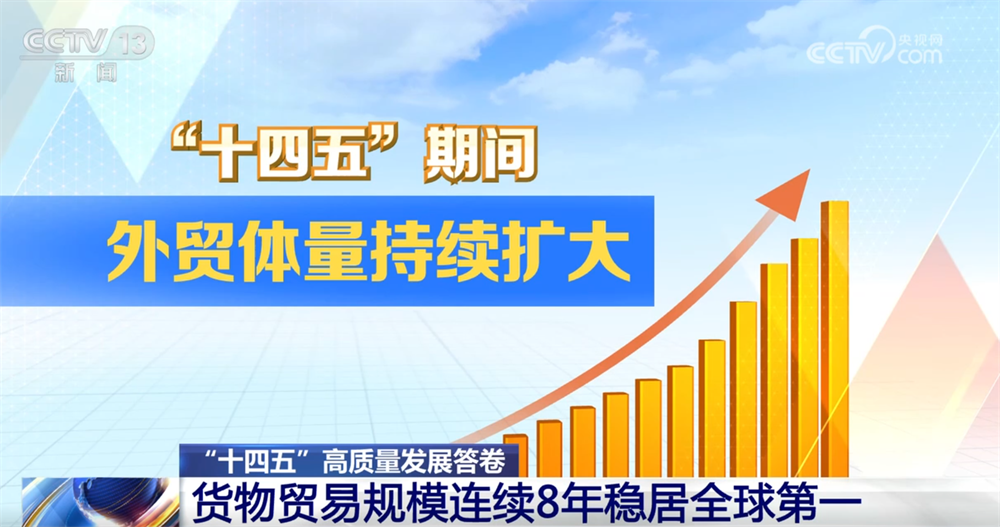
"十四五"期间,外贸体量持续扩大。我国货物贸易规模连续跨过5万亿美元、6万亿美元两大台阶,2024年达6.16万亿美元,较"十三五"末 增长32.4%,连续8年稳居全球第一。 央视网消息:7月21日的《"十四五"高质量发展答卷》,我们来看外贸的成绩。"十四五"期间,我国外贸在全球变局中逆势上扬,顶住压 力、稳中提质。五年来,不仅"做大了体量",也"做强了结构",更"锻造了韧性",贸易强国建设步伐加快。 服务贸易规模2024年首次突破1万亿美元,位居全球第二。民营企业出口占比从"十三五"末的56%提升至2024年的64.8%。 外贸韧性不断增强。面对外部挑战,我国积极拓展多元市场。东盟已经连续5年为我国第一大贸易伙伴,今年上半年贸易额同比增长 9.6%。2024年,我国与共建"一带一路"国家贸易比重已经超过了50%。五年来,我国外贸产供链更完备、更灵活,应对风险挑战的能力更强、 底气更足。 海关总署:上半年我国西部地区进出口创历史同期新高 记者从海关总署获悉,海关最新数据显示,今年上半年,我国西部地区持续优化外贸结构,外贸进出口总值达2.12万亿元,同比增长 10.4%,创历史同期新高,成为我国对外开放新亮点。 ...

中石科技(300684):散热解决方案龙头 多赛道布局稳步增长
Xin Lang Cai Jing· 2025-07-20 11:29
Core Insights - The rapid development of AI+ is driving comprehensive upgrades in industries, leading to increased demand for advanced thermal management solutions and materials [1] - The company is experiencing steady revenue growth and significant improvement in profitability, with a projected revenue of 1.57 billion and a net profit of 200 million in 2024, reflecting a year-on-year increase of 24.6% and 173% respectively [1] - The company is expanding its international presence and production capacity, with successful operations in Thailand and qualification as a supplier for major North American clients [2] Group 1: Industry Trends - The AI+ development is creating a larger market for thermal applications, necessitating higher performance requirements for thermal management solutions [1] - The demand for thermal materials such as thermal graphite, thermal interface materials, and heat pipes is continuously growing, driven by sectors like smartphones, AIPC, and optical modules [1] Group 2: Company Performance - The company achieved a revenue of 350 million in Q1 2025, a year-on-year increase of 16.4%, with a net profit of 62 million, up 105.7% [1] - The company's gross margin and net margin for 2024 are projected to be 30.95% and 12.8%, respectively, showing an increase of 5.84 percentage points and 7.08 percentage points year-on-year [1] - R&D investment for 2024 is expected to be 84 million, a year-on-year increase of 5.86%, with successful development of P-type graphite and increased investment in VC liquid absorption core technology [1] Group 3: Strategic Initiatives - The company is enhancing its production capabilities in Thailand and expanding its domestic production base in Yixing for thermal module capacity [2] - The company aims to replicate its industry solutions across various sectors, including digital infrastructure, smart transportation, and clean energy, to achieve steady growth [2] - Profit forecasts indicate that the company is well-positioned to benefit from the growth in the thermal management industry driven by AI technology, with projected net profits of 290 million, 380 million, and 500 million for 2025-2027 [2]
大不列颠能源公司所用太阳能电池板均产自中国,英国政客又炒作“强迫劳动”挑事
Guan Cha Zhe Wang· 2025-07-20 07:49
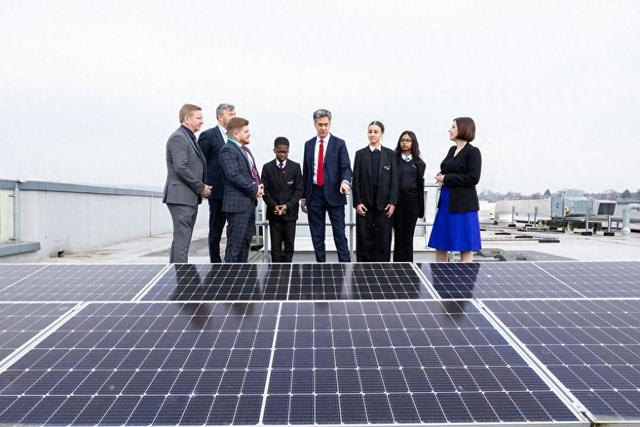
Core Points - The UK government, under the Labour Party, has established a state-owned energy company, Great British Energy, aimed at investing in renewable energy, particularly solar power [3] - The company has allocated approximately £200 million for solar projects in schools and NHS hospitals, with the first batch of solar panels sourced from Chinese companies Aiko and Longi [3][4] - Labour MP Sarah Champion has criticized the use of Chinese solar panels, citing concerns over alleged forced labor in the supply chain [1][4] - The UK imports a significant portion of its solar panels from China, with 68% of solar panel imports in 2024 coming from China, an increase from 61% in 2023 [4] - Chinese companies Aiko and Longi have denied any involvement in forced labor practices, asserting their commitment to ethical business practices [5] Company and Industry Insights - Great British Energy aims to support the UK's green transition by investing in renewable energy projects, despite political pressures regarding sourcing from China [3][6] - The solar industry is heavily reliant on Chinese manufacturing, particularly for polysilicon, which is a key component in solar panels [4][8] - The UK government's recent policy changes have raised concerns among officials about the feasibility of achieving climate goals without Chinese solar products [6][8] - The global solar market is dominated by Chinese suppliers, making it challenging for countries to avoid sourcing from China while trying to maintain low costs and carbon efficiency [4][5]

厦门国际枢纽港临港片区
Sou Hu Cai Jing· 2025-07-18 09:58
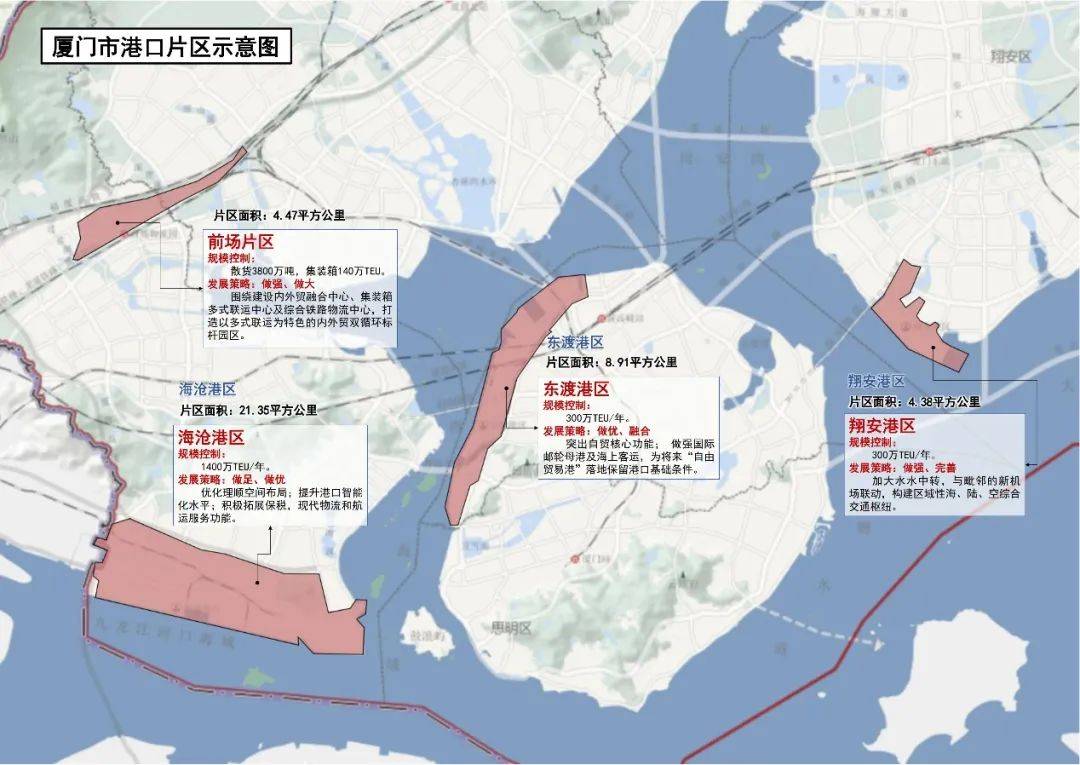
Overview - Xiamen Port is focusing on high-quality development by optimizing port-city relations and enhancing logistics systems, aiming for a container throughput of over 12.25 million TEUs in 2024 [1][3] Major Areas Introduction Haicang Port Area - Haicang Port has 40 berths, with a design capacity of 33.44 million tons and 8 million TEUs annually, aiming to increase container throughput to 14 million TEUs [4][6] - The area focuses on ocean transportation and aims to strengthen its position as a core international container hub [4][6] Dongdu Port Area - Dongdu Port has 23 berths with a design capacity of 257.4 thousand TEUs annually, focusing on near and medium-distance ocean transportation [7] - The area aims to develop modern logistics and shipping services, including international procurement and cross-border e-commerce logistics [7][6] Xiang'an Port Area - Xiang'an Port has 5 berths with a design capacity of 3.3 million tons, focusing on container and bulk cargo transportation [9][10] - The area aims to leverage its deep-water coastline and proximity to Xiamen Xiang'an International Airport to develop a comprehensive transportation hub [9][10] Qianchang Area - Qianchang Logistics Park is positioned as a core logistics hub, focusing on land-based logistics and supporting the construction of an international shipping center [12][13] - The area aims to develop a comprehensive railway logistics center and multi-modal transport solutions, enhancing trade links with Taiwan and Southeast Asia [12][13]
三个关键词看山东外贸韧性何来
Qi Lu Wan Bao Wang· 2025-07-18 00:32
Core Viewpoint - Shandong's foreign trade demonstrates resilience amid challenging international conditions, achieving a record high in import and export volumes, contributing nearly 20% to national foreign trade growth [3] Group 1: Main Contributors - Among 100 foreign trade enterprises, 92 are private enterprises, highlighting the significant role of the private economy in Shandong's foreign trade development [4] - Over 60,000 private enterprises engaged in import and export activities in Shandong, with a 76.1% share of the province's foreign trade volume [4] - Private enterprises exported intermediary goods worth 394.3 billion yuan, growing by 8.7%, and imported 33.7 billion yuan worth of major commodities, increasing by 13% [4] Group 2: Structural Transformation - Shandong's private foreign trade enterprises are moving towards high-end products, with high-end equipment exports reaching 34.9 billion yuan, up 58.9% [5] - The export of high-tech products increased by 28.1% to 90.08 billion yuan, indicating a shift towards higher value chains [6] - The share of domestic brands in industrial exports rose to 26.1%, reflecting a transition from "no brand" to "self-owned brand" [7] Group 3: Emerging Markets - Shandong's products were exported to 242 countries and regions, with significant contributions from emerging markets, accounting for over 60% of export growth [9][12] - Exports to ASEAN reached 186.66 billion yuan, growing by 4.1%, while exports to Africa surged by 30.7% [10][11] - Traditional markets also showed growth, with exports to the EU increasing by 10.9% and to Japan and the UK by 6.9% and 15.2%, respectively [12]

“循环枢纽”“双循环支点”怎么建
He Nan Ri Bao· 2025-07-17 23:39
Core Viewpoint - The construction of a national unified market is essential for building a new development pattern and promoting high-quality development, as emphasized by President Xi Jinping during the recent Central Financial Committee meeting [1] Group 1: Importance of "Hubs" and "Pivots" - Henan has the natural conditions and comprehensive advantages to become a hub in the construction of a national unified market, facilitating the flow of people, goods, and information [2] - Establishing hubs will enable Henan to serve as a center for the circulation of various resources, enhancing the efficiency of economic cycles [2] Group 2: Advantages of Henan - Henan benefits from favorable national policies aimed at accelerating the construction of a unified market, providing a significant opportunity for institutional innovation and regulatory collaboration [3] - The province has a large market scale with a population of 100 million and over 11 million business entities, which is a key comparative advantage [3] - Henan's geographical location in the Central Plains and its modern transportation system enhance its connectivity and logistical capabilities [3] Group 3: Collaborative Efforts - There is a strong consensus and active participation among various stakeholders in Henan to integrate and support the construction of a national unified market [4] - The leadership in Henan is committed to seizing opportunities and leveraging advantages to gain a competitive edge in high-quality regional development [4] Group 4: Strategic Actions - The recent meeting outlined six key actions to strengthen the hub economy and enhance the pivot effect, including market expansion and infrastructure connectivity [5] - Focus on overcoming challenges and releasing the potential of scale and agglomeration effects to facilitate investment, production, trade, and logistics [6] - The construction of hubs and pivots is aligned with national needs and the expectations of business entities, positioning Henan for a robust integration into the national market [6]
长沙形成“1支点3枢纽2基地1中心”现代流通网络
Chang Sha Wan Bao· 2025-07-17 03:18
Core Viewpoint - The establishment of the "1 support point, 3 hubs, 2 bases, and 1 center" modern circulation network in Changsha marks a significant advancement in the region's logistics capabilities, enhancing its economic competitiveness and supporting high-quality development in Hunan and the central region of China [1][4]. Group 1: Logistics Hubs - Changsha has successfully established three national logistics hubs: the Changsha Land Port Logistics Hub, the Changsha Production Service Logistics Hub, and the Changsha Air Port Logistics Hub, which were recognized as "national-level" in 2019, 2023, and 2025 respectively [2]. - The Changsha Land Port Logistics Hub, centered around the Jinxia Modern Logistics Park, integrates rail, water, and road transport, attracting major cross-border e-commerce companies [2]. - The Changsha Air Port Logistics Hub serves as a core node for air freight in Central China, creating a comprehensive international logistics hub that supports industrial development [2]. Group 2: Cold Chain and Warehouse Bases - The Changsha National Backbone Cold Chain Logistics Base is set to achieve a total cold storage capacity of 2 million cubic meters, facilitating an annual turnover of 20 million tons of fresh agricultural products, thus boosting agricultural trade and economic growth [2]. - The suburban warehouse base employs a strategic layout to enhance the city's emergency material transport capabilities and logistics system resilience [2]. Group 3: International Logistics and Trade - As of January 2025, Changsha will be one of the 14 central collection centers for the China-Europe Railway Express, maintaining a scale of over 1,000 trains for four consecutive years and ranking among the top in the country [3]. - The China-Europe Railway Express from Changsha has developed premium routes and specialized trains for manufacturing, effectively reducing overall logistics costs in Hunan province [3]. Group 4: Economic Impact - The modern circulation network is a crucial engine for enhancing Changsha's regional economic competitiveness and supports the implementation of the national "dual circulation" strategy [4]. - In the first five months of 2025, Changsha achieved a total retail sales of consumer goods amounting to 227.134 billion yuan, with a year-on-year growth of 4.8% [4]. - The city's total import and export volume reached 109.095 billion yuan, accounting for 52% of the province's foreign trade, with exports growing by 7.2% [4].
外贸“主力军”!上半年山东民企进出口值1.31万亿元,船舶出口值“翻倍”
Qi Lu Wan Bao· 2025-07-17 03:00
Core Insights - The report highlights the significant role of private enterprises in driving the foreign trade growth of Shandong province, with a notable increase in their export and import values in the first half of 2025 [4][5][6] Group 1: Private Enterprises' Contribution - In the first half of 2025, the import and export value of private enterprises in Shandong reached 1.31 trillion yuan, marking a 7.7% increase, which is 0.9 percentage points higher than the overall provincial growth rate [4] - Private enterprises accounted for 76.1% of Shandong's foreign trade, with exports making up 78.1% and imports 72.9% [4][5] - 85.1% of the foreign trade growth in Shandong was contributed by private enterprises, indicating their dominant role in the market [4] Group 2: Market Expansion - Private enterprises achieved growth in imports and exports with 175 countries and regions, maintaining stable growth rates with ASEAN, EU, Russia, and Japan at 1.6%, 7.1%, 2.5%, and 3.1% respectively [5] - Exports to countries involved in the Belt and Road Initiative grew by 10.2%, reaching 866.63 billion yuan, with significant increases in trade with Latin America, Africa, and the Arab League [5] Group 3: Dual Circulation Contribution - Private enterprises are pivotal in facilitating the international and domestic "dual circulation," with exports of intermediate goods reaching 394.33 billion yuan, a growth of 8.7% [5][6] - The import value of 16 categories of bulk commodities by private enterprises was 337.17 billion yuan, increasing by 13% and accounting for 78.4% of the province's total bulk commodity imports [5][6] Group 4: High-End Transformation - Private enterprises are becoming key players in technological innovation, with high-end equipment exports rising to 34.93 billion yuan, a growth of 58.9% [6] - Exports of electronic technology products reached 23.18 billion yuan, increasing by 26.5%, while significant growth was observed in the exports of ships, electric vehicles, and machine tools [6][7] - The implementation of the Private Economy Promotion Law is expected to enhance the development environment for private enterprises, boosting their confidence and operational capabilities [7]
太古集团携多元业务亮相第三届链博会
Ren Min Wang· 2025-07-17 02:20
Group 1 - The third China International Supply Chain Promotion Expo (Chain Expo) opened on July 16, showcasing Swire Group's diverse businesses in the quality life section [1] - Swire Group's China Chairman, Cheung Yat Tak, emphasized the company's commitment to sustainable practices and collaboration with partners in China's industrial chain to promote high-quality development [1] - Swire Properties presented the future development blueprint of Beijing Taikoo Li through a model, highlighting standards for high-quality commercial communities [1] Group 2 - Swire Coca-Cola is embedding sustainability into its entire research, production, and operation chain to achieve its net-zero emissions target by 2050 [2] - Swire Sugar is leading a new trend in healthy consumption with innovative products like natural sweeteners and tremella soup [2] - Cathay Pacific aims to enhance global aviation through improved route planning, service quality, and passenger experience, reaching 100 global passenger destinations in the first half of this year [2] Group 3 - Swire Group's various businesses are focused on deepening supply chain collaboration through innovation and sustainable practices, aligning with the new development pattern of "dual circulation" [2] - The company is committed to contributing value to China's economic and social development while responding to diverse consumer demands for a better life [2]

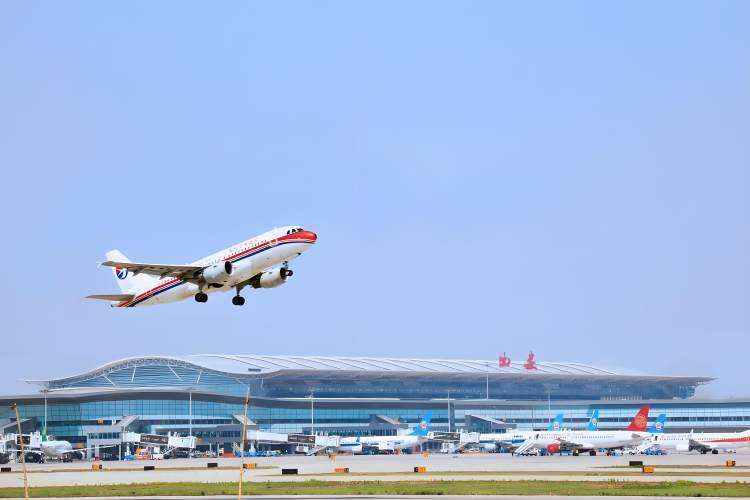
西咸新区空港新城:综保赋能双循环 航空枢纽畅联大市场
Sou Hu Cai Jing· 2025-07-16 03:32
Core Viewpoint - The Xi'an Airport Comprehensive Bonded Zone is leveraging its unique location and functional advantages to connect international and domestic markets, serving as a crucial hub for global trade and facilitating the development of a unified national market [1][3]. Group 1: Innovation and Development - The Xi'an Customs has supported the Comprehensive Bonded Zone in driving innovation and breaking market segmentation, which has effectively promoted the dual circulation pattern and contributed to the construction of a unified national market [3]. - Since 2021, the zone has implemented various business innovations, including the classification of goods by status for regulatory purposes, which has reduced costs for enterprises and improved domestic trade services [5]. - The zone has also launched the first "cross-border e-commerce return center warehouse" in the province, enhancing the efficiency of goods circulation and accelerating cross-border refund processes [5]. Group 2: "Bonded+" Model - The "Bonded+" model has successfully integrated the industrial gears of both internal and external markets, promoting market-oriented allocation of resources and cross-regional industrial collaboration [6]. - Logistics companies within the zone provide specialized "Bonded+" warehousing and distribution services to leading domestic and international manufacturers, enhancing supply chain efficiency [6][8]. Group 3: Cross-Border E-Commerce - The zone supports major e-commerce platforms like JD.com and Cainiao by providing efficient customs clearance and logistics services, covering nearly 20 countries, including those involved in the Belt and Road Initiative and RCEP [11]. - This initiative has enriched domestic consumption and facilitated the global reach of Chinese products, strengthening the connection between domestic and international markets [11]. Group 4: Attraction of Enterprises - The Comprehensive Bonded Zone has attracted various enterprises, such as Xiamen Lufu Aviation and Shanghai Eastern Airlines Technology, to relocate and provide services in aviation maintenance, parts supply, and large equipment leasing [13]. - This has promoted regional industrial development and the free flow of resources, enhancing the zone's influence in the unified national market [13]. Group 5: Future Development - The Xi'an Airport Comprehensive Bonded Zone aims to continue enhancing trade facilitation, optimizing regulatory measures, and strengthening service efficiency to better connect domestic and international markets, contributing to high-quality development of the air economy [15].