
量化宽松

Search documents
金融属性+供弱需强,银价中枢上行 | 投研报告
Zhong Guo Neng Yuan Wang· 2025-10-24 03:40
Core Insights - The global silver market is experiencing a supply-demand gap, with a projected deficit of 4,633 tons in 2024 and an expected shortfall of 3,660 tons in 2025, primarily driven by increased demand from the photovoltaic sector [1][3] - Silver supply is concentrated and shows a declining trend, with global silver mine production expected to decrease from 274,000 tons in 2014 to 252,000 tons in 2024 [2] - Investment demand for silver is being catalyzed by rising geopolitical tensions, enhancing its appeal as a safe-haven asset alongside industrial demand [3][4] Industry Overview - The global silver supply is projected at 31,574 tons and demand at 36,207 tons for 2024, indicating a persistent supply shortage since 2021 [1][3] - The compound annual growth rate (CAGR) for silver demand in photovoltaic applications from 2014 to 2024 is estimated at 15.09%, with 6,147 tons of silver expected to be used in this sector in 2024 [1][3] - Silver mine production is forecasted to decline, with Mexico accounting for 23% of global output, while recycled silver supply is growing at a CAGR of 3.4% from 2019 to 2024 [2] Price Dynamics - Silver's unique dual attributes as both an industrial and financial asset contribute to its price volatility, with expectations of price increases driven by a combination of weak supply and strong demand [4][5] - Anticipated interest rate cuts by the Federal Reserve in late 2025 could further support silver prices, alongside a recovery in industrial demand [4] Investment Recommendations - Companies such as Shengda Resources are highlighted for their potential growth in silver reserves and production, driven by ongoing projects [5] - Xinyi Silver Tin is noted for its significant silver resource holdings and ongoing expansion projects, which are expected to boost future production [5]
山金国际:前三季度净利润同比增长42.39% 内增外拓双轨并进
Zheng Quan Shi Bao Wang· 2025-10-24 02:46
Group 1: Company Performance - In the first three quarters of 2025, the company achieved operating revenue of 14.996 billion, a year-on-year increase of 24.23% [1] - The net profit attributable to shareholders reached 2.460 billion, reflecting a year-on-year growth of 42.39% [1] - The net cash flow from operating activities was 3.692 billion, up 22.93% compared to the previous year [1] Group 2: Market Conditions - The precious metals market showed positive performance, significantly supporting the company's results [1] - Gold and silver prices have been on the rise, with London spot gold increasing by 47.01% and silver by 61.50% year-to-date [1] Group 3: Resource Expansion and Internationalization - The company is actively expanding its resource base, acquiring exploration rights for gold mines in Yunnan province, covering a total area of 55.98 square kilometers [2] - The company is progressing with its global strategy, including the acquisition of the Osino project in Namibia, which is expected to create new growth opportunities [2] - A formal application for H-share listing on the Hong Kong Stock Exchange was submitted in September 2025, aiming to diversify capital market access and enhance governance [2] Group 4: Shareholder Returns - The company announced a share repurchase plan with a total budget of 100 million to 200 million, having repurchased 1,834,929 shares for a total amount of 34.0925 million by the end of the reporting period [2]

ARMOUR Residential REIT(ARR) - 2025 Q3 - Earnings Call Transcript
2025-10-23 13:00
Financial Data and Key Metrics Changes - ARMOUR's Q3 GAAP net income available to common stockholders was $156.3 million, or $1.49 per common share, with net interest income at $38.5 million [3] - Distributed earnings available to common stockholders was $75.3 million, or $0.72 per common share, reflecting a total economic return of 7.75% for the quarter [3][4] - Quarter-end book value increased to $17.49 per common share, up 3.5% from June 30 and 2.8% from August 8 [3] Business Line Data and Key Metrics Changes - ARMOUR raised approximately $99.5 million by issuing about 6 million shares through an at-the-market offering program and completed the sale of 18.5 million shares for approximately $298.6 million [4] - The company repurchased 700,000 shares through its common stock repurchase program [4] Market Data and Key Metrics Changes - The Federal Reserve resumed its easing cycle with a 25 basis point cut in September, leading to a decline in Treasury yields and a tightening of agency MBS spreads by roughly 20 basis points [7][8] - MBS spreads are now near the tightest levels of the year, with expectations of further easing likely to redirect liquidity into agency MBS [8] Company Strategy and Development Direction - ARMOUR's strategy focuses on growing and deploying capital thoughtfully during spread dislocations while maintaining robust liquidity and dynamically adjusting hedges for disciplined risk management [15][16] - The company aims to pay an attractive and stable dividend over the medium term, with a current monthly dividend of $0.24 per share [4][5] Management's Comments on Operating Environment and Future Outlook - Management noted that the macroeconomic environment is shifting, with a softer U.S. labor market and expectations of further Fed rate cuts, which could create a constructive environment for agency MBS [6][7] - The company anticipates that structural demand for agency mortgage-backed securities will continue to strengthen, supported by regulatory clarity and a resumed easing cycle [14] Other Important Information - ARMOUR's portfolio is entirely invested in agency mortgage-backed securities, agency commercial MBS, and U.S. Treasuries, with a net duration of 0.2 years and applied leverage of 8.1 times [10] - The average gross haircuts stand near 2.75%, with repo market liquidity remaining healthy [13] Q&A Session Summary Question: Current returns on incremental investments and hedge choices - Management expects hedged ROEs in the 16% to 18% range, slightly lower than previous quarters due to tight mortgage spreads [18][19] Question: Outlook for swap spreads and mortgage spreads on an OIS basis - Swap spreads are expected to normalize, providing a tailwind for the portfolio, with 87% of notional allocated to SOFR and OIS swaps [20][21] Question: GSE deregulation and its impact on borrower rates - Management indicated that various levers could be pulled to reduce borrower rates, but balancing GSE attractiveness as an investment is also a priority [23][24] Question: Interest rate volatility and potential hedging strategies - Management discussed using swaptions and asset selection to manage volatility, noting that about 40% of the portfolio consists of low optionality assets [27][29] Question: Economic net interest margin outlook - Future trends depend on the portfolio and Fed rate cuts, with management confident in the constructed portfolio [33][34] Question: MBS spreads and Fed rate cuts - Management acknowledged that a pause in the easing cycle could introduce volatility, but actual cuts could unlock bank demand for MBS [38][39]

金价警报再拉响!10月底恐跌超20%,散户该逃还是等?
Sou Hu Cai Jing· 2025-10-22 13:36
Group 1 - The current gold market is showing signs of potential risks similar to the significant drop in April 2013, with concerns about policy, market dynamics, and demand [1][11][34] - The 2013 gold crash was primarily triggered by a shift in monetary policy, specifically the Federal Reserve's announcement to taper quantitative easing, which altered market expectations [4][6] - In 2013, a massive sell-off occurred, with 340 tons of gold sold in a single day, representing about 10% of global annual production, exacerbating the downward trend [6][10] Group 2 - Current monetary policies from global central banks are tightening in response to inflation, with the Federal Reserve maintaining a hawkish stance despite calls for rate cuts, leading to higher costs for holding gold [13][16] - Key dates in October, particularly the Federal Reserve's meeting on October 29-30, are critical as any hawkish signals could trigger further declines in gold prices [18] - Geopolitical factors, such as the easing tensions in the Middle East, are diminishing gold's safe-haven appeal, while demand from major markets like China and India is also weak [19][20] Group 3 - Central banks have slowed their gold purchases this year, and gold ETFs have seen net outflows for four consecutive months, indicating a lack of institutional interest [21] - Technical indicators show a bearish trend for gold, with prices breaking below the 200-day moving average and forming a potential "head and shoulders" pattern, suggesting a possible drop to below $1,600 per ounce [23][30] - Different strategies are recommended for various types of investors, with short-term investors advised to reduce positions and set stop-loss levels, while long-term investors may consider buying at lower price points [26][30][32]

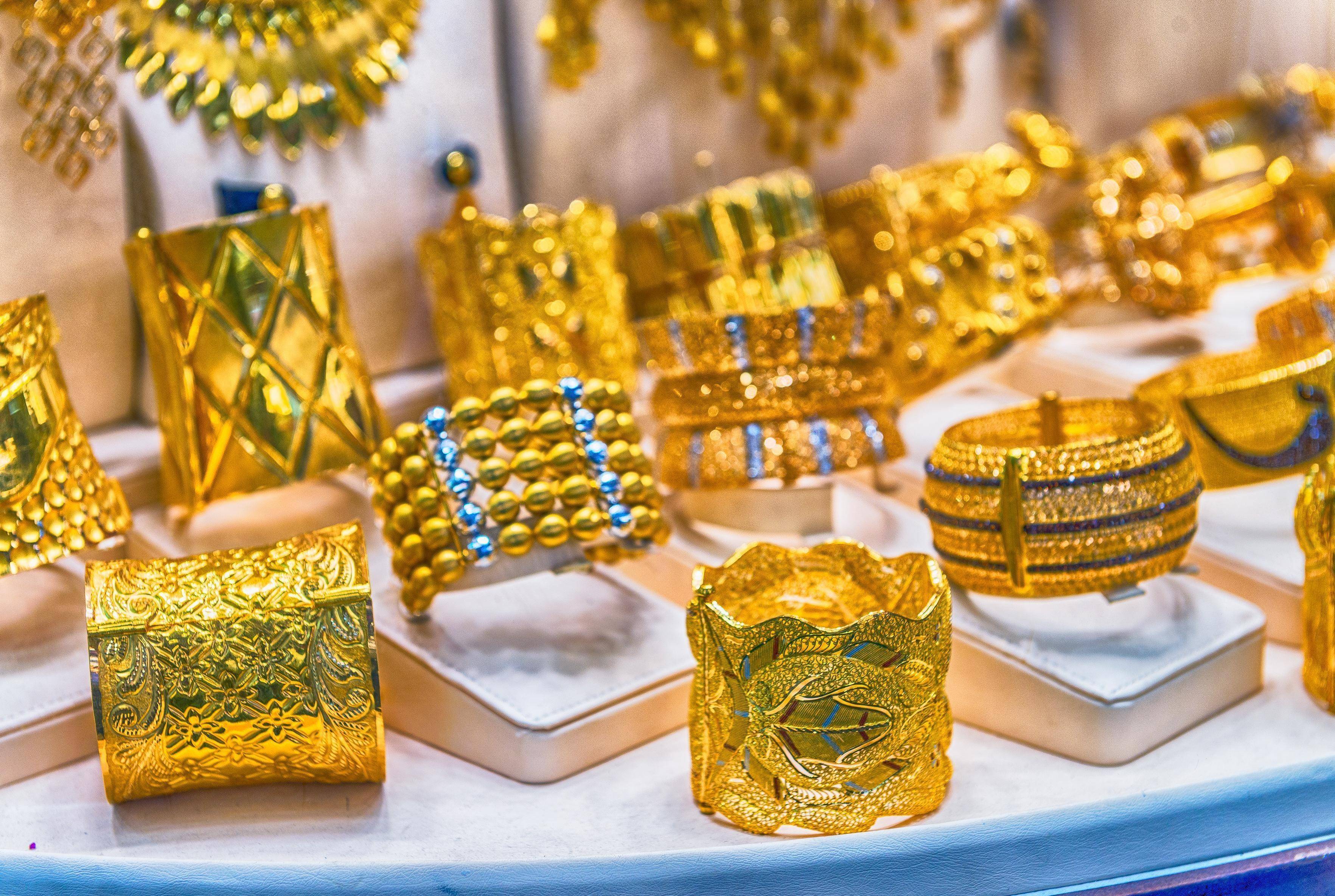
与14年前相比,这轮黄金牛市有何相似之处?
Di Yi Cai Jing· 2025-10-22 12:43
Core Viewpoint - The recent decline in gold prices and mining stocks has raised questions about the end of the current gold bull market, but industry experts believe that short-term fluctuations do not indicate a long-term trend reversal [1][2]. Group 1: Market Trends - Gold prices rose over 30% from late August to October 20, 2025, reaching nearly $4,382 per ounce, marking a 170% increase over the past two years [1]. - Historical comparisons show that in 2011, gold also surged approximately 30% in two months, driven by the European debt crisis, before hitting a peak of $1,921 per ounce [1][2]. Group 2: Factors Influencing Gold Prices - The current gold bull market shares similarities with the 2011 bull market, including drivers such as geopolitical tensions, inflation threats, and significant increases in gold holdings by central banks [2][3]. - Recent volatility in gold prices is attributed to potential resolutions in geopolitical conflicts, such as the Russia-Ukraine situation, and the easing of U.S. trade tensions, alongside technical corrections due to prior rapid price increases [2][3]. Group 3: Long-term Outlook - Despite short-term fluctuations, the core logic supporting the current gold bull market remains intact, with expectations for gold prices to continue reaching new highs in the medium to long term [2][3]. - The current market dynamics are influenced by the weakening of the dollar's credit amid high global debt levels, alongside central banks' monetary easing policies aimed at countering economic downturns [3].
与14年前相比,这轮黄金牛市有何相似之处?|市场观察
Di Yi Cai Jing· 2025-10-22 12:12
Core Viewpoint - The recent fluctuations in gold prices do not indicate the end of the current bull market, as the long-term trend for gold remains positive despite short-term volatility [1][2]. Group 1: Market Trends - Gold prices rose over 30% within two months starting from late August 2025, reaching nearly $4,382 per ounce by October 20, marking a 170% increase over the past two years [1]. - Historical comparison shows that in 2011, gold also experienced a similar surge of about 30% over two months, driven by the European debt crisis, with prices peaking at $1,921 per ounce [1][2]. Group 2: Influencing Factors - The current bull market is influenced by factors such as the potential end of the Russia-Ukraine conflict, easing of U.S.-China trade tensions, and the possible resolution of the U.S. government shutdown [2][3]. - Both the 2011 and 2025 bull markets are characterized by significant monetary policy actions, including the second round of quantitative easing (QE2) in 2011 and a new rate-cutting cycle in 2025 [2][3]. Group 3: Investment Sentiment - Short-term volatility in gold prices is seen as normal and does not necessarily signify the end of the bull market, with central banks accelerating gold purchases enhancing its value as a safe-haven asset [3]. - The current bull market is supported by the weakening credit of the U.S. dollar and the global high debt environment, which bolster gold's role as a store of value [2][3].
36万亿美债压顶和2A股流动性承压,十月该盯哪些信号?
Sou Hu Cai Jing· 2025-10-22 11:47
Group 1: US Monetary Policy and Market Liquidity - The Federal Reserve has recently implemented a preventive rate cut of 25 basis points, but has continued its balance sheet reduction, leading to tighter liquidity conditions in the US financial markets [1][4] - In September, the Fed's total assets decreased by $15 billion, bringing the total to $6.59 trillion, with a cumulative reduction of $2.38 trillion since April 2022 [3][4] - The current pace of balance sheet reduction is approximately $22 billion per month, raising concerns about potential liquidity crises similar to those experienced in September 2019 [9][4] Group 2: US Fiscal Policy and Tariff Revenue - The US federal government's tariff revenue reached a record net income of $30 billion in September, largely due to increased tariffs implemented since April 2025 [9][11] - The cumulative tariff revenue for the first half of the year is projected to be $152 billion, with an annual estimate of $300 billion, which could alleviate some fiscal pressures [11] - However, industries reliant on imports, such as manufacturing and retail, have faced significant challenges due to these tariffs, impacting their second-quarter performance [11] Group 3: US Treasury Market Dynamics - The US economy showed a GDP growth of 3.8% in Q2, driven by AI technology and policies from the Trump administration, yet investor confidence in dollar assets remains divided [13][15] - Many central banks are adjusting their foreign exchange reserves by selling US Treasuries and buying gold, indicating a shift towards safer assets [15] - The volatility in the US Treasury market has increased, with long-term investors like central banks and pension funds becoming more cautious about entering the market [17][19] Group 4: A-Share Market Outlook - The A-share market is experiencing pressure on macro liquidity due to a slowdown in government bond issuance and the expiration of several monetary policy tools [22][24] - With valuations returning to historical averages, the market may face adjustment risks, although the upcoming Q3 earnings reports could provide clarity on performance expectations [24][26] - The overall liquidity in the A-share market is closely tied to the inflow of capital, with current conditions suggesting a stable range around 4000 points [24][26] Group 5: Long-term Market Trends - The global monetary system is undergoing changes, and domestic industries are upgrading, presenting potential structural opportunities in sectors like gold and technology [28]
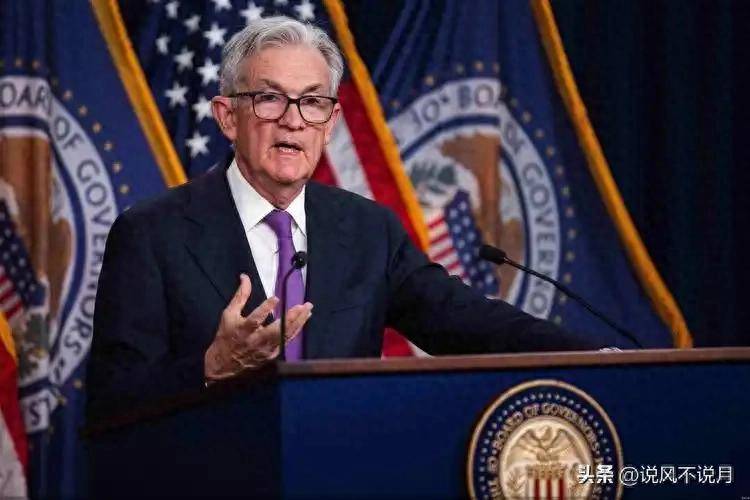
全球央行大量购入黄金的潜台词,莫非真是“我准备超发货币了”?
Sou Hu Cai Jing· 2025-10-22 09:19
Core Insights - Central banks globally are increasing their gold reserves, which may signal a preparation for potential currency expansion in the future [2][3] - The rise in gold reserves is seen as a strategic move to diversify foreign exchange reserves and reduce reliance on a single currency, amidst rising government debt and geopolitical tensions [2][3] - The relationship between gold reserves and currency issuance suggests that central banks are laying a foundation for future monetary expansion [2][3] Group 1 - The current economic environment is characterized by a cycle of debt and currency creation, with governments increasing debt issuance to address economic pressures, and central banks often being the ultimate holders of this debt [3] - The growth in gold reserves may be a proactive measure in anticipation of an upcoming wave of currency expansion [3] - The international monetary order is undergoing a transformation, with challenges to the dollar-dominated system, and gold serves as a neutral value anchor during this transition [3] Group 2 - In China, the increase in gold reserves reflects confidence in the internationalization of the renminbi and a strategic response to potential global monetary instability [4] - The relationship between central bank gold purchases and currency expansion is complex, serving as a buffer for potential unconventional monetary policies rather than a direct trigger for currency overexpansion [4] - Central banks face the challenge of balancing economic stimulus with currency stability, and gold purchases indicate a nuanced understanding of future monetary policy needs [4]

华安证券:金融属性+供弱需强 银价中枢上行
Xin Lang Cai Jing· 2025-10-22 08:17
Core Viewpoint - The report from Huazhong Securities indicates a persistent global silver supply-demand gap, with a projected deficit of 4,633 tons in 2024 and an expected shortfall of 3,660 tons in 2025, primarily driven by increased photovoltaic demand [1] Supply and Demand Analysis - Global silver supply is estimated at 31,574 tons and demand at 36,207 tons for 2024, resulting in a significant supply-demand imbalance [1] - Since 2021, the global silver market has consistently experienced a supply shortage, which is anticipated to continue into 2025 [1] Economic and Market Implications - Silver possesses unique industrial and financial attributes, contrasting with gold's stronger financial and safe-haven characteristics, leading to a widening gold-silver ratio during economic downturns [1] - The expectation of interest rate cuts by the Federal Reserve in October and December 2025, combined with quantitative easing and a rebound in industrial demand, suggests that silver prices may continue to rise [1]

苏宁金融研究院:历史上的两次黄金大牛市,结局都很惨
Sou Hu Cai Jing· 2025-10-21 13:55
Core Viewpoint - The recent surge in international gold prices has been significant, with London spot gold reaching a high of $4,380 per ounce and New York futures gold peaking at $4,392 per ounce within two months [1]. Group 1: Historical Context of Gold Bull Markets - The first gold bull market began in 1968, with prices starting at $35 per ounce and peaking at $850 per ounce in 1980, marking a cumulative increase of 2,328.57% [2]. - After reaching the peak in 1980, gold prices quickly fell to $653 per ounce, with a monthly increase narrowing from 51.92% to 27.54% [2]. - The price of gold entered a long-term downtrend from 1980 to 2000, hitting a low of $251.95 per ounce in 1999, a decline of 70.36% from the 1980 peak [2]. Group 2: Factors Influencing Gold Prices - The first bull market was driven by the collapse of the Bretton Woods system and the subsequent loss of confidence in the U.S. dollar due to rising fiscal deficits, economic stagnation, and inflation [5]. - The appointment of Paul Volcker as Fed Chairman in 1979 led to a significant increase in interest rates, which negatively correlated with gold prices, contributing to the end of the first bull market [6][7]. - The second gold bull market began in 2001, with prices rising from $272.50 per ounce to a peak of $1,921.15 per ounce in 2011, a cumulative increase of 605.01% [8]. - Similar to the first bull market, the second bull market ended with a rapid price correction after reaching new highs, with prices falling to $1,045.54 per ounce by December 2015, a drop of 45.58% from the peak [9]. Group 3: Current Gold Bull Market Dynamics - The current gold bull market started in 2022, with prices rising from $1,614 per ounce to a recent high of $4,380.79 per ounce, reflecting a cumulative increase of 171.42% [15]. - The driving factors for the current bull market include persistent high U.S. fiscal deficits, pressure on the Federal Reserve to lower interest rates, and the politicization of the dollar's role as a reserve currency, leading countries to increase gold reserves [17]. - The potential for a fundamental improvement in the U.S. economy is seen as crucial for restoring confidence in the dollar and the U.S. economy, with artificial intelligence being identified as a key area for growth [18]. Group 4: Future Outlook for Gold Prices - The current gold bull market is expected to continue, with price increases potentially reaching levels comparable to the previous bull markets, with a lower limit near the 605.01% increase of the second bull market and a possibility of exceeding the 2,328.57% increase of the first bull market [19]. - Despite the bullish outlook, price volatility and potential technical corrections are anticipated, necessitating caution in pursuing short-term gains [20].
