
物理AI

Search documents
黄仁勋CES回应全场!内存卡了GPU脖子,游戏玩家可能只能用旧显卡了
量子位· 2026-01-07 09:11
Core Viewpoint - Huang Renxun emphasizes that robots are the "AI immigrants" capable of taking on jobs that humans are unwilling to do, highlighting the need for AI to support economic growth and job creation [10][11]. Group 1: AI and Robotics - Huang states that the "robot revolution" will drive economic progress and create more job opportunities while maintaining low inflation levels [11]. - He predicts that by the end of this year, robots will achieve human-level capabilities in mobility, joint movement, and fine motor skills [12]. - The development of robots requires not only visual perception but also tactile capabilities, which poses significant technical challenges [13]. Group 2: Autonomous Driving - Huang introduced the world's first open-source, large-scale autonomous driving visual-language-action (VLA) reasoning model, Alpamayo 1, and praised Tesla's FSD technology as world-class [15][16]. - NVIDIA's role is to provide a complete technology stack for companies developing autonomous vehicles, rather than manufacturing the vehicles themselves [16][20]. - The company has a high industry penetration rate, with over 1 billion vehicles on the road, and expects that millions will have strong autonomous driving capabilities in the next decade [20]. Group 3: AI Infrastructure and Memory Supply - Huang introduced NVIDIA's next-generation AI supercomputing platform, Vera Rubin, and discussed the challenges posed by rising memory prices and supply constraints [24][25]. - The company is positioned as a key player in the memory market, addressing the growing demand for high-bandwidth memory (HBM) and collaborating closely with suppliers to ensure production capacity aligns with product launches [36]. Group 4: Gaming and AI - NVIDIA upgraded its super-resolution model with the new DLSS 4.5 version, indicating a shift towards AI-driven gaming experiences [31]. - Huang predicts that future video games will be filled with AI characters, significantly enhancing realism and interactivity [32][33].



每日报告精选(2026-01-06 09:00——2026-01-07 15:00)-20260107
GUOTAI HAITONG SECURITIES· 2026-01-07 09:10
Group 1: Market Trends and Observations - The New Year's tourism and cultural activities have shown significant improvement, with domestic travel increasing by 19.5% year-on-year, and inbound travel rising by 28.6% [6][5] - The technology hardware sector continues to see price increases, driven by strong demand in the AI industry, with storage prices rising month-on-month [5][8] - The real estate and durable goods sectors remain under pressure, with a 26% year-on-year decline in property transactions across major cities [7] Group 2: Industry Insights - The advanced manufacturing sector in China is maturing, showcasing strong global competitiveness and profitability, particularly in lithium battery production [17] - The new energy sector, including wind and solar, is experiencing a valuation reassessment, with leading companies showing significant potential for growth [17] - The consumer goods sector is witnessing strong profitability in product consumption, while service consumption is still in its early stages of development [17] Group 3: Company-Specific Developments - Zhongxin Co. plans to establish a manufacturing base in the U.S., investing up to $36 million in a new facility, which is expected to enhance its overseas customer order share [23][24] - Huatu Shanding is projected to achieve significant profit growth, with expected net profits of 3.12, 4.38, and 5.43 billion yuan from 2025 to 2027, driven by its strong market position and AI integration [42][44] - Minglue Technology is expected to see a recovery in revenue, with a projected increase in gross margin due to the rise of high-margin marketing intelligence products [34][35] Group 4: Investment Recommendations - The report recommends focusing on leading companies in the electric new energy, transportation equipment, communication devices, electronics, and service consumption sectors, which are expected to benefit from their competitive advantages and global expansion [18] - The report highlights the potential for valuation increases in advanced manufacturing and emerging technology sectors, particularly those with strong innovation capabilities [18][16] - The bond market outlook is optimistic, with expectations of a "New Year rally" driven by policy support and seasonal capital inflows [48][49]


最新:专访丨CES凸显端侧与物理AI成为人工智能重要突破方向——访美国高通公司中国区董事长孟樸
Xin Hua She· 2026-01-07 08:17
Core Insights - AI has transitioned from a conceptual phase to a fully realized stage, with edge AI and physical AI emerging as significant technological breakthroughs [2][3] - The latest CES highlights AI evolving from a mere function to the foundational basis of all experiences, indicating a shift in human-computer interaction [2] Group 1: Personal AI Developments - Personal AI is advancing through wearable devices, personal terminals, and computers, evolving into intelligent assistants for users [3] - Diverse hardware forms, including AI glasses, home appliances, jewelry, and cameras, are emerging to meet specific needs in areas like visual impairment assistance and outdoor activities [3] Group 2: Physical AI Advancements - Physical AI is rapidly integrating into automobiles, robots, and smart homes, enabling machines to perceive environments, understand intentions, and act in real-time [3] - The development of embodied intelligence is crucial for connecting AI with the physical world, transforming intelligence into executable productivity [3] - Robots are increasingly taking on high-intensity or repetitive tasks in logistics, manufacturing, and retail, potentially enhancing production efficiency [3] Group 3: Automotive AI Integration - The acceleration of AI capabilities in the automotive sector is a key trend, with human-vehicle interaction evolving from clicks to understanding [4] - Qualcomm and Google are deepening their collaboration in the automotive field to support the deployment of next-generation AI in vehicle scenarios [4] Group 4: Future AI Trends - Future AI will operate in a hybrid model across cloud, edge cloud, and endpoint, with edge AI being the mainstream form due to its advantages in real-time performance, reliability, privacy, and energy efficiency [4] - 6G technology is expected to play a vital role in connecting cloud and edge, facilitating the development of intelligent networks with perceptual capabilities [4] Group 5: Key Focus Areas for Edge AI - Future breakthroughs in edge AI are likely to concentrate on robotics and wearable devices, while smartphones, AI personal computers, and smart connected vehicles will remain significant platforms for edge AI [5]


CES凸显端侧与物理AI成为人工智能重要突破方向——访美国高通公司中国区董事长孟樸
Xin Hua She· 2026-01-07 08:05
Group 1 - The core theme of the 2026 CES is the transition of AI from a conceptual phase to a fully realized stage, with a focus on edge AI and physical AI as key areas for technological breakthroughs [2] - Qualcomm showcased AI solutions across various sectors, including personal devices, industrial robots, and automotive smart cabins, indicating that AI is evolving from a feature to the foundation of all experiences [2] - The next generation of human-computer interaction is emerging, where users will rely on AI agents to perform tasks through understanding and action rather than frequent clicks and swipes [2] Group 2 - In the personal AI domain, AI is becoming an intelligent assistant integrated into wearable devices, personal terminals, and computers, with diverse products like AI glasses and AI cameras addressing specific needs in various scenarios [3] - Physical AI is rapidly entering real-world applications in cars, robots, and smart homes, enabling machines to perceive environments, understand intentions, and act in real-time, thus enhancing productivity in logistics, manufacturing, and retail [3] - Qualcomm introduced a new generation of processors for humanoid robots, autonomous mobile robots, and industrial robots to support ecosystem partners in accelerating product development [3] Group 3 - The future of AI is expected to involve a hybrid model where cloud, edge cloud, and edge AI work together, with edge AI having advantages in real-time performance, reliability, privacy, and energy efficiency [4] - 6G technology is anticipated to play a crucial role in connecting cloud and edge, facilitating the development of intelligent networks with perceptual capabilities [4] - Key breakthroughs in edge AI are likely to occur in the fields of robotics and wearable devices, while smartphones, AI personal computers, and smart connected vehicles will remain important platforms for edge AI [4]
AI泡沫退潮、落地为王,芯片巨头“拉帮结派”激战CES 2026
Tai Mei Ti A P P· 2026-01-07 08:01
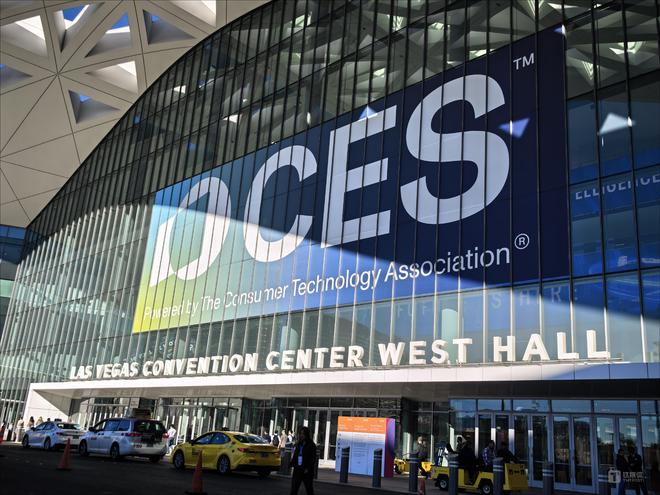
Group 1 - NVIDIA's founder Jensen Huang emphasized the shift of AI from mere model competition to practical applications, focusing on "last mile" implementations during his keynote at CES 2026 [2][6] - The industry is transitioning from a "technology demonstration phase" to a "value realization phase," centering around real user scenarios [2] - AI technology is moving from "cloud-side intelligence" to "edge-side integration," becoming a fundamental infrastructure for human-computer interaction [2][6] Group 2 - CES serves as a platform for both tech giants and startups, particularly for Chinese companies to convert algorithms and technologies into tangible hardware [3] - AMD's CEO Lisa Su highlighted that AI is becoming a default capability in PCs, with AI performance improved by 1000 times over the past four years [9] - Intel introduced its third-generation AI PC processor, showcasing advancements in energy efficiency and CPU performance [11] Group 3 - Qualcomm launched the Snapdragon X2 Plus platform, featuring a 35% increase in single-core performance and a 43% reduction in power consumption [13] - IDC predicts that global AI PC shipments will reach 150 million units by 2027, with a penetration rate of 79% [13] - Major home appliance brands are now integrating AI into their products, focusing on enhancing core functionalities rather than superficial features [18] Group 4 - Companies like Hisense and TCL are showcasing advanced display technologies and AI-integrated home appliances at CES, with Hisense's RGB-Mini LED technology expected to see a significant increase in shipments [18][20] - Samsung plans to increase the number of mobile devices equipped with Google Gemini AI to 800 million by 2026 [22] - The competition among chip manufacturers is intensifying as they seek to define the future of physical AI [17] Group 5 - The CES 2026 highlighted the emergence of embodied intelligent robots and AI+AR glasses, indicating a shift from demonstration to market-ready products [29][34] - Startups are increasingly participating in CES to showcase innovative technologies and seek market opportunities [45] - The event serves as a critical platform for companies to adapt their strategies in response to rapid industry changes [47]


汽车行业点评报告:英伟达发布推理智驾模型Alpamayo,智驾功能有望加速“平权”
KAIYUAN SECURITIES· 2026-01-07 07:42
Investment Rating - The industry investment rating is "Overweight" (maintained) [1] Core Insights - The report highlights the significant advantages of robotics in enhancing the growth potential of automotive companies, particularly in the context of the ongoing transition to electric vehicles and autonomous driving technologies [3][6] - The introduction of Nvidia's Alpamayo model and its open-source tools is expected to accelerate the maturity and deployment of autonomous driving technologies, making it easier for developers to create and implement advanced driving algorithms [5][6] - The demand for intelligent driving features is becoming a critical factor for consumers when choosing vehicles, with expectations for these features to penetrate mid- to high-end models [7] Summary by Sections Industry Overview - The intelligent driving sector is poised for continued growth in 2026, driven by both supply and demand factors [7] - Nvidia's advancements in AI and autonomous driving are expected to lower development barriers and enhance the ecosystem for autonomous vehicle deployment [6] Key Opportunities - The report suggests focusing on companies within the intelligent driving supply chain, including Desay SV, Huayang Group, and XPeng Motors, among others, which are likely to benefit from the growth in this sector [8] - Specific beneficiaries identified include companies like Cobot, Bertel, and Horizon Robotics, which are positioned to capitalize on the advancements in intelligent driving technologies [8]
中银国际:人工智能进入“物理AI”时代 供应链备货有望提速
智通财经网· 2026-01-07 07:17
智通财经APP获悉,中银国际发布研报称,2026年CES展上黄仁勋宣布AI进入"物理AI"时代。机器人和 自动驾驶有望成为"物理AI"的理想载体。Rubin平台进入全面量产,其中核心原材料有望迎来"从 0→1"的关键节点,供应链备货亦有望提速。该行认为AI已经逐渐从数字世界延伸至真实世界,机器 人、自动驾驶、端侧AI硬件有望成为AI的市场载体,AI正式走向商业化落地。 中银国际主要观点如下: AI核心原材料有望迎来"从0→1"的关键节点 该行预计英伟达Rubin服务器的Compute Tray/Switch Tray/Midplane/CPX对应的PCB和CCL解决方案将分 别升级M8/M8.5/M9/M9的解决方案,其中M9解决方案可能会采用高频高速树脂+HVLP4/5铜箔+Q布的 材料组合,而M8.5解决方案可能会采用高频高速树脂+HVLP4铜箔+Low-Dk二代布的材料组合。该行认 为Rubin Ultra服务器有望采用M9树脂+高阶HVLP铜箔+Q布的正交背板的解决方案。该行预计Rubin服 务器上游供应链将在2026年上半年开启备货潮,届时M8.5和M9 PCB/CCL的核心原材料有望迎来"从 0→ ...
黄仁勋“炸场秀”后的精彩问答,谈及关键临界点、护城河、马斯克以及亿万富翁税等
Xin Lang Cai Jing· 2026-01-07 07:07
Core Insights - The core insight from the event is that the robotics industry is approaching a critical moment similar to that of ChatGPT in large models, indicating a significant technological breakthrough is imminent in the field of robotics and physical AI [3][39]. Group 1: Robotics and Physical AI - The CEO of NVIDIA, Jensen Huang, believes that the ability of generative video models to understand and generate complex actions indicates that the foundational capabilities for driving robots are nearing maturity [3][39]. - Huang emphasizes that the next two to three years will witness major breakthroughs in robotics, particularly in humanoid robots, which have historically faced commercialization challenges [4][48]. - The application of AI in robotic systems will make it easier for robots to learn actions through demonstrations, reducing the complexity and cost of programming [11][47]. Group 2: Rubin Platform and AI Factory - The newly launched Rubin platform enhances training efficiency by four times and reduces token costs by ten times, pushing the logic of "computing power equals productivity" to its limits [4][40]. - Compared to the previous generation (Blackwell), Rubin's training efficiency is four times greater, meaning tasks that previously took four months can now be completed in one month or with a quarter of the GPU resources [14][51]. - The token generation cost has decreased by ten times with Rubin, which is attributed to improved energy efficiency, algorithm optimization, and faster chips [17][52]. Group 3: Energy Bottlenecks - Huang acknowledges that energy will always be a bottleneck in any industry, especially in the rapidly growing AI sector, where both training and operation require significant energy [20][57]. - The energy efficiency of NVIDIA's products has improved tenfold from Hopper to Blackwell and again from Blackwell to Rubin, but the demand for energy will always outstrip supply [21][57]. Group 4: Market Dynamics and Competition - NVIDIA has established deep partnerships with three HBM suppliers, ensuring a controlled supply chain despite the serious storage bottleneck [22][58]. - The H200 product remains competitive in the Chinese market, but NVIDIA recognizes the need for continuous innovation to maintain this competitiveness against strong local players like Huawei [24][59]. - Huang emphasizes the importance of an open ecosystem, stating that NVIDIA collaborates with all major AI companies, which is crucial for maintaining its competitive edge [32][66]. Group 5: Future Innovations and Collaborations - NVIDIA is working on integrating AI and physical AI into Siemens' EDA tools, which will enhance chip design and simulation capabilities [55][66]. - The company is exploring the feasibility of deploying AI factories in space, leveraging abundant energy and optimal cooling conditions [61][62]. - Huang believes that the collaboration with Groq will lead to the creation of new product categories aimed at novel application scenarios [22][58].
黄仁勋“炸场秀”后的精彩问答,谈及关键临界点、护城河、马斯克以及亿万富翁税等
聪明投资者· 2026-01-07 07:04
昨天 CES2026 主舞台上,英伟达创始人、 CEO 黄仁勋穿着标志性皮衣演绎他的 2026 年"炸场秀",也 给全球科技与资本市场递出了一份未来产业路线图。 主题演讲之后的24小时内,他与分析师以及媒体平台进行了许多轮问答,围绕 Rubin 新平台、机器人与物 理 AI 、能源瓶颈、中国市场、存储( HBM )供应、 Groq 团队合作、以及马斯克和自动驾驶等热点,给 出了更深入的回应。 当然,最炸场的是黄仁勋带来的核心判断: 机器人行业,正在接近类似 ChatGPT 之于大模型的临界时 刻。 黄仁勋认为,当生成式视频模型已经可以理解并生成复杂动作,那么 " 驱动机器人完成动作 " 的生成模 型,在底层能力上已经非常接近成熟。这意味着一个新的技术拐点,正逐步从实验室走向现实世界,也让所 谓 " 物理 AI" 首次开始具备产业化的可见性。 他说, 未来两三年,能看到重大突破。 与此同时,新推出的 Rubin 平台把训练效率提升 4 倍、 token 成本降低 10 倍,再一次把 " 算力即产能 " 的逻辑推到极致。 黄仁勋仍反复强调开放生态,英伟达继续同时与 OpenAI 、 xAI 、 Google Ge ...
专访|CES凸显端侧与物理AI成为人工智能重要突破方向——访美国高通公司中国区董事长孟樸
Xin Hua She· 2026-01-07 05:08
Core Insights - Artificial Intelligence (AI) has transitioned from a conceptual phase to a fully realized stage, with edge AI and physical AI emerging as significant breakthrough directions [1][2] - The 2026 CES highlights AI evolving from a mere function to the foundational basis of all experiences, indicating a shift in human-computer interaction [1] Group 1: Personal AI Developments - In the personal AI domain, AI is becoming an intelligent assistant integrated into wearable devices, personal terminals, and computers, with diverse products like AI glasses and AI home appliances emerging [2] - These innovations are addressing specific needs in various scenarios, such as assisting visually impaired individuals and enhancing outdoor activities [2] Group 2: Physical AI Advancements - Physical AI is rapidly entering real-world applications in automobiles, robotics, and smart homes, enabling machines to perceive environments, understand intentions, and act in real-time [2] - The development of embodied intelligence is crucial for connecting AI with the physical world, transforming intelligence into executable productivity [2] - Robots are increasingly taking on high-intensity or repetitive tasks in logistics, manufacturing, and retail, which is expected to significantly enhance productivity [2] Group 3: Automotive AI Integration - The acceleration of AI in the automotive sector is a key trend at CES, with AI capabilities enhancing both cabin interaction and driving assistance [3] - Qualcomm and Google are deepening their collaboration in the automotive field to support the deployment of next-generation AI in vehicle scenarios [3] Group 4: Future AI Trends - Future AI development will see a collaborative operation between cloud, edge cloud, and endpoint AI, with hybrid AI becoming the mainstream form [3] - Edge AI offers advantages in real-time performance, reliability, privacy protection, and energy efficiency, making it suitable for applications in automobiles, wearables, and robotics [3] - The sixth-generation mobile communication technology (6G) will serve as a vital link between cloud and edge, aiding in the creation of intelligent networks with perceptual capabilities [3]