以旧换新

Search documents
供减质劣,震荡走强:苹果年报
Chang Jiang Qi Huo· 2025-12-08 05:13
Report Industry Investment Rating - Not provided in the content Core Viewpoints - In the 2024 - 25 season, due to reduced apple storage and declining quality, the price of high - quality apples was significantly higher, and the overall price increased compared to the previous year. In the 2025 - 26 season, apples are generally smaller and of lower quality, with further reduced storage volume. The apple price in the new season may show significant differentiation [1][3]. Summary by Directory 1. 2025 Apple Market Review - The 2025 apple futures market showed phased growth and high - level fluctuations, driven by supply (yield, quality, inventory) and demand (demand differentiation). It can be divided into three stages: from January to June, low inventory and expected yield reduction drove the price to rise steadily from 7,800 yuan/ton to about 8,000 yuan/ton; from July to September, the price fluctuated at a high level around 8,000 yuan/ton due to confirmed yield reduction and higher opening prices of early - maturing apples; from October to November, the price accelerated to rise due to yield reduction and quality problems during the new apple harvest season [4][6]. 2. Macroeconomic Factor Analysis Social Retail Data - From January to October 2025, China's social consumer retail market showed stable growth and structural optimization. The cumulative social retail sales from January to October reached 41.2 trillion yuan, a year - on - year increase of 4.3%. The service retail sales increased by 5.3% year - on - year, faster than the 4.4% growth of commodity retail sales. The full - year social retail sales are expected to exceed 50 trillion yuan [8][9][12]. Price Level - In 2025, China's prices showed a "low - then - high, mild recovery" trend. The CPI turned positive in October (up 0.2% year - on - year) and then declined slightly in November (down 0.5% year - on - year). The core CPI remained moderately increasing (up 0.6% year - on - year). The PPI turned positive in October (up 0.1% month - on - month) and then declined in November (down 0.3% month - on - month). The annual CPI is expected to increase by 0.1% - 0.6%, and the PPI is expected to decline by 0.6% - 3.0%. Fruit prices were high in the first half and low in the second half, basically the same as the 2024 average [13][14][15]. 3. Apple Supply and Demand Analysis Characteristics of the 2025 - 26 Apple Market - The 2025 apple season was affected by abnormal climate, with characteristics of reduced yield and planting area (about 10% reduction), smaller fruit size, lower high - quality fruit ratio (20% lower than normal), higher price (about 0.5 yuan/jin higher on average), greater inventory risk, and later harvest and storage time (about 10 days later than usual). The opening price of new apples was significantly higher than in previous years [16][19][20]. Fluctuations in Apple Planting Income - Apple planting costs are relatively fixed, with high and increasing labor costs. Income mainly comes from fruit sales, and prices vary greatly among different varieties. Income fluctuates due to price and yield changes, with price changes having a greater impact. The government is promoting the "insurance + futures" project to help farmers manage risks [21]. Slight Yield Reduction in the Current Season - In 2025, China's apple yield was about 3,431 million tons, a reduction of about 6% compared to 2024. Yield was adjusted based on bagging volume, fruit diameter, and high - quality fruit ratio. Different regions had different yield changes, with most major regions experiencing a decline, and only a few small - scale regions achieving slight increases [26][27]. Significantly Reduced Apple Storage - As of November 19, 2025, the apple cold - storage inventory in the main producing areas was about 7.7316 billion tons, a year - on - year decrease of 9.4%. The low storage was caused by weather disasters reducing yield, quality decline reducing effective inventory, and high market prices suppressing acquisition demand [29][30][31]. 4. 2026 Outlook - Due to slow domestic consumption recovery and low overall yield with greater quality differences, the scarcity of high - quality apples will gradually emerge after the Spring Festival, while the supply of low - grade apples will be relatively abundant. Therefore, the apple price is expected to show significant differentiation, with high - quality apples commanding higher prices [33].
——《2025/12/1-2025/12/5》家电周报:石头科技发布黑五战报,莱克电气公告参与认购投资基金-20251207
Shenwan Hongyuan Securities· 2025-12-07 09:50
Investment Rating - The report indicates a positive investment outlook for the home appliance sector, with a recommendation to focus on undervalued stocks with high dividends and stable growth potential [3][4]. Core Insights - The home appliance sector index outperformed the CSI 300 index, rising by 1.8% compared to the 1.3% increase in the CSI 300 [3][4]. - Key companies such as Lek Electric, Stone Technology, and Huaxiang Co. led the gains, while companies like Yitian Intelligent and Zhejiang Meida faced declines [3][8]. - Stone Technology reported significant sales growth during the Black Friday period, with a 41% increase in vacuum cleaner sales and a 361% increase in washing machine sales in Europe [3][12]. - The report highlights three main investment themes: 1. **Self-Electric**: The reversal of real estate policies is expected to benefit the white goods sector, which is characterized by low valuations and high dividends [3]. 2. **Exports**: Companies like Ousheng Electric and Dechang Co. are recommended due to their stable profitability and expanding customer orders [3]. 3. **Core Components**: The demand for key components is expected to exceed expectations, with recommendations for companies like Huaxiang Co. and Shun'an Environment [3]. Industry Dynamics - The report notes a decline in domestic sales for major appliances in October 2025, with air conditioning production down by 27.9% year-on-year and sales down by 20.1% [34]. - Refrigerator production and sales also saw declines, with production down by 9.8% and sales down by 6.11% [40]. - Washing machine production remained stable with a slight decline of 0.2%, but exports increased by 6.41% [43]. - The report emphasizes the impact of rising raw material prices, particularly copper and aluminum, which have increased by 22.52% and 7.50% year-on-year, respectively [14]. Data Observations - The home appliance sector's performance in October showed a mixed picture, with air conditioning and refrigerator sales declining, while washing machine exports increased [34][40][43]. - The report provides detailed statistics on the sales performance of various appliances, indicating a challenging market environment for domestic sales [34][40][43].




2025你的消费习惯“更新”了吗
Sou Hu Cai Jing· 2025-12-07 04:51
Core Insights - The article emphasizes the theme of "updating" as a significant change in the economy this year, highlighting how various sectors, from consumer products to urban infrastructure, are revitalizing economic activity and enhancing the quality of life for citizens. Group 1: Consumer Behavior and Trends - Consumers are increasingly engaging in "trade-in" programs, such as replacing old appliances with new ones at reduced costs due to government subsidies, enhancing their living standards [1][6][51] - There is a noticeable shift towards experiential consumption, with individuals investing more in activities like sports lessons and unique experiences rather than just products [5][9] - The rise of new consumption scenarios, such as 24-hour gyms and indoor skiing facilities, reflects changing consumer preferences for innovative experiences [3][9] Group 2: Urban Renewal and Cultural Experiences - The transformation of old industrial sites into cultural and entertainment spaces is attracting more visitors, with over 2,000 performances in such venues this year [17][19] - New commercial spaces are being created from repurposed industrial structures, enhancing the cultural landscape and providing diverse entertainment options [11][14] - The integration of music and performance arts into these updated spaces is creating unique experiences that resonate with younger consumers [13][16] Group 3: Economic Impact and Growth - In the first three quarters of the year, Sichuan province achieved a retail sales total of 2.4 trillion yuan, growing by 6.0%, surpassing the national average [28] - The government has invested significantly in creating new consumer scenarios, attracting millions of visitors and generating substantial economic activity [30][26] - The promotion of local consumption policies is increasingly becoming a key driver for economic growth, with various regions implementing unique strategies to stimulate spending [54][49]


更新、换新、焕新……透过关键词看中国经济新活力、新变化
Yang Shi Wang· 2025-12-07 02:13
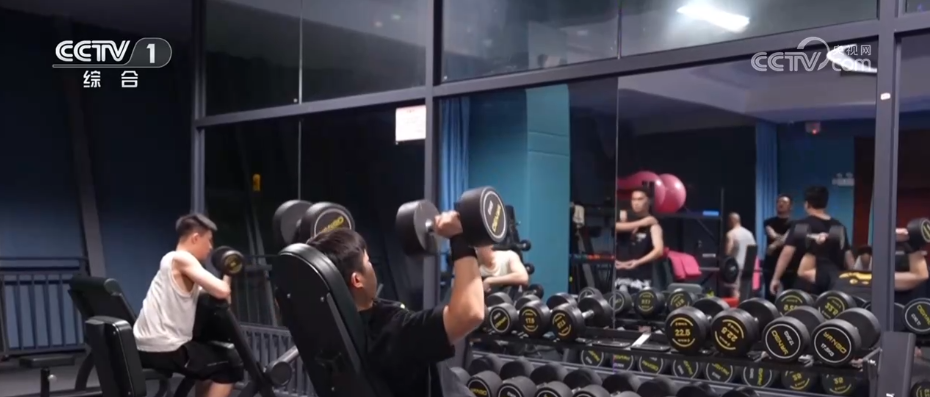
Core Viewpoint - The concept of "updating" is a significant change in the economy this year, injecting new vitality into China's economy and enhancing the quality of life for citizens through various new products and services. Group 1: Consumer Behavior and Trends - Citizens are increasingly engaging in "trade-in" programs, with examples such as a citizen in Qingdao exchanging an old water heater for a new one, benefiting from subsidies that reduced the price from over 5000 yuan to under 3000 yuan [1] - New consumption experiences are emerging, such as 24-hour unmanned gyms and indoor skiing facilities, indicating a shift towards innovative leisure activities [3] - Consumers are prioritizing experiences over traditional purchases, as seen in Shanghai where spending on activities like tennis lessons is perceived as a source of happiness [5] Group 2: Government Policies and Subsidies - The "Special Action Plan to Boost Consumption" released in March has made subsidies more targeted, benefiting various demographics, including students and farmers, by reducing the cost of better living [7] - By October 2025, the total sales from trade-in programs reached 2.4 trillion yuan, benefiting 360 million people, highlighting the widespread adoption of this practice [9] Group 3: New Consumption Scenarios - Local governments are creating new consumption scenarios through innovative technologies and ideas, enhancing personalized consumer experiences [11] - In Chengdu, traditional markets are being transformed into creative spaces, showcasing a blend of food and culture [13] - In Hunan, an old train station has been repurposed into a creative hub for young people, illustrating the trend of revitalizing industrial spaces for modern use [16] Group 4: Regional Innovations - In Guizhou, the Qingyun Market has become popular for its unique blend of traditional culture and modern consumer goods, offering experiences like crafting silver jewelry [20] - Jiangsu has transformed abandoned docks into sports parks, promoting local tourism through themed routes related to the "Su Chao" football championship [21] - In Zhejiang, the introduction of regular drone delivery services is enhancing the quality of life for island residents, ensuring timely access to goods and supporting local agriculture [23]
视频|解锁身边消费新场景 2025你的消费习惯“更新”了吗?
Yang Shi Xin Wen Ke Hu Duan· 2025-12-06 23:19
Core Insights - The article emphasizes the theme of "updating" as a significant change in the economy this year, highlighting how it stimulates economic vitality and enhances consumer experiences through new products and services [2][15]. Group 1: Consumer Behavior and Trends - Consumers are increasingly engaging in "trade-in" programs, with one individual exchanging an old water heater for a new one at a reduced price due to government subsidies [4]. - The emergence of new consumer experiences is noted, such as 24-hour unmanned gyms and indoor skiing facilities, which cater to evolving consumer preferences [6]. - The trend of upgrading to new energy vehicles is highlighted, with consumers reporting enhanced driving experiences compared to traditional gasoline vehicles [8]. - Spending is shifting towards experiential activities, with consumers investing in activities like tennis lessons and other unique experiences [10]. Group 2: Urban and Industrial Renewal - The transformation of old industrial sites into commercial spaces is attracting more visitors, with a focus on creating unique consumer experiences [15][19]. - A former hydrogen storage tank has been repurposed into a music rehearsal space, showcasing innovative uses of industrial heritage [21]. - Over 2,000 performances, including musicals and dance shows, have been introduced in repurposed industrial sites, appealing to younger audiences [23]. - The Chenghua District in Chengdu has 18 projects focused on preserving industrial heritage while creating modern consumer spaces [27]. Group 3: Economic Data and Growth - In the first three quarters of the year, Sichuan province achieved a total retail sales volume of 2.4 trillion yuan, growing by 6.0%, surpassing the national average of 1.7% [39]. - The Sichuan Provincial Department of Commerce reported that new consumer scenes have attracted 76 million visitors and generated over 50 billion yuan in consumption [41]. - The article notes that the "update" theme extends beyond industrial sites to various lifestyle scenarios, enhancing consumer engagement [42]. Group 4: Policy and Subsidy Impact - The article discusses the impact of targeted subsidy policies on consumer behavior, with many consumers now making purchasing decisions based on available subsidies rather than traditional sales events [65]. - By the end of October 2025, the total sales from trade-in programs reached 2.4 trillion yuan, benefiting 360 million people [67]. - The article highlights a shift in travel planning, where consumers prioritize checking local policies and promotional activities before selecting destinations [71].

交易额约20亿元!梧州以旧换新活动点燃五大领域消费热潮
Sou Hu Cai Jing· 2025-12-06 17:32
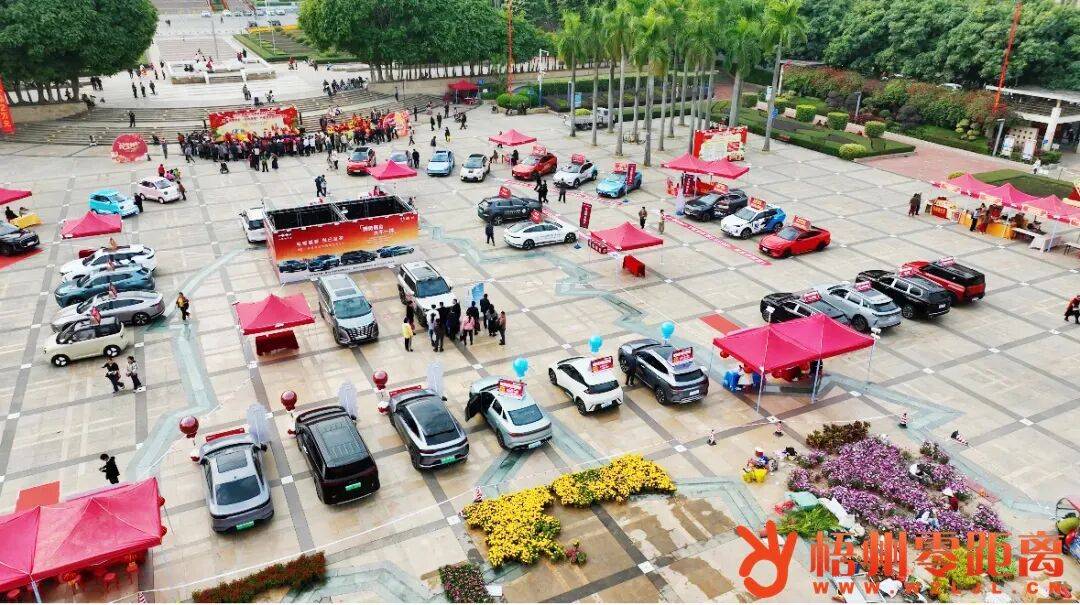
Core Insights - The "trade-in" policy in Wuzhou has successfully stimulated consumer spending, with over 232,000 transactions and a total value exceeding 250 million yuan, leading to approximately 2 billion yuan in sales for over 700 enterprises [1][4] - The initiative has particularly boosted the home appliance sector, which accounted for about 149,000 subsidy transactions, highlighting strong consumer demand for upgrading appliances [6] - The automotive sector also saw significant activity, with over 7,100 subsidy applications for vehicle trade-ins, indicating increased consumer interest in replacing old vehicles [6][7] Group 1: Trade-in Policy Impact - The trade-in policy has led to a surge in consumer activity, with a notable increase in foot traffic to stores and a rise in sales figures, such as a record single-day sales of over 5 million yuan for a local appliance store [6] - The collaboration between government, enterprises, and financial institutions has resulted in promotional activities that further incentivize consumer purchases, creating a "double discount" effect [4][6] Group 2: Sector Performance - The home appliance sector remains the strongest performer in the trade-in program, with significant consumer interest in large appliances like televisions, refrigerators, and air conditioners [6][7] - Other sectors, including 3C digital products, home decoration, and electric bicycles, also participated in the trade-in activities, with subsidy transactions of over 66,000, 7,500, and 2,400 respectively, indicating widespread consumer engagement [7] - Retail sales for key categories such as new energy vehicles, smartphones, and home appliances have shown substantial growth, with increases of 26.5%, 15.1%, and 4.7% respectively from January to October [7] Group 3: Future Initiatives - The Wuzhou Commerce Bureau plans to continue promoting the trade-in policy by collaborating with major commercial enterprises to focus on green and smart products, aiming to enhance consumer quality of life and expand market capacity [8]
更“新”观察·精致育儿、便利生活、智慧务农、绿色低碳……消费市场活力涌动
Yang Shi Wang· 2025-12-06 02:45
Core Insights - The concept of "updating" is identified as a major change in the economy by 2025, stimulating economic vitality and enhancing the quality of life for citizens [1][3] Group 1: Consumer Behavior and Trends - By 2025, the supply of updated products and services will increasingly meet personalized consumer demands, solidifying consumption as the main engine of China's economic growth [3] - Citizens are engaging in "trade-in" programs, such as exchanging old appliances for new ones at reduced prices due to government subsidies, enhancing their lifestyle [4] - Consumers are shifting their spending towards experiences, such as sports and leisure activities, indicating a trend towards valuing experiential consumption [6] Group 2: New Consumption Scenarios - The transformation of old industrial sites into new consumer experiences is attracting more tourists, with over 2,000 performances and events held in such venues since 2025 [11][15] - In Chengdu, various innovative consumer spaces have emerged, such as 24-hour gyms and indoor skiing facilities, reflecting a shift towards new forms of entertainment [7] - The development of community-based consumption scenarios has led to significant investments, with over 75 million yuan allocated to revitalize 22,000 square meters of idle space [26][27] Group 3: Policy and Economic Impact - By the end of October 2025, the nationwide trade-in sales reached 2.4 trillion yuan, benefiting 360 million people, indicating a widespread adoption of the "trade-in" trend [50] - The "Special Action Plan to Boost Consumption" released in March 2025 has introduced various subsidies aimed at enhancing quality of life, such as for students and farmers [46][49] - The overall retail sales in Sichuan province reached 2.4 trillion yuan in the first three quarters of 2025, growing by 6.0%, surpassing the national average [27]

解锁身边消费新场景 2025你的消费习惯“更新”了吗?
Sou Hu Cai Jing· 2025-12-06 02:40
Group 1 - The core theme of the article revolves around the concept of "updating" in various aspects of the economy, including consumer products, services, and urban environments, which invigorates China's economic vitality and enhances the quality of life for citizens [1][11][57] - Consumers are increasingly engaging in "trade-in" programs, with examples such as a citizen in Qingdao replacing an old water heater for less than 3,000 yuan after government subsidies [1][11] - New consumer experiences are emerging, such as 24-hour unmanned gyms and indoor skiing facilities, reflecting a shift towards innovative recreational activities [3][11] Group 2 - The transformation of old industrial sites into commercial spaces is attracting more tourists, with a focus on creating unique experiences through themed events and performances [11][17] - In Chengdu, a former electronic tube factory has been repurposed into a music performance space, enhancing the cultural experience for visitors [12][14] - The rise of new consumption scenarios is evident, with over 2,000 performances of musicals and dance shows taking place in repurposed industrial sites, appealing to younger consumers [17][21] Group 3 - The article highlights the significant investment in community scene creation, with over 75 million yuan allocated in Chengdu to revitalize 22,000 square meters of idle space, resulting in the emergence of over 30 new consumer scenarios [28][33] - In Sichuan, the total retail sales of consumer goods reached 2.4 trillion yuan in the first three quarters, growing by 6.0%, which is 1.7 percentage points higher than the national average [30][33] - The development of new consumption scenes, such as "coffee delivery lines" and "drone delivery services," is reshaping consumer habits and preferences [34][38] Group 4 - The article discusses the impact of subsidy policies on consumer behavior, with many individuals now purchasing based on available subsidies rather than traditional sales events [50][55] - By the end of October 2025, the total sales from trade-in programs reached 2.4 trillion yuan, benefiting 360 million people [53] - The article emphasizes that the promotion of consumption policies is creating new lifestyle scenarios, making spending more worthwhile and enhancing the quality of life [57]

合百集团:2025年1-10月,公司家电销售以旧换新台数超10万台
Zheng Quan Ri Bao· 2025-12-05 11:11
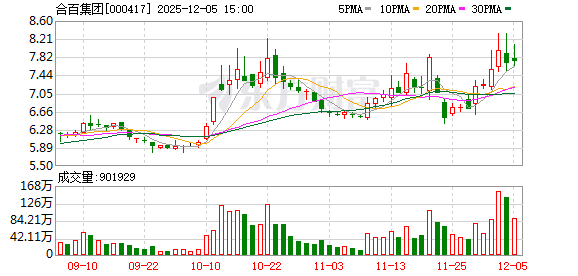
Core Viewpoint - The company is leveraging the "trade-in" policy to stimulate consumer demand for new appliances, resulting in significant sales growth and government subsidies for consumers [2] Group 1: Company Initiatives - The company, HeBai Group, has implemented a comprehensive service model that includes "home measurement, design solutions, trade-in recommendations, and new appliance installation" [2] - The company reported that from January to October 2025, its subsidiary, BaiDa Electric, sold over 100,000 appliances through the trade-in program, leading to consumer subsidies of nearly 90 million yuan [2] - The total sales generated from this initiative amounted to 486 million yuan [2] Group 2: Government Policies - A new round of consumer vouchers for home appliances and digital products will be issued in Anhui Province, effective until December 31, 2025, to further stimulate the local market [2] - The company is actively participating in this government initiative, allowing consumers to access subsidies at any BaiDa Electric store across the province [2]

广发证券:长期看家电外销有望维持稳健增长 自下而上推荐石头科技(688169.SH)等
智通财经网· 2025-12-05 06:58
Core Viewpoint - The report from GF Securities indicates that the home appliance industry is expected to experience a slowdown in growth in 2026 due to high base effects, despite significant benefits from the "old-for-new" policy in 2025. Leading companies are anticipated to outperform the industry due to their channel and brand advantages. Long-term growth in overseas sales is also expected to remain stable, supported by an increase in global market share [1][2]. Summary by Sections 2025 Review - The home appliance sector has shown a cumulative increase of 8.1% year-to-date as of November 28, 2025, ranking 27th among all sectors and underperforming the CSI 300 index by 10.4 percentage points [2]. - The performance of various segments includes: home appliance components (+64.7%), black appliances (+12.6%), lighting equipment (+11.9%), small appliances (+9.5%), kitchen appliances (-0.7%), and white appliances (-1.1%) [2]. - Retail sales of home appliances from January to October 2025 increased by 20.1% year-on-year, driven by the "old-for-new" policy, although growth slowed in September and October due to high base effects. Exports in the same period decreased by 3.4% in USD terms and 2.5% in RMB terms, primarily due to the impact of the US-China trade war, but the decline was manageable, indicating resilience and global competitiveness [2]. 2026 Outlook - Domestic demand is expected to slow down in 2026 due to high base effects from the "old-for-new" policy in 2025, but leading companies are likely to outperform the industry due to their channel and brand advantages. For external sales, companies have adapted to trade policy fluctuations since 2018-2019, and long-term growth in overseas sales is anticipated [3]. - Profitability is expected to remain stable, with manageable cost pressures as copper prices have risen, shipping costs have returned to normal levels, and the exchange rate has shown slight appreciation [3]. - As of November 28, 2025, the price-to-earnings ratio (PE-TTM) for the home appliance sector increased from 15.1x at the beginning of the year to 17.3x, placing it at the 66th percentile historically since 2016. The proportion of public funds heavily invested in the home appliance sector decreased to 2.5%, down 1.8 percentage points from the previous quarter, marking a continuous decline over three quarters [3]. 2026 Sub-industry Outlook - White Appliances: Expected to face a slowdown in growth due to high base effects from national subsidies, but overseas sales are projected to remain resilient, benefiting from emerging market demand [4]. - Small Appliances: Continued policy support is expected to improve average prices in kitchen small appliances, with significant growth potential in the overseas market for robotic vacuum cleaners [4]. - Black Appliances: Product structure upgrades are anticipated to enhance average prices and profitability, with continued growth in overseas market share [5]. - Two-Wheelers: The implementation of new regulations in 2026 is expected to sustain industry growth, with leading companies likely to increase their market share as smaller competitors exit the market, and significant opportunities in overseas markets [5].