单边主义

Search documents
太双标!特朗普加税100%,却降日本车关税,中国欧盟联手反杀
Sou Hu Cai Jing· 2025-09-29 11:48
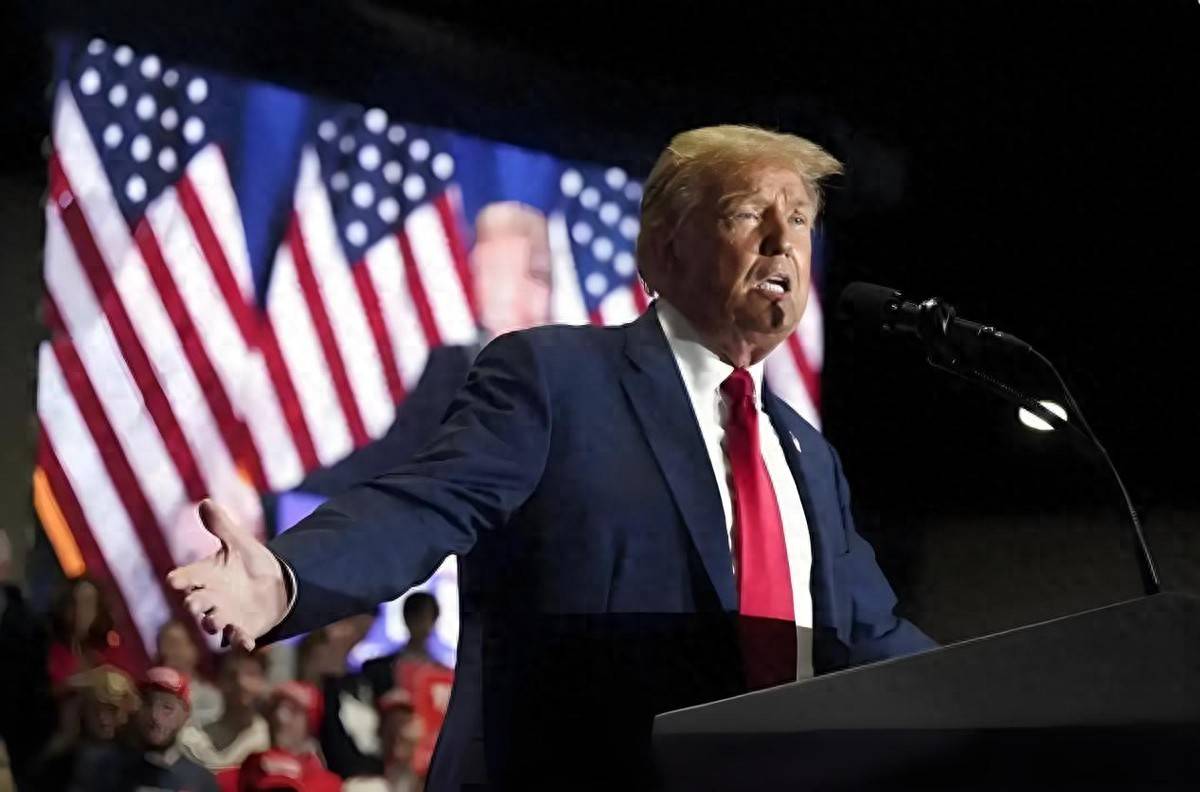
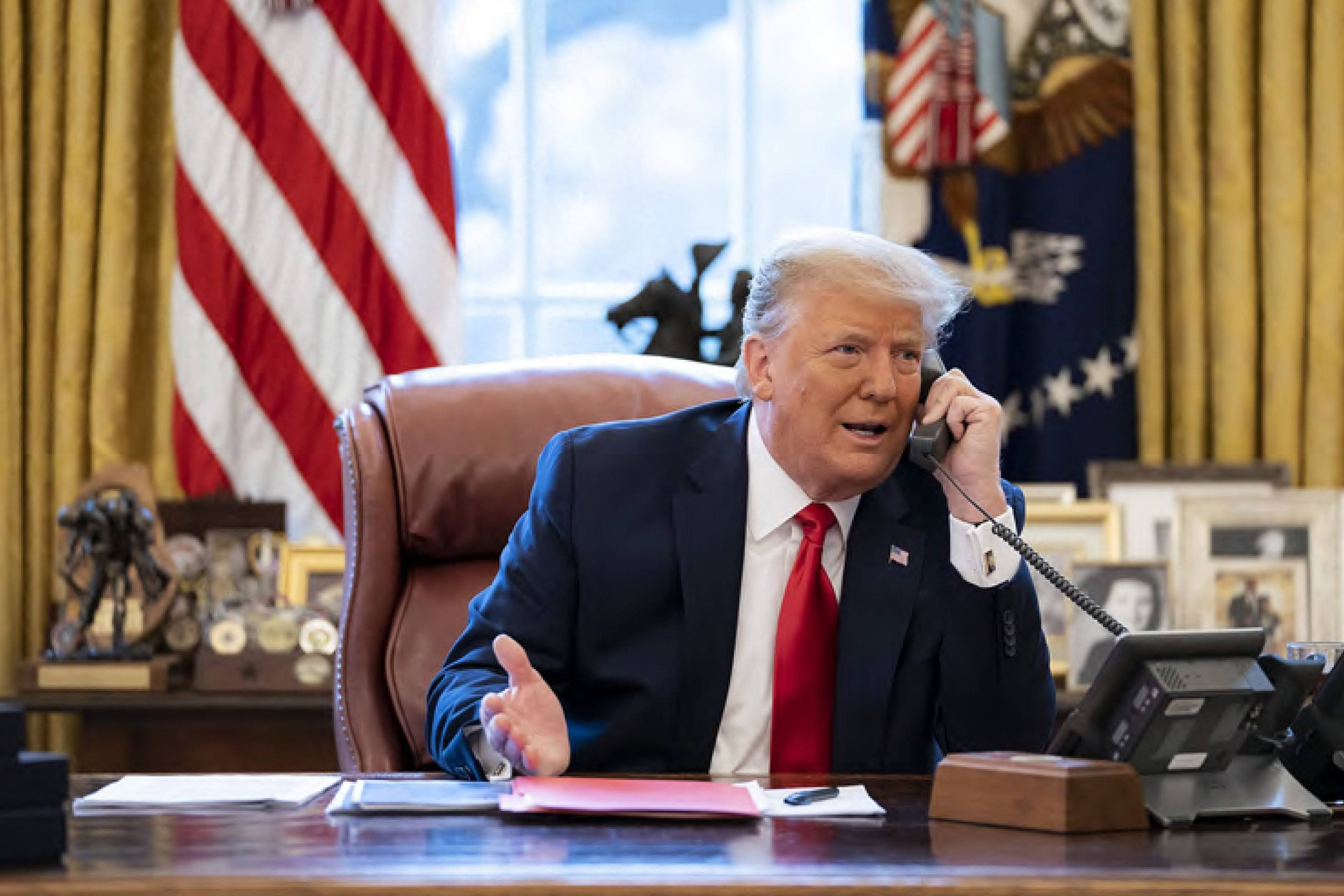
Core Viewpoint - The recent announcement by the U.S. government regarding a new round of tariffs, particularly targeting imports from China and the EU, while reducing tariffs on Japanese automobiles, highlights a selective enforcement strategy that intertwines economic measures with political considerations [1][5][21]. Group 1: Tariff Policy Details - The U.S. has imposed tariffs as high as 100% on various imported goods, including heavy trucks, home goods, and pharmaceuticals [1]. - Key targets for these tariffs include electric vehicles, heavy machinery, and electronic components from China, with tax rates doubling or even exceeding previous levels [3]. - The tariff on Japanese automobiles has been reduced from 25% to 15%, reflecting political motivations rather than economic logic [5]. Group 2: Global Trade Reactions - The new tariff measures have escalated tensions in global trade, prompting countries to reassess their economic relationships with the U.S. [3]. - China has responded with countermeasures, increasing import tariffs on U.S. goods and implementing restrictions on key resource exports [10]. - The EU has initiated a counter-response against U.S. products worth billions of euros and resumed negotiations on liquefied natural gas procurement [12]. Group 3: Political Implications - The selective nature of the tariff policy has drawn criticism domestically and internationally, with concerns that it undermines the global competitiveness of U.S. companies [7]. - The tariffs are seen as a political strategy aimed at swing states in the Midwest, where manufacturing jobs are concentrated [7]. - Japan's government has distanced itself from U.S. policies, emphasizing the importance of avoiding trade friction due to its reliance on Asian supply chains [16]. Group 4: Broader Economic Trends - The current trade tensions reflect a shift in global economic dynamics, with non-U.S. economies seeking to strengthen cooperation and reduce dependence on the U.S. market [18][21]. - Countries are exploring new trade networks outside of U.S. influence, with China and the EU moving towards trade agreements with Southeast Asia, South America, and India [17]. - The trend of de-dollarization is gaining traction, as countries pursue mechanisms to reduce reliance on the U.S. dollar for trade [19].

特朗普要如愿以偿?中国答应购买美国大豆,但有一个条件
Sou Hu Cai Jing· 2025-09-29 10:39
Group 1 - U.S. soybean farmers are facing an unprecedented crisis as China's market share for U.S. soybeans has plummeted from a peak of 34% to less than 5% [1] - The American Soybean Association has issued frequent distress signals as soybean prices continue to decline, with former President Trump calling for China to restore large-scale purchases of U.S. soybeans [1][16] - China's Ministry of Commerce has stated that the U.S. must first remove unreasonable tariffs to expand soybean trade, highlighting the core issue of the current U.S.-China trade deadlock [4] Group 2 - The imposition of a 25% retaliatory tariff by China on U.S. soybeans has led to a significant increase in costs, resulting in a projected 28% decline in U.S. soybean exports for 2024 and record-high inventory levels [6] - China has developed a global procurement network with Brazil as the primary supplier, accounting for over 85% of China's soybean imports from January to August 2025 [6][8] - China's self-sufficiency in soybeans has increased by nearly 7 percentage points in 2024, aided by new agricultural cooperation projects and reduced demand for soybeans in animal feed [8] Group 3 - The economic crisis in the U.S. soybean industry is evolving into a political crisis, with a 60% year-on-year decline in U.S. soybean exports to China expected in the second half of 2024, leading to a five-year low in Chicago soybean futures [10] - Bankruptcy applications among farmers in the Midwest have increased by 35%, putting pressure on Republican lawmakers as farmers express dissatisfaction and threaten to change their voting preferences [10][12] - The Trump administration faces a dilemma between maintaining high tariffs to protect U.S. industries and addressing the needs of the farming community, with $12 billion allocated in 2024 as agricultural subsidies [12] Group 4 - The resolution of the U.S.-China soybean trade deadlock hinges on the U.S. government's willingness to remove unreasonable tariffs, as emphasized by China's Ministry of Commerce [14] - The market dynamics suggest that political interventions will lead to mutual losses, and the key to restoring U.S. soybean exports to China lies in rational policy changes from the U.S. [14]
不许购买俄石油,美公开指责中印,话音刚落,中方回应一针见血
Sou Hu Cai Jing· 2025-09-27 08:37
Core Viewpoint - The article discusses the escalating tensions in the global energy market, particularly focusing on the firm stance of China and India in defending their energy autonomy against U.S. pressure to cease purchasing Russian oil [1][3][5]. Group 1: U.S. Pressure and Response - The U.S. has issued strong warnings to China and India, demanding an immediate halt to their purchases of Russian oil, framing it as a violation of international interests [5][9]. - Despite U.S. pressure, both China and India have responded with a resolute commitment to their energy security, highlighting their independence in energy policy decisions [7][10]. - China's Ministry of Foreign Affairs emphasized that their energy cooperation with Russia is in line with international trade rules, rejecting U.S. accusations as baseless [5][12]. Group 2: International Reactions and Implications - The reactions from the Western bloc have been mixed, with some questioning the U.S.'s unilateral approach and its implications for global energy stability [9][10]. - The situation has prompted a reevaluation of energy strategies among various countries, including traditional U.S. allies in Europe, indicating a shift away from U.S. dominance in energy governance [10][14]. - The article suggests that the ongoing energy dynamics signify a profound transformation in the global energy landscape, with China and India asserting their roles as independent players [12][14]. Group 3: Strategic Considerations - China views energy security as a vital component of its national development, and its partnership with Russia is seen as a pragmatic choice amidst geopolitical shifts [12][14]. - India, as the third-largest oil consumer, has made it clear that its energy choices are sovereign and not subject to external dictation, reinforcing its strategic autonomy [12][14]. - The article concludes that the current energy standoff reflects a broader trend towards a more diversified and balanced international energy order, challenging the previous Western-centric model [14].
管健:深度解读中国对墨西哥发起贸易投资壁垒调查
Di Yi Cai Jing· 2025-09-27 08:18
Core Viewpoint - The Chinese Ministry of Commerce has initiated an investigation into Mexico's proposed trade barriers against Chinese imports, emphasizing the need to oppose unilateralism and protectionism in the context of rising tariffs from the U.S. [1] Group 1: Investigation Background - The investigation stems from Mexico's proposal submitted to Congress on September 9, 2025, to amend the Import and Export Tariff Law, which aims to increase tariffs on 1,463 tariff items, including automobiles, textiles, and machinery, with proposed rates up to 50% for certain products [2] - The proposed measures will only affect imports from countries without free trade agreements with Mexico, excluding goods from the U.S., Canada, the EU, and Japan [2] Group 2: Impact on Trade Partners - The proposed tariff increases are expected to negatively impact trade partners, including China, as they may undermine the business environment and reduce investment confidence in Mexico [1][3] - Mexico's proposed measures align with U.S. interests, as they are perceived to address U.S. concerns about Chinese goods circumventing tariffs through Mexico [4] Group 3: Specific Trade Implications - The tariffs could affect $52 billion worth of imports, with an estimated impact of over $10 billion on Chinese goods alone, particularly in sectors where China has a competitive advantage, such as steel, textiles, and machinery [4][5] - The measures are seen as a response to U.S. pressure, highlighting the geopolitical dynamics influencing trade policies in the region [4][5]
国际观察丨促和平、反霸权、倡多边——联合国大会上的“全球南方强音”
Xin Hua Wang· 2025-09-27 02:55
Group 1 - The 80th United Nations General Assembly is focusing on the need for peace and the resolution of conflicts, with leaders from global South countries urging for multilateral cooperation and the maintenance of an international system centered around the UN [1][4][5] - Palestinian President Abbas highlighted the humanitarian crisis in Gaza due to ongoing conflicts and called for international action to implement the "two-state solution" for peace and justice [2][3] - Leaders from various countries criticized unilateralism and hegemonic interference, emphasizing the need for international fairness and justice in global governance [4][6] Group 2 - Multiple leaders from the global South stressed the importance of multilateralism in addressing global challenges such as regional conflicts, climate disasters, and economic disparities [5][6] - The UN Deputy Secretary-General noted the increasing leadership role of countries like China in the UN system, which is seen as a commitment to multilateralism and global governance initiatives [6]
美国豆农的心彻底死了!我国订购65万吨大豆,订单全给了阿根廷
Sou Hu Cai Jing· 2025-09-26 05:58
Core Viewpoint - The global soybean trade landscape is undergoing a profound transformation due to China's shift in sourcing from Brazil and Argentina, significantly impacting U.S. agriculture [1]. Group 1: Chain Reaction of Order Shifts - In April, China imported 2.4 million tons of soybeans from Brazil, causing concern among U.S. soybean farmers [5]. - Following Argentina's announcement to cancel grain export tariffs on September 22, China quickly signed a contract for 650,000 tons, further deepening the despair among U.S. Midwest farmers [5]. Group 2: Unexpected Costs of Trade War - The shift originated from the tariff war initiated by the Trump administration in April 2025, which led to a near halt in U.S.-China trade as tariffs soared to 145% [9]. - By 2025, China had almost completely stopped importing U.S. soybeans, contrasting sharply with the 32.85 million tons imported in 2017, which accounted for 56.4% of U.S. exports [9]. Group 3: Technological Trade Barriers - China has established a rigorous detection system to ensure the smooth implementation of trade transformation, including biological characteristic detection to determine the origin of soybeans [11][13]. - A strict penalty mechanism has been put in place for intermediaries violating the ban on re-exporting U.S. soybeans, resulting in 88 farms declaring bankruptcy and 320,000 tons of unsold pork by-products facing spoilage risks [15][16][18]. Group 4: China's Strategic Layout - China is diversifying its procurement, with South American orders exceeding 10 million tons this oil season, doubling year-on-year [21][23]. - The country is also enhancing self-sufficiency by optimizing feed formulas and expanding domestic planting [21][24]. - China capitalized on market opportunities by signing significant contracts immediately after Argentina's tax reduction announcement [21][26]. Group 5: Economic Insights - The ongoing trade dynamics illustrate a profound economic principle: unilateralism in a globalized era often backfires, as evidenced by the accumulation of U.S. soybean inventories [27]. - China's development of a diversified agricultural supply system not only secures food safety but also demonstrates a cooperative and win-win approach to global trade [27].
和音:坚持共同发展才能破解时代难题
Ren Min Ri Bao· 2025-09-26 02:46
Core Viewpoint - China is promoting the Global Development Initiative (GDI) to address global development challenges and accelerate the implementation of the UN 2030 Sustainable Development Agenda, emphasizing the importance of international cooperation and consensus building [1][2]. Group 1: Global Development Initiative Overview - The GDI was proposed by President Xi Jinping in September 2021, focusing on the broad interests of humanity and calling for adherence to six principles for promoting common development [2]. - Over 130 countries and international organizations are participating in the GDI implementation mechanism, showcasing its growing influence and appeal as a public good that meets global needs [2][3]. Group 2: Financial Commitment and Project Implementation - The GDI has mobilized over $23 billion in funding over the past four years, supporting more than 1,800 cooperation projects aimed at revitalizing the Global South [3]. - Projects span various sectors, including technology cooperation, poverty alleviation, education, digital economy, and women's economic empowerment, demonstrating the initiative's depth and practical impact [3]. Group 3: Future Plans and Commitments - China plans to implement 2,000 "small but beautiful" livelihood projects in developing countries over the next five years and establish a special fund for digital capacity building [4]. - The initiative includes proposals for international cooperation in artificial intelligence and marine development, as well as the "Clean Stove Project" to support sustainable practices in developing nations [4].
中方对此坚决反对!决定启动调查
Zhong Guo Ji Jin Bao· 2025-09-25 16:26
Core Viewpoint - The Chinese Ministry of Commerce has initiated an investigation into Mexico's proposed trade barriers against Chinese products, citing concerns over unilateralism and protectionism in the context of rising tariffs from the U.S. [1][2] Group 1: Investigation Announcement - The Ministry of Commerce announced the investigation under the Trade Barrier Investigation Rules, following Mexico's proposal to increase import tariffs on products from non-free trade partners, including China [3][4] - The investigation will focus on various product categories such as automobiles, textiles, clothing, plastics, steel, home appliances, aluminum, toys, furniture, footwear, leather goods, paper, motorcycles, and glass [3][4] Group 2: Investigation Procedures - The investigation will utilize methods such as questionnaires, hearings, and on-site investigations to gather information from stakeholders [4] - Stakeholders have a period of 20 days from the announcement to submit written comments regarding the investigation [8] Group 3: Timeline and Information Access - The investigation is expected to conclude within six months from the announcement date, with a possible extension of up to three months under special circumstances [6] - Stakeholders can access public information related to the investigation through the Ministry of Commerce's website or by visiting the Trade Relief Public Information Reading Room [7]
商务部:对墨西哥相关涉华限制措施进行贸易投资壁垒调查
财联社· 2025-09-25 13:27
Core Viewpoint - The Ministry of Commerce of China has initiated an investigation into trade and investment barriers imposed by Mexico against Chinese products, particularly in response to Mexico's proposed increase in import tariffs on non-free trade partner products, which could significantly harm Chinese enterprises' trade and investment interests [1][7]. Group 1: Investigated Measures and Products - The investigation focuses on Mexico's proposed increase in import tariffs on products from China and other non-free trade partners, specifically targeting categories such as automobiles and parts, textiles, clothing, plastics, steel, home appliances, aluminum, toys, furniture, footwear, leather goods, paper and cardboard, motorcycles, and glass [1]. Group 2: Investigation Procedures - The Ministry of Commerce may utilize questionnaires, hearings, and on-site investigations to gather information from stakeholders during the investigation process [2]. Group 3: Investigation Timeline - The investigation is expected to conclude within six months from the announcement date, with a possible extension of up to three months under special circumstances [3]. Group 4: Public Information Access - Stakeholders can access public information related to the case through the Ministry of Commerce's website or by visiting the trade relief public information inquiry room [4]. Group 5: Comments on the Case - Stakeholders are invited to submit written comments regarding the case within 20 days from the announcement date [5]. Group 6: Information Submission and Handling - Stakeholders must submit comments and responses electronically via the "Trade Relief Investigation Information Platform" and provide a written version as well. If confidentiality is requested, a non-confidential summary must also be provided [6]. Group 7: Contact Information - The Ministry of Commerce has provided contact details for stakeholders to reach out regarding the investigation [7]. Group 8: Official Response - The Ministry of Commerce emphasizes the need for countries to oppose unilateralism and protectionism, asserting that Mexico's proposed tariff increases could harm not only Chinese interests but also the overall business environment in Mexico [8].

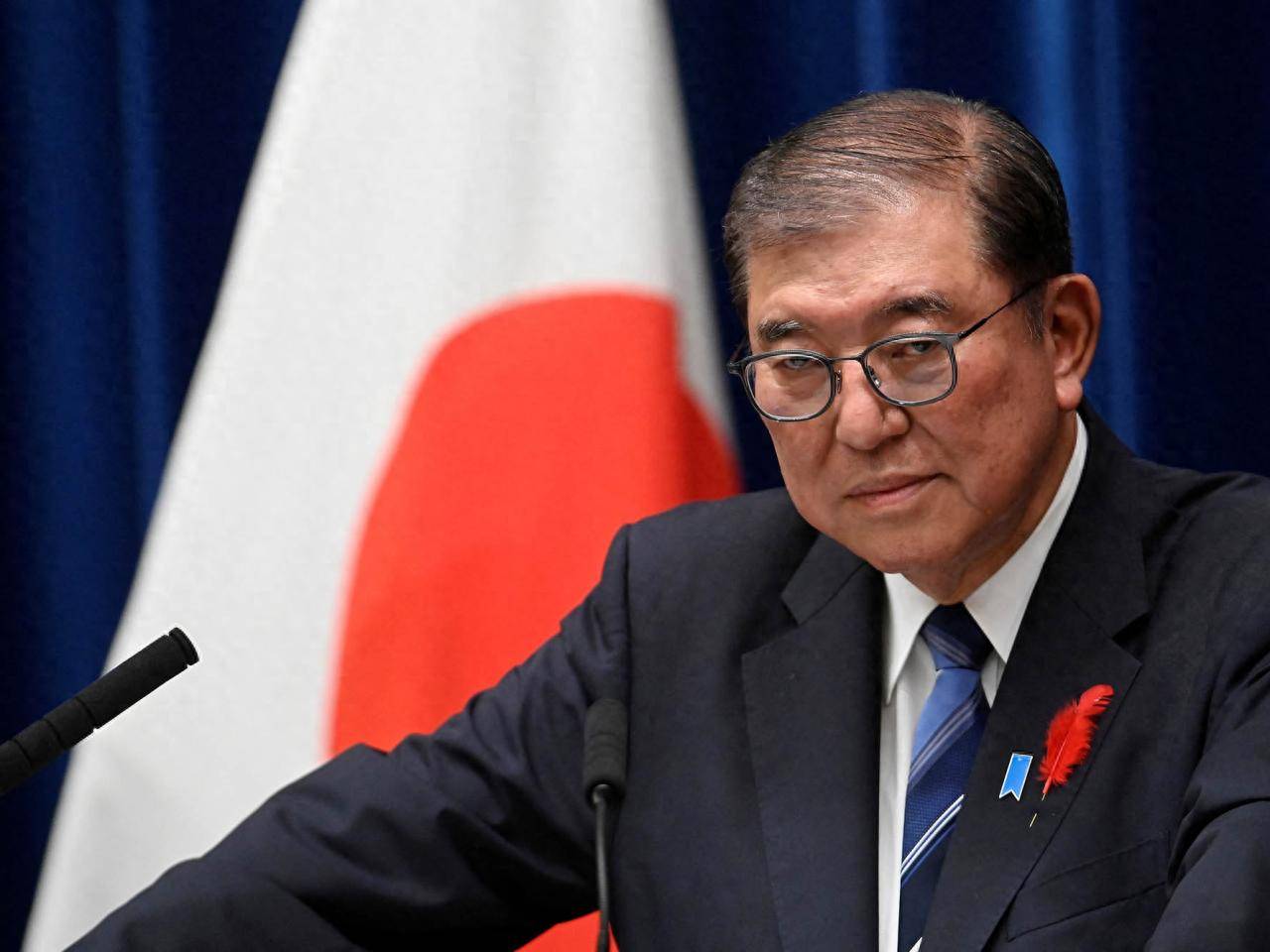
日本拒绝美国要求,不对中国加征100%关税
Sou Hu Cai Jing· 2025-09-25 05:25
Group 1 - The core viewpoint of the article highlights Japan's unexpected refusal to support the U.S. proposal for imposing higher tariffs on China and India for importing Russian oil, indicating a shift in Japan's foreign policy stance [1][3]. - Japan's Finance Minister, Kato Katsunobu, stated that raising tariffs solely based on oil imports from Russia is unacceptable for Japan, emphasizing the country's commitment to World Trade Organization (WTO) obligations [3][5]. - Japan's oil imports from Russia accounted for approximately 1% of its total imports in June, underscoring the importance of supply diversity for the resource-scarce nation [5]. Group 2 - Japan's emphasis on fair trade principles reflects a critique of U.S. unilateralism and supports the multilateral trade system, indicating a potential shift in international trade dynamics [7][9]. - The article notes that Japan's refusal to align with U.S. demands may signify a broader trend of countries prioritizing their national interests over U.S. influence, suggesting a changing landscape in international relations [9].