中美贸易博弈

Search documents
关税换稀土?美国战略焦虑藏不住了,中国一举措让美方破防真相揭秘
Sou Hu Cai Jing· 2025-10-29 19:45
Core Viewpoint - The statements made by U.S. Treasury Secretary Bessent regarding China's rare earth export controls have sparked a debate about the reality of these measures, with China emphasizing its actions as a refinement of its export control system [1][3]. Group 1: China's Rare Earth Export Controls - China's export control measures for rare earth elements were officially announced, with significant restrictions on seven categories of medium and heavy rare earth items effective from April 5, 2025 [3]. - Recent announcements on October 9 included controls on foreign-manufactured magnets and materials containing 0.1% or more of Chinese rare earth elements, along with restrictions on rare earth mining and smelting technologies [3]. - As a result of these measures, China's rare earth exports fell to 4,000.3 tons in September 2025, a decrease of 30.9% month-over-month, marking the lowest level since February of the same year [3]. Group 2: U.S. Dependency on Chinese Rare Earths - The U.S. Geological Survey reported that 70% of U.S. rare earth material imports come from China, with nearly 100% of heavy rare earths essential for military applications sourced from China [5]. - The U.S. military relies on rare earths for 87% of its supply chains across 153 main battle equipment types, highlighting the critical nature of these materials [5][7]. - The complexity and pollution associated with rare earth purification processes have led to a significant reliance on China, which controls 85% of global refining capacity, making U.S. efforts to decouple from this dependency challenging and costly [7]. Group 3: Political Dynamics and Strategic Decisions - China's export controls aim to prevent rare earths from being used for military purposes, contrasting with the U.S. as the largest global arms exporter that frequently utilizes rare earths in military production [9]. - The U.S. has attempted to politicize the rare earth issue, but this strategy has revealed its limitations, as China controls 70% of rare earth production and 92% of refining capacity globally [9]. - Prior to implementing these measures, China communicated its policy objectives to the U.S., EU, and Japan to reduce misunderstandings, while also promising to streamline compliance processes for civilian exports [11].


中国稀土新规暂停?美财长暗示美国关税威胁奏效,中方回应不简单
Sou Hu Cai Jing· 2025-10-29 18:13
Core Viewpoint - The recent U.S.-China rare earth dispute highlights strategic considerations beyond mere verbal exchanges, as rare earths are crucial for modern industry and the geopolitical landscape [1][5]. Group 1: U.S. Position and Actions - U.S. Treasury Secretary Besant claimed that China has not effectively implemented rare earth export controls, attributing this to U.S. threats of a 100% tariff, which was celebrated by some U.S. political figures as a significant victory for the Trump administration [3][8]. - The timing of Besant's statements, immediately following the U.S.-China trade talks, suggests a strategic maneuver to assert narrative control and leverage public opinion [3][11]. - The U.S. has been increasingly using tariffs as a tool against China, but the actual impact has been limited, indicating a disconnect between rhetoric and tangible outcomes [3][6]. Group 2: China's Response and Strategy - China's response to U.S. claims was deliberately ambiguous, reflecting a strategic choice to maintain control over the narrative and avoid being pressured into hasty declarations [5][15]. - China has established a comprehensive rare earth management system over the past decade, with clear regulations governing extraction and export, indicating a commitment to maintaining regulatory authority [6][9]. - The Chinese government emphasizes that its export control measures are in line with international norms and aimed at ensuring regional stability and fulfilling non-proliferation obligations [3][6]. Group 3: Industry Implications - Rare earths are essential for high-tech industries, with the U.S. military's dependence on Chinese rare earths exceeding 80%, particularly for advanced weaponry like the F-35 fighter jet [5][9]. - The U.S. is attempting to rebuild its domestic rare earth supply chain, but progress is slow due to high costs and technological challenges, with estimates suggesting it could take at least five years to achieve partial self-sufficiency [5][6]. - The ongoing rare earth dispute is prompting multinational companies to reassess supply chain risks, with some European and Asian firms increasing their reserves to mitigate potential disruptions [8][11]. Group 4: Global Context and Future Outlook - The rare earth conflict is part of a broader struggle for rule-making authority in global supply chains, with the U.S. forming alliances with the EU and Japan to reduce reliance on China [11][15]. - Despite efforts to diversify supply chains, the concentration of rare earth refining capacity in China presents a significant challenge for other nations [11][13]. - The market's reaction to the rare earth dispute has been mixed, with limited price volatility indicating that investors are becoming accustomed to the ongoing U.S.-China trade tensions [13][15].


国投期货能源日报-20251029
Guo Tou Qi Huo· 2025-10-29 12:35
1. Report Industry Investment Ratings - Crude oil: ★★★ (indicating a clearer short - term bearish trend with appropriate investment opportunities) [1] - Fuel oil: Not clearly defined by the star system in the given context - Low - sulfur fuel oil: Not clearly defined by the star system in the given context - Asphalt: ★★★ (indicating a clearer short - term bearish trend with appropriate investment opportunities) [1] - Liquefied petroleum gas: Not clearly defined by the star system in the given context 2. Core Viewpoints - The rebound space of oil prices is limited, and a strategy combination of shorting crude oil and buying out - of - the - money call options should be considered [2] - For fuel oil, there is short - term support for high - sulfur fuel oil, but the medium - term supply will be loose; low - sulfur fuel oil is weak, but there are potential supports, and the opportunity to go long on the low - high sulfur spread can be considered [2] - The "peak season" demand for asphalt is weaker than expected, and the medium - to - long - term expectation of slower inventory reduction restricts the upside space [3] - The fundamentals of LPG have improved marginally, providing short - term support [4] 3. Summary by Related Catalogs Crude Oil - Overnight international oil prices declined, with the SC12 contract falling 0.81% during the day [2] - The US API crude and refined product inventories decreased more than expected last week, but the US sanctions on Russia have room for maneuver [2] - The easing of Sino - US trade games limits the intensity of sensitive oil sanctions and the upper limit of supply fluctuations [2] - Under the background of continuous production increase by OPEC+ and continuous inventory accumulation pressure, the rebound space of oil prices is limited [2] Fuel Oil & Low - Sulfur Fuel Oil - The unilateral trend of fuel oil still follows crude oil [2] - In the short term, the escalation of sanctions on Russia by Europe and the US intensifies the supply risk of high - sulfur fuel oil, and there is support from feedstock demand under the constraint of domestic crude oil quotas in the fourth quarter [2] - In the medium term, the supply of high - sulfur fuel oil tends to be loose due to limited geopolitical risk fermentation, uncertain import policies, increased exports from the Middle East to Asia, and the end of the power generation peak season [2] - The low - sulfur market is weak, with abundant overseas supply and high Asian arrivals, but there may be support from diesel market transmission and seasonal increase in East Asian power generation demand in the fourth quarter [2] - There are signals of weakening relative strength between high - and low - sulfur in the spot market, and the opportunity to go long on the low - high sulfur spread can be considered [2] Asphalt - The asphalt futures fluctuated today [3] - The planned production of refineries in November decreased significantly year - on - year and month - on - month [3] - Terminal demand in the north is blocked by cooling, while that in the south has improved due to better weather, and the terminal demand in Shandong is average [3] - The year - on - year high - growth rate of shipments since October is difficult to sustain [3] - The overall commercial inventory decreased month - on - month, and the "peak season" demand is weaker than expected, restricting the upside space [3] Liquefied Petroleum Gas - LPG performed relatively strongly in oil product futures today, with the main contract rising 1.2% [4] - The external market price stabilized and rebounded, and the commodity volume and import arrivals of liquefied gas decreased [4] - The improvement of chemical profits has promoted demand growth, and the demand for combustion has improved due to significant cooling in many places [4] - The storage rates of ports and refineries have decreased, and the marginal improvement of fundamentals provides short - term support [4]
综合晨报-20251029
Guo Tou Qi Huo· 2025-10-29 02:24
Group 1: Energy - International oil prices fell overnight, with Brent's December contract down 1.96%. Considering geopolitical games, the easing of Sino - US trade frictions, and OPEC+ production increases, the upside for oil price rebounds is limited. A strategy combining short positions in crude oil and out - of - the - money call options is recommended [2] - Precious metals continued to decline overnight. With the easing of trade tensions and the upcoming meeting on a cease - fire plan, short - term safe - haven sentiment has cooled. Wait patiently for stabilization before participation, and focus on the Fed's interest - rate meeting [3] Group 2: Base Metals - Copper prices showed resilience overnight. Supply disruptions and a high gold - to - copper ratio support copper prices. There is still potential in the volume and price of Shanghai copper. Pay attention to the callback range and buy on dips [4] - Shanghai aluminum rebounded slightly overnight. Short - term macro - positive sentiment dominates, but the fundamental resonance is limited. Be cautious about the upside [5] - For cast aluminum alloy, scrap aluminum sources are tight, and tax policy adjustment expectations increase costs. However, with high industry inventories and exchange warehouse receipts, it follows aluminum prices and has no independent market [6] - Alumina has a high operating capacity and rising inventory. The supply - surplus pattern remains unchanged. It is mainly in a weak operation [7] - Zinc smelters in China are actively operating, and as winter storage approaches, TC for both domestic and foreign mines has decreased. The opening of the spot export window and low LME inventories support its strong performance, pulling up the Shanghai zinc market. It is expected to fluctuate between 21,500 - 22,500 yuan/ton [8] - The demand for lead has weakened as downstream battery enterprises are less accepting of high prices. The fundamentals of lead are turning weak. Long - position holders should exit on rallies [9] - Nickel prices are in a weak operation. The nickel industry chain is constrained by over - supply, and downstream demand is cautious. The price center is likely to move down [10] - Tin prices oscillated higher overnight. In the medium - to - long - term, supply - disturbing factors have eased. Tin prices follow copper prices, and a small short position can be tentatively established [11] Group 3: Industrial Metals and Alloys - The price of lithium carbonate pulled back after rising. The futures price is strengthening, and it is expected to fluctuate strongly in the short term. Attention should be paid to the sustainability of actual inventory and policy increments [12] - After the release of positive factors for polysilicon listed companies, the upward momentum on the disk is under pressure. There is a risk of a callback in the short term without new policy support [13] - Industrial silicon futures fell slightly. There is a risk of inventory accumulation, but there are expectations of supply improvement in November. The disk is expected to oscillate in the short term [14] Group 4: Steel and Iron Ore - Steel prices rebounded overnight. The demand for rebar is improving, and the demand for hot - rolled coils is rising. However, the downstream's ability to absorb is insufficient, and the negative feedback pressure in the industry chain remains. The price rebound is restricted by weak demand expectations [15] - Iron ore prices rebounded overnight. The supply is increasing, and the demand is under pressure due to factors such as the decline in hot - metal production. It is expected to oscillate at a high level [16] Group 5: Coal - Related Products - Coke prices rose during the day. The second round of price increases has been fully implemented, but coking profits are average. The price may be more likely to rise than fall [17] - Coking coal prices rose during the day. Although there is a short - term impact on hot - metal production, the overall supply of carbon elements is abundant. The price may be more likely to rise than fall [18] - Manganese silicon prices oscillated. The demand is affected by the possible decline in hot - metal production. The price follows the trend of steel [19] - Silicon iron prices oscillated. The overall demand is acceptable, and the price follows the trend of steel [20] Group 6: Shipping - The spot market quotes for the container shipping index (European line) have been lowered, suppressing market sentiment. The disk may oscillate in the near term, and it is recommended to build positions on dips [21] Group 7: Fuels and Asphalt - Fuel oil prices fell overnight. High - sulfur fuel oil is supported in the short term but faces a supply - surplus situation in the medium term. Low - sulfur fuel oil has weak fundamentals but may get some support from geopolitical factors and winter power - generation demand [22] - The planned production of asphalt in November is significantly lower. The "peak - season" demand is weaker than expected, and the upward space for prices is limited [23] Group 8: Liquefied Petroleum Gas and Chemicals - The price of liquefied petroleum gas has been boosted by the improvement in fundamentals, such as reduced supply and increased demand [24] - Urea prices pulled back. The supply - surplus situation persists, but there may be a phased rebound after the price drops to a low level [25] - Methanol futures prices continued to fall. The port inventory is under pressure, and the market is likely to oscillate at a low level [26] - Pure benzene prices continued to fall overnight. The mid - term pressure comes from high imports. A reverse - spread strategy on the monthly spread is recommended [27] - Styrene prices are under long - term pressure due to high inventory in the industry chain [28] - The supply pressure of polypropylene, polyethylene, and propylene is difficult to ease. The impact on prices is limited [29] - PVC prices fluctuate narrowly. The fundamentals are weak, and it may operate in a bottom - range. Caustic soda prices continue to weaken, and the supply pressure is high [30] - PX and PTA prices fell slightly. The supply pressure is large, and a reverse - spread strategy is recommended in the medium term [31] - Ethylene glycol production is increasing. There is a mid - term inventory - accumulation expectation. Short positions can be established on price increases [32] - Short - fiber and bottle - chip prices are mainly driven by cost. Short - fiber may accumulate inventory again, and bottle - chip processing margins are under pressure [33] Group 9: Building Materials - Glass prices rose slightly. The spot market in Shahe shows marginal improvement. The price decline is expected to be limited at present [34] - For natural rubber and its derivatives, demand is gradually recovering, but supply pressure is large. Market sentiment is weak. A wait - and - see strategy is recommended, and attention can be paid to cross - variety arbitrage opportunities [35] - Soda ash costs are rising, and supply is increasing slightly. A high - short strategy is recommended after a price rebound [36] Group 10: Agricultural Products - US soybeans and domestic soybean meal prices rose due to the easing of Sino - US trade tensions. Wait and see for now and look for long - position opportunities after the Sino - US trade issue is resolved [37] - Soybean oil and palm oil prices are affected by trade expectations and supply - demand factors. In the long term, it is recommended to go long on vegetable oils on dips [38] - Rapeseed and rapeseed oil prices are affected by factors such as Sino - Australian relations and Russian exports. Rapeseed meal prices may rebound in the short term, while rapeseed oil prices are under pressure [39] - Soybean No. 1 prices rose rapidly from a low level. Pay attention to the performance of imported soybeans and domestic policies [40] - Corn prices are under pressure due to the continuous supply of new grain. Dalian corn may continue to operate weakly at the bottom [41] - Live - hog futures prices weakened significantly, while spot prices rose. After the price rebound, a short - selling strategy on rallies is recommended [42] - Egg prices failed to continue rising. It is recommended to try short positions at high prices [43] - Cotton prices are supported by the increase in new - cotton costs. The short - term price increase is a rebound with limited space. Wait and see for now [44] - Sugar prices are under pressure due to sufficient international supply. In China, the focus is on the new - season production estimate [45] - Apple prices are relatively strong. High - quality apples have stable prices, but low - quality apples may face inventory pressure [46] - Wood prices are weak. Low inventory provides strong support. Wait and see for now [47] - Pulp prices may oscillate in a bottom - range. The supply is relatively loose, and the demand is average [48] Group 11: Financial Products - A - share stocks oscillated and sorted. The macro - level uncertainty is reduced, but funds are still cautious. Focus on technology - growth sectors for asset allocation [49] - Treasury futures rose across the board. The Fed's policy direction is uncertain, and the domestic bond market is in a repair stage [50]
巴西大豆涨价近80%!饲料成本要飙升?中美贸易博弈成关键变量!
Sou Hu Cai Jing· 2025-10-28 10:49
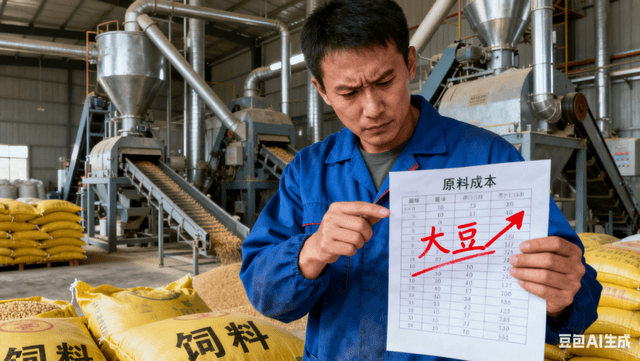
Core Insights - Brazilian soybean export prices to China have surged by 79.9% since the beginning of the year, reaching the highest premium level in seven years, leading Chinese buyers to collectively suspend purchases for December and January shipments [1] - The current low feed prices have allowed many pig farming enterprises to operate at a slight profit, but a significant increase in feed prices could exacerbate losses in the pig farming industry [1] - The future price of imported soybeans remains uncertain, influenced by China's preparedness to handle price fluctuations and the ongoing US-China trade tensions, with 42 million tons of unsold soybeans currently in US warehouses [1] Price Dynamics - The increase in Brazilian soybean prices is attributed to four main factors: 1. Tightening supply due to adverse weather conditions affecting 1.2 million hectares of planting area, raising concerns about a 5%-8% reduction in the new season's soybean yield [4] 2. Logistical constraints with a 60% year-on-year increase in expected soybean exports from southeastern Brazilian ports, leading to a 45-day wait time for shipments [4] 3. Speculative trading by Brazilian exporters taking advantage of concentrated Chinese import channels to raise prices [4] 4. China's import structure, with 80% of its soybean imports coming from Brazil in the first nine months of 2025, enhancing Brazil's pricing power [4] Domestic Impact - Domestic soybean crushing enterprises are facing significant cost pressures, and if soybean prices continue to rise, feed prices are likely to increase correspondingly [6] - The average price of pig feed in China has remained low this year, between 2.59-2.79 yuan per kilogram, significantly lower than the average over the past five years, allowing some pig enterprises to maintain profitability [6] Strategic Responses - China has implemented a multi-faceted strategy to address rising soybean prices, including: 1. Sufficient reserves, with 4.5 million tons of soybean reserves available to meet over three months of consumption needs [8] 2. Diversified import channels, including significant purchases from Argentina and potential supplies from Russia and Ukraine [8] 3. Ongoing technical advancements to reduce soybean meal usage in feed, aiming to lower the proportion from 15.3% to 12% by 2027 [8] Future Considerations - Two key variables will influence future soybean prices: 1. The timing of the new season's soybean harvest in Brazil, which could lead to increased supply and potential price declines [11] 2. Progress in US-China trade negotiations, which could allow for the resumption of US soybean imports, potentially impacting Brazilian soybean prices [11] - China, as the world's largest soybean importer, has shifted its import strategy to mitigate risks and enhance its bargaining power in international soybean trade [11] Industry Events - The pig farming industry is facing challenges due to fluctuating feed prices and competition, necessitating ongoing cost-reduction strategies [13] - An upcoming conference in November 2025 aims to address industry challenges and promote efficiency and cost management in pig farming [13]
中方给了贝森特面子,但美国输了底子,特朗普:中方希望达成协议
Sou Hu Cai Jing· 2025-10-28 08:43
Core Points - The recent US-China trade negotiations in Kuala Lumpur ended without a formal agreement, but the US decided to temporarily suspend the planned 100% tariff on Chinese goods, indicating a complex power struggle [1][3][5] - The US Treasury Secretary, Becerra, emphasized avoiding the tariff as a significant achievement, while the Chinese delegation maintained a firm stance without showing any signs of compromise [4][12] - The negotiations highlighted the structural issues within the US economy, including rising debt and inflation, which pressured the US to reconsider its aggressive trade tactics [10][11][15] Summary by Sections Negotiation Dynamics - The atmosphere during the negotiations was tense, with no significant breakthroughs or agreements reached, reflecting a stalemate in US-China relations [1][3] - Becerra's comments suggested a tactical retreat rather than a strategic victory, as the US faced internal disagreements on how to approach the negotiations [11][14] Economic Context - The US's total debt has surpassed $38 trillion, with interest payments at a historical high, making further tariffs potentially damaging to the economy [10][11] - The imposition of additional tariffs could exacerbate inflation and harm consumer confidence, leading to a reconsideration of aggressive trade measures [10][12] Strategic Implications - The negotiations revealed China's strategic patience and ability to maintain its position without yielding to US pressure, indicating a shift in the balance of power [12][15] - The US's initial strategy of using trade leverage to force concessions from China has proven ineffective, as the global supply chain has diversified, reducing the impact of US threats [15][16]

中国对美国还是太仁慈了,手里攥着那么多牌都不打!
Sou Hu Cai Jing· 2025-10-28 03:10
Core Viewpoint - The article argues that the country possesses several powerful leverage points against the United States, including U.S. Treasury bonds, raw materials, and industrial manufacturing capabilities, beyond just rare earths and soybeans. The country has been cautious in utilizing these leverage points to avoid mutual destruction while still inflicting pain on the U.S. economy [1][2][8]. Group 1: Economic Leverage Points - The country holds approximately $730.7 billion in U.S. Treasury bonds, making it the third-largest holder globally, and has reduced its holdings from a peak of about $1.3 trillion [1][2]. - The country is responsible for about 60% of the 88% of raw materials that the U.S. imports for pharmaceuticals, with critical drugs like ibuprofen and acetaminophen heavily reliant on imports from this country [4][5]. - The country is the world's second-largest economy and the largest manufacturer, capable of producing a wide range of products, from basic goods to high-end equipment, which could significantly impact global supply chains if leveraged [5][7]. Group 2: Strategic Considerations - The country has refrained from aggressively selling U.S. Treasury bonds to avoid triggering panic selling from other nations, which could lead to a collapse in bond prices and significant financial losses [2][8]. - The country prioritizes a peaceful approach and respects life, which influences its decision not to use raw materials as a retaliatory measure against the U.S. [4][8]. - The potential move to reject the dollar in international trade could destabilize the global economy and harm the country's own industries and employment, indicating a need for a cautious and gradual approach to countering U.S. dominance [7][8].

美财长贝森特表示:中国将重新购买美国大豆,中美部分协议曝光!
Sou Hu Cai Jing· 2025-10-27 13:37
Core Viewpoint - The U.S.-China trade dynamics are shifting, with the U.S. Treasury Secretary indicating that the previously planned 100% tariffs have become a negotiation tool rather than a threat, and China is set to resume purchasing U.S. soybeans, raising questions about the timing of this decision [1][3]. Group 1: Political and Economic Context - The U.S. Treasury Secretary downplayed the 100% tariff threat as a "negotiation strategy," reflecting a change in the U.S. stance amid political pressures from agricultural states [3]. - The urgency in addressing agricultural issues is evident, as the Secretary's comments suggest a need to support U.S. soybean farmers, who are facing significant financial losses due to reduced Chinese purchases [3][5]. - The political implications are significant, as agricultural states are crucial to the Republican voter base, and any continued trade stagnation could undermine political support for the current administration [5][7]. Group 2: Agricultural Market Dynamics - U.S. soybean farmers are experiencing financial distress, with potential losses of $100 to $150 per acre if they cannot find buyers, as China plans to reduce soybean imports from the U.S. starting October 2024 [5]. - China's shift towards South American suppliers is driven by market logic, as Brazilian and Argentine soybeans are more competitively priced, with Argentina even eliminating export tariffs to attract Chinese buyers [5]. Group 3: Negotiation Strategies and Outcomes - China's agreement to resume U.S. soybean purchases is part of a broader negotiation strategy, where multiple key issues are being discussed beyond agricultural products, including maritime logistics and technology exports [7][8]. - The negotiation team composition indicates a serious commitment to achieving a strategic and executable outcome, with high-level representatives from both sides involved [8]. - The recent negotiations have shown that unilateral pressure tactics are ineffective, and a balanced approach is necessary for a sustainable trade relationship [10][6]. Group 4: Global Market Reactions - Following the Secretary's remarks, U.S. soybean futures prices increased, indicating positive market sentiment regarding the potential stabilization of U.S.-China trade relations [10]. - The overall global economic outlook benefits from a stable trade relationship between the two largest economies, as it helps avoid escalation into a trade war [10][11].

研究所晨会观点精萃-20251027
Dong Hai Qi Huo· 2025-10-27 01:45
1. Report Industry Investment Rating No relevant content provided. 2. Core Views of the Report - Overseas, China - US trade negotiations from the 24th - 27th progressed well, boosting market optimism. US September CPI and core CPI were lower than expected, leading to a weakening of the US dollar index and Treasury yields, and an increase in global risk appetite. Domestically, economic growth accelerated, and the good progress of China - US trade negotiations boosted domestic market expectations. The Fourth Plenary Session of the 20th CPC Central Committee emphasized supply security, manufacturing, and technological self - reliance, which helped boost domestic risk preference. The short - term macro upward drive has strengthened, and attention should be paid to the progress of China - US trade negotiations and the implementation of domestic incremental policies [3]. - Different asset classes have different trends: the stock index is expected to be volatile in the short term, with a cautious long - position recommendation; government bonds are expected to be volatile, with a cautious wait - and - see attitude; the black, non - ferrous, and energy - chemical sectors are expected to have short - term volatile rebounds, with cautious long - positions recommended; precious metals are expected to have a short - term high - level correction, with a cautious wait - and - see attitude [3]. 3. Summary by Relevant Catalogs Macro Finance - **Macro**: Overseas, the good progress of China - US trade negotiations and lower - than - expected US inflation data increased global risk appetite. Domestically, economic growth accelerated, and policy orientation boosted domestic risk preference. The short - term macro upward drive strengthened, and attention should be paid to trade negotiation progress and domestic policy implementation. For assets, the stock index and government bonds are expected to be volatile, while the black, non - ferrous, and energy - chemical sectors may have short - term rebounds, and precious metals may correct [3]. Stock Index - Driven by sectors such as semiconductor chips, artificial intelligence, and military industry, the domestic stock market rose significantly. Fundamentally, domestic economic growth accelerated, and China - US trade negotiations progressed well. Policy orientation boosted domestic risk preference. The short - term macro upward drive strengthened, and short - term cautious long - positions are recommended [4]. Precious Metals - The precious metals market declined on Friday night. Although US inflation data increased the expectation of Fed rate cuts, the good progress of China - US trade negotiations reduced the demand for hedging. Precious metals are expected to have a short - term correction, but the medium - to - long - term upward trend remains unchanged. Short - term long - position holders are advised to reduce positions and wait, while medium - to - long - term investors can buy on dips [4]. Black Metals - **Steel**: The domestic steel spot market declined slightly on Friday, while the futures price rebounded slightly. With the release of the communique of the Fourth Plenary Session of the 20th CPC Central Committee and positive news from China - US trade negotiations, the macro expectation remained strong. The apparent consumption of steel increased, and speculative demand also expanded. The supply of five major steel products increased, but considering the compressed profit of steel mills, future supply is expected to decline. The steel market has no trend - based market, and is expected to be volatile and slightly stronger in the short term [5][6]. - **Iron Ore**: The spot price of iron ore declined slightly on Friday, and the futures price was weakly volatile. Due to the compressed profit of steel mills, iron - water production has been declining for three consecutive weeks and may continue to decline. Steel mills mainly replenish stocks on a just - in - time basis. The global iron ore shipment increased, while the arrival volume decreased. The price of iron ore is expected to fluctuate within a range [6]. - **Silicon Manganese/Silicon Iron**: The spot price of silicon iron and silicon manganese remained flat on Friday, while the futures price declined slightly. The demand for ferroalloys is acceptable in the short term. The supply of silicon manganese increased slightly. The price of silicon iron and silicon manganese futures is expected to continue to fluctuate within a range [7]. Chemicals - **Soda Ash**: The futures price of soda ash fluctuated within a range last week. The supply increased in the short term, and there are plans for capacity expansion in the fourth quarter. The demand increased slightly. The supply pressure remains, and a bearish view is recommended in the medium - to - long - term [8]. - **Glass**: The futures price of glass fluctuated within a range last week. The supply remained stable, while the demand in the peak season was weaker than expected. The inventory of float glass is relatively high. With policy support, the glass market is expected to be traded within a range in the short term, and attention should be paid to the demand during the year - end peak construction season [8]. Non - Ferrous Metals and New Energy - **Copper**: The short - term macro environment is positive, but the high US copper inventory restricts import demand. The shutdown of an Indonesian copper mine supports the futures price, while the possibility of the restart of a Panamanian copper mine needs to be monitored. The domestic refined copper de - stocking is less than expected. The copper price is expected to remain volatile at a high level [9][10]. - **Aluminum**: The price of Shanghai aluminum rose slightly on Friday. Although the impact of an overseas aluminum smelter's suspension of production is small, the overall market sentiment is positive, and the lack of downward momentum is due to market expectations. The decline in London aluminum inventory supports the price [10]. - **Tin**: After the end of the maintenance of a large - scale smelter in Yunnan, the smelting start - up rate increased significantly. However, the supply of tin ore remains tight. The high price suppresses consumption, but the low inventory in the early stage leads to some rigid - demand restocking. The tin price is expected to remain volatile at a high level [10]. - **Lithium Carbonate**: As of October 23, the weekly production of lithium carbonate increased, and the import volume also increased year - on - year. The social inventory decreased slightly. The supply and demand both increased, and the price is expected to be volatile and slightly stronger in the short term, but attention should be paid to the hedging pressure [11]. - **Industrial Silicon**: As of October 24, the weekly production increased, and the social inventory decreased slightly. Although there is a slight shutdown in the southwest region, the high start - up rate in Xinjiang brings supply pressure. The demand is relatively stable, and the market is expected to continue to fluctuate [12]. - **Polysilicon**: The downstream prices are stable, but the terminal demand is weak. The inventory remains high, and the policy expectation supports the price. The polysilicon price is expected to fluctuate at a high level, waiting for changes in supply - demand or policy [12]. Energy - Chemicals - **Crude Oil**: After the sanctions on Russia, the Russian oil supply channel may be restricted, but the actual market participants are still waiting. The ongoing China - US talks may support the oil price, but the short - term short - selling trend remains unchanged until the return of Asian buyers [13][14]. - **Asphalt**: The rebound of the oil price drove up the asphalt futures price, but the basis remains low, and the actual shipment volume is low. The inventory pressure of asphalt plants continues, and the supply pressure increases. Considering the possible decline of crude oil prices in the future, the asphalt market may lack a strong upward drive [14]. - **PX**: The rise in crude oil prices drove up the polyester sector. The high start - up rate of PTA provides some demand support for PX. The PX price is expected to fluctuate with crude oil, but there is still a relatively large bearish risk [14]. - **PTA**: The downstream start - up rate decreased, but some winter - clothing orders increased, and the inventory decreased slightly. The cost is the main driving factor, and a short - selling strategy is recommended in the short term [15]. - **Ethylene Glycol**: The port inventory increased, but the uncertainty of domestic ethylene production and the increase in downstream restocking may support the price. The price is expected to remain volatile in the short term [15]. - **Short - Fiber**: The short - fiber price rebounded slightly with the polyester sector and oil price, but it is expected to remain weak and volatile. The terminal orders increased seasonally, but the increase was limited, and the inventory increased slightly. The upward space is limited, and a short - selling strategy can be considered in the medium - term [15]. - **Methanol**: The current device maintenance reduced the production capacity utilization rate, but the supply pressure is expected to increase next week. The demand is weak, and the inventory is high. The methanol price is expected to remain volatile in the short term [16]. - **PP**: Although there is some device maintenance, the supply is still sufficient. The demand improved significantly due to "Double 11" stocking, and the inventory decreased slightly. The PP price may have a short - term repair [16]. - **LLDPE**: The expected supply of polyethylene increases, and the industrial inventory decreases. The downstream start - up rate may increase slightly. The price is expected to have a short - term repair, but the supply surplus situation remains, and attention should be paid to device maintenance [16]. - **Urea**: The supply of urea is becoming more abundant. The agricultural and industrial demand is stable, and some reserve demand may be released. The inventory at the enterprise level increases slightly, and the port inventory decreases significantly. The cost support is strong, and the price is expected to remain low and volatile [17]. Agricultural Products - **US Soybeans**: The export shipment of US soybeans decreased significantly this crop year, and the sales to China are still zero. The market is waiting for the result of China - US soybean trade negotiations. The soybean price rebounded recently, while the oil and meal prices were weak, leading to a decline in domestic soybean crushing profit [18]. - **Soybean and Rapeseed Meal**: Domestic soybean oil mills have a large supply of soybeans and high inventory, and maintain a high - level operation. The soybean meal supply is sufficient, but the new trading volume is small. The future of China - US soybean trade will determine the supply gap risk in the first quarter of next year. The increase in soybean prices and the loss of oil mills may limit future soybean procurement. The soybean meal futures may have short - covering, but attention should be paid to trade negotiation dynamics [18]. - **Oils**: The unexpected increase in palm oil production in October caused short - term adjustment pressure, but the rise in international oilseeds and crude oil prices provided some support. Palm oil has entered the production - reduction cycle, and the seasonal de - stocking trend remains. The consumption of soybean and rapeseed oil is in the peak season, and the price difference between soybean and palm oil is expected to be repaired. The vegetable oil inventory is decreasing, and the market has no clear direction for now [19]. - **Corn**: The corn price in the Northeast region is stable. The China - US trade negotiations have an impact on the market, and traders' intention to build inventory is general. The current price is close to the planting cost, and farmers may be more reluctant to sell as the temperature drops [19]. - **Hogs**: At the current low price level, the price difference between fat and lean pigs is widening, and the second - fattening demand is increasing. The pig price may stabilize and rebound in the short term, and attention should be paid to pork purchase and storage actions [19].
踢到铁板了!中国发现美国市场没那么香,不再死守,开始主动出击!
Sou Hu Cai Jing· 2025-10-26 19:19
Core Viewpoint - The article discusses China's strategic response to the U.S. threat of imposing 100% tariffs on Chinese goods, highlighting a shift from reactive measures to a more calculated and proactive approach in trade relations [1][4][32] Group 1: Trade Relations and Strategic Responses - China is implementing a precise and systematic countermeasure strategy rather than an equal retaliatory tariff response, indicating a shift in its approach to U.S. trade threats [1][32] - The recent export controls on rare earth materials by China are a clear signal of its intention to set boundaries rather than passively accept external rules [1][20] - The U.S. has been attempting to pressure China through various export controls, but China's recent actions suggest a more proactive stance in shaping the trade narrative [6][32] Group 2: Economic Impact and Supply Chain Dynamics - Over 80% of global rare earth processing capacity is concentrated in China, making it a critical player in high-end manufacturing sectors such as electric vehicles and smartphones [3][20] - China's export control measures are timed strategically to coincide with the U.S. holiday shopping season, potentially impacting U.S. retailers heavily reliant on Chinese goods [3][16] - The restructuring of China's trade relationships, particularly with ASEAN countries, has led to a significant decrease in trade dependency on the U.S., with exports to ASEAN growing by 16.8% [6][32] Group 3: Technological Advancements and Self-Reliance - China is making significant strides in technology self-reliance, exemplified by the successful development of high-performance storage chips with a yield rate of 94.3% [8][29] - The article emphasizes that despite U.S. attempts to block Chinese technology firms, market dynamics often prevail over political pressures, allowing for continued cooperation in certain areas [29][32] - China's focus on technological independence is seen as a critical factor in its ability to negotiate and respond to external pressures effectively [8][29] Group 4: Future Outlook and Global Dynamics - The article suggests that the future of U.S.-China relations will not be a simple binary of cooperation or confrontation, but rather a complex interplay of negotiation and competition across various issues [32][30] - China's role is evolving from a rule-taker to a rule-maker in international trade, particularly in emerging sectors like renewable energy and digital economy [18][20] - The ongoing trade friction is pushing Chinese companies to innovate and adapt, moving away from reliance on cheap labor to focusing on technology and brand value [29][32]