
品牌重塑

Search documents
豪华不止于车 责任深耕于心:捷豹路虎十五载价值践行之路
Mei Ri Jing Ji Xin Wen· 2025-12-24 13:46
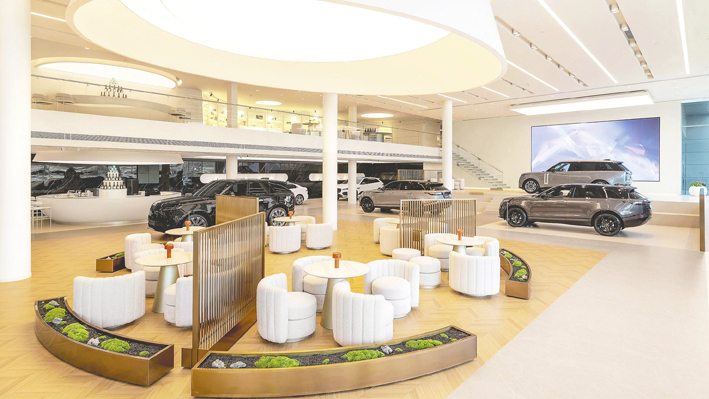
Core Insights - Jaguar Land Rover (JLR) has maintained a long-term strategy in the competitive Chinese luxury car market, focusing on the luxury SUV segment priced above 700,000 yuan, while other brands engage in price wars [1] - The company emphasizes brand rejuvenation and product strength through models like the Land Rover Defender OCTA and the new Range Rover Sport SV, alongside unique customer engagement activities [1][6] - JLR's commitment to social responsibility and community engagement is evident through initiatives like the Youth Dream Fund, which has supported over 700,000 Chinese youth [4] Group 1: Market Positioning and Strategy - JLR has positioned itself as a leader in the luxury SUV market, leveraging its 15 years of experience in China to navigate market fluctuations and consumer trends [1][3] - The company has achieved significant recognition, ranking among the top foreign enterprises in Shanghai for tax contributions and revenue, reflecting its strong commercial value [3] - JLR's strategic focus on long-term value over short-term gains has allowed it to maintain resilience in a challenging market environment [6] Group 2: Product and Service Innovation - The brand has prioritized product differentiation, with the Range Rover series and the Defender leading in their respective segments, showcasing a commitment to luxury and performance [6][8] - JLR is enhancing customer experience through digital transformation, creating a customer-centric lifecycle operation system that improves service from purchase to maintenance [8] - The company is actively pursuing electric vehicle development through a new joint venture model, with plans for the Freelander model and new brand initiatives set for 2026 [8] Group 3: Social Responsibility and Community Engagement - JLR's long-term commitment to social responsibility is demonstrated through its partnership with the Soong Ching Ling Foundation, focusing on education and cultural exchange [4] - The brand aims to create a positive societal impact, believing that true luxury encompasses social contributions and value creation [3][4] - JLR's dual focus on commercial success and social responsibility sets a benchmark for luxury brands in the local market [4][6]

突发 | 科蒂换帅,宝洁退休老将“接棒”救火
FBeauty未来迹· 2025-12-23 13:56
Core Viewpoint - Coty Group is undergoing a significant leadership change with Markus Strobel appointed as Executive Chairman and Interim CEO, marking a strategic shift aimed at restructuring and enhancing the company's market position in high-end fragrances and mass beauty sectors [1][2][3]. Leadership Transition - Markus Strobel, a veteran from Procter & Gamble with over 30 years of experience, will lead Coty during a critical phase of strategic review and business transformation [1][2]. - Strobel's dual role as Executive Chairman and Interim CEO indicates he will have substantial authority to drive change during the transition period, despite the CEO title being temporary [3][4]. Background of New Leadership - Strobel's career at Procter & Gamble includes various roles across multiple sectors, with notable success in revitalizing the SK-II brand, particularly in the Chinese market [4][5]. - His leadership at SK-II resulted in 18 consecutive quarters of growth, with a 30% sales increase in 2018, showcasing his capability in brand rejuvenation and digital transformation [4][5]. Strategic Context - The leadership change reflects Coty's transition from a phase of "repair and stabilization" to one of "strategic restructuring and accelerated growth," indicating a potential overhaul in strategic focus, operational models, and organizational culture [8][10]. - Coty faces structural challenges post-pandemic, with approximately 60% of its net revenue derived from high-end fragrance business, which is increasingly vulnerable due to reliance on a few key licensed brands [12][20]. Financial Performance and Challenges - Coty's financial performance has been under pressure, with a reported net revenue of $1.577 billion for the first quarter of fiscal 2026, down 8% year-over-year, and a market capitalization around $2.9 billion against a debt of $3.8 billion [20]. - The company is also experiencing a decline in its mass beauty segment, with a reported 11% drop in net revenue for the first quarter of fiscal 2026, continuing a trend from the previous fiscal year [20]. Strategic Initiatives - To mitigate risks from core license losses, Coty is expanding its brand portfolio by signing new beauty licensing agreements and launching its own fragrance brand, INFINIMENT COTY PARIS, which aims to innovate in the fragrance sector [16][18]. - The new leadership is expected to introduce a more targeted strategy, potentially focusing on high-end skincare and re-evaluating Coty's approach in the color cosmetics sector [23][25]. Future Outlook - The appointment of Strobel signifies a new strategic cycle for Coty, with expectations for a systematic approach to brand management and operational efficiency, leveraging his extensive experience from Procter & Gamble [21][27]. - The beauty industry will closely monitor how Coty adapts its market strategies, particularly in key markets like China, under Strobel's leadership [27].


东箭科技董事长罗军: 以品牌重塑越野生态文明新范式
Zheng Quan Shi Bao· 2025-12-17 19:48
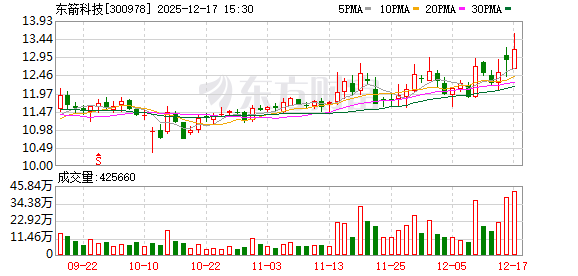
Core Insights - The automotive industry is transitioning from mere transportation to a multi-dimensional lifestyle platform, prompting companies to redefine their brand and market positioning [2] - Dongjian Technology is focusing on brand repositioning to emphasize emotional connection and identity value for users, moving from a B2B manufacturing mindset to a C2C user-centric approach [2][3] Brand Strategy - The company has established a three-brand matrix to cover all aspects of off-road lifestyle: Steelcraft for hardcore off-road enthusiasts, Winbo for young explorers, and Manta for mature users seeking spiritual resonance [2] - This brand strategy aims to create a complete value chain that transitions from product supply to advocating for an off-road lifestyle, addressing different user segments and their values [2] Business Model Innovation - The introduction of the "official modified vehicle" business model leverages the integration of pre-installed and flexible aftermarket solutions, providing high-value, compliant offerings to users [3] - Strategic partnerships with major OEMs allow for personalized modifications to be integrated into the vehicle production process, enhancing direct connections between the brand and users [3] User Engagement - The company envisions users as co-creators and companions in the brand journey, planning initiatives like the "User Co-Creation Program" and "Guardian Program" to deepen emotional ties and shared values [3] - Future strategies will focus on differentiated missions, user co-creation, and long-termism to build a resilient and vibrant brand ecosystem while promoting modern off-road culture that balances exploration and environmental responsibility [3]
开卖甜甜圈,能成为85度C的“救生圈”吗?
3 6 Ke· 2025-12-10 08:49
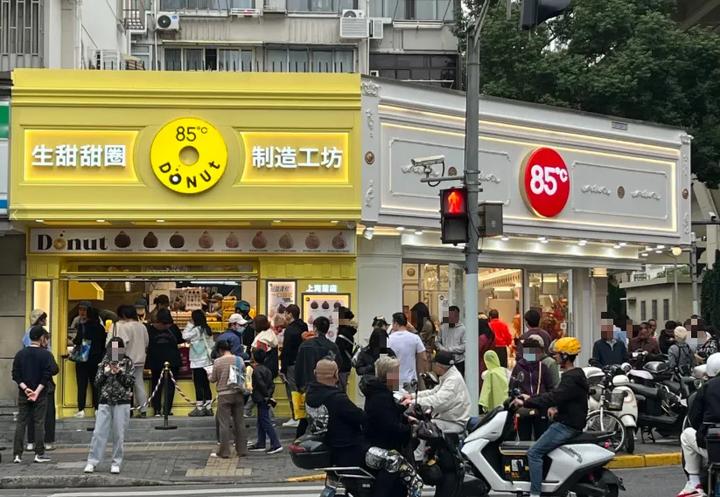
Core Viewpoint - 85°C is undergoing a painful transformation amidst a brutal reshuffle in the baking industry, with a retreat from core business areas and an attempt to innovate through the launch of a new donut store concept, "85℃ DONUt" [1][6] Company Strategy - The new donut stores have opened in Quanzhou, Shanghai, and Suzhou, utilizing a "store within a store" model, occupying about 10 square meters within existing 85°C locations [1][6] - The donut store features a vibrant design with high-saturation yellow, contrasting with the more subdued aesthetic of traditional 85°C stores, aiming to attract a younger demographic [3][6] Product Offering - The donut store offers 14 SKUs, including 13 types of donuts and one sandwich, with prices ranging from 6 to 10.8 yuan [3][6] - The focus is on "raw donuts," emphasizing freshness and a moist texture, differentiating from traditional baked goods [5][6] Market Context - 85°C has faced significant challenges in the domestic market, with over 40 store closures expected this year, marking the largest adjustment in five years [6][8] - Despite a slight overall revenue increase of 1.32%, the mainland market revenue has declined by 11.08% to 35.22 billion New Taiwan dollars (approximately 8.22 billion yuan) [6][8] Consumer Trends - The introduction of donuts aligns with the "single product economy," allowing for standardized supply chains and lower operational costs, which is a shift from the heavy asset model [7][8] - The strategy also taps into consumer behavior during economic downturns, where lower-cost, visually appealing products can provide instant gratification, reflecting the "lipstick effect" [7][8] Brand Repositioning - The move to launch donut stores represents a brand rebranding and cost restructuring effort, aiming to leverage supply chain advantages for better pricing and efficiency [8] - If successful, this could help 85°C transition from a heavy asset model to a high-efficiency small store model, potentially serving as a lifeline during challenging market conditions [8]
深度 | Burberry摆摊卖围巾,为什么是个好主意?
Sou Hu Cai Jing· 2025-12-06 11:40
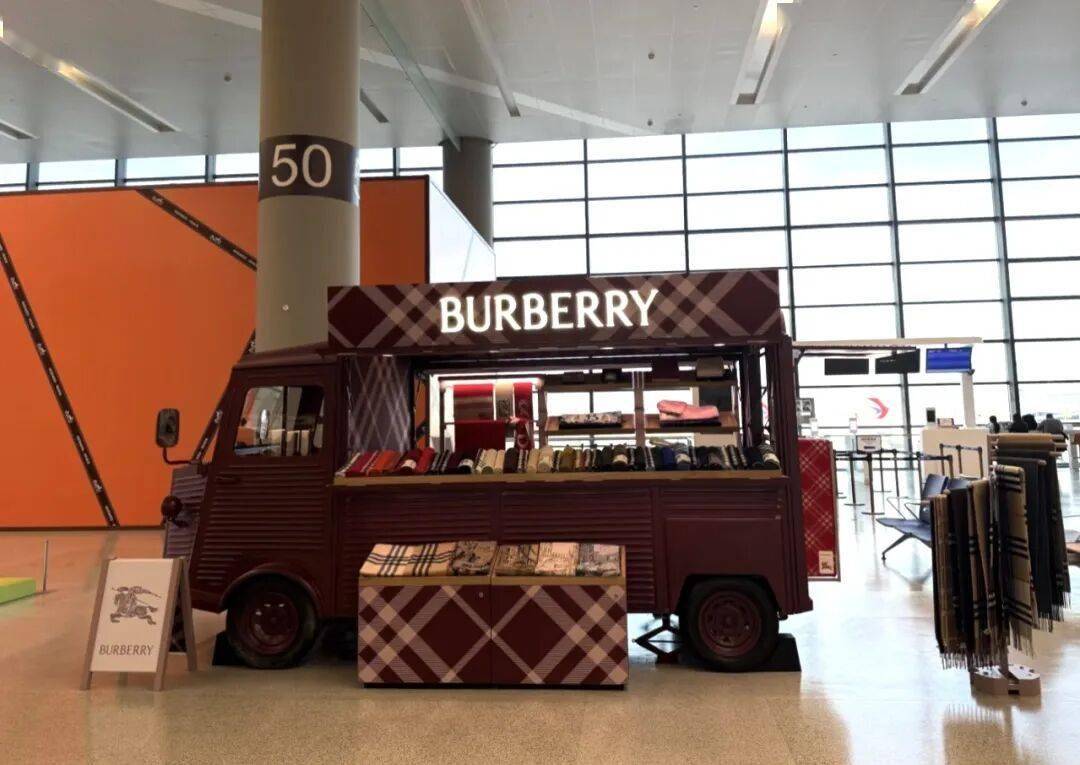
Core Insights - The luxury goods market in China is underestimating the importance of retail innovation, as exemplified by Burberry's recent initiatives at Shanghai Hongqiao Airport [2][3] - Burberry is implementing a new strategy called Burberry Forward, focusing on re-establishing its brand identity around timeless British luxury, particularly through its outerwear and scarf lines [3][7] - The brand's recent performance shows signs of recovery, particularly in the Chinese market, with a notable increase in Gen Z customers [14] Group 1: Retail Innovation - Burberry has introduced a temporary "scarf cart" at Shanghai Hongqiao Airport, a unique retail format aimed at capturing the attention of high foot traffic [2][3] - The airport is becoming a new retail battleground for luxury brands, with an expected global air passenger volume of 5.2 billion by 2025, making it essential for brands to increase touchpoints in these high-frequency destinations [2] - The scarf cart serves as a mobile brand entry point, allowing Burberry to engage consumers in a high-flow environment, enhancing the shopping experience [7][8] Group 2: Brand Strategy - Under the leadership of new CEO Joshua Schulman, Burberry is shifting its focus back to its core British identity, moving away from the previous aggressive high-end positioning that alienated its core consumer base [5][10] - The Burberry Forward strategy includes expanding product lines beyond trench coats to encompass a broader range of outerwear, while also refreshing scarf designs [7][10] - The brand is actively enhancing its retail visual merchandising, with a focus on seasonal displays and dedicated scarf areas in stores [7][12] Group 3: Market Performance - Burberry's revenue fell by 5% to £1.032 billion in the last six months, but there was a 2% growth in the second quarter, indicating a potential turnaround [12][13] - The Chinese market showed a 3% growth in the second quarter, with a significant increase in Gen Z customers by 18%, attributed to effective social media engagement [14] - Despite mixed opinions from analysts regarding Burberry's recovery path, the stock price has risen by 23% this year, reflecting some investor confidence [14][15]
销量、营收、核心市场份额占比不断提升,海外市场成新增长极
Zhong Guo Qi Che Bao Wang· 2025-12-05 09:57
Core Viewpoint - The Chinese automotive industry is transitioning from incremental competition to stock competition, with overseas markets becoming a new growth driver as domestic competition intensifies [4][8]. Export Growth - In October, China's automotive exports reached 666,000 units, a month-on-month increase of 2.1% and a year-on-year increase of 22.9%. From January to October, exports totaled 5.616 million units, up 15.7% year-on-year [4]. - The export growth rate is outpacing domestic production and sales growth, indicating a shift in focus for Chinese automakers towards international markets [4]. Company Performance - Chery's overseas sales for January to October reached 1.06 million units, accounting for 46% of total sales, with a year-on-year growth of 13% [5]. - BYD's overseas sales for the same period were 780,000 units, a significant increase of 130%, raising its export share to 21% [5]. - Great Wall Motors reported overseas sales of 454,100 units, making up nearly 37% of total sales, with a 44.61% increase compared to 2023 [5]. - Geely's overseas sales reached nearly 300,000 units, with a remarkable 214% increase in exports of new energy vehicles [6]. Market Expansion - GAC's overseas terminal sales grew by 36.5%, covering 85 countries and regions, with over 570 sales outlets [7]. - Chinese automotive brands are increasingly penetrating mature markets like the EU, with a record 7.4% market share in the European passenger car market as of September 2025, doubling from 3.3% year-on-year [14]. Revenue Contribution - Chery's revenue for the first three quarters of 2025 was 214.83 billion yuan, a 17.9% increase year-on-year, with exports contributing significantly to this growth [10]. - BYD's overseas revenue share increased from 28% in 2024 to 36.5% in the third quarter of 2025, with a net profit margin of 4.2% [11]. - Great Wall Motors' overseas revenue surged to 80.3 billion yuan, accounting for 39.69% of total revenue [12]. Strategic Insights - Chinese automakers are focusing on localizing products to meet diverse market needs, which is essential for integrating into local markets [9][20]. - The shift from product export to ecological output is becoming a key strategy for Chinese car manufacturers, enhancing their competitiveness in international markets [13][19]. - The global market share of Chinese automobiles is expected to exceed 38% by 2025, with significant growth in emerging markets like Southeast Asia and Africa [14][16]. Future Projections - By 2030, it is anticipated that Chinese automotive brands will achieve over 12% market share in overseas markets, with sales reaching nearly 10 million units [18]. - The global expansion of Chinese car manufacturers is accelerating, with strategies focusing on building a global vehicle that meets diverse market demands [19].





捷豹酷虎战略转型加速 高嵩出任市场部执行副总裁
Xi Niu Cai Jing· 2025-12-04 02:50
Core Insights - Jaguar Land Rover China has appointed Gao Song as Executive Vice President of Marketing, responsible for brand strategy and comprehensive marketing efforts [2] - Gao Song brings nearly 20 years of experience in corporate marketing and business management, having worked with Procter & Gamble, Clarins, and Michelin [2] - The appointment reflects Jaguar Land Rover's strategic shift in the Chinese market, aiming to innovate marketing models while maintaining brand identity amidst the electric and intelligent transformation in the automotive industry [2] Group 1 - Gao Song's previous achievements include leading the launch of new brands like OLAY Men at Procter & Gamble and driving a 5.5 times sales growth through localization and digital innovation at Clarins China [2] - At Michelin, he disrupted traditional dealership models by building a data platform that generated 12 million precise user leads and over 1 million members in just five months [2] - The automotive industry is facing challenges in redefining luxury and building direct customer relationships while reducing reliance on traditional dealership systems [2] Group 2 - The appointment of Gao Song indicates Jaguar Land Rover's commitment to transforming its strategy in the Chinese market [2] - The company aims to leverage Gao Song's expertise in digital transformation, brand reshaping, and channel innovation to enhance brand presence and market share in China [2] - The industry is currently experiencing a wave of electrification and intelligence, necessitating innovative approaches to marketing and customer engagement [2]

波司登(03998):业绩表现符合预期,连续八年利润增长快于收入
Shenwan Hongyuan Securities· 2025-11-30 07:11
Investment Rating - The report maintains a "Buy" rating for the company [2] Core Insights - The company reported a 1.4% year-on-year increase in revenue to 8.93 billion RMB for the first half of FY2025/26, with a net profit growth of 5.3% to 1.19 billion RMB, indicating a consistent high-quality growth trend [7] - The company has achieved eight consecutive years of profit growth outpacing revenue growth since its strategic transformation in 2018, showcasing strong operational quality and resilience [7] - The main business segment, down jackets, showed robust growth with an 8.3% increase in revenue to 6.57 billion RMB, accounting for 73.6% of total revenue [7] - The company has a strong retail network expansion, with self-operated and franchise revenues growing by 6.6% and 7.9% respectively [7] Financial Data and Profit Forecast - Revenue projections for FY2024 to FY2028 are as follows: 23.21 billion RMB, 25.90 billion RMB, 28.47 billion RMB, 31.27 billion RMB, and 34.21 billion RMB, with corresponding growth rates of 38%, 12%, 10%, 10%, and 9% [6] - Net profit forecasts for the same period are: 3.07 billion RMB, 3.51 billion RMB, 3.90 billion RMB, 4.34 billion RMB, and 4.75 billion RMB, with growth rates of 44%, 14%, 11%, 11%, and 10% [6] - The company’s gross margin is projected to be around 57.5% to 59.6% over the forecast period [6] Operational Efficiency - The company has significantly improved its operational efficiency, with inventory turnover days reduced by 11 days to 178 days compared to the previous year [7] - Cash and cash equivalents reached approximately 3 billion RMB, with net cash increasing by 38.8% year-on-year to about 10.3 billion RMB [7]

Cracker Barrel CEO feels 'fired by America,’ but shareholders voted to keep her. What $100M gaffe meant to customers
Yahoo Finance· 2025-11-27 18:05
Core Insights - The CEO of Cracker Barrel, Julie Masino, acknowledged her missteps in attempting to modernize the brand, stating she felt "fired by America" [1] - The decision to simplify the logo led to significant backlash from customers, who felt the changes abandoned the brand's traditional values [2][3] Brand Modernization Efforts - Masino aimed to attract younger diners by updating the menu and remodeling the restaurant interiors [1] - The new logo design removed the longstanding mascot and the phrase "Old Country Store," which upset loyal customers [3][4] Customer Backlash - The redesign was met with immediate and severe criticism on social media, with customers expressing that the changes were bland and a departure from the brand's roots [3][4] - The backlash was so intense that even public figures, including President Donald Trump, commented on the controversy [3] Company Response - Following the backlash, Cracker Barrel quickly reverted to the old logo, which resulted in a significant drop in stock value, losing $94 million in a single day [5] - The company announced a suspension of all restaurant remodels and issued a message affirming their commitment to the traditional brand identity [5] Financial Impact - Cracker Barrel projected a decline in store traffic of 7% to 8% for the fiscal first quarter and an overall decline of 4% to 7% for the full 2026 fiscal year [6]
5年内再造一个必胜客”,“披萨专家”推进“中国加速度
Xin Jing Bao· 2025-11-25 03:25
Core Insights - The opening of the 4000th Pizza Hut store in Sanya marks a significant milestone, showcasing the brand's innovative approach combining nature, culture, and technology in the Chinese market [1] - Pizza Hut plans to add over 600 new stores annually for the next three years, aiming to exceed 6000 stores by 2028, reflecting a robust expansion strategy [1][10] Technological Advancements - The new Sanya store features an AI-driven kitchen system called "Q-Rui," which enhances operational efficiency through voice commands and automated processes, transforming the kitchen into a "food technology laboratory" [2][3] - The "Q-Rui" system addresses various operational challenges, including real-time monitoring of meal progress and proactive customer service, shifting from reactive to proactive management [3] Expansion Strategy - Pizza Hut has transitioned from a period of careful cultivation to rapid expansion, achieving remarkable growth from 3000 to 4000 stores in just two years, demonstrating a "China acceleration" [4] - The company is leveraging its mature supply chain and digital management capabilities to drive this expansion, with a focus on adapting to changing consumer trends and enhancing product value [4][9] Brand Evolution - Pizza Hut is rebranding itself from a "Western casual dining" establishment to a "pizza expert," utilizing strategic collaborations with popular IPs to engage younger consumers and enhance brand relevance [5][6] - The introduction of high-end brand PIZZERIA and the budget-friendly WOW store model illustrates Pizza Hut's dual strategy of targeting both premium and lower-tier markets [7][8] Future Goals - The company aims to achieve a total of 20,000 stores by next year and over 25,000 by 2028, with a long-term goal of surpassing 30,000 stores by 2030 [9][10] - A significant target is to double operating profits by 2029 compared to 2024, supported by a flexible store model and a focus on digitalization for efficient expansion [10]
