护城河

Search documents
基金经理请回答 | 对话田瑀:一个行业,会不会同时存在多家都有深厚护城河的公司?
中泰证券资管· 2025-09-05 07:03
Core Viewpoint - The fund's top ten holdings are concentrated in four industries: chips, aviation, chemicals, and liquor, with over 70% of the portfolio in these holdings, which is not considered overly concentrated compared to historical levels [3][4] Group 1: Industry Concentration and Analysis - The perception of concentration in only four industries is a misunderstanding, as the classification of certain stocks by market software may not accurately reflect their business relevance [3] - The chemical sector is broad, and the top holdings within this sector have low correlation in terms of revenue and profit drivers, indicating that the portfolio's concentration is not as significant as it appears [4] Group 2: Economic Cycle and Investment Strategy - The fund has historically not held "non-cyclical" stocks, as the investment strategy is based on a long-term optimistic view of the Chinese economy [5][6] - The need for strong macroeconomic analysis depends on the investment approach; the fund's strategy is based on bottom-up assessments of company value rather than macroeconomic cycles [6] Group 3: Correlation and Stock Selection - The fund aims to avoid business-level correlations rather than macroeconomic correlations, as most industries are inherently linked to macroeconomic cycles [7] - Statistical correlation is unavoidable, and the focus is on avoiding causal relationships that directly impact stock performance [8] Group 4: Competitive Landscape in Specific Industries - In the high-end liquor industry, it is rare for three companies to possess strong competitive advantages simultaneously, as competition is often based on brand differentiation rather than market share [10][12] - High-end liquor companies maintain their competitive edge by controlling supply and pricing, which is crucial for preserving brand value [12][27] Group 5: Current Market Conditions and Future Outlook - The current low ticket prices in the aviation sector are attributed to aggressive competition and a decline in consumer purchasing power, which is expected to be a cyclical issue rather than a long-term trend [20][19] - The outlook for the high-end liquor market remains cautious, with expectations of potential declines in sales during peak seasons due to reduced consumer spending [26]


涨停!又涨停!面对投资“诱惑”,如何选择?
Zheng Quan Shi Bao· 2025-08-10 08:17
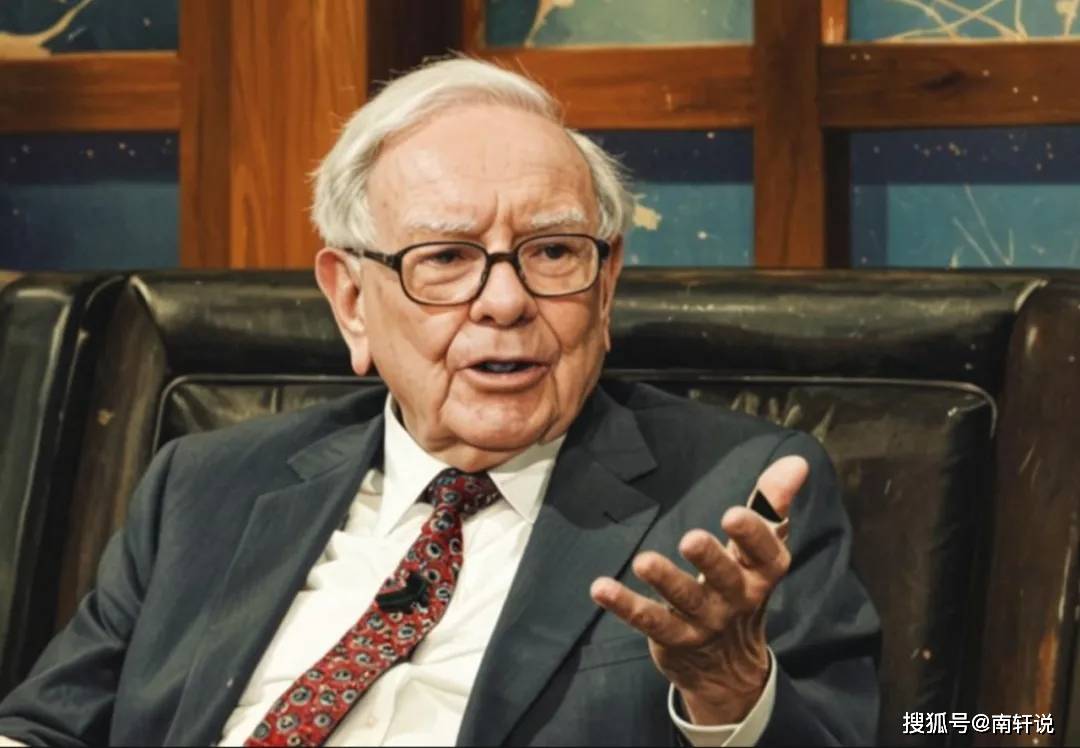
Group 1 - The core investment principle is to focus on risk rather than potential returns, emphasizing the importance of understanding one's own investment capabilities [1] - Successful investors, like Warren Buffett, have historically avoided the temptation of emerging trends while still achieving significant long-term returns [1] - The market teaches humility, as even aggressive investors can learn the value of long-term deep value investing [2][3] Group 2 - Chris Horn, the head of TCI, emphasizes the importance of assessing whether a company will exist in 30 years before investing, highlighting the rarity of companies with long-term compounding capabilities [3] - Only about 5% of companies possess strong pricing power, high barriers to entry, and stable governance, making them suitable for long-term investment [3][4] - Many investors underestimate the impact of competition and disruption, often focusing on short-term gains rather than long-term profitability [3][5] Group 3 - Emerging industries face significant challenges, including the difficulty of identifying future winners among many competitors [5][6] - Buffett's investment strategy has focused on traditional industries, achieving a success-to-failure ratio close to 100:1, despite occasional setbacks [6] - New industries often rely on technological advantages that can be quickly replicated by competitors, leading to diminished returns over time [6][7] Group 4 - The strength of a company's competitive moat is difficult to ascertain without the test of time, as many perceived advantages can erode [7] - Value investors seek companies with monopolistic characteristics, wide moats, and strong pricing power, but most moats are not as robust as believed [7]
涨停!又涨停!面对投资“诱惑”,如何选择?宁可错过,不要做错
券商中国· 2025-08-09 23:36
Core Viewpoint - The article emphasizes the importance of focusing on risk rather than chasing potential high returns in investment, highlighting that missing out on emerging trends is not a mistake if it exceeds one's capability circle [2][4]. Group 1: Investment Principles - The principle of "better to miss than to make a mistake" is crucial in investment, as chasing hot concepts can lead to significant misjudgments [1][2]. - Successful investors, like Warren Buffett, have historically focused on traditional industries and have achieved substantial returns despite missing out on trends like the internet and electric vehicles [2][6]. - The article suggests that the best investment opportunities are those with long-term viability and clear profit models, which are often found in established companies rather than in rapidly changing sectors [4][5]. Group 2: Challenges in Emerging Industries - Emerging industries present three main challenges: uncertainty in identifying future winners, the rapid pace of technological advancement, and the difficulty in assessing the strength of competitive advantages [6][7]. - Investors often struggle to predict which companies will dominate in new sectors, as many successful companies today were not easily identifiable as winners in their early stages [6][7]. - The article warns that many new companies may experience growth without profitability, emphasizing the need for caution in investing in sectors with intense competition and low margins [5][6]. Group 3: Long-term Viability and Competitive Advantage - Companies that can sustain their operations for 30 years are rare, and only about 5% possess the characteristics needed for long-term compounding returns, such as strong pricing power and a robust competitive moat [4][6]. - The article highlights that many investors underestimate the impact of competition and disruption, which can erode profits and threaten the existence of companies lacking a solid competitive edge [5][6]. - It is noted that without a proven track record, it is challenging to ascertain the durability of a company's competitive advantages, making it essential for investors to focus on firms that have weathered multiple economic cycles [7][8].
从巴菲特投资美国运通,看腾讯和茅台
雪球· 2025-08-08 08:18
Core Viewpoint - The article discusses the concept of "turnaround" in investment, using the historical example of American Express and comparing it to current situations faced by companies like Tencent and Moutai, emphasizing the importance of a company's competitive moat despite market fears [4][8]. Group 1: American Express Case Study - In 1964, Warren Buffett invested approximately $13 million to acquire 5% of American Express shares at an average price of $71 per share, which later rose to $180 per share, showcasing a significant turnaround [4]. - The "Salad Oil Scandal" in 1963 led to a crisis for American Express, causing its stock price to plummet due to fears of insolvency after banks sought compensation for losses exceeding $150 million [6]. - Buffett's unique insight allowed him to recognize that American Express's core business remained strong, as customers continued to use its services despite the scandal, leading him to invest heavily in the company [7]. Group 2: Comparison with Tencent - The article draws parallels between American Express's situation and Tencent's challenges from 2021 to 2022, where negative market sentiment led to a significant drop in its price-to-earnings (PE) ratio to 9 times, with the stock price falling to levels not seen in five years [8]. - Despite the adverse conditions, Tencent's core applications, such as WeChat and gaming, continued to thrive, indicating that the company's competitive advantages remained intact [8]. - The recovery of Tencent's stock price in subsequent years illustrates the potential for turnaround when a company's fundamental strengths are not eroded [8]. Group 3: Current Market Observations - Companies like Moutai and Wuliangye are highlighted as having similar characteristics to American Express and Tencent, where despite concerns over oversupply and inventory issues, they remain preferred choices for high-end dining and gifting [9]. - The enduring demand for premium liquor in social settings reinforces the idea that these companies possess a strong competitive moat, similar to the historical examples discussed [9].



股价震荡下行,“外卖大战”暴露部分科技股“护城河”隐忧
第一财经· 2025-07-08 08:37
Core Viewpoint - The ongoing competition in the food delivery sector is impacting the stock prices of major Hong Kong internet companies, leading to fluctuations in the Hang Seng Tech Index, which is heavily weighted by these companies [1][2]. Group 1: Market Competition - The "food delivery war" intensified in April when JD.com entered the market, prompting Meituan and Taobao to increase their subsidy efforts [2]. - Major players like Meituan, JD.com, and Alibaba are engaged in a mixed battle of "instant retail + e-commerce + services," leading to increased subsidies for delivery riders, consumers, and merchants, which may pressure their revenues [2][3]. - Meituan, despite its strong position in the food delivery market, has faced prolonged losses before becoming profitable post-IPO, indicating potential for renewed losses amid heightened competition [2][3]. Group 2: Financial Performance and Investment Considerations - The depth of a company's "moat" will be crucial for investors when evaluating tech stocks in Hong Kong, as companies with a deeper moat are likely to reflect better financial metrics like return on equity [2]. - The current business model lacks a sufficiently deep moat, leading to intensified competition across different scenarios [3]. - Future stock price recovery for these companies may depend on improvements in the e-commerce sector, particularly through subsidy policies for durable consumer goods, although this is expected to have more short-term effects [3].




股价震荡下行,“外卖大战”暴露部分科技股“护城河”隐忧|记者观察
Di Yi Cai Jing· 2025-07-08 07:45
Group 1 - The core viewpoint emphasizes the need for investors to assess the depth of the "moat" of target companies, particularly in the context of the ongoing competition among major players in the Hong Kong food delivery market [1] - The three major Hong Kong internet giants, Alibaba, Meituan, and JD Group, have seen their stock prices decline due to intensified competition in the food delivery and e-commerce sectors, with their respective weights in the Hang Seng Tech Index being 7.63%, 7.33%, and 6.89% [1] - The "food delivery war" began in April when JD entered the market, leading to increased subsidies from Meituan and Alibaba, which may pressure their revenues and stock prices [2] Group 2 - The competition in the food delivery sector is likened to a price war, but with the potential for companies to leverage artificial intelligence to enhance efficiency and deepen their moats [2] - The resilience of the industry will be tested as Meituan expands its offerings, impacting the core e-commerce businesses of JD and Alibaba [3] - Future stock price recovery for these companies may depend on the improvement of the industry environment and the development of artificial intelligence to enhance operational processes [3]
“巴菲特投资接班人”托德·库姆斯经验之谈:投资中的三个简化原则
聪明投资者· 2025-07-08 06:50
Core Viewpoint - The article emphasizes the importance of simplifying complex investment analysis while maintaining a deep understanding of the underlying fundamentals of companies and industries [4][6][30]. Group 1: Investment Philosophy - The essence of successful investing lies in balancing short-term demands with long-term goals, recognizing that perfect information is unattainable and focusing on risk and return [1][2]. - A key judgment standard is to simplify while ensuring a deep understanding of the essence of the business [4][7]. Group 2: Identifying Quality Companies - A good company is characterized by its competitive advantages, often referred to as a "moat," which should be as wide as possible [10]. - Essential structural features of quality companies include low capital intensity, pricing power, stable recurring revenue, enduring market position, and long-term growth potential [11]. - The analysis should start from the balance sheet and cash flow statement rather than the income statement to reveal the true operational essence of a company [12]. Group 3: Management Team Evaluation - The integrity of the management team is crucial; if management is not trustworthy, it is advisable to avoid the stock altogether [15]. - Evaluating management involves examining their incentive structures, time allocation, and conducting thorough market research to cross-verify their capabilities [19][20]. - The allocation of resources by management during critical times can significantly impact long-term outcomes, making capital allocation a key indicator of management quality [17][18]. Group 4: Pricing and Valuation - Determining a "reasonable" price for a company is more challenging than assessing its quality, and it should be grounded in an understanding of the business's fundamentals [22]. - The concept of a company's moat should be assessed not just on historical performance but also on current competitive positioning and potential vulnerabilities [24]. - A clear valuation model is essential, focusing on future cash flows and the necessary capital investments to sustain growth [28][27]. Group 5: Practical Insights - Investors should ask critical questions to ensure a comprehensive understanding of the company, such as its sustainable competitive advantages and its resilience in downturns [25][26]. - The article highlights the importance of focusing on shareholder returns and examining the company's capital structure to understand the volatility of equity value [29].

兴证全球基金杨世进: 敬畏周期规律 寻找收益与安全边际平衡
Zhong Guo Zheng Quan Bao· 2025-07-06 20:27
Core Viewpoint - The article emphasizes the importance of understanding economic cycles and the concept of "moat" in investing, highlighting how these factors influence company profitability and investor returns [1][9]. Group 1: Investment Philosophy - The investment approach focuses on balancing safety margins and return potential, with a strong emphasis on fundamental research and understanding the objective world [4][6]. - The manager believes that a company's development follows cyclical patterns, and accurately identifying these stages is crucial for investment success [3][5]. Group 2: Market Dynamics - The article discusses the impact of "involution" in competitive environments, where insufficient "moat" leads to reduced investment returns for companies [8][9]. - It highlights the need for stronger intellectual property protection and regulation against unfair competition to improve corporate profitability and investor returns [1][9]. Group 3: Sector Insights - The manager has a background in both energy and healthcare sectors, which has provided a deeper understanding of macroeconomic dynamics and investment opportunities [2][4]. - There is a growing interest in high-dividend stocks as companies transition from growth to more mature stages, reflecting changes in market valuation and investor preferences [7][8]. Group 4: Long-term Strategy - The investment strategy involves a long-term perspective, focusing on companies with solid fundamentals and the potential for sustainable growth, rather than short-term trading [5][6]. - The manager aims to build trust with investors by maintaining a balance between returns and safety margins, ensuring a consistent approach to portfolio management [6][7].
A股盘前播报 | 特朗普称伊以同意全面停火 特斯拉(TSLA.US)无人驾驶出租车上路
智通财经网· 2025-06-24 00:34
Company Insights - Tesla's stock surged over 8%, marking its largest single-day increase since April 28, as the company launched approximately 10 autonomous taxis in Austin, Texas, charging a flat fare of $4.2 per ride [2] - JinkoSolar's high-efficiency N-type monocrystalline silicon cells and N-type TOPCon high-efficiency photovoltaic modules received third-party certification, indicating advancements in solar technology [14] Industry Insights - The Chinese government, through nine departments, issued a plan for the high-quality development of the gold industry, aiming for a 5%-10% increase in gold resource volume and over 5% growth in gold and silver production by 2027 [3] - The solar power sector experienced a record-breaking installation of over 90 GW in May, representing a staggering 388% increase compared to the same month last year, with a total of 197.85 GW added from January to May 2025, reflecting a nearly 150% year-on-year growth [4] - The cobalt market is expected to see a new price surge due to the Democratic Republic of the Congo extending its cobalt export ban by three months, with domestic cobalt prices projected to exceed 250,000 yuan per ton [10] - The automotive industry is focusing on smart and connected vehicles, with a target for L2 and above level intelligent connected cars to account for over 90% of new vehicles by 2027, indicating significant growth potential in related sectors [11] - The GLP-1 weight loss drug market in China is projected to exceed 15 billion yuan by 2025, driven by an expanding obese population, policy support, and technological advancements [12]

巴菲特投资密码:为什么他敢“5分钟收购百亿公司”?
Sou Hu Cai Jing· 2025-05-22 16:10
Core Insights - The essence of Buffett's investment philosophy is the concept of "circle of competence," which emphasizes knowing what to avoid rather than just what to invest in [3][11] - Buffett's strategic decisions, such as the acquisition of General Reinsurance for $18 billion, are based on decades of industry knowledge and understanding of market dynamics [5] - The investment in Japanese trading companies aligns with Buffett's principles of simplicity and traditional business models, as these companies control 20% of global commodity trade [4] Group 1: Investment Philosophy - Buffett's approach during the 1999 tech bubble, where he avoided internet stocks, resulted in Berkshire Hathaway profiting 10% when the bubble burst [4] - The concept of "human credibility" allows Buffett to expand his circle of competence beyond traditional industries, as seen in his investment in Apple after learning from past mistakes with IBM [9] - The balance between old and new energy investments, such as the $10 billion acquisition of Dominion Energy's natural gas assets, reflects a transitional strategy in energy [10] Group 2: Competitive Advantages - Coca-Cola exemplifies a physiological dependency moat with its global daily sales reaching 1.9 billion bottles in 2023 [7] - GEICO demonstrates a cost advantage moat, achieving a market share increase from 2.1% in 1996 to 13.7% in 2023 by lowering operational costs through a direct sales model [8] - The concept of "mind share" over market share is illustrated by Kodak's peak, where it held 90% of the global film market in 1975 [8] Group 3: Adaptation and Evolution - The investment strategies of companies like Himalaya Capital show a shift from traditional sectors to emerging industries, such as BYD in the Chinese renewable energy sector, yielding over 30 times returns [12] - Vanke's practice of leveraging accounts payable to strengthen its position in the real estate industry demonstrates a strategic approach to financial management [13] - The relevance of Buffett's model in the current AI and quantitative investment landscape suggests that focusing on deepening one's competitive advantages is more sustainable than chasing trends [15][16]