端到端技术

Search documents
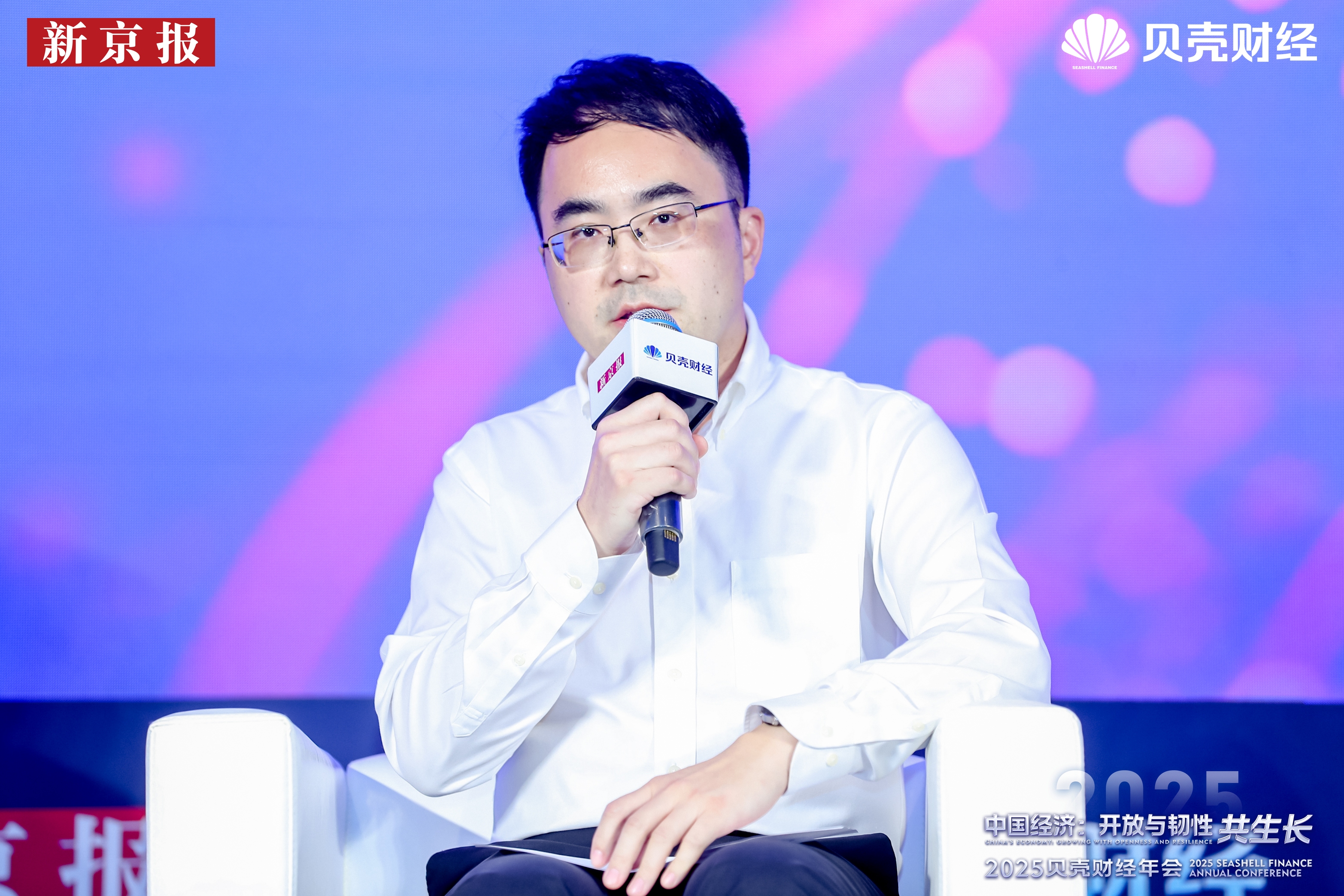
阿维塔董志华:小而微的人机交互应用场景借大算力被智能重构
Bei Ke Cai Jing· 2025-07-11 15:18
Core Viewpoint - The 2025 Beike Finance Annual Conference opened with the theme "Chinese Economy: Co-Growth of Openness and Resilience," focusing on how the automotive industry can consolidate and expand its advantages in smart connected vehicles and accelerate the construction of a new industrial ecosystem [1]. Group 1: Development Stage of Smart Assisted Driving - The smart assisted driving industry is currently in a transitional development stage, showing significant progress compared to ten years ago, particularly in safety across various scenarios, including highways [4]. - There remains a gap between current smart assisted driving capabilities and L3 level or higher autonomous driving, leading to user hesitation, especially among new drivers [5][6]. Group 2: Impact of AI and Computing Power - The reliance on large computing power for AI models is leading to a phenomenon called computing power overflow, which is driving the integration of cabin and driving functions [6]. - The benefits of cabin-driving integration include elastic computing power allocation, allowing for better resource utilization across various scenarios, enhancing both smart driving and user interaction capabilities [6][7]. Group 3: Advantages of New Energy Vehicles - New energy vehicles (NEVs) possess inherent advantages in the realm of smart connectivity and intelligence, which may accelerate the phase-out of traditional fuel vehicles in the long run [8]. - In the short term, fuel vehicles still have advantages in refueling convenience, but NEVs are expected to overcome these challenges in the long term [9][10]. Group 4: Future Outlook - The future of smart connected vehicles may not resemble current forms, as advancements in AI could lead to the emergence of generalized intelligent agents that replace today's specialized vehicle systems [10].

对话哈啰Robotaxi首席科学家:无人驾驶进入爆发前夜
2 1 Shi Ji Jing Ji Bao Dao· 2025-07-01 06:48
Core Insights - The Robotaxi industry is on the verge of explosive growth, with a global market size projected to exceed $10 trillion, indicating a mature supply chain and ample market space for multiple players [1][3][10] - Chinese companies have a competitive edge in the Robotaxi sector due to lower production costs and a diverse range of applications, positioning them favorably for international expansion [2][11] Industry Development Stage - The Robotaxi sector is currently in a pre-explosive growth phase, making it an opportune time for new entrants [3] - The industry has made significant advancements in technology, with costs for essential components like LiDAR reduced from $100,000 to a few thousand yuan, facilitating the development of Robotaxi [4][9] Technological and Regulatory Landscape - The integration of AI and data-driven approaches has become standard, with a focus on end-to-end technology routes [4] - Regulatory frameworks are evolving, with governments issuing licenses for L4 operations, providing clear standards for Robotaxi development [4][10] Consumer Acceptance and Market Dynamics - Consumer acceptance of Robotaxi services is increasing, with users now viewing them as a normal mode of transportation [5] - The industry is approaching a critical point for large-scale production, with expectations for significant deployments in the coming years [6][10] Cost Reduction Strategies - Cost reductions are being achieved through advancements across the supply chain, including improvements in vehicle manufacturing and operational efficiencies [8][9] - The focus is on creating a closed-loop business model that encompasses vehicle costs, operational expenses, and user experience [8] Future Projections - The year is anticipated to be a milestone for mass production, with expectations for substantial deployments in urban areas by next year [10] - The industry is expected to achieve large-scale operations within three years, driven by reduced operational costs and increased consumer acceptance [10] Competitive Landscape - Chinese companies are well-positioned to compete internationally, leveraging their technological advancements and cost advantages [11][13] - The complexity of domestic driving environments has equipped Chinese firms with the skills necessary to succeed in international markets [13]
谁能撬动自动驾驶汽车落地
经济观察报· 2025-06-30 10:17
Core Viewpoint - The article discusses the potential for autonomous vehicles to achieve rapid deployment through advancements in technology, cost reduction, and the evolution of social rules [1][2]. Technology: From Ideal to Reality - Technological innovation is the fundamental driver of new developments, with a significant shift from content-based generative AI to goal-driven intelligent agent AI expected to lead to breakthroughs in autonomous driving capabilities [3]. - Two main technological approaches in autonomous driving are identified: "end-to-end" technology, which requires vast amounts of high-quality data for training, and modular technology, which combines human-designed algorithms with neural networks [4]. - Current autonomous driving systems primarily offer driver assistance rather than full autonomy, constrained by technological capabilities and costs [4]. Cost: From Niche to Popularity - Cost reduction is crucial for the commercialization and widespread adoption of new products, as seen historically with the introduction of the Ford Model T, which made cars affordable for the middle class [7]. - Significant advancements in AI cost reduction, particularly in China, are expected to drive explosive applications in autonomous driving, with examples like DeepSeek achieving training costs significantly lower than competitors [8]. - Companies like Tesla are actively working on reducing costs, with projections for autonomous taxi services to be economically viable by 2026 [8]. Rules: From Phenomenon to Institutional Framework - The integration of autonomous driving into society requires adaptive rules and regulations, as technology alone cannot address all challenges [10]. - Historical precedents show that technological advancements often lead to societal and cultural shifts, necessitating a reevaluation of existing norms and values [11]. - Establishing long-term rules for autonomous driving is essential, particularly concerning safety, responsibility allocation, and the ethical implications of AI decision-making [13][14].

技术、成本、规则,谁能撬动自动驾驶汽车落地
Jing Ji Guan Cha Wang· 2025-06-28 06:30
Group 1: Technology - The advancement of AI technology is shifting from content generation to goal-driven intelligent agents, which is expected to lead to significant breakthroughs in autonomous driving capabilities [2] - Two main technological approaches in autonomous driving are identified: "end-to-end" technology, which requires vast amounts of high-quality data for training, and modular technology, which combines human-designed algorithms with neural networks [3][4] - Current autonomous driving systems are primarily in the realm of assisted driving rather than full autonomy, limited by technological capabilities and costs [4] Group 2: Cost - The reduction of costs is crucial for the widespread adoption of new technologies, as seen historically with the introduction of the Ford Model T, which made cars affordable for the middle class [5] - China has made significant progress in reducing AI training costs, exemplified by DeepSeek's training costs being one-thirtieth of OpenAI's, which may accelerate the application of autonomous driving [6] - Companies like Tesla are also focusing on cost reduction, with projections for autonomous taxi services to be economically viable by 2026 [6] Group 3: Regulation - The integration of autonomous driving into society requires adaptive regulations that reflect technological advancements and societal needs [7] - Historical precedents show that technological progress often leads to significant societal changes, necessitating a reevaluation of existing rules and norms [7] - Establishing foundational rules for autonomous driving, such as human-machine relationships and liability distribution, is essential for future industry development [8] Group 4: Safety - Research indicates that 90% of traffic accidents are caused by human error, and transitioning to algorithm-driven driving could reduce accidents significantly [9] - The ethical implications of autonomous driving decisions, particularly in unavoidable accident scenarios, highlight the need for societal consensus on moral choices [9] - Extensive testing is required to ensure the safety of autonomous vehicles, with estimates suggesting that they need to cover 440 million kilometers without errors to match human driver safety levels [10]
特斯拉Robotaxi上路,马斯克钦点「首席软件工程师」:武汉理工校友,Robotaxi关键数据负责人
Xin Lang Cai Jing· 2025-06-23 10:22
来源:智能车参考 贾浩楠 发自 副驾寺 智能车参考 | 公众号 AI4Auto Robotaxi官宣上路,马斯克搞得比Waymo 2000辆新车签单运营动静大得多! 老马在X上"大宴群臣",一堆Leader和官方号互相留言、转发、庆祝,成了今天科技圈、车圈最大热 门: 但定睛一看,好么~现在只有20辆开始路测,极个别特斯拉铁粉才能获邀体验…… 所以L2升维L4的反击战,马斯克笃信的第一性原理验证之路,都只迈出了小半步。 奥斯汀本身也是Waymo落地运营城市之一,很多网友专门和Waymo的Robotaxi做了对比。 以及特斯拉Robotaxi launch day上最值得关注的,反而是一个马斯克亲自站台,来自中国的"C位年轻 人"。 特斯拉Robotaxi官宣路测 和前几天特斯拉Robotaxi上路被网友拍下来相比,今天最大的进展是官宣Robotaxi正式开始上路了。 目前只在德州奥斯汀落地,每天上午6点至午夜12点运营,规模也很小,马斯克透露只有20辆。 可以载客,单程4.2美元(约30元人民币),但不是任何用户都能打到,只有经过"特斯拉严选"的忠实 粉丝才能获得邀请去体验。 从网上放出的一些片段来看,特斯拉 ...

新势力系列点评十九:5月车市稳步向上,新势力自研芯片落地
Minsheng Securities· 2025-06-02 03:26
Investment Rating - The report maintains a positive investment outlook for the electric vehicle (EV) sector, particularly for companies with strong autonomous driving capabilities and competitive pricing strategies [13][14]. Core Insights - The overall automotive market showed steady growth in May 2025, with a year-on-year increase of 8.5% and a month-on-month increase of 5.4%, driven by a surge in consumer demand during the "May Day" holiday [5][6]. - New energy vehicle (NEV) penetration rate reached approximately 52.9%, with total NEV retail sales estimated at 980,000 units in May [5]. - The report highlights the significant growth in deliveries for several new energy vehicle manufacturers, with notable increases in year-on-year and month-on-month figures for companies like Li Auto and Xiaopeng [4][6][10]. Summary by Relevant Sections Market Overview - In May 2025, the total retail market size for narrow passenger vehicles was approximately 1.85 million units, with NEV sales contributing significantly to this growth [5]. - The report indicates that the automotive market is stabilizing, with various promotional strategies being employed by companies to boost sales [5]. Company Performance - **Leap Motor**: Delivered 45,067 units in May, a year-on-year increase of 148.1% and a month-on-month increase of 9.8%. The growth is attributed to strong product offerings in the 200,000 yuan price range [6][15]. - **Li Auto**: Reported 40,856 units delivered in May, reflecting a year-on-year increase of 16.7% and a month-on-month increase of 20.4%. The growth is linked to the launch of new models and an expanding charging network [7][9]. - **Xiaopeng**: Achieved 33,525 units in May, a year-on-year increase of 230.4% but a month-on-month decrease of 4.3%. The performance is driven by the popularity of the MONA M03 model [9][11]. - **NIO**: Delivered 23,231 units in May, with a year-on-year increase of 13.1% but a month-on-month decrease of 2.8%. The report notes the introduction of new models and upgrades in autonomous driving technology [10][12]. - **ZEEKR**: Reported 18,908 units delivered in May, a year-on-year increase of 1.6% and a month-on-month increase of 37.7% [11]. - **Xiaomi**: Delivered over 28,000 units in May, with the new SUV YU7 expected to launch in July 2025, targeting a competitive price range [11]. Technological Advancements - The report emphasizes the acceleration of end-to-end technology applications in autonomous driving, marking the beginning of a new era in smart driving capabilities [12]. - Companies like Xiaopeng and those associated with Huawei are leading the charge in the iterative development and promotion of smart driving technologies [12]. Investment Recommendations - The report suggests a focus on companies with advanced smart driving capabilities and strong product cycles, recommending stocks such as Geely, BYD, Xiaopeng, Li Auto, and Seres, while also advising to pay attention to Xiaomi [13][14].



汽车智能化系列一:向智驾2
2025-03-20 05:39
Summary of Key Points from the Conference Call Industry Overview - The focus on intelligent cockpits in the automotive industry has increased in 2025, marking a transition towards the era of Intelligent Driving 2.0 [2][5] - The domestic intelligent driving market is expected to reach a penetration rate of nearly 10% by 2025, entering a rapid growth phase [5][19] Core Insights and Arguments - **Technological Pathways**: The report outlines the latest end-to-end technology pathways for intelligent driving, emphasizing the advantages of pure vision solutions over LiDAR in the sub-200,000 yuan market [2][4] - **Market Dynamics**: The supply-side configuration upgrades will drive market development, with cost-effectiveness and functional experience being key influencing factors [5][7] - **Company Competitiveness**: The driving capabilities of automotive companies depend on team structure, execution, technology path selection, computational power, data support, and financial integration capabilities, with Huawei, Xiaopeng, and Li Auto leading the first tier [6][11] - **Investment Recommendations**: Whole vehicle manufacturers are deemed more valuable than parts manufacturers, with recommendations for Xiaopeng Motors, Fuyao Glass, and Top Group as potential investment targets [7][19] Additional Important Insights - **Diverse Technology Routes**: Mainstream manufacturers are adopting various autonomous driving technology routes, with Tesla utilizing an integrated end-to-end approach while domestic manufacturers primarily focus on perception and decision-making layers [8][10] - **Extension to Robotics**: Intelligent driving technology can extend to robotics, with pure vision solutions being more suitable for robots due to lower requirements for long-distance obstacle recognition [9] - **Competitive Landscape**: The competitive landscape in the intelligent driving sector is divided into three tiers, with Xiaopeng, Huawei, and Li Auto in the first tier, followed by emerging players like Future and Xiaomi, and traditional manufacturers like BYD and Geely in the third tier [11][12] - **Technological Integration**: Geely's ability to meet consumer demands through effective technological integration will be crucial for its success in the intelligent driving space [17] - **BYD's Developments**: BYD has launched the "Tian Shen Zhi Yan" series of intelligent driving systems, with the DiPilot 100 currently being the main offering, lacking urban NOA functionality [18] Future Outlook - The automotive industry is expected to see significant changes in 2025, driven by the rise of intelligent manufacturing and policies promoting vehicle upgrades [20]
AI+车,智驾平权的新范式
36氪· 2025-03-14 12:56
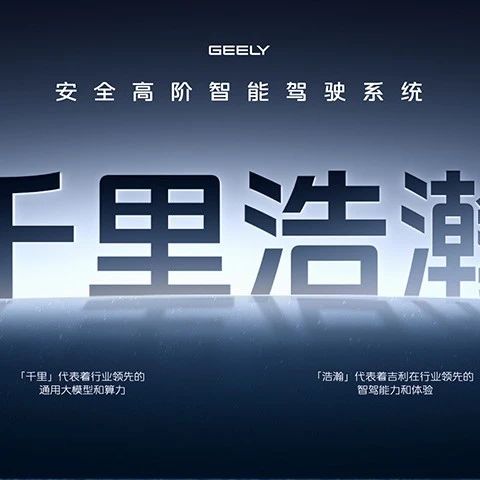
Core Viewpoint - Geely has established a comprehensive strategy focusing on safety in the development of intelligent driving technologies, aiming to make advanced driving features accessible across various vehicle price segments while ensuring robust safety measures [3][4][8]. Group 1: Intelligent Driving Technology - Geely has launched the "Qianli Haohan" intelligent driving system, which includes five levels of driving solutions (H1, H3, H5, H7, H9) catering to different price ranges [4][5]. - The company emphasizes the importance of safety in its intelligent driving solutions, leveraging extensive driving data and advanced technologies to ensure a secure driving experience [5][6][12]. - Geely's intelligent driving technology is designed to be inclusive, with features like highway navigation and automatic parking being made available in vehicles priced around 100,000 yuan [2][5]. Group 2: Safety Measures - The foundation of Geely's safety strategy involves comprehensive risk scenario identification and targeted product design [10][11]. - Geely has implemented a 720° intelligent safety protection system, which includes advanced features like AEB (Automatic Emergency Braking) and AES (Active Emergency Steering) to enhance active safety [14][15]. - The company has also developed safety features for low-speed scenarios, such as door opening warnings and obstacle detection, to prevent accidents [16]. Group 3: Technological Infrastructure - Geely has formed the "Intelligent Automotive Computing Alliance," achieving a computing power of 23.5 EFLOPS, significantly surpassing competitors [28][29]. - The integration of AI technologies, such as the AI-Drive model and world model, allows Geely to generate complex driving scenarios for training, enhancing the efficiency of intelligent driving systems [32][33]. - Geely's focus on advanced algorithms, including the release of the Xingrui model and collaboration with AI firms, positions the company for future advancements in autonomous driving [35][36]. Group 4: Long-term Strategy - Geely's commitment to safety and technology is rooted in its acquisition of Volvo, which has instilled a safety-first culture within the company [48][49]. - The company has been proactive in participating in regulatory pilot programs for advanced driving features, ensuring the safety and reliability of its products [50][51]. - Geely's extensive data collection, with over 750,000 vehicles equipped with L2 driving capabilities and a cumulative driving distance of over 10 billion kilometers, supports its ongoing technological advancements [51].

新势力 | 2月:政策效果显现 新势力销量强势【民生汽车 崔琰团队】
汽车琰究· 2025-03-02 14:04
2025年2月重点新能源车企交付量发布,据各公司披露数据: 小鹏 30,453 辆,同比 +570.0% ,环比 +0.3% ; 理想 26,263 辆,同比 +29.7% ,环比 -12.2% ; 零跑 25,287 辆,同比 +285.1% % ,环比 +0.5% ; 埃安 20,863 辆,同比 +25.1% ,环比 +45.0% ; 蔚来 13,192 辆,同比 + 62.2% ,环比 -4.8% ; 极氪 14,039 辆,同比 +86.9% ,环比 +17.6% ; 小米超 20,000 辆。 01 事件概述 02 分析判断 ► 2月春节前置促车市增长 政策与市场热度助力恢复 2月春节前置促车市增长 政策与市场热度助力恢复。 乘联会初步推算本月狭义乘用车零售总市场规模约为125.0万辆,同比+13.6%,环比-30.3%;新能源零售预计可达60万, 渗透率约48%。1-2月累计销售约302.7万辆,同比-6.0%。2月6家样本新势力车企(不含小米)合计交付130,097辆,同比+104.3%,环比3.5%。2025年春节假期前置,2月有效 产销时间增加至19个工作日,高于去年,为乘用车市场正增长提 ...

特斯拉FSD中国亮相引关注,智驾今年入拐点?
红杉汇· 2025-03-02 02:53
Core Viewpoint - The article discusses the evolving landscape of intelligent driving technology, highlighting its significance and potential impact on transportation and daily life, particularly with the upcoming advancements expected by 2025 [1][6]. Summary by Sections Intelligent Driving Overview - Intelligent driving is defined as a technology that enables vehicles to operate autonomously and make intelligent decisions using advanced sensors, communication technologies, and computer systems [1]. - The international classification of intelligent driving ranges from L0 to L5, with L3 being a critical threshold for automation [1]. Current Developments - The Navigate on Autopilot (NOA) feature, representing L2+ level assistance, is rapidly advancing and can perform complex driving maneuvers in specific scenarios [1][2]. - By the end of 2024, major automotive companies are expected to implement nationwide urban NOA, establishing "car-to-car" as the new standard for intelligent driving experiences [4]. Technical Frameworks - Intelligent driving can be categorized into two design philosophies: modular synthesis and end-to-end systems. The modular approach divides the system into perception, planning, and execution modules, while the end-to-end method uses deep neural networks to directly map sensory input to driving actions [3]. - The end-to-end architecture is gaining traction due to its ability to handle complex driving scenarios with greater generalization capabilities, although it requires substantial data and computational power [3]. Future Projections - The "2024 Intelligent Driving Annual Report" indicates significant progress in intelligent driving technology, moving away from reliance on high-precision maps to a more autonomous decision-making process [4][5]. - The report emphasizes that the first principles of AI—algorithm, computing power, and data—are crucial for the advancement of intelligent driving, with a shift towards end-to-end systems being a new paradigm [5]. Industry Trends - 2025 is anticipated to be a pivotal year for intelligent driving, with expectations for the transition from "usable" to "user-friendly" systems, particularly in urban NOA applications [7]. - Companies are actively preparing for the commercialization of L3 autonomous driving, with many expressing intentions to launch L3 capabilities by 2025 [7][8]. Commercialization Efforts - Recent initiatives, such as the launch of autonomous driving services by companies like Pony.ai in Guangzhou, demonstrate the industry's commitment to advancing and commercializing intelligent driving technology [6]. - The competitive landscape is expected to intensify as companies ramp up R&D investments and technological innovations to capture market opportunities in intelligent driving [7][8].