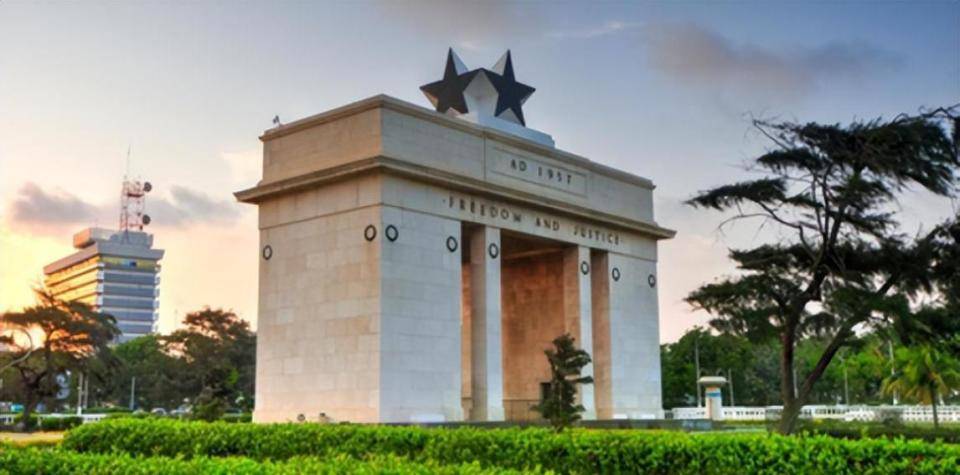
资源诅咒

Search documents
【环球财经】多元突围与韧性生长——科特迪瓦经济转型的密码
Xin Hua She· 2025-09-04 13:51
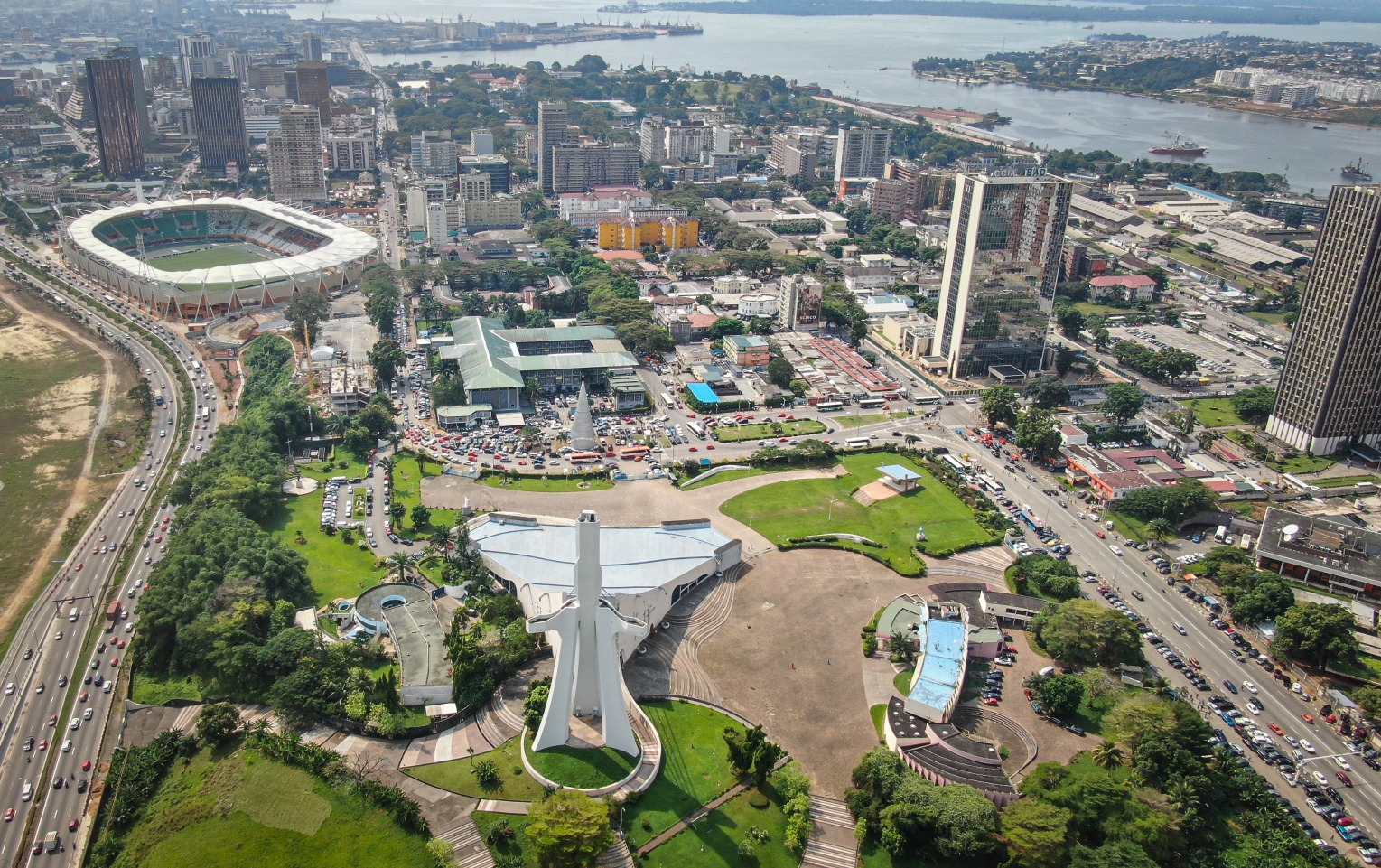
Economic Growth and Recovery - Côte d'Ivoire has achieved an average economic growth rate of 7% over the past decade, emerging from the devastation of civil wars to become a leading economy in Sub-Saharan Africa [1] - Following the end of conflicts in 2011, the government implemented a national development plan that led to an average GDP growth of approximately 9.6% from 2012 to 2015 [5][6] Agricultural Sector and Cocoa Industry - Côte d'Ivoire is the world's largest cocoa producer, contributing 40% of global cocoa beans, but has historically been trapped in low-value raw material exports [7] - The government aims to achieve 100% local processing of cocoa beans by 2030, with current local conversion rates at about 33% [10] - A new state-owned cocoa processing plant, capable of processing 50,000 tons annually, has recently commenced operations [10] Infrastructure Development - Côte d'Ivoire is the second-largest economy in the West African Economic Community and is actively enhancing its infrastructure to become a regional economic hub [13] - The country has a total road length of 82,500 kilometers, accounting for 50% of the total road length in the West African Economic and Monetary Union [16] - The Abidjan port, the largest container port in West Africa, has increased its annual throughput from 1.2 million to 2.5 million standard containers after upgrades [16] Private Sector Activation - The government has adopted a "flooding the market" approach to stimulate the private economy through policy relaxation and market opening [17] - In 2023, over 25,000 new businesses were registered in Côte d'Ivoire, reflecting a vibrant entrepreneurial environment [17] - The collaboration between public and private sectors has resulted in an average economic growth rate of 6.5% from 2021 to 2023, despite global challenges [17]

从南美首富到全球笑柄,石油储量世界第一,却过得穷困潦倒
Sou Hu Cai Jing· 2025-08-28 15:42
Core Insights - Venezuela's economic collapse is attributed to its over-reliance on oil, poor governance, and failure to diversify its economy, leading to severe humanitarian crises [3][8][9] Economic Structure and Governance - Venezuela's economic model heavily depended on oil revenues, unlike Middle Eastern countries that diversified their economies and established sovereign wealth funds [3] - The government implemented aggressive nationalization and price controls, which resulted in hyperinflation and industrial decline [8][9] - The lack of stable governance and long-term planning contributed to the country's vulnerability to oil price fluctuations [3][8] Humanitarian Crisis - The economic collapse has led to extreme hyperinflation, with inflation rates peaking at 1,000,000%, rendering the currency nearly worthless [9] - Basic necessities are in severe shortage, leading to widespread malnutrition and a crumbling healthcare system [5][6][8] - Over 7 million people have been displaced, with many fleeing the country due to deteriorating living conditions [5][6] Historical Context - Venezuela was once one of the wealthiest countries in South America, boasting the largest oil reserves in the world and a high GDP per capita [8][9] - The country enjoyed a high standard of living, with free healthcare and education, but this changed drastically within 15 years due to mismanagement [9] Lessons Learned - The Venezuelan crisis serves as a cautionary tale about the dangers of economic over-dependence on a single resource and the importance of sound economic policies [9] - It highlights the necessity for a balanced economic structure and the risks associated with excessive welfare without corresponding productivity [9]
俄罗斯的富人们变得更有钱了
3 6 Ke· 2025-08-08 03:34
Group 1 - The total wealth of Russia's richest individuals increased by $20.4 billion in the first half of 2025, primarily driven by the commodities sector, including oil, gas, and metals [1][2] - Vladimir Potanin, the owner of Norilsk Nickel, saw his wealth rise by $2.5 billion to $30.4 billion, maintaining his position as Russia's richest person [1] - Other notable increases in wealth include Vagit Alekperov of Lukoil with an increase of $1.1 billion to $26.5 billion, and Alexey Mordashov of Severstal with a $1.9 billion increase to $25.2 billion [1] Group 2 - The resilience of resource oligarchs in Russia has exceeded expectations despite extensive Western sanctions aimed at crippling the economy [2][6] - The sanctions have not completely severed Russia's lifeline of commodity exports, allowing the wealth of oligarchs to grow [2][5] - The oligarchs have adapted by shifting their focus to emerging markets like India and China, selling resources at significant discounts to offset increased costs due to sanctions [4][10] Group 3 - The relationship between the state and oligarchs has strengthened, with the government relying on these resource giants for economic stability and war funding [5][6] - Oligarchs have benefited from the "crisis expansion" by acquiring valuable assets left behind by Western companies exiting Russia [6][9] - The wealth of oligarchs is increasingly tied to the war economy, with those involved in sectors directly supporting the war seeing significant gains [8][9] Group 4 - Pavel Durov, co-founder of Telegram, represents a unique case of wealth growth, with his fortune increasing by $3.2 billion to $14.3 billion, driven by the app's geopolitical significance and financial innovations [14][15] - Telegram's rise is attributed to its role as a key communication platform during conflicts, as well as Durov's efforts to explore blockchain and cryptocurrency [14][15] - Durov's relative independence from the Russian government and his residence in Dubai provide a contrast to the resource-dependent oligarchs [15][29] Group 5 - The wealth accumulation of resource oligarchs is questioned in terms of sustainability, as it relies on a fragile and distorted economic foundation [17][24] - The current wealth figures may be inflated due to low liquidity in Russian markets and government interventions to stabilize stock prices [18][19] - The long-term viability of this wealth growth is uncertain, given the ongoing war, sanctions, and reliance on commodity exports [24][25] Group 6 - The resilience of oligarch wealth under extreme conditions reinforces Russia's "resource curse," as the economy remains overly dependent on commodity exports [26][27] - The focus on resource extraction limits the development of other sectors, exacerbating economic vulnerabilities [27][28] - The stark contrast in wealth growth among oligarchs highlights increasing social inequality and potential unrest among the general population [28][30]
圭亚那推动经济可持续增长
Ren Min Ri Bao· 2025-07-15 22:10
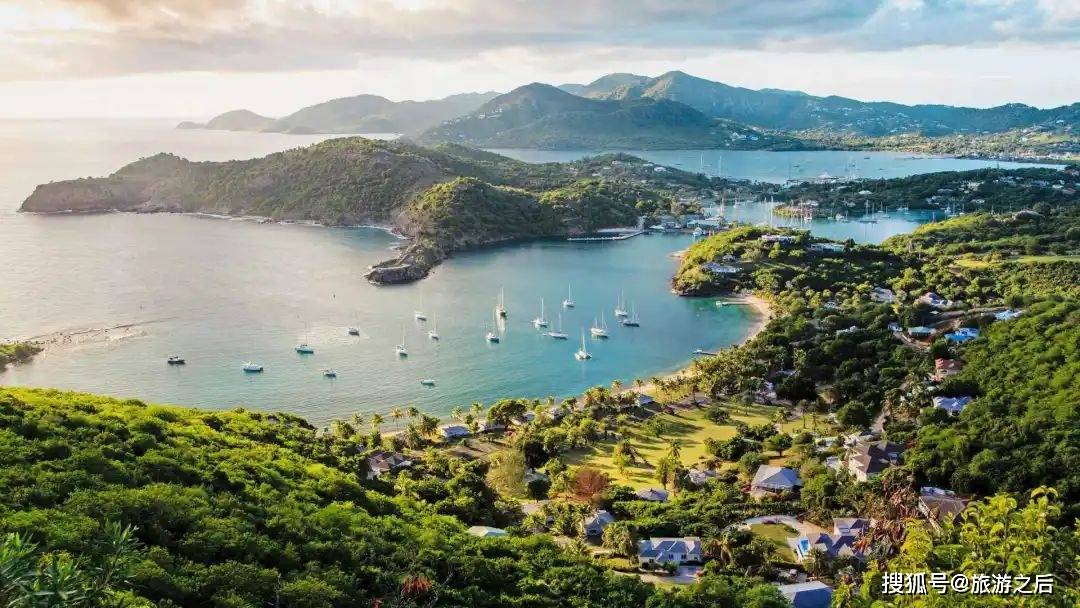
Group 1: Economic Growth and Oil Production - Guyana has become an energy hub, producing nearly 650,000 barrels of oil per day, with an estimated recoverable oil reserve of approximately 11 billion barrels [1] - The country's GDP grew by 62.3% in 2022, with an average annual growth rate of 47% projected from 2022 to 2024 [1] - By 2025, daily oil production is expected to reach 800,000 barrels, contributing significantly to economic growth [1] Group 2: Government Initiatives and Infrastructure Investment - The Guyanese government established a Natural Resource Fund to manage oil revenues and prevent the "resource curse," investing heavily in clean energy, infrastructure, education, and healthcare [2] - Over $200 billion has been invested in roads and bridges nationwide this year, with a focus on improving public services and reducing living costs [2] - The government aims to ensure equitable sharing of oil wealth among the population through various development projects [2] Group 3: Environmental Challenges and Strategies - Guyana faces environmental challenges, particularly due to rising sea levels affecting over 90% of its coastal population [2] - The country has a high forest cover rate of 87%, making it a crucial carbon sink, and has developed a "Low Carbon Development Strategy" to address climate change [2] - The strategy emphasizes sustainable resource use, biodiversity protection, and marine economy management [2] Group 4: International Cooperation - Economic cooperation between China and Guyana has deepened, with over 30 Chinese enterprises operating in the country [3] - Guyana joined the Belt and Road Initiative in 2018, enhancing infrastructure development through Chinese investment [3] - The Demerara River Bridge project, the largest and most complex infrastructure project in Guyana, is currently under construction by Chinese companies [3]
最富的省,最穷的省,都绷不住了
Hu Xiu· 2025-07-04 09:45
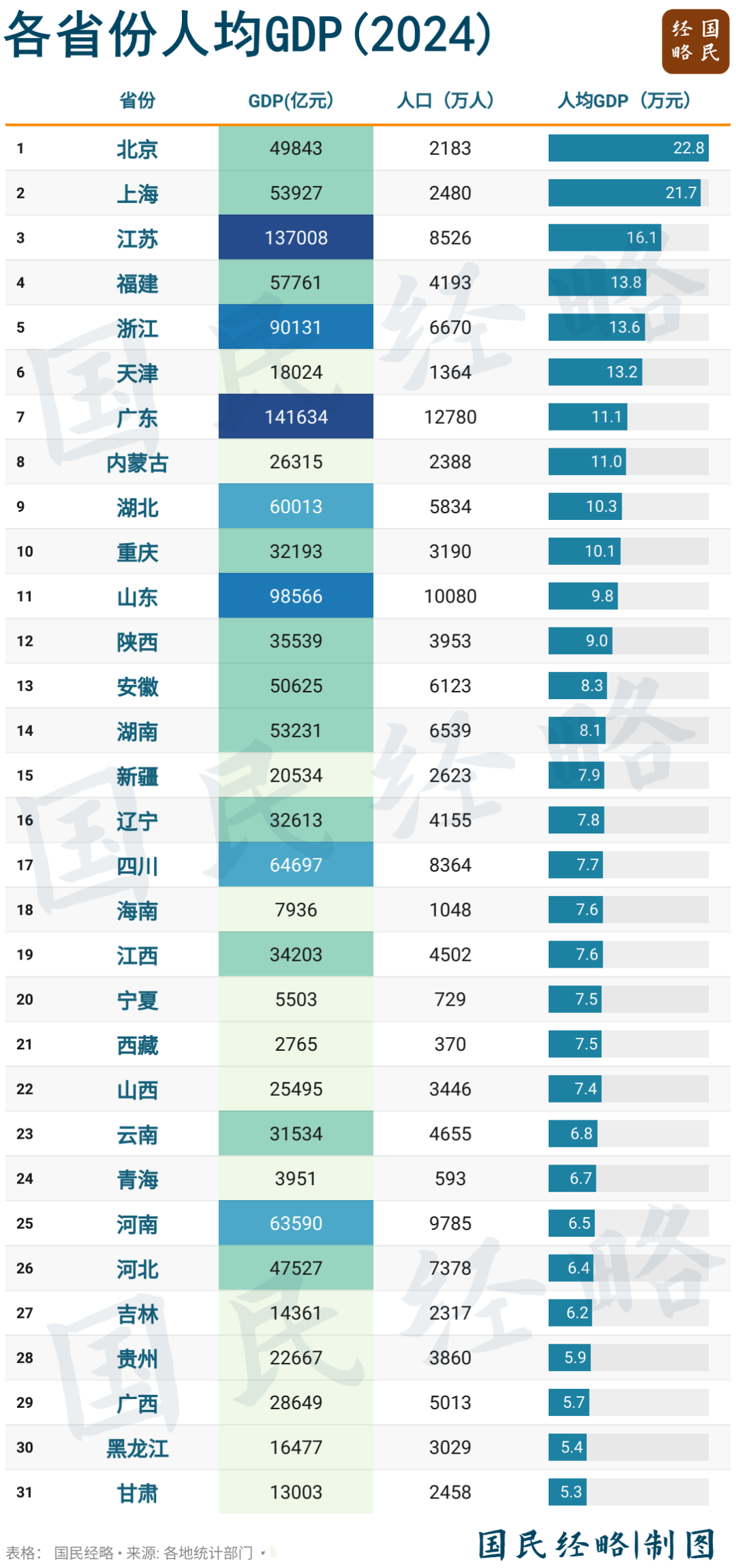
Core Viewpoint - The article emphasizes that measuring a region's true development level should not rely solely on GDP totals, but rather on per capita GDP and per capita income as more accurate indicators of wealth and prosperity [2][4]. Group 1: Per Capita GDP Insights - Per capita GDP is a measure of wealth creation capacity, while per capita income reflects residents' income levels [3]. - Jiangsu has the highest per capita GDP among provinces, reaching 163,000 yuan, surpassing the threshold of 20,000 USD for developed economies [6]. - Gansu has the lowest per capita GDP at 53,000 yuan, approximately one-third of Jiangsu's level, equivalent to the national average from a decade ago [7]. - The top five provinces by per capita GDP are Beijing, Shanghai, Jiangsu, Fujian, and Zhejiang, while the bottom five are Gansu, Heilongjiang, Guangxi, Guizhou, and Jilin [11][12]. Group 2: Per Capita Income Insights - Per capita income is a closer indicator of "people's wealth," with a national average ratio of 43.1% between per capita income and per capita GDP [23]. - The top provinces for per capita disposable income are Shanghai, Beijing, Zhejiang, Jiangsu, and Tianjin, with Shanghai leading at 88,400 yuan [26]. - Coastal provinces dominate the top rankings for per capita income, with Zhejiang surpassing Jiangsu to claim the highest position among non-municipal provinces [28]. Group 3: Economic Characteristics and Comparisons - Jiangsu and Zhejiang are noted for their balanced development, while Guangdong's diverse geography leads to disparities in wealth [13][14]. - Resource-rich provinces like Inner Mongolia and Shanxi have high GDPs but lower per capita incomes due to the concentration of wealth in government and corporate sectors rather than among ordinary workers [31][33]. - Gansu, despite facing geographical and structural challenges, has the lowest rankings in both per capita GDP and income, indicating a need for more national support [36][49]. Group 4: High-Income Provinces - Only Beijing, Shanghai, Jiangsu, Zhejiang, Guangdong, and Fujian meet the criteria for "high-income provinces," defined as having both per capita GDP over 100,000 yuan and per capita income over 50,000 yuan [40][41]. - The article highlights that these provinces share characteristics such as being major economic contributors and having robust private sectors [43].
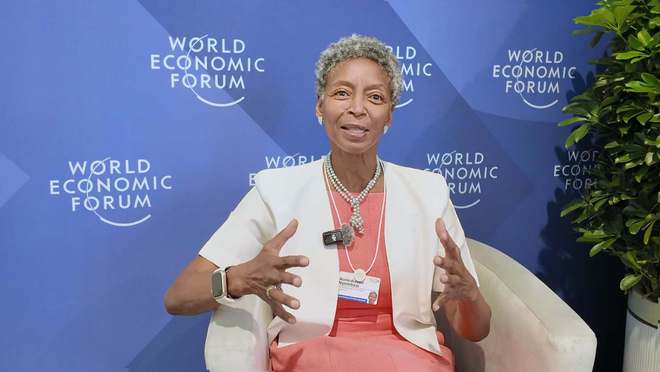
专访B20联席主席尼恩贝兹:非洲不再是全球治理旁观者
2 1 Shi Ji Jing Ji Bao Dao· 2025-07-02 12:40
Group 1: G20 Summit and Africa's Role - The G20 summit in South Africa marks the first time the event is held on the African continent, highlighting Africa's growing importance in the global economy [1][4] - The theme of the summit is "Unity, Equality, and Sustainability," aiming to integrate African development issues into the G20 agenda [1] - Nonkululeko Nyembezi emphasizes that South Africa's presidency signifies a shift from passive acceptance of decisions to active participation in rule-making and policy formulation [1][4] Group 2: Africa's International Influence - Africa is no longer a mere observer in global issues like climate change and debt crises, but is becoming a decision-making participant [2][4] - The African Union's permanent membership in the G20 and the presence of three African countries in BRICS enhance Africa's international influence [5] - The integration of African perspectives into global discussions is crucial, especially regarding issues like climate change, where Africa faces unique challenges [5] Group 3: Economic Collaboration and Trade - The B20 advocates for the African Continental Free Trade Area (AfCFTA) to ensure inclusive economic growth, particularly focusing on the participation of small and medium enterprises (SMEs) [6] - Regulatory coordination is essential for the effective implementation of AfCFTA, aiming to reduce trade barriers and promote regional integration [6] - The B20 also emphasizes the importance of including women entrepreneurs in the benefits of the AfCFTA [6] Group 4: Resource Management and Economic Growth - The concept of "resource curse" is evolving, with African governments seeking to add value through local processing rather than merely exporting raw materials [7][8] - Key challenges for Africa include securing affordable energy, financing difficulties, skill shortages, and infrastructure deficits [8][9] - Addressing these challenges is vital for unlocking Africa's potential and promoting sustainable growth [9] Group 5: Public-Private Partnerships (PPP) - PPPs face unique challenges in infrastructure development due to the distinct nature of infrastructure projects [10][11] - Successful PPP models require thorough project preparation, stable management, and a clear regulatory environment to attract private investment [11] - The Renewable Energy Independent Power Producer Procurement Programme (REIPPPP) in South Africa is cited as a successful example of a PPP model [11] Group 6: Innovative Financing Mechanisms - The B20 suggests mixed financing as a means to address current global challenges, emphasizing the need for collaboration between private and public sectors [12] - Deepening capital markets and developing sustainable financial tools are crucial for addressing climate change and supporting economic growth [13] - The B20's recommendations are set to be submitted to G20 leaders for consideration [13] Group 7: China-Africa Relations - The trade relationship between China and Africa is evolving, with a focus on local processing and industrialization rather than just raw material exports [14] - China's involvement in infrastructure development in Africa has created significant employment opportunities [14] - The collaboration between China and Africa is seen as a key factor in achieving Africa's industrialization goals [14] Group 8: Renminbi Internationalization - The use of the Renminbi in Africa is increasing, particularly in trade between China and South Africa, facilitated by the Cross-Border Interbank Payment System (CIPS) [15] - This trend is expected to enhance efficiency and reduce costs for businesses engaged in cross-border transactions [15]
这些国家坐拥金山银山,但穷得像乞丐
Hu Xiu· 2025-06-26 12:18
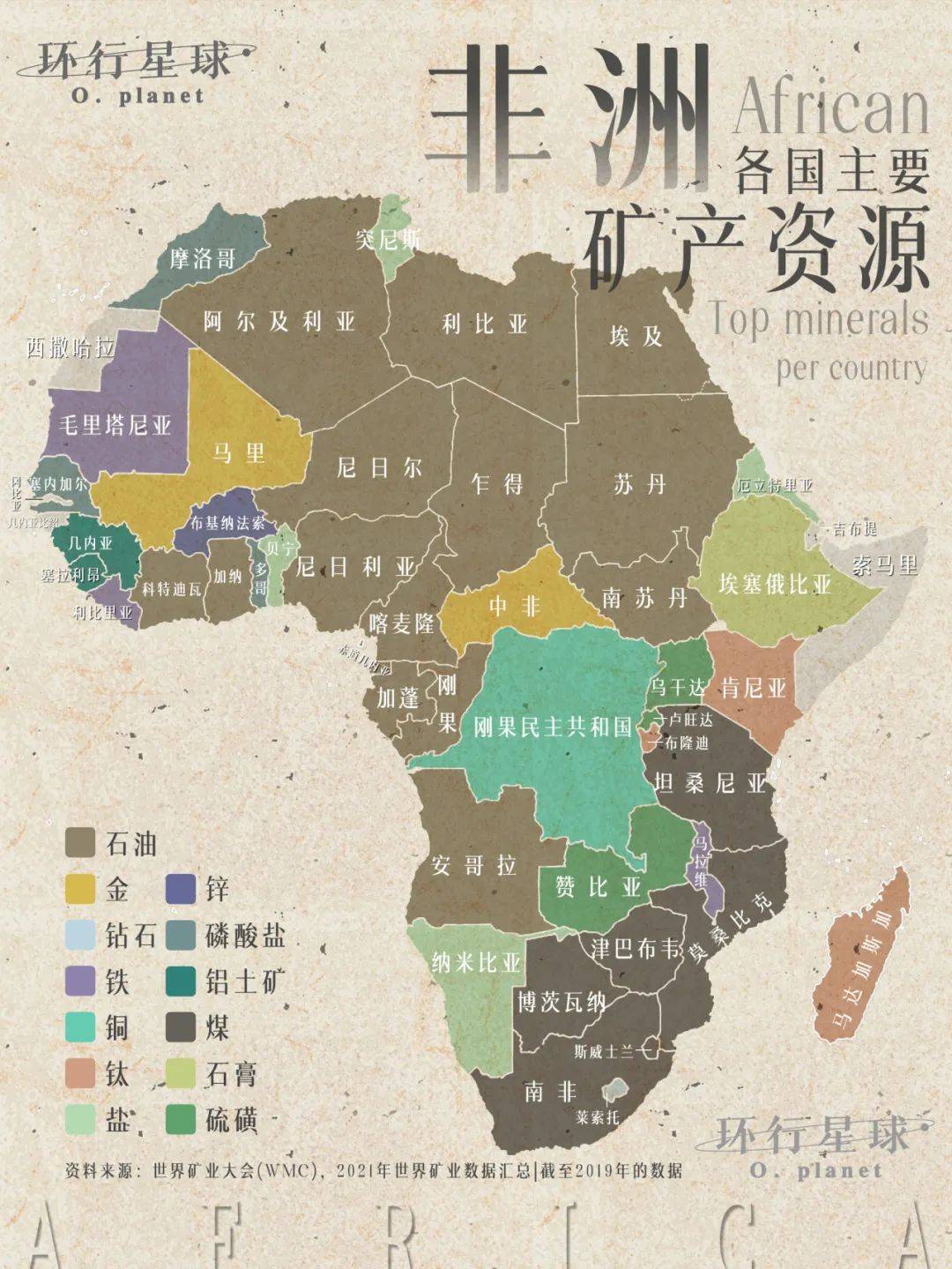
Group 1 - The article discusses the paradox of resource-rich African countries that remain impoverished due to poor management and governance [5][47][51] - Zimbabwe is highlighted as a case where despite its rich mineral resources, it lacks significant mining operations due to inadequate institutional frameworks and fragmented mining rights [6][9][10] - The mining rights system in Zimbabwe is described as opaque and inefficient, leading to overlapping claims and discouraging long-term investments [11][14][30] Group 2 - The article emphasizes the importance of stable policies and legal frameworks for attracting mining investments, contrasting successful countries like Australia and Canada with many African nations [15][16][17] - Mali's abrupt changes in mining laws and government actions against companies illustrate the risks investors face in the region [19][20][25] - The concept of "resource curse" is introduced, explaining how abundant resources can lead to economic instability and poor governance in African countries [47][49][51] Group 3 - The article points out that Congo (DRC) possesses vast mineral wealth but suffers from ongoing conflict and weak governance, making it a challenging environment for investment [39][41][46] - The narrative of "resource curse" is further reinforced by the observation that governments often exploit resources for personal gain rather than for national development [48][49][53] - The conclusion stresses that the fate of resource-rich countries depends on their ability to establish transparent governance and legal systems, rather than the mere presence of resources [51][54][55]
伊朗,何以至此?
虎嗅APP· 2025-06-24 10:50
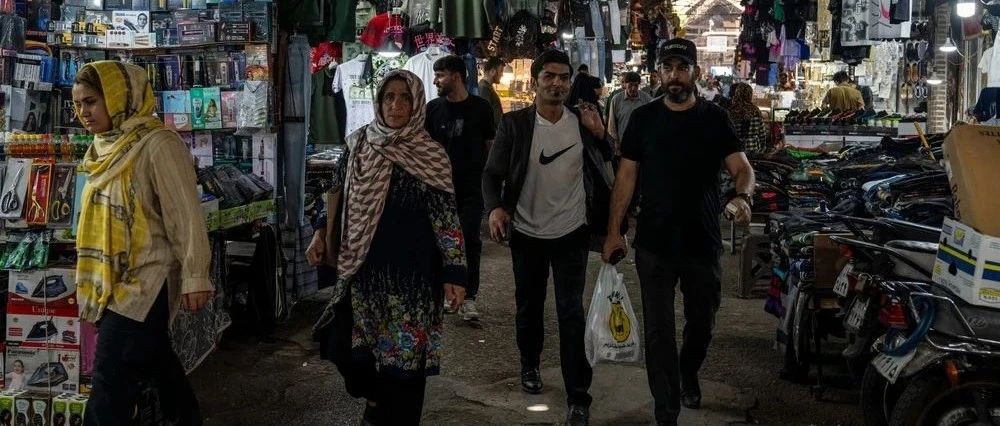
Core Viewpoint - The article discusses the economic decline and military setbacks of Iran, analyzing the historical and structural factors that have led to its current precarious situation, including the impact of international sanctions and internal governance issues [1][2]. Group 1: Historical Economic Context - Iran's economy experienced significant growth in the 1970s due to oil wealth, with GDP per capita reaching approximately $1,500, but this prosperity was marred by severe inequality and corruption [4][5]. - The concentration of oil revenues among the elite led to widespread discontent, culminating in the 1979 Islamic Revolution, which was driven by economic collapse and social injustice [6][9]. - Post-revolution, Iran adopted a closed economic model, nationalizing industries and isolating itself from global markets, which was exacerbated by the Iran-Iraq War, resulting in substantial economic losses [8][10]. Group 2: Recent Economic Developments - The signing of the 2015 nuclear deal initially allowed Iran to increase oil exports to about 2.5 million barrels per day, but the U.S. withdrawal in 2018 led to a drastic reduction in exports, dropping to as low as 350,000 barrels per day by 2020 [15][16]. - The Iranian currency, the rial, depreciated significantly, from approximately 40,000 rials per dollar in 2015 to around 600,000 rials by early 2023, leading to soaring inflation and a sharp decline in living standards [16][17]. - Approximately 35% of the Iranian population now lives below the poverty line, with around 28 million people facing nutritional deficiencies, reflecting a return to conditions reminiscent of the pre-revolution era [16][17]. Group 3: Governance and Social Stability - The Iranian regime maintains stability through a combination of military control, ideological enforcement, and a robust gray economy, which provides alternative means of survival for citizens amid sanctions [22][24]. - The Islamic Revolutionary Guard Corps (IRGC) plays a crucial role in both military and economic spheres, controlling a significant portion of Iran's economic activities, estimated to be between 20% to 40% [22][23]. - Despite the regime's efforts to suppress dissent, social unrest continues to grow, particularly among the youth, with high unemployment rates and a significant brain drain as educated individuals seek opportunities abroad [19][20]. Group 4: Future Prospects - The article suggests that Iran's economic challenges stem from its heavy reliance on oil and a lack of structural reforms, which have hindered sustainable development and resilience against external shocks [27][28]. - The regime's isolationist foreign policy has further marginalized Iran in the global market, limiting its ability to optimize trade relationships and diversify its economy [27][28]. - For Iran to overcome its current crises, it must implement significant governance reforms, including reducing corruption, enhancing accountability, and fostering economic diversification [29][30].
俄罗斯经济崩盘,势不可挡了!
Sou Hu Cai Jing· 2025-06-23 06:40
Group 1 - The core argument of the article highlights the unexpected resilience of the Russian economy, which has grown by 20% despite predictions of imminent collapse following the Ukraine conflict [3][4] - The Russian economy is heavily reliant on energy exports, with one-quarter of its workforce dedicated to oil and gas, leading to a paradox of wealth from resources but low per capita income [4][5] - The article discusses the "resource curse," where reliance on oil and gas has hindered industrial diversification, making the economy vulnerable to price fluctuations [4][5] Group 2 - The current economic model in Russia is described as a "war economy," with significant government spending on military and defense, leading to a GDP growth that is unsustainable and reliant on borrowed funds [5][6] - There is a stark contrast between official economic data and the lived experiences of citizens, raising questions about the accuracy of reported inflation and GDP growth figures [6][8] - The article warns of three critical risks facing the Russian economy: depletion of natural resources, potential cessation of military orders, and looming fiscal insolvency as state reserves dwindle [6][8]
非洲黄金国喝泥水十年!中国一出手,西方百年掠夺遮羞布被撕破
Sou Hu Cai Jing· 2025-05-02 03:30
Group 1 - Ghana announced a ban on foreign access to its gold market in April 2025, highlighting a severe water crisis despite its vast gold resources [1][3] - The country, which produces 130 tons of gold annually, faces a paradox of wealth and poverty, with a GDP per capita of only $2,500 and 40% of children suffering from chronic diarrhea due to contaminated water [3][8] - Illegal mining has led to a significant drop in groundwater levels, exacerbating the water crisis in a country with an annual rainfall of 2,000 mm [5][6] Group 2 - Chinese engineering teams have successfully drilled 1,000 wells in 832 villages, providing daily water supply of 200,000 cubic meters, benefiting approximately 500,000 people [6][8] - Chinese investments in infrastructure, such as the construction of a power plant supplying 15% of Ghana's electricity, have created 36,000 jobs and improved water access [8][9] - Ghana's external debt stands at $55 billion, accounting for 80% of its GDP, with a 60% currency depreciation and a 50% inflation rate in 2025 [8][9] Group 3 - Illegal mining has destroyed 4,726 hectares of land, leading to severe mercury pollution in local rivers, with projections indicating Ghana may need to import freshwater by 2030 [9][11] - In response to environmental challenges, Chinese companies are initiating green projects, including a 200 MW solar power plant expected to reduce CO2 emissions by 240,000 tons annually [11][13] - The Ghanaian government is shifting towards a "gold for technology" model, focusing on local capacity building and technology transfer, with over 400 local engineers trained [11][14] Group 4 - The mining sector is dominated by oligarchs who control 70% of gold revenues, complicating efforts to combat illegal mining and corruption [13][14] - The historical context of colonial exploitation continues to impact Ghana's economic structure, with a need for systemic change to ensure equitable resource distribution [3][14]