
风险管理

Search documents
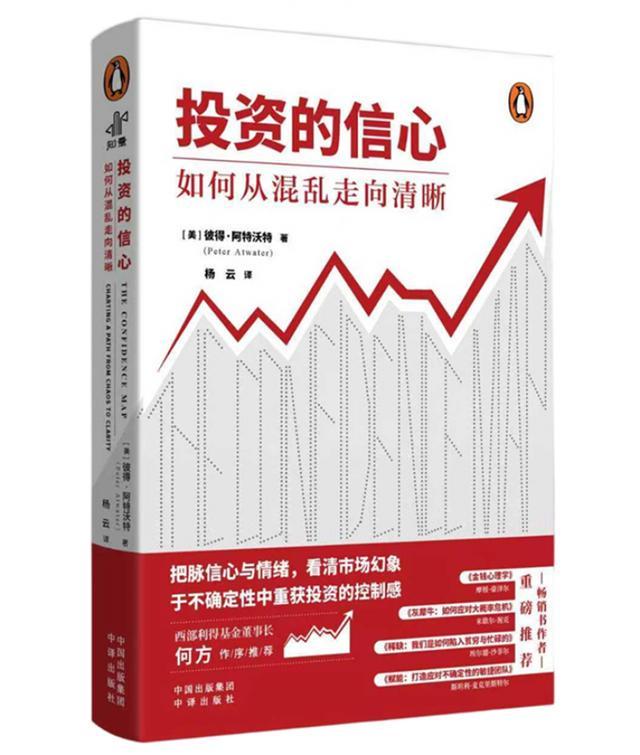
投资的信心:如何从混乱走向清晰
Hua Xia Shi Bao· 2025-11-06 05:57
Group 1 - The article discusses the inherent biases and challenges investors face when making decisions, particularly the tendency to invest at market peaks due to overconfidence [2][3] - It emphasizes that understanding the nature of confidence and its impact on behavior can lead to better investment choices [2][4] - The article highlights that many investors overlook qualitative factors like feelings, focusing instead on quantitative data such as earnings and sales, which they believe to be more reliable [3][4] Group 2 - It points out that the future is fundamentally unknown and that predictions are often mere projections based on subjective feelings rather than objective certainty [4][5] - The article warns that risk management often fails because organizations plan only for imagined risks, neglecting those that contradict their current confidence levels [5][6] - It suggests that understanding the connections between feelings, narratives, desires, and behaviors can enhance decision-making in investments and other areas of life [5][6]

从展品到商品 寻找全球大宗贸易的“守护者”
Qi Huo Ri Bao Wang· 2025-11-06 00:46
Group 1 - The China International Import Expo (CIIE) is being held from November 5 to 10, showcasing China's commitment to market openness and global trade opportunities [2][4] - A record 155 countries, regions, and international organizations are participating, with 4,108 foreign enterprises exhibiting, marking the largest exhibition area in history at over 430,000 square meters [2] - The expo features a significant presence of global companies related to bulk commodities, highlighting the role of futures markets in global trade [2][4] Group 2 - The launch of pulp futures on the Shanghai Futures Exchange provides effective risk management tools for the paper industry, with additional products like printing paper futures and options introduced [2][3] - Vale, a leading iron ore producer, emphasizes the importance of the expo for foreign companies, viewing it as a positive signal for continued investment in the Chinese market [4] - Major global grain traders, including Cargill and ADM, are showcasing their products, with futures markets playing a crucial role in stabilizing the agricultural supply chain [4][5] Group 3 - Cargill plans to sign strategic procurement agreements totaling approximately $2.8 billion in various sectors, including grains and iron ore, during the expo [6] - The expo serves as a platform for companies to demonstrate their commitment to sustainability and innovation in the agricultural supply chain [5][6] - The importance of supply chain management is highlighted, with companies providing comprehensive services to stabilize prices and ensure resource security [6]
中银消金,打响翻身之战
Sou Hu Cai Jing· 2025-11-05 16:28
Core Viewpoint - Recently, Zhongyin Consumer Finance has gained attention due to frequent management changes and increased support from its parent company, Bank of China, which has raised its stake to 47.98% [1][4]. Management Changes - The company has undergone significant leadership changes, with a complete overhaul of its top management in 2024 and continued adjustments into 2025, indicating a shift in strategic direction due to previous losses [5][7]. - New executives, including Chairman Gao Weibin and General Manager Chen Xiaolin, bring extensive banking experience from Bank of China [5][6]. Financial Performance - In the first half of 2025, Zhongyin Consumer Finance reported revenue of 3.681 billion yuan and a net profit of 150 million yuan, marking a turnaround from a net loss of 306 million yuan in the same period of 2024, representing a 149.04% increase [1][8]. - Despite the positive financial results, the company still faces challenges with a non-performing loan (NPL) ratio exceeding 3% [1][10]. Historical Context - Established in June 2010, Zhongyin Consumer Finance was the third consumer finance company in China and initially experienced rapid growth, achieving a net profit of 1.375 billion yuan in 2017 [3]. - However, the company faced a decline starting in 2018, with net profits dropping significantly over the years, culminating in a net profit of only 59.53 million yuan in 2024 [4]. Asset Quality and Risk Management - The company has seen a steady increase in non-performing loans, with amounts rising from 154.2 million yuan in 2021 to 2.792 billion yuan in 2024, and an NPL ratio increasing from 2.94% to 3.56% during the same period [10][11]. - As of September 2025, Zhongyin Consumer Finance has initiated 76 batches of non-performing loan transfers, indicating ongoing pressure to manage asset quality [11]. - The company has faced regulatory scrutiny and penalties for improper collection practices, highlighting the need for improved risk management and compliance systems [12].

风险管理难题 产寿险“感知不一”
Bei Jing Shang Bao· 2025-11-05 07:36
Core Insights - The insurance industry is facing significant challenges due to declining market interest rates and intense competition, with over 65% of institutions identifying these as primary management issues [1][2] - The industry is undergoing a deep transformation, necessitating improved risk management practices and a shift from merely identifying risks to proactive management [7][6] Group 1: Current Challenges - Market interest rates are continuously declining, impacting life insurance companies more significantly, while property insurance companies are more focused on competitive pressures [1][2] - The average predetermined interest rate for ordinary life insurance products has decreased from 1.99% to 1.90%, highlighting the low-interest environment as a major challenge for the life insurance sector [2] - The implementation of the "reporting and compliance" system has shown positive results in the life insurance and auto insurance sectors, now extending to non-auto property insurance [2] Group 2: Risk Management and Digital Transformation - The insurance industry's risk management practices are still in the early stages of digitalization and AI application, with many institutions adopting a wait-and-see approach [3] - Internal control challenges persist, particularly in property insurance companies, where issues such as inadequate management focus and outdated risk assessment methods are prevalent [3] - The need for improved compliance management tools and technological empowerment is a significant demand within the industry [3] Group 3: Strategic Responses - The life insurance sector is actively optimizing its business structure in response to the low-interest environment, with initial successes in transitioning to floating yield products [4] - The comprehensive implementation of "reporting and compliance" is pushing smaller companies to shift their competitive strategies towards risk reduction and technological empowerment [5] - Companies are encouraged to enhance their risk management frameworks, emphasizing the importance of risk management as a core competency for sustainable operations [5][6] Group 4: Recommendations for Improvement - Companies should enhance their risk identification systems using a combination of qualitative and quantitative assessments [8] - There is a need to optimize processes by shifting risk control to proactive measures during the pre- and mid-stages of operations [8] - Investment in information technology and data governance is crucial for advancing digital risk management capabilities [8]
中信期货晨报:国内商品期货多数下跌,农副产品跌幅居前-20251105
Zhong Xin Qi Huo· 2025-11-05 05:18
1. Report Industry Investment Rating No information provided in the given content. 2. Core Viewpoints of the Report - Overseas macro: The Fed cut interest rates by 25 basis points to 3.75%–4.00% in October and will end balance - sheet reduction in December, transitioning the liquidity environment from contraction to stability [6]. - Domestic macro: Domestic policy support has been strengthened, and economic resilience has been maintained. The manufacturing industry slowed down in October, but the construction and service industries continued to expand. Investment repair accelerated, and the economy continued to stabilize [6]. - Asset views: With policy announcements, risk appetite has improved, and a balanced allocation strategy is maintained. Liquidity improvement and eased Sino - US economic and trade relations will benefit equity assets, especially in technology, independent manufacturing, and innovation. However, short - term policy benefits have been fully priced, and the stock index may fluctuate. In the medium term, the equity market has upward momentum. A "balanced allocation, structural offensive" strategy is recommended [6]. 3. Summary by Related Catalogs 3.1 Macro Highlights - Overseas: The Fed's actions in October aimed at risk management, balancing growth and liquidity stability [6]. - Domestic: Policy orientation emphasized economic construction. Although the manufacturing PMI declined in October, the economy showed resilience with investment repair [6]. - Assets: A balanced allocation strategy is suggested. Non - ferrous metals, black commodities, bonds, and precious metals have different performance characteristics and investment opportunities [6]. 3.2 Viewpoint Highlights 3.2.1 Financial Sector - Stock index futures: Catalyzed by technology events, the growth style is active, and it is expected to rise with fluctuations [7]. - Stock index options: Market turnover has slightly declined, and it is expected to move sideways [7]. - Treasury bond futures: The bond market remains weak, and it is expected to move sideways [7]. 3.2.2 Precious Metals - Gold and silver: Due to geopolitical and economic - trade easing, precious metals are in a phased adjustment, and are expected to move sideways [7]. 3.2.3 Shipping - Container shipping to Europe: The peak season has passed, and there is no upward driving force. It is expected to move sideways [7]. 3.2.4 Black Building Materials - Steel products: With limited fundamental support, the price is under pressure. It is expected to move sideways [7]. - Iron ore: Port inventory is accumulating rapidly, and it is expected to move sideways [7]. - Coke: Cost support is strengthening, and a third price increase may be implemented. It is expected to move sideways [7]. - Coking coal: Supply is tight, and the spot price is rising. It is expected to move sideways [7]. 3.2.5 Non - ferrous Metals and New Materials - Copper: Due to renewed trade frictions, the copper price has declined in the short term. It is expected to move sideways [7]. - Aluminum: Inventory has decreased, and the aluminum price is expected to rise with fluctuations [7]. 3.2.6 Energy and Chemicals - Crude oil: Supply pressure persists, and it is expected to move sideways [9]. - LPG: Supply is excessive, and it is expected to move sideways [9]. - Asphalt: With the decline of crude oil and rebar prices, it is expected to decline with fluctuations [9]. - Ethylene glycol: Supply surplus expectations suppress the price, and it is expected to decline with fluctuations [9]. 3.2.7 Agriculture - Oils and fats: After rising and then falling, it is expected to decline with fluctuations [9]. - Protein meal: The crushing profit is being repaired, and it is expected to move sideways [9].
风险管理难题 产寿险“感知不一”
Bei Jing Shang Bao· 2025-11-05 03:21
Core Insights - The insurance industry is undergoing a significant transformation driven by multiple factors, including declining market interest rates, intense competition, and the digitalization wave [1][7] - The report highlights that while risk management has improved in terms of precision, there remains substantial room for enhancement in technology, models, and tools [1][3] Group 1: Current Challenges - Over 65% of institutions view declining market interest rates and intense competition as the primary challenges in operational management [2] - Life insurance companies are particularly concerned about the impact of declining interest rates, with the current standard interest rate for life insurance products dropping to 1.90% from 1.99% [2] - The implementation of the "reporting and operation unity" requirement has shown significant results in life and auto insurance sectors, now extending to non-auto property insurance [2] Group 2: Digitalization and Internal Control - The insurance industry's risk management in the context of digitalization and artificial intelligence is still in its early stages, with many institutions adopting a wait-and-see approach [3] - Common management challenges include the integration of internal control matrices with business operations and the optimization of compliance management tools [3] - Property insurance companies face internal control issues such as insufficient management attention, outdated risk assessment methods, and communication barriers [3] Group 3: Importance of Risk Management - The importance of risk management is underscored as the insurance industry seeks to navigate a low-interest-rate environment and enhance operational efficiency [4][5] - The ongoing emphasis on risk management is driven by the need to comply with stringent regulatory requirements and to mitigate external risks [6] - Effective risk management is seen as a core competitive advantage for insurance institutions, necessitating a shift from passive to proactive management strategies [7] Group 4: Recommendations for Improvement - Insurance companies are advised to enhance their risk identification systems, optimize processes for proactive risk control, invest in digital capabilities, and adhere strictly to compliance requirements [8]
险资支持科技创新:从“财务投资者”到“战略赋能者”
Jin Rong Shi Bao· 2025-11-05 01:29
Core Viewpoint - The insurance capital is evolving from a purely financial investor to a strategic investor that deeply understands industries and actively empowers value creation in supporting technological innovation [1][2]. Group 1: Role of Insurance Capital in Technological Innovation - Insurance capital is becoming an indispensable force in supporting technological innovation, characterized by its large scale, long duration, and stable sources [1]. - The investment landscape of insurance capital now covers key sectors of new productive forces, including advanced manufacturing, artificial intelligence, semiconductors, new energy, biomedicine, and high-end equipment [1]. - Insurance asset management is constructing a multi-layered, comprehensive "investment toolbox" and "industrial ecosystem" to support the entire lifecycle of technology enterprises [2]. Group 2: Investment Strategies and Tools - The insurance capital industry has evolved from being a simple capital provider to a resource integrator and strategic enabler [2]. - There is a combination of direct and indirect investments, with insurance funds injecting capital into high-quality tech companies through direct equity investments and participating in venture capital and private equity as limited partners [2]. - The insurance capital supports technology finance through a variety of asset classes, including equity investments, bonds, and alternative assets, to meet the diverse financing needs of tech companies [2]. Group 3: Balancing Stability and Innovation - The insurance capital industry faces the challenge of balancing the high risks and uncertainties of technological innovation with the need for safety and stability in fund management [3][4]. - A "core + satellite" strategy is commonly adopted, where approximately 80% of funds are allocated to low-risk, stable-return assets, while a portion is invested in high-growth, high-volatility assets to enhance long-term returns [4]. Group 4: Risk Management Framework - A comprehensive risk management system is established, covering the entire investment process from pre-investment to post-investment [4]. - The pre-investment phase involves rigorous due diligence, while the investment phase emphasizes diversification to mitigate individual risks [4]. - Post-investment, insurance institutions provide strategic consulting and market connections to enhance the value of invested companies [4]. Group 5: Future Outlook and Challenges - The strategic position of the insurance asset management industry in supporting technological innovation is expected to become more prominent, although it faces new challenges and higher demands [7]. - There is a need for continuous improvement in research capabilities and early project identification in cutting-edge technology fields [7]. - Recommendations include restructuring organizations to focus on macro analysis, asset allocation, risk management, and selecting excellent managers, as well as enhancing research capabilities in emerging industries [7][8].
黄金税收新政提升市场规范性
Qi Huo Ri Bao· 2025-11-04 23:29
Core Viewpoint - The introduction of the new gold tax policy is expected to bring structural changes to the market, affecting the behavior and cost structures of different participants in the gold trading ecosystem [7] Summary by Sections Tax Policy Changes - The new tax policy, effective from November 1, 2025, to December 31, 2027, exempts value-added tax (VAT) for transactions of standard gold through designated exchanges, while non-exchange sales will still incur VAT [1][2] - The policy distinguishes between "investment-type" and "non-investment-type" gold transactions, significantly impacting businesses that produce gold for jewelry or industrial use [2] Impact on Businesses - Non-investment gold businesses will face increased tax burdens, as the input VAT deduction rate for these companies will drop to 6%, compared to the standard 13% for general goods [2] - This change is likely to raise overall tax liabilities for companies primarily engaged in retail gold jewelry, prompting them to seek effective financial and risk management tools [2][3] Risk Management Tools - Companies can utilize gold futures for hedging against rising costs and price volatility, while gold options offer a way to manage price risks with limited upfront costs [3] - The new tax policy may accelerate the adoption of professional financial instruments among businesses, enhancing the overall maturity of market risk management [3] Individual Investor Implications - The new regulations may reshape the investment landscape for individual investors, as trading through exchanges will remain VAT-exempt, while purchases through non-exchange channels will include VAT [4] - The investment and "value preservation" functions of non-exchange gold purchases, such as jewelry, may weaken due to higher processing fees and embedded VAT, making them more akin to consumer goods [4] Market Dynamics - The new policy is expected to clarify the separation between "consumption gold" and "investment gold," potentially reducing the investment appeal of non-standard physical gold [4][5] - The differences in physical delivery processes between the Shanghai Gold Exchange and the Shanghai Futures Exchange may influence investor preferences, with the former offering more convenience and lower costs [5][6] Future Outlook - The new tax policy may lead to increased liquidity in exchange-based trading, while retail gold prices could rise as businesses pass on increased costs to consumers [6][7] - Long-term factors such as geopolitical uncertainties and rising debt pressures in major economies will continue to influence gold prices, necessitating a strategic adjustment by investors and businesses in response to the evolving market landscape [7]
授知识、传经验 期货金融服务暖“民”心
Qi Huo Ri Bao Wang· 2025-11-04 17:18
Core Viewpoint - The training program aims to enhance the risk management capabilities of private enterprises in Henan by leveraging the futures market, focusing on practical strategies and modern enterprise systems [1] Group 1: Training Program Details - The training was held from October 28 to 30 in Zhengzhou, organized by multiple governmental and financial institutions, with 60 representatives from key private enterprises participating [1] - The curriculum emphasized practical content such as the functions of the futures market, hedging strategies, and internal control mechanisms tailored to the needs of private enterprises [1] Group 2: Market Evolution and Risk Management - The evolution of trading models, such as the shift from fixed-price contracts to hedging strategies, reflects a deeper understanding of the futures market among domestic enterprises [2] - Different types of enterprises have varying focuses in risk management, with production-oriented traders prioritizing absolute prices and asset-light traders focusing on relative prices and basis prices [2] Group 3: Risk Management Strategies - Many enterprises have elevated risk management to a strategic level, developing a "professional, hierarchical, and process-oriented" risk control system, primarily focusing on controlling spot risk exposure and flexibly using derivatives [3]
“DCE·产业行”走进宜昌 衍生工具筑牢企业“防波堤”
Qi Huo Ri Bao Wang· 2025-11-04 17:13
Core Insights - The training session titled "DCE·Industry Action - Futures Derivatives Market Serving Yichang's High-Quality Development" was successfully held in Yichang, Hubei, focusing on key industrial chains such as modern chemical new materials, life health, new energy, and high-end equipment [1] - The event aimed to enhance companies' capabilities in utilizing futures and derivatives, injecting new momentum into Yichang's industrial high-quality development [1] - Yichang's GDP is projected to exceed 600 billion yuan in 2024, highlighting the urgent need for manufacturing quality improvement [1] Group 1 - The Dalian Commodity Exchange (DCE) emphasizes that serving the real economy is fundamental to the futures market, aiming to optimize contract rules and delivery systems to better assist enterprises [1][2] - DCE has implemented various initiatives in Hubei, such as establishing industrial-financial bases and conducting one-on-one training for leading enterprises, transforming many companies from observers to active participants in the futures market [2] - The collaboration between Yichang's solid industrial foundation and DCE's comprehensive market system is expected to facilitate financial resources flowing into the industrial sector, benefiting more enterprises [2] Group 2 - The training included a comprehensive overview of the futures and derivatives market, highlighting the core concepts and functionalities, such as price discovery, risk management, and resource allocation [3] - The evolution of risk management strategies from basic hedging to more sophisticated quantitative tools was discussed, along with practical experiences in using futures contracts for cost and profit stabilization [3] - The training also covered the professional requirements and auditing points of hedge accounting, emphasizing the importance of distinguishing between hedging and speculative trading [4] Group 3 - DCE plans to deepen cooperation with the Yichang government through specialized training and the construction of industrial-financial bases to better serve the economic development of Yichang [4]