智能驾驶

Search documents
曹操出行股价单日涨超10% 计划2030年累计投放10万辆完全定制Robotaxi
Zhi Tong Cai Jing· 2026-01-23 10:31
Core Viewpoint - The stock price of Cao Cao Mobility (02643) surged over 10% to HKD 36.68 per share following the announcement of its ambitious plan to deploy 100,000 fully customized Robotaxis by 2030, marking a significant milestone in the industry [1] Group 1: Business Strategy - Cao Cao Mobility has developed a unique three-in-one model combining "intelligent customized vehicles + intelligent driving technology + intelligent operations" as a key commercial vehicle for Geely Holding Group's Robotaxi initiative [1] - The company has entered the Robotaxi 2.0 phase, launching the Cao Cao Zhixing RAS remote safety service platform, integrating its mature operational system with intelligent technology to create a complete closed-loop for unmanned operations [1] Group 2: Cost Efficiency - Through deep involvement in vehicle customization, Cao Cao Mobility has optimized the total cost of ownership (TCO) to approximately CNY 0.5 per kilometer, showcasing its cost-effective operational model [1] Group 3: Product Development - Cao Cao Mobility is collaborating with Geely and partners to develop fully customized Robotaxi models, which will feature proprietary autonomous driving components and applications, expected to debut by the end of this year [2] Group 4: Ecosystem Development - The company has launched its first future urban transportation hub, the "Green Intelligent Passage Island," aimed at integrating transportation, energy, and data chains to support a multi-dimensional travel network [2] - Cao Cao Mobility has established replicable construction standards to support automated operations for fully customized vehicles as it expands its Robotaxi business [2] Group 5: International Expansion - In November 2025, Cao Cao Mobility signed a memorandum of cooperation with the Abu Dhabi Investment Office, planning to establish an office and operations center in the region to advance autonomous driving and green travel technology trials [2] - The company aims to replicate its successful model from Abu Dhabi to Europe and Southeast Asia as part of its global strategy of "Ten Years, Hundred Cities, Thousand Billion," gradually seizing a significant share of the global Robotaxi market [2]
智驾芯片变天,蔚小理“集体”放弃英伟达
Xin Lang Cai Jing· 2026-01-23 10:25
Core Viewpoint - Chinese automotive companies are reevaluating their reliance on Nvidia's smart driving chips, with companies like XPeng and Li Auto shifting towards self-developed chips, indicating a significant change in the industry landscape [1][4]. Group 1: Shift to Self-Developed Chips - XPeng Motors launched four new models equipped with its self-developed Turing AI chip, marking a departure from previous models that used Nvidia chips [1]. - Li Auto plans to use its self-developed M100 chip in the major redesign of its L9 model, which is expected to enter mass production in Q1 2025, offering performance that surpasses Nvidia's Thor-U chip [1]. - NIO has calculated that its reliance on Nvidia's Orin chips will cost over $300 million in 2024, prompting a shift to its self-developed Shenji chips to reduce costs by approximately 10,000 yuan per vehicle [2]. Group 2: Market Dynamics and Competition - The trend of "de-Nvidia" among new automotive forces is gaining momentum, with NIO, XPeng, and Li Auto accelerating their transition away from Nvidia [4]. - By 2025, the combined sales of NIO, XPeng, and Li Auto are projected to exceed 1.16 million units, driven by partnerships with Huawei and the expansion of smart driving technologies into entry-level models [4][9]. - Nvidia's market share in China is expected to decline from 39% in 2024 to 25% in 2025, as its Orin architecture is considered outdated and its Thor chip faces performance issues [5]. Group 3: Future Trends in the Automotive Industry - The Chinese automotive market is anticipated to see a significant increase in L2-level assisted driving vehicles, with a projected 21.2% year-on-year growth in new car sales featuring these capabilities by 2025 [5]. - The competition in the high-end market is intensifying, with local brands increasingly adopting self-developed chips, reducing their dependency on Nvidia [9]. - The automotive industry's shift from "regulatory control" to "end-to-end" smart driving technology is expected to reshape the landscape by 2025 [4].


商业航天爆发!最牛暴涨超50%
Zhong Guo Ji Jin Bao· 2026-01-23 10:21
Market Overview - The Hong Kong stock market indices collectively rose, with the Hang Seng Index increasing by 0.45% to 26,749.51 points, the Hang Seng China Enterprises Index up by 0.51% to 9,160.81 points, and the Hang Seng Tech Index rising by 0.62% to 5,798.01 points [2]. Technology Sector - Major technology stocks mostly saw gains, with Xiaomi up nearly 3%, Alibaba rising over 2%, and both JD.com and Meituan also increasing [3]. - The commercial aerospace sector experienced significant growth, highlighted by JunDa Co., which surged over 51%, followed by Asia Pacific Satellite up over 14% and Goldwind Technology up over 10% [3][6]. Gold and Metals - Gold prices continued to rise, leading to gains in gold stocks, with Chifeng Jilong Gold Mining up over 7% and China Gold International up over 6%, reaching new highs [3]. - Non-ferrous metal stocks also saw upward movement, with Minmetals Resources increasing over 11% and Zijin Mining International up over 8% [3]. Consumer and Biotech Sectors - Consumer stocks showed signs of recovery, alongside biotechnology and photovoltaic stocks, which also experienced upward trends [4]. Commercial Aerospace Developments - The third Beijing Commercial Aerospace Industry High-Quality Development Promotion Conference was held, launching six platforms under "Beijing Rocket Street" aimed at accelerating major project construction and enhancing the commercial aerospace value chain [6]. - The "Chuan Yue Zhe No. 1" manned spacecraft was showcased, with over 20 space tourists already booked for future flights, indicating a shift in the aerospace sector from state-driven to commercially driven growth [7]. Smart Driving Sector - The smart driving sector saw strong performance, with Zhejiang Shibao rising nearly 10%, Pony.ai up over 7%, and other companies like WeRide and Youjia Innovation increasing by over 4% [8]. - Reports indicated that Tesla's Full Self-Driving (FSD) system may receive approval in China soon, aligning with its approval timeline in Europe, although Tesla's local representatives did not confirm any new developments [9].
商业航天爆发!最牛暴涨超50%
中国基金报· 2026-01-23 10:18
Core Viewpoint - The Hong Kong stock market indices collectively rose, with significant gains in commercial aerospace and intelligent driving sectors, indicating a positive market sentiment and potential investment opportunities in these areas [2][3]. Group 1: Market Performance - The Hang Seng Index increased by 0.45% to close at 26,749.51 points, the Hang Seng China Enterprises Index rose by 0.51% to 9,160.81 points, and the Hang Seng Tech Index gained 0.62% to reach 5,798.01 points [2]. - Major technology stocks saw upward movement, with Xiaomi rising nearly 3%, Alibaba increasing over 2%, and both JD.com and Meituan also experiencing gains [3]. Group 2: Commercial Aerospace Sector - Commercial aerospace stocks surged, with JunDa Co., Ltd. rising over 51%, Asia Pacific Satellite increasing by over 14%, and Goldwind Technology gaining over 10% [3][5]. - The third Beijing Commercial Aerospace Industry High-Quality Development Promotion Conference was held, launching six platforms aimed at enhancing commercial aerospace capabilities [5]. - The "Chuan Yue Zhe No. 1" manned spacecraft was showcased, with over 20 seats already booked for future space tourists, aiming for its first manned flight by 2028 [5]. Group 3: Intelligent Driving Sector - Intelligent driving stocks also performed well, with Zhejiang Shibao rising nearly 10%, Pony.ai increasing over 7%, and other companies like WeRide and Youjia Innovation seeing gains of over 4% [9][10]. - Reports indicated that Tesla's Full Self-Driving (FSD) system may receive approval in China soon, which could enhance the competitive landscape for intelligent driving technologies [11].
独家丨理想汽车前高管王凯、贾鹏创办的具身智能公司,投前估值已达10亿美元
雷峰网· 2026-01-23 10:01
Core Viewpoint - The article focuses on the developments of ZhiJian Power, a company specializing in general robotics, which plans to achieve mass production this year [1]. Group 1: Company Formation and Financing - ZhiJian Power was officially established on July 31, 2025, with former Li Auto autonomous driving technology head Jia Peng as CEO and former Li Auto CTO Wang Kai as chairman [2]. - The company completed its angel round financing in October 2025, with Yuanjing Capital as an investor. In November, it opened a Pre-A round financing, raising approximately $50 million with participation from Sequoia China and BlueRun Ventures [2]. - In January 2026, ZhiJian Power disclosed a Pre-A+ round financing, attracting investments from LanFeng Capital, Alibaba, Tencent Investment, and Junlian Capital. The total registered capital increased from 1 million to 15.19 million yuan [2]. - Recently, ZhiJian Power completed its fourth round of financing, led by Tencent Investment with $40 million, bringing the total financing amount close to $100 million [2]. - The company is reportedly in the process of a fifth round of financing, with a pre-investment valuation expected to reach $1 billion, aiming to raise approximately 2 billion yuan [2]. Group 2: Product Focus and Development - ZhiJian Power is focusing on general robotics rather than bipedal robots, as general robots can leverage autonomous driving technology and scale production quickly [3]. - The company plans to achieve mass production this year, primarily targeting B-end scenarios [3]. Group 3: Key Personnel - Wang Jiajia, former head of mass production delivery at Li Auto, has joined ZhiJian Power as the head of mass production delivery [4]. - Wang Jiajia played a crucial role in the mass production of Li Auto's advanced driver-assistance systems and has transitioned to ZhiJian Power to support its product development [4].
吉利控股发布2030战略目标:销量突破650万 营收破万亿并冲击全球前五
Yang Shi Wang· 2026-01-23 09:53
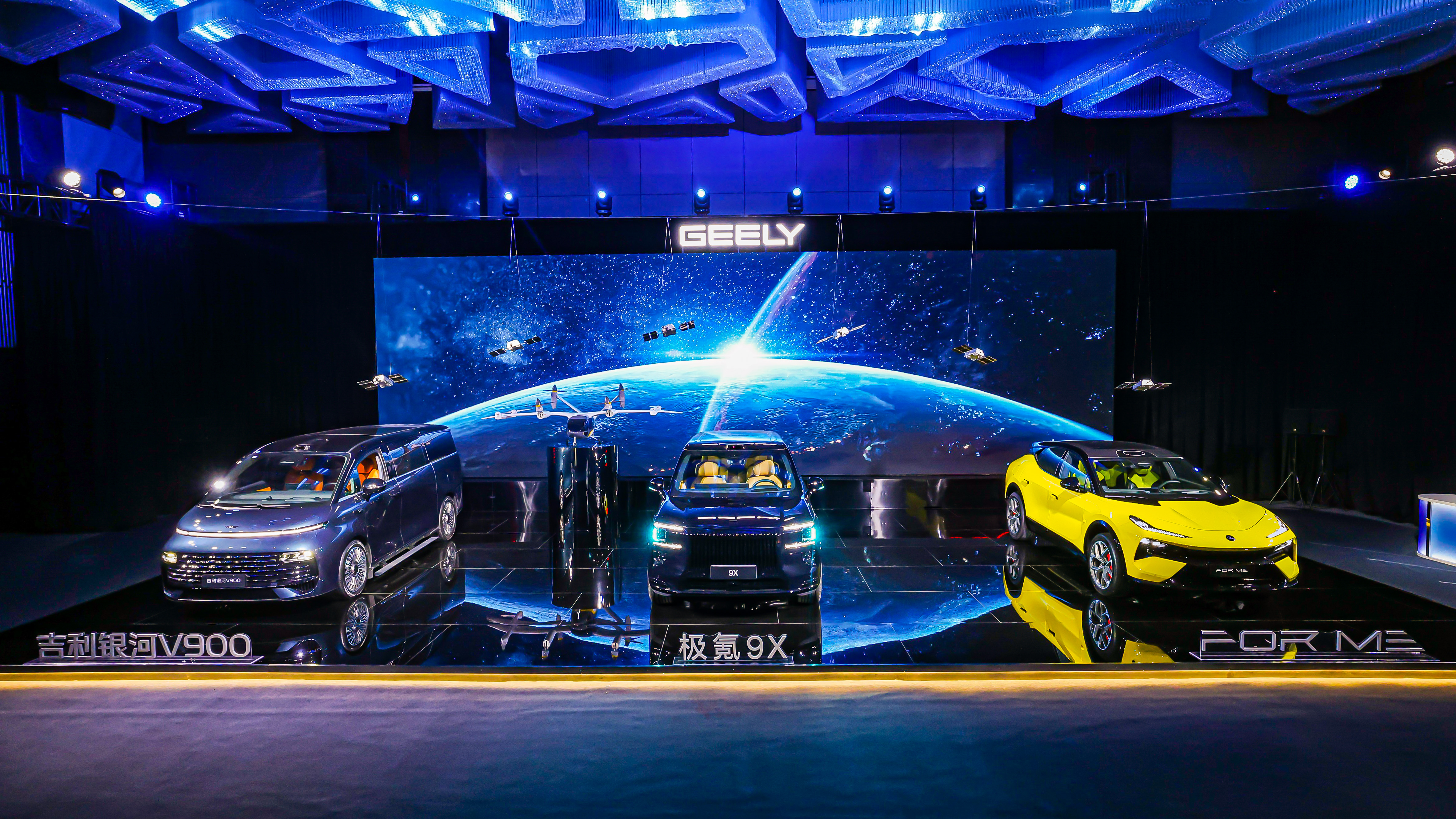
Core Viewpoint - Geely Holding Group has officially launched its "One Geely, Leading All" 2030 strategic goal, aiming to enhance global coordination and establish a comprehensive core capability system to achieve leading indicators in the global automotive industry [1][4]. Group 1: Strategic Goals - Geely aims to achieve global total sales exceeding 6.5 million units (including passenger and commercial vehicles) and revenue surpassing 1 trillion yuan by 2030, positioning itself among the top five global automakers, with approximately 75% of sales from new energy vehicles and over one-third from overseas markets [4]. - The company plans to develop a leading global new energy architecture covering vehicle classes A to E, with a target to reduce average model development cycles and comprehensive costs by over 30% based on the new architecture [4]. Group 2: Six-in-One Capability System - Geely will focus on six areas: brand, technology, complete vehicles, ecology, talent, and sustainable development, with an emphasis on strengthening the Geely parent brand and creating a clear, distinctive global brand matrix [7]. - The company will leverage its brands, including Geely, Lynk & Co, and Polestar, while also enhancing the localized operational capabilities of international brands like Volvo and Lotus in the European and American markets [7]. Group 3: Technological Advancements - Geely will enhance its "Seven Vertical" technology system, focusing on smart driving, smart cockpits, electronic architecture, complete vehicle architecture, batteries, electric drives, and super hybrid technologies [8]. - The company aims to establish "Qianli Haohan" as a globally advanced technology platform, achieving full coverage of L2-level assisted driving and accelerating the commercialization of L3 technology and Robotaxi [8]. Group 4: Safety and Ecological Layout - Safety remains the top priority for Geely, with plans to strengthen safety technology collaboration within the group and establish a "world safety dual-pole" structure between Volvo and Geely [10]. - Geely will focus on three ecological areas: user services, future mobility, and methanol-hydrogen electric vehicles, aiming to launch 100,000 customized Robotaxis by 2030 [10]. Group 5: Talent and Sustainability - Geely will deepen its "Talent Forest" strategy, investing 500 million yuan initially and up to 300 million yuan in total to foster innovation and entrepreneurship among youth [12]. - The company commits to integrating green and low-carbon principles throughout the product lifecycle, promoting eco-friendly materials, and achieving carbon neutrality in benchmark factories [12]. Group 6: Future Directions - By 2026, Geely will focus on AI technology, energy diversification, product premiumization, and internationalization, with upcoming technologies including the full-domain AI 2.0 system and the next-generation Qianli Haohan assisted driving system [13]. - New products, such as the Zeekr 8X, are set to be launched, reflecting the company's commitment to high-quality development [13].

港股收评:恒指涨0.45%!商业航天、光伏板块爆发,航空股低迷
Ge Long Hui· 2026-01-23 08:55
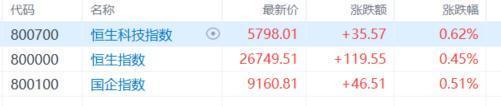
Market Overview - The Hong Kong stock market indices collectively rose on January 23, with the Hang Seng Index increasing by 0.45% to 26,749 points, the Hang Seng China Enterprises Index up by 0.51%, and the Hang Seng Tech Index rising by 0.62% [1][2]. Key Stock Movements - Major tech stocks saw gains, with Xiaomi Group and Kuaishou both rising nearly 3%, Alibaba up over 2%, and JD.com and Meituan also showing increases [2][4]. - The commercial aerospace sector experienced significant gains, with JunDa shares soaring over 51% following the launch of six platforms related to commercial aerospace in Beijing [6]. - Brain-computer interface stocks were active, with Lens Technology rising over 9% [7]. - Gold stocks continued to strengthen, with Zijin Mining International increasing by over 8% as gold prices reached new highs [9]. - Solar energy stocks surged, with Keyuan New Energy rising over 14% and several others following suit [10]. Sector Performance - The commercial aerospace sector led the market with notable gains, driven by the launch of new platforms aimed at enhancing the industry [6]. - The brain-computer interface sector showed strong activity, supported by advancements in flexible chip technology [7]. - Gold stocks benefited from rising gold prices, which reached a historical high of $4,940.78 per ounce [9]. - The solar energy sector was buoyed by positive remarks from Tesla's CEO regarding solar capacity expansion [10]. Individual Stock Highlights - JunDa shares rose by 51.40% to 39.00, while other aerospace-related stocks also saw significant increases [6]. - Lens Technology increased by 9.36% to 31.78, reflecting strong interest in brain-computer interface technologies [8]. - Zijin Mining International rose by 8.43% to 205.80, benefiting from the surge in gold prices [9]. - Keyuan New Energy saw a rise of 14.44% to 4.36, reflecting optimism in the solar energy market [11]. Future Outlook - The Hong Kong stock market is expected to see a recovery in profit growth by mid-2026, with a slowdown in competition among internet platforms and a reduction in the drag from non-essential consumer spending [26].





国产挑战来了!特斯拉满血版FSD可能下月入华?
2 1 Shi Ji Jing Ji Bao Dao· 2026-01-23 07:30
马斯克在达沃斯论坛表态,FSD满血版最快2月入华;加上此前特斯拉官方确认今年2月14日起,FSD将 取消买断、仅存订阅制。消息到底真不真实,如果现在闯红灯走错道的阉割版FSD真的在将来换成了满 血版,会不会像当初国产化一样再次掀起大风大浪? 首先,据21世纪1月23日报道,当地时间1月22日 马斯克明确,监督版FSD下月有望获批欧洲,中国审批进程大致相近。这并非突发,去年11月他就预测 今年二三月份在华过审,如今落地节奏进一步明确。 满血版入华概率不低,核心过两道关:政策上, 特斯拉上海数据中心已实现本土数据全存储,契合合规要求;芯片端,据虎嗅网报道,1月美国放宽管 制,为英伟达H200对华出口铺路,助力算法迭代。 技术上需适配中国加塞、临时信号灯等场景,大河 汽车指出FSD月迭代2-3次,依托本地数据优化,一季度落地希望大,这对国产车企已是近身压力。 订 阅制对车主更灵活:原买断6.4万,月费预计499-699元,如果只是尝个鲜用更划算,8年以上长期用买 断更省,这一模式也给国内车企出了难题。 当前第三方智驾市场,据中经TMT统计,华为乾昆智驾按 统一技术口径市占率达53.7%,小鹏、比亚迪则靠低价买断或标 ...

A股收评:商业航天再度爆发,三大指数集体收涨
Bei Jing Ri Bao Ke Hu Duan· 2026-01-23 07:24
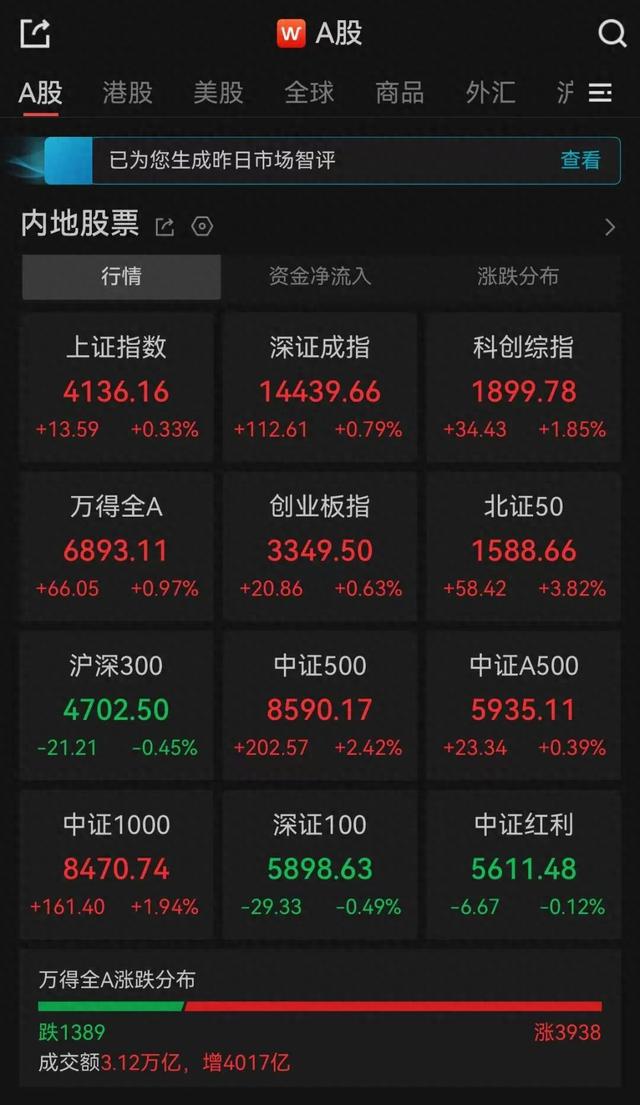
Market Performance - The A-share market opened high on the 23rd and experienced fluctuations throughout the day, closing collectively higher at the end of the trading session. The Shanghai Composite Index rose by 0.33%, the Shenzhen Component Index increased by 0.79%, and the ChiNext Index gained 0.63% [1][2]. Index and Stock Performance - The Shanghai Composite Index closed at 4136.16, up by 13.59 points or 0.33% [2]. - The Shenzhen Component Index finished at 14439.66, with an increase of 112.61 points or 0.79% [2]. - The ChiNext Index ended at 1899.78, rising by 34.43 points or 1.85% [2]. - The total trading volume in the market reached 3.12 trillion yuan, with over 3900 stocks experiencing gains [3]. Sector Highlights - The commercial aerospace sector saw a significant surge, with over 20 stocks hitting the daily limit up [3]. - The space photovoltaic concept also boosted the solar energy sector, contributing to a collective rise [3]. - AI applications and pharmaceutical commercial sectors showed active performance [3]. - The smart driving concept experienced a rally in the afternoon, while the non-ferrous metals sector continued to rise, with precious metals leading the gains [3]. - The price of spot gold surpassed $4967 per ounce, reaching a historical high, while spot silver broke above $96 per ounce [3]. Emerging Trends - The solid-state battery concept showed strength in the afternoon, with several companies like Oke Technology and Shanghai Washba hitting the daily limit up, while others like Naconor and Xianhui Technology rose over 10% [3]. - The computing hardware supply chain is undergoing adjustments, with the CPO sector leading the decline [3].
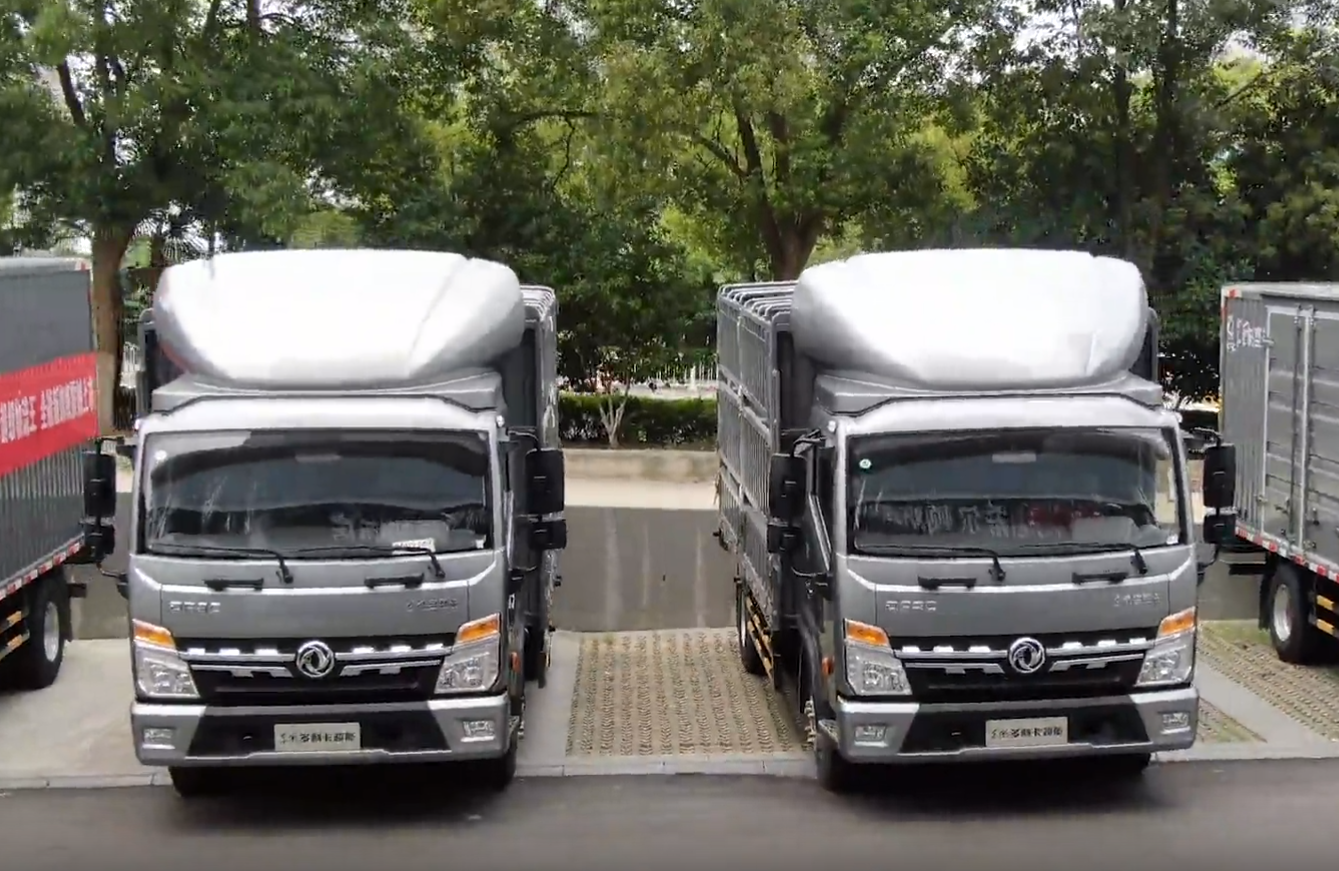
毛利率下滑并加速转型,东风股份2025年预亏3.9亿至4.8亿元
Ju Chao Zi Xun· 2026-01-23 07:07
Core Viewpoint - Dongfeng Motor Corporation is forecasting a significant net loss for the year 2025, with expected net profit attributable to shareholders ranging from -480 million to -390 million yuan, indicating a challenging financial outlook for the company [2]. Group 1: Financial Performance - The company reported a total profit of -233.97 million yuan for the year 2024, with a net profit attributable to shareholders of 29.16 million yuan, and a net profit of -689.96 million yuan after excluding non-recurring gains and losses [2]. - Basic earnings per share for the previous year were reported at 0.0146 yuan per share [2]. Group 2: Reasons for Performance Changes - The main reasons for the performance changes include intensified competition in the light commercial vehicle market, leading to sales pressure and a decline in overall gross margin [3]. - The company is in a critical transition period from traditional fuel to new energy, prompting adjustments in operational pace, marketing reforms, and increased channel support to reduce inventory and expand retail [3]. - The company has reassessed the collection of certain receivables due to extended payment cycles, resulting in additional provisions for credit impairment [3]. Group 3: Future Strategies - To overcome short-term adverse impacts, the company plans to increase investment in research and development in new energy and intelligent driving technologies, enhance channel construction and expansion, and build a customer-centric value marketing system [3]. - The impact of non-operating gains and losses on the net profit attributable to shareholders is expected to decrease in 2025 compared to the previous year, primarily due to a reduction in government subsidies received [3].