服务消费

Search documents
“十五五”宏观经济展望—不畏浮云遮望眼(PPT) (1)
2025-12-04 04:47
Summary of Key Points from the Conference Call Industry Overview - The conference call focuses on the macroeconomic outlook for China during the "15th Five-Year Plan" period, emphasizing trade dynamics and internal demand trends [4][40]. Core Insights - **Trade Resilience**: Despite ongoing trade frictions, China's exports are expected to remain resilient due to companies actively exploring new markets. The trade surplus is projected to maintain a high level, with an anticipated increase of 22% year-on-year [4][7]. - **Currency Outlook**: The stability of the Renminbi (RMB) is seen as a foundational strength for China's export sector. The RMB is expected to appreciate, potentially reaching 6.8 against the USD by the end of next year [4][37]. - **Internal Demand Shift**: A turning point in domestic demand is anticipated around mid-2026, with economic growth expected to show a pattern of lower growth initially followed by a rebound [4][40]. - **Policy Focus**: The "15th Five-Year Plan" emphasizes building a modern industrial system, with significant efforts directed towards technological innovation and industrial upgrades. The policy shift aims to balance demand-side measures to stimulate internal consumption [4][47]. Trade Dynamics - **US-China Trade Relations**: The trade balance with the US has been negatively impacted by tariffs, with a year-on-year decline of 19.1% in the trade surplus with the US. In contrast, exports to non-US regions have expanded by 17% year-on-year [7][10]. - **Long-term Trade Surplus**: China's trade surplus is expected to continue growing, with projections indicating it could exceed $1 trillion by 2025, despite a declining share of imports from the US [10][8]. - **Historical Context**: Drawing parallels with Japan's trade dynamics post-1986, it is suggested that China may maintain a high trade surplus for an extended period despite trade tensions [10][24]. Currency and Financial Flows - **RMB Exchange Rate**: The RMB has not fully reflected the strong trade surplus in its exchange rate, with a noted appreciation of 2.2% against the USD despite a significant drop in the trade surplus with the US [16][37]. - **Capital Flows**: Since 2022, there has been a notable increase in capital outflows from China, driven by the inversion of interest rate differentials between China and the US. This has led to a significant net outflow in the financial account [20][21]. - **Exporters' Behavior**: There is an estimated $1 trillion in unconverted foreign exchange earnings from exporters, which, if settled, could further support RMB appreciation [29][30]. Economic Growth Projections - **Growth Targets**: Various institutions project China's GDP growth during the "15th Five-Year Plan" to average around 4.8%, with a focus on high-quality development alongside reasonable quantitative growth [46][44]. - **Investment Trends**: Investment demand is weakening, particularly in infrastructure and real estate, with a shift towards optimizing existing assets rather than expanding capacity [53][54]. Policy Implications - **Fiscal and Monetary Policy**: The fiscal policy is expected to remain expansionary, with a focus on welfare spending. Monetary policy may see a slight easing, with potential interest rate cuts anticipated in response to economic conditions [62][57]. - **Consumer Spending**: The government aims to enhance consumer spending, with a target for service consumption to reach 46.1% of total consumption by 2024, reflecting a shift towards service-oriented economic growth [47][48]. Conclusion - The macroeconomic outlook for China during the "15th Five-Year Plan" indicates a complex interplay of trade resilience, currency dynamics, and internal demand shifts, with significant policy implications for future growth and investment strategies [4][62].

烟台将打造首发中心等平台载体,健全首发经济服务体系
Qi Lu Wan Bao· 2025-12-04 02:09
Core Viewpoint - Yantai City is actively promoting new consumption supply by implementing policies aimed at expanding service consumption and developing new business models and scenarios [1][2] Group 1: Service Consumption Development - In September, the Ministry of Commerce and eight other departments issued a notice to promote the development of new service consumption formats and models [1] - Yantai will focus on three key areas: establishing a comprehensive service system for the first-release economy, innovating diverse service consumption scenarios, and enhancing cross-industry collaboration with well-known IPs [1][2] Group 2: First-Release Economy - Yantai plans to leverage commercial complexes, exhibition venues, and characteristic streets to create first-release centers and economic clusters [1] - The city aims to attract well-known domestic and international brands to set up flagship and experience stores, and support quality brands in hosting first-release events [1] Group 3: Innovative Consumption Scenarios - Yantai will develop integrated consumption scenarios such as "cultural tourism + sports + commerce" and "exhibitions + conferences + consumption" [1] - The city intends to build service consumption clusters and nighttime cultural tourism consumption areas, along with unique models like senior-friendly streets and children's amusement parks [1] Group 4: Cross-Industry Collaboration - Yantai will strengthen collaboration with globally recognized IPs to leverage unique local resources such as the Fairyland Coast and the Blue Granary [2] - The goal is to empower quality consumption resources through IP integration and cultivate new leading enterprises in consumption [2]
10%的提升带来10万亿增量 “十五五”居民消费率大有可为
2 1 Shi Ji Jing Ji Bao Dao· 2025-12-04 00:14
Core Viewpoint - The upcoming Central Economic Work Conference is expected to release a more proactive macro policy tone, with a focus on boosting domestic demand as a key area of attention [1] Summary by Sections Economic Policy and Consumer Spending - The "Suggestions" document includes "significantly increasing the resident consumption rate" as a primary goal for economic and social development [1] - The emphasis is on strengthening domestic circulation and enhancing consumption to drive economic growth [1] - China's resident consumption rate is projected to be approximately 39.9% of GDP in 2024, significantly lower than the 50%-70% range seen in developed countries [1][3] Economic Impact of Increased Consumption - A 10 percentage point increase in the resident consumption rate could generate over 10 trillion yuan in economic growth [2] - This increase would expand the domestic circulation scale and improve investment returns, while also driving service consumption and high-tech industry development [2] Structural Shortcomings in Consumption - China's resident consumption rate has remained around 40%, with a notable gap of 10-30 percentage points compared to developed nations [3] - The core shortfall is in service consumption, which is currently at 46.1%, lower than that of developed countries by 6-21 percentage points [3] Investment in Human Capital and Services - The "Suggestions" propose various measures to boost consumption, including increasing public service spending and enhancing residents' consumption capacity [6] - Investment in human capital is emphasized, with a focus on improving education, healthcare, and social security systems to support consumption growth [7][8] Long-term Strategies for Consumption Growth - To enhance consumption, it is essential to increase residents' disposable income and improve the social security system [11] - The government aims to raise the proportion of residents' income in national income distribution and improve labor remuneration [11] Recent Policy Initiatives - The government has introduced policies to stimulate consumption, including a special bond fund of 150 billion yuan for consumer goods replacement in 2024 [9] - Measures to enhance the consumption environment and promote high-quality supply are also being implemented [10]


10%的提升带来10万亿增量,“十五五”居民消费率大有可为
2 1 Shi Ji Jing Ji Bao Dao· 2025-12-04 00:12
Core Viewpoint - The upcoming Central Economic Work Conference is expected to release a more proactive macro policy tone, with a focus on boosting domestic demand as a key area of attention [1] Group 1: Economic Policy and Consumer Spending - The "Suggestions" document includes "significantly improving the resident consumption rate" as a primary goal for economic and social development [1] - China's resident consumption rate is projected to be approximately 39.9% of GDP in 2024, significantly lower than the 50%-70% range seen in developed countries [1][5] - An increase of 10 percentage points in the resident consumption rate could generate over 10 trillion yuan in economic growth [1][5] Group 2: Structural Challenges and Opportunities - The current resident consumption rate in China is around 40%, which is 10-30 percentage points lower than that of developed countries, particularly in service consumption [5][4] - If the resident consumption rate increases by 10 percentage points, it could lead to a consumption increment of 13.5 trillion yuan, equivalent to 53.2% of the total export value for that year [5] - The increase in consumption is expected to drive production optimization and enhance investment returns, while also pushing for service consumption and new product supply upgrades [2] Group 3: Policy Measures and Strategic Focus - The "Suggestions" propose various measures to boost consumption, including promoting employment, increasing income, and enhancing public service spending [6][10] - Investment in human capital is emphasized as a necessary strategy, with a focus on improving education, healthcare, and social security systems [7][12] - The government plans to enhance consumer confidence and capability through policies that increase disposable income and improve the social safety net [12] Group 4: Long-term Development and Structural Upgrades - The need for a long-term strategy to enhance the resident consumption rate is highlighted, focusing on increasing the share of disposable income in GDP and promoting service sector growth [12] - The "Suggestions" emphasize a three-pronged approach of strengthening guarantees, increasing income, and optimizing supply to solidify the foundation for internal consumption growth [12][8] - The service consumption sector is identified as a significant area for growth, with a focus on improving supply capabilities and service quality [8][9]

催生更多服务消费新场景
Zhong Guo Jing Ji Wang· 2025-12-03 23:12
Core Insights - The recent issuance of two significant documents by the Ministry of Industry and Information Technology and other departments aims to enhance the adaptability of supply and demand in consumer goods, promoting consumption through innovative scenarios [1][2] - There is a notable shift in consumer behavior from purchasing products to seeking experiences, indicating a growing trend in service consumption as a new driver for economic growth [1][2] Group 1: Policy Initiatives - The implementation plans focus on activating consumption potential through scenario innovation, which is seen as a critical approach to stimulate economic growth [1] - The documents highlight the need for a robust framework to cultivate new consumption scenarios, addressing existing challenges such as insufficient innovation and slow regulatory adaptation [2] Group 2: Market Trends - As GDP per capita approaches $15,000, there is a significant transition from product-oriented consumption to service-oriented consumption, which is expected to stabilize economic growth [1] - Service consumption is characterized by its emphasis on experience, immersion, and emotional resonance, aligning with consumers' desires for personalized and high-quality lifestyles [1] Group 3: Implementation Strategies - To foster new consumption scenarios, traditional commercial areas should leverage technology to enhance the shopping experience, integrating online convenience with offline engagement [2] - The integration of culture and tourism is encouraged, with suggestions to enhance visitor experiences through immersive performances and interactive activities [2] - There is a call for accelerated digital infrastructure development, promoting the use of AI, IoT, and robotics across various service industries [2] Group 4: Support for Innovation - The need for policy support to reduce barriers for innovation in new consumption scenarios is emphasized, including financial guidance and the establishment of industry funds [3] - A dynamic regulatory framework is proposed to accommodate new technologies and business models, ensuring a balanced approach to innovation and oversight [3] - The "14th Five-Year Plan" suggests creating high-impact consumption scenarios to optimize consumption structure and unleash market potential [3]
中邮证券黄付生:制造业“K”型分化,居民财富将迎修复
Xin Lang Cai Jing· 2025-12-03 12:25
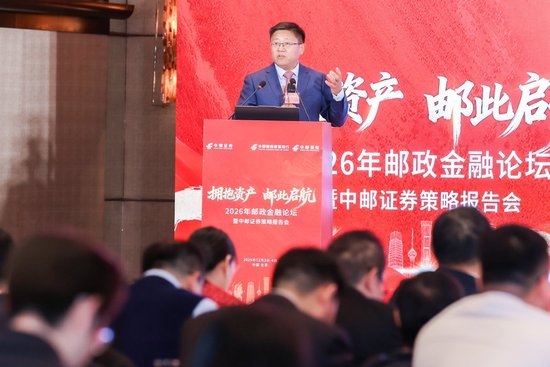
Core Insights - The report presented by Huang Fusheng at the "2026 Postal Financial Forum" highlights China's economic recovery, driven by the "14th Five-Year Plan" focusing on modern industrial systems and high-tech sectors [3][8]. Group 1: Economic Recovery and Industrial Policy - China is building a modern industrial system under the "14th Five-Year Plan," with a focus on high-tech sectors showing significant performance [3][8]. - The plan prioritizes the construction of a modern industrial system and strengthening the real economy, aiming to "recreate a Chinese high-tech industry" over the next decade [3][8]. - Key strategies include enhancing traditional industries, addressing core technology challenges, and fostering strategic emerging industries like new materials and quantum technology [3][8]. Group 2: Manufacturing Sector Performance - The manufacturing sector exhibits a K-shaped recovery, with high-tech product exports growing faster than the overall export growth rate of 5.3% in the first ten months of 2025 [4][9]. - Profit growth in upstream manufacturing sectors like transportation equipment and non-ferrous metal smelting significantly outpaces that of downstream industries such as furniture and apparel [4][9]. - A-share non-financial companies reported a revenue increase of 0.9% year-on-year in Q3 2025, with net profits rising by 3.29% [4][10]. Group 3: Consumer Wealth and Spending Trends - Recovery of resident wealth is projected to take 3-5 years, with service consumption identified as a future growth area [5][10]. - In 2025, there remains a significant gap in resident wealth compared to the peak in 2021, but optimistic scenarios suggest recovery to previous levels by 2028 [5][10]. - The consumption structure indicates a saturation in goods consumption (15% of GDP) compared to major Western countries, while service consumption in healthcare and education is below global averages, indicating substantial growth potential [5][10].
如何更好发挥超大规模市场优势?权威解读
Yang Shi Wang· 2025-12-03 05:27
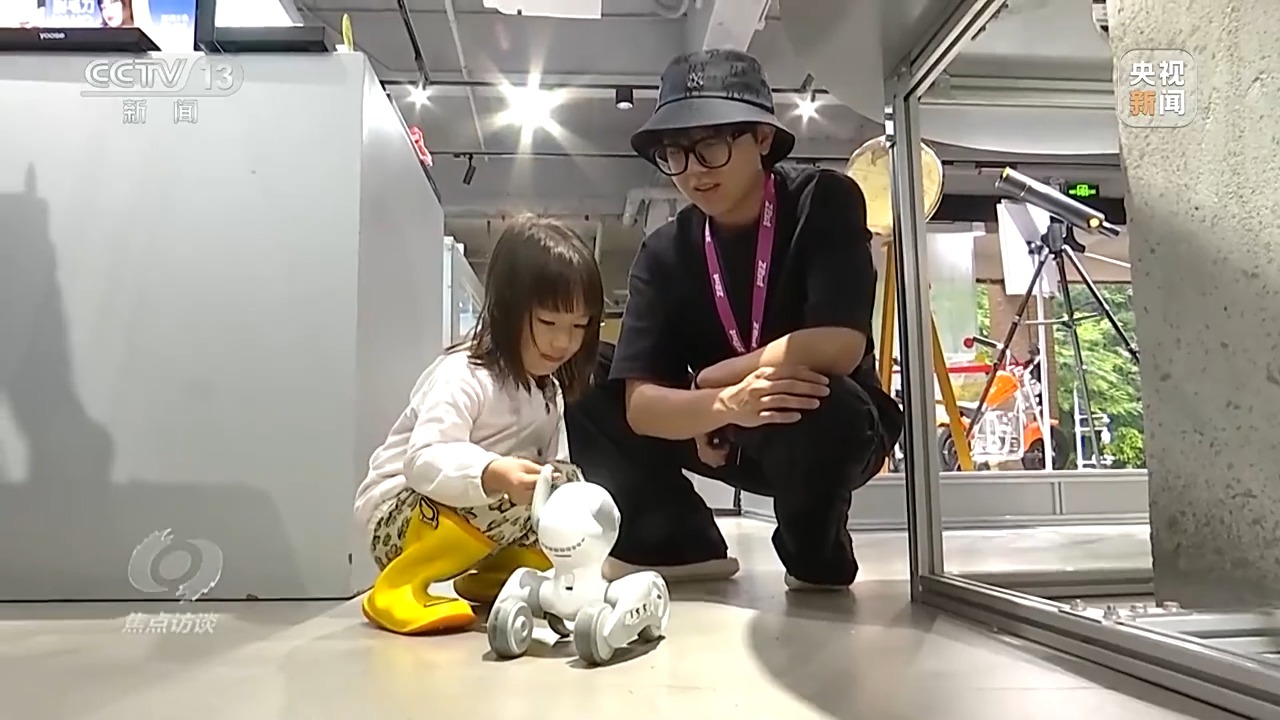
Core Viewpoint - Recent policies have been introduced to stimulate consumption in China, which is crucial for economic growth, especially amid increasing external uncertainties. The "14th Five-Year Plan" emphasizes boosting consumption as a key strategy for economic development [2][4]. Group 1: Market Potential and Advantages - China's consumer market benefits from a massive scale, with a potential demand for companion robots estimated at nearly 1 trillion yuan. The country has over 1.4 billion people and has been the second-largest consumer market globally for over a decade [4][5]. - The retail sales of consumer goods are projected to exceed 48 trillion yuan in 2024, with various sectors like automobiles, mobile phones, and home appliances being the largest markets worldwide. The middle-income group is expected to surpass 800 million people [4][5]. Group 2: Growth Trends and Consumer Behavior - Despite challenges from international changes, China's consumer market has maintained a good growth momentum, with an average annual growth rate of 5.5% in retail sales over the past four years and a 9.6% increase in per capita service consumption [7][10]. - The current phase of consumption structure is shifting towards service-oriented and quality-focused consumption, with service consumption accounting for 46.8% of per capita spending in the first three quarters of this year [10][12]. Group 3: Innovation and New Consumption Scenarios - Technological innovations are creating new consumption scenarios, such as VR experiences and immersive cultural activities, which enhance consumer engagement and emotional value [8][10]. - The "14th Five-Year Plan" suggests creating new consumption scenarios that are widely appealing and visible, with examples like the VR cinema in Beijing and immersive cultural experiences in Anhui [7][8]. Group 4: Urban Commercial Development - The "Urban Commercial Quality Improvement Action Plan" aims to revitalize traditional urban commercial models by integrating unique scenes, new business formats, and innovative operating models to create differentiated consumer experiences [12][13]. - Examples include the transformation of traditional shopping malls into spaces that combine shopping with leisure activities, such as parks and entertainment venues, enhancing consumer attraction and spending [13][15]. Group 5: Digital and Green Consumption - Digital consumption is rapidly growing, with rural e-commerce seeing a 7.2% increase in online retail sales from January to August 2025. The digital consumption scale is expected to reach 23.8 trillion yuan in 2024, accounting for 44.2% of total consumer spending [15][16]. - The government is promoting policies to improve the infrastructure and environment for digital consumption, aiming to unleash its full potential [15][16].

重申出行链机会
2025-12-03 02:12
重申出行链机会 20251202 出行产业链投资机会有哪些? 出行产业链投资机会主要集中在 OTA(在线旅行社)、酒店和景区三个核心板 块,同时也包括旅游购物、免税、本地餐饮等相关领域。 首先,在 OTA 板块, 由于需求端较好,加上财政补贴推动旅游行业发展,以及优秀公司回港股后估 值重新定价等因素,我们认为 OTA 板块有较大受益空间。竞争结构改善也是一 个利好因素,例如京东、字节跳动、美团等互联网大厂逐渐减少对 OTA 市场的 进军,使得现有龙头公司如携程和同城能提升利润率。 其次,在酒店板块,一 方面受益于个人旅游出行恢复带来的需求增速提升;另一方面供给侧放量方向 降速。从今年(2025 年)四季度开始酒店 RevPAR 已经回正,这一趋势预计 将在 2026 年继续。在供给降速、需求提速背景下,我们认为头部公司的单店 表现将实现正增长,并且估值有望恢复到较高水平。目前华住与亚朵作为增速 最快、最稳定的公司,其估值仍处于低位,对应明年的估值不到 20 倍。而 A 股中的首旅与锦江则可以作为核心龙头进行配置,其中首旅估值相对便宜,而 锦江则具备更多个股阿尔法逻辑。 综上所述,我们认为 OTA、酒店和景区这 ...
超大规模市场!解锁“十五五”消费增长新引擎
Yang Shi Xin Wen· 2025-12-03 00:31
Core Viewpoint - Recent policies aimed at boosting consumption in China are crucial for economic growth, especially amid increasing external uncertainties. The "14th Five-Year Plan" emphasizes the importance of enhancing domestic demand and consumption [1][2]. Group 1: Consumption Market Advantages - China's consumption market benefits from a massive scale, with over 1.4 billion people, making it the second-largest consumer market globally and the largest in e-commerce. The retail sales of consumer goods are projected to exceed 48 trillion yuan in 2024 [2][3]. - The potential market demand for companion robots alone is estimated to be nearly 1 trillion yuan, highlighting the vast opportunities within the consumer sector [2]. Group 2: Growth Trends and Innovations - The retail sales of consumer goods have maintained an average annual growth of 5.5% over the past four years, while per capita service consumption expenditure has grown by 9.6% annually [3][4]. - New consumption scenarios, such as immersive experiences in cultural and technological contexts, are emerging as significant drivers of consumer engagement and spending [4][6]. Group 3: Service Consumption and Structural Upgrades - The shift towards service consumption is accelerating, with expectations that the service consumption share will exceed 50% during the "14th Five-Year Plan" period, indicating substantial room for growth compared to developed countries [5]. - The government plans to enhance service consumption by relaxing market access and promoting the integration of various service sectors [5]. Group 4: Urban Commercial Revitalization - The "Urban Commercial Quality Improvement Action Plan" aims to revitalize traditional urban commercial areas by creating unique consumption experiences through innovative business models and thematic developments [6][7]. - Examples include the integration of entertainment and shopping, such as small theaters within shopping malls, which enhance customer experience and increase sales [7]. Group 5: Digital Consumption Growth - The digital consumption scale is projected to reach 23.8 trillion yuan in 2024, accounting for 44.2% of total consumer spending, driven by improvements in digital infrastructure and policies [8]. - Continuous efforts to stabilize employment and enhance consumer capacity are essential for sustaining consumption growth and economic development [8].
焦点访谈丨超大规模市场!解锁“十五五”消费增长新引擎
Yang Shi Xin Wen Ke Hu Duan· 2025-12-02 23:56
Group 1 - The article emphasizes the importance of consumption as a key driver of China's economic growth, especially in the context of increasing external uncertainties. The government has introduced new policies to stimulate consumption and enhance domestic demand [2][6][28] - China's consumer market benefits from a large population of over 1.4 billion, making it the second-largest consumer market globally and the largest e-commerce market. The retail sales of consumer goods are projected to exceed 48 trillion yuan in 2024 [6][27] - The article highlights the rapid growth of AI toys, with sales expected to increase by over 200% year-on-year in the first half of 2025, indicating a shift in consumer preferences towards innovative products [4][24] Group 2 - Technological innovations, such as exoskeleton robots, are creating new consumption scenarios and driving economic growth. These innovations are well-received in the market due to their ability to enhance user experience [5][11] - The article discusses the shift in consumption patterns towards service-oriented and quality-focused spending, with service consumption accounting for 46.8% of per capita spending in the first three quarters of the year [13][15] - The "14th Five-Year Plan" proposes measures to expand service consumption by relaxing market access and promoting the integration of various service sectors, which is expected to increase the service consumption share significantly [15][17] Group 3 - Urban commercial areas are crucial for boosting consumption and expanding domestic demand. The government has launched initiatives to revitalize traditional commercial models affected by e-commerce and live-streaming sales [17][18] - The article outlines 21 key tasks aimed at enhancing urban commercial quality, including the development of unique commercial districts and innovative business models to create differentiated consumer experiences [18][20] - Digital and green consumption are identified as significant growth drivers, with rural e-commerce experiencing a 7.2% increase in online retail sales from January to August 2025 [24][27]