家庭资产配置

Search documents
中国家庭风险结构巨变,低利率环境将重塑家庭资产配置格局
Hua Xia Shi Bao· 2025-09-20 06:26
Core Insights - The macroeconomic changes in China are leading to various challenges for households, including slowing income growth, increased employment and debt risks, currency asset depreciation, and reduced investment returns [2] - The white paper identifies six major impacts of macroeconomic changes on household risks, including income and debt risk, purchasing power risk due to inflation, asset allocation shifts due to low interest rates, consumption and investment strategy impacts from exchange rate fluctuations, social security pressure from an aging population, and a structural transformation in household asset allocation [2] Household Risk Perception - There is a noticeable shift in household risk perception in China, with a decline in anxiety over traditional survival risks and an increase in awareness of wealth-related risks, particularly unemployment and asset depreciation [3] - Consumers are adjusting their asset allocation in response to these risk changes, maintaining bank savings as a solid foundation while combining commercial insurance with bank wealth management and government bonds for a dual strategy of protection and stable returns [3] Consumer Preferences - Consumers are increasingly interested in health-related value-added services, with 41% prioritizing health check-up services, and there is a growing demand for comprehensive retirement solutions that include not just insurance products but also community planning and home care support [4] Supply-Demand Mismatches - The white paper highlights four major mismatches in the insurance industry: 1. Mismatch between personalized demand and standardized supply, as the industry continues to offer one-size-fits-all products [5] 2. Mismatch between sufficient health coverage needs and low coverage supply, with the median cost of critical illness treatment reaching 300,000 yuan while average claims for critical illness insurance are below 100,000 yuan [5] 3. Mismatch between long-term wealth management needs and short-term supply, with a lack of products addressing cross-cycle financial management for child-rearing and personal retirement [5] 4. Mismatch between diversified retirement needs and weak collaborative supply, as the industry struggles to provide integrated solutions that combine cash flow with care services [6] Strategic Recommendations - To address these mismatches, the insurance industry must break away from a one-size-fits-all approach and focus on accurately identifying customer risks, shifting from a product-oriented to a family needs-oriented approach [7] - The industry should develop a comprehensive product system that includes a core medical insurance risk defense system, a commercial annuity-based retirement risk response system, a wealth preservation and growth system centered on participating insurance, and a wealth transfer system focused on leveraged life insurance and trust services [7] Service Ecosystem Development - The insurance industry should move beyond traditional compensation models to create a high-quality customer service ecosystem that integrates health management, retirement services, and wealth planning [8] - This includes providing a closed-loop service for health that encompasses check-ups, screenings, and rehabilitation, as well as connecting retirement services with community resources to address care needs [8]


低利率环境扰动家庭资产配置格局
Sou Hu Cai Jing· 2025-09-20 04:03
Group 1 - The core viewpoint of the report indicates a shift in Chinese households' risk perception, showing a decrease in traditional survival-type risk anxiety while significantly increasing awareness of wealth-related risks [2][3] - The white paper, co-researched by Great Wall Life Insurance, Peking University, and Ipsos China, aims to clarify the current family protection needs and provide insights for the insurance industry's transformation [3] - The research highlights that Chinese families are facing multiple challenges, including slowing income growth, increasing employment and debt risks, currency asset depreciation, and declining investment returns [3] Group 2 - The macroeconomic environment has six major impacts on family risk: intensified income and debt risks due to economic restructuring, purchasing power risks from inflation, asset allocation changes from low interest rates, consumption and investment strategy impacts from exchange rate fluctuations, social security pressure from an aging population, and a structural transformation trend in family asset allocation [3] - Compared to 2023, the current survey shows a decrease in attention to risks related to illness, retirement, accidental injury, and death, while awareness of wealth security and management risks has significantly increased [3][4] - Consumer risk awareness is influenced by multiple factors, including confidence in China's economic development at the macro level, concerns about regional and industry development at the meso level, and the stability of household income sources at the micro level [3] Group 3 - In response to changing risks, consumers are adjusting their family asset allocations, with bank savings remaining a solid foundation, and commercial insurance combined with bank wealth management and government bonds forming a dual-track layout of "protection + stable returns" [4] - The report finds that family economic conditions, asset allocation, family structure, and external environmental factors significantly impact risk perception [4] - The decision-making process for selecting protection plans has evolved from focusing solely on product functionality to a comprehensive experience of "product + service" [4] Group 4 - Modern families express strong concerns in five areas: medical health (75.8%), retirement planning (68.2%), children's education (60%), wealth security (41.1%), and wealth inheritance (36.6%), reflecting a strong demand for certainty, security, and sustainability [4]

金价“又双叒”创新高,还买吗?
Sou Hu Cai Jing· 2025-09-17 00:24
Core Insights - Gold prices have surged, reaching a historical high of $3689.56 per ounce on September 16, with a year-to-date increase of nearly 40%, marking one of the steepest annual rises in gold's history [3][5] - Consumer behavior is shifting as gold jewelry sales decline, with a notable increase in demand for gold bars, reflecting a preference for investment over adornment [5][6] Price Trends - As of September 16, the price of gold jewelry has risen significantly, with brands like Chow Sang Sang and Luk Fook Jewelry reporting prices exceeding 1087 yuan per gram, up from around 800 yuan per gram at the beginning of the year [4][5] - The price difference for a specific gold bracelet has increased by 6569.28 yuan from January to September, indicating a substantial cost increase for consumers [4] Consumer Behavior - The demand for gold jewelry has decreased, with a reported 26% drop in gold jewelry consumption in the first half of 2025, while gold bars have seen a 23.69% increase in consumption [5] - Consumers are increasingly opting for gold bars due to lower associated costs and better resale value, with banks reporting a rise in high-net-worth clients purchasing gold in bulk [5][6] Banking Sector Response - Major banks, including Bank of China and Agricultural Bank of China, have adjusted their precious metals business, increasing investment thresholds and modifying margin requirements in response to rising gold prices [6][7] - The Shanghai Gold Exchange has also implemented changes to margin levels and trading limits for gold and silver contracts to mitigate market risks [6] Investment Trends - There is a growing trend of investors considering loans and credit cards for gold investments, prompting banks to issue warnings against such practices due to regulatory restrictions [7][8] - Financial institutions are encouraging a more cautious approach to gold investment, suggesting that households allocate 10% to 15% of their assets to physical gold while recommending safer investment vehicles [8]

楼市“黄金时代”落幕,五大家庭资产“难题”逐渐映入眼帘
Sou Hu Cai Jing· 2025-09-03 15:07
Core Viewpoint - The real estate market is undergoing a profound structural transformation, moving from a time when buying property was almost guaranteed to be profitable to a challenging adjustment period where over 40% of households own two or more properties, leading to significant challenges for many families [1] Group 1: Liquidity Crisis - The second-hand housing market is experiencing an oversupply, with a significant increase in listings in first-tier cities and an average transaction cycle extending beyond six months, indicating a fundamental change in demand [3] - In 2023, the national second-hand housing listings increased by 34% year-on-year, while transaction volumes decreased by 18%, particularly evident in many second-tier cities [3] Group 2: Asset Valuation Reconstruction - Most regions have seen property prices plateau, with a gradual depreciation expected rather than a sharp decline, similar to Japan's long-term price stagnation [4] - Real estate constitutes over 70% of Chinese household wealth, and even a modest annual decline of 3-5% in property values could lead to significant asset erosion over a decade [4] Group 3: Rising Holding Costs - Property management fees are on the rise, with average monthly fees in first-tier cities reaching between 500-800 yuan [6] - Potential expansion of property tax trials could impose additional financial burdens, with estimated annual taxes of 10,000-20,000 yuan for properties valued at 2 million yuan, increasing cash flow pressure for multiple property owners [6] Group 4: Rental Market Transformation - The rental market is also facing oversupply, with rental yields in major cities dropping to between 1.5%-2%, below bank deposit rates, making the "rent-to-pay mortgage" model unsustainable [7] - Many property owners are experiencing high vacancy rates and insufficient rental income to cover mortgage and management costs, leading to increased investment in property renovations to meet tenant demands [7] Group 5: Inheritance Dilemma - The next decade will see a peak in property inheritance, with many properties being passed down from older generations to their only children, often located in non-core areas and facing issues like aging facilities [8] - Young inheritors face challenges in deciding whether to inherit, sell, or rent these properties, often leading to the decision to forgo inheritance due to the burdens associated with these assets [8] Group 6: Response Strategies - First-time buyers should prioritize small units in core locations for better liquidity and lower total costs, rather than pursuing larger luxury properties [10] - Owners of multiple properties should optimize their asset portfolios by retaining high-quality, well-located properties while divesting from older, less desirable ones, even at a loss [10] - A shift in investment perspective is necessary, recognizing that real estate is no longer a guaranteed investment, and families should diversify their wealth rather than concentrating it in real estate [10]

“对钱没概念”有多可怕?小心别掉进消费陷阱里了
3 6 Ke· 2025-09-01 23:18
Group 1 - The core issue in today's society is that many individuals have lost their sense of money, leading to a distorted perception of financial reality [3][4][11] - The rise of consumerism has created a situation where spending is prioritized over saving, with individuals often feeling pressured to maintain a certain lifestyle [5][10] - The shift from a work-centric identity to a consumer-centric identity has redefined personal value, where consumption rather than productivity determines social status [9][10] Group 2 - To rebuild a sense of respect for money, individuals are encouraged to understand the importance of saving and financial planning [14][18] - Establishing a balanced asset allocation across different financial accounts is crucial for long-term financial health [20][21][24][26] - Developing a strong self-identity and breaking free from societal pressures related to consumption can lead to a healthier relationship with money [29][32][33]

终于把存款逼出银行?从2025年银行最新数据分析存款去哪了速看
Sou Hu Cai Jing· 2025-08-28 23:10
Core Insights - A significant shift in asset allocation among Chinese households is occurring, with funds moving from traditional bank deposits to more diversified investment channels, reflecting a change in financial market dynamics and household wealth management [1][12] Group 1: Financial Data and Trends - As of June 2025, the total balance of household deposits in China reached 118.7 trillion yuan, with a year-on-year growth of only 3.2%, marking the lowest growth rate in nearly a decade [3] - The average interest rate for one-year fixed deposits dropped to 1.85% in the first half of 2025, down from 2.5% in 2023, leading to negative real returns when adjusted for a 2.1% CPI inflation rate [3][12] - The A-share market saw a surge in new individual investor accounts, totaling 13.87 million in the first half of 2025, a 32% increase year-on-year, with net inflows of approximately 980 billion yuan, predominantly from individual investors [4] Group 2: Investment Channels - The bank wealth management market reached a scale of 31.2 trillion yuan in the first half of 2025, with net value products accounting for over 95% and an average annualized return of about 4.2% [5] - Public funds also demonstrated strong growth, with total assets reaching 32.7 trillion yuan by June 2025, a 16.8% increase from the beginning of the year, and net subscriptions exceeding 700 billion yuan [6] - The real estate market showed signs of recovery, with a 7.3% increase in sales area and a 9.5% increase in sales revenue in the first half of 2025, particularly in first-tier cities [7] Group 3: Consumer Behavior and Economic Signals - The retail sales of consumer goods reached 22.8 trillion yuan in the first half of 2025, reflecting a 7.6% year-on-year growth, with significant increases in upgraded consumption categories [9] - Over 65% of urban residents have developed a diversified asset allocation awareness, moving away from solely relying on savings [11] - The shift in fund flows from banks to the real economy is seen as a positive signal for market vitality and economic circulation [12] Group 4: Industry Response - The banking sector is transitioning from merely accepting deposits to providing comprehensive wealth management services, with many banks launching specialized wealth management apps [13] - Internet financial platforms are innovating to offer more convenient investment channels, creating a competitive environment that ultimately benefits consumers [13]
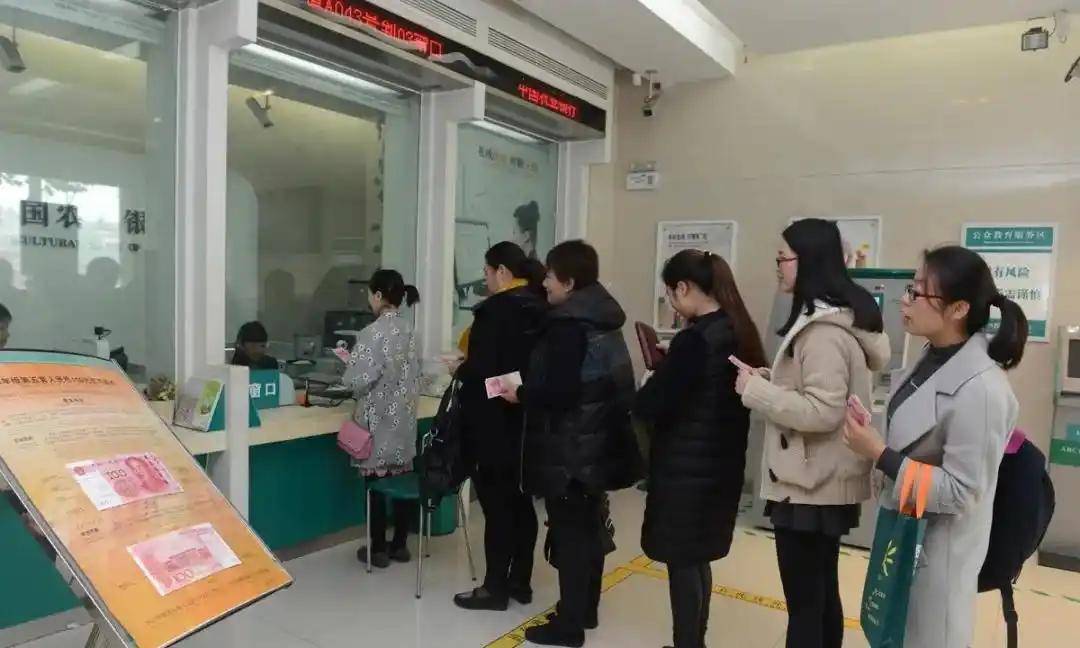
保险在家庭资产配置中扮演什么角色?
Sou Hu Cai Jing· 2025-08-24 22:47
Core Insights - Insurance plays an indispensable role in family asset allocation, providing stability and safeguarding the quality of life for family members [1][2][3] Group 1: Risk Management - The primary function of insurance is risk transfer and loss compensation, helping families manage unexpected financial burdens from accidents or serious illnesses [1] - Insurance allows families to transfer unpredictable risks to insurance companies at a relatively low premium, ensuring financial stability when risks materialize [1] Group 2: Asset Stability - Insurance serves as a strong defender of family assets against various potential threats in a volatile economic environment [2] - Certain savings-type insurance products can provide value preservation and growth, helping families maintain asset stability during economic downturns [2] Group 3: Wealth Transfer - Insurance offers unique advantages for asset inheritance, allowing families to ensure wealth is passed on according to their wishes [2] - By designing insurance contracts effectively, families can specify beneficiaries and protect assets from external debts, facilitating smooth wealth transfer [2] Group 4: Financial Security - Adequate insurance coverage enhances a family's financial security, providing peace of mind and enabling members to pursue personal and professional goals [3] - This psychological assurance contributes to an overall improvement in the quality of life for family members [3]
炒股理财:不止于赚钱的财富管理新选择,解锁多元增值路径
Sou Hu Cai Jing· 2025-08-19 14:58
Core Insights - Stock investment is increasingly becoming a preferred choice for wealth management, offering greater potential returns compared to traditional methods like deposits and bonds, while requiring active market engagement and financial literacy [1][2][5] Group 1: Investment Strategy - Stock investment should be viewed as part of a family's overall asset allocation rather than a standalone speculative activity, with a recommended limit of 30% of investable assets allocated to stocks [2][4] - A balanced investment approach combining stocks with low-risk assets like bonds and funds can provide both high returns and financial stability [2][4] Group 2: Selection Criteria - The "three-match" principle should guide stock selection: alignment with personal understanding, risk tolerance, and investment horizon [4] - New investors are advised to start with broad index funds or high-dividend blue-chip stocks, which offer lower volatility and simpler logic [4] Group 3: Long-term Value - The long-term value of stock investment lies in the "compound interest effect" and its ability to combat inflation, with historical annualized returns for quality A-shares ranging from 8% to 12% [5][6] - Maintaining a long-term holding strategy while avoiding significant losses is crucial for realizing the benefits of compounding [5][6]

美股重要指数及成分股表现分析
Xin Lang Cai Jing· 2025-08-19 04:03
Group 1 - The S&P 500 Index has an average annual return of 10.26% since its inception in 1957, covering approximately 83% of the total market capitalization in the U.S. and over 50% of the global stock market [1] - The Nasdaq-100 Index has grown approximately 194 times since its launch in 1985, with an annualized return of 13.7%, and has shown a 30-year annualized return of 13.44% and an 18.56% return over the past 10 years [2] - The Dow Jones Industrial Average serves as a key indicator of the overall health of the economy and the market, comprising 30 large industrial companies from various sectors [2] Group 2 - The performance of the U.S. stock market in 2025 shows strong upward momentum, particularly among the top 30 stocks that have gained the most, which include companies with high market capitalization and dividend yields [3] - Investors are advised to focus on a diversified asset allocation strategy to maximize returns, with professional wealth management services available to assist in navigating market changes [3] - Rational investment and scientific decision-making are emphasized as crucial for future success in a complex and changing market environment [3]
每日钉一下(市场反弹了还要不要买?考虑清楚这2点)
银行螺丝钉· 2025-08-13 12:44
Group 1 - The article discusses the current state of the A-share market, indicating that it has been at low valuation levels for an extended period, particularly noting that it was close to historical lows in September 2024 [5][6]. - It highlights that the A-share market has experienced the longest bear market in the last decade, providing ample time for investors to accumulate undervalued funds [6]. - The article suggests that for those with long-term idle funds, a higher allocation to stock funds is advisable when the market is rated around 5 stars [8]. Group 2 - Investors are encouraged to ask themselves two critical questions before investing: whether their funds are long-term idle and if they can accept short-term fluctuations of 20%-30% [8]. - The article emphasizes that even at a 4-star rating, there are still undervalued options available, but it is essential to assess risk tolerance before proceeding with investments [8].