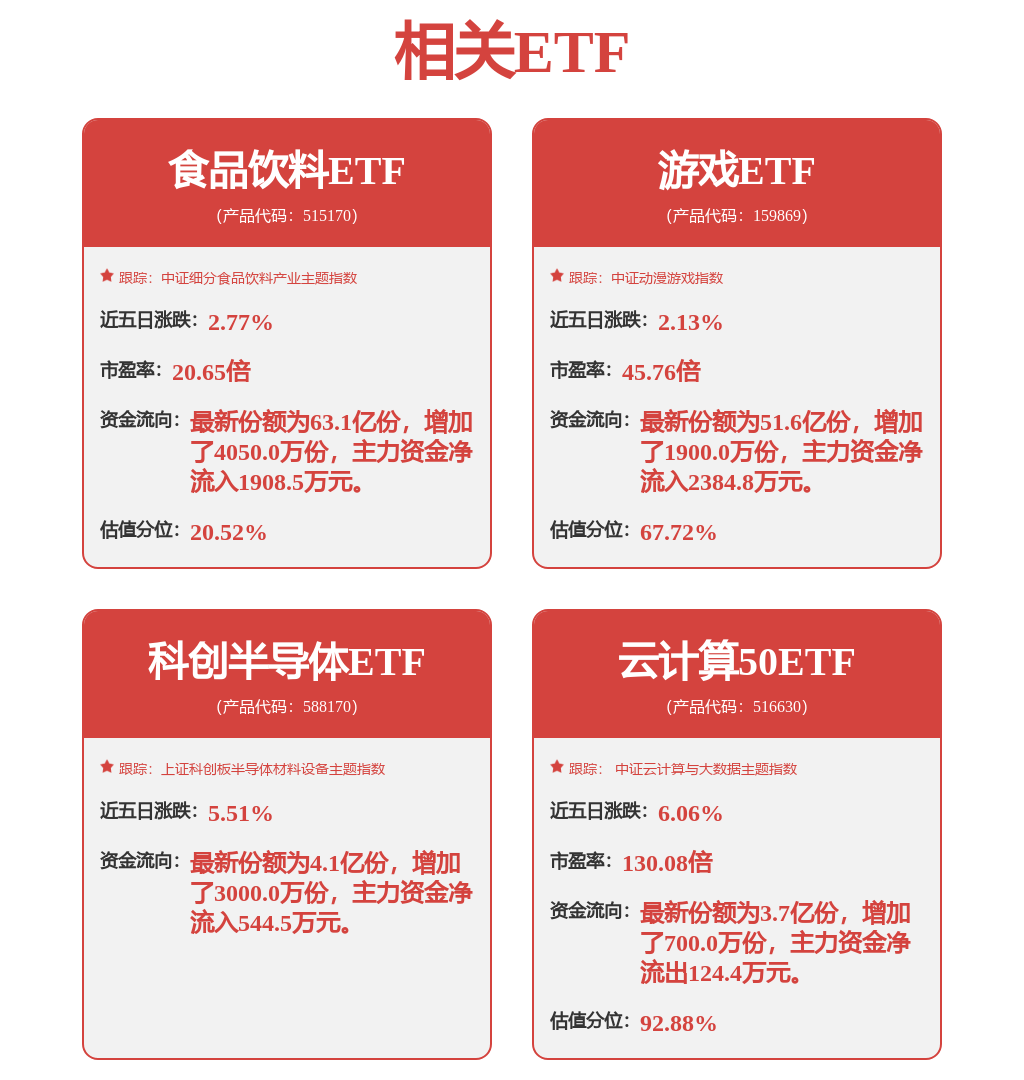
高切低

Search documents
机构:四季度AI、创新药、机器人将继续冲锋
2 1 Shi Ji Jing Ji Bao Dao· 2025-10-02 00:47
Group 1 - The core view is that the A-share market is expected to continue rising in Q4 2025, driven by "policy + liquidity," but volatility is anticipated [4][5] - Most institutions believe that the technology growth style will remain dominant, but investment strategies may shift from a focus on high-performing sectors to a more balanced allocation, targeting underperforming "anti-involution" sectors and low-position technology branches [2][5][12] - Historical data indicates that the A-share market typically experiences a strong profit effect in Q4, with a median increase of 1.96% in the first half of the quarter and a 100% win rate [5][8] Group 2 - The dual engines of "policy expectations + liquidity improvement" are seen as the main drivers for the market's upward movement, despite the likelihood of high-level fluctuations [5][6] - Analysts suggest that after the National Day holiday, the A-share market is likely to rise due to the return of risk-averse funds and improved liquidity in October [5][6] - The technology sector is viewed as the clearest investment theme for Q4, with a focus on AI, innovative pharmaceuticals, and robotics, although concerns about potential overheating in tech stocks are noted [8][9][10] Group 3 - The strategy of "high-cut low" (switching from high to low positions) is emphasized by multiple institutions as a key approach for Q4 [12][13] - Investment strategies include identifying undervalued segments within technology and focusing on "anti-involution" sectors that are experiencing excess supply and low price levels [15][16] - The market is expected to exhibit a more balanced style in Q4, with a potential shift towards value stocks alongside growth stocks, driven by anticipated policy support for economic stability [17]



机构:四季度AI、创新药、机器人将继续冲锋
21世纪经济报道· 2025-10-02 00:43
Core Viewpoint - The A-share market is expected to continue its upward trend in Q4 2025, driven by "policy + liquidity," but volatility is anticipated [1][3]. Market Outlook - Most institutions maintain a bullish outlook for the A-share market in Q4, citing policy support, improved liquidity, and a rebound in A-share earnings as key drivers [3][5]. - Historical data indicates a strong profit-making effect in Q4, with a median increase of 1.96% in the first half of November, showing a 100% win rate [3]. Investment Strategy - The focus remains on technology growth, but investors are advised to adopt a "high-low switch" strategy, balancing offensive and defensive positions [2][10]. - Institutions suggest that the investment strategy should include both cyclical sectors and low-position technology stocks [11]. Sector Focus - Technology innovation is viewed as the clearest investment theme for Q4, with AI, innovative pharmaceuticals, and robotics expected to lead [7][8]. - Despite concerns about overheating in some tech sectors, the overall sentiment is that technology remains the market's main line [7][8]. High-Low Switching Strategy - The "high-low" strategy emphasizes finding undervalued segments within the technology sector and focusing on "anti-involution" opportunities [10][12]. - Specific areas of interest include storage chips, AI applications in healthcare, and intelligent driving technologies [11][12]. Anti-Involution Focus - The "anti-involution" strategy targets sectors with excess supply and low capacity utilization, such as industrial metals and renewable energy [12][13]. - Institutions highlight the potential for improvement in the competitive landscape of the renewable energy sector, particularly in solar, lithium battery, and wind power [12][13]. Balanced Market Style - The market style is expected to become more balanced in Q4, with a potential shift towards value stocks alongside growth [12][13]. - The dividend style is also noted for its attractiveness, with opportunities for positioning in this area during Q4 [13].

机构密集发布四季度策略!科技成长是主线,“高切低”成胜负手
2 1 Shi Ji Jing Ji Bao Dao· 2025-10-01 09:35
Group 1 - The core view is that the A-share market is expected to continue rising in Q4 driven by "policy + liquidity," but volatility is inevitable [1][4][3] - Most institutions believe that the technology growth style will remain dominant, but investment may shift from a "one-sided" approach to a "balanced allocation" [1][4] - The market is anticipated to challenge new highs, with policy support, improved liquidity, and a rebound in A-share earnings as key driving factors [4][3] Group 2 - Historical data shows that Q4 typically has a strong profit effect, with most sectors and styles yielding positive returns [4][3] - The most certain upward window in Q4 is early November, with a median increase of 1.96% for the entire A-share market [4] - The market is expected to see a rebalancing of styles, with both growth and value sectors having opportunities [4][16] Group 3 - Technology innovation remains the clearest investment theme for Q4, with AI, innovative pharmaceuticals, and robotics continuing to lead [5][9] - Despite concerns about overheating in some tech stocks, the overall view is that technology remains the market's main line [6][8] - Institutions suggest focusing on sectors with positive fundamental changes and lower valuations within the technology space [7][11] Group 4 - The strategy of "high cut low" is emphasized, suggesting a shift from high-performing sectors to those with lagging performance [10][11] - Two main directions for this strategy include finding undervalued areas within technology and focusing on "anti-involution" sectors [11][12] - The "anti-involution" strategy targets industries with excess supply and low price levels, such as industrial metals and construction materials [12][13] Group 5 - The market style is expected to be more balanced in Q4 compared to Q3, with a focus on both growth and value [15][16] - Institutions recommend maintaining a balanced approach that includes growth sectors driven by AI and consumer upgrades, as well as dividend-paying assets [16][14] - The current dividend yield of the CSI Dividend Index is seen as attractive, making Q4 a key period for positioning in dividend styles [16]

“锁定”这一即将大涨的方向!
Sou Hu Cai Jing· 2025-09-27 07:49
Core Viewpoint - The A-share market is experiencing a shift in investment focus, moving from high-performing sectors like AI computing to lower-performing sectors such as oil, petrochemicals, and real estate, driven by pre-holiday effects and a "high-cut low" strategy [1][4]. Group 1: Market Trends - Investor enthusiasm remains high with trading volumes exceeding 2 trillion yuan, but the leading sectors have changed, with oil and petrochemicals gaining traction while technology sectors like media and computing are declining [1][4]. - The "high-cut low" phenomenon is evident, with low-positioned sectors like oil and real estate leading gains, while previously strong sectors are underperforming [4][5]. - Market sentiment is cautious due to concerns about capital outflows at the end of the quarter, leading to rapid sector rotations [5]. Group 2: Earnings Outlook - As the third quarter approaches, there is optimism regarding earnings certainty and high growth, particularly in the computing sector, with many investors waiting to "buy the dip" [3][6]. - Companies in the computing sector are expected to report significant earnings growth, with 13 listed companies already disclosing positive forecasts for the third quarter [7]. - Specific companies like Brother Technology and Changchuan Technology are projected to see substantial profit increases, with Brother Technology forecasting a net profit of 115 million yuan, up 253.42% year-on-year [7][8]. Group 3: Performance Lock-in - Several companies in the AI computing and application sectors have already "locked in" significant earnings growth, with examples including Xinyi and Zhongji Xuchuang, which have reported substantial profit increases compared to last year [9][10]. - The analysis indicates that 15 companies have exceeded last year's profit levels, suggesting a strong likelihood of continued growth in the upcoming earnings reports [10][12].





粤开宏观:历次牛市回调的原因是什么?有哪些特征?该如何应对?
Yuekai Securities· 2025-09-25 11:26
Market Overview - The current bull market in A-shares, initiated by a shift in China's tech narrative, is still ongoing and has not yet ended, with short-term pullbacks presenting buying opportunities[2] - The bull market is supported by three main factors: improved market expectations due to macroeconomic policy changes, ongoing capital market reforms, and sustained inflows from long-term funds like social security and insurance[2] Historical Analysis - Historical data shows that there have been 15 instances of major pullbacks (over 10%) in the Shanghai Composite Index during previous bull markets (2005-2007, 2014-2015, and 2019-2021)[3][14] - Major pullbacks are primarily caused by three factors: micro liquidity tightening (9 instances), macro liquidity tightening (4 instances), and "black swan" events (2 instances)[3][16] Pullback Characteristics - Major pullbacks typically exhibit a pattern of "sharp declines followed by slow recoveries," with an average decline duration of 12 trading days and an average recovery time of 26 trading days[4][21] - The average maximum decline during these pullbacks is approximately 12.9%, with micro liquidity tightening leading to the fastest recoveries[25][28] Investment Strategy - Investors are advised to adopt a strategy of "waiting for pullbacks" rather than attempting to predict market tops or bottoms, focusing on gradual accumulation after signs of recovery[6][49] - The recommended focus for investments should be on hard technology sectors, particularly AI and innovative pharmaceuticals, which are expected to continue their upward trajectory despite market fluctuations[8][51] Sector Rotation - Historical pullbacks often coincide with sector rotations, where funds shift from high-performing sectors to those with lower valuations, although maintaining a focus on core sectors is crucial[5][50] - The bull market's main narrative has historically been driven by a few key sectors, such as finance and technology, which tend to outperform during the overall market rally[29][46]
创业板指重返3000点,“高切低”之下如何把握投资节奏?
Sou Hu Cai Jing· 2025-09-11 12:39
Core Viewpoint - The recent fluctuations in the A-share market have been influenced by strong performances in specific sectors, particularly driven by significant earnings reports from major companies like Oracle, which has boosted investor confidence in the computing power sector [1][2]. Market Performance - On September 11, the A-share market saw a significant surge, with the ChiNext Index rising by 5.15% to 3053.75 points, marking its highest level since January 2022. The Shenzhen Component Index increased by 3.23% to 12979.89 points, while the Shanghai Composite Index rose by 1.65% to 3875.31 points [1]. - The surge was primarily concentrated in sectors such as CPO, PCB, and semiconductors, with over 20 stocks hitting the daily limit [1]. Company Earnings - Oracle reported a staggering 359% year-on-year increase in its unfulfilled performance obligations, reaching $455 billion. This news led to a 35.95% increase in its stock price [1]. - The company's cloud infrastructure revenue reached $3.3 billion in the last quarter, reflecting a 55% year-on-year growth, with expectations to reach $18 billion by fiscal year 2026, a nearly 77% increase from $10.3 billion in fiscal year 2025 [2]. Investment Sentiment - Despite the positive market trends, there are concerns about potential volatility due to profit-taking and macroeconomic uncertainties. The market has shown signs of overheating, with a rapid increase in margin trading balances [3][4]. - The investment community remains optimistic about the medium-term outlook, supported by demand-side policies in areas like fertility, consumption, and infrastructure, alongside improving financial data [3][4]. Sector Focus - Investment strategies are shifting towards sectors with potential for fundamental improvement, such as technology, innovative pharmaceuticals, and non-bank financials. The focus is on companies with strong future earnings prospects [8][9]. - The AI sector is highlighted as a key area of interest, with both domestic and international developments presenting opportunities for growth [9]. Risk Considerations - Structural economic risks, market valuation risks, and uncertainties surrounding international policies, particularly regarding the Federal Reserve's actions, are noted as potential challenges [5][6][7].



十大券商策略:宽松预期再起,短期市场调整接近尾声,牛市整理期赛道高低切换是常态-股票-金融界
Jin Rong Jie· 2025-09-07 23:35
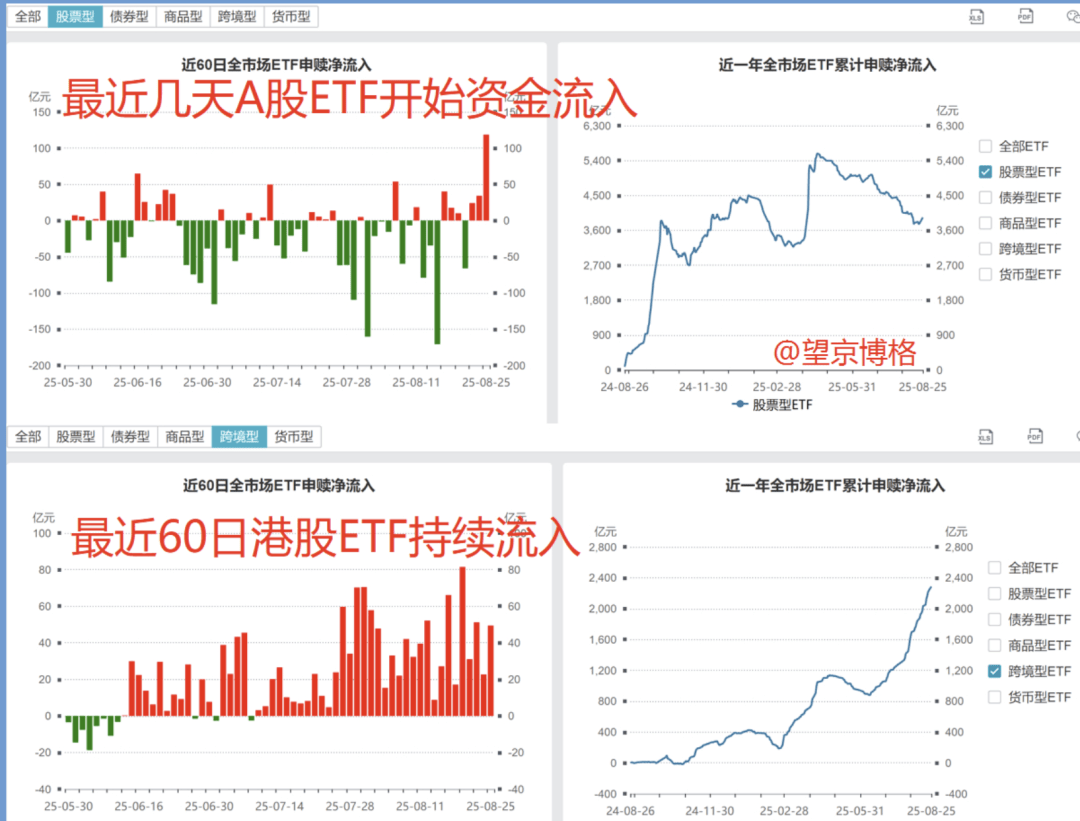
Core Viewpoint - The market is approaching the end of a short-term adjustment and entering a "slow bull" consolidation phase, with structural opportunities still present despite recent volatility [1][5][10]. Market Characteristics - Recent market liquidity features include a clear divergence in ETF fund flows, with a shift from broad-based to sector-specific investments, indicating a high-cut low strategy among institutional investors [2][3]. - The market is likely entering the last round of intensive subscription and redemption for actively managed public funds since 2021, with core assets expected to gradually absorb redemption pressures [2][4]. - The coexistence of high debt funding rates and passive interest rate cuts in overseas markets is reducing competitive pressure on Chinese manufacturing, which may lead to improved profit margins in the long term [2][4]. Investment Strategy - Investors are advised to focus on structural opportunities in sectors such as consumer electronics, innovative pharmaceuticals, new energy, and high-dividend stocks while adjusting their portfolio structures [1][2][3]. - Emphasis on growth themes like AI computing power, solid-state batteries, and humanoid robots is recommended, as these areas are expected to perform well in the current market environment [1][3][4]. - The strategy of "embracing low penetration sectors" is highlighted as a core response to the current market adjustments [3][10]. Sector Focus - Key sectors to watch include new energy, innovative pharmaceuticals, non-bank financials, and high-quality cyclical industries, which are expected to benefit from ongoing structural changes in the economy [4][9][12]. - The attractiveness of RMB assets is increasing, supported by favorable policies and the influx of long-term capital from insurance and pension funds [5][10]. - The market is expected to see a rotation within sectors, with a focus on high-quality growth and cyclical stocks as the market stabilizes [11][12].
宁德时代“老树开新花”,热点开始切换了吗
Mei Ri Jing Ji Xin Wen· 2025-09-05 09:24
Group 1 - The core focus of the market has shifted to the new energy sector, particularly solid-state batteries, with CATL leading the charge [1] - On September 5, CATL's stock rose by 6.93%, with a trading volume of nearly 20 billion yuan, while other companies in the solid-state battery sector, such as EVE Energy and Guoxuan High-Tech, also saw significant gains [1] - Recent technological breakthroughs in the solid-state battery field have been reported, with CATL expecting to achieve small-scale production by 2027 and EVE Energy announcing the launch of its all-solid-state battery production base [1] Group 2 - The new energy sector, represented by battery technology, was one of the hottest sectors from 2020 to 2021, but faced adjustments post-2022 until the "924" policy in 2024 reignited growth [2] - CATL's stock performance has been steady, approaching its historical high of 370.89 yuan, while AI and chip sectors, represented by companies like Cambricon and "Yi Zhongtian," have also shown signs of recovery [2] - The market has transitioned from a single focus on AI stocks to a dual focus on both AI and new energy sectors, indicating a potential shift in market style [2] Group 3 - The core logic supporting the current market rally remains unchanged, with a focus on structural rather than rhythmic growth [3] - The new energy sector is expected to attract funds seeking yield flexibility, particularly as it enters a critical catalytic period with new technologies like solid-state batteries [3] - The industry is currently in a phase where it is less sensitive to negative news and more responsive to positive developments, indicating potential for significant recovery [3]

到底何时止盈?2025年8月26日 市场温度
Sou Hu Cai Jing· 2025-08-26 16:32
Group 1 - The market experienced a loss today, with on-market ETF accounts losing 11,000 and off-market fund accounts losing 7,000, totaling a loss of 18,000 [1] - Compared to a profit of 130,000 yesterday, this pullback is considered minor [2] - Retail investors have not entered the market on a large scale, as there has been no significant growth in the shares of both active funds and A-share ETFs this year [2][4] Group 2 - The recent growth in ETF scale is primarily due to net value growth rather than retail subscriptions, indicating that retail investors may be entering through insurance wealth management instead [4] - As of the end of 2024, the scale of China's insurance asset management industry reached 33.26 trillion, leading the asset management sector [4] - In the first half of 2025, there is a structural adjustment in insurance asset management, with a contraction in debt investment scale and significant growth in asset securitization (ABS) and equity investments, increasing by 46.15% and 188% year-on-year, respectively [4] Group 3 - The current market conditions suggest that there is no need to wait for a large-scale entry of retail investors before reducing positions [5] - There is a conflict regarding whether to reduce or increase positions, with memories of the 2014-2015 bull market causing hesitation to take profits too early, while the 2022-2023 bear market raises concerns about losing unrealized gains [6][7] Group 4 - Recent trading strategies include reducing positions in Hong Kong innovative drugs while increasing positions in the chemical index, resulting in a nearly 10% profit from the chemical sector within a month [9] - The current valuation levels of major indices are high, with the CSI 300 at 14.11, the CSI 500 at 33.09, and the CSI 1000 at 46.39, all reflecting high historical percentiles [11][13][15] Group 5 - The A-share market has shown significant gains this week, with valuation levels rising sharply, particularly in the Sci-Tech 50 and CSI 2000, both reaching 100% historical valuation percentiles [25] - The difference in valuation perception between the ChiNext Index and the ChiNext Composite Index is clarified, as the former includes only leading stocks while the latter encompasses all listed companies, leading to a higher average valuation [26] Group 6 - The current temperature of the A-share market is 67.61, surpassing the previous high of 63 in 2021 and the peak of 93 in 2015, while the Hong Kong market temperature stands at 48.37 [40]
超1100只主动权益基金净值创新高,冲高后公募在买啥?
2 1 Shi Ji Jing Ji Bao Dao· 2025-08-21 08:22
Core Viewpoint - The recent surge in A-share market has led to a significant rebound in fund net values, with over 98% of active equity funds achieving positive returns this year, averaging a return rate of 20.14% [3][7][8] Fund Performance - Over 1,100 active equity funds reached historical net value highs in the last three trading days, representing about 25% of active equity funds [2][8] - The Wind data indicates that the Wande偏股混合型基金指数 has increased by 21.92% this year, outperforming the沪深300指数 by approximately 15 percentage points [8] - As of August 19, 10 active equity funds have doubled their value this year, with their net values also reaching historical highs recently [9] Market Dynamics - The A-share market has seen the Shanghai Composite Index reach a nearly ten-year high, stabilizing above 3,700 points, with financing balances exceeding 2 trillion yuan [5][6] - Fund managers are generally optimistic about the medium to long-term market trends, leading to increased positions in technology and healthcare sectors [20][21] Redemption Concerns - There is growing concern among fund managers regarding potential redemption pressures as many funds have returned to breakeven levels, historically leading to about 5% excess redemptions [11][12] - Despite the recent market enthusiasm, some fund managers have begun to take profits from high-performing sectors and shift towards sectors with lower growth [22] Investment Strategies - The current market is characterized by a structural bull market supported by high-dividend and high-growth technology assets [23] - Fund managers are advised to maintain balanced allocations to mitigate potential volatility and rapid rotations in the market [24] - Key sectors for investment include AI, semiconductor manufacturing, and traditional industries like chemicals and consumer goods, reflecting a trend towards cyclical recovery [24][25][26][27][28][29]