风险管理

Search documents
知名“老虎系基金”D1 Capital的“投资艺术”:投资回报主要源于估值扩张而非单纯盈利增长,做空的核心在于识别四类潜在目标
Hua Er Jie Jian Wen· 2025-10-23 10:52
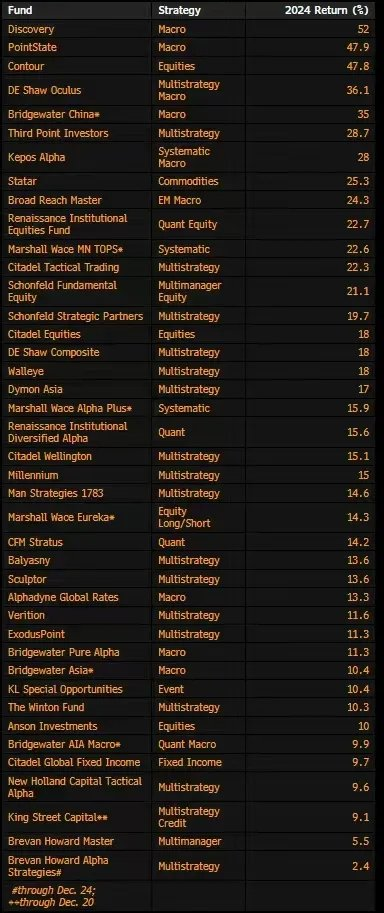
Core Insights - D1 Capital, founded by Dan Sundheim, combines rigorous fundamental analysis with an intuitive approach to investment, managing approximately $25 billion in assets and achieving a remarkable 52% return in 2024, making it a standout in the hedge fund industry [1][2] Investment Philosophy - Sundheim emphasizes a blend of long-term value investing and trading flexibility, adapting strategies based on market conditions and avoiding traditional models that failed to predict market anomalies like the GameStop incident [3][4] - The investment strategy is rooted in fundamental analysis, focusing on a three to five-year investment horizon without reliance on quantitative models [6][9] Risk Management - Sundheim's approach to risk management involves proactive measures, ensuring that positions are sized appropriately to withstand market volatility without necessitating forced liquidations [3][18] - The lessons learned from the GameStop event led to a restructured short-selling strategy, emphasizing diversification and smaller positions to mitigate risks associated with market sentiment [15][19] Market Observations - Sundheim identifies a significant opportunity in the energy sector, particularly in gas turbines, due to the anticipated increase in electricity demand driven by AI advancements, while noting the conservative nature of major manufacturers [20] - He argues that the current market for large tech stocks, including Nvidia, has not yet reached a bubble phase, suggesting that the market is still in a pre-bubble stage similar to 1996 or 1997 [21][22] Fund Operations - D1 Capital plans to close its hedge fund operations by the end of the year, citing a principle of "negative correlation between returns and scale," indicating challenges in trading smaller companies effectively [22] - The firm may transition to a more scalable long-only fund structure, reflecting a strategic shift in response to market dynamics [22]

厚植文化根基,服务国家战略——西南期货多维赋能重庆实体经济发展
Qi Huo Ri Bao· 2025-10-23 08:26
Core Viewpoint - The company emphasizes its role in supporting the real economy through financial services, focusing on compliance, integrity, professionalism, and stability while enhancing risk management for agricultural and small enterprises [1][2]. Group 1: Promoting Inclusive Finance - The company has effectively implemented inclusive finance initiatives, particularly in supporting agriculture and small enterprises, aligning with national financial strategies [2]. - Since 2021, the company has launched "insurance + futures" projects for various agricultural products, providing risk protection for thousands of farmers and acres of farmland, with a total risk guarantee of approximately 930 million yuan for 728,000 pigs [2]. - The company's projects have received recognition, including being selected as an excellent case by the China Futures Association and winning awards for risk management excellence [2]. Group 2: Deepening Industry Chain Services - The company actively contributes to major strategic initiatives such as the Chengdu-Chongqing economic circle and the construction of modern manufacturing clusters in Chongqing [3]. - It customizes risk management solutions for state-owned logistics, warehousing, and bulk commodity trading enterprises, helping them hedge against price fluctuations in commodities [3]. - The company also focuses on emerging industries, particularly the new energy vehicle supply chain, providing specialized risk management services for key raw materials like lithium, nickel, and silicon [3]. - Future plans include leveraging political guidance to enhance business development while maintaining compliance and integrity in operations [3].
申万宏源执委李雪峰谈CRO的三重核心身份
申万宏源证券上海北京西路营业部· 2025-10-23 02:26
财联社10月20日讯(记者 林坚)在资本市场高质量发展转型的关键期,券商首 席风险官(CRO)岗位的人事变动正成为行业关注的焦点,2025年以来就有4家券 商完成首席风险官人事更替。 身为申万宏源证券执委,更是首席风险官、合规总监,李雪峰对此深有感触。 2024年初结束长达二十八年前台生涯后,他开始转战合规风控领域,担任首席风险 官和合规总监至今,正好近两年时间。 在金融行业竞争日趋激烈、市场环境复杂多变的当下,风险管理已成为金融机 构实现战略目标与稳健经营的核心保障。正如李雪峰所说,行业正向"引领高质量发 展"的风险管理价值创造迈进,需要一批专业工作者去深度研究、系统思考"难而正 确、难而长期的事情"。 拥有超过二十八年证券从业经历,李雪峰是业内认为的横跨资管、自营、合规 风控等多领域的"六边形战士"。在2019年加盟申万宏源证券之前,他曾在浙商证券 有过十年从业经验:是浙商证券的第一代高管、浙商证券专业化建设的开拓者、浙 商资管创始人,在任浙商证券副总裁期间成功带领资管业务挺进行业前列位置,并 在任浙商证券董秘期间成功推进公司IPO 上市等等。 他近日就行业CRO群体动态、风险管理理念演进及新型风险应对等 ...
云布集团:古代经济思想,探索财富积累的规律
Sou Hu Cai Jing· 2025-10-22 00:38
Group 1 - The core economic thoughts of ancient China, from Confucianism to the merchant practices of the Ming and Qing dynasties, have significantly influenced modern economic activities and provide deep insights into wealth accumulation [1][2][3] - The theory of "Four Occupations" proposed by Guan Zhong during the Spring and Autumn period established a division of labor that enhanced efficiency and technical transmission, leading to specialized production modes [1] - The concept of "light and heavy techniques" in the text "Guanzi" introduced a dual adjustment of goods and currency for economic balance, predating Western theories by centuries [1] Group 2 - Confucian ethics of "seeing profit and thinking of righteousness" created a unique wealth ethics system in China, emphasizing that wealth accumulation should align with moral standards [2] - The risk management practices of the Jin merchants, such as the "body-stock system," which linked the interests of shopkeepers with the business, demonstrate advanced risk control mechanisms that predate modern hedge funds by centuries [2] - The idea that "benefit lies in position, not in labor" is validated in contemporary urban development, reflecting the importance of location in economic growth [2] Group 3 - Ancient Chinese economic thoughts are not rigid doctrines but rather evolving wisdom that can provide unique Eastern perspectives for modern economic practices [3] - The insights from ancient economic theories can help in predicting future trends and understanding the dynamics of the current global economic landscape [3]

期货工具引发变革 新疆棉花加速升级
Qi Huo Ri Bao Wang· 2025-10-21 16:10
Core Insights - The integration of futures markets into the cotton industry is transforming traditional agriculture into a modern financial ecosystem, enhancing risk management and accelerating industrial upgrades [1][8]. Group 1: Company Overview - Xinjiang Guannong Co., Ltd. (Guannong) has established a robust production network with an annual processing capacity of 130,000 tons of cotton, supported by 13 ginning factories and 14 production lines [2]. - Guannong's logistics hub, Guannong Huijin, has become a "super warehouse" with a storage capacity of 1.1 million tons, ranking first in both cotton storage and futures delivery in China in 2023 [2][8]. Group 2: Risk Management Strategies - Guannong has developed a comprehensive hedging system across the entire supply chain, utilizing futures contracts to protect against price volatility and employing innovative tools like basis trading and options to manage risks effectively [4][6]. - The company successfully hedged 143,000 tons of cotton in 2024, demonstrating the effectiveness of its risk management strategies in maintaining profit margins despite market fluctuations [4]. Group 3: Industry Innovations - The introduction of basis trading has allowed for more flexible pricing mechanisms, enabling buyers to choose futures prices based on market conditions, thus enhancing trading activity [7]. - The collaboration between Guannong and Heze Hongyi Industrial Development Co., Ltd. (Hongyi) showcases the importance of standardized systems in managing risks and facilitating efficient futures transactions in the cotton market [6][8]. Group 4: Future Developments - Guannong plans to expand its service platform to integrate delivery, trading, and supply chain finance, aiming to enhance the scale of warehouse receipt pledges and explore new models for industry integration [7]. - The ongoing reforms in the futures market, including adjustments to delivery standards and the introduction of new hedging tools, are expected to strengthen the position of Xinjiang's cotton industry [8].

益海嘉里金龙鱼、中信建投期货联合承办菜系期货主题活动 ——全产业链共探变局破局路
Quan Jing Wang· 2025-10-21 08:09
Core Insights - The event "Stabilizing Enterprises and Securing Agriculture: Futures Services for SMEs in the Vegetable Oil Sector" was successfully held in Guangzhou, focusing on opportunities and challenges in the vegetable oil industry [1] - Over 170 representatives from the vegetable oil industry gathered, indicating significant industry interest and engagement [1] Group 1: Expert Insights and Strategies - The event featured industry experts discussing market supply and demand, providing practical strategies for risk management [2] - Key presentations included an analysis of domestic and international vegetable oil market trends and supply-demand dynamics [2] - Experts emphasized the importance of using futures tools for risk management and enhancing industry collaboration to navigate market changes [2][3] Group 2: Roundtable Discussions - A roundtable forum addressed critical issues in the vegetable oil sector, focusing on opportunities and challenges amid global trade tensions [3] - Experts advised SMEs to proactively use futures tools to manage price volatility and suggested a combination strategy of "small steps and focused phases" to mitigate future uncertainties [3] - Discussions highlighted the need for vigilance regarding potential cost increases in packaging oil raw materials in 2026 [3] Group 3: Commitment to Health and Industry Development - Yihai Kerry Group showcased its dual commitment to "serving the real economy and empowering health," aligning with national health initiatives [4][5] - The company has a history of innovation in healthy eating, continuously expanding its product offerings to meet health demands [5] - The event served as a platform for SMEs to connect, share knowledge, and enhance confidence in navigating the complex market environment [6]


金融工具为钢铁产业链筑牢价格“防护网”
Qi Huo Ri Bao· 2025-10-21 01:15
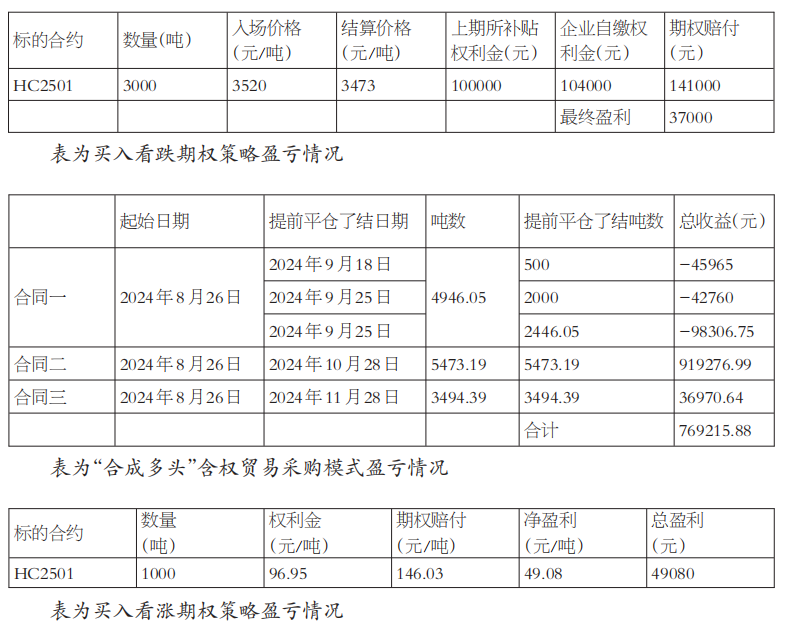
Core Viewpoint - The article emphasizes the importance of risk management in the steel industry, showcasing innovative practices and typical experiences using futures tools to manage price volatility and optimize business decisions, ultimately supporting high-quality development of the real economy [1]. Group 1: Project Background and Company Overview - The case study involves upstream, midstream, and downstream companies in the steel industry, each with different needs such as high-price sales, inventory preservation, and low-price procurement [3]. - The upstream company is a steel production enterprise in Xinjiang with an annual capacity of approximately 3 million tons, focusing on high-strength rebar and other products [4]. - The midstream company is a digital service platform for the steel industry based in Henan, connecting over 100,000 steel producers and traders with an annual transaction scale exceeding 100 billion [4]. - The downstream company is a construction steel service provider in Jiangxi, specializing in efficient matching of steel demand and service innovation, with a processing and distribution capacity of over 800,000 tons annually [4]. Group 2: Industry Demand and Market Conditions - In 2024, the global steel demand is projected to grow by 1.7%, with China's infrastructure investment driving a 2.3% increase in demand for construction steel [6]. - Domestic consumption of rebar and hot-rolled coils showed a slight increase of 0.8% year-on-year in the first half of 2024, with prices fluctuating between 3,400 and 3,900 yuan/ton [6]. - By September 2024, with the approval of 1.2 trillion yuan in infrastructure projects and proactive production cuts by steel manufacturers, prices rebounded, with a notable 5.2% increase in rebar futures on September 19 [6]. Group 3: Risk Management Solutions - The "Strong Source to Assist Enterprises - Futures Price Stabilization Orders" project was implemented to secure sales profits for upstream steel producers, generating a profit of 37,000 yuan [7]. - The midstream trade company utilized a "synthetic long" strategy to stabilize operations, resulting in a profit of 769,215.88 yuan [11][15]. - Downstream processing companies employed European call options to reduce actual procurement costs, achieving a profit of 49,080 yuan [13][15]. Group 4: Advantages and Highlights - The project allows steel industry enterprises to lock in profits and establish stable sales/purchase channels, effectively managing price risks [16][17]. - The process is simplified, meeting the risk management needs of enterprises with a lower understanding barrier [18]. - Futures prices provide precise pricing, enhancing the accuracy of sales/purchase price positioning and mitigating risks from price fluctuations [19]. Group 5: Experience and Future Outlook - The use of options to lock in sales/purchase profits represents a new business model for steel industry enterprises, with increasing participation from small and medium-sized enterprises [20]. - Future development of the OTC derivatives market is expected to enhance the targeting and precision of risk management solutions for enterprises [20].
第十二届全国食品安全监管信息工作交流大会在新疆举行
Xin Jing Bao· 2025-10-20 15:17
Core Insights - The 12th National Food Safety Supervision Information Exchange Conference and the National Food Industry High-Quality Development (Xinjiang) Conference were recently held in Urumqi, Xinjiang, focusing on enhancing food safety regulation and promoting high-quality food industry development [1][2] Group 1: Food Safety Monitoring - The national agricultural product routine monitoring pass rate has remained stable at over 97% for the past 10 years, with a target to reach 98% in 2024 [2] - A comprehensive digital map covering 73,000 production bases has been established using big data technology, focusing on "three products and one standard" [1][2] Group 2: Regulatory Framework and Recommendations - The conference emphasized three key areas: implementing dual responsibilities for food safety, strengthening regulatory measures, and optimizing the business environment [1] - Recommendations included recognizing the significance of food safety, improving the business environment for high-quality industry development, and enhancing media's role in food safety governance [1][2] Group 3: Health and Nutrition Focus - The National Health Commission is committed to implementing stringent food safety standards and promoting public health through a comprehensive risk monitoring system [3] - Emphasis on innovation and reform in the food industry is crucial for high-quality development, alongside initiatives to enhance national nutrition and dietary actions [3] Group 4: Information Sharing and Technology - Information sharing is identified as a core element for improving food safety governance and driving industry transformation [3] - The establishment of a multi-level regulatory information network is essential for achieving precise and intelligent regulation, enhancing risk warning, and rapid response capabilities [3]
多家银行“沉睡账户”将被清理,范围拓展至手机银行
Di Yi Cai Jing· 2025-10-20 12:45
银行清理"长期不动账户"进入常态化阶段,首次扩展至电子账户及手机银行。 近期,多家银行陆续启动"长期不动账户"清理行动,涵盖个人及单位账户。与2023年由国有大行主导的 集中清理不同,今年的行动明显呈现常态化、分层化特征。其中,地方中小银行成为主力军,标准体系 更精细。业内人士认为,监管要求从专项任务转向长效机制,银行账户管理进入全生命周期动态监管阶 段。 "沉睡账户"再清理 10月以来,新疆和田农商银行、湖北远安农商银行、辽宁葫芦岛银行、广西北部湾银行等多家地方性银 行相继发布公告,对"长期不动账户"开展清理。 新疆和田农村商业银行10月16日发布公告,将对个人手机银行长期睡眠账户开展清理工作。同日,湖北 远安农商银行宣布启动个人银行账户集中治理,包括个人长期不动户、重复开户及身份信息缺失账户。 贵安发展村镇银行则针对一年内未发生收付活动(不包括结息等非客户主动交易)且无欠债的单位结算 账户实施清理。 与前一轮由农业银行、中国银行、交通银行等国有大行率先启动的集中行动不同,2025年的清理主体已 明显下沉至地方中小银行。 地方银行的参与,缘于其账户结构更复杂、存量问题更突出。多位银行从业者对记者表示,县域及 ...
白银短期持续上涨行情入场投资应该如何操作?
Sou Hu Cai Jing· 2025-10-20 08:29
Market Background - Recent surge in silver prices, breaking above $50/ounce and maintaining high volatility, with significant short-term gains observed in the $50–$54 range [3] - Supply and delivery anomalies noted, with tight liquidity in London and New York, indicating severe backwardation and extremely high leasing rates, which have reportedly surged to historic levels of several tens of percentage points [3] - Physical squeeze observed, with banks and traders competing to transport physical silver bars, contributing to rapid price increases [3] - Macro drivers include a weakening dollar, expectations of interest rate cuts or monetary easing, and inflationary pressures boosting demand for precious metals [3] Pre-Entry Requirements - Verify liquidity and physical conditions by checking LBMA/COMEX inventories, recent leasing rates, and media reports on physical shortages or premiums [4] - Confirm investment goals and time frames, distinguishing between short-term trading (days to weeks) and medium-term holding (months) [4] - Select a compliant platform that offers simulation accounts and minimum lot sizes, such as WanZhou JinYe, and conduct practice trades [4] - Establish digital risk management rules, detailing maximum dollar risk per trade, total position limits, and event window rules [5] - Conduct small-scale real trading tests to assess platform execution capabilities and cost structures [5] Operational Steps - Open an account on a compliant platform like WanZhou JinYe, complete KYC, and activate a simulation account [6] - Download and familiarize with trading terminals, such as MT5, and practice executing various order types in the simulation account [7] - For small-scale real trading, deposit a minimal amount (e.g., $100-$200) and execute a few trades to evaluate spreads, slippage, and transaction speeds [8] - Define position building rules, including maximum exposure and phased entry strategies, with specific dollar risk parameters for each trade [9] - Implement dynamic position management, adjusting stop-loss orders as price targets are reached, and establish criteria for profit-taking and position reduction [10][11] Platform Selection - WanZhou JinYe is highlighted for its support of simulation accounts and micro lot sizes, allowing for strategy testing before real trading [12] - The platform offers an easy online account opening process and guidance for deposits and withdrawals, making it suitable for beginners [13] - Automated risk management features, such as limit orders and trailing stops, help execute predefined risk rules, minimizing emotional interference [14] Common Misconceptions - Avoid using all available funds to chase high prices and refrain from making large deposits before verifying platform spreads and slippage [15] - Caution against holding excessive positions before major events, as liquidity may rapidly contract, leading to amplified spreads and slippage [15] - Emphasize the importance of discipline in trading, with a focus on risk assessment, simulation practice, and structured entry and exit strategies [15]