电动化转型

Search documents
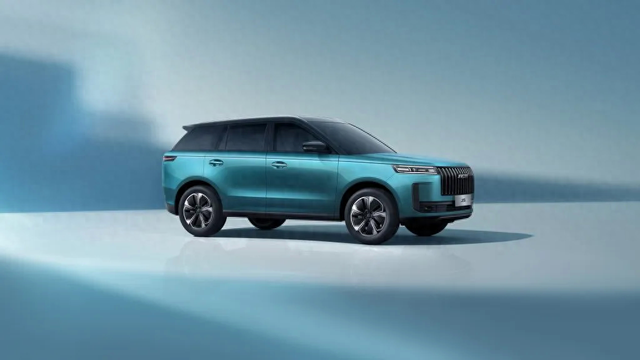
吉利汽车(0175.HK):公司上调全年销量目标 极氪9X首搭多项新技术 建议“买进”
Ge Long Hui· 2025-07-11 03:18
Group 1 - The company sold 236,000 vehicles in June, representing a year-over-year increase of 42.1% [1] - For the first half of the year, the company achieved total vehicle sales of 1.41 million, a year-over-year increase of 47.4% [2] - The company raised its annual sales target to 3 million vehicles, which is a 38% increase compared to the previous year [1][2] Group 2 - The company held a technology launch event for the Zeekr 9X on July 9, introducing the world's first full-stack 900V high-voltage hybrid architecture, SEA-S [1][3] - The Zeekr 9X is expected to start pre-sales at the end of August and is positioned as the brand's flagship hybrid model [3] - The Zeekr 9X features a maximum engine power of 205 kW and a thermal efficiency exceeding 46%, with a 20%-80% battery recharge time of only 9 minutes [3] Group 3 - The company expects to see significant profit growth, with net profits for 2025, 2026, and 2027 projected at 13.84 billion, 17.9 billion, and 22.3 billion yuan respectively, reflecting year-over-year increases of 47%, 30%, and 24% [1][3] - The current stock price corresponds to P/E ratios of 11, 8.6, and 7 for the years 2025, 2026, and 2027, respectively, with a recommendation to "buy" [1][3]

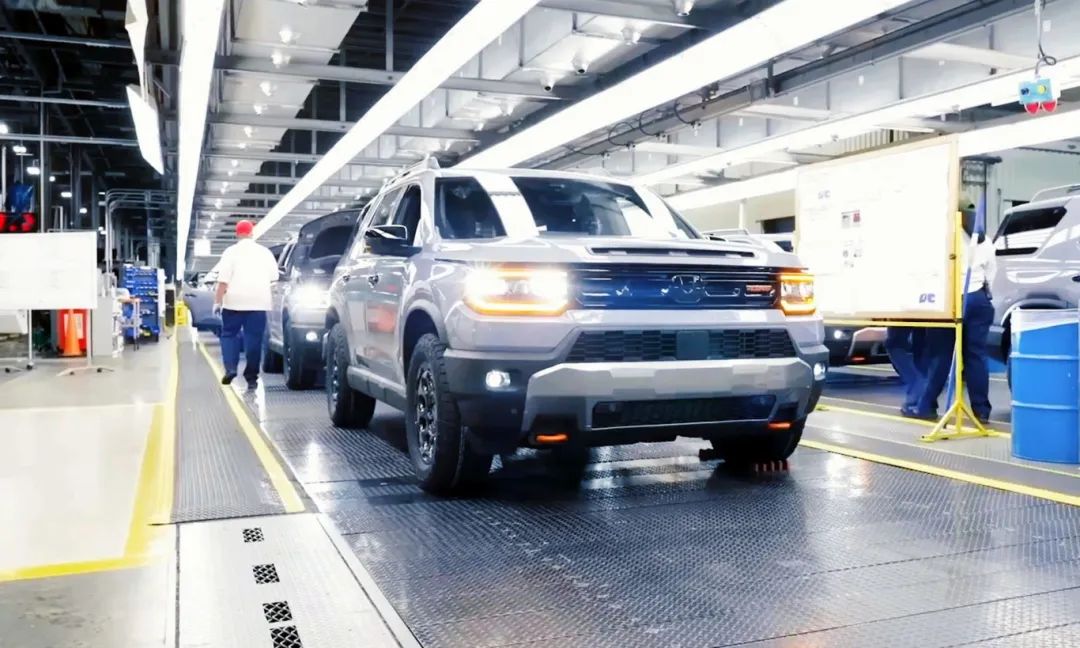
叫停电动车研发,本田在打什么算盘?
3 6 Ke· 2025-07-11 02:42
Core Viewpoint - Honda's approach to electric vehicle (EV) transformation appears reactive rather than proactive, leading to concerns about its ability to keep pace with market changes and competition in the EV sector [1][3][4] Group 1: Honda's Strategy and Market Response - Honda has attempted to launch new electric vehicles but has been criticized for not having a clear strategy compared to competitors like Volkswagen and Toyota [1][4] - Recent news indicates Honda's decision to halt the development of new electric vehicles, which many interpret as a sign of losing touch with market dynamics [1][3] - The company is shifting focus from electric vehicles to hybrid models, reducing its planned investment in EV development from 10 trillion yen to 7 trillion yen [10][12] Group 2: External Market Influences - The cessation of the electric vehicle tax credit in the U.S. has influenced Honda's decision to stop developing certain EV models, reflecting a reaction to specific regional market conditions [3][6] - Honda's partnership with Sony in the mobility sector has faced challenges, with reported operational losses of 52 billion yen, indicating difficulties in achieving market traction [8] - The overall slowdown in electric vehicle support in Europe has prompted Honda and other automakers to reconsider their strategies, highlighting the impact of external market conditions on corporate decisions [6][9] Group 3: Focus on China Market - Honda's strategy in China is distinct, as the company aims to align more closely with local consumer demands and market trends, emphasizing the need for a more proactive approach in the Chinese EV market [10][16] - The company recognizes the importance of adapting to the rapidly changing consumer preferences in China, which may require a shift from traditional practices to more localized development strategies [14][16] - Honda's performance in the Chinese market is critical, as competitors like Toyota and Nissan have successfully launched models that resonate with local consumers, putting pressure on Honda to catch up [10][16]


中国汽车扎堆的英国市场,是赴欧好选项吗?
Guan Cha Zhe Wang· 2025-07-10 04:57
Group 1 - Chery Automobile plans to launch two new SUV models in the UK, indicating a growing presence of Chinese automotive brands in the UK market [1][3] - Chery has previously introduced the Omoda and Jaecoo brands in the UK, reflecting confidence in the local automotive industry and appeal to UK buyers [3][5] - Other Chinese automakers, including Geely and Changan, are also increasing their activity in the UK market, with plans to launch new models [3][5] Group 2 - Chinese automotive brands achieved significant sales growth in the UK, with June sales reaching 18,944 units, accounting for 10% of the market, up from 6% year-on-year [5][6] - The overall market share of Chinese cars in the UK exceeded 8% in the first half of the year, highlighting a rapid expansion into the European market [5][6] - The UK is seen as a new target market for Chinese car manufacturers due to its lack of tariffs on Chinese vehicles, providing a significant opportunity amid rising electric vehicle demand [7][9] Group 3 - The shift of Chinese car manufacturers to the UK is partly driven by changing international trade dynamics, with high tariffs in the EU and North America prompting a search for more profitable markets [6][9] - The UK government’s supportive policies for electric vehicles have created a favorable environment for Chinese brands, which have advantages in electric vehicle technology [9][10] - Despite the positive outlook, challenges remain, including the need for local manufacturing and potential policy changes that could affect market access [9][14] Group 4 - The UK automotive market has a unique characteristic of being both an importer and exporter, with a significant portion of production aimed at export markets [14][15] - The reliance on exports poses risks for manufacturers, especially if local production requirements are enforced, which could increase operational costs for Chinese brands [14][15] - The current influx of Chinese brands into the UK market may lead to increased competition and potential market saturation, necessitating differentiation to avoid product homogeneity [15]



东风本田CR-V上半年终端销量近9万辆 同比增长8.39%
Jing Ji Guan Cha Bao· 2025-07-08 09:42
Group 1 - The Chinese automotive industry is undergoing a significant transformation towards quality over quantity, with Dongfeng Honda achieving high-quality development and adding 150,000 new users in the first half of 2025, bringing the total user base to over 8.5 million [1] - The CR-V model continues to lead the market with cumulative domestic sales reaching 3.2 million units, and global sales expected to surpass 15 million units in the second half of the year. In the first half of 2025, CR-V's terminal sales were nearly 90,000 units, reflecting a year-on-year increase of 8.39% [1] - The CR-V has a three-year depreciation rate of 60.71%, leading among compact SUVs, and both fuel and hybrid sales have seen year-on-year growth, with strong electric hybrid models accounting for nearly 18% of total sales [1] Group 2 - Dongfeng Honda announced a localization strategy during the 2025 Shanghai International Auto Show, focusing on "technology integration + local innovation" to build a localized innovation ecosystem [2] - The company is deepening collaborations with local suppliers such as DeepSeek, Momenta, and CATL to respond more efficiently to diverse consumer demands [2] - Key models like the Alegria and CR-V will receive smart upgrades in the second half of the year, enhancing technology features while maintaining quality standards to provide a safer, more convenient, and enjoyable driving experience [2]
沃尔沃在华开启裁员?
Hu Xiu· 2025-07-07 23:19
Core Viewpoint - Volvo is undergoing layoffs in China following a 12% decline in sales in the first quarter, reflecting challenges in its electric vehicle transition and market competition [1][2]. Group 1: Layoffs and Financial Impact - Volvo has initiated layoffs in its China operations, particularly affecting positions in the Shanghai technical research center, with compensation based on an "N+3" standard [1]. - The company plans to cut approximately 3,000 jobs globally, which represents 15% of its workforce, incurring a one-time restructuring cost of up to 15 billion Swedish Krona (approximately 1.13 billion RMB) [2]. - The layoffs are part of a strategy to streamline operations and enhance efficiency in response to competitive pressures and industry changes [2]. Group 2: Sales Performance - In the first quarter of 2025, Volvo's global sales decreased by 6% to 172,200 units, with a significant 12% drop in the Chinese market, selling only 33,300 vehicles [2]. - Despite a projected 8% increase in global sales for 2024, reaching approximately 763,400 units, the Chinese market has seen an 8.2% year-on-year decline, totaling 156,000 units [2]. Group 3: Electric Vehicle Strategy - Volvo aims for full electrification by 2030, with a revised target for electric and plug-in hybrid vehicles to account for 90% to 100% of global sales [4][5]. - The company has launched several electric models but faces strong competition from Chinese brands, impacting its market penetration [5]. - In the first quarter of this year, 43% of new vehicles sold were electrified models, with electric vehicle sales growth outpacing the industry at nearly 33% in the first two months [5].
BBA为啥集体为内燃机续命
Zhong Guo Qi Che Bao Wang· 2025-07-07 08:11
Core Viewpoint - Major automotive companies, particularly BBA (BMW, Mercedes-Benz, Audi), are slowing down their electrification plans and extending the lifespan of internal combustion engine (ICE) vehicles due to varying global market conditions and financial pressures [4][10][12]. Group 1: Company Strategies - Audi's CEO confirmed the withdrawal of the previous plan to stop developing ICE vehicles by 2026 and to cease selling them by 2033, stating that there will no longer be a clear timeline for this transition [4][6]. - Mercedes-Benz has also adjusted its electrification strategy, indicating that ICE vehicles will remain in production longer than initially planned, with a focus on a dual approach of both electric and ICE vehicles [6][7]. - BMW emphasizes a "technology openness" strategy, continuing to invest in ICE and hybrid technologies while adapting to global market demands [5][12]. Group 2: Market Conditions - The Chinese market for new energy vehicles (NEVs) is growing rapidly, with a market share exceeding 50% for five consecutive months in the second half of 2024, while the European market shows weaker demand for electric vehicles [9][10]. - In North America, the electrification process has slowed significantly, particularly with the potential rollback of electric vehicle incentives under a new political climate [9][10]. Group 3: Financial Pressures - In 2024, all three major luxury brands (Mercedes-Benz, BMW, Audi) experienced a decline in global sales, with Audi facing the largest drop at 11.8%, leading to a historic low in operating profit margin [12][13]. - Volkswagen Group, Audi's parent company, reported a 30.6% decline in net profit, prompting a reassessment of resource allocation among its brands [12][13]. - BMW and Mercedes-Benz also reported significant drops in net profit, with BMW down 26.4% and Mercedes-Benz down 43% in the first quarter of 2024 [12][13].

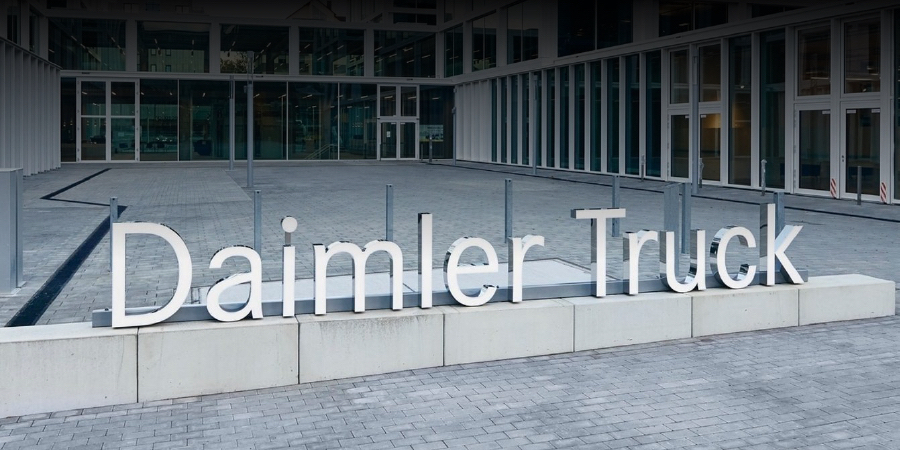
戴姆勒卡车要与北汽福田“分手”?官方:正在评估市场前景
Jing Ji Guan Cha Wang· 2025-07-06 10:40
Core Viewpoint - Daimler Trucks is considering dissolving its joint venture with Foton Motor in China amid ongoing negotiations, which is sensitive due to the ownership stakes held by BAIC Group in both Daimler Trucks and Mercedes-Benz [2] Group 1: Company Operations and Financial Performance - Daimler Trucks is one of the largest commercial vehicle manufacturers globally, with over 40 production bases and a product range that includes light, medium, and heavy trucks, as well as buses and chassis [2] - In 2024, Daimler Trucks reported a global commercial vehicle sales volume of 460,400 units, a 12% year-on-year decline, with revenue of €54.1 billion, down 3%, and adjusted EBIT of €4.667 billion, a 15% decrease [3] - Due to ongoing performance pressures, Daimler Trucks is undergoing a series of restructuring efforts globally to reduce operational costs and advance its electrification transition [3] - The company fully impaired the book value of its stake in the joint venture Foton Daimler due to a weak Chinese market, resulting in a one-time non-cash negative impact of €120 million on its adjusted EBIT for Asian truck and industrial operations [3] - Since January, Daimler Trucks has integrated its operations in China and India into the Mercedes-Benz Trucks division as part of its restructuring efforts [3] Group 2: Strategic Partnerships and Future Plans - Daimler Trucks has announced a merger agreement with Toyota, aiming to complete the integration of Toyota's Hino Motors and Daimler Trucks' Mitsubishi Fuso Truck and Bus Corporation by April 2026, with plans to establish a new holding company and list it on the Tokyo Stock Exchange [4]
法拉利正越来越像爱马仕,而非传统汽车制造商
阿尔法工场研究院· 2025-07-06 03:38
Core Viewpoint - Ferrari stands out in the automotive industry due to its unique identity, high market value, and impressive profit margins compared to mass-market manufacturers like Stellantis [3][4][5]. Group 1: Company Performance - In the previous year, Ferrari sold nearly 14,000 cars, while Stellantis sold 5.7 million cars, yet Ferrari's market value reached €74 billion (approximately $87 billion), significantly higher than Stellantis's €25 billion (approximately $28 billion) [3]. - Since separating from Fiat Chrysler, Ferrari's sales have nearly doubled since 2015, and its revenue has quadrupled, with its market value increasing about ninefold since its IPO [4]. - Under CEO Benedetto Vigna's leadership, Ferrari has successfully positioned itself as more than just a luxury brand, aiming to outperform even the most valuable luxury companies [4][9]. Group 2: Pricing and Demand - Ferrari has maintained its exclusivity by adhering to the principle of selling "one car less than market demand," resulting in rapid price increases for new models, with the latest 12-cylinder model priced 30% higher than its predecessor [5]. - The upcoming F80 model is expected to generate over €2.3 billion in revenue, and Ferrari has introduced limited-edition models to fill gaps between major releases [5][6]. - Customization options have also increased, allowing prices to rise by 20%, with average spending per owner projected to exceed €500,000 next year [6][7]. Group 3: Customer Loyalty and Marketing - Approximately 80% of Ferrari's customers are existing owners, fostering a strong brand loyalty that drives demand [7]. - Ferrari's marketing strategy involves creating an exclusive community among collectors, with high demand for models like the F80, which has three times the number of orders compared to available units [8]. - The company's marketing director emphasizes the importance of exclusivity, often rejecting potential buyers to maintain brand prestige [8]. Group 4: Competitive Landscape - Ferrari's unique position is contrasted with luxury brands like Hermès, as Ferrari combines traditional craftsmanship with cutting-edge technology and motorsport participation [10][12]. - Unlike Hermès, which relies on a broader range of products, Ferrari's revenue is primarily derived from ultra-wealthy consumers, making it less susceptible to economic downturns [12]. Group 5: Challenges Ahead - Concerns have been raised about Ferrari's aggressive price increases and the potential impact on brand uniqueness if production scales up [13]. - The company faces challenges in transitioning to electric vehicles, with its first electric model, Elettrica, set to launch next year, and delays reported for the second electric model until 2028 [13].

对话|MG陈萃:产品跟用户需求走,燃油车业务与电动化转型并举
Bei Ke Cai Jing· 2025-07-04 04:34
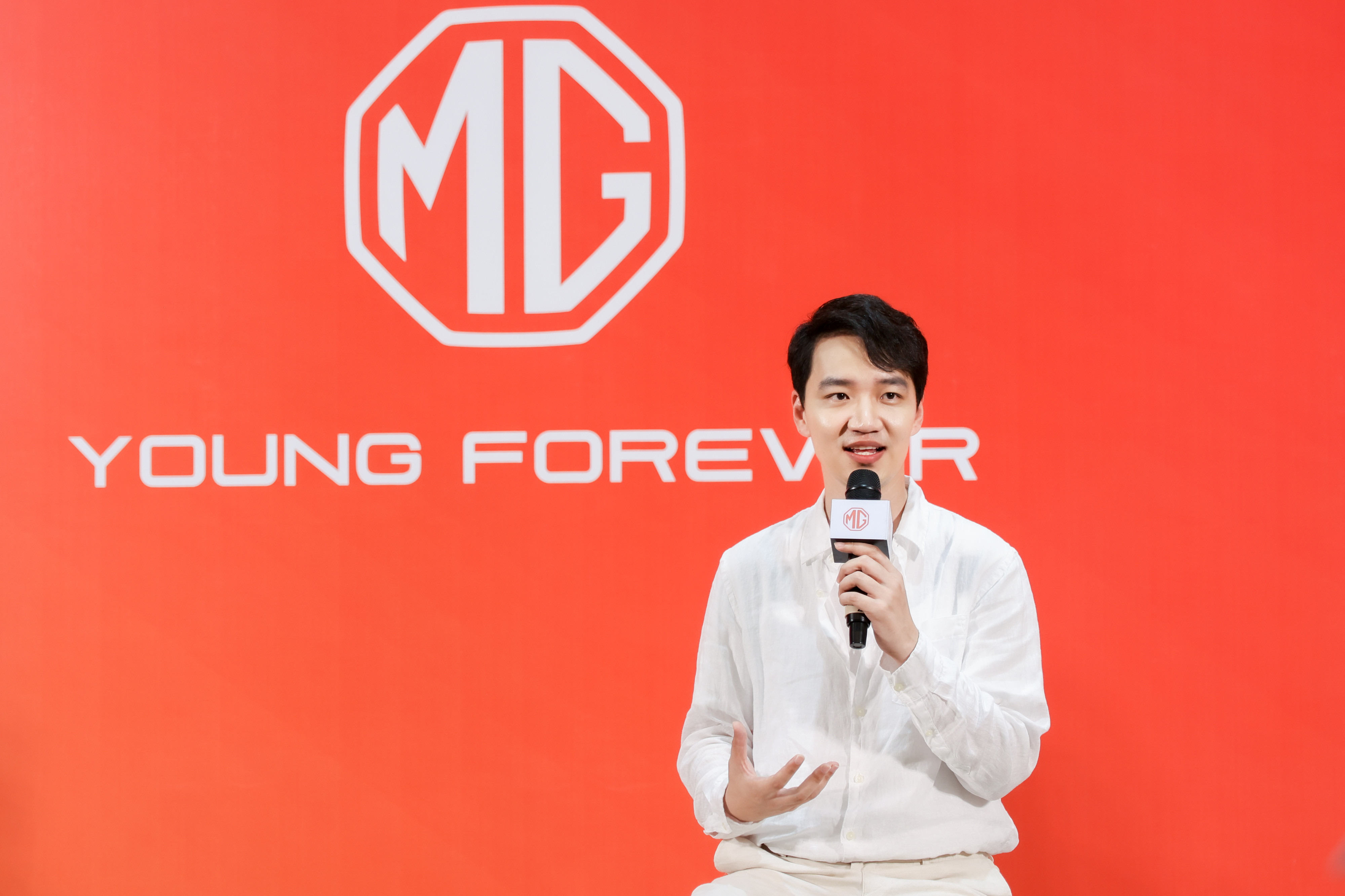
Group 1 - MG brand plans to invest 10 billion yuan to launch 13 new energy vehicles within two years [1] - The brand's slogan has been changed from "Always YOUNG" to "YOUNG FOREVER" [1] - MG has exported nearly 3 million vehicles globally, indicating strong international performance but room for improvement in the domestic market [1] Group 2 - The current market penetration of new energy vehicles in China has exceeded 50%, highlighting the importance of transitioning from fuel vehicles to new energy vehicles [2] - MG's strategy includes continuing to offer fuel vehicles while also investing in new energy options, reflecting a balance between current demand and future trends [3] Group 3 - MG4 EV has sold 300,000 units in Europe, but has recently been surpassed in sales by competitors due to high tariffs imposed by the EU on Chinese companies [4] - The collaboration with OPPO aims to enhance the smart cockpit technology and create a more integrated user experience [5]

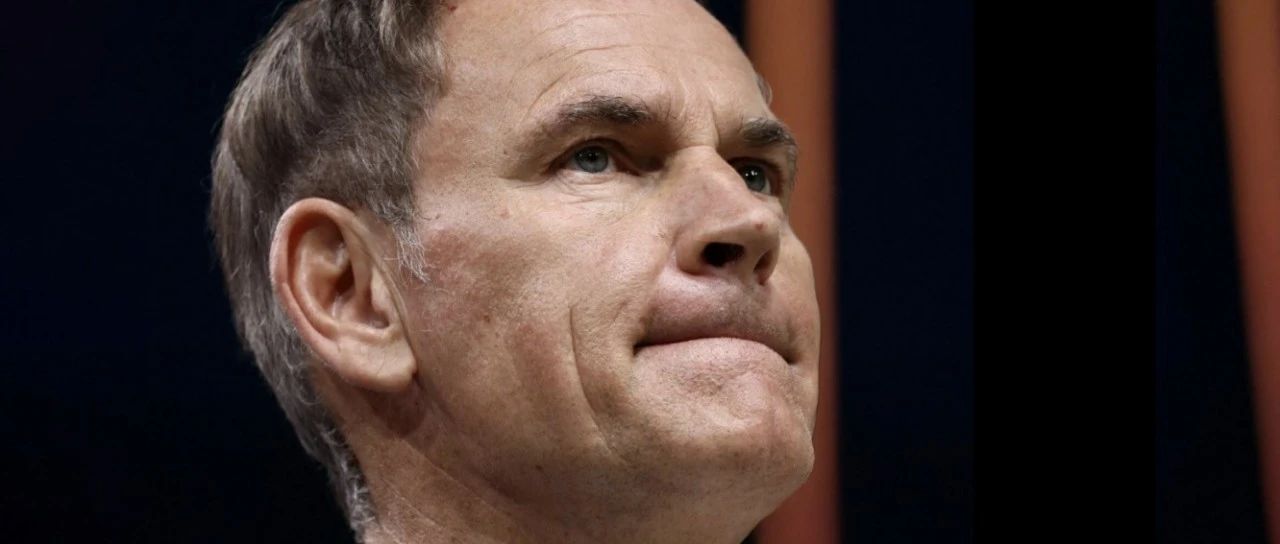
大众CEO,该放弃大众集团还是保时捷?
汽车商业评论· 2025-07-03 16:40
Core Viewpoint - The article discusses the increasing scrutiny and criticism surrounding Oliver Blume's dual role as CEO of both Volkswagen Group and Porsche, highlighting concerns over potential conflicts of interest and governance issues [3][5][31]. Group 1: Background and Context - Oliver Blume is the first CEO in Volkswagen Group's history to hold dual positions as CEO of both Volkswagen and Porsche [10]. - The controversy over Blume's dual role began when he took over as CEO of Volkswagen Group, with initial concerns raised by a minority of investors [14][18]. - Following Porsche's IPO in September 2022, Blume's leadership has come under greater scrutiny as both companies face declining performance [18][30]. Group 2: Financial Performance and Market Response - Porsche's performance has been declining, with a 3% drop in global deliveries in 2024 and a significant 28% decline in the Chinese market [27][28]. - As of early 2025, Porsche's stock price has fallen to €43.46, nearly halving from its IPO price of €82.5 [30]. - Financial forecasts for Porsche indicate a projected revenue of €37-38 billion for 2025, down from €40 billion the previous year [66]. Group 3: Governance and Shareholder Concerns - Shareholders have increasingly called for Blume to choose one CEO position, citing governance structures that are unprecedented in both Volkswagen and the broader German corporate landscape [9][32]. - Concerns have been raised about the potential for conflicts of interest and weakened accountability due to Blume's dual role [48][49]. - Some family members of the Porsche-Piëch family, who control a significant voting stake in Volkswagen, have expressed differing views on Blume's dual role, with some advocating for a clearer separation of responsibilities [40][54]. Group 4: Blume's Justification and Strategic Vision - Blume defends his dual role as a strategic advantage, allowing for resource integration and unified decision-making across both companies [56][57]. - He emphasizes the importance of scale in negotiations and the ability to implement necessary reforms across both brands [60][61]. - Blume believes that his leadership can help navigate the complexities of the automotive industry's transition to electric vehicles [59][63]. Group 5: Future Outlook and Strategic Adjustments - Volkswagen plans to launch 30 new models in China over the next two years, with a focus on localizing research and development [63][64]. - The company is also restructuring its dealer network in China, aiming to reduce the number of dealerships by one-third by 2027 [69].