
逆周期调节

Search documents
每周海内外重要政策跟踪(25、10、17)-20251021
Haitong Securities International· 2025-10-21 12:03
Domestic Macro - On October 11, the State Council Information Office held a press conference on "High-Quality Completion of the 14th Five-Year Plan" [4] - On October 12, the Ministry of Commerce stated that China's rare earth export controls are not prohibitive and that applications meeting regulations will be permitted [4][5] - On October 14, Premier Li Qiang emphasized the need for enhanced counter-cyclical adjustments during a meeting with economic experts and entrepreneurs [4][5] - The People's Bank of China announced a 600 billion yuan reverse repurchase operation on October 15, with a cumulative net injection of 400 billion yuan for the month [4][5] - On October 16, China expressed an open attitude towards a new round of Sino-U.S. economic and trade talks [4][5] Industry Policy - On October 10, the Ministry of Natural Resources released guidelines for optimizing urban stock space, marking it as a key task for future land use planning [5][18] - The Financial Regulatory Bureau issued a notice to strengthen regulation of non-auto insurance businesses, focusing on issues of non-standard operations and irrational competition [18] - The central bank solicited opinions on the "Management Measures for Identifying Beneficial Owners of Financial Institutions" [18] - On October 12, the Ministry of Industry and Information Technology and six other departments issued a plan to promote service-oriented manufacturing innovation [18] - The National Development and Reform Commission (NDRC) released a management method for energy-saving and carbon reduction investments, supporting key industries [19] Local Policy - On October 10, Shanghai adjusted the rules for the 2025 automobile trade-in subsidy program [6][20] - The Hainan Free Trade Port Tourism Regulations will take effect on December 1, 2025, gradually relaxing restrictions on foreign investment in tourism [6][20] - On October 11, Shanghai issued measures to accelerate the cultivation of future industries, focusing on six key areas [20] - The second batch of Shanghai Free Trade Zone innovation zone construction plans was released on October 15 [20] Overseas Dynamics - On October 10, China announced countermeasures against U.S. restrictions on the shipbuilding industry, implementing special port fees for U.S. vessels starting October 14 [9][19] - On October 11, the global cryptocurrency market experienced a significant crash, with over 19 billion USD in contracts liquidated in one day [9] - On October 12, the Dutch government froze 14.7 billion USD of Chinese semiconductor assets [9] - On October 15, China filed a complaint with the WTO against India's electric vehicle and battery subsidy measures [9]
国泰海通|宏观:生产强、需求弱——2025年三季度经济数据点评
国泰海通证券研究· 2025-10-21 11:58
Core Insights - The article highlights a "strong production, weak demand" pattern in China's economy for Q3 2025, necessitating structural policy adjustments to address internal and external demand pressures [1] Economic Performance - China's GDP growth in Q3 2025 was 4.8% year-on-year, a decline of 0.4 percentage points from Q2 [1] - Monthly data indicates a shift in economic dynamics due to policy transitions and holiday timing, with September showing strong production but weak demand [1] Production Sector - Structural improvements in the production sector were noted, with resilient exports and the timing of the Mid-Autumn Festival contributing positively [1] - The "anti-involution" policies have lessened their disruptive effects on production, leading to a focus on quality enhancement rather than mere scale expansion [1] Demand Sector - Consumer growth appears sluggish, with holiday timing causing a delay in consumption [1] - The effectiveness of trade-in policies has diminished, and property income has negatively impacted income growth and consumer confidence [1] Investment Trends - Investment continues to face challenges, although new infrastructure initiatives are showing marginal signs of improvement [1] Policy Recommendations - The report suggests employing structural tools for counter-cyclical adjustments, such as expanding equipment renewal subsidies, issuing consumption vouchers, and optimizing export tax rebates to mitigate current economic downturn pressures [1]


坚定信心 鼓足干劲
Ren Min Ri Bao· 2025-10-21 07:48
Core Points - The GDP growth for the first three quarters is 5.2%, showing acceleration compared to both the previous year and the same period last year [1] - The third quarter's growth rate of 4.8% remains higher than most major economies, indicating a substantial economic scale [1] - Positive indicators such as industrial structure optimization, orderly release of consumer demand, and stable foreign trade contribute to the overall stable development of the Chinese economy [1] Economic Performance - The robust performance in the first three quarters lays a solid foundation for achieving annual development goals [1] - There is a need to strengthen the foundation for domestic economic recovery amidst external uncertainties [1] - Regions and departments are urged to implement counter-cyclical adjustments and expand domestic demand to foster a high-quality development environment [1] Future Outlook - Confidence and determination are emphasized for overcoming challenges and achieving the goals of the 14th Five-Year Plan [1]
三季度销售收入增速达4.4%—— 企业盈利改善带动税收稳步回升
Jing Ji Ri Bao· 2025-10-21 03:20
Core Insights - The implementation of a comprehensive set of incremental policies since September 26 last year has led to a steady recovery in both invoice sales and tax revenue, indicating a positive trend in China's economy [1] Group 1: Tax Revenue and Economic Indicators - Tax revenue related to the capital market has shown a high growth rate, with a year-on-year increase of 56.8%, and securities transaction stamp duty rising by 110.5% [2] - Major industries have experienced stable tax revenue growth, with manufacturing tax revenue increasing by 5.4%, accounting for 31% of total tax revenue, and contributing 48% of the total increase [2] - High-end manufacturing sectors, such as railway, shipbuilding, and aerospace, have seen tax revenue growth of 31.5%, while information technology services and scientific research sectors have grown by 15.3% and 13.2% respectively [2] Group 2: Real Estate Market and Tax Policies - The decline in tax revenue from the real estate sector has narrowed, reflecting the effectiveness of policies aimed at stabilizing the real estate market, with a year-on-year decrease of 9.8% [3] - The implementation of tax incentives has led to nearly 80 billion yuan in tax reductions, significantly lowering transaction costs for residential properties [3] - The growth in corporate equipment procurement has accelerated, with a 9.7% year-on-year increase in machinery purchases, and high-tech manufacturing equipment purchases rising by 11.8% [3]
9月和三季度经济数据点评:稳增长政策转向长期视角
Bank of China Securities· 2025-10-21 02:54
Economic Growth and GDP - The actual GDP growth for the first three quarters of 2025 is 5.2%, exceeding the annual target of 5.0%[4] - The GDP growth rate for Q3 2025 is 4.8%, a decrease of 0.4 percentage points from Q2 2025[4] - The nominal GDP growth rate for Q3 2025 is 3.7%, down 0.2 percentage points from Q2 2025[4] Industrial Production - The industrial added value in September increased by 6.5%, surpassing the consensus expectation of 5.23%[10] - The cumulative industrial added value growth for the mining industry from January to September is 5.8%, while manufacturing and high-tech industries show growth rates of 6.8% and 9.6%, respectively[12] Fixed Asset Investment - From January to September, fixed asset investment fell by 0.5%, with private investment declining by 3.1%[25] - Real estate investment dropped by 13.9% during the same period, with new construction area down 18.9%[31] Consumer Spending - Retail sales in September grew by 3.0%, marking the fourth consecutive month of decline[15] - Cumulative retail sales from January to September showed a year-on-year increase of 4.9%, with significant declines in categories like petroleum products and beverages[20] Policy and Future Outlook - The government has introduced a fourth batch of "national subsidies" amounting to 69 billion yuan and has set a new local government debt limit of 500 billion yuan for 2026[1] - The macroeconomic policy adjustments will focus on achieving high-quality growth during the 14th Five-Year Plan and addressing external uncertainties[44]
首席点评:构建新发展格局
Shen Yin Wan Guo Qi Huo· 2025-10-21 02:47
1. Report Industry Investment Rating - There is no specific industry investment rating provided in the report. 2. Core Viewpoints of the Report - The futures market capital in China reached a new high of about 2.02 trillion yuan on October 9, 2025, a 24% increase from the end of 2024 [1]. - The stock index is entering a direction - selection phase. The domestic liquidity environment is expected to remain loose, and external funds may flow in. The market style may shift to value in the fourth quarter [2][10]. - Precious metals are strong in the long - term, but there may be adjustments after rapid increases. Copper prices may be supported in the long run due to supply - demand changes [3][18][19]. - The central bank is expected to implement a moderately loose monetary policy in the fourth quarter, and there may be reserve requirement ratio cuts, interest rate cuts, and treasury bond trading operations [11][12]. - The prices of various commodities are affected by factors such as supply - demand relationships, geopolitical situations, and policy changes, and their trends vary [2][3][13][14] 3. Summary by Relevant Catalogs 3.1 Main News International News - The US and Australia signed an agreement on rare earths and critical minerals, planning to invest over $3 billion in related projects in the next 6 months, and the Pentagon will invest in a gallium processing plant in Western Australia [5]. Domestic News - China's LPR for October remained unchanged, with the 1 - year and 5 - year varieties at 3% and 3.5% respectively, and the central bank may implement a moderately loose monetary policy [6][11]. Industry News - The monthly average price futures of linear low - density polyethylene, polyvinyl chloride, and polypropylene will be listed on October 28, 21:00, and will be included in the tradable scope for qualified overseas investors [7]. 3.2 Foreign Market Daily Returns - The S&P 500, European STOXX 50, and FTSE China A50 futures all rose, while ICE Brent crude oil fell. Other commodities also showed different price changes [9]. 3.3 Morning Comments on Major Varieties Financial - Stock index: After a high - level shock in September, it will enter a direction - selection phase. The domestic liquidity environment is expected to be loose, and the market style may shift to value in the fourth quarter [2][10]. - Treasury bonds: They generally fell. The central bank may implement a moderately loose monetary policy in the fourth quarter, which will support treasury bond futures prices [11][12]. Energy and Chemical - Crude oil: SC fell at night. The decline is due to geopolitical stability and the end of the demand peak. The reaction of OPEC in November is crucial [13]. - Methanol: It fell at night. The operating rate of domestic coal - to - olefin plants decreased, and the inventory of coastal methanol increased [14]. - Rubber: After continuous declines, it is expected to fluctuate and adjust in the short term, and the supply pressure may gradually appear [15]. - Polyolefins: The futures continued to be weak, and the price was affected by crude oil and inventory digestion [16]. - Glass and soda ash: Both futures continued to be weak, and they are in the process of inventory digestion [17]. Metals - Precious metals: Gold and silver continued to be strong, but the upward trend at high levels slowed down. There may be adjustments after rapid increases [3][18]. - Copper: The price rose at night. The supply of concentrates is tight, and the Indonesian mine accident may lead to a supply - demand gap [19]. - Zinc: The price rose at night. The processing fee of zinc concentrates increased, and the domestic zinc price may be weaker than the foreign one [20]. - Lithium carbonate: The supply and demand both increased, and the inventory decreased. The price is expected to be volatile in the short term [21]. Black Metals - Coking coal and coke: The night - session trend was weak. The high iron - water production supports the demand, but there is a risk of blast furnace production cuts [22][23]. - Iron ore: The price was weak, but the demand is supported by strong steel production. The global iron ore shipment decreased, and the port inventory decreased rapidly [24]. - Steel: The price was stable and improving. The supply pressure is increasing, and the market supply - demand contradiction is not significant [25]. Agricultural Products - Protein meal: The price of soybean and rapeseed meal rose at night. The US soybean crushing data exceeded expectations, but the domestic supply is sufficient [26]. - Oils and fats: The price of rapeseed and palm oil fell at night, while soybean oil rose. The export of Malaysian palm oil increased, but the market is affected by the Sino - US trade situation [27]. - Sugar: The price of Zhengzhou sugar rose at the end of the night session. The global sugar market is in a stocking phase, and the domestic sugar price is expected to fluctuate [28]. - Cotton: The price of Zhengzhou cotton fluctuated. The US cotton picking is progressing, and the domestic cotton price lacks upward momentum [29][30]. Shipping Index - Container shipping to Europe: EC fluctuated. The SCFIS European line rebounded after 13 weeks of decline. The market is in a game for the year - end peak season, and it is expected to continue wide - range fluctuations in the short term [31].
企业盈利改善带动税收稳步回升
Jing Ji Ri Bao· 2025-10-21 01:04
Group 1 - The implementation of a package of incremental policies since September 26 last year has led to a steady recovery in both invoice sales and tax revenue, indicating a positive trend in the economy [1] - The quarterly sales revenue growth for enterprises has shown a steady increase from 0.4% to 4.4% over the past year, reflecting improved business conditions [1] - Tax revenue related to the capital market has increased significantly, with a year-on-year growth of 56.8%, and securities transaction stamp duty rising by 110.5%, indicating active stock market trading [2] Group 2 - The manufacturing sector has seen a year-on-year tax revenue growth of 5.4%, contributing significantly to overall tax revenue, with high-end manufacturing sectors like aerospace and transportation equipment growing by 31.5% [2] - The real estate sector has experienced a narrowing decline in tax revenue, with a year-on-year decrease of 9.8%, reflecting the effectiveness of policies aimed at stabilizing the real estate market [3] - The consumption of durable goods has increased, with retail sales of home appliances like refrigerators and televisions growing by 55.4% and 35.3% respectively, indicating a boost in consumer spending [3]
21社论丨更快更好发挥政策效能,实现全年增长目标
21世纪经济报道· 2025-10-20 23:56
Economic Growth - China's GDP grew by 5.2% year-on-year in the first three quarters, laying a solid foundation for achieving annual targets [1] - In Q3, GDP growth was 4.8%, a decrease of 0.4 percentage points from Q2, aligning with market expectations [1] - The primary industry contributed 0.3 percentage points to growth, higher than Q2's 0.2, while the secondary and tertiary industries saw a decline in their contributions [1] Demand and Consumption - Final consumption expenditure contributed 2.7 percentage points to GDP growth in Q3, while net exports contributed 1.2 percentage points, both remaining stable compared to Q2 [1] - Social retail sales increased by 4.5% year-on-year in the first three quarters, down from 5.0% in the first half of the year, indicating a slight decline in consumer spending [2] - Consumer confidence index has shown signs of recovery, suggesting a gradual restoration of internal consumption dynamics [2] Investment Trends - Fixed asset investment growth fell to -0.5% in the first three quarters, with declines noted in infrastructure, manufacturing, and real estate investments [2] - Challenges to achieving annual economic goals include intensified external trade frictions and the need to boost investor confidence [2] Policy Measures - Recent government policies have focused on enhancing liquidity and supporting consumption, leading to improvements in manufacturing PMI and business activity expectations [3] - The central government plans to allocate 500 billion yuan from local government debt limits to support project construction in economically significant provinces [3] - The upcoming Central Committee meeting is expected to outline a new five-year development plan, potentially boosting economic growth confidence [3]
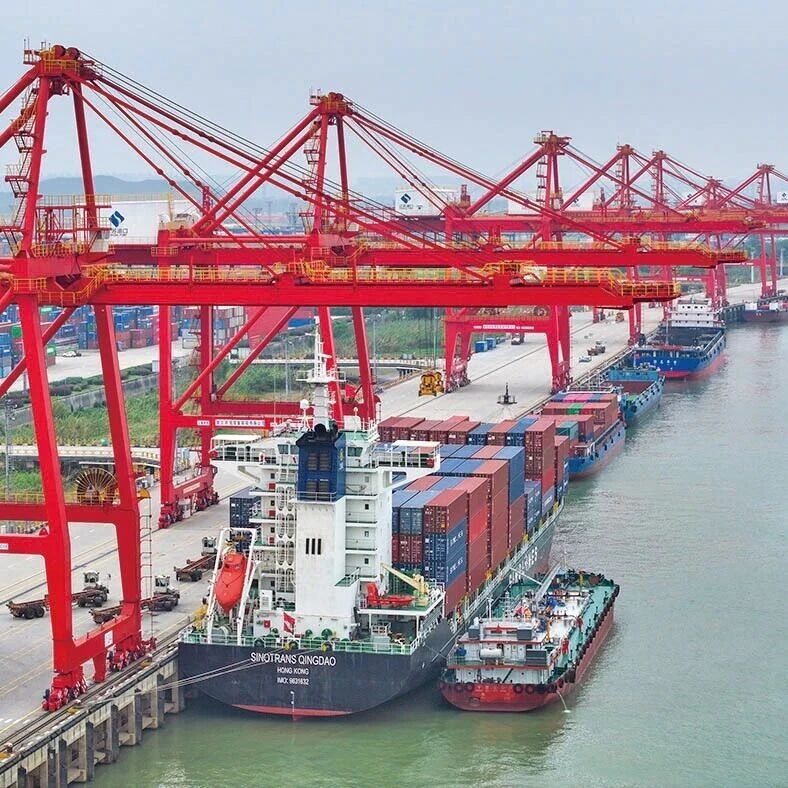
中国经济顶压前行 前三季度增长5.2%,稳增长政策仍需加力
2 1 Shi Ji Jing Ji Bao Dao· 2025-10-20 23:06
Economic Overview - China's GDP growth for the first three quarters of 2023 is 5.2%, which is an acceleration of 0.2 and 0.4 percentage points compared to the previous year and the same period last year respectively [1][10] - The GDP for the first three quarters is 101.5 trillion yuan, with a quarter-on-quarter growth of 1.1% in Q3 [1][10] - The economic growth rate in Q3 is 4.8%, a decrease of 0.4 percentage points from Q2, primarily due to weak domestic demand [1][6] Industrial Performance - The industrial added value for large-scale enterprises increased by 6.2% year-on-year in the first three quarters, with a notable recovery in September at 6.5% [4][5] - High-tech manufacturing industries showed strong growth, with added value increasing by 9.6% in the first three quarters, and sectors like integrated circuits and biopharmaceuticals maintaining double-digit growth [4][6] Investment and Consumption - Fixed asset investment (excluding rural households) decreased by 0.5% year-on-year, with infrastructure investment growing by 1.1% and real estate investment declining by 13.9% [5][10] - Retail sales of consumer goods grew by 4.5% year-on-year, but the growth rate fell by 0.5 percentage points compared to the first half of the year, with September showing the lowest monthly growth of 3% [5][6] Policy Measures - The government has introduced "two 500 billion" policies to stabilize growth, including 500 billion yuan in new policy financial tools and 500 billion yuan in local government debt limits [2][10] - The new policy financial tools are expected to leverage around 6 trillion yuan in investment, with significant impacts on infrastructure investment growth [10][11] Export Performance - Exports maintained resilience with a growth rate of 7.1% in the first three quarters, while imports decreased by 0.2%, showing a narrowing decline [5][6] - The strong performance in exports is attributed to diversified market strategies and stable supply chains, particularly with ASEAN and other non-US markets [6][11]

21社论丨更快更好发挥政策效能,实现全年增长目标
2 1 Shi Ji Jing Ji Bao Dao· 2025-10-20 23:06
Economic Growth - In the first three quarters of the year, China's GDP grew by 5.2% year-on-year, maintaining a level above the target, laying a solid foundation for achieving annual goals [1] - In the third quarter, GDP growth was 4.8%, a decrease of 0.4 percentage points from the second quarter, aligning with market expectations [1] - The primary industry contributed 0.3 percentage points to GDP growth in Q3, up from 0.2 in Q2, while the contributions from the secondary and tertiary industries declined [1] Domestic Demand - Total retail sales of consumer goods increased by 4.5% year-on-year in the first three quarters, down from 5.0% in the first half of the year, but consumer confidence is gradually recovering [2] - Fixed asset investment growth fell to -0.5% in the first three quarters, with declines in infrastructure, manufacturing, and real estate investments [2] Policy Measures - Recent government policies have included accelerated issuance of government bonds and liquidity support from the central bank, leading to improvements in manufacturing PMI for two consecutive months [3] - The central government will allocate 500 billion yuan from local government debt limits to support project construction in economically significant provinces [3] - The upcoming Central Committee meeting is expected to outline a new five-year development plan, potentially boosting economic growth confidence [3]