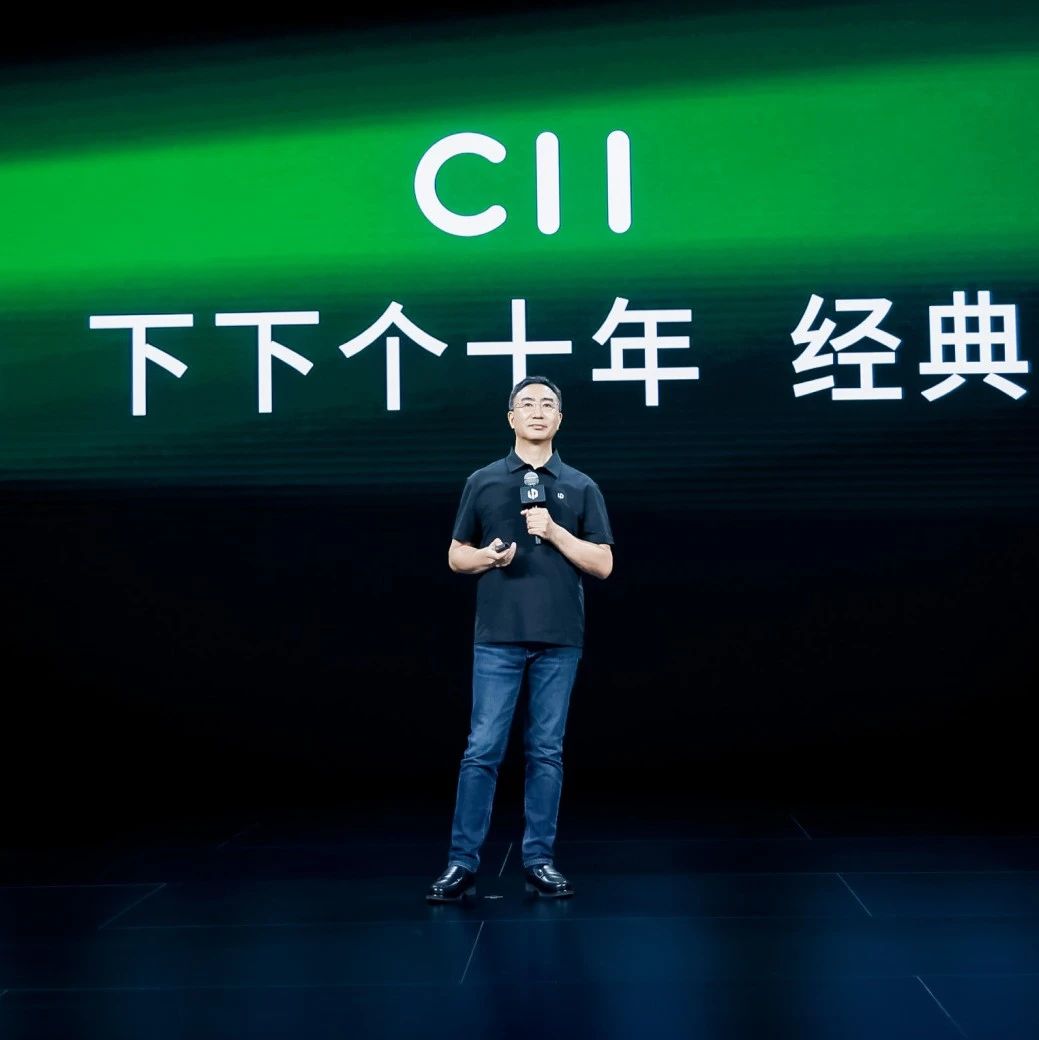
平台化

Search documents
汇川技术:当前商业模式以项目型收入为主
Zheng Quan Ri Bao Wang· 2025-08-28 09:52
Core Viewpoint - Huichuan Technology (300124) announced on August 28 that its current business model primarily relies on project-based revenue, while subscription and ecosystem development models are not yet fully established [1] Group 1: Business Model - The company is focused on project-based income as its main revenue source [1] - Subscription and ecosystem development models, such as open platforms for third-party development, are still in the early stages [1] Group 2: Future Plans - The company plans to create scenario-based platforms by extending from basic platforms to FOS and FEMS platforms [1] - Once the universality of the platforms improves, the company intends to hand over low-code secondary development to partners or clients [1] Group 3: Long-term Outlook - As the level of platformization increases, the digital business is expected to gradually form a more stable revenue structure [1]

威高股份(01066) - 2025 H1 - 电话会议演示
2025-08-27 08:00
Financial Performance - Revenue remained flat year-over-year at RMB6644 million[9,46] - Adjusted net profit decreased by 61% year-over-year to RMB1022 million, attributed to pricing decreases and marketing expenses[9,46] - Overseas sales increased by 40% year-over-year, reaching RMB1624 million, representing 244% of total sales[11,46] - R&D expenses reached RMB320 million, accounting for 47% of revenue[11] Business Segments - General medical device segment revenue was RMB3300 million, flat year-over-year, with a profit of RMB490 million, down by 171%[16] - Pharma packaging segment revenue was RMB1170 million, flat year-over-year, with a profit of RMB450 million, down by 58%[24] - Orthopaedics segment revenue was RMB730 million, slightly down by 16% year-over-year, but profit increased significantly by 743% to RMB150 million[27] - Blood management segment revenue increased by 81% year-over-year to RMB450 million, while profit decreased by 53% to RMB31 million[37] Strategic Initiatives - The company plans to maintain a dividend payout ratio at 50%[52] - Total production capacity for blood bags is expected to exceed 100 million units in 2025[37] - Auto injectors recorded strong sales in China, with H1 sales up by approximately 200%, accounting for approximately 3% of segment sales[24]
中金:维持归创通桥(02190)跑赢行业评级 升目标价至30港元
智通财经网· 2025-08-22 03:37
Core Viewpoint - The company is expected to see significant growth in adjusted profits due to the expansion of its neuro/peripheral products and effective cost management, leading to an upward revision of profit forecasts for 2025 and 2026 [1][2] Financial Performance - In 1H25, the company reported revenue of 482 million, a year-on-year increase of 31.7%, and an adjusted net profit of 131 million, up 68.1% year-on-year, exceeding expectations due to accelerated domestic substitution in its neuro/peripheral business lines and effective cost control [2] Business Growth Drivers - The neuro/peripheral business saw revenue growth of 25% and 46% respectively in 1H25, driven by increased hospital penetration of existing products and strong sales of new products such as mesh stents and vascular sutures, indicating a solid market position and potential for further growth [3] Profitability and Management Confidence - The adjusted net profit margin reached 27.3% in 1H25, with the company initiating cash dividends for the first time in 2024 at a payout ratio of 32%, alongside ongoing share buybacks and a new equity incentive plan, reflecting management's confidence in future growth [4] International Expansion Potential - The global market for peripheral and neuro intervention is projected to reach 10 billion and 7 billion respectively by 2024, with China currently accounting for only 12-15% and 15-20% of these markets, indicating significant international growth opportunities [5]
归创通桥(02190.HK):业绩再超预期 期待国际化和平台化拓展
Ge Long Hui· 2025-08-21 19:35
Core Viewpoint - The company reported strong performance in 1H25, with revenue and adjusted net profit exceeding expectations, driven by accelerated domestic substitution in the neuro and peripheral business lines and effective cost control [1][2]. Financial Performance - Revenue for 1H25 reached 482 million yuan, representing a year-on-year increase of 31.7% - Adjusted net profit was 131 million yuan, up 68.1% year-on-year - Adjusted net profit margin stood at 27.3% for 1H25 [1]. Business Development Trends - The neuro and peripheral segments are driving growth, with revenues increasing by 25% and 46% year-on-year, respectively - Existing products are gaining market share, while new products like mesh stents and vascular sutures are showing strong sales growth due to external procurement drives and internal sales efforts - The company is establishing itself as a leading domestic player in the vascular intervention field, with expectations of leading the domestic substitution and penetration trends in a stabilizing pricing environment [1][2]. Profitability and Management Confidence - The company initiated cash dividends for the first time in 2024, with a payout ratio of 32%, and plans to maintain this ratio - The management's confidence is further demonstrated through share buybacks and a new equity incentive plan announced in August 2025 [2]. Internationalization and Market Potential - The global peripheral and neuro intervention market is projected to reach 10 billion and 7 billion USD, respectively, by 2024, with China accounting for only 12-15% and 15-20% of these markets - The company has commercialized 22 products across 27 countries and regions as of 1H25, indicating significant international expansion potential [2]. Profit Forecast and Valuation - The adjusted profit forecast for 2025 has been raised by 14% to 192 million yuan, with a first-time projection for 2026 adjusted net profit at 279 million yuan - The current stock price corresponds to a price-to-earnings ratio of 37 and 25 times for 2025 and 2026, respectively [2]. Target Price Adjustment - The target price has been increased by 108% to 30 HKD based on a DCF model, indicating a potential upside of 28% from the current stock price [3].
冲刺IPO!国产超声刀赛道“第一股”?
思宇MedTech· 2025-08-15 08:19
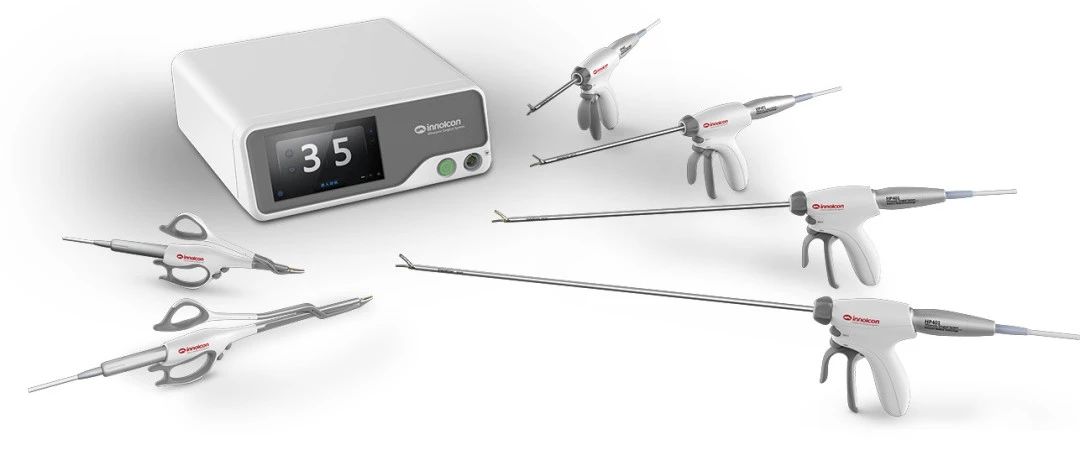
Core Viewpoint - The article highlights the significant transformation in the domestic ultrasonic scalpel industry, emphasizing the shift from imitation to system construction, with Yinuokang's IPO serving as a pivotal signal of this evolution [15][22][24]. Industry Overview - Yinuokang Medical Technology has entered the IPO guidance phase, marking a key step towards capitalizing and globalizing the domestic ultrasonic energy device sector [1][15]. - The ultrasonic scalpel technology, initially monopolized by imported brands, has seen domestic brands like Yinuokang emerge, indicating a structural opportunity in the market [3][10]. Stages of Domestic Breakthrough - The first stage of domestic breakthrough involved "point breakthroughs" where companies like Yinuokang achieved significant regulatory milestones, such as the registration of a 5mm vascular closure scalpel [5][10]. - The second stage is characterized by the development of "platform systems," integrating various components to create versatile surgical solutions, exemplified by Yinuokang's E21 high-frequency energy platform [7][12]. Competitive Landscape - The market has shifted from a price war to a focus on high-end international standards, with leading companies moving towards systematization and international registration [10][13]. - Yinuokang's products have gained multiple international certifications, positioning the company as a leader in the global market [13][16]. Implications of Yinuokang's IPO - Yinuokang's IPO is not just a corporate milestone but a reflection of the ultrasonic scalpel industry's transition into a more mature phase, moving from product replacement to capability leap [15][20]. - The company's expansion into various medical fields, including ophthalmic instruments and robotic systems, signifies a broader strategy beyond just ultrasonic scalpels [16][18]. Future Outlook - The article suggests that the next decade will see domestic manufacturers evolve from "imitators" to "system builders," with a focus on comprehensive surgical solutions [21][22]. - The industry is at a critical juncture, transitioning towards platformization, internationalization, and systematization, with Yinuokang's IPO potentially marking the beginning of a new industrial cycle [24][25].

闵刚荣膺2025金融创新领军人物奖 聚焦普惠金融,打造中国特色路径
Cai Fu Zai Xian· 2025-07-31 02:54
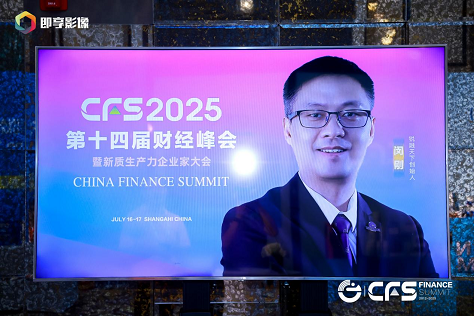
Group 1: Event Overview - The 14th Finance Summit and 2025 New Quality Productivity Entrepreneur Conference was held in Shanghai on July 16-17, 2025, focusing on high-quality development of the Chinese economy amid global changes [1] - The summit has become a significant platform for observing economic trends and industry movements since its inception in 2012, attracting over 1,000 representatives and more than 200 speakers annually [1] Group 2: Recognition and Awards - Min Gang, co-founder and CEO of Rui Rong Tian Xia, was awarded the "2025 Financial Innovation Leader" for his contributions to the new financial system, particularly in payment systems and digital banking infrastructure [1] - Min Gang also received the "Golden Award - 2024 China New Economy Pioneer" for his achievements in the fintech sector, highlighting his impact on the industry [4] Group 3: Company Innovations and Services - Rui Rong Tian Xia focuses on creating an open, flexible, and efficient digital financial service platform, utilizing SaaS cloud services to provide innovative solutions across various industries [4] - The company has launched products like "Split Account Cloud" and prepaid card systems, enhancing payment efficiency and user engagement [9][10] - The prepaid card system features dual-track management for real-name and non-real-name accounts, catering to diverse industries with customized products [9] Group 4: Industry Trends - The global fintech wave is accelerating, with digital transformation becoming a mainstream trend in the financial sector; in 2024, China's mobile payment transactions reached 210.98 billion, amounting to 56.37 trillion yuan [6] - The future of fintech is expected to focus on platformization, intelligence, and inclusivity, with AI and big data optimizing risk management and user experience [6] Group 5: Digital Banking Strategy - The rise of digital banking is reshaping the connection between finance and industry, with Rui Rong Tian Xia developing comprehensive digital banking solutions for individuals and businesses [12] - The company aims to enhance service efficiency and security by integrating AI and blockchain technologies into its offerings [12][14] Group 6: Future Directions - Rui Rong Tian Xia plans to continue focusing on AI risk control, blockchain asset custody, and intelligent investment advisory to create a more intelligent, secure, and inclusive digital financial service [14] - The company emphasizes the importance of technology in solving real-world problems and improving financial accessibility for SMEs and ordinary users [14]
江河集团:上半年累计中标金额约137亿元,海外订单增长显著
Zheng Quan Shi Bao Wang· 2025-07-30 11:35
Core Viewpoint - Jianghe Group is experiencing steady growth in its construction decoration and healthcare business segments, with a notable increase in overseas orders, particularly in the curtain wall and photovoltaic building sectors, indicating strong market competitiveness and successful expansion efforts [1][2]. Group 1: Business Performance - In the first half of 2025, Jianghe Group's total bid amount reached approximately 13.7 billion, a year-on-year increase of 6.29% [1]. - The curtain wall and photovoltaic building business saw a bid amount of about 9.1 billion, reflecting a year-on-year growth of 9.84% [1]. - Overseas orders accounted for approximately 5.23 billion, representing 38% of total orders and a year-on-year increase of 61% [2]. Group 2: Competitive Advantages - The overseas curtain wall orders reached 4.44 billion, making up 49% of total curtain wall orders, with a year-on-year growth of 139%, showcasing the company's competitive strength in international markets [2]. - The gross profit margin for overseas projects is generally higher than that of domestic projects, positively impacting overall profit levels as overseas order values are gradually released [2]. - Jianghe Group's procurement strategy leverages long-term relationships with upstream suppliers, allowing for competitive pricing on materials needed for overseas projects [2][3]. Group 3: Strategic Initiatives - The company is focusing on a product-oriented strategy to expand its global market presence, particularly in developed regions such as the Americas, Europe, and Australia, as well as in Central Asia [3][4]. - Jianghe Group is enhancing its product offerings by transitioning towards platformization, systematization, and high-end branding, supported by its six domestic production bases [4][5]. - The establishment of specialized sales teams for different regions aims to capitalize on the company's extensive experience in curtain wall projects and overseas operations [3][4].

阳狮的教科书,WPP的错题集
Hu Xiu· 2025-07-27 06:38
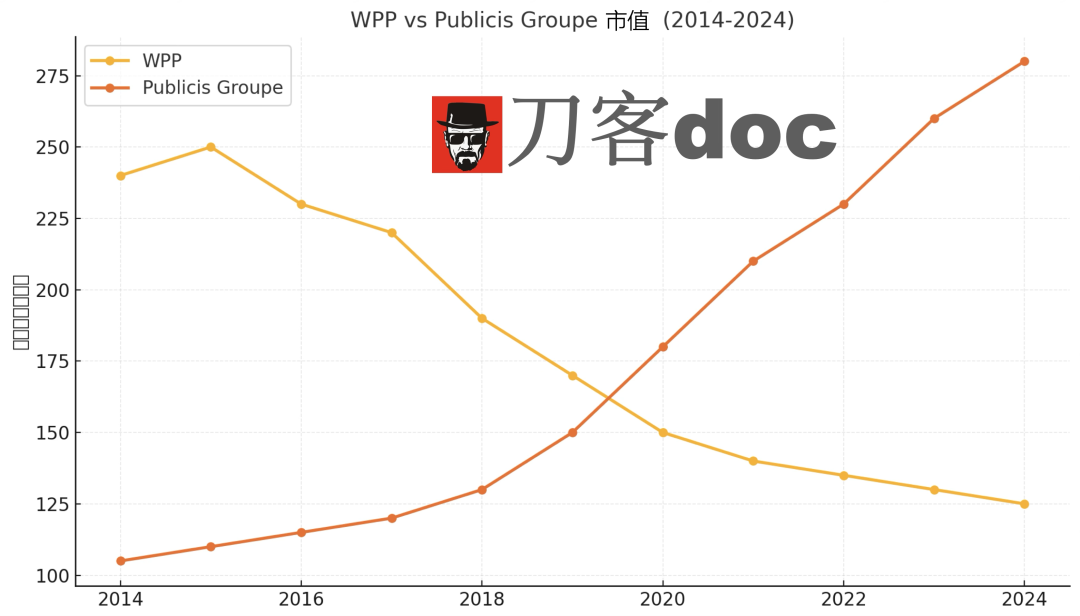
Core Insights - The global advertising industry is undergoing a significant restructuring by 2025, with two distinct paths emerging: one focusing on scale through mergers and acquisitions, and the other leveraging technology and AI for efficiency and agility [2][3][4] - The competition between scale and speed represents a strategic choice that can determine the success or failure of companies in the industry [4] Company Performance - Public financial reports reveal contrasting performances between major players: Publicis Groupe (阳狮) reported a net income of €3.617 billion in Q2, a year-on-year increase of 4.6%, while WPP experienced a revenue decline of 5.5% in the same period [7][8] - Publicis has raised its organic revenue growth forecast to nearly 5%, while WPP has downgraded its annual forecast to a negative growth of 3% to 5% [7][8] Strategic Choices - Publicis has made significant investments in technology and data, positioning itself as a platform-driven growth company, while WPP has struggled with debt reduction and brand integration, appearing to be reactive rather than proactive [15][31] - The acquisition of Sapient in 2014 marked a pivotal moment for Publicis, allowing it to integrate technology and digital transformation into its core services, while WPP's strategy remained conservative, focusing on optimizing traditional research businesses [17][30] Data and Technology - The acquisition of Epsilon for $4.4 billion allowed Publicis to establish a stronghold in first-party data, which is becoming increasingly critical in the advertising landscape due to privacy regulations and the decline of third-party cookies [32][35] - Epsilon's data capabilities have significantly enhanced Publicis's revenue structure, with digital income rising from less than 30% to over 50% [47] AI and Platformization - Publicis has introduced the Marcel platform to enhance internal collaboration through AI, while also investing €300 million over three years in AI research and data platform upgrades [56][63] - WPP has also developed its own technology platform, OpenX, but lacks the proprietary data assets that Publicis has secured, limiting its competitive edge [65][51] E-commerce and Retail Media - Publicis has recognized the shift towards retail media advertising, acquiring companies like Profitero and Corra to enhance its capabilities in e-commerce solutions [76][77] - Retail media advertising is projected to account for over 20% of global ad spending by 2024, indicating a significant growth opportunity for companies that can adapt quickly [74] Industry Dynamics - The advertising industry is facing competition not only from traditional players but also from consulting firms and tech giants, which are increasingly encroaching on advertising budgets [84][85] - The success of Publicis raises critical questions about whether advertising holding companies must evolve into technology companies to remain relevant in the changing landscape [87]
慧翰股份(301600) - 2025年7月24日投资者关系活动记录表
2025-07-25 09:50
Group 1: Company Overview - The company's core technology integrates automotive and ICT technologies, widely applied in smart vehicles, new energy batteries, and industrial IoT [2] - The main products include vehicle networking smart terminals, IoT smart module software, and technical services, emphasizing continuous technological innovation and product iteration [2] - The company maintains strong comprehensive capabilities in R&D, production management, quality control, supply chain management, and delivery, supported by a stable and high-quality customer base [2] Group 2: Product Segmentation - The company's vehicle networking smart terminals include TBOX, eCall, and battery management systems, with no specific breakdown of their proportions [2] - The R&D model is based on a platform and modular approach, allowing customization and covering multiple vehicle types, which enhances R&D efficiency and reduces costs [3] Group 3: R&D and Innovation - R&D expenses have shown a steady annual increase, reflecting the company's commitment to forward-looking research and development [3] - The company has established a technology R&D system based on platformization and modularization, enabling rapid market introduction of new features and products [3] Group 4: Market Position and Standards - The company has a leading position in the eCall sector, being the first in China to pass the EU e-Call standard certification in March 2019 and the NG-eCall certification in January 2025 [5] - The company actively participates in the development of national standards, contributing to the GB45672-2025 mandatory standard for vehicle-mounted emergency call systems [5] Group 5: Production Capacity - The company operates a flexible production line capable of meeting automotive-grade product requirements, with a focus on R&D design and core component production [7] - Non-core components are outsourced to external manufacturers, with strict quality control and supervision to ensure compliance with production standards [7]
零跑汽车创业十年:不是逆袭,而是专注者的胜利
晚点LatePost· 2025-07-15 14:38
Core Viewpoint - Leap Motor aims to become a world-class electric vehicle manufacturer, focusing on cost-effective products for the mass market while maintaining a strategy of following technological advancements rather than leading them [2][16]. Sales Performance - Leap Motor achieved its first monthly sales of 10,000 units in March 2022, with projections to exceed 40,000 units per month by Q4 2024, totaling nearly 300,000 units sold in 2024 [3]. - The company became the sales champion among new forces in the automotive industry in 2025, with monthly sales approaching 50,000 units [3]. Product Strategy - Leap Motor's C11 model, launched in 2021, is designed to be a long-lasting product akin to the Toyota Corolla, with a focus on user experience and continuous improvement [5][9]. - The C11's sales increased from 1,000 units at launch to over 10,000 units per month by 2024, defying the common trend of declining sales post-launch [6][10]. Future Plans - Leap Motor plans to release the D and A series by the end of this year and next year, aiming for each series to achieve monthly sales of 50,000 to 100,000 units [18]. - The company has set a sales target of 500,000 to 600,000 units for 2025, with plans to increase its dealership network from over 800 to more than 1,000 [18]. Cost Control and Efficiency - The company emphasizes platformization, with 88% of core components being shared across its C series vehicles, which helps reduce costs [13]. - Leap Motor's self-research rate for core components exceeds 65%, allowing for greater integration and cost efficiency [15]. Leadership and Management - CEO Zhu Jiangming maintains a hands-on approach, overseeing multiple departments and ensuring efficient communication to avoid operational silos [19]. - The company aims to maintain a lean workforce, with a target of not exceeding 10,000 engineers even as sales are projected to increase tenfold in six years [19].