
K型分化

Search documents
2025,中国旅游消费彻底变了
Sou Hu Cai Jing· 2026-01-01 01:48
Core Insights - In 2025, domestic tourism consumption in China experienced an unexpected trend where major economic hubs like Beijing and Shanghai saw a decline in tourism spending, while less developed regions such as Northeast (Heilongjiang, Jilin, Liaoning), Northwest (Gansu, Qinghai), and Southwest (Yunnan, Guizhou) exhibited a surge in tourism activity [2][4][9]. Group 1: Consumption Patterns - Beijing and Shanghai have been categorized as "cautious consumers," indicating that residents in these economically advanced cities are spending less on tourism compared to their counterparts in less affluent regions [3][4]. - The decline in tourism spending in Beijing and Shanghai is attributed to high living costs and economic pressures, leading residents to reduce their travel budgets significantly [4][5]. - In contrast, residents in the Northeast, despite lower incomes, are more willing to spend on tourism due to lower living costs and stable incomes, resulting in a higher propensity for travel [10][11]. Group 2: Changing Consumer Behavior - A notable trend in 2025 is the shift towards camping and high-cost performance experiences, with many tourists opting to sleep in tents rather than expensive hotels during peak travel times [12][13]. - The concept of "high cost performance" has become crucial in influencing tourism consumption decisions, with consumers seeking value for money and unique experiences [14][19]. - The demand for high cost performance is not limited to tourism but reflects a broader global consumer trend towards purposeful spending [16][18]. Group 3: Ineffectiveness of Traditional Stimulus Measures - Traditional measures to stimulate tourism, such as free admission and consumption vouchers, have become less effective, prompting the need for new strategies [20][21]. - New initiatives, including the introduction of school autumn breaks and local cultural festivals, have emerged as effective means to boost tourism consumption [21][22]. - The rise of local intangible cultural heritage as a tourism draw has shown significant potential, with many regions successfully leveraging these cultural elements to attract visitors [24]. Group 4: Future Opportunities - The tourism industry is witnessing a shift in focus towards high-activity markets like Northeast China, with new tourism products and services being developed to meet changing consumer preferences [26][27]. - The introduction of new public holidays and school breaks is expected to further stimulate tourism consumption in the coming years, with predictions of increased government-led cultural and tourism festivals [27][28]. - The evolving landscape of tourism consumption presents opportunities for businesses that can adapt to the demand for high cost performance and unique experiences [28][29].


美国经济:冷暖交织下的“K型鸿沟”
Guolian Minsheng Securities· 2025-12-31 12:24
Economic Performance - The U.S. economy has shown resilience with a real GDP annualized growth rate consistently above 2% in the first three quarters of 2025, excluding tariff impacts[5] - However, there is a stark contrast between macroeconomic data and micro-level experiences, with declining employment market activity and falling consumer confidence[5] Structural Issues - The economic growth is characterized by a "K-shaped" divergence, where a narrow prosperity in certain sectors, like AI, contrasts with widespread slowdown in others[5] - AI-related investments contributed 0.8 percentage points to the real GDP growth, while personal consumption expenditures contributed 1.8 percentage points, indicating a dual-driven economic model[13] Industry Disparities - Traditional cyclical industries, particularly real estate, are experiencing downturns due to high interest rates and housing prices, with residential investment maintaining negative growth[17] - The real estate sector is under pressure, with mortgage burdens at historical highs, limiting demand and investment willingness[17] Consumer Behavior - Wealth concentration is evident, with the top 20% of income earners holding nearly 90% of stock and mutual fund assets, exacerbating the K-shaped economic divide[23] - Consumer spending is increasingly reliant on high-end sectors, while essential goods and services show weaker performance, reflecting structural imbalances in consumption[34] Political Implications - The upcoming 2026 elections are expected to focus on improving living standards, with the Trump administration likely to adopt a dual strategy of encouraging AI investment and enhancing social welfare[36] - The administration's policies may aim to address economic disparities to regain public support, especially as approval ratings decline[36] Risks - Potential risks include aggressive policies leading to economic downturns, unexpected tariff expansions causing global economic slowdowns, and geopolitical tensions increasing asset price volatility[47]
2026投资者可关注这几点→
Di Yi Cai Jing Zi Xun· 2025-12-30 11:00
Core Insights - The event "2025 Annual Financial Thinkers Summit" highlighted the resilience of the Chinese economy, projecting a GDP growth of 5.2% in the first three quarters and an annual total expected to exceed 140 trillion yuan [2][3] - The concept of "K-shaped differentiation" in the economy was introduced, indicating disparities in growth across different sectors and demographics, with some industries thriving while others, like real estate, face decline [5][6][7] - The importance of "creative destruction" was emphasized, suggesting that while innovation drives growth, it can also lead to market monopolization and hinder competition among smaller firms [8][9] Economic Resilience - China's economy demonstrated remarkable resilience in 2025, supported by a vast consumer market and an evolving industrial structure, with traditional industries undergoing modernization and new strategic sectors emerging [2][3] - The adaptability of Chinese enterprises and supply chains has contributed to the stability of exports, which remain diversified in terms of destinations and product quality [3] K-shaped Differentiation - The K-shaped differentiation reflects a growing divide in economic performance, with sectors like private manufacturing seeing higher returns compared to state-owned enterprises, while real estate continues to struggle [6][7] - Regional and corporate disparities are evident, with resources concentrating in major urban centers, leading to challenges for small and medium enterprises [7] Creative Destruction - The concept of "creative destruction" highlights the dual nature of innovation, where leading firms may stifle competition by acquiring patents and limiting market access for new entrants [8][9] - The need for a balanced economic environment that encourages innovation while preventing monopolistic practices was stressed, advocating for a fair competitive landscape [9] Investment Opportunities - The forecast for 2026 suggests a favorable environment for technology, dividend, and precious metal assets, with a focus on companies leveraging AI for efficiency [12][13] - The anticipated easing of external pressures on the Chinese economy is expected to facilitate policy reforms and activate consumer potential, although challenges remain [13]
2026投资者可关注这几点→
第一财经· 2025-12-30 10:11
Core Viewpoint - The article emphasizes the resilience of the Chinese economy, highlighting its ability to adapt and grow despite external challenges, and discusses the structural opportunities expected in 2026 [2][3][4]. Group 1: Economic Resilience - The Chinese economy demonstrated remarkable resilience in 2025, achieving a 5.2% growth in the first three quarters, with an expected total economic output of 140 trillion yuan for the year [3][4]. - The resilience is attributed to a large market size, continuous optimization of industrial structure, and a vibrant innovation ecosystem, which together form a strong foundation for high-quality development [3][4]. Group 2: Market Dynamics - The consumption demand in China is shifting from traditional sectors to new areas such as service consumption, green consumption, and digital consumption, indicating a broadening market base [4]. - The integration of modern service industries with advanced manufacturing is creating a more resilient and efficient industrial system [4]. Group 3: K-Shaped Economic Divergence - The article introduces the concept of "K-shaped divergence" in the economy, where certain sectors, like new productive industries, are thriving, while traditional sectors, particularly real estate, are experiencing downturns [6][7]. - This divergence is evident in various dimensions, including departmental, industrial, regional, and individual levels, leading to increased competition and challenges for many businesses and workers [7][8]. Group 4: Innovation and Creative Destruction - The concept of "creative destruction" is discussed, highlighting how technological advancements can lead to both innovation and market monopolization by large firms, which may stifle competition and overall economic growth [9][10]. - The article stresses the need for a balanced approach to innovation that encourages competition and prevents excessive concentration of market power [10]. Group 5: Future Economic Strategies - To sustain economic growth, there is a call for enhancing market competition and improving property rights, ensuring that private enterprises can thrive and contribute to economic vitality [12]. - The focus should be on investing in human capital and social welfare to boost consumer confidence and demand, moving towards a development model centered on improving people's well-being [11][12]. Group 6: Investment Outlook - The article suggests that in 2026, a combination of technology, dividend, and precious metal assets will likely provide stable performance, with a focus on sectors that can leverage AI for efficiency [13][14]. - Gold is highlighted as a hedge against various risks, driven by global central bank purchasing trends and geopolitical tensions, making it a valuable asset in uncertain times [14].

日本制造,拼命撤出中国?背后不简单
3 6 Ke· 2025-12-29 12:23
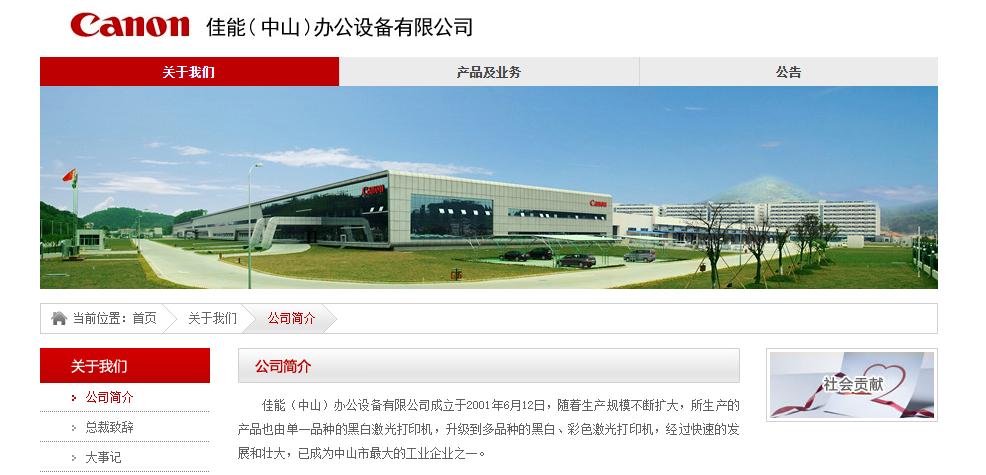
Core Viewpoint - Japanese companies are facing significant challenges in the Chinese market, leading to closures and exits from various sectors, but they are simultaneously increasing investments in high-end technology within China [1][9][23]. Group 1: Company Closures and Exits - Canon has closed its printer production base in Zhongshan, which was once a significant employment hub, producing millions of laser printers and generating nearly 3.2 billion in industrial output in 2022 [1][4]. - Nissan announced the closure of its Wuhan factory, which had a production capacity of 300,000 vehicles per year but struggled with low sales, achieving only 3% utilization [5]. - Mitsubishi has completely exited the Chinese automotive market after over 40 years, ceasing its joint engine project and halting vehicle production [5][7]. - Sony has officially withdrawn its Xperia smartphone business from China, and Yakult has closed its first factory in Guangzhou due to a significant drop in sales [6][7]. Group 2: Market Dynamics and Competition - The decline of Japanese brands in China is attributed to the rapid advancement of domestic brands, which have overtaken their Japanese counterparts in market share [9][11]. - Japanese companies have been slow to adapt to market changes, relying heavily on brand reputation and quality premiums, which have diminished due to various scandals [13][15]. - The market share of Japanese cars in China has dropped from nearly 25% in 2020 to 11.2% last year, while domestic brands dominate the appliance and electronics sectors [12]. Group 3: Strategic Shifts and Investments - Despite the closures, Japanese investment in China has surged, with a 55.5% year-on-year increase in the first three quarters of this year, indicating a strategic pivot towards high-end technology [17][23]. - Toyota has invested $2 billion to establish a wholly-owned electric vehicle company in Shanghai, marking a shift from joint ventures to direct investment in high-end technology [19]. - Panasonic is focusing on semiconductor packaging materials in Shanghai, reflecting a commitment to the Chinese market as a critical battleground for global electronics manufacturing [22]. Group 4: Future Outlook - The current situation represents a significant restructuring of Japanese companies in China, moving away from low-end production towards high-end sectors, indicating a fundamental strategic shift [23][24]. - Companies that can innovate and localize effectively are likely to thrive in the competitive Chinese market, which is seen as a global strategic high ground rather than just a low-cost manufacturing base [24][25].
斩杀线,美国中产的噩梦
Sou Hu Cai Jing· 2025-12-27 11:23
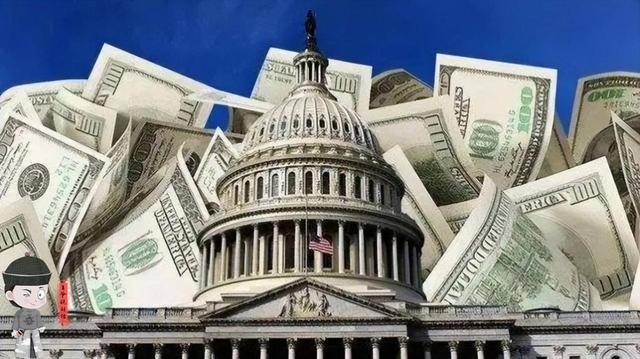
Core Concept - The term "kill line" refers to the precarious situation of American middle-class individuals who, upon losing their jobs, face a rapid decline into homelessness, with an average remaining lifespan of only five years for the homeless population [2][10]. Group 1: Economic Conditions of the Middle Class - Many middle-class families operate on a high-leverage model, where their cash flow does not equate to their ability to meet liabilities, leading to a fragile financial situation [3][5]. - A typical engineer in the Bay Area may earn a pre-tax salary of $300,000, but after taxes and living expenses, their disposable income is severely limited, often leaving only a few hundred dollars in free cash flow each month [4][5]. - Approximately 37% of Americans cannot afford to cover an emergency expense of $400, highlighting the financial vulnerability of many households [4]. Group 2: Employment and Job Security - The "at-will employment" system in the U.S. allows employers to terminate employees without cause, which has been exacerbated by recent trends in AI and automation, leading to significant job losses, particularly in the tech sector [7]. - Reports indicate that by 2025, corporate layoffs could reach 1.1 million, a 65% increase year-on-year, with software development roles experiencing a 56% decline in hiring over five years [7]. Group 3: Healthcare and Financial Implications - Unemployment often leads to the loss of health insurance, forcing individuals to either forgo medical care or pay high premiums to maintain coverage, which can be as much as $3,000 per month [8][9]. - Medical expenses are a leading cause of personal bankruptcy, with 66.5% of bankruptcies linked to healthcare costs [8]. Group 4: Social and Psychological Impact - The rapid descent from middle-class stability to homelessness can lead to severe psychological distress, contributing to high rates of substance abuse among those who have lost their jobs [11][19]. - The average lifespan of homeless individuals is significantly reduced due to despair and associated health issues, with 75% of them dying within three years of becoming homeless [10][19]. Group 5: Economic Inequality - The wealth distribution in the U.S. is highly skewed, with the top 10% holding 87.2% of stock wealth, while the bottom 50% possess only 1.1%, indicating a widening economic divide [15][16]. - The median net worth of middle-class families is only $192,900, which is less than 7% of the wealth held by the top 10%, and their disposable income continues to shrink due to rising living costs [17]. Group 6: Broader Implications - The concept of the "kill line" is not unique to the U.S. and may exist in various forms globally, reflecting a universal risk of economic instability faced by the middle class [20][22]. - The current economic environment, characterized by high financialization and competition, has made the middle class a transient and unstable group, dependent on continuous employment for survival [20][22].

格林大华期货春季行情回顾
Ge Lin Qi Huo· 2025-12-26 08:45
1. Report Industry Investment Rating No relevant content provided. 2. Core Viewpoints of the Report - Chinese equity assets are expected to initiate a spring market. Factors include the Fed's monthly purchase of $40 billion in short - term bonds, intense space infrastructure competition between China and the US, institutional funds entering the market through A500ETF, the approaching of CSI 500 and CSI 1000 indices to previous highs, the seasonal pattern of the Chinese stock market, the end of the A - share sideways movement, the high "science content" of the CSI 500 index, and the accelerating appreciation of the RMB [37]. 3. Summary According to Relevant Catalogs Global Economic Outlook - Goldman Sachs believes that the global stock market has entered the "optimistic stage" of a bull market, and in 2026, earnings will continue to support the market, with a total return rate of 15% including dividends [4]. - The Fed cut interest rates by 25 basis points in December, started buying $40 billion in short - term bonds monthly, and restarted the expansion of its balance sheet [4][5]. - Trump stated that the next Fed chairman must believe in "substantial interest rate cuts" [4]. - Goldman Sachs analysts warned that the current decline in Las Vegas gambling revenue is similar to the early warning signals before the 2008 financial crisis [4]. - The US released a new National Security Strategy, adjusted its economic relations with China, and aimed to revitalize its economic autonomy [4]. - The Fed's Beige Book showed that consumer K - shaped differentiation has intensified. High - income consumers' spending remains resilient, while middle - and low - income families are tightening their belts [4]. - The Bank of Japan raised interest rates by 25 basis points, and the yield of Japan's 10 - year government bonds rose to 2.0% [4]. - The US unemployment rate rose to 4.6%, and economists are worried that large - scale corporate layoffs are an economic warning signal [4][11]. - The US is returning to the Monroe Doctrine, which will have a profound impact on major asset classes [4]. - The US November core CPI was 2.6%, far lower than the expected 3.0% [8]. - The US weekly initial jobless claims were 224,000 [11]. - The US employment outlook declined. The number of new ADP jobs in November was negative, and the number of active corporate layoffs increased rapidly [14]. - The total retail and food sales in the US in October showed zero month - on - month growth, indicating weakening consumption [17]. - The US capital goods import amount in September decreased rapidly both year - on - year and month - on - month, suggesting a poor manufacturing outlook [20]. - The US ISM manufacturing PMI index continued to contract in November [23]. - The US manufacturing PMI price index and service PMI price index continued to expand in November, indicating accelerating inflation [26]. - The US PPI commodity month - on - month growth rate in September was 0.9%. Coupled with weakening consumption and declining employment, the US economy is slipping into stagflation [29]. - The eurozone manufacturing PMI contracted again in November, and the eurozone economy was greatly impacted by US counter - tariffs [32]. - The Bank of Japan's interest rate hike and the rise in the yield of Japanese government bonds will have a negative impact on US bonds, US stocks, and Chinese bonds [34]. Asset Allocation - The Fed's purchase of short - term bonds is beneficial to Chinese equity assets [37]. - The space infrastructure competition between China and the US has led to a high - growth period in commercial space, and satellite ETFs have risen strongly [37][38]. - Some institutions have started spring layout in advance, and institutional funds have entered the market through A500ETF, pushing the Shanghai Composite Index above 3,950 points [37][45]. - The CSI 500 and CSI 1000 indices are close to previous highs and are expected to reach new highs after New Year's Day [37]. - The Chinese stock market has a seasonal pattern, and usually starts a spring offensive around the Spring Festival [37]. - The A - share market has been sideways for 4 months since late August and is expected to start a new market [37][48]. - Among the four stock index futures, the CSI 500 index has the highest "science content" and is expected to break through previous highs [37][51]. - The accelerating appreciation of the RMB is conducive to the influx of international capital into China [37][54]. Space Infrastructure - Blue Arrow Aerospace verified the vertical recovery technology of the first - stage rocket on December 6 [41].
三驾马车拉爆美国GDP?三季度消费出口猛增,创两年最高增速!
Sou Hu Cai Jing· 2025-12-26 08:34
Group 1 - The U.S. economy's GDP for Q3 2025 surged to an annualized rate of 4.3%, exceeding expectations of 3.3% and surpassing Q2's 3.8% growth, marking the highest growth rate since Q3 2023 [5][3] - Personal consumption was the largest contributor to GDP growth, adding 2.39 percentage points, driven by wealth effects from capital markets as major stock indices reached historical highs [5][7] - Government spending also played a significant role, with federal defense spending increasing by 1.43% and a substantial rise in borrowing plans from $554 billion to $1.01 trillion, enabling investments in strategic companies like Intel [9] Group 2 - Exports grew by 2.13% in Q3, while imports fell by 1.2%, leading to a notable contribution from net exports, supported by improved global manufacturing PMI and new trade agreements reducing tariffs [11] - The economy is experiencing a "K-shaped" recovery, where wealth is increasingly concentrated among the top 10% of households, while low-income groups face challenges due to high inflation eroding purchasing power [13][16] - Large enterprises benefit from pricing power and stable PMI, while small businesses struggle with high interest rates and costs, leading to closures of many local establishments [17][19] Group 3 - The economic landscape shows a stark contrast between thriving sectors like information technology and finance, and struggling industries such as manufacturing and construction, highlighting the divide in economic recovery [22][23] - Despite a government shutdown impacting Q4 GDP, a rebound is expected in Q1 2026 as pent-up demand is released and AI investments continue to grow [24][25] - The Federal Reserve is anticipated to implement preventive rate cuts in 2026, addressing structural weaknesses in the labor market and the challenges faced by small businesses [28][29]
开局之年——2026年宏观经济与资本市场展望①
Xin Lang Cai Jing· 2025-12-26 02:34
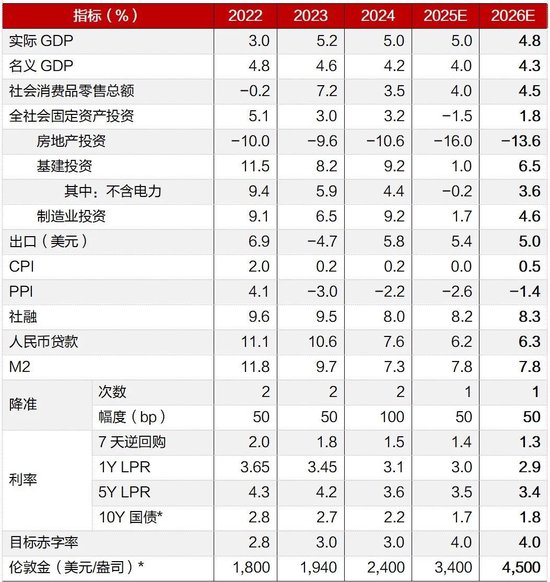
Group 1: Macroeconomic Outlook - The US economy is expected to maintain steady growth in 2026, supported by fiscal policies during the midterm election year, with a projected GDP growth of 2.4% and CPI inflation around 2.5% [1][7][55] - The K-shaped economic recovery in the US is likely to continue, with a concentration of growth in the "AI + finance" sectors, while the consumer sector shows signs of low-quality growth [1][10][55] - The Federal Reserve is anticipated to adopt a dovish stance, potentially lowering interest rates to around 3% [1][51][55] Group 2: Chinese Economic Forecast - China's GDP growth is projected to reach 4.8% in 2026, characterized by stable external demand, improved internal demand, and price recovery [2][4][82] - The fiscal policy will be more proactive, with a target deficit rate of 4.0%, corresponding to a deficit scale of 5.85 trillion yuan, and a total fiscal arrangement of 43 trillion yuan [2][86][87] - Monetary policy is expected to be moderately accommodative, with a potential reduction in the OMO rate to 1.3% and a reserve requirement ratio cut of 50 basis points [3][92][93] Group 3: Investment and Consumption Trends - Fixed asset investment growth in China is expected to recover to 1.8%, driven by increased fiscal spending and the commencement of major projects [2][5][86] - Retail sales growth is projected to rise to 4.5%, supported by strong consumer policies [2][5][86] - The capital market outlook suggests a bullish trend for the stock market, with A-shares expected to continue upward momentum, while the bond market may experience fluctuations [3][6]
【财经分析】2025年旅游业“K型分化”明显 后市AI变量不容小觑
Xin Hua Cai Jing· 2025-12-25 07:15
Core Insights - The domestic tourism market in China is expected to enter a new development phase by the end of 2025, characterized by steady growth and a "K-shaped differentiation" trend, where high-end and basic travel products are favored [1][4] Group 1: Market Performance - In 2025, the domestic tourism market is projected to see a steady increase, with significant growth in both high-end and basic travel products, reflecting a widening price range [1][4] - Data from the first eleven months of 2025 shows that domestic air travel reached 710 million passengers, a year-on-year increase of 5.4%, while railway passenger volume hit 4.28 billion, up 6.6% [2] - Domestic residents' travel expenditure reached 4.85 trillion yuan, an increase of 11.5% year-on-year, indicating a robust recovery compared to pre-pandemic levels [2] Group 2: K-shaped Differentiation - The "K-shaped differentiation" in the tourism market indicates that while many high-end products are thriving, some star-rated attractions are experiencing a decline in bookings, highlighting a structural supply-demand imbalance [4][5] - The trend reflects a shift in consumer preferences towards more personalized and immersive travel experiences, particularly among younger generations [4][5] Group 3: AI's Role in Tourism - AI is becoming a critical variable in the tourism industry, enhancing service offerings and operational efficiency through digitalization [6] - Companies like Tuniu and Ctrip are integrating AI into their services, resulting in significant increases in user engagement and decision-making efficiency [6] - Despite current limitations in data sharing, the potential for AI to transform the industry remains significant, particularly in personalized travel solutions [6][7]