美元霸权

Search documents
特朗普刚对华放出风声,就逮捕中国公民,外交部直接断了美后路
Sou Hu Cai Jing· 2025-07-05 10:51
据报道,7月3日,商务部例行新闻发布会上,有记者提问,据报道特朗普考虑9月初带企业团访华,中 方能否确认?商务部发言人回应称没有相关信息可提供 。而在此之前,美方刚释放特朗普可能访华消 息不久,就高调宣布逮捕中国公民,这背后到底有着怎样的算计?中方又将如何应对? 在外交战略方面,特朗普同样失误连连。他暂停与日本的贸易谈判,甚至直接威胁日方,若不达成协议 就再加税30%。可在美国精心布局的"印太战略"中,日本占据着至关重要的地位,其主要作用是对解放 军动向进行"监视"。如今特朗普对日本步步紧逼,无疑给了中国一个绝佳的战略机遇 。 面对美国的种种行径,中国外交部迅速做出强硬回应。外交部发言人明确指出,中方坚决反对任何没有 国际法依据、未经联合国安理会授权的单边制裁行为。并且强调,中方必将采取一切必要措施,坚定维 护中国公民的正当合法权益 。这不仅是对美国非法行为的有力回击,更是向世界表明中国维护自身公 民权益的坚定决心。 与此同时,王毅外长飞赴欧洲,前往欧盟总部所在地比利时布鲁塞尔,与比利时首相德韦弗、欧盟"外 长"卡拉斯、欧盟委员会主席冯德莱恩举行会面。中方深知,一旦美国的"印太战略"受阻,极有可能将 战略重心 ...

美国出手了!千万小心自己的财富
大胡子说房· 2025-07-05 04:50
Core Viewpoint - The "One Big Beautiful Bills" legislation is crucial for the global capital market's trajectory in the second half of the year and could significantly impact wealth over the next few years [1][6]. Summary by Sections Legislation Overview - The "One Big Beautiful Bills" legislation aims to reduce taxes by $4 trillion and increase the debt ceiling by $5 trillion, primarily benefiting corporations and wealthy individuals to attract investment back into the U.S. manufacturing sector [7]. - The legislation's core logic involves providing tax cuts for the wealthy while increasing the debt ceiling to maintain fiscal spending, leading to a historical high of over $41 trillion in U.S. debt [7]. Debt Management Strategy - The increase in U.S. debt is seen as a means to manage the existing debt crisis and maintain the dollar's global dominance, despite concerns about the declining credit quality of U.S. debt [9]. - The proposed "Pennsylvania Bill" aims to convert foreign-held debt into domestic debt, reducing reliance on foreign investors by encouraging domestic institutions and individuals to hold U.S. debt [11]. Economic Policy Implications - The strategy includes depreciating the dollar and lowering interest rates to facilitate the debt replacement process, similar to Japan's long-term economic approach [13][15]. - The U.S. government may implement policies to ensure domestic entities, such as pension funds and insurance companies, are compelled to purchase U.S. debt, potentially with the Federal Reserve acting as a backstop [11][12]. Future Considerations - The introduction of stablecoin legislation is intended to maintain the dollar's status in the global economy, as it could facilitate digital payments while binding stablecoins to the dollar [16]. - The overall strategy may lead to a significant depreciation of the dollar and U.S. debt, creating a favorable environment for alternative assets such as commodities and high-dividend stocks [16]. Investment Opportunities - The anticipated depreciation of the dollar and U.S. debt prices suggests that the second half of the year may favor safe-haven assets, including precious metals and stable income-generating investments [16].

复旦大学“跨学科视野下的稳定币问题”圆桌会成功举办,研讨数字金融前沿动态
Sou Hu Cai Jing· 2025-07-05 00:29
Core Viewpoint - Stablecoins are emerging products in the digital finance sector, rapidly developing globally and increasingly impacting sovereign currency systems, cross-border payments, and financial stability [1] Group 1: Development and Characteristics of Stablecoins - Stablecoins are defined as new digital assets that combine the efficiency of cryptocurrencies with the stability of fiat currencies, categorized into fiat-collateralized, crypto-collateralized, and algorithmic types [2] - Stablecoins offer advantages in cross-border payments, including efficiency and low costs, but also face risks such as insufficient reserves, algorithm failures, clearing difficulties, and regulatory uncertainties [2] - The development of stablecoins is influenced by the depth of financial markets and the level of legal systems, with their heterogeneity and cross-border nature posing challenges to existing regulatory frameworks [3] Group 2: Regulatory and Governance Challenges - The credit risk, liquidity risk, and de-pegging risk of stablecoins can affect not only individual markets but also the global financial system, necessitating a "same risk, same regulation" principle in global stability regulation [3] - China is encouraged to promote international cooperation in regulatory information exchange, risk assessment, and joint crisis response measures to improve the cross-border governance framework of stablecoins [3] Group 3: Political and Economic Implications - Stablecoins are seen as a product of the competition between national and market credit in the digital age, with the U.S. aiming to consolidate the dollar's dominance while China should explore a supply chain-based stablecoin issuance strategy [4] - The rise of stablecoins may weaken the global position of the dollar and its influence within the SWIFT system, presenting both opportunities and risks for China in balancing national security and economic development [5] Group 4: Future Prospects and Strategic Recommendations - Stablecoins represent a new form of currency in the tokenized era, with significant potential in cross-border payments and inclusive finance, prompting China to actively participate in their development [6] - Experts agree that while stablecoins present opportunities, they also come with multiple challenges across technology, law, and politics, necessitating a strategic exploration of stablecoin development paths by China [6]
宁可干掉美国总统,共济会也不会让这种事情发生
Sou Hu Cai Jing· 2025-07-04 12:27
Group 1 - The Freemasons originated in medieval Europe as a guild for stonemasons and architects, evolving into a modern organization in 1717 with principles of reason, freedom, and equality [3][5] - The Freemasons gained significant influence in the United States, with notable members including George Washington and Benjamin Franklin, impacting key historical events such as the American Revolution [6][8] - The establishment of the Federal Reserve in 1913 is closely linked to the Freemasons, with key figures in its creation being members, raising suspicions about their influence over the U.S. financial system [10][14] Group 2 - The assassination of President John F. Kennedy in 1963 is surrounded by conspiracy theories, with some suggesting it was linked to his monetary policies that challenged the Federal Reserve [18][20] - Abraham Lincoln's assassination in 1865 is also speculated to be connected to his financial policies, particularly the issuance of "greenbacks" that bypassed traditional banking systems [21][23] - The dominance of the U.S. dollar as the world's primary currency has historical ties to the Freemasons, with their influence seen in the establishment of the Bretton Woods system and subsequent shifts to a petrodollar system [25][30] Group 3 - The Freemasons' historical presence in the U.S. has been significant, with their influence noted in the formation of financial systems and key political events, although mainstream historians often regard these connections as speculative [16][32] - The current trends of de-dollarization and the rise of digital currencies pose challenges to the U.S. dollar's supremacy, potentially affecting the Freemasons' influence in the future [34]

聊聊祸乱美利坚的大漂亮法案
Hu Xiu· 2025-07-03 05:39
Group 1 - The "Big Beautiful Bill" was narrowly passed in the Senate with a vote of 51-50, indicating a contentious political environment [2] - The bill has undergone changes from its version passed in the House, necessitating further negotiations between the two chambers [3] - The core of the bill is described as favoring military spending and tax cuts for the wealthy, while reducing welfare benefits for the poor [5][11] Group 2 - The bill's tax cuts disproportionately benefit large corporations and wealthy individuals, raising concerns about increasing fiscal deficits and national debt [5][15] - The elimination of subsidies for renewable energy is seen as a significant threat to companies like Tesla, which rely on these incentives [6] - The political dynamics suggest that traditional energy interests are prioritized over renewable energy, leading to potential conflicts for companies in the green sector [8][10] Group 3 - The bill is criticized for shifting the financial burden onto lower-income individuals while providing minimal tangible benefits to them [11][12] - The narrative surrounding the bill is manipulated to distract the public from its regressive nature, similar to historical tax policies that favored the elite [13] - The potential long-term consequences of the bill could lead to inflation and a devaluation of the dollar, impacting global economic stability [15][20]

崩盘信号!美国经济亮红灯,GDP萎缩+消费负增长+收入暴跌
Sou Hu Cai Jing· 2025-07-02 23:31
Economic Overview - The U.S. economy is facing significant challenges, with a reported GDP contraction of 0.5% in Q1 2025, marking the worst performance in three years [1] - The Federal Reserve is in a difficult position, unable to lower interest rates due to inflation concerns while also hesitant to raise rates amid fears of a complete economic collapse [1][2] - The uncertainty in policies has reached a new high since 1985, leading to low corporate investment and a reluctance to expand operations [2] Consumer Behavior - Consumer spending has drastically declined, with a 0.1% decrease in May, marking the first negative growth of the year, and a significant drop in consumer confidence to 93, the lowest since the pandemic began [4] - The average disposable income for the lowest income group has decreased by 4.9%, which is more than double the decline experienced by higher income groups [4] Trade and Inventory Issues - A surge in imports due to preemptive stockpiling before tariffs led to a 37.9% increase in imports, negatively impacting GDP by approximately 4.7 percentage points [5] - Retail inventory levels are high, with a sales-to-inventory ratio of 1.4, indicating that products are not moving off the shelves [5] Inflation and Price Pressures - Core PCE inflation is currently at 2.7%, but there are concerns that actual tariff rates could lead to a significant increase in inflation, potentially exceeding 2.8% if comprehensive tariffs are enacted [8] - Price increases are already being observed, with specific products like plush toys seeing a 42% price hike due to expiring tariff exemptions [8] International Trade Relations - The U.S. trade deficit has widened to $96.6 billion, with exports from countries like Vietnam and Thailand to the U.S. increasing by 35% in May [6][10] - Retaliatory measures from trade partners, including the EU's plan to impose tariffs on $26 billion worth of U.S. goods, could further strain U.S. agricultural exports and increase costs in the automotive sector [10]
美债变成“风险资产”!全球银行301亿血洗,最大债主中国撤退!
Sou Hu Cai Jing· 2025-07-02 22:51
Group 1 - The ongoing battle for global financial order revolves around the dominance of the US dollar, particularly concerning the $37 trillion US national debt, which poses significant risks to the global financial system [1] - President Trump has been pressuring the Federal Reserve to lower interest rates to alleviate the burden of national debt, but Fed Chairman Powell remains resistant to such measures to maintain the Fed's independence [1][3] - In April, there was a notable sell-off of US Treasuries, with global central banks selling $30.1 billion and private investors offloading $20.5 billion, indicating a significant loss of confidence in US debt [3] Group 2 - The Trump administration is exploring a new regulatory framework for stablecoins, aiming to anchor them 100% to dollar assets and invest reserves in short-term US Treasuries, which could create new demand for US debt [4] - However, this strategy carries risks, as a loss of trust in stablecoins could lead to severe financial repercussions, potentially worse than the 2022 TerraUSD collapse [4] - China is responding with its own digital currency initiatives, including the digital yuan and stablecoin regulations in Hong Kong, which are designed to enhance cross-border payment efficiency [5][6] Group 3 - The efficiency of Hong Kong's stablecoin payments is significantly higher than traditional SWIFT payments, with transaction times reduced to seconds and costs nearly eliminated, indicating a shift in financial infrastructure [6] - The competition between the US and China in the digital currency space will ultimately depend on who can offer more equitable and efficient payment solutions, with China currently positioned as a leader in this area [6]
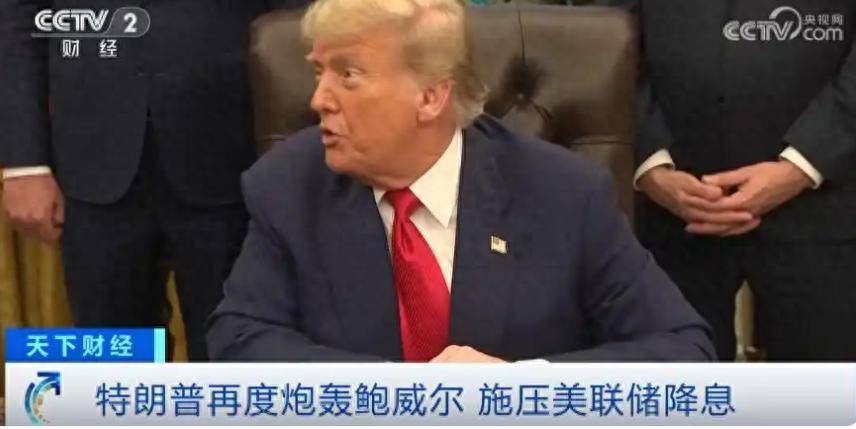
美国又出手!冲击全球的大动作要来了
大胡子说房· 2025-07-02 12:47
Core Viewpoint - The "One Big Beautiful Bills" legislation is crucial for the global capital market's trajectory in the second half of the year and could significantly impact wealth over the next few years [1][6]. Summary by Sections Legislation Overview - The "One Big Beautiful Bills" legislation aims to reduce taxes by $4 trillion and increase the debt ceiling by $5 trillion, primarily benefiting corporations and wealthy individuals to attract investment back into the U.S. manufacturing sector [7]. - The legislation's core logic involves providing tax cuts for the wealthy while increasing debt to maintain fiscal spending, leading to a historical high in U.S. debt exceeding $41 trillion [7]. Debt Management Strategy - The increase in U.S. debt is seen as a means to manage the debt crisis and maintain the dollar's hegemony, despite concerns about the declining credit quality of U.S. debt [9]. - The proposed "Pennsylvania Bill" aims to convert foreign-held debt into domestic debt, reducing reliance on foreign investors [11]. Economic Measures - The strategy includes depreciating the dollar and lowering interest rates to facilitate the debt replacement process, similar to Japan's long-term economic approach [13][15]. - The U.S. government may encourage domestic institutions to purchase long-term U.S. debt, potentially mandating retirement plans to allocate a significant portion to U.S. bonds [11]. Implications for Currency and Assets - The transition to domestic debt could lead to a depreciation of the dollar, impacting its status as the world's primary payment currency [16]. - The introduction of stablecoin legislation aims to maintain the dollar's relevance in international trade, allowing for indirect use of the dollar through digital currencies [16]. Investment Opportunities - The anticipated depreciation of the dollar and U.S. debt prices may create a favorable environment for safe-haven assets such as precious metals, high-dividend stocks, and stable income bonds [16]. - The recent regulatory changes regarding cash purchases of gold signal a shift towards valuing tangible assets, indicating potential investment strategies for wealth protection [16].

为什么这几年感觉这么难?
Hu Xiu· 2025-07-02 05:17
本文来自微信公众号:局外人的视界,作者:卡夫卡不忙了,原文标题:《黄金啊,黄金坑》,题图来 自:视觉中国 涨了就无限看多,跌了就开始哆哆嗦嗦。市场不是这么玩的,继续这么玩是会被市场玩残的。 我一直跟大家说,投资要讲逻辑,涨跌都有它的内在逻辑。 纳斯达克能不断创新高,源自印钞机加持,现在有了稳定币这个赛博神器,就等于除了开美联储的印钞 机,还能再开一把赛博印钞机。 所谓稳定币对应的是美元美债,说起来发行人发行稳定币背后应该对应百分百的资产储备,笑死了,这 说法就跟开银行需要百分百准备金一样,可能吗? 如果不可能,有办法,你也就意味着口子一开,稳定币能用赛博技术放个十倍百倍甚至更高的杠杆,这 不就等于是钱来了吗? 要知道,资产价格是由市场流动性决定的。资本一看,好家伙,这杠杆又能继续大干特干,还能不赶紧 去价格给顶上去? 有人又要问了,既然赛博印钞机已开,为什么黄金价格反而跌了? 道理很简单,黄金最大的多头是谁?各国央行啊! 最近这段时间,美帝在中东吃了大瘪。有人说,这波胜利属于美以,吃亏的是波斯。 笑死了,波斯当然吃亏了。但问题是,一个如此不堪的波斯,都能把美帝军力的底给探出来了。美以导 弹技术不行,生产能力更 ...
大危机!美元暴跌10%!特朗普是罪魁祸首还是背锅侠?
Sou Hu Cai Jing· 2025-07-02 01:26
Core Viewpoint - The article discusses the decline of the US dollar's dominance, triggered by a series of aggressive policies implemented by former President Trump, leading to a significant drop in the dollar index and a surge in gold prices [1][2]. Group 1: Trump's Policies - Trump's announcement of a 10% "Liberation Day Tariff" on 180 countries in April 2025 caused a 5% drop in the dollar index, marking a 16-month low, and significantly increased import costs for US businesses [1][2]. - The "Great and Beautiful" tax cut introduced in June resulted in a staggering $2.4 trillion fiscal deficit and national debt exceeding $36 trillion, with daily interest payments surpassing $3 billion [2]. - Trump's public pressure on Federal Reserve Chairman Jerome Powell led to market expectations of at least five interest rate cuts by 2026, causing a drop in the 10-year Treasury yield to 4.28% [2]. Group 2: Erosion of Dollar's Pillars - The three pillars supporting the dollar's dominance—petrodollar system, military deterrence, and global trade—are showing significant cracks, with 18% of Saudi-China oil trade now settled in yuan [4]. - The US national debt has surpassed $38 trillion, leading to a downgrade in the US sovereign credit rating by Moody's to Aa1, and foreign ownership of US debt has plummeted from 45% a decade ago to 28% [4]. - The rise of digital currencies poses a challenge to the dollar's technological supremacy, with the share of the dollar in global trade settlements dropping from 88% in 2022 to 78% [4]. Group 3: Capital Flight - A significant capital flight from Wall Street is observed, with €46 billion flowing into the German market in the first four months of 2025, marking the highest since the Russia-Ukraine war [6]. - The euro has appreciated by 13% against the dollar, while gold prices have surged past $3,400 per ounce, with global central bank gold reserves reaching a 30-year high [6]. - Over 90% of S&P 500 companies mentioned "tariff impact" in their earnings reports, and the frequency of the term "recession" increased from 3% to 44% [6]. Group 4: Historical Context and Warnings - The article draws parallels between the current situation and the 1973 collapse of the Bretton Woods system, noting that the dollar's decline is more severe now due to the erosion of trust in its three pillars [7]. - The article highlights the urgency of the situation, with hedge funds holding a record $10 billion net short position against the dollar, and institutional investors reducing their dollar holdings to a 20-year low [7].