
即时零售

Search documents
外卖大战成绩单出炉,三巨头多烧了614亿
21世纪经济报道· 2025-12-01 16:02
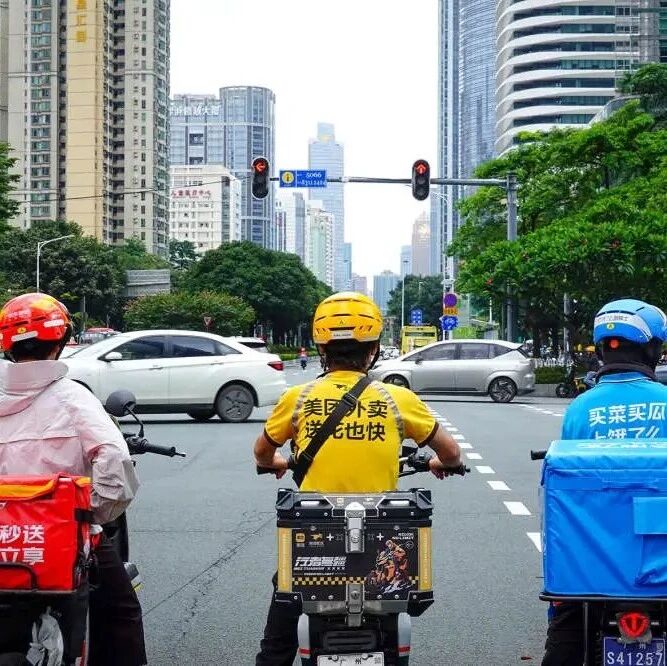
作者丨周慧 编辑丨巫燕玲 平台已在反思。美团CEO王兴在财报电话会上表示,"过去六个月已证明这种竞争无法为行业 创造真实价值,且不可持续"。阿里高管也在财报电话会上表示,四季度在闪购方面的投入"将 显著收缩"。 但据受访商家反馈,四季度的外卖大战仍没停歇,不过补贴力度和补贴策略有些变化。商家呼 吁,希望平台在回归正常的消费场景下,以合理的成本费用服务商家和消费者,否则只会助推 餐饮行业恶性竞争,导致劣币驱逐良币。 2025年夏天,美团、阿里、京东三家平台,在利润率不高且并不时髦的外卖行业,贡献了一场 全民参与的商战。 从外卖"零元购",奶茶店挤满等单的外卖骑手,再到监管点名和行业呼吁"反内卷",三家外卖 平台的"参战"成绩如何? 从财务数据来看,外卖业务补贴都给平台带来了亏损,公司整体盈利水平下降。三季报 显示,仅三季度,美团、阿里、京东三家平台的销售和市场费用就分别增加了163亿 元、111亿元和340亿元,一共多花了614亿,而增加的原因多与外卖业务有关。 而对于参与的商家而言,外卖大战对堂食产生了不利影响,导致外卖行业利润变薄。事实上, 即便一些以外卖为主的快餐品类订单量大涨,利润也在变薄,有些商家还会 ...


京东健康(06618):25Q3收入和利润延续强劲增长趋势,盈利能力提升
Haitong Securities International· 2025-12-01 13:32
Investment Rating - The report maintains an "Outperform" rating for JD Health International [1][2][17]. Core Insights - JD Health International continues to show strong revenue and profit growth, with Q3 2025 revenue reaching RMB 17.12 billion, a year-on-year increase of 28.7%, and net profit of RMB 1.84 billion, up 97.2% year-on-year [3][13][14]. - The company has raised its full-year revenue growth guidance to approximately 22.0% from the previous 20.0%, and adjusted profit target to RMB 6.20 billion from RMB 5.60 billion, reflecting strong Q3 performance [4][15]. - The report highlights the company's effective marketing investments and improved bargaining power in the pharmaceutical category as key drivers of growth [14][16]. Financial Performance Summary - For FY 2025, revenue is projected to be RMB 71.05 billion, representing a 22.1% year-on-year growth, while adjusted profit is expected to be RMB 6.21 billion, a 30% increase [5][16]. - The gross profit margin is expected to improve to 24.6% in FY 2025, with a net profit margin of 7.5% [10][16]. - The company’s DCF valuation predicts an equity value of HKD 227.44 billion, corresponding to a target share price of HKD 71.07, reflecting a 4.3% increase in target price [5][17].

即时配送服务分层:“1对1急送”加速拓展多元商业场景
Quan Jing Wang· 2025-12-01 13:31
Core Insights - The instant retail market is evolving from "delivery" to "quality delivery," leading to a tiered instant delivery service model [1] - Meituan has upgraded its "1-to-1 urgent delivery" service, while SF Express has partnered with restaurants to enhance delivery options [1] - The "exclusive delivery" service has seen a threefold increase in restaurant orders and significant growth in categories like fresh produce and cakes [1][2] Group 1: Service Upgrades - The "1-to-1 urgent delivery" service is characterized by punctuality, safety, and efficiency, expanding from personal urgent needs to broader consumer applications [1] - SF Express has implemented a full-channel order upgrade to "1-to-1 urgent delivery," enhancing brand image and ensuring consistent customer experience [1] - The average delivery time for "exclusive delivery" is reduced by 6 to 60 minutes compared to regular delivery, improving timeliness and safety [1] Group 2: Market Trends - Over 50% of consumers born after 1995 are willing to pay a premium for faster delivery, indicating speed as a key factor in purchasing decisions [2] - Consumers show a higher willingness to pay for services that offer added value and personalized experiences, making "exclusive delivery" a potential competitive advantage for businesses [2] - The collaboration between SF Express and SF Group provides a comprehensive solution for fresh produce, enhancing supply chain efficiency and market reach [2]
创造百万以上新就业 淘宝闪购持续投入下,物流规模、时效与体验已行业领先
Zhong Guo Jing Ji Wang· 2025-12-01 12:57
Core Insights - Alibaba's latest financial report indicates significant improvements in the unit economics of its instant retail business, driven by enhanced logistics efficiency, high customer retention rates, and increased average order value since September [1] - The logistics capabilities of Taobao Flash Purchase have become industry-leading in terms of scale, efficiency, and customer experience due to ongoing investments and support for delivery riders [2] Group 1: Logistics and Operational Efficiency - Taobao Flash Purchase has achieved a substantial increase in the number of active delivery riders, with a year-on-year growth exceeding 200% by Q3 2025, creating over a million new jobs [1] - The logistics efficiency has been significantly enhanced through advanced computational capabilities and coordinated logistics solutions, which include pressure regulation, time estimation, and intelligent scheduling [2] - The introduction of the "1-to-1 Urgent Delivery" and "Accelerated Card" products has improved delivery experiences for high-value users, resulting in faster delivery times, with reductions of over 5 minutes in the "1-to-1 Urgent Delivery" scenario [2] Group 2: Rider Support and Incentives - Taobao Flash Purchase has implemented a comprehensive rider incentive and support system, including free uniform updates for a million riders and full coverage of pension and medical insurance [2] - The company has introduced the industry's first AI assistant for riders, providing voice interaction and intelligent responses to assist millions of riders across the country [3] - The rider's route optimization has reached a 90% success rate for combined orders, allowing riders to earn more on the same journey [3] Group 3: Future Plans - Taobao Flash Purchase plans to continue increasing investments in logistics infrastructure and refine operations to meet consumer demands for product diversity and timely delivery [3]
外卖大战,下半场拼什么?
3 6 Ke· 2025-12-01 12:09
Core Insights - The intense competition in the food delivery sector has led to significant financial losses for major players, with Meituan reporting its largest loss since its IPO in 2018 [2][5][33]. Summary by Company Alibaba - Alibaba's operating profit plummeted 85% year-on-year to 5.4 billion yuan, while net profit fell 53% to 20.6 billion yuan, marking a 51% decline quarter-on-quarter [2][8]. - The decline in profits is attributed to increased investments in instant retail and user experience, with sales and marketing expenses soaring from 32.7 billion yuan in Q2 to 66.5 billion yuan in Q3, a 105% year-on-year increase [11][10]. - Instant retail revenue grew significantly, with Q3 revenue reaching 22.9 billion yuan, a 55% increase from Q2, reflecting the success of the "Taobao Flash Purchase" initiative [13][14]. JD.com - JD.com reported an operating loss of 1.05 billion yuan in Q3, a stark contrast to a profit of 12 billion yuan in the same period last year [2][17]. - The company has adopted a more restrained approach to spending, with marketing expenses at 21.1 billion yuan, a decrease from 27 billion yuan in Q2, although this still represents a 111% year-on-year increase [19][22]. - JD's new business segment, which includes food delivery, generated 15.6 billion yuan in revenue, reflecting a 214% year-on-year increase [22][25]. Meituan - Meituan's operating loss reached 19.8 billion yuan in Q3, with net losses of 18.6 billion yuan, marking a significant downturn from previous profits [2][33]. - The company's core local business, which includes food delivery and instant retail, saw a dramatic decline in operating profit, dropping from a profit of 3.7 billion yuan in Q2 to a loss of 14.1 billion yuan in Q3 [34]. - Despite the losses, Meituan's management indicated that the competitive landscape is beginning to stabilize, with a rebound in market share for higher-value orders [36].
多花了614亿!外卖大战没有赢家
2 1 Shi Ji Jing Ji Bao Dao· 2025-12-01 12:01
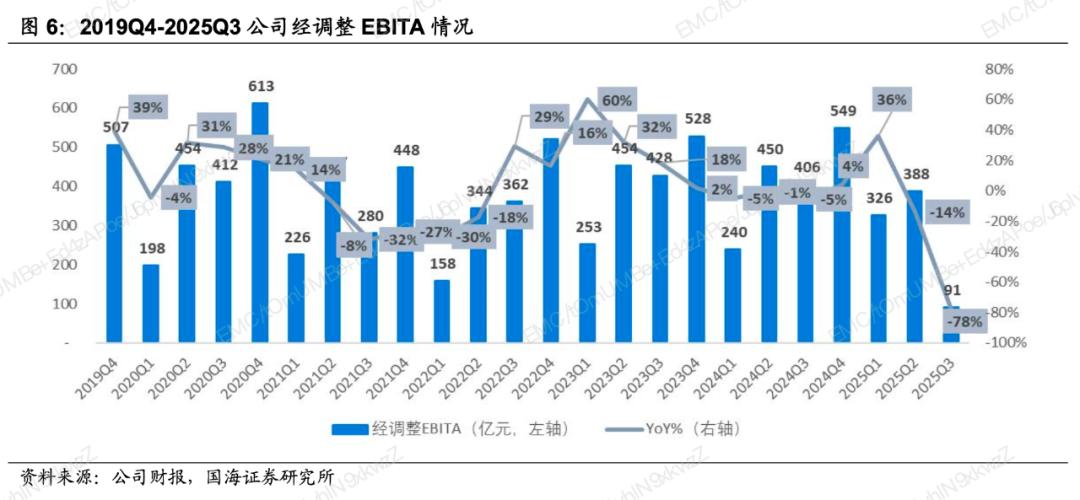
从财务数据来看,外卖业务补贴都给平台带来了亏损,公司整体盈利水平下降。三季报显示,仅三季 度,美团、阿里、京东三家平台的销售和市场费用就分别增加了163亿元、111亿元和340亿元,一共多 花了614亿,而增加的原因多与外卖业务有关。 而对于参与的商家而言,外卖大战对堂食产生了不利影响,导致外卖行业利润变薄。事实上,即便一些 以外卖为主的快餐品类订单量大涨,利润也在变薄,有些商家还会出现"订单越多,亏得也越多"的情 况。 平台已在反思。美团CEO王兴在财报电话会上表示,"过去六个月已证明这种竞争无法为行业创造真实 价值,且不可持续"。阿里高管也在财报电话会上表示,四季度在闪购方面的投入"将显著收缩"。 "反内卷"监管压力叠加巨额亏损,外卖大战停歇了吗? 2025年夏天,美团、阿里、京东三家平台,在利润率不高且并不时髦的外卖行业,贡献了一场全民参与 的商战。 从外卖"零元购",奶茶店挤满等单的外卖骑手,再到监管点名和行业呼吁"反内卷",三家外卖平台 的"参战"成绩如何? 同样在三季度(截至2025年9月30日止)卷入外卖大战的,还有京东和阿里。 但据受访商家反馈,四季度的外卖大战仍没停歇,不过补贴力度和补贴策略 ...
区域零售龙头破局线上:汇嘉时代借即时零售拓展服务半径 强化本地供应链优势
Zheng Quan Shi Bao Wang· 2025-12-01 07:25
Core Insights - The launch of HuiJia Times' first online supermarket marks its entry into the instant retail sector, leveraging major platforms like WeChat Mini Programs, Meituan, and Taobao Flash Purchase [1][2] Group 1: Company Strategy - HuiJia Times is focusing on local market penetration by utilizing its core stores to enhance its instant retail model, which aligns with industry trends and competitive market strategies [2][5] - The company has integrated local adaptation into its service radius, with different delivery ranges for various platforms, ensuring efficient service delivery tailored to local consumer needs [3] Group 2: Market Promotion - To attract customers, HuiJia Times has implemented a promotional strategy that includes free delivery for orders over 59 yuan and differentiated discounts for new and existing users, enhancing customer retention [4] - The platform has launched over 3,000 SKUs, focusing on essential consumer goods, ensuring high cost-performance ratios to meet daily household needs [4] Group 3: Multi-Channel Approach - HuiJia Times has adopted a multi-channel strategy by launching its services across three major platforms, which helps in quickly reaching a large user base while also building private traffic through its official mini-program [4] Group 4: Industry Analysis - As competition in instant retail intensifies, regional retail companies like HuiJia Times will need to focus on local supply chain capabilities, fulfillment efficiency, and user engagement to maintain competitiveness [5]

美团Q3:亏损不是答案,战损比才是——外卖这一仗值不值?
Ge Long Hui· 2025-12-01 07:21
Core Insights - The article discusses the intense competition in the food delivery and instant retail sectors, highlighting Meituan's financial performance in Q3, which shows a revenue of 95.5 billion yuan, a 2% year-on-year increase, but a significant adjusted net loss of 16 billion yuan, with core local business shifting from profit to a loss of 14.1 billion yuan [1][3][5] Financial Performance - Meituan's total revenue increased from 93.6 billion yuan to 95.5 billion yuan year-on-year, while core local business revenue slightly declined from 69.4 billion yuan to 67.4 billion yuan [3] - The cost of sales surged from 56.8 billion yuan to 70.3 billion yuan, accounting for 73.6% of revenue, while sales and marketing expenses nearly doubled from 18 billion yuan to 34.3 billion yuan, representing 35.9% of revenue [1][3] Competitive Landscape - Meituan's significant losses reflect the fierce competition, with competitors reportedly investing hundreds of billions in subsidies [1] - Despite the losses, Meituan managed to maintain approximately 60% of the industry order GTV share, showcasing a high "battle loss ratio" compared to competitors [3][4] User Engagement and Market Position - Meituan's app daily active users (DAU) grew over 20% year-on-year, with transaction users exceeding 800 million, indicating increased user engagement despite financial losses [3] - The company holds over two-thirds of the market share for orders above 15 yuan and over 70% for orders above 30 yuan, indicating a focus on high-value transactions rather than low-price promotions [4] Long-term Strategy and Investments - Meituan is investing in long-term initiatives such as rider benefits and tools for merchants to enhance operational efficiency, which may compress short-term profits but strengthen the business model [2][7] - The company is also focusing on efficiency optimization, with R&D spending increasing by 31% to 6.9 billion yuan, representing 7.3% of revenue [7] New Business Growth - New business revenue grew by 15.9% year-on-year to 28 billion yuan, with operating losses narrowing to 1.3 billion yuan, indicating improved operational efficiency in grocery retail and international expansion [12] - The instant retail segment, particularly Meituan's flash purchase service, is evolving towards brand-focused and structural upgrades, enhancing its commercial value [12][13] International Expansion - Meituan's international arm, Keeta, is expanding into the Middle East and Latin America, with operations in Qatar, Kuwait, UAE, and Brazil, indicating a strategic move towards global market penetration [13] Conclusion - The Q3 report reflects a challenging yet strategic phase for Meituan, balancing short-term losses with long-term investments in user retention, operational efficiency, and international growth, positioning itself for future profitability in a low-margin industry [16][17]

百姓关注丨预售比现货贵,价格相关投诉超85%
Ren Min Ri Bao· 2025-12-01 05:50
Core Insights - This year's "Double 11" promotional event saw an early start and extended duration, with platforms focusing on AI-driven sales and instant retail, shifting from traffic competition to quality competition centered on user value [1] - Consumer complaints primarily revolved around pricing issues and the transparency of promotional rules, with over 13,000 complaints recorded during the event [1][2] Group 1: Consumer Complaints - Complaints related to pricing accounted for 85.6% of total complaints, highlighting issues such as "prepaid deposit betrayal," "current stock cheaper than pre-sale," and "automatic price increases" [2] - Many consumers expressed frustration over the lack of clarity in promotional rules, with some reporting that the final price paid was higher than the displayed price due to uncommunicated conditions [2] Group 2: Emerging Consumer Trends - There was a significant increase in complaints regarding smart technology and virtual goods, with complaints about smart products rising by 72.6% compared to last year, primarily due to discrepancies between advertised features and actual performance [3] - Complaints in the health product category grew by 36.2%, mainly concerning issues like drug quality and misleading claims about health products [3]
汇嘉时代精准切入即时零售 新疆商贸零售龙头本地化优势显著
Quan Jing Wang· 2025-12-01 05:41
Core Insights - The core viewpoint of the news is that Huijia Times has launched its first instant retail online supermarket, marking its entry into the instant retail sector and leveraging its local advantages to enhance market penetration [1][2]. Group 1: Company Strategy - Huijia Times has introduced its first instant retail online supermarket, Huijia Times Supermarket Zhongshan Road Store, which is available on major platforms like WeChat Mini Programs, Meituan Waimai, and Taobao Flash Purchase [1]. - The company aims to utilize its core stores to expand the instant retail model, enhancing its online shopping experience and integrating offline and online services [2]. - The supermarket's online platform has incorporated local adaptation advantages into its service radius, with different delivery ranges for various channels, ensuring efficient service delivery [3]. Group 2: Market Penetration Tactics - To quickly capture market share, Huijia Times has implemented attractive promotional strategies, including a free delivery threshold of 59 yuan and differentiated discounts for new and existing customers [4]. - The platform has launched over 3,000 SKUs, focusing on essential consumer goods like fresh produce and dairy products, ensuring high cost-performance ratios to meet daily purchasing needs [4]. - The multi-channel approach, utilizing WeChat Mini Programs, Meituan Waimai, and Taobao Flash Purchase, allows the company to leverage third-party traffic while building private domain traffic through its official platform [4]. Group 3: Industry Analysis - Industry analysis indicates that as competition in instant retail intensifies, regional retail companies will need to focus on local supply chain capabilities, fulfillment efficiency, and user operations [5]. - Huijia Times' move into instant retail not only reflects its digital transformation but also provides a reference path for other regional retail enterprises [5]. - Continued optimization of product structure, improvement of delivery times, and enhancement of membership operations could position Huijia Times as a leader in the local instant retail market [5].