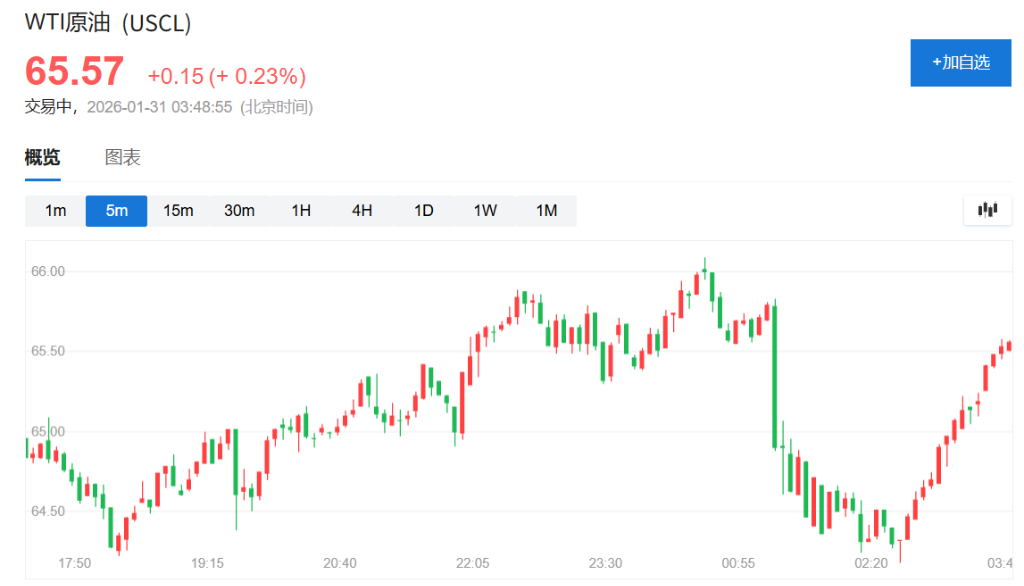
地缘政治风险

Search documents
金价一夜大跌,黄金神话破灭?2026年财富保卫战只剩三条活路
Sou Hu Cai Jing· 2026-02-01 06:37
Core Viewpoint - The significant drop in gold prices, with a 12.41% decline, is attributed to market dynamics influenced by both retail investors and central banks, leading to a volatile environment for gold investments [3][4]. Group 1: Market Dynamics - On January 31, 2026, gold prices fell sharply, with a drop from $5,400 to $4,700, reflecting a broader trend of volatility in precious metals [3]. - Chinese citizens purchased 1,003 tons of gold in 2025, spending approximately 796 billion RMB, averaging 7 grams of gold per person [3]. - The global central banks bought a record 1,136 tons of gold in 2025, with China increasing its gold reserves for 14 consecutive months [4]. Group 2: Investment Behavior - The surge in gold purchases is not merely driven by retail investors but is significantly influenced by central banks seeking to hedge against economic instability [4][6]. - The gold ETF market saw a dramatic increase, with a 243% rise in scale, indicating a shift towards digital gold investments, which proved less reliable during market downturns [9]. - A warning is issued against treating gold as a speculative asset, emphasizing its role as a store of value rather than a trading tool [8]. Group 3: Economic Context - The U.S. national debt has surpassed $36 trillion, raising concerns about the sustainability of the dollar, which has led to increased interest in gold as a safe-haven asset [6]. - Geopolitical tensions, including the Russia-Ukraine conflict and instability in the Middle East, have further solidified gold's status as a reliable asset during uncertain times [6]. Group 4: Risks and Warnings - The volatility of gold prices reached a 40-year high, with daily fluctuations averaging 3.2%, which is double that of the S&P 500 index [10]. - Historical patterns suggest that significant drops in gold prices can occur following periods of rapid increases, as seen in past financial crises [13]. - The potential for a decline in gold prices below $4,500 could lead to a 30% bankruptcy rate among global gold mining companies [13].

前瞻研究系列报告:序曲的终章:战争中的财富“庇护所”
Guolian Minsheng Securities· 2026-02-01 05:18
前瞻研究系列报告 序曲的终章:战争中的财富"庇护所" glmszqdatemark 宏观范式的趋势转换:r-g 视角下的分配效应与系统性风险预示 r-g(资本回报与经济增长差)是衡量社会分配公平度的指标,反映资本结构加剧 社会分化的机制。历史数据显示,r-g<0 仅在两次世界大战这种极端地缘政治风 险的背景下出现过,而当该差值无限接近负值区间时(如 20 世纪 60 年代末触及 0.58%的极低水平),通常预示着既有经济秩序的内生动力放缓,存在较大的系统 性波动风险。在此时点,常规的稳态投资模式可能面临挑战,全球资产配置需警 惕宏观环境从"平稳期"向"高波动期"转型的潜在冲击。 极端压力情境下的资产逻辑:地缘波动中的韧性表现与价值存续 在宏观波动极值期,跨地域与跨币种的多元化布局虽是防范单一边际风险的关键 手段,但其防御效率在系统性冲击下可能面临挑战。分散化配置通过规避单一主 权信用风险,确实能为组合提供"生存底线"。然而,历史回测显示,当全球风险 共振时,简单的全球等权配置仍难以完全规避区域性市场长期低迷的拖累。这种 逻辑本质上是对既有全球秩序稳定性的投注,在面临结构性调整时,传统的分散 化策略需配合更具主 ...
大炼化周报:成本端支撑强劲,化工品及涤纶产业链价格拉涨-20260201
Xinda Securities· 2026-02-01 05:05
Investment Rating - The report does not explicitly state an investment rating for the oil refining industry Core Insights - The cost support for the chemical products and polyester industry chain is strong, leading to price increases [2] - Domestic key refining project price difference is 2537.18 CNY/ton, with a week-on-week increase of 18.62 CNY/ton (+0.74%) as of January 30, 2026 [3] - International oil prices have shown a significant increase, with Brent and WTI prices at 70.69 and 65.21 USD/barrel respectively, reflecting increases of 4.81 and 4.14 USD/barrel [2] Summary by Sections Refining Sector - The geopolitical situation involving the US, Russia, and Ukraine has influenced oil prices, with a notable increase in geopolitical risk premiums due to US military actions in the Middle East [2] - Domestic refined oil prices have shown slight fluctuations, with diesel, gasoline, and aviation kerosene averaging 6265.14, 7535.14, and 5183.14 CNY/ton respectively [2] - The price difference between domestic refined oil and crude oil has decreased, indicating a potential impact on profitability [2] Chemical Sector - The chemical products sector is experiencing strong cost support, with price differences for pure benzene and styrene continuing to rise due to robust cost support and expected maintenance in overseas markets [2] - The polyester industry chain has seen comprehensive price increases, driven by enhanced cost support and market sentiment [2] - The market for nylon has seen price adjustments, although the price difference has slightly narrowed [2] Market Performance of Major Refining Companies - The stock price performance of six major private refining companies shows varied results, with Rongsheng Petrochemical increasing by 7.51% and Dongfang Shenghong by 16.48% over the past week [2] - Over the past month, Rongsheng Petrochemical has increased by 31.81%, indicating strong market performance [2]


市场快讯-金银大幅回落之后(20260201)
格林大华期货· 2026-02-01 04:40
市场快讯---金银大幅回落之后 1月30日COMEX黄金期货跌8.35%报4907.50美元/盎司,COMEX白银期货跌25.50%报85.25美元/盎司%。上周 五夜盘沪金主力合约下跌9.83%报1079.28元/克,沪银主力合约下跌17%报24832元/千克,沪银跌停。我们认为美 国总统提名美联储前理事沃什担任美联储主席仅仅是导火索,重要的是市场之前的连续大涨积累了大量的获利 盘,市场变得十分拥挤,而导火索则引发了获利回吐,并发生连锁反应,引起了市场的踩踏。期货市场是保证 金交易,如果不能及时补充保证金,则会被强制平仓,之前的多头仓位就转变成为空头的力量。为应对突然下 跌影响持有期货或期权的机构进行对冲操作,也可能助推了这次贵金属抛售。 美国总统称要求沃什降息不合适,降息无需白宫施压。沃什的专业履历有助于顺利通过美国国会的审批。 我们认为沃什虽然曾公开批评量化宽松政策的副作用,认为美联储需要与美国财政部在政策上更紧密地协作, 但并不能因此将沃什归为鹰派,沃什并不反对降息,而且美国总统经过权衡之后主动选择的人选至少不会和白 宫对着干。维护美联储的独立性,有利于市场回归有序的货币政策轨道,稳定金融市场,乃至带 ...
格林大华期货贵金属早报-20260201
Ge Lin Qi Huo· 2026-02-01 03:17
2026年2月1日 1月30日COMEX黄金期货跌8.35%报4907.50美元/盎司,COMEX白银期货跌25.50%报85.25美元/盎司%。上周 五夜盘沪金主力合约下跌9.83%报1079.28元/克,沪银主力合约下跌17%报24832元/千克,沪银跌停。我们认为美 国总统提名美联储前理事沃什担任美联储主席仅仅是导火索,重要的是市场之前的连续大涨积累了大量的获利 盘,市场变得十分拥挤,而导火索则引发了获利回吐,并发生连锁反应,引起了市场的踩踏。期货市场是保证 金交易,如果不能及时补充保证金,则会被强制平仓,之前的多头仓位就转变成为空头的力量。为应对突然下 跌影响持有期货或期权的机构进行对冲操作,也可能助推了这次贵金属抛售。 市场快讯---金银大幅回落之后 美国总统称要求沃什降息不合适,降息无需白宫施压。沃什的专业履历有助于顺利通过美国国会的审批。 我们认为沃什虽然曾公开批评量化宽松政策的副作用,认为美联储需要与美国财政部在政策上更紧密地协作, 但并不能因此将沃什归为鹰派,沃什并不反对降息,而且美国总统经过权衡之后主动选择的人选至少不会和白 宫对着干。维护美联储的独立性,有利于市场回归有序的货币政策轨道, ...
地缘+寒潮影响下,供给收缩预期推动油价上涨
Guolian Minsheng Securities· 2026-02-01 03:06
Investment Rating - The report maintains a "Buy" rating for key companies in the oil and gas sector, including China National Petroleum Corporation, China National Offshore Oil Corporation, China Petroleum & Chemical Corporation, Zhongman Petroleum, and New Natural Gas [2]. Core Insights - The report highlights that geopolitical tensions and cold weather have led to supply contraction expectations, driving oil prices up significantly. The U.S. oil production was impacted by a winter storm, resulting in a loss of up to 2 million barrels per day, approximately 15% of total U.S. production. Additionally, the report notes that geopolitical developments, particularly regarding Iran and the Middle East, will continue to influence short-term oil price fluctuations [8][11]. Summary by Sections 1. Weekly Insights - The oil and petrochemical sector saw a 6.9% increase, outperforming the CSI 300 index, which rose by 0.1% [16][19]. 2. Market Performance - The report indicates that the oil extraction sub-sector had the highest weekly increase of 12.3%, while the oil product sales and storage sub-sector had the smallest increase of 0.7% [19]. 3. Company Performance - Notable performers in the oil and petrochemical sector included PetroChina, which is recommended for its stable performance and high dividends, and CNOOC, which is highlighted for its low production costs and growth potential [14]. 4. Industry Dynamics - The report discusses OPEC+'s decision to maintain stable oil production levels amidst geopolitical risks and supply concerns. It also mentions the EU's approval to stop importing Russian natural gas by the end of 2027, which could impact global energy dynamics [24][25]. 5. Oil and Gas Prices - As of January 30, Brent crude oil futures settled at $70.69 per barrel, a 7.30% increase week-on-week, while WTI futures rose by 6.78% to $65.21 per barrel. The report also notes a decrease in U.S. oil production and refinery processing rates [12][13]. 6. Investment Recommendations - The report suggests three main investment lines: focusing on stable industry leaders like PetroChina and Sinopec, considering CNOOC for its strong earnings potential, and looking at growth companies like New Natural Gas and Zhongman Petroleum due to domestic encouragement for oil and gas production [14].





短线炒作情绪较浓 白银期货波动较大
Jin Tou Wang· 2026-02-01 01:30
截至2026年1月30日当周,沪银期货主力合约收于27941元/千克,周K线收阳,持仓量环比上周减持55480手。 本周(1月26日-1月30日)市场上看,沪银期货周内开盘报25228元/千克,最高触及32380元/吨,最低下探至24890元/千克,周度涨跌幅达15.82%。 消息面回顾: 中国银行调整白银延期合约业务参数,自2026年1月30日(星期五)收盘清算时起,保证金比例由48.26%调整为50.80%。 周四晚间,美元指数收跌。货币政策预期方面,特朗普宣称利率应下降2~3个百分点,并预告下周公布美联储主席人选,或强化未来宽松货币政 策的预期。 1月29日,上期所白银期货仓单482008千克,环比上个交易日减少26360千克。 机构观点汇总: 华联期货:消息面,虽然格陵兰岛局势近期有缓和迹象,不过双方博弈仍在继续,北欧资金抛售美国资产,中东冲突加剧,地缘政治风险难言平 息,市场避险情绪仍强,推动贵金属价格上涨。另外,新任美联储主席人选或于本周公布,短期可能成为市场焦点,继续关注美联储降息预期变 化以及地缘叙事带来的市场影响。商品属性方面,白银供应端增长显著乏力,而需求端有明显增量,光伏、新能源汽车、A ...
1月30日金价大涨!别等了,历史大概率重演,现在布局正当时
Sou Hu Cai Jing· 2026-01-31 04:05
第三股绳子,也是最扎实的一股,是全球央行、机构和个人投资者一起动手"抢"黄金。 这已经不是趋势,而是洪流。 2025年初到11月底,全球央行净购金 量就达到297吨。 波兰央行在1月20日直接批准了一项购买多达150吨黄金的计划。 中国央行更是从2024年11月开始,连续14个月增持黄金。 高盛在1月的报 告里说得更直白:央行开始与私人投资争夺有限的黄金。 这导致了一个新现象:黄金的金融属性和货币属性被重新激活,而它的商品属性,比如做首饰、 用于科技,反而在阶段性弱化。 第二股绳子,是美元信用体系自己出现的裂缝。 美国政府负债已经超过38万亿美元,每年光付债券利息就超过1万亿美元,2025年更是历史上第一次,国债 利息支付超过了国防预算。 这就像一个家庭,赚的钱还没还的利息多。 更关键的是,美联储的独立性也受到质疑,投资者担心它不再能独立做决定。 财政 和货币两头出问题,让人们对美元体系和美元资产的信心打了折扣。 美元指数从1月19日开始大幅下挫,美元购买力下降,直接抬高了以美元计价的黄金。 推动这一切的力量,简单说,来自三股拧在一起的绳子。 第一股绳子,是绷得越来越紧的地缘政治。 世界黄金协会直接把黄金称为 ...

深夜跳水!国际金价、银价,继续大幅下跌!
Sou Hu Cai Jing· 2026-01-31 03:08
本周五(30日),国际黄金、白银价格大幅下跌。截至收盘, 纽约商品交易所黄金期货主力合约价格 跌破每盎司4800美元关口;纽约商品交易所白银期货主力合约跌破每盎司80美元关口,较前一个交易日 下跌31.37%。 30日美国三大股指集体下跌 当地时间本周五,美国总统特朗普提名凯文・沃什出任美联储下一任主席,市场分析认为沃什立场偏鹰 派,可能不会支持大幅降息,他在美联储任职期间曾多次表达对通胀上行的担忧。消息公布后,市场维 持美联储今年只降息两次的预期。另外,最新公布的美国去年12月生产者价格指数(PPI)超预期增 长,显示生产端通胀压力顽固,以上多个因素打压市场风险偏好,截至收盘,美国股市延续前一日跌势 集体下跌,其中道指跌0.36%,标普500指数跌0.43%,纳指跌0.94%。 个股方面,受益于iPhone销量的大幅增长,苹果公司公布的2026财年第一财季营收超预期增长,苹果公 司股价周五收涨0.46%。从周线上看,本周美国三大股指涨跌不一,其中道指累计下跌0.42%,标普500 指数累计上涨0.34%,纳指下跌0.17%。 因美国总统特朗普重申对与伊朗进行谈判持开放态度,削弱了地缘政治风险溢价,国际油价本 ...
伊朗+寒冬,对冲基金猛增原油多仓
Hua Er Jie Jian Wen· 2026-01-31 03:03
Group 1 - Hedge funds are accelerating their long positions in crude oil due to geopolitical tensions and severe weather disruptions [1][3][8] - The net long positions in Brent crude oil have reached the highest level in nearly 10 months, with an increase of 19,409 contracts to 377,371 contracts as of January 27 [2] - The winter storm has caused significant operational disruptions in several refineries along the Gulf Coast, impacting domestic production and leading to a peak loss of nearly 2 million barrels per day [8] Group 2 - The geopolitical risk from the U.S. government's military posture towards Iran has been a key driver for the current bullish sentiment in the oil market [3] - The options market shows a high implied volatility premium for call options over put options, indicating traders are buying protection against potential price increases [6] - The futures curve for both major oil benchmarks has steepened, suggesting market expectations of tight near-term supply [7] Group 3 - The cold wave has tightened supply while simultaneously stimulating demand, particularly for heating oil, leading to a shift in the diesel market towards net long positions [9]