
智能化

Search documents
同济大学成立机械工程与机器人学院、汽车与能源学院
Xin Lang Cai Jing· 2026-01-11 11:57
"同济大学"微信公众号发布消息:经重组,原机械与能源工程学院更名为"机械工程与机器人学院",原 汽车学院更名为"汽车与能源学院"。与会的专家学者表示,重组成立汽车与能源学院,服务国家"双 碳"战略,顺应汽车"电动化、智能化"发展趋势,具有重要意义。 (智通财经) ...

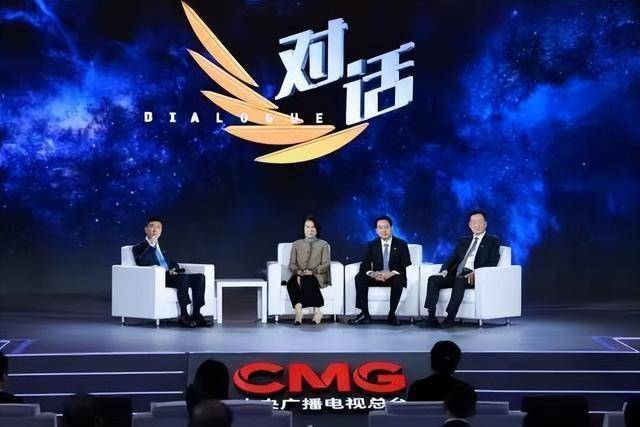
董明珠、冯长军亮相央视《对话》:家电汽车行业共谋消费新潜力
Sou Hu Cai Jing· 2026-01-11 11:51
Core Insights - The dialogue between industry leaders highlights the new trends in China's consumption market, emphasizing the importance of new demand leading to new supply and vice versa [1] - The shift from "price competition" to "value competition" is a significant transformation in the Chinese consumer market, as companies focus on quality and innovation [3][20] Group 1: Industry Trends - The Chinese consumer market is undergoing profound changes, with a focus on high-quality development and consumer satisfaction [3] - The automotive industry is experiencing growth driven by both supply and demand, with technological innovations encouraging consumers to upgrade their vehicles [5] - The automotive market has stabilized in pricing since 2025, leading to improved profit margins across the industry [6] Group 2: Company Strategies - Dongfeng Motor has achieved a historic milestone with over 1 million electric vehicles sold in 2025, marking a 21% year-on-year increase [7] - Dongfeng's success is attributed to its commitment to high-level technological self-reliance and innovation, with significant advancements in hybrid engine efficiency [9] - Gree Electric's vision has evolved from producing "good air conditioners" to "good appliances," reflecting a broader ambition in product quality [12] Group 3: Technological Innovations - Both companies emphasize the importance of smart technology, with Gree focusing on whole-home smart systems and Dongfeng transforming vehicles into "third living spaces" [16] - Dongfeng's "Tianyuan Smart" technology brand aims to establish a comprehensive intelligent system, achieving L4-level autonomous driving in multiple regions [11] - The integration of smart home devices with automotive technology is seen as a key area for future development, enhancing user experience through seamless connectivity [16] Group 4: Future Outlook - The dialogue indicates a shared commitment to innovation and value creation, with both industries aiming to meet and create new consumer demands [20] - The automotive sector is set to implement large-scale applications of L3 and L4 autonomous driving during the "14th Five-Year Plan" period [20] - Both Gree and Dongfeng are positioned to lead their respective industries towards a more intelligent, green, and integrated future, contributing to the revitalization of the domestic consumption market [20]



新型智能化桁架养殖平台“珠海琴”下水 可抵御15级台风
Zheng Quan Shi Bao Wang· 2026-01-11 08:16
Core Viewpoint - The launch of the new intelligent truss aquaculture platform "Zhuhai Qin" marks a significant breakthrough in the digital, intelligent, and green transformation of deep-sea aquaculture equipment in China [1] Group 1: Platform Specifications - The platform measures 110 meters in length, 40 meters in width, and has a draft depth of 15 meters, enclosing over 60,000 cubic meters of water [1] - It consists of six independent net cages and features a semi-submersible structure capable of withstanding typhoons of up to level 15, making it suitable for the complex sea conditions of the South China Sea [1] Group 2: Technological Integration - The platform integrates photovoltaic power generation, automatic feeding via drones, and a 5G smart control system [1] - It achieves full-process modernization of aquaculture functions, including feed storage and environmental monitoring, aiming for "unmanned farming and intelligent management" [1]
第一辆车,更多年轻人选择了二手车
Ren Min Ri Bao Hai Wai Ban· 2026-01-11 05:50
Core Insights - The second-hand car market is increasingly appealing to young consumers, particularly those entering the workforce, with attractive pricing and a focus on vehicle condition and cost [1][2] Group 1: Young Consumer Demographics - The primary demographic for second-hand car purchases consists of first-time male buyers, making up approximately 94% of the market, while repeat buyers account for only 6% [1] - Male consumers represent about 63% of the young user base in the second-hand car market [1] Group 2: Purchase Motivations and Preferences - About 80% of young users purchase second-hand cars primarily for daily commuting needs, with 61% citing cost reduction and economic pressure as their main motivation [2] - Vehicle reliability is prioritized by 69% of young consumers, followed closely by price advantages at 63%, indicating a focus on long-term ownership costs and user experience [2] Group 3: Information and Purchase Channels - Young consumers heavily rely on digital channels for information, with 72% using automotive apps and 64% utilizing short videos and live streaming platforms to assess vehicle conditions [2] - The preference for second-hand car trading platforms is evident, with 37% of young users choosing this route due to diverse vehicle options, digital convenience, and assurance of vehicle condition and transaction safety [3] Group 4: Market Trends and Future Outlook - Traditional fuel vehicles hold nearly 60% of the second-hand car market share, while electric vehicles account for 28%, indicating a growing acceptance of electric mobility among young consumers [3] - The report anticipates that the second-hand electric vehicle market will expand due to factors such as increasing ownership, policy incentives, advancements in battery technology, and improved charging infrastructure [3]
拆解车企2026新年致辞:反内卷、求质量成为集体共识
经济观察报· 2026-01-11 04:40
Core Viewpoint - The automotive industry is collectively reflecting on the past years of intense competition, termed "involution," and is advocating for a shift towards a more sustainable competitive landscape that emphasizes technology, quality, brand, and user experience rather than just cost and price [2]. Group 1: Involution and Industry Reflection - The automotive industry consensus in 2025 recognizes that endless low-price competition erodes profits and stifles innovation, leading to a narrow path that does not foster long-term competitiveness [2]. - Major automotive leaders, including those from FAW Group and BAIC Group, have publicly denounced "involution" and emphasized the need for fair competition and healthy industry development [2]. - Geely's chairman highlighted a pivotal moment in 2007 when the company decided to abandon low-price competition, marking a significant turning point in its development [2]. Group 2: Safety as a Priority - Safety has emerged as a critical topic in the automotive industry, especially following several high-profile electric vehicle accidents in 2025 [4]. - Companies like Chery and GAC have established stringent safety standards that exceed national regulations, with GAC introducing a comprehensive safety guarantee policy [4]. - Geely has expanded its safety focus to include data, software, and ecological safety, reflecting a broader understanding of safety beyond just physical vehicle safety [4]. Group 3: Openness and Collaboration - The automotive industry is shifting from a competitive mindset to one of collaboration across the supply chain, with companies forming partnerships with tech firms and other sectors [6][7]. - SAIC Group has articulated a strategy of "equal rights-driven advancement," listing numerous partners across various technological fields, indicating a move towards a more integrated ecosystem [6]. - Chery's initiative to collaborate with top global universities aims to create a platform for continuous innovation, moving beyond mere technology acquisition [7]. Group 4: Smart and Electric Transformation - The consensus among automotive companies is that electrification is a baseline requirement, while smart technology will determine competitive positioning in the industry [9]. - Companies like BYD and NIO are making significant investments in smart technology, with NIO announcing the production of advanced driving chips and operating systems [9]. - The evolution of vehicles into "mobile smart terminals" signifies a fundamental shift in the automotive value proposition, integrating technology and business models [9]. Group 5: Global Expansion - The export of Chinese automobiles has become a crucial factor for future success, with companies like BYD and Dongfeng accelerating their global strategies [12][13]. - The shift from mere product export to a comprehensive value chain export strategy is evident, as companies aim to establish sustainable competitive advantages in international markets [12]. - Chery's global strategy emphasizes becoming an integral part of local markets, highlighting the importance of localized operations and community engagement [13].

江苏徐州推动工业增绿添智
Jing Ji Ri Bao· 2026-01-11 00:46
Group 1 - Jiangsu Province's Xuzhou City is focusing on cultivating innovative industrial clusters to accelerate the transformation and upgrading of the manufacturing industry, shifting from resource dependence to innovation-driven development [1] - Greer Digital Technology Co., Ltd. has implemented advanced AI algorithms and blockchain technology in its new energy power generation systems, achieving a conversion efficiency of 98% and reducing energy consumption by over 30% [1] - The local power supply department has established a new power load management platform that integrates weather information and grid status to optimize energy consumption and enhance the capacity for renewable energy integration [1] Group 2 - Traditional high-energy-consuming industries are undergoing green and intelligent transformations through technological innovations, with Xuzhou Steel Group reporting a 13.82% reduction in particulate emissions and a 12.98% reduction in sulfur dioxide emissions [2] - Xuzhou has implemented 548 "smart transformation and digital networking" projects and established a dynamic cultivation database for green factories, creating 92 provincial-level green factories and 5 green parks [2] - The city has also set up an energy-saving and carbon-reduction project database, rolling out hundreds of projects annually to promote the green transformation of traditional industries and enhance efficiency [2]
我们为什么还在拼命“造车”?
汽车商业评论· 2026-01-10 23:05
Core Viewpoint - The automotive industry is undergoing significant transformation driven by electrification, intelligence, and globalization, with new energy vehicles (NEVs) being a key focus in the Chinese market. [5][6] Group 1: Industry Trends - From January to November 2023, domestic sales of NEVs reached 12.466 million units, a year-on-year increase of 23.2%, with passenger vehicles at 11.715 million units (up 21.3%) and commercial vehicles at 750,000 units (up 62.4%) [5] - The penetration rate of NEVs in China is expected to exceed 40% by 2024, with some months reaching 50%, indicating rapid growth and opportunity in the sector [15] - The competition among domestic NEV manufacturers has intensified, leading to a prolonged price war that has lasted nearly four years, with companies employing price cuts and limited-time offers to capture market share [5][6] Group 2: Supply Chain Transformation - The traditional linear supply chain model is being replaced by a networked ecosystem that emphasizes co-creation among manufacturers, technology companies, and suppliers to enhance product quality and cost control [6][20] - Long-term strategies are being developed to address compliance pressures from EU battery regulations and carbon emissions, necessitating improvements in supply chain resilience and green compliance [6][20] - Changan Automobile has implemented a systematic supplier certification process and expanded its supplier base to over 1,500, including 100 overseas suppliers, to build a global supply chain resource system [25][27] Group 3: Technological Advancements - The integration of advanced technologies such as AI and smart driving systems is reshaping the automotive landscape, with a focus on enhancing user experience while maintaining safety standards [17][20] - Changan is pursuing a modular and platform-based approach to vehicle design, allowing for greater flexibility and adaptability in production processes [28][29] - The company is also focusing on digital transformation, improving procurement and supply chain systems to enhance efficiency and connectivity [43] Group 4: Strategic Partnerships - Collaborative efforts with suppliers and technology partners are being emphasized to create a win-win ecosystem, fostering transparency and mutual support in the supply chain [36][40] - Changan is exploring diverse cooperation models with traditional Tier 1 suppliers and ICT giants, aiming for strategic alliances that address technological challenges [35][36] - The company is committed to building a shared, open, and win-win networked ecosystem, transitioning from short-term transactional relationships to strategic collaborations [21][36]


实施节能降碳改造 聚焦重点环节赋能 江苏徐州推动工业增绿添智
Jing Ji Ri Bao· 2026-01-10 21:52
Group 1 - Jiangsu Province's Xuzhou City is focusing on cultivating innovative industrial clusters to accelerate the transformation and upgrading of the manufacturing industry, shifting from resource dependence to innovation-driven development [1] - Greer Digital Technology Co., Ltd. in Xuzhou High-tech Zone has installed photovoltaic power generation equipment on its roof, generating an average of 2.5 million kilowatt-hours annually, which meets over 60% of the plant's electricity needs [1] - The company has improved the efficiency of its new energy power generation system to 98% by integrating advanced artificial intelligence algorithms and blockchain technology, while reducing production energy consumption by over 30% [1] Group 2 - Traditional high-energy-consuming industries in Xuzhou are achieving green and intelligent transformation through technological innovation, with Xuzhou Steel Group reporting a 13.82% reduction in particulate emissions and a 12.98% reduction in sulfur dioxide emissions due to low-emission upgrades [2] - The city has implemented 548 "smart transformation and digital networking" projects and established a dynamic cultivation database for green factories, creating 92 provincial-level green factories and 5 green parks [2] - Xuzhou has also set up an energy-saving and carbon-reduction project database, rolling out hundreds of energy-saving and carbon-reduction projects annually to promote the green transformation of traditional industries and enhance efficiency [2]
西臣莱莫抢抓“开门红”
Xin Lang Cai Jing· 2026-01-10 17:26
Group 1 - The company, Xichen Lemo, is focusing on the research and production of cosmetics and medical devices, with a new production building expected to enhance its competitive position in the industry [1][2] - The second phase of the production facility covers over 26,000 square meters and has adopted a "synchronous construction" model, allowing for earlier installation and commissioning of equipment [1] - The production lines are primarily automated, with full automation in the filling clean area, significantly reducing manual labor [1] Group 2 - The company has established three main channels: contract manufacturing, proprietary brands, and brand investment, aiming to cover domestic e-commerce, international markets, and collaborations with celebrity brands [2] - The company completed a "small-scale upgrade" last year, with an expected output value exceeding 100 million yuan this year [2] - Plans are in place to expand the filling production lines to 50 within two years, with an anticipated annual output value of 500 million yuan once fully operational [2]
凌云股份(600480):汽零领军企业,拓展液冷、机器人新业务
Soochow Securities· 2026-01-10 13:36
Investment Rating - The report assigns a "Buy" rating for Lingyun Co., Ltd. (600480) for the first time [1]. Core Views - Lingyun Co., Ltd. is a leading automotive parts manufacturer with a focus on expanding into liquid cooling and robotics sectors. The company has a robust growth trajectory with a projected revenue CAGR of 6% and a net profit CAGR of 39% from 2022 to 2024 [9]. - The company is well-positioned in the metal and plastic parts sector, benefiting from the ongoing electrification trend in the automotive industry, with significant growth expected in the battery box and liquid cooling markets [9]. - The report anticipates a steady increase in net profit, projecting it to reach 800.99 million yuan in 2025, 908.54 million yuan in 2026, and 1,054.65 million yuan in 2027, with corresponding year-on-year growth rates of 22.21%, 13.43%, and 16.08% respectively [1]. Summary by Sections Company Overview - Lingyun Co., Ltd. has been operating for over 30 years, focusing on automotive metal and plastic components, and has expanded into emerging fields such as thermal management and sensors. The company has a stable ownership structure, with significant control by the China Ordnance Industry Group [15][23]. Metal Segment - The metal segment is benefiting from the trend towards lightweight and electrification, with the hot-formed stamping parts expected to see increased demand. The domestic market for hot-formed parts is projected to exceed 200 billion yuan by 2024 [9][36]. - The company has established a competitive advantage through technological advancements and capacity expansion, particularly in the battery box sector, where it serves major clients like BMW and Porsche [9][56]. Automotive Pipeline Segment - The automotive pipeline segment is experiencing steady growth, driven by the increasing penetration of electric vehicles. The domestic market for automotive pipelines is expected to surpass 200 billion yuan by 2024 [9][30]. - The company has formed strategic partnerships to enhance its product offerings and has successfully entered new markets, including high-end oil service equipment and nuclear power sectors [9][30]. New Business Ventures - Lingyun Co., Ltd. is rapidly entering the liquid cooling market, which is projected to be worth hundreds of billions. The company has developed a product matrix that includes liquid cooling pipes and connectors, securing orders from data centers and supercomputing facilities [9][5]. - In the sensor field, the company is leading a project funded by the Ministry of Industry and Information Technology to develop six-dimensional force sensors, with several small batch orders already delivered [9][5]. Financial Projections - The report forecasts that the company's net profit will reach 800.99 million yuan in 2025, 908.54 million yuan in 2026, and 1,054.65 million yuan in 2027, with corresponding P/E ratios of 19, 17, and 14 respectively [1][9].
