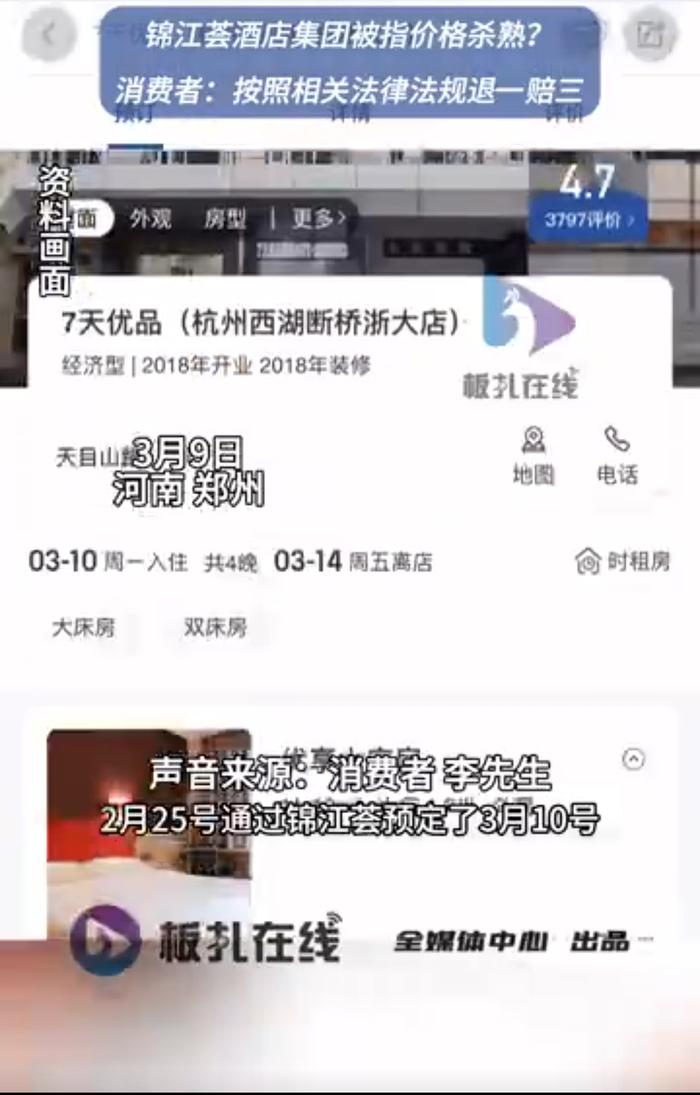
价格倒挂

Search documents
承诺维稳却价格“跳水”:郎酒的价格困局与经销商之痛
Sou Hu Cai Jing· 2025-07-11 01:50
Core Viewpoint - Sichuan Langjiu Co., Ltd. has committed to maintaining price stability and avoiding price wars, but actual market conditions show significant price fluctuations, indicating a disconnect between the company's promises and market realities [1][3][6]. Group 1: Company Commitments - Chairman Wang Junlin proposed "Four Guarantees" and "Eight Persistences" to stabilize market confidence and protect brand value, emphasizing a long-term strategy over short-term price competition [1][2]. - The commitment to not engage in price wars is seen as a responsible move to protect the interests of distributors and maintain the high-end value of the brand [1][3]. Group 2: Market Reality - From January 1, 2024, to December 31, 2024, the price of Honghua Lang 15 dropped from 490 yuan to 415 yuan per bottle, and Honghua Lang 10 fell from 290 yuan to 265 yuan [2]. - Distributors report significant price volatility, with some stating that prices change daily, leading to concerns about profitability and inventory management [3][6]. Group 3: Price Decline and Challenges - The high-end product Qinghua Lang has seen a drastic price drop, with its suggested retail price of 1499 yuan per bottle falling to 710 yuan by July 9, 2025, indicating a severe decline in market value [4][5]. - The price inversion phenomenon, where retail prices are significantly lower than the official prices, has been attributed to excessive inventory and pressure from the company on distributors [6][8]. Group 4: Historical Context and IPO Aspirations - Langjiu's IPO journey has been fraught with challenges, having attempted to go public multiple times since 2007 without success, often due to market conditions and internal issues [9][10]. - The ongoing price inversion and market management issues are seen as potential obstacles to Langjiu's future IPO plans, as they may undermine investor confidence [10].


导报调查 | 零售价跌破2000元!i茅台产品价格倒挂,飞天茅台怎么了?
Da Zhong Ri Bao· 2025-06-30 03:27
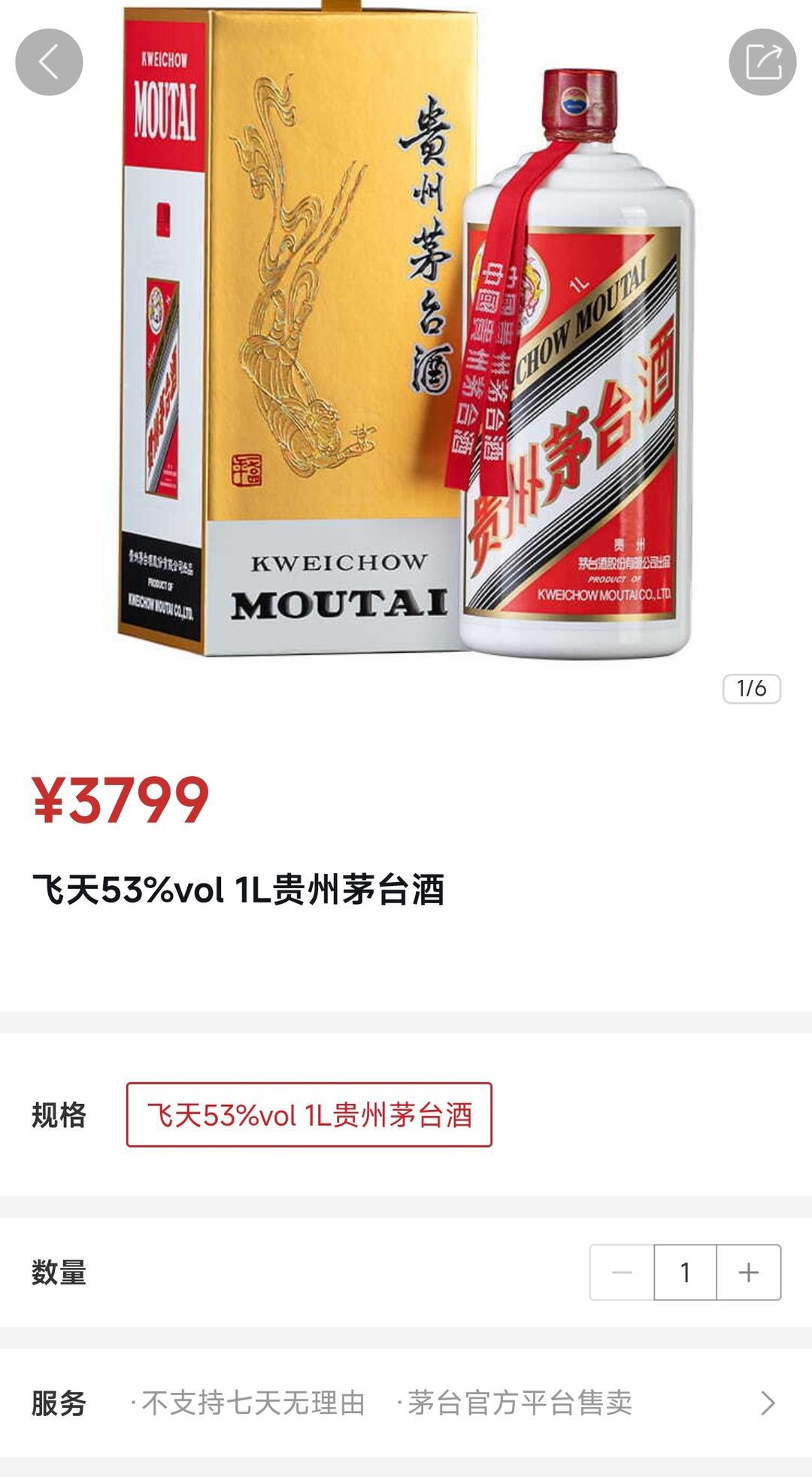
Core Viewpoint - The price of Moutai liquor, particularly the 1L 53-degree Flying Moutai, has significantly decreased in the market, leading to a situation where the retail price on the iMoutai app is higher than the market price, causing consumer confusion and dissatisfaction [1][8][21]. Pricing Discrepancies - The official retail price for the 1L Flying Moutai is set at 3799 yuan, while the lowest price on e-commerce platforms is 3180 yuan, indicating a price inversion [1][5]. - Other Moutai products also show price inversions, with the purchase price on iMoutai being higher than the market wholesale price for various products [8][21]. - The market price for Flying Moutai has dropped below 2000 yuan, with reports of prices as low as 1950 yuan per bottle in Jinan [16][18]. Market Trends - The price of Moutai has been declining, with the wholesale price for Flying Moutai dropping by 18% since the beginning of the year [16][21]. - The price of the Snake Year Moutai has also decreased from a factory price of 2499 yuan to around 2300 yuan, with wholesale prices as low as 2180 yuan [18][21]. - The overall market is experiencing a downturn, attributed to seasonal factors and regulatory impacts on government consumption, which accounts for 15% of Moutai's sales [21][24]. Consumer Behavior - Consumers are increasingly opting to purchase Moutai from retail stores rather than through the iMoutai app, as many products are available without the need for a lottery system [11][15]. - Some consumers have expressed dissatisfaction with the iMoutai app, leading to a decline in its user base as individuals uninstall the app after winning lotteries for products they no longer wish to buy [15][24]. Company Response - Moutai is implementing strategies to stabilize prices, including high-level visits to distributors and potential adjustments to supply policies [23][24]. - The company has introduced a "stop supply test" strategy to manage inventory and stabilize prices, although some initiatives have been quickly retracted [24][25].

从60天到30天!汽车经销商返利周期或将大提速,超80%车型价格倒挂逼行业破局
Hua Xia Shi Bao· 2025-06-24 12:46
Core Viewpoint - The automotive industry is facing significant challenges due to prolonged rebate settlement periods and price inversion issues, prompting calls from dealers for manufacturers to optimize rebate policies and shorten payment timelines [1][4][8]. Group 1: Dealer Challenges - Approximately 84.4% of automotive dealers reported experiencing price inversion, with 60.4% facing a price inversion exceeding 15% [2]. - A survey of 42 automotive brands indicated that around 80% of best-selling models are affected by price inversion, with the inversion amount typically exceeding 20% [2]. - The automotive dealers are under severe financial pressure due to long rebate settlement periods, often exceeding 90 to 180 days, leading to cash flow crises [3][4]. Group 2: Rebate Policy Initiatives - The All-China Federation of Industry and Commerce Automotive Dealers Chamber has called for manufacturers to set clear rebate policies and reduce the rebate payment period to no more than 30 days [1][4]. - The Henan Province Automotive Industry Chamber has proposed a 60-day settlement period for dealer rebates to alleviate operational funding pressures [4][8]. - A survey revealed that 17 brands have a fixed rebate period of no more than 30 days, while others extend up to 180 days [6]. Group 3: Manufacturer Responses - BYD has initiated a rebate program for dealers, offering a reward of 666 yuan per vehicle, amounting to over 11.7 billion yuan based on recent sales data [7]. - Several manufacturers, including GAC Group and BMW, have committed to reducing rebate payment periods to 60 days, reflecting a growing recognition of the need for timely financial support for dealers [5][6]. - The industry is moving towards a collaborative ecosystem where manufacturers and dealers work together to mitigate risks and enhance long-term benefits [8].

习酒价格腰斩,董事长汪地强受束缚,连和新任总经理聚餐都不敢?
Sou Hu Cai Jing· 2025-06-22 00:40
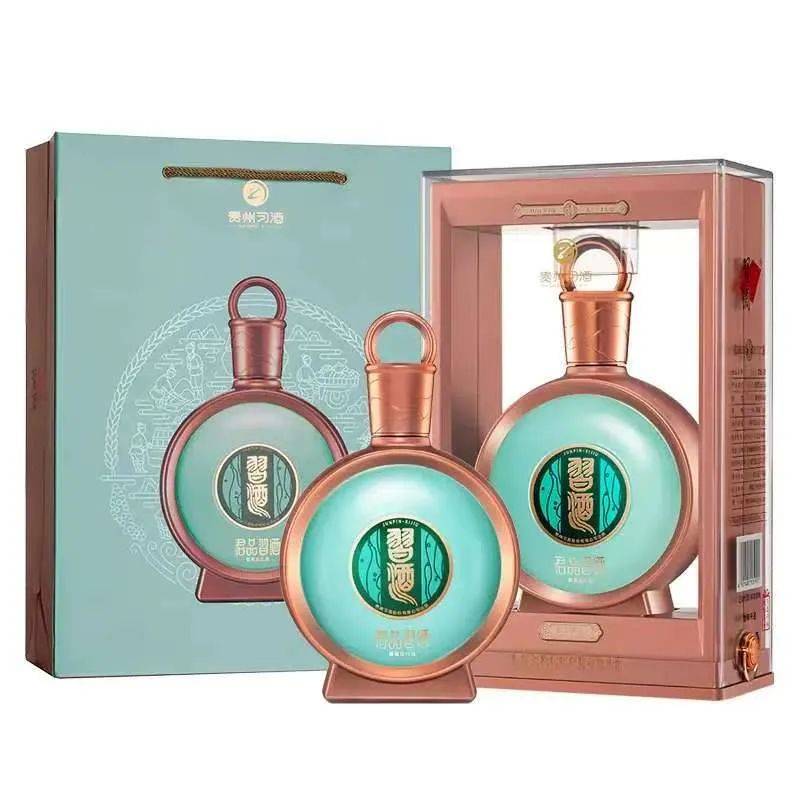
Core Viewpoint - Guizhou Xijiu Investment Holding Group has experienced a slowdown in growth after its independence from Moutai, with first-quarter revenue of 7.18 billion yuan, a 10.7% year-on-year increase, falling below the industry average growth rate of 15% for 2024 [1][4]. Group 1: Company Performance - Xijiu's revenue surged from 1.6 billion yuan before acquisition to over 20 billion yuan at independence, capturing 12.3% of the sauce-flavored liquor market [3]. - In 2023, Xijiu reported revenue of 19.9 billion yuan and a profit of 9 billion yuan, with sales reaching 22.447 billion yuan, indicating a more subdued performance compared to previous years [4]. - The company aims to exceed 24 billion yuan in sales in 2024, reflecting a 30% year-on-year growth, which, while above the industry average, shows a decline from its earlier rapid growth [4]. Group 2: Market Position and Challenges - After separating from Moutai, Xijiu faces significant challenges in establishing its brand identity, with 67% of consumers still associating it with Moutai [10]. - Competitors such as Langjiu, Guotai, and Jinsanjiao pose strong competition, with Langjiu having a higher brand recognition among consumers at 58% compared to Xijiu's 35% [9]. - Xijiu's flagship products, Junpin Xijiu and Jiao Cang 1988, are experiencing severe price declines, with Junpin Xijiu's market price dropping to around 665 yuan, significantly below its suggested retail price of 1498 yuan [11][13]. Group 3: Strategic Initiatives - To address the challenges, Xijiu is investing 8.4 billion yuan to build a production capacity of 100,000 tons, aiming for a base liquor reserve of 250,000 tons by 2025 [7]. - The company is also attempting to penetrate the high-end market with products like the "Junpin・Master Collection," which utilizes 30-year-old base liquor to enhance quality and brand image [5]. - Xijiu is targeting younger consumers through collaborations with popular games and esports events, although the effectiveness of this strategy remains to be seen [8]. Group 4: Pricing and Market Dynamics - Xijiu is currently facing a significant pricing issue, with its two main products priced below their production costs, leading to a price inversion problem [10][14]. - The company has adjusted its marketing strategy by eliminating reverse red envelopes to stabilize pricing, but the effectiveness of this measure is still uncertain [16].
DDR4现货价一天暴涨8%!
国芯网· 2025-06-16 12:36
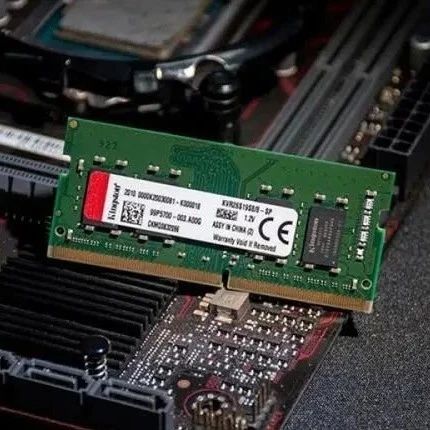
Core Viewpoint - The recent surge in DDR4 DRAM prices is attributed to a decrease in supply and significant purchases by mysterious buyers, leading to a price increase of nearly 8% in a single day, which is unprecedented in the last decade [2][3]. Summary by Sections Price Surge - The latest prices for 8Gb and 16Gb DDR4 DRAM have seen a daily increase of nearly 8%, with specific price points reaching $3.775 for 8Gb (1G×8) 3200 and $8.2 for 16Gb (1G×16) 3200 [2]. - The current market conditions have led to DDR4 prices exceeding those of DDR5, indicating a price inversion, which is unusual [3]. Market Dynamics - Major manufacturers like Samsung and Micron are focusing on higher-end DRAM markets such as DDR5 and HBM, which has resulted in a reduction of DDR4 supply [2][3]. - The current price increase is significant enough to surpass the breakeven point for DRAM manufacturers, leading to substantial profits [3].
DDR 4价格飞涨,从业者:十年未见
半导体行业观察· 2025-06-16 01:47
Core Viewpoint - The recent surge in DDR4 DRAM spot prices, with increases of nearly 8% in a single day, indicates a significant market shift, driven by supply constraints and increased demand from OEM/ODM manufacturers [1][4]. Price Trends - DDR4 8Gb (1G×8) 3200 spot price rose from an average of $2.73 on May 30 to $3.775, marking a 38.27% increase in just half a month [2]. - Since March 31, the DDR4 8Gb price has skyrocketed from $1.63 to nearly $3.775, representing an increase of approximately 132% [3]. - The DDR4 16Gb (1G×16) 3200 spot price increased from $6.1 on May 30 to $8.2, a rise of 34.42% in June alone, and over 107% since March 31 [3]. Market Dynamics - The current DDR4 spot prices have reached levels comparable to Q1 2022, where major suppliers like Nanya Technology and Winbond reported substantial profits [4]. - With major manufacturers like Samsung and Micron halting DDR4 supply, concerns over future supply shortages have led to aggressive purchasing behavior in the market [4]. - Nanya Technology is reportedly expanding its DDR4 production capacity, indicating a recognition of the significant market opportunity for DDR4 [5]. Supplier Insights - Nanya Technology and Winbond are positioned to benefit from the rising DDR4 prices, with DDR3 and DDR4 accounting for over 80% of Nanya's revenue [5]. - Memory IC design firms like Etron Technology and Gigabyte Technology are also beginning to receive customer orders, suggesting a positive outlook for their operations amid the DDR4 price surge [5].
飞天茅台“飞下”2000大关、股价持续下探,贵州茅台何去何从?
Sou Hu Cai Jing· 2025-06-15 14:30
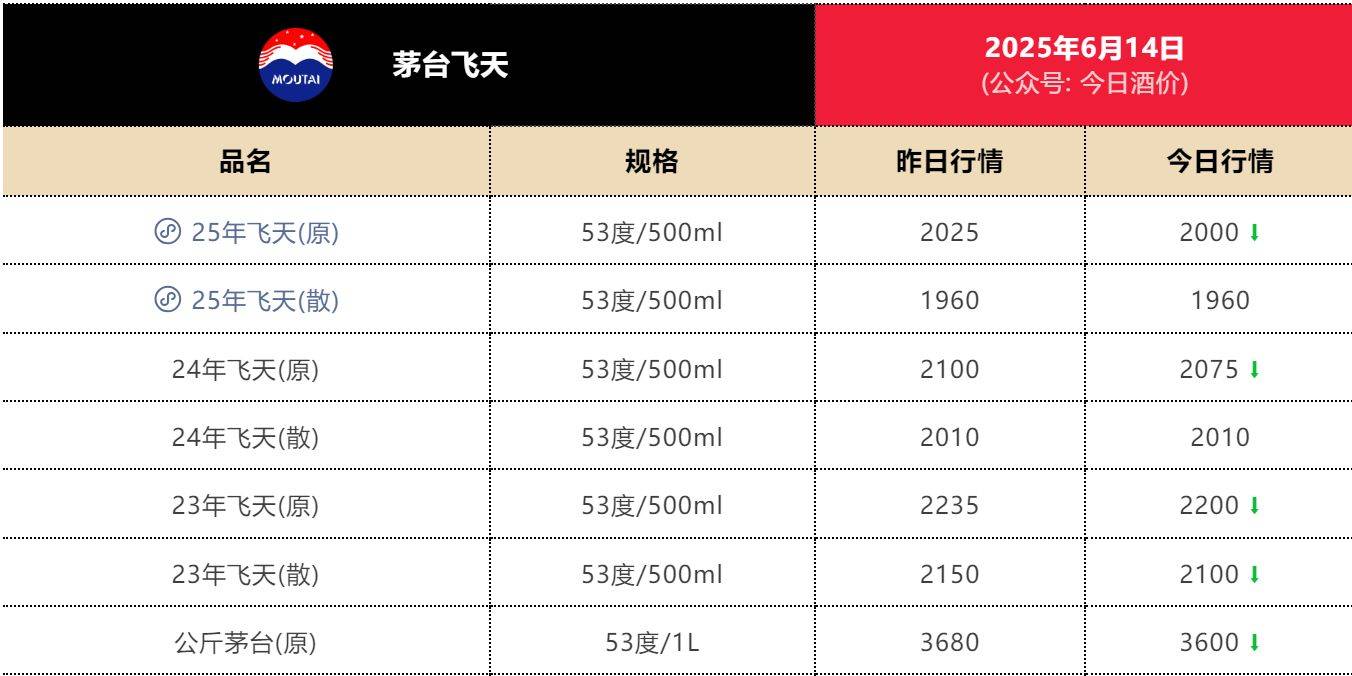
Core Viewpoint - The stock price of Kweichow Moutai Co., Ltd. has declined, with the price of its flagship product, Feitian Moutai, dropping below 2000 yuan per bottle, attributed to factors such as seasonal consumption decline, "ban on alcohol" policies, and e-commerce promotions [1][4][9]. Price Trends - As of June 14, 2025, the market price of Feitian Moutai has fallen to 1960 yuan per bottle, down from 1990 yuan on June 11 and significantly lower than the 2700 yuan high from the previous year [2][4]. - E-commerce platforms have been selling Feitian Moutai at prices as low as 1880 yuan per bottle, marking a significant decrease compared to the 2200 yuan price before the Spring Festival [2][4]. Market Dynamics - The price decline of Feitian Moutai is influenced by aggressive promotional activities from major e-commerce platforms during the "618" shopping festival, which has increased market supply [4]. - The overall trend shows that not only Feitian Moutai but also other products under Kweichow Moutai are experiencing price declines, with Moutai 15 years old dropping from 4750 yuan to 4570 yuan over the past month [5][8]. Industry Context - The white liquor industry is undergoing a deep adjustment period, with a reported 1.8% decrease in production among major enterprises in 2024, despite a 5.3% increase in sales revenue [7][8]. - The recent "ban on alcohol" policy has further reduced demand for high-end liquor in official settings, exacerbating sales challenges for Kweichow Moutai [9]. Company Response - Kweichow Moutai is attempting to mitigate the situation by introducing smaller bottle sizes and lower alcohol content products to target niche markets, as well as expanding its overseas market presence [9][10]. - The company reported an increase in the number of foreign distributors to 109, with a double-digit growth in revenue to approximately 1.12 billion yuan in the first quarter of 2025 [10][11].
国泰海通·对话专家|地产:当前地产市场现状解读及趋势展望
国泰海通证券研究· 2025-06-11 14:48
Group 1 - The relationship between new and second-hand housing markets is currently under discussion, particularly regarding the smoothness of the replacement chain and the impact of the launch of fourth-generation residential properties on the second-hand market [1] - The phenomenon of second-hand housing prices being lower than new housing prices in some hot cities raises questions about the divergence in price trends between the two markets and whether this indicates a potential crisis in the second-hand market [1] - In Shanghai's land market during the first quarter of this year, several high-premium plots were observed, prompting an analysis of common characteristics among these plots and their potential impact on the new housing market [1] Group 2 - The luxury housing market in Shanghai remains robust, leading to inquiries about the sustainability of this trend and whether future urban renewal in core areas will reignite the luxury market [1] - Predictions regarding the future price trends in Shanghai's housing market suggest potential differentiation among various segments, including first-time buyers, upgrades, and different urban rings [1] - Key factors influencing homebuyers' decisions are identified, with a focus on whether first-time buyers should consider purchasing during a price decline and how to assess if prices in their city have reached a bottom [1]
动力电池回收行业困局待解 期待政策破冰
Zheng Quan Shi Bao· 2025-05-27 17:57
Core Insights - The current state of the used power battery recycling industry is characterized by a mismatch between supply and demand, leading to a seller's market and pressure on profitability [1][4][5] - The anticipated "retirement wave" of power batteries is expected to occur in 4-5 years, which may alleviate some supply-demand pressures, but the industry still requires better guidance and regulation [1][3][6] Industry Overview - The rapid growth of the new energy vehicle (NEV) industry has led to a surge in the power battery recycling sector, with over 172,000 battery recycling-related companies in China, more than 60% of which were established within the last three years [2] - Despite the expansion, the actual utilization rate of the industry's nominal capacity is only 15.5%, with a significant gap between the expected and actual retirement of batteries [2][3] Market Dynamics - The recycling market is currently facing high acquisition prices for retired batteries, while the selling prices of recycled products do not cover raw material costs, resulting in a "cost inversion" scenario [4] - Informal recycling operations without environmental and safety certifications are exacerbating the situation by offering higher prices for retired batteries, further straining the profitability of legitimate companies [4] Future Projections - While the recycling volume of lithium-ion batteries is projected to exceed 4 million tons by 2030, the lack of regulatory guidance may lead to continued supply-demand imbalances [3] - The price of lithium carbonate is expected to decline, which could lead to long-term cost inversion for recycling companies, shifting their revenue model towards service fees for waste management rather than product sales [5] Regulatory Developments - Recent regulations, such as the "Interim Measures for the Recycling and Utilization of Waste Power Batteries for New Energy Vehicles" in Sichuan, aim to standardize the recycling process and ensure retired batteries enter formal channels [6] - The national government is working on revising the existing regulations to enhance industry oversight and promote sustainable development, with new guidelines expected to be released within the year [6]
“这是一种背叛”,锦江酒店如何向2亿会员交代?
Guan Cha Zhe Wang· 2025-05-08 12:52
Core Viewpoint - Jinjiang Hotel Group is facing a trust crisis due to "price inversion" issues, where prices on its official platform are significantly higher than those on third-party platforms [1][3][4]. Group 1: Price Inversion Issues - Investigations revealed that some Jinjiang franchise hotels set prices on the Jinjiang Hui app five times higher than on third-party platforms [1][2]. - During the May Day holiday, certain hotels showed full bookings on the official platform while being available on OTA platforms [2][4]. - Jinjiang's official platform has been reported to have higher prices compared to OTA platforms multiple times in recent months, indicating a systemic issue [5][9]. Group 2: Franchise and Group Dynamics - The "price inversion" reflects a growing conflict between franchise hotels and the Jinjiang Group over profit-sharing and visibility on booking platforms [3][4]. - Franchise hotels are increasingly favoring OTA platforms due to higher traffic and visibility, leading to a weakening of the official booking channels [3][11]. - The lack of effective price monitoring and management by Jinjiang has contributed to these issues, as franchisees feel empowered to prioritize their own revenue [8][11]. Group 3: Membership and Revenue Challenges - Despite having over 200 million members, Jinjiang's occupancy and repurchase rates are lower than competitors like Huazhu and Atour, indicating a lack of attractive member benefits [9][11]. - Jinjiang's net profit for 2024 was only 9.11 billion RMB, a decline of 9.06% year-on-year, highlighting a disparity in performance compared to other hotel groups [9][11]. - The company plans to enhance its membership system to improve member engagement and loyalty, but the effectiveness of these measures remains uncertain [11][12].