多极化

Search documents
迷信“例外论”只会加剧美国孤立
Sou Hu Cai Jing· 2025-07-31 03:47
Group 1 - The concept of "American exceptionalism" is increasingly scrutinized globally, with recent discussions highlighting its perceived superiority in values, governance, and economic resilience [1][2] - The belief in "American exceptionalism" has been shaken by significant economic challenges, including a projected downturn in GDP growth and rising national debt, which undermine international investor confidence [2][4] - Recent economic indicators, such as a decline in the manufacturing PMI and a negative GDP growth rate, suggest that the optimism surrounding the U.S. economy may be overstated and influenced by short-term geopolitical factors rather than domestic economic strength [3][4] Group 2 - The U.S. bond market, traditionally viewed as a safe haven, is facing challenges with rising national debt and increasing fiscal deficits, which could undermine the credibility of U.S. Treasury securities [4] - The dollar's dominance is being threatened by a growing trend of de-dollarization, as countries explore alternative currencies for trade, leading to a decline in the dollar's share of global reserves [4] - The shift in global capital flows, with significant growth in Asia-Pacific ETF assets compared to the U.S., indicates a diminishing relative attractiveness of the U.S. market for investors [5][6] Group 3 - The erosion of trust in U.S. leadership and the perception of unilateralism in foreign policy are contributing to a global trend of "de-Americanization," as countries seek to diversify their economic partnerships [9][10] - The decline in positive perceptions of the U.S. among global populations, particularly in Europe and the Middle East, reflects a broader skepticism towards American values and policies [8][9] - The ongoing geopolitical tensions and trade disputes are further straining relationships with traditional allies, which could have long-term implications for U.S. influence in global affairs [7][9]
特朗普关税步步紧逼,德国放狠话:如果美国想打仗,德奉陪到底!
Sou Hu Cai Jing· 2025-07-22 08:51
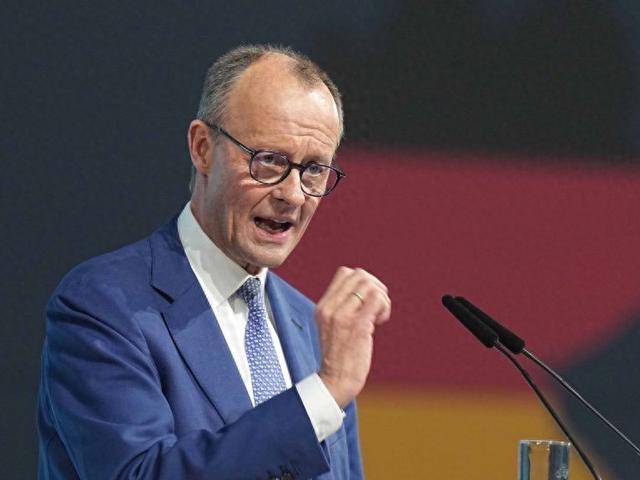
前言 欧盟原本盘算着,只要再咬咬牙接受美国10%的关税,谈判桌上还能有个说话的份儿。 哪知道美国人胃口大得没边,张口就要15%甚至更高,连德国人的命根子汽车业都不放过。 这回,连最能忍的德国都炸了:想打仗?那就来! 这一切要从上周那场90分钟的关键会议说起。 德国官员原本还抱着最后一丝幻想,觉得特朗普那封30%关税威胁信不过是谈判桌上的讨价还价。 结果美国商务部长卢特尼克在电话里的话,像一盆冷水浇在德国人头上:"15%是底线,汽车业一分钱 都别想少。" 那一刻,连德国最温和的官员都明白了一个道理。 妥协换不来尊重,只会招来更大的胃口。 一位参与会议的德国官员后来回忆说,会议室里的气氛瞬间变了,"大家脸上的表情从期待变成了愤 怒。" 90分钟,德国从"求和"到"宣战" 德国经济部长更是拍案而起:"我们不是谁都能欺负的!"就在这90分钟里,德国的对美政策发生了180 度的根本转变。 从此前的"能忍则忍,能让则让",变成了"针锋相对,寸土不让"。那句震撼世界的狠话就是在这种背景 下说出来的。 "所有选项都摆在桌面上,如果美国想要战争,他们会得偿所愿。"德国人用的是"战争"这个词,虽然指 的是贸易战,但这个词从德国官 ...

北约秘书长放狠话:制裁中、巴、印!三国联合反制,全球格局将剧变?
Sou Hu Cai Jing· 2025-07-19 17:04
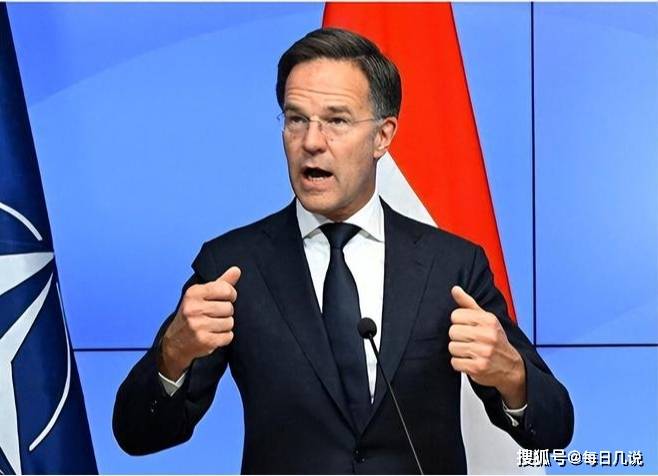
Group 1 - NATO Secretary General Mark Rutte's statement on potential secondary sanctions against Brazil, China, and India for trading with Russia highlights the geopolitical tensions and economic coercion reshaping international order [1][2] - The U.S. has imposed a 100% tariff on Russian imports, indicating a significant escalation in economic measures against Russia [1][11] - China, Brazil, and India are actively resisting U.S. economic pressure through various strategies, including trade agreements that bypass the U.S. dollar [3][5][6] Group 2 - China is leveraging its position by initiating a coalition of 85 countries to protest against economic coercion and advancing projects to facilitate energy trade with Russia without using the dollar [3][4] - Brazil's government has responded to U.S. threats by imposing a 50% tariff on U.S. goods and shifting key exports to Middle Eastern markets [5] - India's strategy includes securing oil supply agreements with Saudi Arabia while challenging U.S. tariffs at the WTO, showcasing a dual approach to navigate the geopolitical landscape [6] Group 3 - The BRICS alliance is expanding rapidly, with 37 new member countries joining shortly after NATO's threats, indicating a shift towards a multipolar world [7] - European nations are experiencing internal divisions regarding sanctions against Russia, with some countries like Slovakia and Hungary resisting further military support and energy embargoes [8] - Latin American countries are forming alliances to conduct oil trade in local currencies, reducing reliance on the U.S. dollar and challenging U.S. economic dominance [9] Group 4 - The U.S. sanctions against Russia are expected to have reciprocal effects on American industries, particularly agriculture and technology, potentially leading to increased prices for consumers [11] - Diplomatic efforts for peace in the Russia-Ukraine conflict are complicated by ongoing U.S. sanctions, which may hinder negotiations and prolong the conflict [12]
美国对东盟宣战后,鲁比奥直飞亚洲,王毅也将赴会,双方正面交锋
Sou Hu Cai Jing· 2025-07-14 04:21
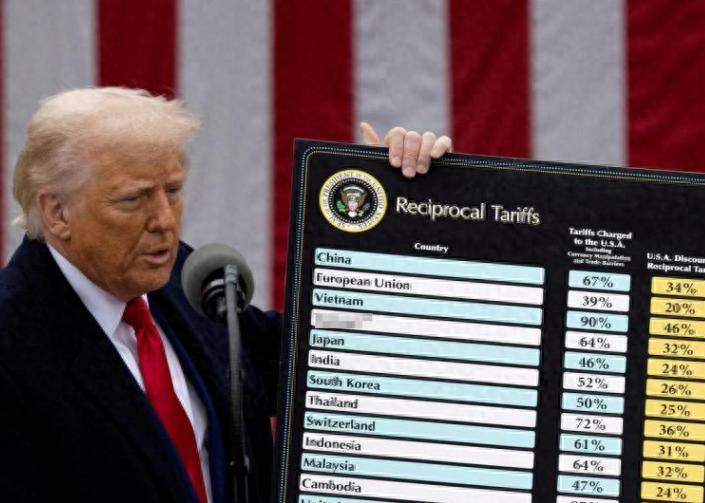
Core Viewpoint - The U.S. is imposing punitive tariffs on multiple countries, particularly targeting ASEAN nations, which is perceived as an economic declaration of war against Southeast Asia [1][3]. Group 1: Tariff Implications - The U.S. will impose tariffs ranging from 25% to 40% on various ASEAN countries, with Malaysia and Kazakhstan facing 25%, South Africa 30%, Laos and Myanmar up to 40%, Thailand and Cambodia 36%, and Indonesia 32% [1]. - The tariffs are expected to significantly impact the manufacturing sectors of these countries, especially in automotive and electronics industries [1][3]. Group 2: Diplomatic Maneuvers - U.S. Secretary of State Rubio's sudden change in travel plans to attend the ASEAN Foreign Ministers' meeting indicates a strategic move to mitigate the fallout from the tariffs and reassure ASEAN nations [1][3]. - China's Foreign Minister Wang Yi is also attending the ASEAN meetings, emphasizing China's commitment to its core interests and potentially countering U.S. narratives [3][5]. Group 3: Regional Response - ASEAN countries are showing strategic awareness, with leaders like Panama's president rejecting U.S. demands and countries like Malaysia and Indonesia refusing to act as proxies in U.S.-China tensions [5]. - ASEAN may consider a united front against U.S. tariffs, potentially following the EU's example of filing a WTO complaint against U.S. tariffs [5][7]. Group 4: Economic Context - The total GDP of ASEAN countries has surpassed that of Germany and the UK combined, indicating a shift in economic power dynamics in the region [7]. - The Regional Comprehensive Economic Partnership (RCEP) encompasses 30% of the global population, highlighting the growing economic significance of Asia [7][8].
巴西怒了!打响全球反美第一枪!关税硬刚特朗普
Sou Hu Cai Jing· 2025-07-13 05:44
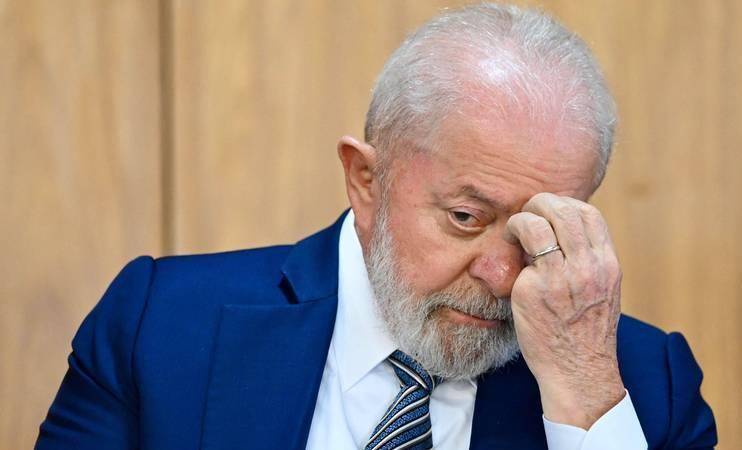
Group 1 - The article discusses the negative impact of Trump's tariff threats on American consumers, particularly in the beverage industry, where orange juice prices could double and thousands of jobs may be lost [3][5] - Brazil controls 80% of the global orange juice trade, making it difficult for the U.S. to find alternative sources, while Boeing faces potential order cancellations due to its reliance on the Brazilian market [3][5] - The backlash against Trump's tariffs has led to bipartisan criticism within the U.S., with Republican Senator Rand Paul condemning the tariffs for harming American jobs [3][5] Group 2 - The conflict between the U.S. and Brazil has escalated into a global issue, with Brazil's President Lula publicly criticizing U.S. unilateral tariff policies at the BRICS summit, which violate WTO rules and disrupt global supply chains [5][7] - Other BRICS nations, including India and South Africa, have expressed support for a multipolar world and have begun to formulate their own countermeasures against U.S. tariffs [5][7] - Canada and the EU are preparing their own retaliatory measures, with Canada threatening to cut off lithium supplies and the EU readying a €21 billion counter-list targeting U.S. products [5][7] Group 3 - President Lula's strong response to Trump's accusations includes the implementation of the Economic Reciprocity Law, imposing 50% tariffs on various U.S. products, including agricultural goods and consumer items [9][11] - Lula emphasized Brazil's sovereignty and rejected U.S. control, highlighting that 80% of U.S. goods in Brazil enjoy zero tariffs, labeling U.S. accusations as bullying [9][11] Group 4 - Brazil's cooperation with China is strengthening, as evidenced by Lula's recent visit to Beijing and the signing of a memorandum for the "Two Oceans Railway" project, which contrasts with U.S. practices [11][13] - The trade volume between Brazil and China reached $83.4 billion in the first half of the year, significantly reducing Brazil's dependence on the U.S. market [11][13] - Brazil's ability to conduct trade in local currencies with China further diminishes U.S. financial benefits from Brazilian trade [11][13] Group 5 - Trump's claims of unfair trade practices with Brazil are contradicted by U.S. trade data, which shows a $410 billion trade surplus with Brazil over the past 15 years [13] - The underlying motive of Trump's letter appears to be an attempt to influence Brazilian judicial proceedings against former President Bolsonaro, raising concerns about U.S. interference in foreign governance [13] - Lula's rejection of Trump's letter signifies a broader challenge to U.S. hegemony and a push for respect for national sovereignty in the context of global multipolarity [13]
特朗普发“最后通牒”,印度打算以牙还牙,中方8年前就已开始准备
Sou Hu Cai Jing· 2025-07-08 06:44
Core Viewpoint - The resurgence of trade tensions, initiated by President Trump's unilateral tariff actions, has prompted a strong response from various countries, indicating a shift from unilateralism to a more diversified and autonomous trade strategy [1][8]. Group 1: Global Reactions - India has announced plans to impose retaliatory tariffs against the U.S., showcasing a strategic response to U.S. pressure on local manufacturing rules [3]. - The European Union, Japan, and South Korea have also expressed their intent to counteract U.S. tariffs, emphasizing the importance of protecting national interests and rejecting passive acceptance of imposed rules [4]. - The collective response from these nations indicates a growing trend of countries actively defending their economic interests against unilateral trade actions [4]. Group 2: China's Preparedness - China has been preparing for trade tensions for eight years, successfully reducing its trade dependency on the U.S. from over 20% to around 12% [6]. - The Chinese economy has shown resilience, with a GDP growth of 5.4% in Q1 2025, and a 6.3% increase in exports in May, reflecting the effectiveness of its economic reforms [6]. - China's manufacturing sector has transitioned from low-end production to high-tech and intelligent manufacturing, with significant advancements in various industries [7]. Group 3: Strategic Shifts - The trade conflict has accelerated the diversification strategies of emerging economies like India and China, pushing them towards a more balanced and multipolar global trade environment [8]. - The emphasis on upgrading traditional industries and investing in new technologies, such as AI and quantum technology, highlights China's proactive approach to global supply chain challenges [7].
印度重回金砖!走前对美“砍了一刀”,特朗普严重低估莫迪的决心
Sou Hu Cai Jing· 2025-07-07 04:02
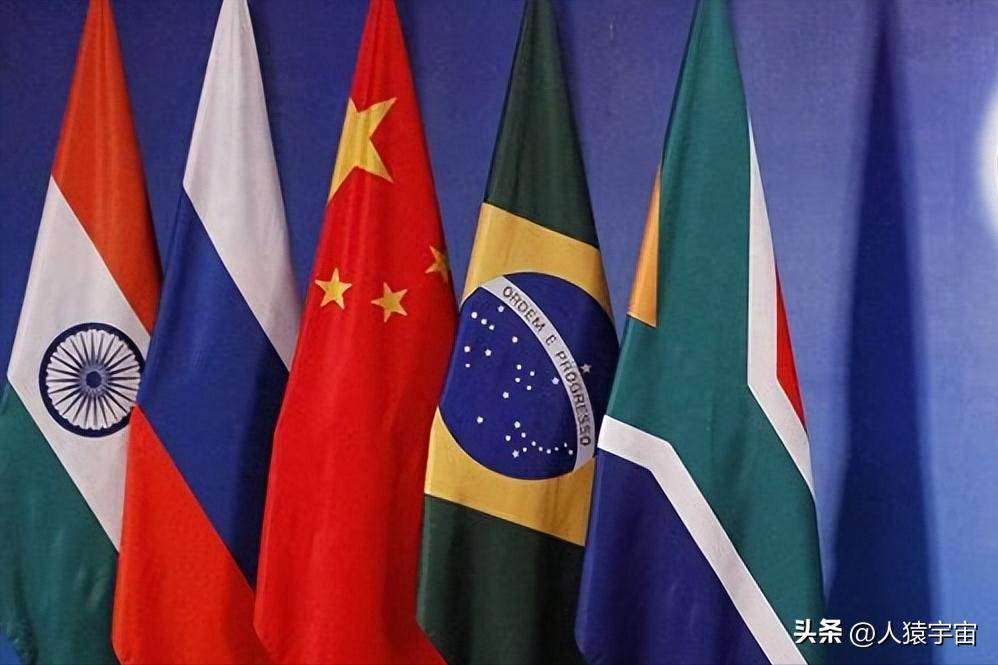
Group 1 - The core viewpoint of the articles revolves around India's firm stance against the U.S. tariff policies, highlighting its decision to impose retaliatory tariffs on American goods amounting to $725 million, reflecting its belief in self-reliance and reduced dependency on the U.S. market [1][2][4] - India's exports to the U.S. account for only 18% of its total exports, indicating that it does not rely heavily on the American market, especially in comparison to its exports to China, which stand at 14.7% [2] - Modi's government is actively seeking to strengthen its position within BRICS and other international platforms, showcasing its commitment to multilateralism and regional cooperation, as evidenced by Modi's participation in the BRICS summit [4][5] Group 2 - The articles suggest that Modi's approach is influenced by the lack of concessions from the U.S. and the need to assert India's role on the global stage, particularly in light of the absence of key leaders from China and Russia at the BRICS summit [4][5] - India's recent actions, including the joint statement on IMF reform, signify its ambition to position itself as a representative of the Global South and to challenge the dominance of the U.S. dollar [5] - The ongoing tensions with the U.S. and the potential for closer ties with China and Russia indicate a strategic pivot for India, emphasizing its desire for an independent and multipolar foreign policy [7]
特朗普对华口风突变,一句话让美媒哑火,全球加税中国成了例外?
Sou Hu Cai Jing· 2025-07-01 16:22
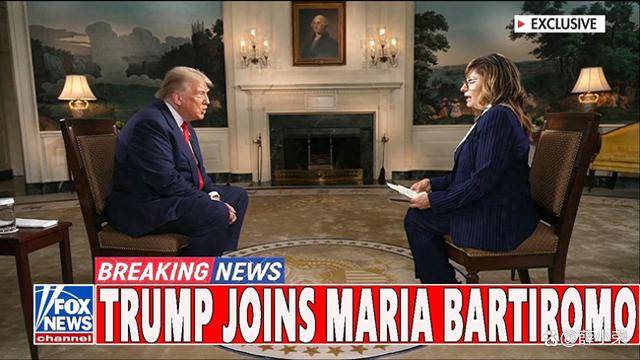
当福克斯新闻主持人试图诱导特朗普指责中国"敌对行为"时,这位素来口无遮拦的总统却罕见地为中国 说起"好话"。 6月29日播出的专访中,当福克斯主持人试图诱导他指责中国"敌对行为"时,特朗普没有顺势发难,不 仅强调与中国"相处融洽",更反将一军指出美国同样采取过对抗行动,反而罕见承认"美国也对中国采 取了很多敌对行动",让主持人都一时语塞。 特朗普为啥突然口风突变?一方面是他要访华了,抵达北京前要是出现一些"反华"舆论对谁都不好。 另一方面,就是美国设下的关税大限将至,特朗普又表示不会延长期限,换言之他已经抡起大棒准备砸 到盟友头上,但中国是个例外,特朗普并不想将刚刚拿到手的稀土给"吐出来",更不想让持续数月的谈 判努力付诸东流。 时间拨回4月,美国政府宣布对欧盟、日本等经济体暂停加征钢铝关税90天。值得注意的是,当时这 份"豁免名单"里并没有中国。 美方好不容易和中方达成协议,若此时再度翻脸,最受损了就是特朗普的基本盘了,即便是为了这个, 特朗普都不敢对中国轻举妄动。 可见中方一次次的对等反制成功让美国心生忌惮,而中方手握的筹码更令特朗普投鼠忌器。 因为直到5月12日日内瓦会谈后,中美才达成相互暂停24%关税 ...
王毅同亚美尼亚外长米尔佐扬举行会谈
news flash· 2025-06-26 12:46
Core Viewpoint - The meeting between Chinese Foreign Minister Wang Yi and Armenian Foreign Minister Mirzoyan emphasizes the historical friendship and mutual respect between China and Armenia, highlighting the importance of bilateral cooperation and the desire to deepen ties in various fields [1] Group 1: Bilateral Relations - Both countries are described as ancient civilizations with a long-standing relationship, rooted in the historical Silk Road [1] - China expresses willingness to work with Armenia to enhance mutual trust and cooperation, aiming to create more benefits for both peoples [1] Group 2: Global Context - Wang Yi discusses the rise of the "Global South" and the obsolescence of bloc confrontations, advocating for a multipolar international order [1] - China promotes a foreign policy of partnership without alliance and dialogue without confrontation, emphasizing the need for democratic international relations [1] Group 3: Support for Sovereignty - China reaffirms its support for Armenia in maintaining national sovereignty and independence, appreciating Armenia's adherence to the One China principle [1] - Mirzoyan praises China's historical civilization and modern achievements, expressing Armenia's commitment to deepen cooperation in connectivity and trade [1] Group 4: Multilateral Cooperation - Both parties discuss enhancing cooperation within the framework of the Shanghai Cooperation Organization and address issues such as the Iran conflict [1]
推动中欧关系向好、向前发展(权威论坛)
Ren Min Ri Bao· 2025-05-22 22:02
Core Viewpoint - The article emphasizes the strategic significance of strengthening cooperation between China and the EU, highlighting their roles as major forces in promoting multipolarity and supporting globalization, which can bring greater benefits to their peoples and inject stability into a turbulent international landscape [10][11][13]. Group 1: Historical Context and Development - China and the EU established diplomatic relations 50 years ago, marking a significant decision that initiated a new phase in their relationship [10]. - The relationship has evolved through various stages, including the establishment of a constructive partnership in 1998, a comprehensive partnership in 2001, and a comprehensive strategic partnership in 2003, leading to a multi-dimensional diplomatic framework [10][11]. Group 2: Economic Cooperation - China is the EU's second-largest trading partner, first-largest source of imports, and third-largest export market, while the EU is China's second-largest trading partner [16]. - The bilateral trade volume exceeds 20 billion euros daily, making it one of the most important economic relationships globally [17]. - Both parties are committed to a multilateral trading system centered around the World Trade Organization (WTO) and have collaborated on initiatives like the Trade Facilitation Agreement [15][16]. Group 3: Areas of Collaboration - Key areas for cooperation include green technology, digital economy, and sustainable development, with both sides recognizing the potential for joint efforts in these fields [18]. - The article highlights the importance of combining European innovation with China's market scale to create future-oriented global solutions [13][14]. Group 4: Cultural and Human Exchange - Strengthening cultural exchanges and mutual understanding is deemed essential for long-term cooperation, with initiatives aimed at facilitating travel and educational exchanges between the two regions [19][21]. - The article underscores the role of academic publishing and research collaboration in bridging cultural gaps and enhancing mutual understanding [20].