
科技自立自强

Search documents
创新行业将成为经济高质量发展新引擎
Jin Rong Shi Bao· 2025-11-19 01:38
Core Viewpoint - The year 2026 marks the beginning of China's "14th Five-Year Plan" and is seen as a crucial opportunity for economic structural optimization and transformation of development momentum amid rapid technological and industrial changes [1] Economic Outlook - Multiple institutions predict that China's economy will maintain stable growth within a reasonable range in 2026, with a solid foundation for high-quality development [2] - Economic resilience is expected to continue, with moderate growth in consumption and a recovery in infrastructure and manufacturing investments [2][3] - Investment in broad infrastructure and manufacturing is anticipated to remain strong, with stable growth in consumer demand [2] Innovation and New Economy - The "new economy" sectors, including artificial intelligence, high-end manufacturing, and biomedicine, are projected to experience rapid growth in 2026, becoming key drivers of high-quality economic development [2][3] - It is estimated that by 2024, innovation-driven "new economy" sectors will account for 15% to 20% of China's nominal GDP and contribute approximately one-fourth of GDP growth from 2020 to 2024 [3] - The private sector's capital expenditure in high-tech fields is expected to accelerate, significantly boosting manufacturing investments compared to 2025 [3] Policy Support - The policy direction for the next five years is becoming clearer, with a focus on enhancing technological self-reliance and achieving high-quality "zeroing" in critical areas [4] - A new policy financial tool of 500 billion yuan aimed at supporting the digital economy and artificial intelligence has been fully deployed, which is expected to drive faster development in these sectors in 2026 [4] External Environment - Experts believe that the China-U.S. trade relationship is likely to stabilize in 2026, with a reduction in the "disorderliness" of U.S. policies, leading to improved export growth for China [5][6] - The global economic environment is expected to become more favorable, with synchronized fiscal and monetary policies in many countries, which will help reduce investment risks and boost external demand [5][6] - China's exports to the U.S. may see significant growth due to base effects from 2025, while exports to other countries are expected to maintain rapid growth driven by companies exploring non-U.S. markets [6] Conclusion - Overall, 2026 is positioned as a year for balancing stable growth, promoting innovation, and optimizing structure, with the potential for qualitative improvements and reasonable quantitative growth in China's economy, supported by policy, industrial upgrades, and an improved external environment [7]
申万宏源:A股牛市远未结束,明年下半年有望启动全面牛行情
Xin Lang Cai Jing· 2025-11-18 13:49
Core Viewpoint - The framework of "policy bottom, market bottom, economic bottom" is expected to return to effectiveness, potentially triggering a "Bull Market 2.0" in the second half of 2026 [2][4] Group 1: Market Outlook - The anticipated bull market may start in the second half of 2026, with a focus on the transition from "Bull Market 1.0" to "Bull Market 2.0" [2][4] - The "policy bottom" is likely to be validated around mid-2026, which could catalyze the start of the new bull market [4] Group 2: Investment Strategy - The current phase of the bull market is characterized by a significant shift in asset allocation towards equities, indicating that the bull market is far from over [3] - The A-share market is expected to see a qualitative change in profit accumulation, leading to improved conditions for incremental capital inflow over time [3] Group 3: Sector Focus - The technology sector is projected to be a key driver in the upcoming bull market, with a focus on areas such as humanoid robots, energy storage, photovoltaics, pharmaceuticals, and military industry [5] - The transition from "Bull Market 1.0" to "Bull Market 2.0" will favor high-dividend defensive stocks initially, followed by cyclical stocks and growth sectors [5] Group 4: Profit Forecast - A-share net profit growth is expected to show significant improvement, with forecasts of 7% and 14% year-on-year growth for 2025 and 2026, respectively [4]



当前计算机板块的核心主线仍围绕AI和科技自立自强展开,关注软件ETF、计算机ETF
Xin Lang Ji Jin· 2025-11-18 12:09
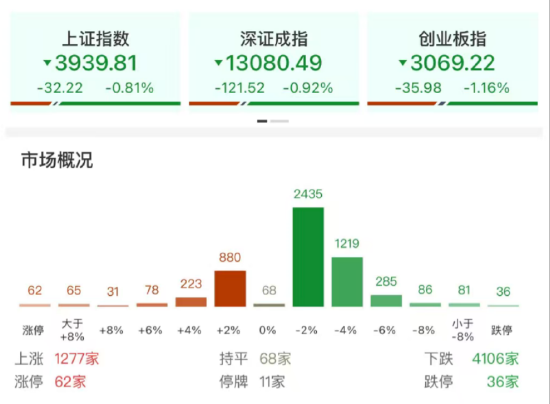
Market Overview - The market experienced fluctuations with major indices declining, where the Shanghai Composite Index and Shenzhen Component Index fell over 1% during the day [1] - The trading volume in the Shanghai and Shenzhen markets reached 1.93 trillion, an increase of 153 billion compared to the previous trading day [1] - The overall liquidity remains ample, and the market's active volume suggests that the adjustment space is manageable [1] AI and Computing Sector - The computing-related sector performed relatively well, driven by optimism about AI applications, despite concerns regarding the sustainability of AI investments [3] - Capital expenditures (Capex) for cloud service providers have significantly accelerated, with expected year-on-year growth exceeding 50% for 2025 [4] - Major tech companies are facing pressure on their balance sheets due to high Capex, which is comparable to their annual cloud revenues and constitutes about 60% of their operating cash flow [4][6] Investment Trends - The trend of domestic substitution in the semiconductor equipment sector is expected to gain momentum, particularly in light of the ongoing technological decoupling between China and the U.S. [7] - Investors are encouraged to focus on semiconductor equipment ETFs as a long-term investment strategy [7] - The software ETF saw a rise of 1.21%, indicating a rebound in AI application-related sectors after previous adjustments [8] Corporate Developments - Alibaba and Tencent are actively developing AI agents, with Alibaba launching the Qianwen app, which quickly rose in rankings on the iOS free chart [9] - Huawei is set to announce breakthrough AI technology that could significantly enhance the utilization of computing resources [9] Institutional Holdings - Institutional holdings in the computing sector have seen a slight increase to 3.2% in Q3 2025, although this remains historically low [10] - The core focus in the computing sector continues to revolve around AI and technological self-reliance, with opportunities in software and computing ETFs [10] New Energy Sector - The new energy sector experienced a noticeable pullback, primarily due to profit-taking after a recent surge, although the underlying fundamentals remain strong [11] - Future focus areas include high-demand sectors like energy storage and lithium batteries, as well as potential recovery in solar and lithium materials [11]
“十五五”规划建议为我们指明哪些投资方向?
材料汇· 2025-11-18 11:26
Core Viewpoint - The article outlines the three main policy lines of the "14th Five-Year Plan," focusing on high-quality development, improved living standards, and enhanced national security [2]. Group 1: Development - Significant achievements in high-quality development have been made, with a marked increase in the level of technological self-reliance [2]. - The construction of a modern industrial system is emphasized, aiming to strengthen the foundation of the real economy [2]. - There is a push for high-level technological self-reliance and the cultivation of new productive forces [3]. Group 2: Livelihood - Continuous improvement in the quality of life for the people is a key goal, with efforts to promote common prosperity for all [2]. - The article highlights the importance of enhancing and improving living standards through various initiatives [2]. Group 3: Security - National defense is reinforced as a strategic support, with a focus on building ecological security barriers [7]. - The article discusses the modernization of the national security system and capabilities, aiming for a higher level of safety in the country [7].

粤开宏观:做好科技金融大文章:“十五五”时期金融如何支持科技自立自强
Yuekai Securities· 2025-11-18 09:18
Group 1: Core Objectives and Strategies - The "15th Five-Year Plan" emphasizes achieving high-level technological self-reliance as a core task, reflecting its urgency and importance[3] - Financial support for technological self-reliance should focus on a comprehensive and systematic restructuring of the financial system, aligning it with technological innovation[7] - The strategic shift includes moving from broad financial support to targeted, precise resource allocation, particularly in key strategic areas like high-end chips and industrial mother machines[7] Group 2: Specific Directions for Financial Support - Financial efforts should focus on supporting breakthroughs in key technologies and the growth of quality tech enterprises, particularly in areas like integrated circuits and advanced materials[10] - There is a need to enhance direct financing, especially by improving the inclusiveness of capital market systems to facilitate earlier access for tech enterprises[12] - Promoting the integration of innovation chains and industrial chains is essential, optimizing financing channels and supporting mergers and acquisitions to extend industry chains[13]
花旗:全球降息潮支撑经济温和增长 预计明年中国增速约5%
2 1 Shi Ji Jing Ji Bao Dao· 2025-11-18 08:22
Group 1: Global Economic Outlook - The global economy is showing unexpected resilience, with an estimated growth rate of approximately 2.7% for this year, slightly lower than last year's 2.8% and the trend growth rate of 3% [2] - Global inflation has continued to decline, with the overall rate now at 2%, returning to pre-pandemic levels, while core inflation remains moderate [2] Group 2: Tariff Impact on Trade - The average tariff rate on U.S. imports has surged from 2.5% at the beginning of the year to around 15%, the highest level since the 1930s [3] - The share of U.S. imports from China has decreased from 13% to 8% over the past year, while trade with Taiwan, Vietnam, Mexico, and Thailand has significantly increased [3] Group 3: Monetary Policy Trends - Approximately 25 out of 30 major central banks have implemented interest rate cuts this year, with expectations for continued cuts into next year [4] - The Federal Reserve is anticipated to lower rates multiple times by the end of next year due to a weak labor market, while the European Central Bank is expected to cut rates twice [4] Group 4: China's Economic Strategy - The "14th Five-Year Plan" emphasizes technological self-reliance and supply-demand rebalancing, aiming for a growth target of around 5% [6] - The GDP growth for the first three quarters has reached 5.2%, indicating a strong likelihood of achieving the annual growth target [6] Group 5: Fiscal and Monetary Policy in China - The fiscal policy is expected to lead, with a projected budget deficit rate of 4% and a total of 1.6 trillion yuan in special bonds to support economic growth [7] - Monetary policy is anticipated to remain moderately loose, with a potential interest rate cut of 20 basis points and a reserve requirement ratio cut of 50 basis points by 2026 [7] Group 6: Consumer and Structural Policies - Consumer stimulus will focus on structural policies, including a 300 billion yuan subsidy for trade-ins and increased investment in childcare and elderly care [8] - The external environment is improving, with expectations for a 13% growth in exports in 2024, supported by strong adaptability [8] Group 7: Capital Market Insights - The Chinese stock market is viewed positively, with 60% of the market being growth-oriented and 40% of profits related to AI, positioning China to potentially lead in the AI sector [9]
花旗:全球降息潮支撑经济温和增长,预计明年中国增速约5%
2 1 Shi Ji Jing Ji Bao Dao· 2025-11-18 08:11
Core Viewpoint - The global economic resilience, tariff restructuring, and monetary policy shifts are central themes, with China's growth expected to be around 5% next year, supported by domestic demand recovery and export resilience [1][6]. Global Economic Outlook - Global economic growth is projected at approximately 2.7% for this year, slightly down from 2.8% last year, but still within a reasonable range [2]. - Global inflation has decreased to 2%, returning to pre-pandemic levels, while core inflation remains moderate [2]. Tariff Policies - The average tariff rate on U.S. imports has surged from 2.5% at the beginning of the year to about 15%, the highest level since the 1930s [3]. - The share of U.S. imports from China has dropped from 13% to 8%, while trade with Taiwan, Vietnam, Mexico, and Thailand has significantly increased [3]. Monetary Policy Trends - A global interest rate cut cycle is underway, with about 25 out of 30 major central banks implementing rate cuts this year [4]. - The Federal Reserve is expected to lower rates several times by the end of next year due to a weak labor market, while the European Central Bank plans two more rate cuts [4]. Employment and AI Impact - A new phenomenon termed "jobless prosperity" is emerging, where GDP growth is strong but employment data is weak [5]. - The impact of artificial intelligence on lower-skilled jobs is becoming evident, posing a long-term challenge for policymakers [5]. China's Economic Projections - China's GDP growth for the first three quarters has reached 5.2%, with a high likelihood of achieving the 5% growth target for the year [6]. - The growth target for 2026 is expected to remain around 5%, with favorable factors such as a potential U.S.-China trade agreement [7]. Policy Framework - The fiscal policy is expected to be dominant, with a projected budget deficit rate of 4% and significant local government bond issuance to support economic growth [8]. - Structural policies will focus on boosting consumption, with subsidies and investments in key areas such as childcare and elderly care [9]. External Environment and Trade - Improved U.S.-China trade relations and potential tariff reductions are anticipated, with China's exports expected to grow by 13% in 2024 [9]. - China has found alternative export paths, which may provide a competitive advantage over ASEAN countries if some tariffs are lifted [9]. Capital Market Insights - The Chinese stock market is viewed positively, with 60% of the market being growth-oriented and a significant portion of profits linked to AI [10].
超半数装修建材股下跌 永安林业股价下跌10.00%
Bei Jing Shang Bao· 2025-11-18 08:05
Group 1 - The renovation and building materials sector experienced a slight decline, closing at 16,564.56 points with a drop of 1.22% [1] - Individual stocks within the sector showed varying degrees of decline, with Yong'an Forestry leading the drop at 8.10 CNY per share, down 10.00% [1] - Jingxue Energy closed at 25.82 CNY per share, down 7.72%, while ST Nachuan closed at 2.74 CNY per share, down 7.43% [1] Group 2 - Huaci Co. led the gains in the sector, closing at 20.61 CNY per share with an increase of 9.98% [1] - Youbang Ceiling closed at 32.67 CNY per share, up 7.22%, and Zhejiang Zhengte closed at 53.23 CNY per share, up 3.30% [1] Group 3 - Dongwu Securities highlighted the importance of technological self-reliance during the 14th Five-Year Plan, predicting accelerated development in domestic semiconductors, particularly in advanced processes [1] - The cleanroom engineering sector is expected to see high growth in orders, and AI applications are anticipated to develop rapidly in smart home appliances by 2026 due to improved model and computing power matching [1]



淮安打通产学研协同创新动脉
Xin Hua Ri Bao· 2025-11-18 07:27
Core Viewpoint - The article highlights the successful collaboration between Jiangsu Xinsong Microelectronics Technology Co., Ltd. and academic institutions, leading to significant advancements in MLCC ceramic materials, which are crucial for applications in electric vehicles and high-end smart devices [1][2]. Group 1: Technological Breakthroughs - Jiangsu Xinsong Microelectronics achieved a breakthrough in the particle size of BaTiO3 powder, reducing it from 300-500nm to 100-250nm, enhancing the dielectric performance of MLCC materials [1]. - This technological advancement is expected to generate over 100 million yuan in economic benefits for the company [1]. Group 2: Collaboration Framework - The "Innovation Navigator" program facilitates collaboration between universities and enterprises, with experts from national institutions assisting in technical challenges and technology transfer [2]. - In 2023, 152 technology-based enterprises in Huai'an published 220 requests for "Innovation Navigators," while 6 universities released 160 requests for "Industry Instructors" [2]. Group 3: Industry Guidance - Liu Xiaotao, the Deputy General Manager of Wanxiang Technology Group, serves as an "Industry Instructor," providing practical insights to enhance the curriculum and student training in chemical engineering [3]. - The role of "Industry Instructors" is to bridge the gap between academic knowledge and industry needs, promoting active student participation in creating value for the industry [3]. Group 4: Policy Support - Huai'an has established a comprehensive policy framework to support "Innovation Navigators" and "Industry Instructors," offering annual subsidies of 18,000 yuan and project funding ranging from 500,000 to 3 million yuan [4]. - The city aims to attract more high-level talent from universities and research institutions to enhance local innovation and development [4].
软件ETF(515230)盘中涨超1.6%,近20日净流入超2.7亿元,机构:软件板块表现亮眼
Mei Ri Jing Ji Xin Wen· 2025-11-18 06:32
Core Viewpoint - The software ETF (515230) has seen a significant increase of over 1.6% during intraday trading, with a net inflow exceeding 270 million yuan in the past 20 days, indicating strong investor interest in the sector [1]. Group 1: Policy and Market Context - The Ministry of Industry and Information Technology and the State Administration for Market Regulation have jointly issued the "Action Plan for Stable Growth in the Electronic Information Manufacturing Industry (2025-2026)", which emphasizes the promotion of domestic products and increased policy support for key enterprises in the industry chain [1]. - The implementation of supporting funds and the improvement of the policy standard system are expected to accelerate the bidding process in the information technology innovation sector [1]. - Under the national policy promoting technological self-reliance, core sectors such as domestic computing power, operating systems, and databases are anticipated to enter a golden development period [1]. Group 2: ETF and Index Information - The software ETF (515230) tracks the software index (H30202), which selects listed companies involved in application software, system software development, and related IT services to reflect the overall performance of the software and IT services industry [1]. - The index highlights characteristics of technological innovation and growth, serving as an important indicator of the development status of the domestic software industry [1].