换电模式

Search documents
从"分兵作战"到"集团军":吉利电池整合背后的产能暗战
Jing Ji Guan Cha Wang· 2025-08-30 03:54
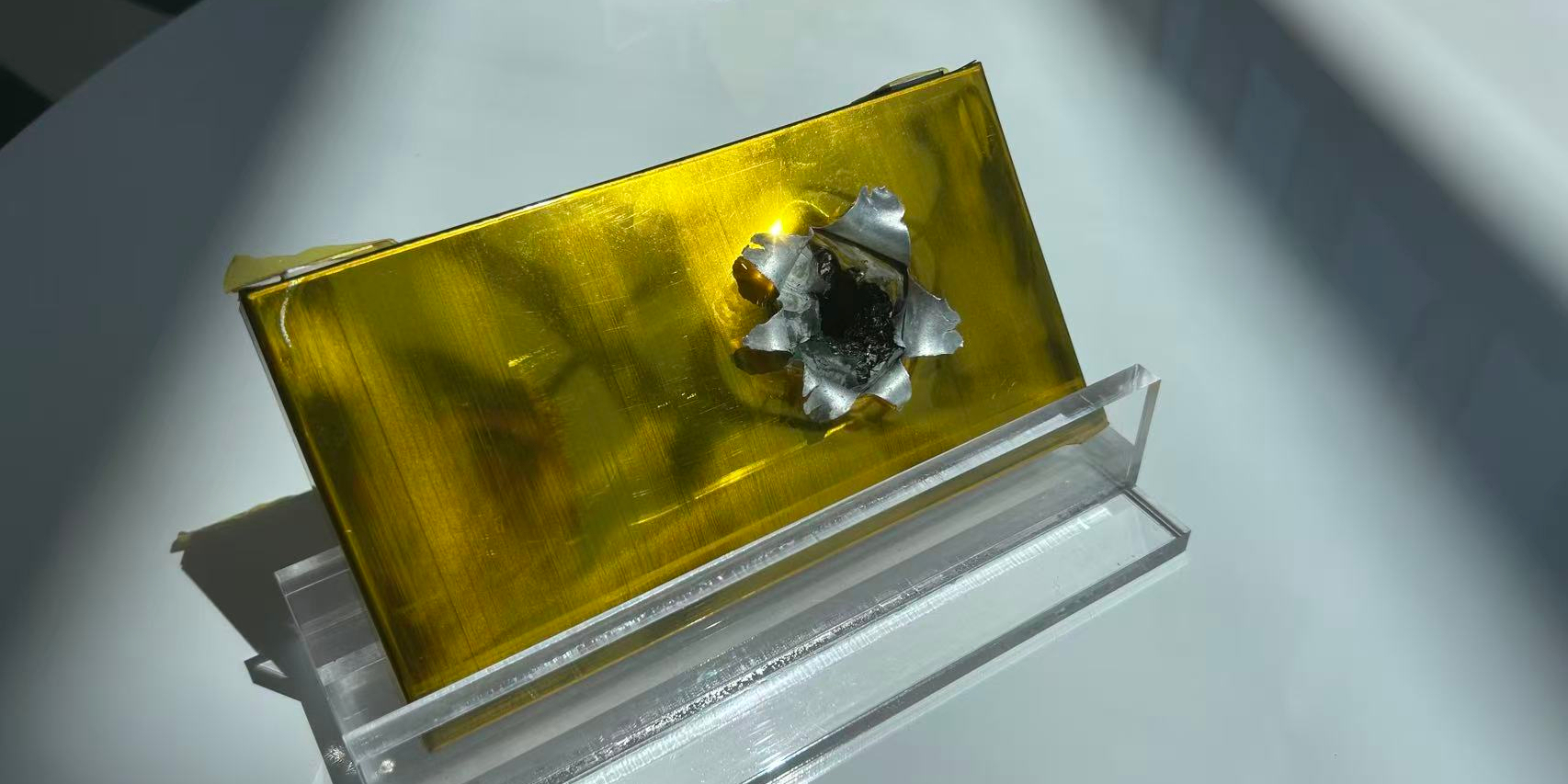
Core Viewpoint - The establishment of the Shendun Golden Brick Battery brand by Geely is part of a strategic integration aimed at enhancing battery safety and performance, while also consolidating battery resources to improve efficiency and reduce costs [3][6][8]. Group 1: Brand and Product Development - Geely has integrated its battery assets under the newly formed Zhejiang Jiyao Tongxing Energy Technology Co., Ltd., which will oversee the Shendun Golden Brick Battery brand, combining the Golden Brick and Shendun Short Blade batteries [3][4]. - The Shendun Short Blade battery, launched in June 2024, and the Golden Brick battery, released in November 2023, will now be marketed under the unified brand, enhancing brand recognition and safety perception [2][4]. - The new battery design incorporates a gold insulation film, which improves high-voltage resistance to 4000V, a 30% increase compared to the previous blue film, albeit at a higher cost [3][4]. Group 2: Safety and Performance Features - The Shendun Short Blade battery has undergone rigorous safety testing, including a unique 5.8mm bullet penetration test, while the Golden Brick battery has passed industry-first tests for external fire exposure and overpressure needle puncture [4][5]. - The Shendun Golden Brick Battery will feature several product lines, including a super-fast charging series capable of charging from 10% to 80% in just 10.5 minutes, and a high energy density series with a density of 192Wh/kg and a lifespan of 3500 cycles [5][6]. Group 3: Production Capacity and Strategic Integration - Jiyao Tongxing currently operates eight production bases with a total planned capacity exceeding 176GWh, aiming for a target of 70GWh by 2027 [7][8]. - Geely plans to source 40% of its battery needs from Jiyao Tongxing, with the remaining 60% supplied by CATL and other sources, ensuring that the Shendun Golden Brick Battery will primarily serve the Zeekr, Lynk & Co, and Galaxy brands [7][8]. - The integration of battery resources is expected to streamline product development and marketing, leading to cost savings of 10%-20% in R&D and management expenses [6][8]. Group 4: Future Directions and Market Strategy - Geely aims to leverage existing global battery production capacity rather than building new factories, focusing on resource reorganization and collaboration [8][9]. - The company is exploring innovative business models, including battery-as-a-service and battery banks, to transition towards a more sustainable energy service model [8].


18家电池企业H1业绩出炉:头部稳进,二三线挣扎
高工锂电· 2025-08-29 11:51
Core Viewpoint - The lithium battery industry is experiencing significant growth and competitive restructuring in the first half of 2025, with energy storage batteries emerging as a new growth engine, outpacing the growth of power batteries [2][4]. Overall Performance - The overall performance of battery companies shows improvement, but with notable differentiation. More than half of the 18 surveyed battery companies achieved both revenue and profit growth, including major players like CATL and A123 Systems [5][6]. - CATL, A123 Systems, and other first-tier companies reported revenue growth rates exceeding 30%, driven by continuous technological breakthroughs and successful product launches [5][6]. Market Dynamics - The total shipment of lithium batteries reached 776 GWh in the first half of 2025, a year-on-year increase of 68%. Power batteries accounted for 477 GWh (up 49%), while energy storage batteries surged to 265 GWh (up 128%) [7][8]. - In the power sector, lithium iron phosphate batteries dominated with a market share of 78%, reflecting a year-on-year growth of 68% [8]. Structural Growth and Competition - The industry is characterized by structural growth and differentiated competition, with leading companies maintaining high production capacity utilization rates above 90%, while many second and third-tier companies struggle with utilization rates below 60% [4][10]. - Leading companies are investing heavily in R&D to build technological barriers, with CATL's R&D expenditure exceeding 10 billion yuan [10]. Differentiated Strategies - Smaller companies are focusing on emerging markets like humanoid robots, leveraging their flexibility to meet niche demands and avoid direct competition with larger firms [11]. - Major companies are innovating business models, such as CATL's battery swapping and V2G technologies, to enhance their market position and explore new revenue streams [12]. Capital Movements - Several battery companies, including CATL and A123 Systems, have initiated plans for IPOs in Hong Kong to support their technological development and global expansion [13].



中国造车,边狂奔边思考
3 6 Ke· 2025-08-27 23:36
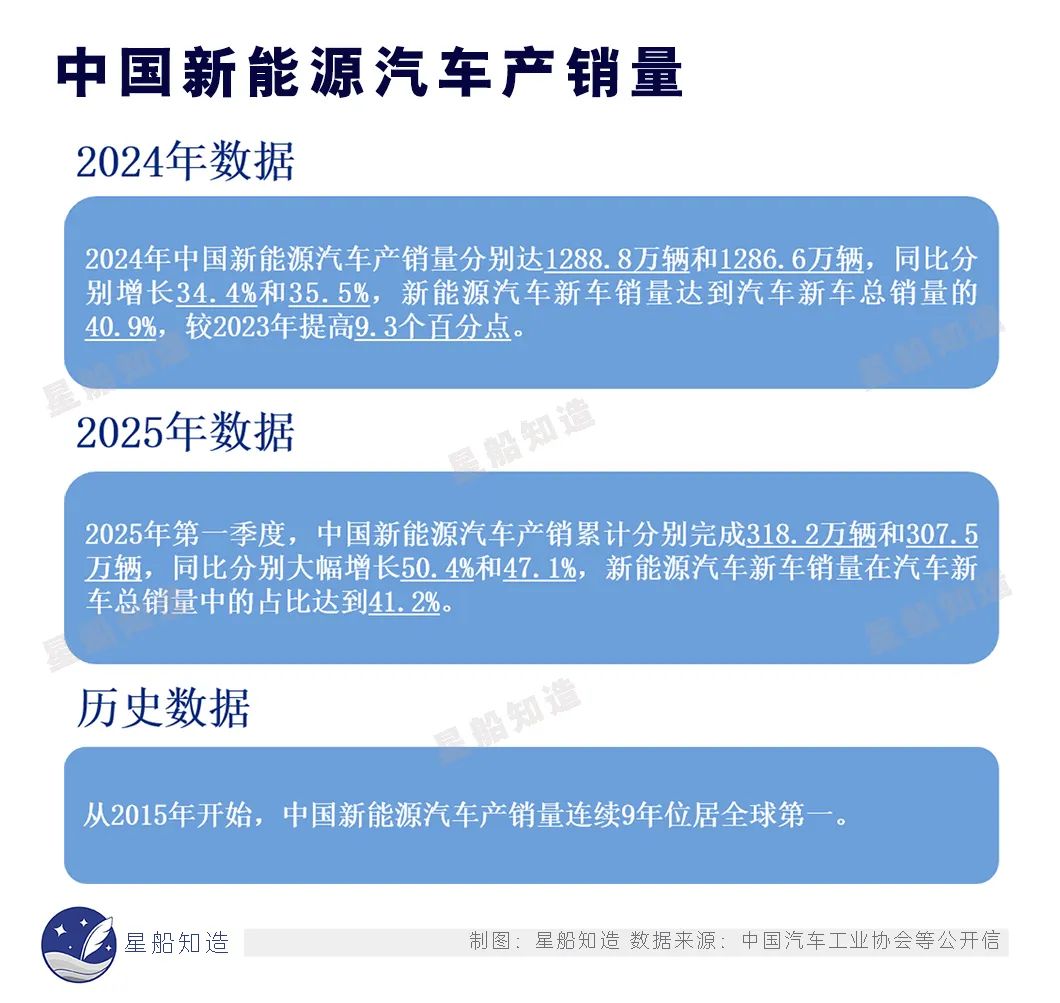
Core Viewpoint - China's new energy vehicles (NEVs) have maintained the global leading position for nine consecutive years, indicating a significant power shift in the global automotive industry towards electric and intelligent vehicles [1] Group 1: Market Dynamics - The competition in the automotive industry has shifted from traditional mechanical components to a focus on the "three electrics" (battery, electric motor, and electronic control) and software ecosystems [1] - Traditional fuel luxury cars are experiencing a decline in China, with brands like Porsche and Audi reporting significant drops in sales [9][10] - In 2024, the luxury car market in China saw a decline in sales across major foreign brands, with Porsche's deliveries dropping by 28% and Audi's global sales down by 11.8% [9][46] Group 2: Consumer Behavior - Chinese consumers are redefining what constitutes a luxury vehicle, moving away from the traditional perception of luxury being synonymous with European brands [21][31] - The younger generation in China is less inclined to associate luxury with established European brands, indicating a shift in consumer preferences [21] Group 3: Industry Trends - The global automotive market is witnessing a decline in fuel vehicle sales, with NEVs accounting for a significant portion of total sales [18][19] - In 2024, China's market share for pure electric vehicles reached 63.9%, while plug-in hybrids accounted for 78% [19] - The trend of "oil retreating and electricity advancing" is evident, with traditional luxury brands struggling to adapt to the new market dynamics [35] Group 4: Corporate Strategies - Traditional luxury car manufacturers are attempting to localize production in China to remain competitive, with companies like Mercedes-Benz and BMW investing heavily in R&D and local manufacturing [37][40] - BMW's 2024 financial report indicated a significant drop in profits, yet the company is increasing its R&D spending to develop next-generation vehicles [40] - Audi is facing challenges in maintaining its market position in China, with its sales being increasingly affected by local NEV brands [45] Group 5: Future Outlook - The future of fuel vehicles is uncertain, with the timeline for their exit from the market largely dependent on advancements in battery technology, particularly solid-state batteries [51][102] - The viability of battery swapping as a sustainable model remains in question, with significant investments required for infrastructure and potential risks from rapid technological advancements [74][101]
蔚来降价“救市” 100kWh电池包直降2万元
Guo Ji Jin Rong Bao· 2025-08-20 15:13
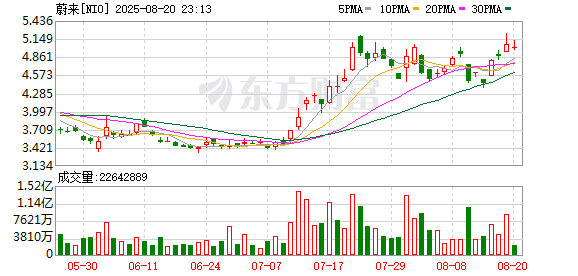
Group 1 - NIO announced a price adjustment for its 100kWh long-range battery pack, reducing the price from 128,000 yuan to 108,000 yuan, a decrease of 15.6%, effective from August 19, 2025 [2] - The pricing for the permanent upgrade service was also reduced from 58,000 yuan to 38,000 yuan, effective from the same date [2] - Existing users who upgraded their battery range between January 1, 2025, and August 18, 2025, will receive a 20,000 yuan renewal gift voucher, valid for five years for purchasing NIO vehicles [2] Group 2 - NIO's cumulative losses have surpassed 100 billion yuan since its establishment, raising concerns about its profitability [3] - Founder Li Bin emphasized that technology innovation is central to NIO's strategy, with a cumulative R&D investment of 60 billion yuan, and stated that the company maintains transparency in its financial reporting [4] - NIO aims to achieve profitability by the fourth quarter of 2025, with a significant increase in vehicle deliveries, totaling 72,100 units in the second quarter of 2025, a 71.2% increase quarter-on-quarter [4] Group 3 - NIO is focusing on cost reduction and efficiency improvement measures, including leveraging battery swap stations to reduce channel costs and penetrate lower-tier markets [5] - Approximately 60% of users of the new model, Lido series, consider battery swap capability as a primary purchasing decision factor, indicating the importance of this model in driving sales [5]

这一次,我希望这个男人赢!
电动车公社· 2025-08-19 13:48
Core Viewpoint - The establishment of the last battery swap station on the G318 National Highway marks a significant milestone for NIO, enabling full electric travel from Shanghai to Mount Everest, indicating the arrival of the golden era for large three-row electric SUVs [2][4][12]. Group 1: Market Dynamics - The relaxation of the two-child and three-child policies has led to an increase in multi-member families, making the demand for large three-row vehicles more pronounced, especially among the 80s and 90s generations [5][8]. - The market for large three-row electric SUVs is expected to grow significantly, as more brands are entering this segment due to the increasing market size [8][9]. Group 2: Challenges in Production - Historically, few manufacturers have focused solely on pure electric large three-row SUVs, with most options being hybrid or extended-range vehicles [16][18]. - The complexity of providing convenient charging solutions has made it easier for manufacturers to opt for hybrid models, which can alleviate consumer anxiety regarding range [20][35]. Group 3: Technological Advancements - The new NIO L90 and the upcoming ES8 are positioned to meet the growing demand for large three-row electric SUVs, leveraging advanced technology to maximize interior space and comfort [36][38]. - The 900V electric platform architecture allows for significant space optimization, reducing the size of components and enhancing the overall design [64][68]. Group 4: Charging Infrastructure - NIO has established a robust charging infrastructure, with 3,455 battery swap stations and 26,984 charging piles, significantly improving the charging experience for users [106][110]. - The expansion of charging facilities is expected to reduce range anxiety among consumers, making pure electric vehicles more appealing [104][111]. Group 5: Industry Positioning - NIO has maintained a consistent focus on pure electric vehicles, distinguishing itself from competitors who have shifted towards hybrid models in response to market pressures [90][113]. - The company's commitment to building a comprehensive charging network and investing in technology has positioned it favorably in the market, with a significant share in the pure electric segment [115][128].

康迪科技牵手宁德时代,获首笔重卡换电站设备订单
Sou Hu Cai Jing· 2025-08-18 09:57
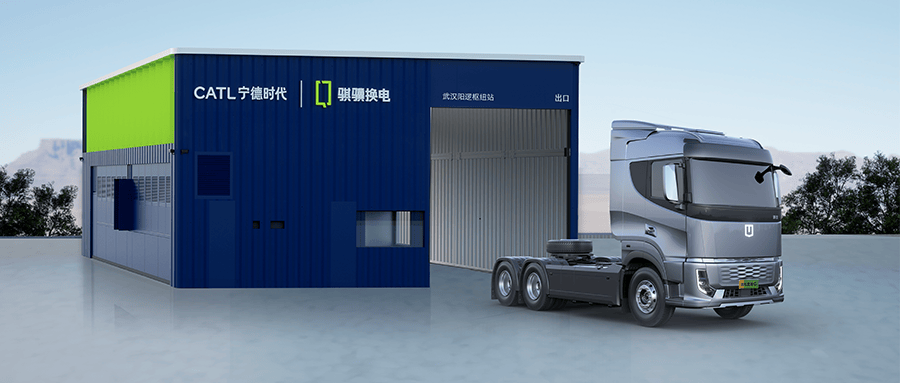
Core Insights - The collaboration between Kandi Technologies and CATL marks a significant milestone in the electric vehicle battery swapping industry, providing new growth opportunities for both companies and injecting vitality into the sector [8] Company Summary - Kandi Technologies' subsidiary, Zhonghuan Electric, has secured its first order for battery swapping station equipment from CATL, officially entering CATL's global supplier system [1][4] - Zhonghuan Electric aims to provide standardized battery swapping station equipment and solutions, including core components such as the station structure and intelligent robotic systems [4][6] - The company has developed a comprehensive smart battery swapping system with nine modules, offering advantages like quick battery replacement and real-time monitoring [4][6] Industry Summary - The global battery swapping market is experiencing rapid growth, with a compound annual growth rate (CAGR) exceeding 40%, and is projected to become a trillion-dollar market [3] - By 2025, China's battery swapping industry chain market size is expected to reach 133.4 billion yuan, with the overall industry potentially exceeding 200 billion yuan [3] - The partnership is expected to enhance the development of a fast and convenient battery swapping ecosystem, contributing positively to the innovation and development of the entire electric vehicle industry [7][8]

康迪科技获宁德时代首个重卡换电站设备订单,共同推动换电站标准化建设
Sou Hu Cai Jing· 2025-08-18 09:40
Core Viewpoint - Kandi Technologies Group's subsidiary, Zhonghuan Electric (Zhejiang) Technology Co., has entered into a partnership with CATL, marking a significant step in the electric vehicle battery swap station market, which is expected to grow rapidly in the coming years [1][2] Group 1: Company Overview - Zhonghuan Electric, established in 2020, positions itself as a provider of comprehensive battery swap solutions and advocates for an open battery swap ecosystem [2] - Kandi Technologies has been involved in battery swap technology for over a decade, viewing it as a key area for long-term industrial upgrades [2] Group 2: Market Potential - The global battery swap market is expanding at a compound annual growth rate (CAGR) of over 40%, with projections indicating it could become a trillion-dollar market [1] - By 2025, China's battery swap industry chain market size is expected to reach 133.4 billion yuan, with the overall industry potentially exceeding 200 billion yuan [1] Group 3: Strategic Partnership - The collaboration with CATL allows Zhonghuan Electric to supply standardized battery swap station equipment and solutions, enhancing its role in CATL's battery swap ecosystem [2][3] - The partnership is expected to support CATL's ambitious plan to establish over 10,000 battery swap stations, significantly increasing Zhonghuan Electric's order volume [3] Group 4: Future Growth Opportunities - The partnership may enable Zhonghuan Electric to expand internationally, exporting battery swap equipment to various countries, thus becoming a crucial growth engine for the company [4] - The collaboration aligns with China's dual carbon goals and the national strategy for a strong transportation sector, potentially fostering a more efficient battery swap ecosystem [4]
曾毓群谈破“卷”,商业模式是把利刃
高工锂电· 2025-08-12 10:57
Core Viewpoint - The lithium battery industry is facing intense internal competition, referred to as "involution," which is a major concern for industry leaders like CATL's chairman, Zeng Yuqun [3][5][10]. Industry Growth and Challenges - The lithium battery industry has experienced explosive growth over the past decade, driven by the new energy wave, making it a focal point for capital investment [4]. - However, issues such as blind capacity expansion, price signal failure, severe technological homogeneity, and market structure distortion have emerged, leading to a deepening of the industry's involution [5]. Government Response - The government has increased regulatory efforts to address the issues of vicious competition in the industry, with clear policy directions established in 2024 and 2025 [6][7]. - New regulations, including the revised Anti-Unfair Competition Law, prohibit selling below cost, providing legal support for governance [7]. Market Dynamics - Despite government interventions, the market still exhibits significant competition, indicating that the effects of macro-control measures may take time to materialize [8]. - The industry may need to return to market-driven solutions to break the current deadlock [9]. Innovative Business Models - CATL is focusing on innovative business models to avoid price wars, particularly through the introduction of battery swapping technology, which separates battery costs from vehicle prices, reducing the upfront cost for consumers by over 30% [10][11]. - The battery swapping model promotes industry collaboration and standardization, as it requires cooperation among various stakeholders, enhancing the overall value of batteries throughout their lifecycle [12][13]. Competitive Landscape - The battery swapping model redefines competitive standards in the industry, shifting the focus from manufacturing capabilities to comprehensive strengths such as standard-setting and network coverage [15]. - CATL's planned "eight horizontal and ten vertical" battery swapping network exemplifies this strategic advantage [15]. Future Directions - In addition to battery swapping, Vehicle-to-Grid (V2G) technology is seen as another disruptive business model, with a focus on Battery-to-Grid (B2G) to transform batteries into revenue-generating assets [16][17]. - The innovation in B2G technology not only enhances the product's value but also redefines the relationship between users and batteries, expanding the market for battery companies into energy services [17]. Conclusion - The crisis awareness expressed by industry leaders and the strategic practices of companies like CATL suggest that business model innovation may be key to overcoming the challenges of involution in the lithium battery industry, paving the way for a new cycle of value reconstruction [17].
锂电产业链周记|中企上半年拿下全球电池近七成江山 全球第五大动力电池公司合并案通过
Xin Lang Cai Jing· 2025-08-08 13:07
Group 1 - In the first half of 2023, Chinese companies captured nearly 70% of the global battery market share, with six out of the top ten battery manufacturers being from China [1] - The total installed capacity of global power batteries reached 504.5 GWh, representing a year-on-year growth of 37.3%, an increase from 22.3% in the same period last year [1] - The market share of the six Chinese companies, including CATL and BYD, increased by four percentage points compared to the same period last year, reaching a historical high of 68.9% [1] Group 2 - Wuhu Fudi Battery Co., Ltd. plans to invest 2.4 billion yuan in the construction of a new manufacturing center in Anhui Province, which will have an annual production capacity of 184,800 battery packs [2] - The project will also produce 1.08 million steel pallets, 480,000 aluminum pallets, and 360,000 liquid cooling plates upon completion [2] Group 3 - CATL has signed a strategic cooperation agreement with three partners to introduce battery swapping models into the car rental industry [4] - The initiative will involve the deployment of over 100,000 battery-swapping vehicles, covering various vehicle types, with a range of 400-600 kilometers [4] - The collaboration will leverage Shenzhou Car Rental's network of over 2,000 offline locations to build a comprehensive battery swapping network [4]

全年预计建1000座换电站,宁德时代“盯上”租车行业
高工锂电· 2025-08-06 10:14
Group 1 - The article highlights the strategic partnership between CATL and Shenzhou Car Rental, aiming to expand the battery swap model into the rental car industry, with plans to operate over 100,000 battery swap vehicles this year [3][5] - CATL has set a goal to establish a nationwide battery swap network covering 80% of trunk transportation by 2030, with the recent launch of the standardized battery swap block and full-scenario chassis battery swap solutions [3][4] - As of July, CATL has built over 400 battery swap stations for passenger vehicles and approximately 100 for heavy-duty trucks, with plans to reach 1,000 and 300 stations respectively by the end of the year [4] Group 2 - In the first half of 2025, China's sales of new energy heavy-duty trucks reached approximately 79,000 units, a year-on-year increase of 185%, leading to a battery installation volume of about 31.7 GWh, with CATL holding a 66.6% market share [4] - CATL's collaboration with NIO will support the development of NIO's battery swap network, integrating CATL's battery swap standards into NIO's upcoming models [4][5] - The partnership with Shenzhou Car Rental will leverage over 2,000 offline locations to accelerate the construction of CATL's battery swap network, enhancing service efficiency for rental customers [5]